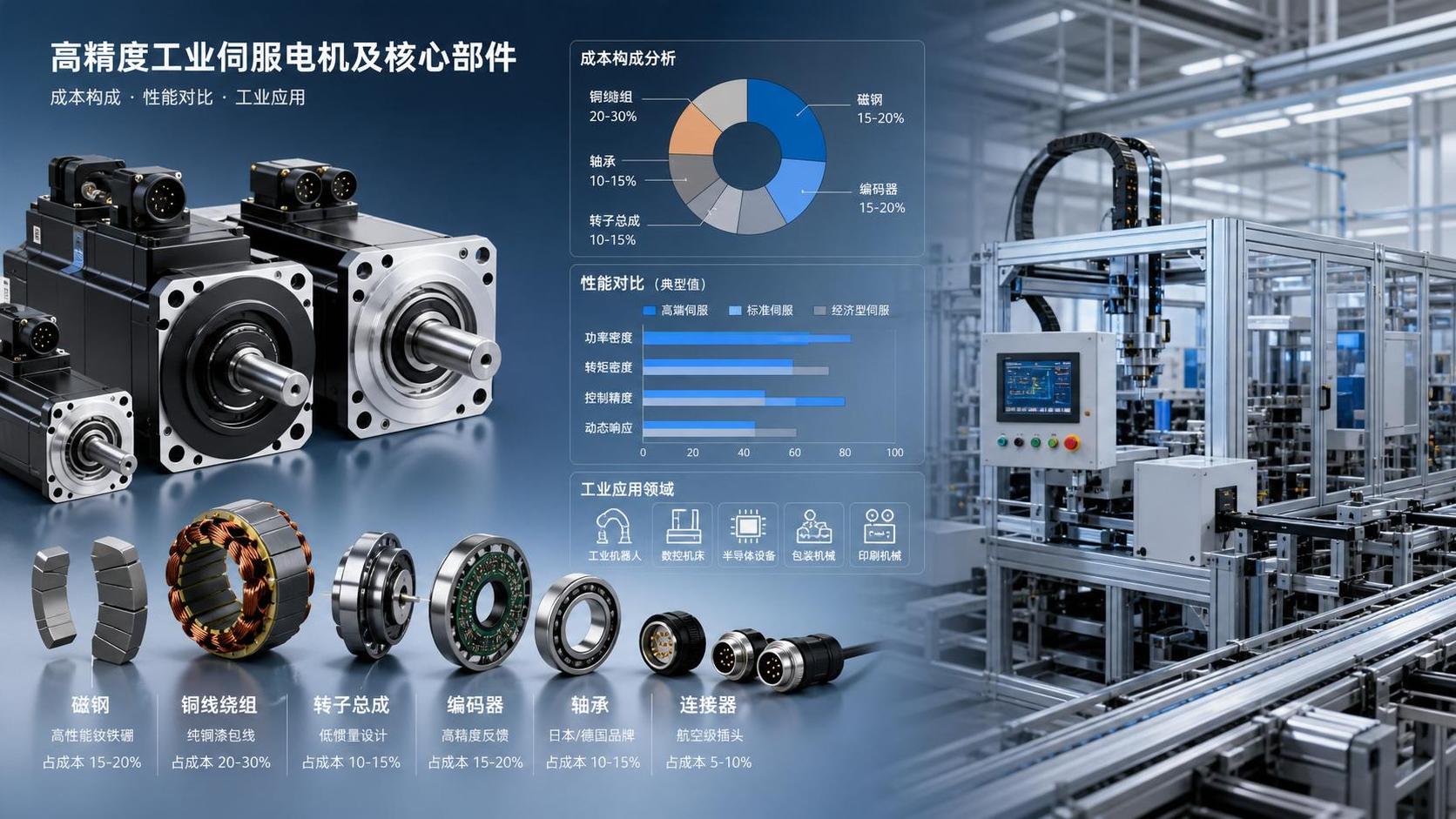

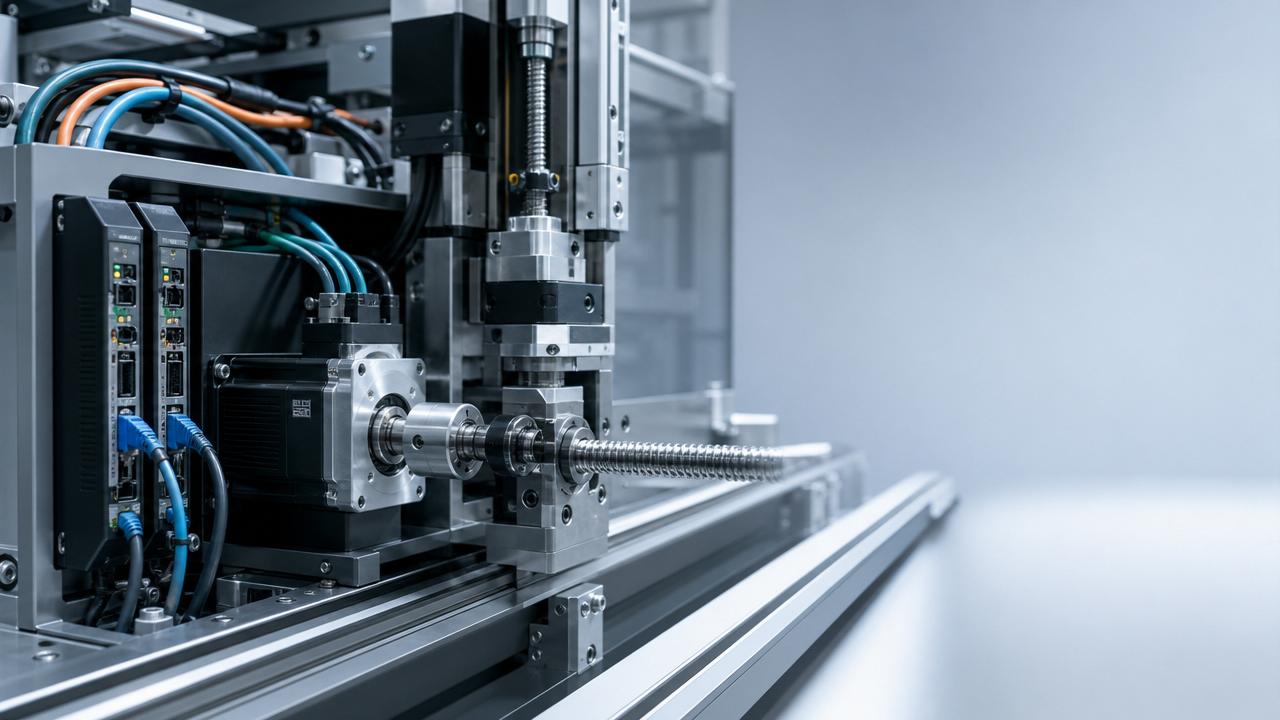
Servo Control Technology is often evaluated through speed, torque, and positioning accuracy, but the real selection risks hide deeper—in encoder resolution, loop response, mechanical resonance, communication jitter, thermal behavior, and long-term reliability under production stress.
For technical evaluators, choosing the wrong servo architecture can lead to unstable motion, excessive downtime, integration delays, and hidden lifecycle costs.
This article highlights the critical risk points behind servo control selection, helping teams assess performance claims with engineering discipline and align motion systems with the precision demands of modern automation.
Why Servo Selection Fails Despite Good Datasheet Numbers
The most dangerous servo selection mistakes rarely come from ignoring torque or speed. They come from trusting isolated specifications without testing system behavior.
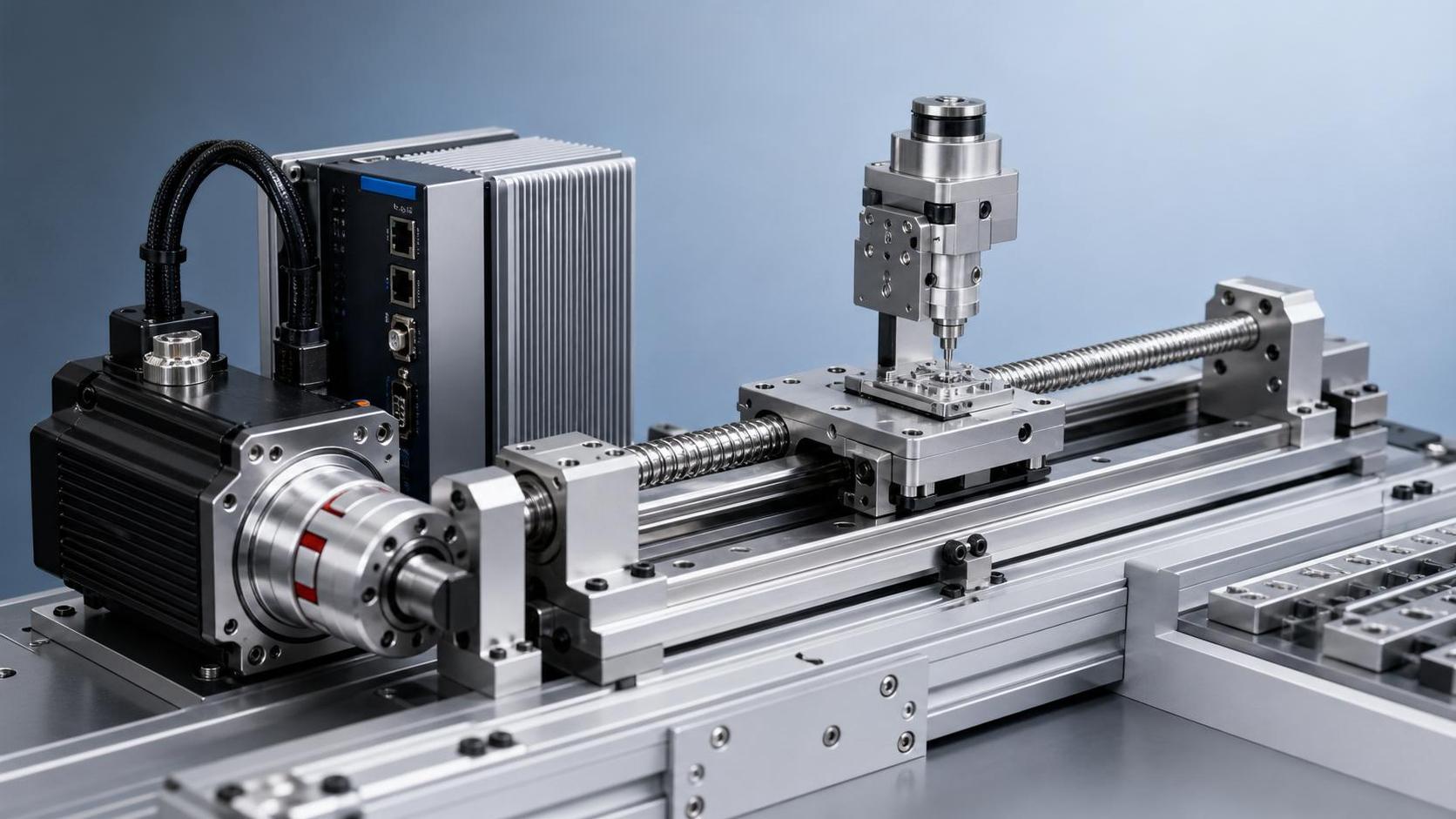
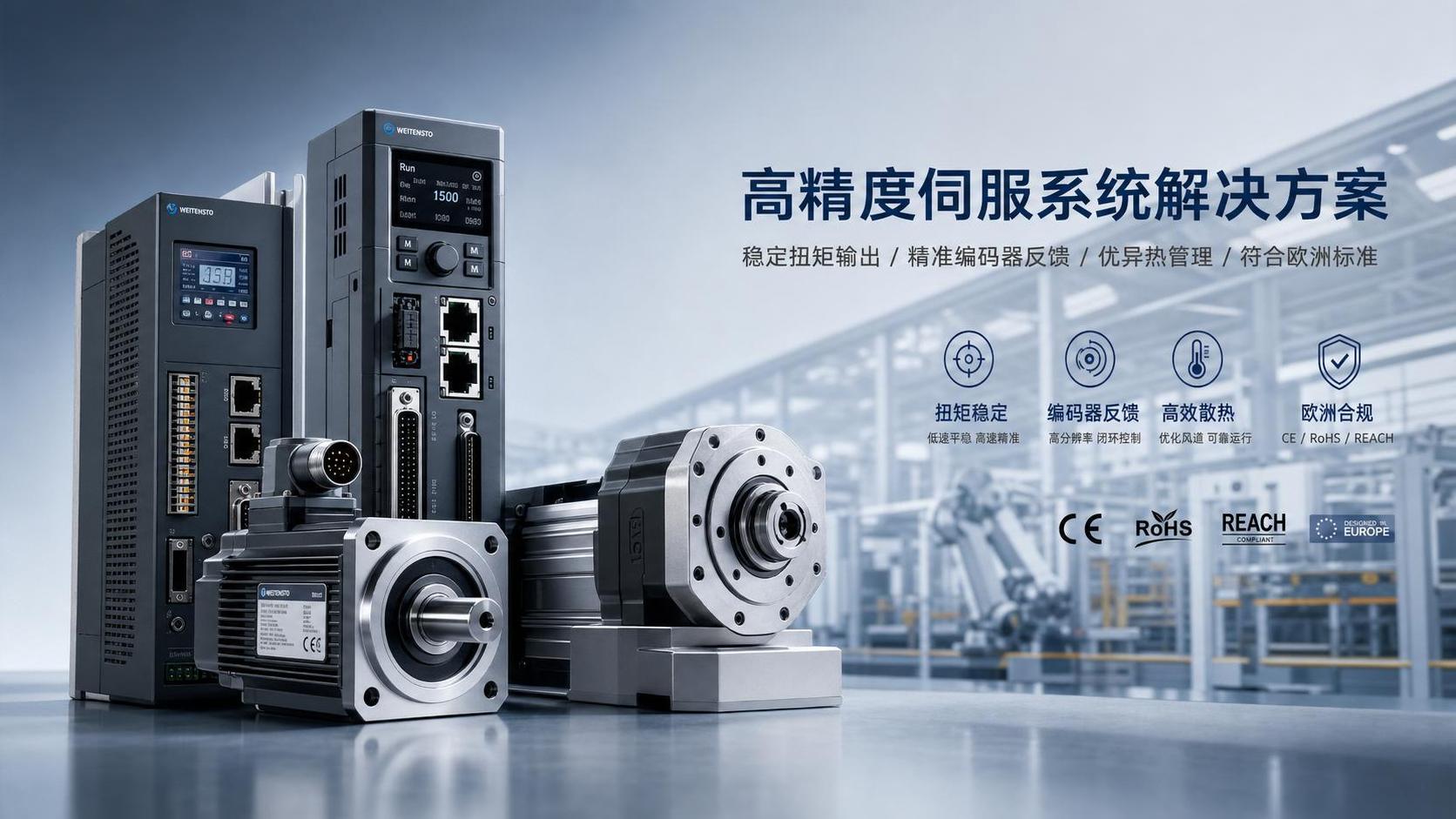
A servo motor, drive, encoder, controller, transmission, and machine frame operate as one dynamic system. Weakness in one layer affects all others.
Technical evaluators should therefore treat Servo Control Technology as an integration discipline, not as a component purchasing exercise based on peak values.
A motor may meet rated torque, yet still produce unstable positioning because the encoder, current loop, or mechanical structure cannot support the required bandwidth.
Similarly, a drive may advertise fast response, but communication jitter or poor tuning tools can prevent repeatable motion in real production conditions.
The right question is not whether a servo looks powerful. The right question is whether it remains controllable under load, temperature, vibration, and cycle pressure.
Risk 1: Encoder Resolution Is Not the Same as Usable Accuracy
Encoder resolution is often marketed aggressively, but higher counts do not automatically deliver better machine accuracy or smoother final positioning.
Resolution describes the smallest measurable increment. Accuracy depends on encoder quality, mounting rigidity, signal integrity, interpolation error, and mechanical backlash.
A million-count encoder can still perform poorly if the coupling introduces eccentricity, the cable is noisy, or the transmission has elastic deformation.
Evaluators should examine absolute versus incremental encoder needs, battery backup requirements, homing behavior, and recovery after power interruption.
In high-throughput equipment, encoder communication protocol also matters. Delays or unstable feedback can reduce effective loop performance and increase following error.
For precision machines, request real positioning data at the tool point or load point, not only feedback resolution at the motor shaft.
Risk 2: Loop Response Claims May Not Match the Machine
Servo performance depends on nested control loops, usually including current, velocity, and position loops. Each loop must support the machine’s dynamic requirement.
A fast current loop improves torque response, but it cannot compensate for a weak mechanical structure or a low-bandwidth position controller.
Some suppliers promote high sampling rates without explaining how those rates translate into stable closed-loop bandwidth under real inertia and load variation.
Technical evaluators should compare commanded motion, actual motion, following error, settling time, overshoot, and repeatability across representative production cycles.
Loop tuning flexibility is equally important. A system that performs well only after expert intervention may increase commissioning time and long-term maintenance risk.
Look for adaptive tuning, vibration suppression, friction compensation, gain scheduling, and transparent diagnostic traces that reveal what the servo is actually doing.
Risk 3: Mechanical Resonance Can Destroy Precision
Servo instability is frequently blamed on the drive, but the root cause is often resonance in belts, couplings, screws, reducers, or machine frames.
When servo bandwidth excites a structural natural frequency, the axis may vibrate, overshoot, produce noise, or suffer premature mechanical fatigue.
This risk becomes serious in lightweight automation, long-stroke gantries, high-ratio reducers, and compact machines designed for aggressive acceleration.
Servo Control Technology must include resonance identification. Evaluators should review frequency response testing, notch filter capability, and tuning stability margins.
Notch filters are useful, but they are not magic. Excessive filtering may hide mechanical weakness while reducing responsiveness and increasing positioning delay.
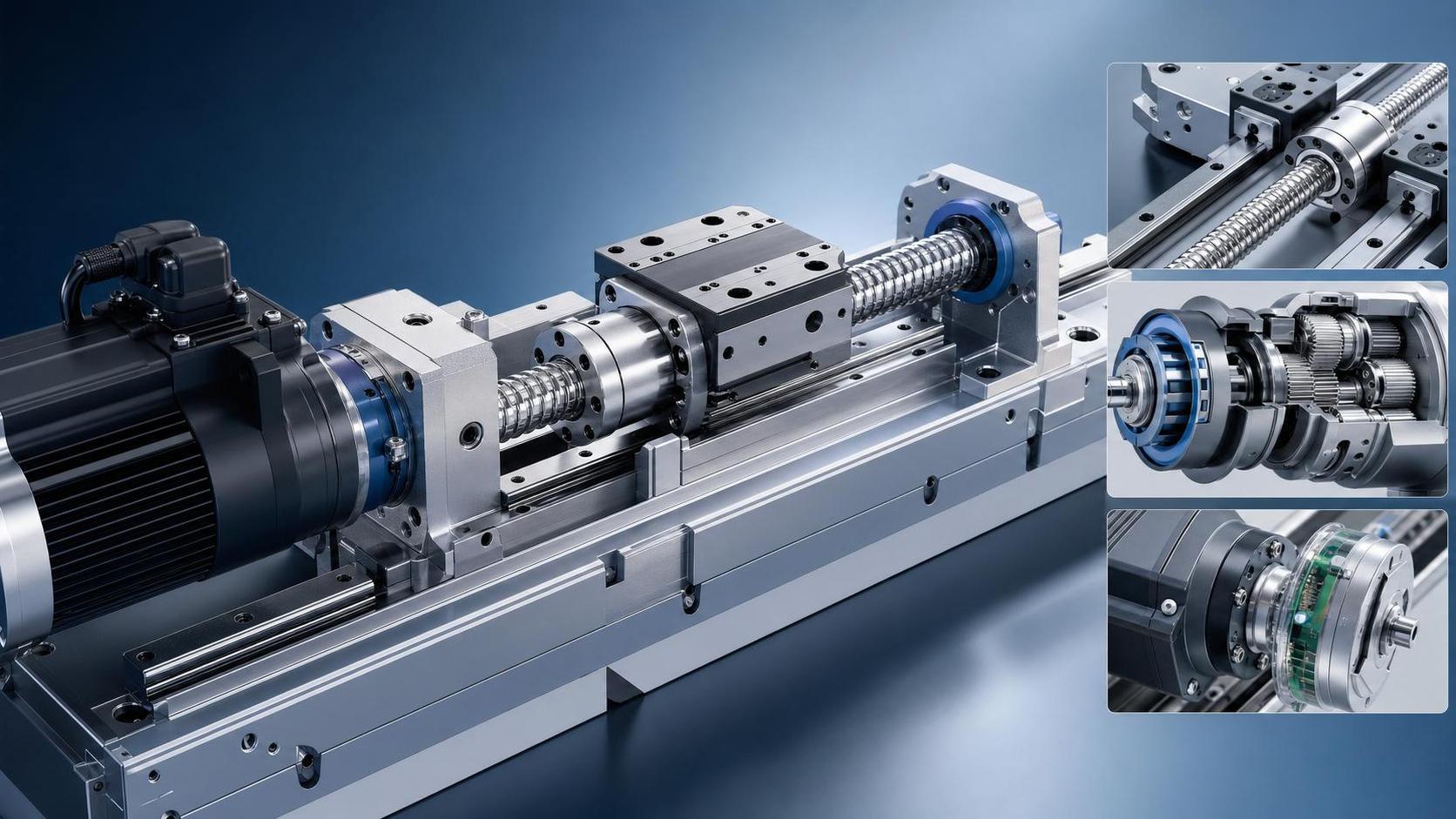
The best selection process checks the full motion chain, including motor inertia ratio, coupling stiffness, screw critical speed, reducer torsional rigidity, and mounting quality.
Risk 4: Inertia Mismatch Is More Than a Sizing Error
Motor sizing tools often calculate torque and speed correctly, yet still underestimate the practical impact of inertia mismatch on control quality.
A high load-to-motor inertia ratio makes the axis harder to accelerate, decelerate, and stabilize, especially during short moves or frequent reversals.
In applications such as packaging, electronics assembly, robotics, and CNC auxiliary axes, inertia mismatch can cause settling delay that reduces throughput.
Technical evaluators should avoid choosing a smaller motor only because it satisfies continuous torque. Dynamic torque and control margin are often more important.
Gear reducers can help match inertia, but they introduce their own risks, including backlash, compliance, efficiency loss, heat, noise, and maintenance concerns.
A robust assessment compares direct drive, geared servo, belt-driven, ball screw, and linear motor architectures against accuracy, stiffness, cost, and serviceability.
Risk 5: Communication Jitter Can Undermine High-End Hardware
Modern servo systems increasingly depend on industrial networks such as EtherCAT, PROFINET IRT, SERCOS, CC-Link IE, or other deterministic protocols.
Even excellent motors and drives can behave inconsistently when network timing, controller task cycles, or synchronization architecture are poorly matched.
Jitter affects coordinated motion, interpolation, electronic gearing, camming, robotics, and multi-axis gantries where timing error becomes geometric error.
Evaluators should verify controller cycle time, distributed clock performance, axis synchronization accuracy, safety communication impact, and network loading under full configuration.
It is also important to test diagnostic visibility. Engineers need timestamps, alarm histories, packet loss indicators, and motion traces during commissioning.
Selection should consider the entire control stack, including PLC, motion controller, IPC, real-time operating system, fieldbus hardware, and drive firmware maturity.
Risk 6: Thermal Behavior Changes Motion Performance Over Time
Servo selection is often validated during short demonstrations, but production machines run continuously, sometimes under high duty cycles and limited ventilation.
Motor heating changes winding resistance, magnet behavior, bearing lubrication, encoder stability, and mechanical expansion in nearby transmission components.
A system that is accurate during a cold acceptance test may drift after several hours of operation under real payload and ambient temperature.
Technical evaluators should request thermal derating curves, continuous torque data, overload duration, cooling assumptions, and cabinet heat dissipation requirements.
Drive temperature also matters. Power modules, capacitors, braking resistors, and control electronics are sensitive to enclosure design and contamination.
For high-precision equipment, thermal testing should include position drift, repeatability after warm-up, alarm thresholds, and recovery behavior after overload events.
Risk 7: Reliability Depends on Production Stress, Not Laboratory Ratings
Datasheet ratings usually assume defined ambient conditions, clean installation, correct grounding, controlled load profiles, and proper maintenance discipline.
Factories are less ideal. Servo systems face vibration, dust, oil mist, electromagnetic interference, cable flexing, unstable power, and operator-driven interruptions.
Technical evaluators should review ingress protection, connector robustness, cable bending life, encoder immunity, grounding guidance, and drive protection functions.
Reliability also depends on supplier firmware quality. Unexpected alarms, obscure error codes, or unstable firmware updates can damage production confidence.
Ask for field failure data, mean time between failures, repair turnaround, spare part availability, and long-term compatibility between drive generations.
A slightly higher purchase price may be justified when it reduces downtime, simplifies troubleshooting, and protects production schedules over many years.
Risk 8: Integration Effort Is Often Underestimated
A servo system is only valuable when it can be integrated, tuned, diagnosed, and maintained by the engineering team responsible for the machine.
Complex parameter structures, limited documentation, closed software environments, and weak local support can delay commissioning even when hardware quality is acceptable.
Evaluators should test the engineering workflow before purchase, including drive setup, motor identification, auto-tuning, trace recording, alarm analysis, and backup recovery.
Compatibility with existing PLC platforms, safety systems, HMI standards, and plant data infrastructure should be confirmed early, not after delivery.
For equipment builders, integration risk also affects scalability. A servo architecture should support repeatable deployment across machine variants and global customer sites.
The best systems reduce engineering uncertainty through clear tools, stable libraries, strong documentation, open diagnostics, and responsive technical support.
How Technical Evaluators Should Structure a Servo Review
A disciplined review should begin with the actual motion profile, not with supplier catalogs. Define load, stroke, cycle time, accuracy, and environment.
Next, calculate torque, speed, inertia, duty cycle, regenerative energy, thermal margin, and mechanical stiffness across worst-case operating conditions.
Then evaluate control architecture, including feedback type, loop bandwidth, communication protocol, controller scan time, safety requirements, and multi-axis synchronization.
Prototype testing should reproduce real moves, payload variation, emergency stops, warm-up drift, electrical noise, and expected maintenance interventions.
Acceptance criteria should include following error, settling time, repeatability, vibration, temperature rise, alarm behavior, and recovery after faults.
Finally, compare lifecycle risk, not only acquisition cost. Include commissioning hours, spare parts, software licensing, training, downtime, and supplier responsiveness.
Questions to Ask Before Approving a Servo Architecture
Can the supplier provide measured motion traces under a load profile similar to the intended production machine?
Is the advertised encoder resolution supported by mechanical accuracy, signal quality, and load-side positioning verification?
What is the stable closed-loop bandwidth after the machine structure, reducer, coupling, and transmission compliance are included?
How does the system behave during long continuous operation, elevated ambient temperature, voltage fluctuation, and repeated acceleration cycles?
Are communication synchronization, safety functions, PLC integration, and diagnostic tools proven in similar multi-axis applications?
What happens when components fail, firmware changes, cables wear, or the machine must be serviced by non-specialist maintenance staff?
Conclusion: Select for Control Margin, Not Marketing Margin
Servo Control Technology selection is ultimately a risk management decision. The strongest choice is not always the fastest or highest-resolution product.
The better choice is the architecture that maintains stable, repeatable, and diagnosable motion under the real pressures of production.
Technical evaluators should look beyond headline specifications and examine feedback quality, loop response, resonance behavior, network timing, heat, reliability, and integration effort.
When these factors are assessed together, servo selection becomes more predictable, commissioning becomes faster, and lifecycle costs become easier to control.
For modern automation, precision is not created by one impressive component. It is created by disciplined alignment between control electronics, mechanics, software, and production reality.