Choosing an Industrial PCs Manufacturer

Choosing an Industrial PCs Manufacturer for Reliable Automation
Choosing the right Industrial PCs manufacturer directly affects production uptime, data reliability, and long-term automation scalability.
The decision is no longer limited to rugged hardware. It includes edge computing, lifecycle support, certifications, and integration with PLCs.
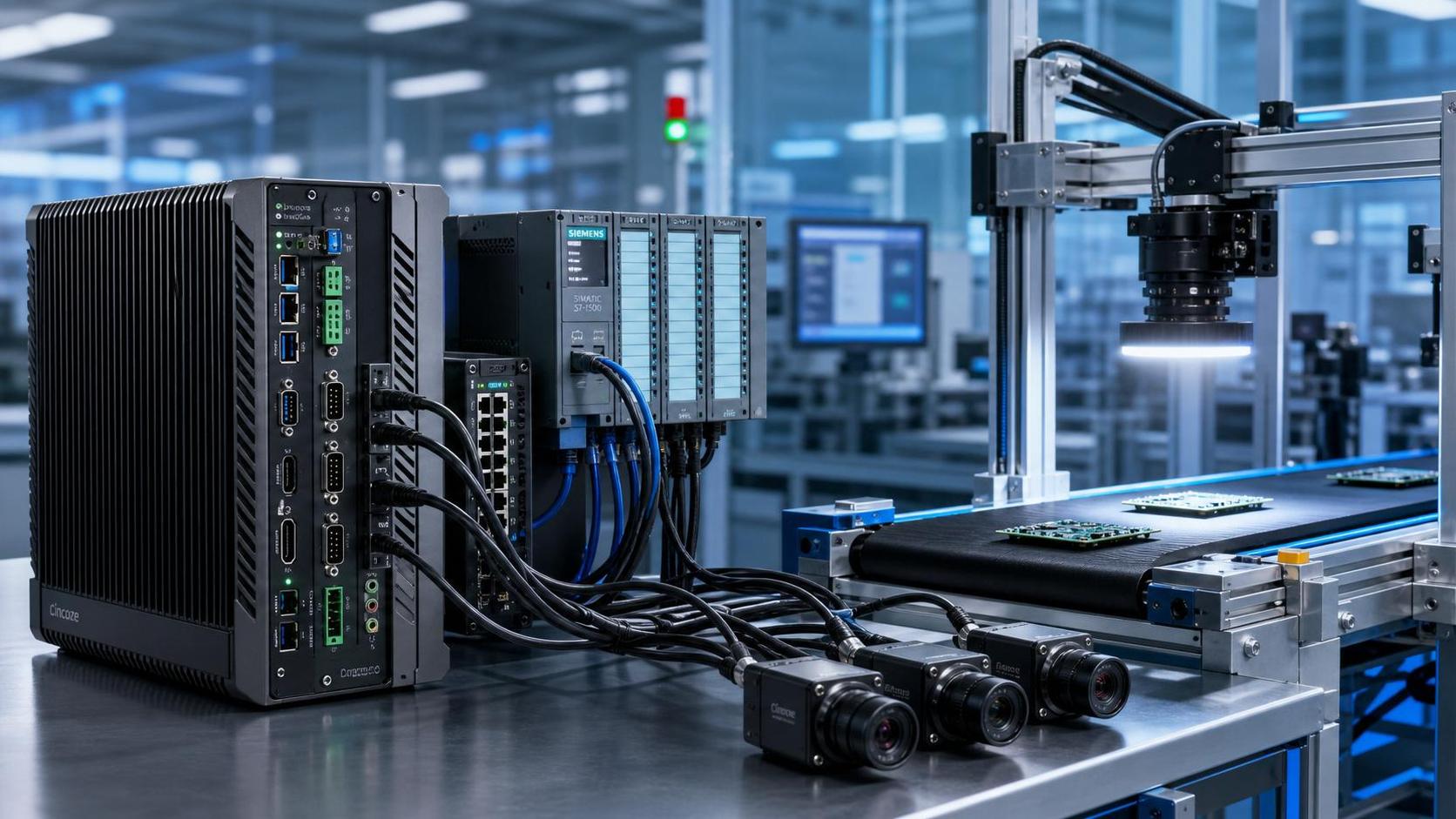
In smart manufacturing, IPCs connect sensors, motion controllers, drives, robots, and supervisory systems into one responsive industrial nervous system.
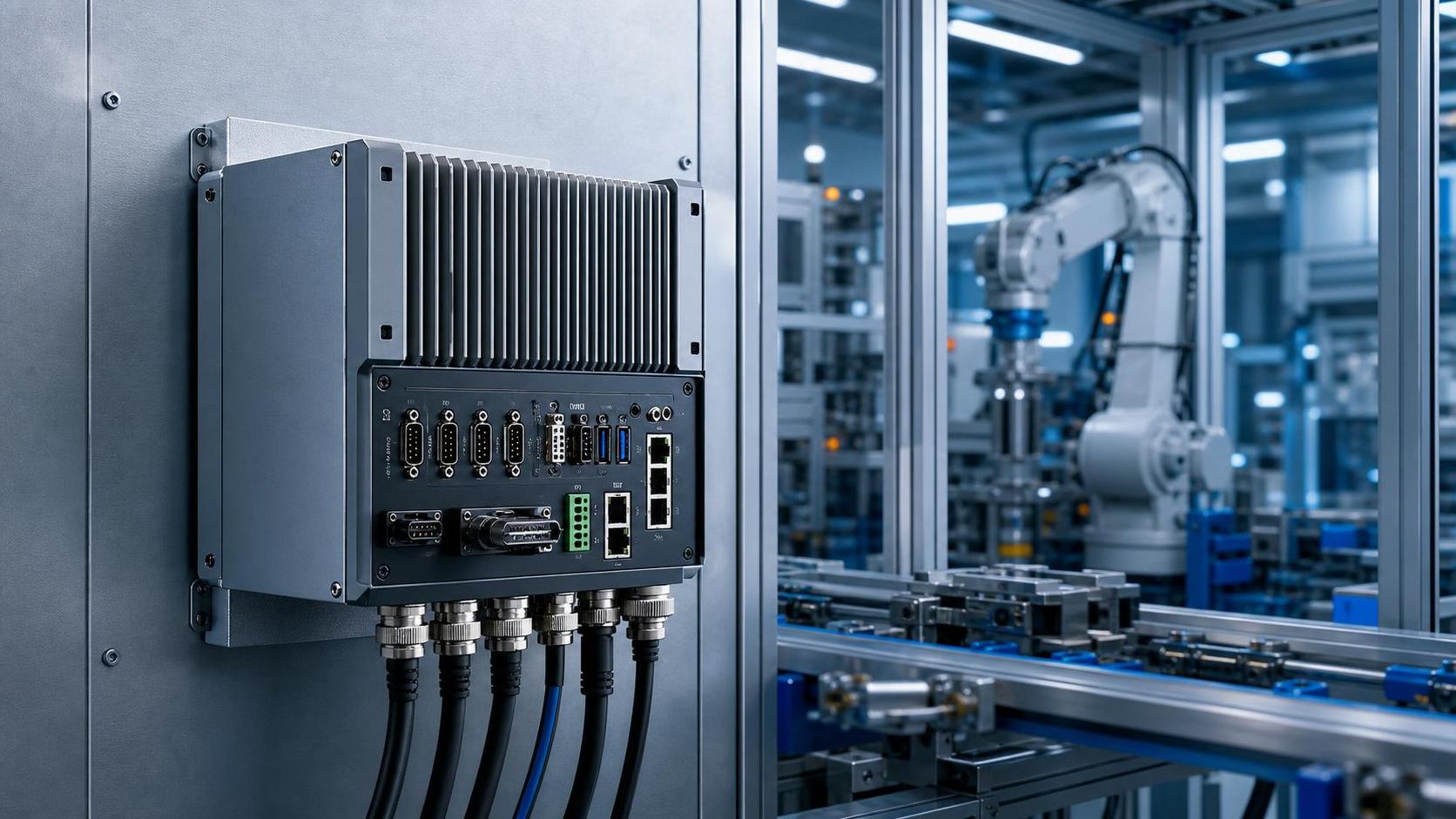
A dependable Industrial PCs manufacturer helps equipment maintain stable computing performance under vibration, dust, heat, electrical noise, and continuous operation.
Industrial PC fundamentals in modern automation
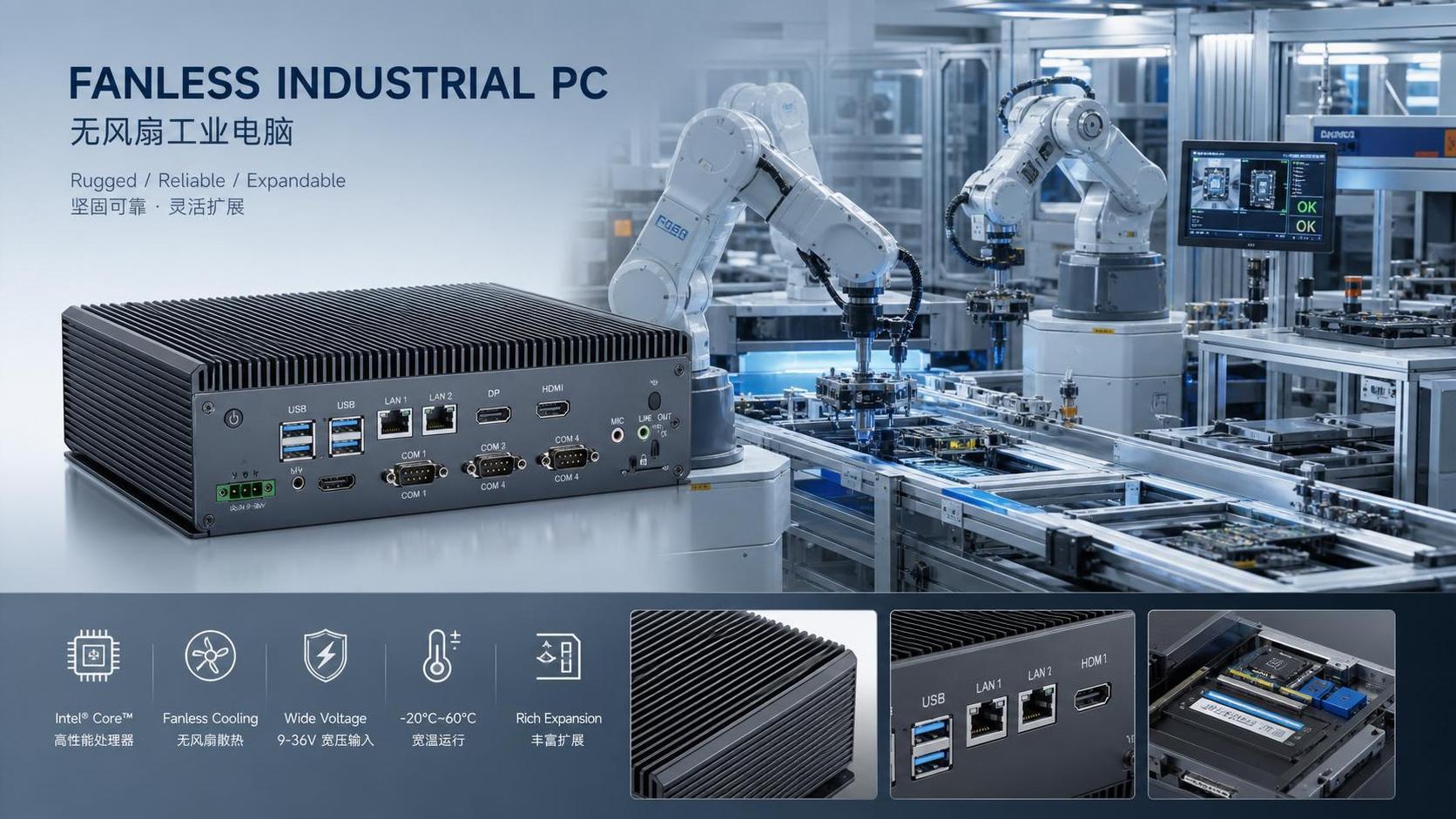
An industrial PC is a rugged computing platform designed for factory floors, machines, control cabinets, vehicles, and harsh field environments.
Unlike office computers, it is engineered for thermal stability, shock resistance, long product availability, and reliable I/O expansion.
A qualified Industrial PCs manufacturer understands that industrial computing must serve real-time control, machine vision, data acquisition, and edge analytics.
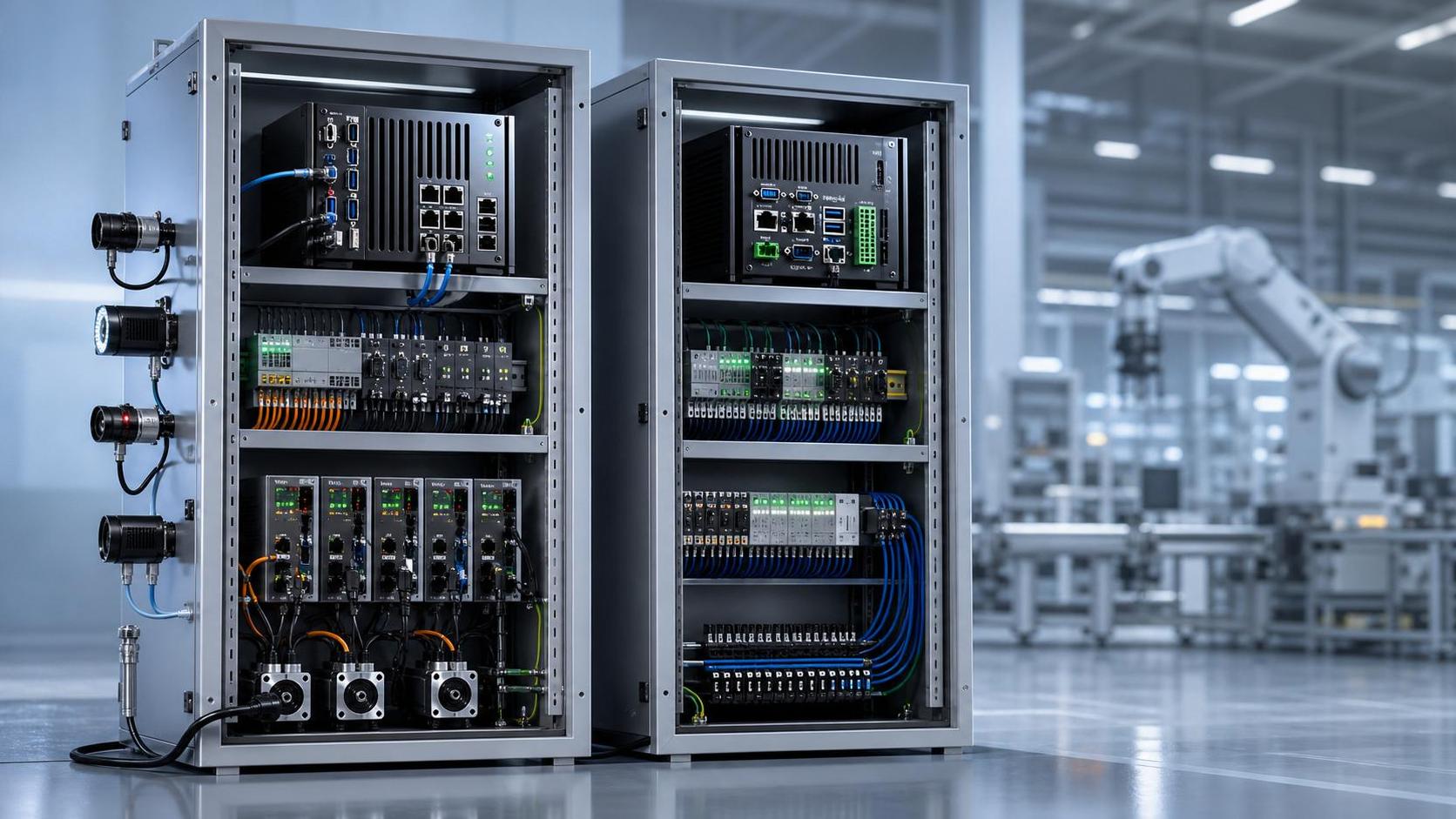
The IPC often works beside PLCs, DCS systems, servo drives, inverters, encoders, and precision mechanical transmission components.
Its value appears when computation, connectivity, storage, and reliability support uninterrupted industrial processes.
Core IPC roles
- Collecting sensor, vision, vibration, and energy data close to machines.
- Running HMI, SCADA gateways, SoftPLC, MES terminals, and inspection software.
- Processing local analytics before sending selected data to cloud platforms.
- Bridging legacy fieldbus networks with Ethernet-based industrial protocols.
Industry signals shaping IPC selection
Automation architectures are moving from isolated control islands toward connected, software-defined, and data-rich production systems.
This shift increases expectations for every Industrial PCs manufacturer involved in equipment platforms or plant modernization.
Edge computing is especially important because high-frequency production data cannot always wait for cloud processing.
A strong Industrial PCs manufacturer aligns hardware roadmaps with these changes rather than only selling standard computer boxes.
Key criteria for evaluating an Industrial PCs manufacturer
Evaluation should begin with operating environment, computing workload, interface requirements, and the expected service life of the machine.
A reliable Industrial PCs manufacturer provides evidence for each claim through specifications, test reports, certifications, and real application references.
Rugged design and environmental endurance
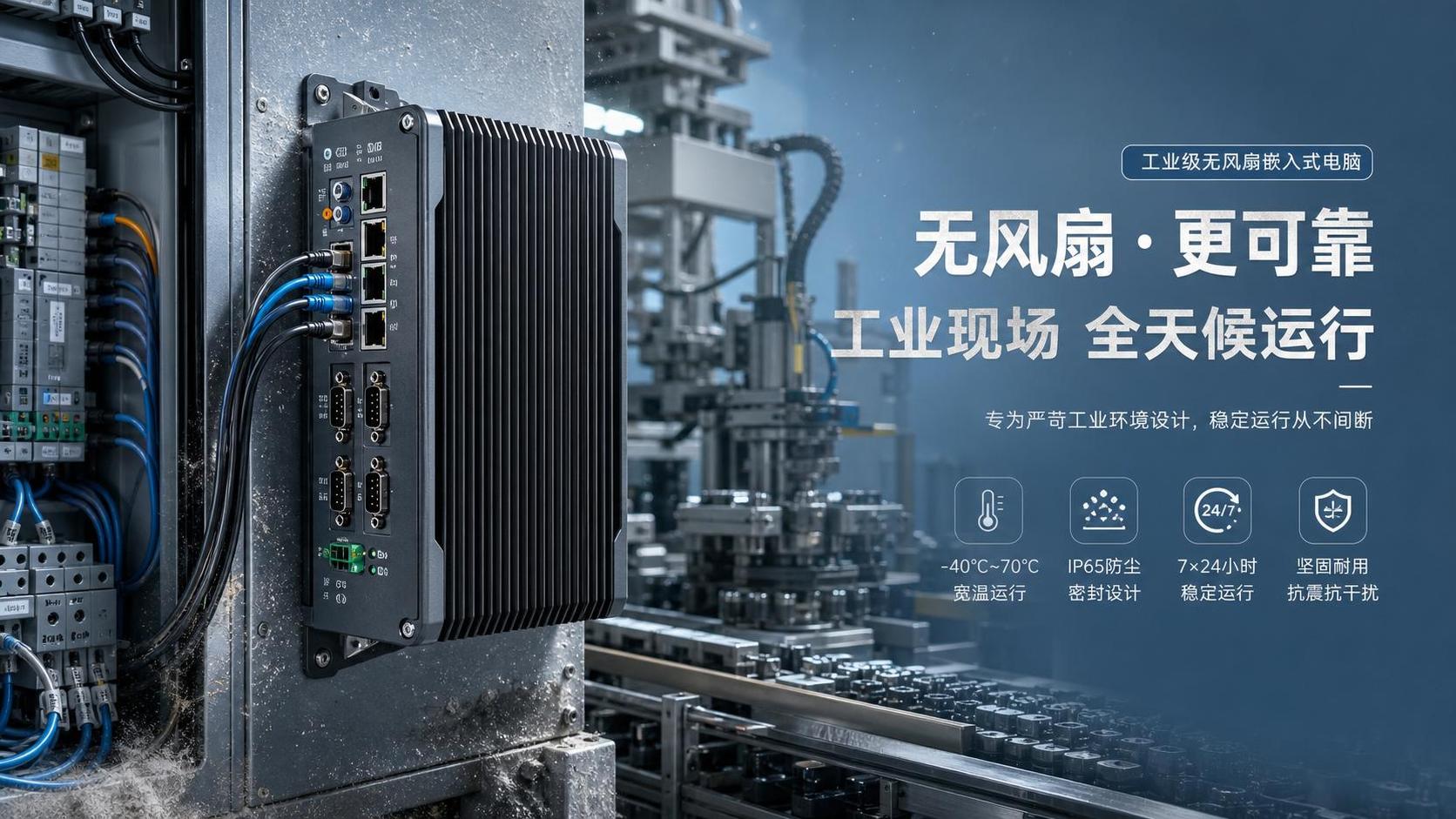
Industrial systems face temperature swings, metallic dust, oil mist, electromagnetic interference, and mechanical vibration.
Look for fanless thermal design, wide-temperature components, sealed connectors, robust chassis materials, and validated shock resistance.
An experienced Industrial PCs manufacturer can explain how heat is transferred from processor to enclosure without unstable airflow paths.
Computing performance and edge scalability
Performance should match the task, not simply the highest processor available.
Machine vision, AI inference, SoftPLC, data logging, and HMI workloads require different CPU, GPU, memory, and storage profiles.
The right Industrial PCs manufacturer helps balance thermal limits, latency, power consumption, and future software expansion.
Industrial communication compatibility
Factories rarely operate on one protocol. IPCs must communicate across old and new automation layers.
Check support for EtherCAT, PROFINET, EtherNet/IP, Modbus, CAN, serial ports, isolated digital I/O, and multiple LAN ports.
A capable Industrial PCs manufacturer considers protocol timing, driver availability, expansion slots, and electromagnetic protection together.
Lifecycle management and supply stability
Industrial equipment may remain active for ten years or longer, while commercial PC components change quickly.
Ask about revision control, last-time-buy notices, compatible replacement plans, BIOS consistency, and operating system image maintenance.
A strategic Industrial PCs manufacturer reduces redesign risk when processors, chipsets, or storage components reach end of life.
Business value of the right IPC partnership
The best IPC decision supports uptime, data integrity, machine availability, and scalable digital transformation.
A trusted Industrial PCs manufacturer contributes to lower maintenance effort, faster commissioning, and fewer unexpected compatibility issues.
In high-precision automation, unstable computing can disturb inspection accuracy, traceability, and real-time response.
Stable edge platforms help synchronize servo motion, vision feedback, PLC data, and production execution systems.
- Reduced downtime through robust hardware and predictable spare availability.
- Improved data quality through local filtering and timestamped acquisition.
- Faster integration through validated drivers and industrial protocol support.
- Longer asset life through stable product roadmaps and revision control.
Typical IPC categories and application fit
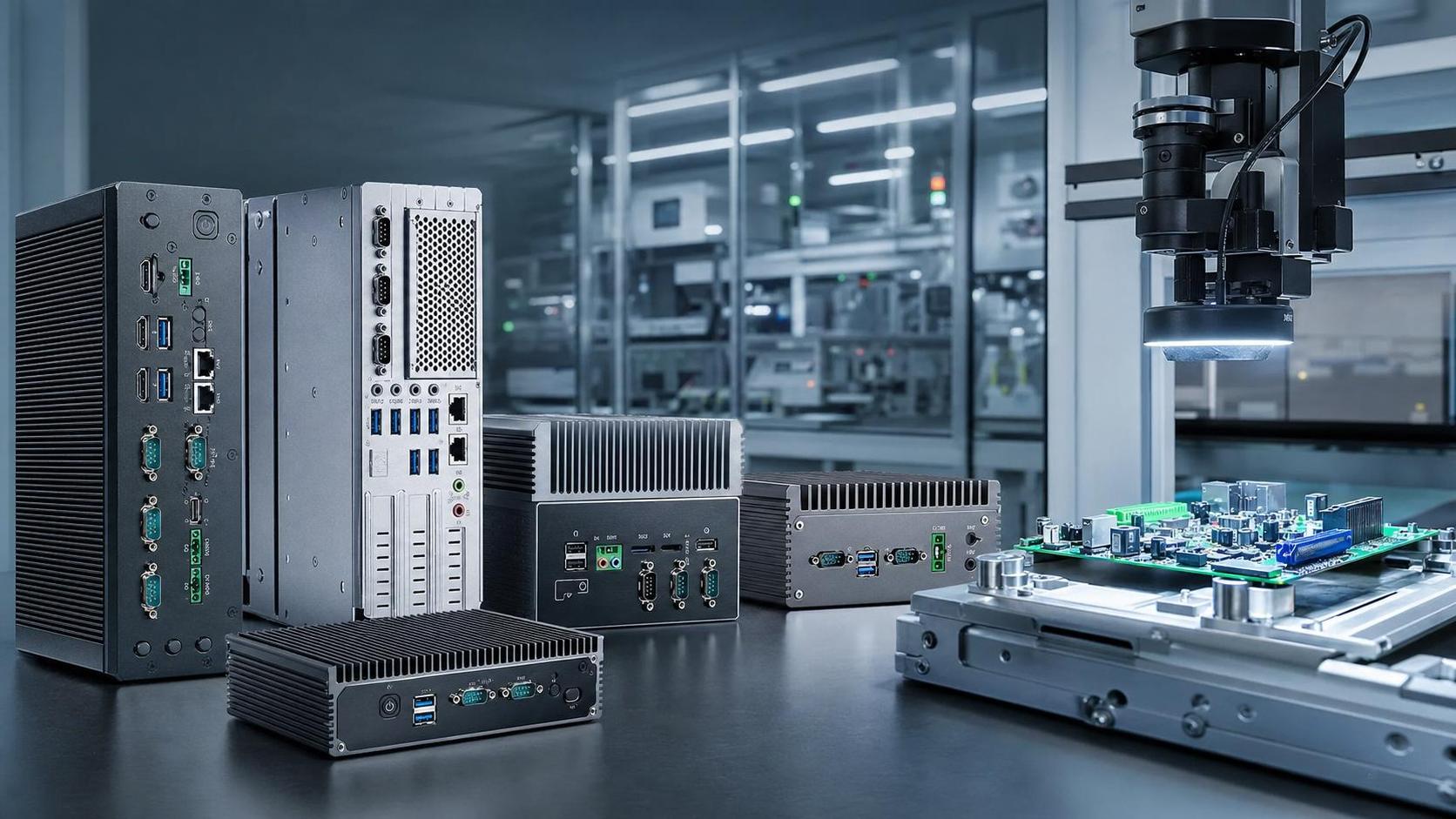
Different automation scenarios require different IPC form factors, mounting styles, and performance levels.
A practical Industrial PCs manufacturer offers selection guidance instead of forcing one product family into every application.
Certifications, compliance, and quality assurance
Certifications do not guarantee success alone, but they reduce uncertainty in regulated and demanding environments.
Ask an Industrial PCs manufacturer for compliance evidence matching target markets, installation sites, and industry safety expectations.
Common references include CE, FCC, UL, IEC standards, EMC testing, vibration testing, and ingress protection ratings.
Quality assurance should also include burn-in testing, component traceability, production inspection, and consistent firmware control.
For critical applications, request failure rate data, repair procedures, warranty scope, and technical escalation processes.
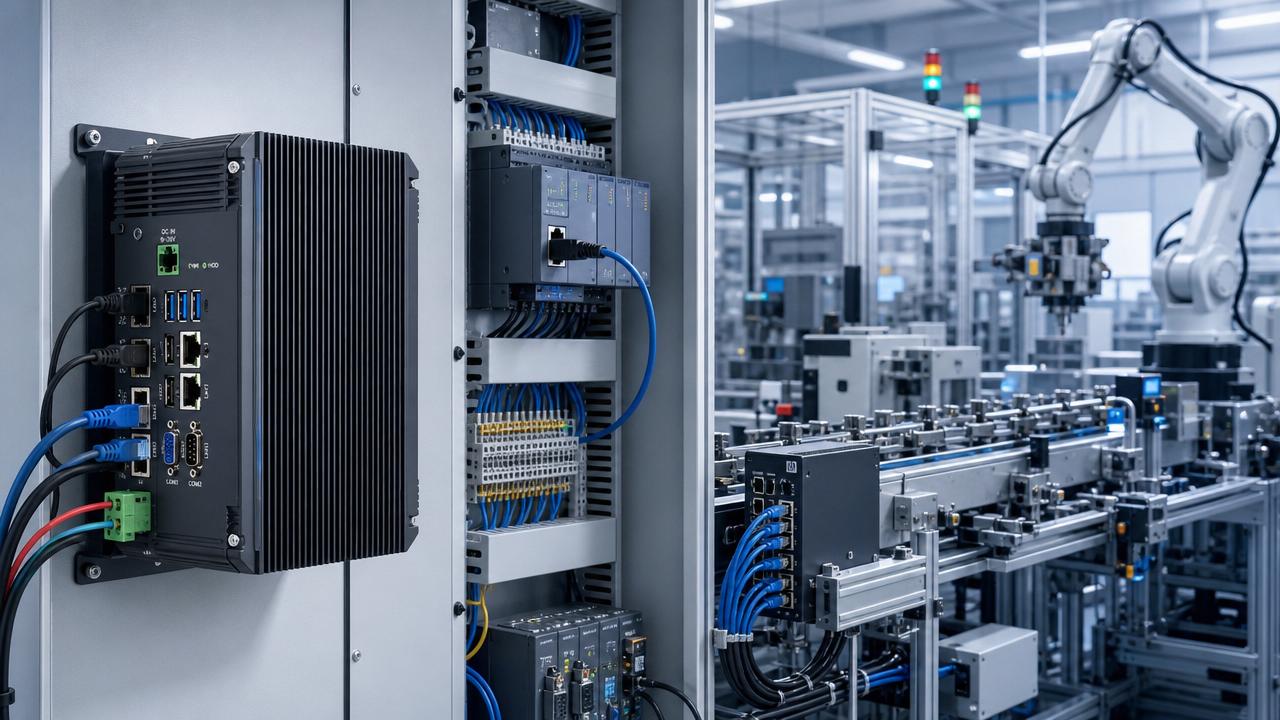
Integration with PLCs, motion systems, and factory platforms
IPC selection must consider the complete automation stack, not only standalone computing specifications.
The Industrial PCs manufacturer should understand PLC scan cycles, servo synchronization, network segmentation, and real-time data requirements.
In precision motion systems, jitter, driver instability, and network congestion can affect machine behavior.
For edge analytics, confirm compatibility with databases, OPC UA, MQTT, container environments, and remote management tools.
This integration depth separates a generic computer supplier from an automation-focused Industrial PCs manufacturer.
Practical selection checklist
A structured checklist helps compare options fairly and prevents overemphasis on processor speed alone.
- Define ambient temperature, vibration, dust, humidity, and installation space.
- Map required interfaces, including fieldbus, LAN, USB, serial, and digital I/O.
- Estimate current and future computing workloads with safety margins.
- Verify OS support, driver stability, BIOS control, and image deployment.
- Review certifications, test reports, lifecycle policies, and service response.
- Test sample units under realistic operating and communication conditions.
During testing, include thermal stress, network load, software reboot cycles, and long-duration data logging.
A responsive Industrial PCs manufacturer will support validation with documentation, firmware guidance, and engineering communication.
Common risks to avoid
The lowest unit price can become expensive when downtime, redesign, or unsupported components appear later.
Avoid choosing an Industrial PCs manufacturer without checking long-term supply stability and technical accountability.
- Ignoring thermal limits inside sealed cabinets.
- Assuming commercial motherboards are suitable for industrial vibration.
- Selecting insufficient storage endurance for continuous logging.
- Overlooking electromagnetic compatibility near drives and inverters.
- Failing to confirm spare availability and revision consistency.
Building a future-ready IPC strategy
Future-ready industrial computing should support modular upgrades, secure connectivity, and gradual adoption of AI-enabled operations.
An effective Industrial PCs manufacturer provides platforms that scale from basic HMI tasks to advanced edge intelligence.
Planning should include cybersecurity baselines, remote monitoring, backup images, and standardized hardware families across production sites.
This approach improves maintenance consistency and simplifies software qualification when automation systems expand.
Next step for informed selection
Before final selection, prepare an application profile covering environment, workload, interfaces, certifications, lifecycle expectations, and integration targets.
Use that profile to compare each Industrial PCs manufacturer through evidence, sample testing, and technical responsiveness.
The strongest choice will combine rugged engineering, automation knowledge, supply stability, and practical support for future manufacturing intelligence.
With disciplined evaluation, an Industrial PCs manufacturer becomes more than a hardware source. It becomes a foundation for resilient industrial computing.
Related Recommendations
 Industrial Control Electronics Fanless: 7 Factors That Decide Long-Term ReliabilityTime : Jul 14, 2026
- Industrial PC Price Guide: What Changes Total Cost in 2026Time : Jul 13, 2026
- Fanless Industrial PC Checklist for Heat, Dust, and 24/7 ReliabilityTime : Jul 02, 2026
- Real Time Industrial Computing Platform vs Standard IPC: Key Cost TradeoffsTime : Jul 01, 2026
- Best Industrial PC for Vision Systems: Key Performance Factors to CheckTime : Jun 30, 2026
- How to Evaluate an Industrial PCs Manufacturer for Long-Term SupplyTime : Jun 25, 2026