Automation System Components Cost Breakdown

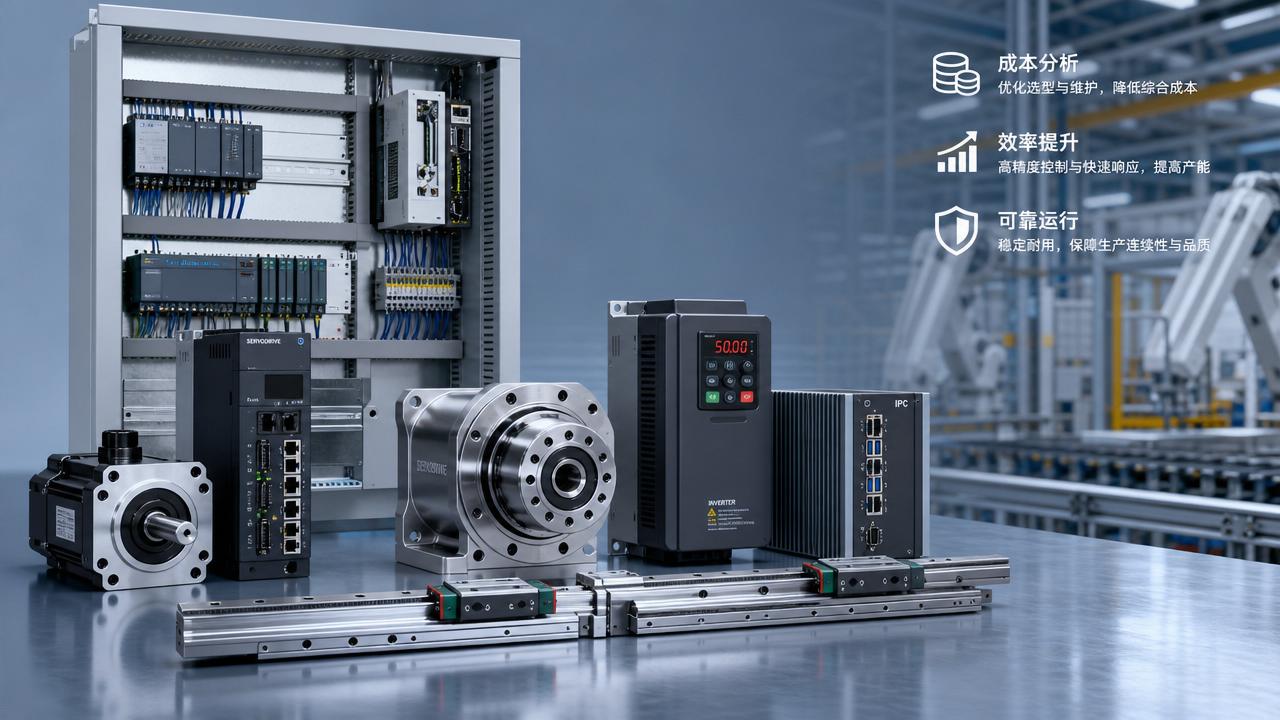
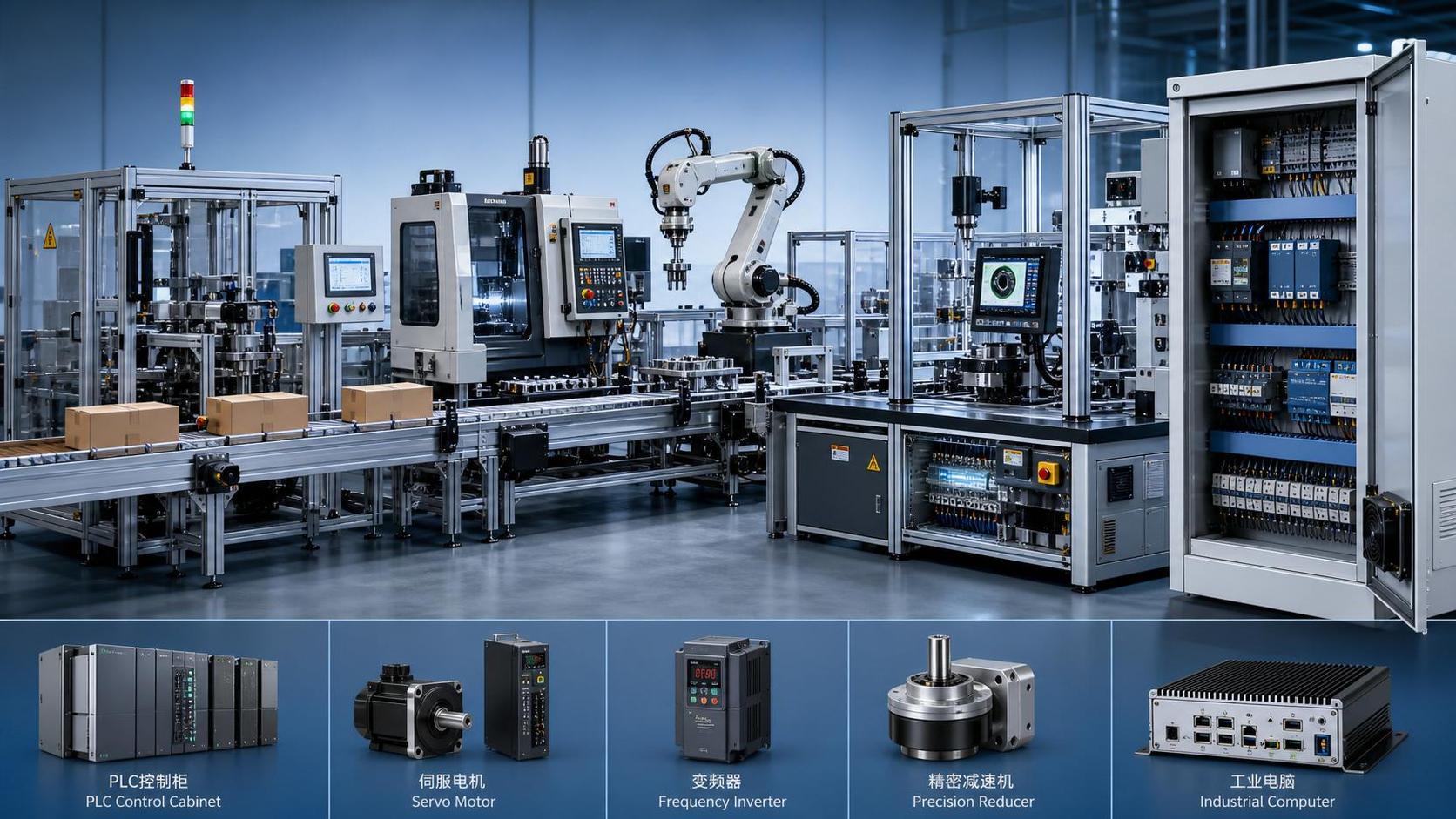
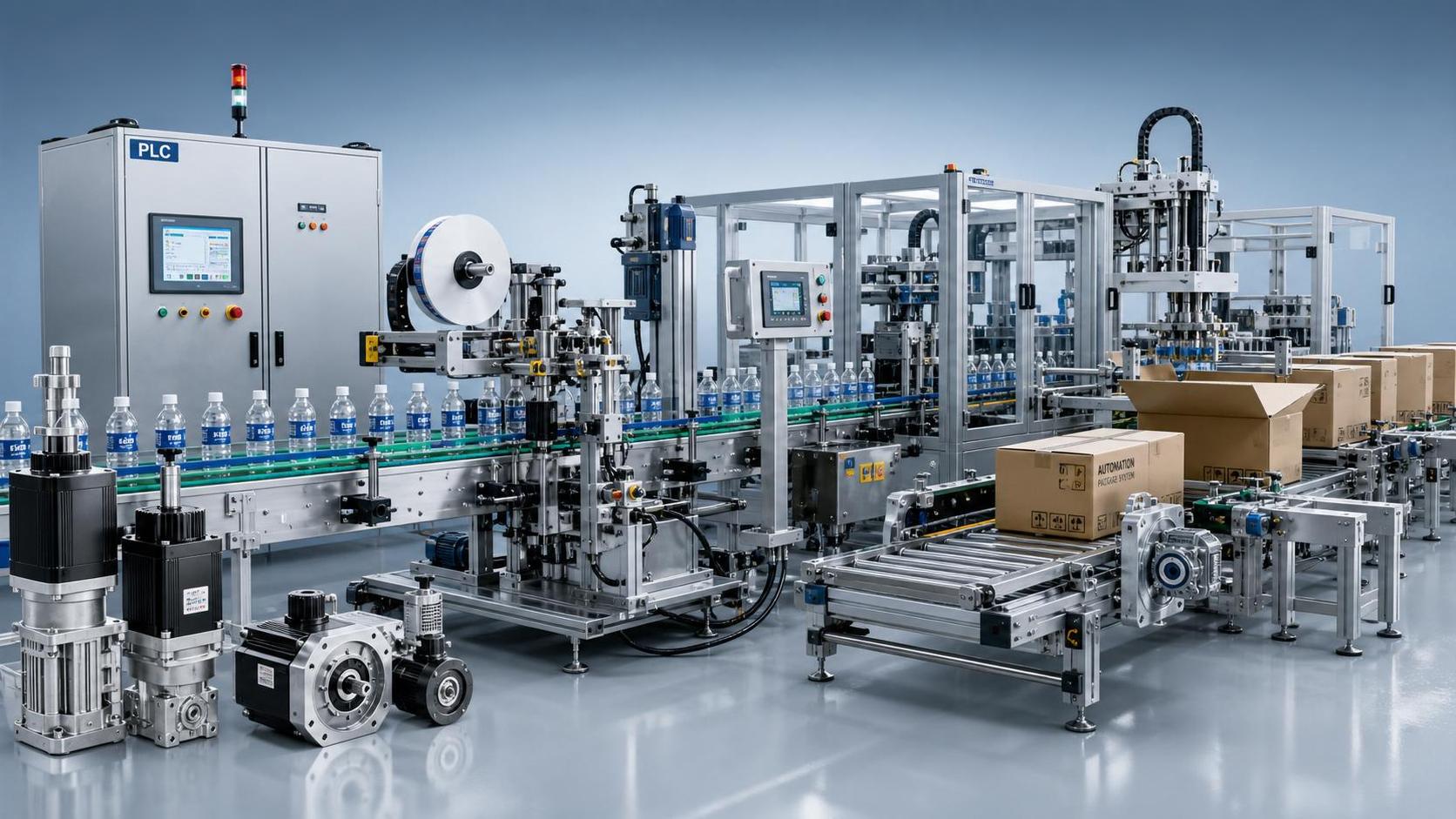
Understanding Automation System Components cost is essential for financial approvers balancing capital efficiency, production reliability, and long-term ROI. From servo motors and PLC/DCS platforms to precision reducers, linear motion parts, inverters, and IPCs, each component affects not only upfront investment but also maintenance, energy consumption, and scalability. This cost breakdown helps decision-makers evaluate where value is created, where hidden expenses arise, and how smarter automation investments support flexible, future-ready manufacturing.
For finance-led approval teams, the challenge is rarely the sticker price alone. In industrial automation, a lower initial quote can lead to 15%–30% higher lifecycle expense if energy loss, unscheduled downtime, spare-part lead times, or integration complexity are ignored. That is why a useful review of Automation System Components must connect technical architecture with depreciation logic, cash-flow timing, and risk exposure across a 3–7 year operating horizon.
In sectors shaped by precision motion control, flexible manufacturing, and industrial edge computing, cost visibility matters even more. Servo systems, PLC/DCS platforms, reducers, linear guides, inverters, and IPCs do not contribute equally to throughput, precision, and maintenance burden. Financial approvers need a breakdown that clarifies which components drive core performance, which items create hidden support costs, and where premium specifications are justified.
Why Automation System Components Cost Cannot Be Evaluated as a Single Budget Line
A typical automation project spreads cost across hardware, engineering, commissioning, training, software, and after-sales support. For many mid-size production cells, hardware may represent 45%–65% of total project spend, while commissioning, controls integration, and downtime risk account for the rest. This means the financial decision should assess both procurement value and operational consequence.
Automation System Components also behave differently in the cost structure. A servo motor package may carry a higher unit price, but if it reduces cycle time by 8%–12% and lowers scrap on high-precision lines, its payback may be shorter than a lower-priced alternative. By contrast, an under-specified PLC or IPC can create recurring troubleshooting costs that are hard to forecast during initial approval.
Four cost layers financial approvers should review
- Initial procurement: controllers, drives, motors, reducers, linear motion, HMI, IPC, wiring, panels
- Implementation cost: programming, cabinet assembly, installation, testing, validation, operator training
- Operating cost: electricity use, spare parts, lubrication, preventive maintenance, software support
- Risk cost: downtime, quality loss, delayed launches, supplier lead-time disruption, retrofit complexity
Where hidden expense usually appears
Hidden costs often emerge in three areas: integration compatibility, precision mismatch, and serviceability. If fieldbus protocols do not align, engineering hours can expand by 10–20%. If reducer backlash or guide rigidity is below process needs, yield losses may appear long before a visible mechanical failure. If spare parts require 8–12 weeks instead of 1–3 weeks, the financial risk profile changes significantly.
The table below helps frame Automation System Components by cost behavior rather than by catalog category. This is often a more useful perspective for budget approval and ROI comparison.
The key takeaway is that the most expensive category is not always the biggest approval risk. In many projects, the larger financial exposure comes from mismatched component performance, weak interoperability, or long replacement cycles. That is why component-level review should sit alongside total project budgeting.
Cost Breakdown by Major Automation System Components
To approve automation investments effectively, finance teams need to understand not just what each item costs, but why it costs what it does. The value drivers in Automation System Components are usually linked to precision, duty cycle, environmental resistance, communication capability, and maintainability.
Servo motors and drives: precision performance with direct ROI impact
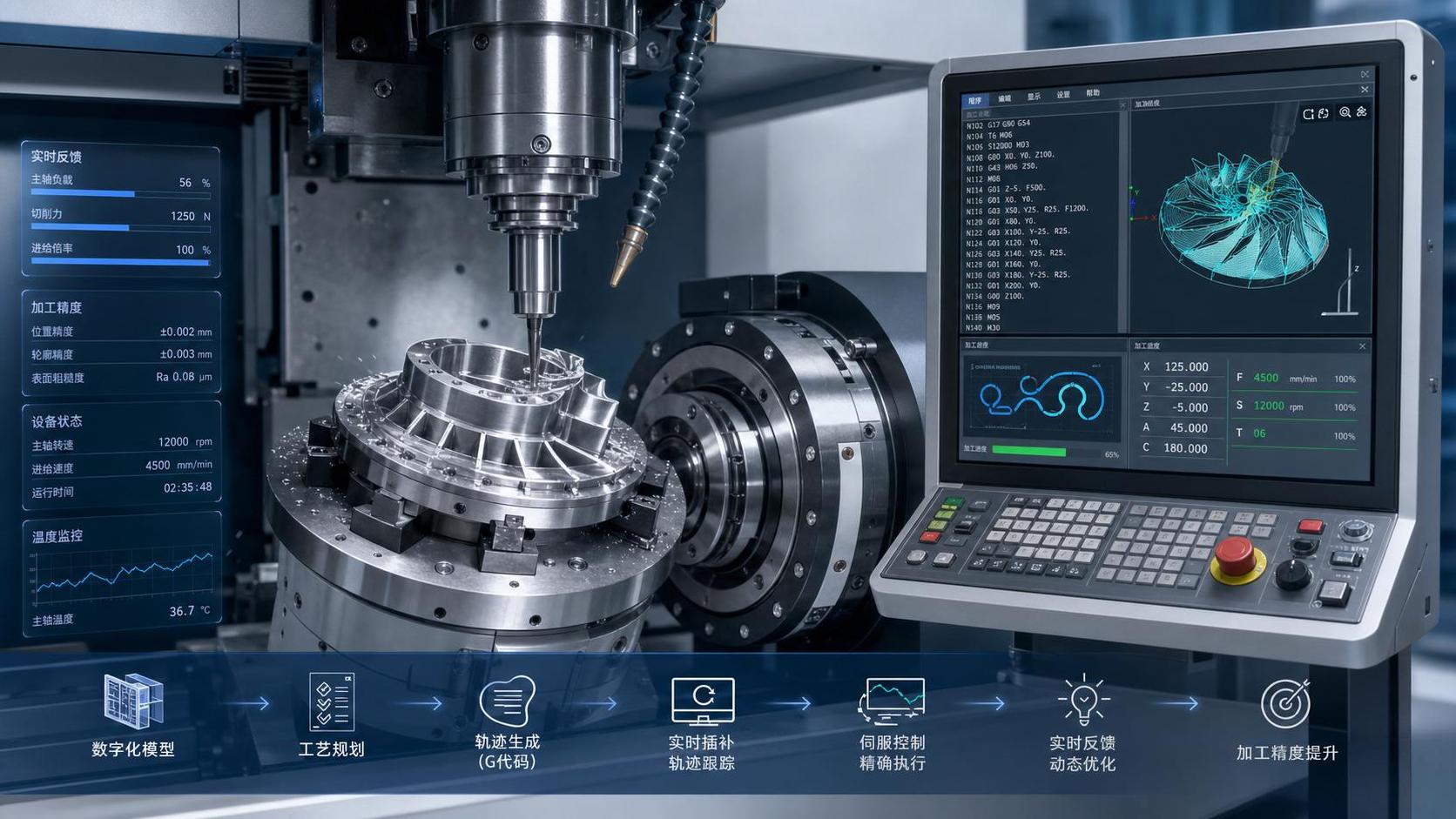
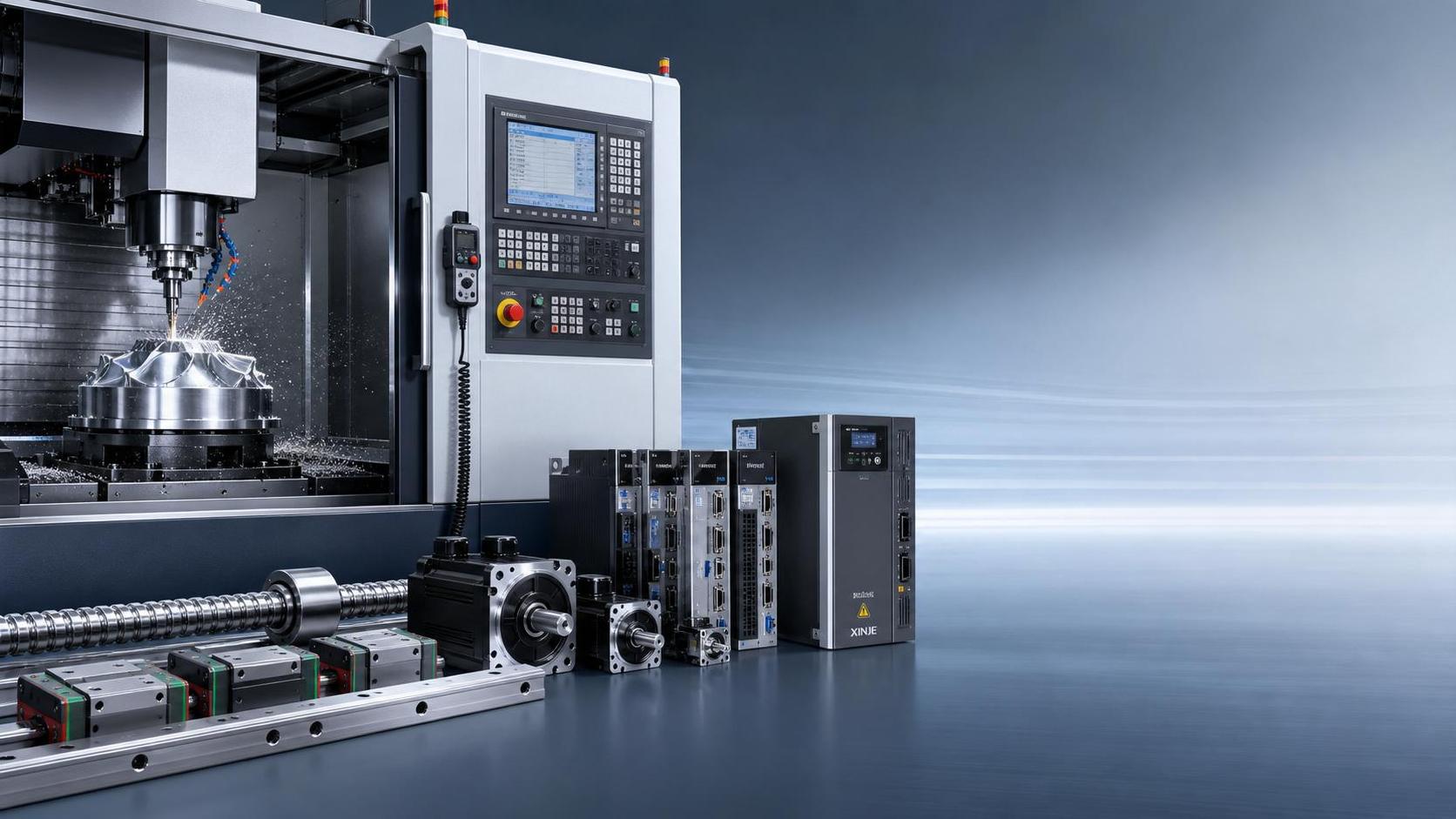
Servo systems are often among the highest-value components in a motion-intensive machine. Price varies widely based on torque range, encoder resolution, overload capacity, and response speed. In practical budgeting, a basic compact axis may cost far less than a multi-axis synchronized platform, but high-resolution feedback and stable current loop performance can materially improve repeatability in the ±0.01 mm to ±0.05 mm range.
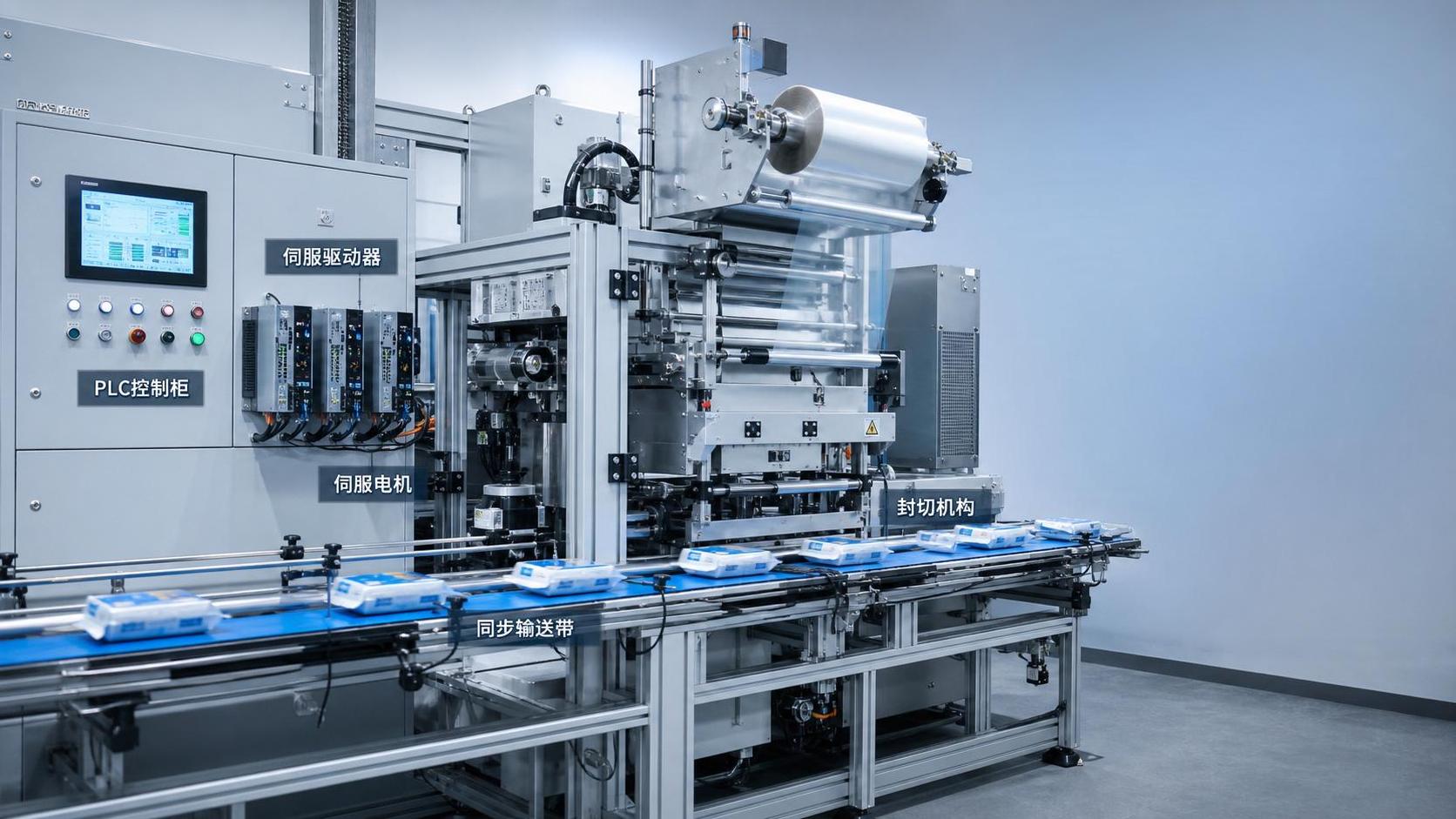
For financial approvers, the critical question is whether the servo premium translates into measurable throughput, lower scrap, or reduced rework. In packaging, electronics assembly, and CNC-related automation, that answer is often yes. In lower-precision conveying applications, the incremental benefit may be lower, making specification discipline essential.
Main cost drivers
- Encoder type and resolution
- Peak torque versus continuous torque sizing
- Multi-axis synchronization requirements
- EMC robustness and communication protocol support
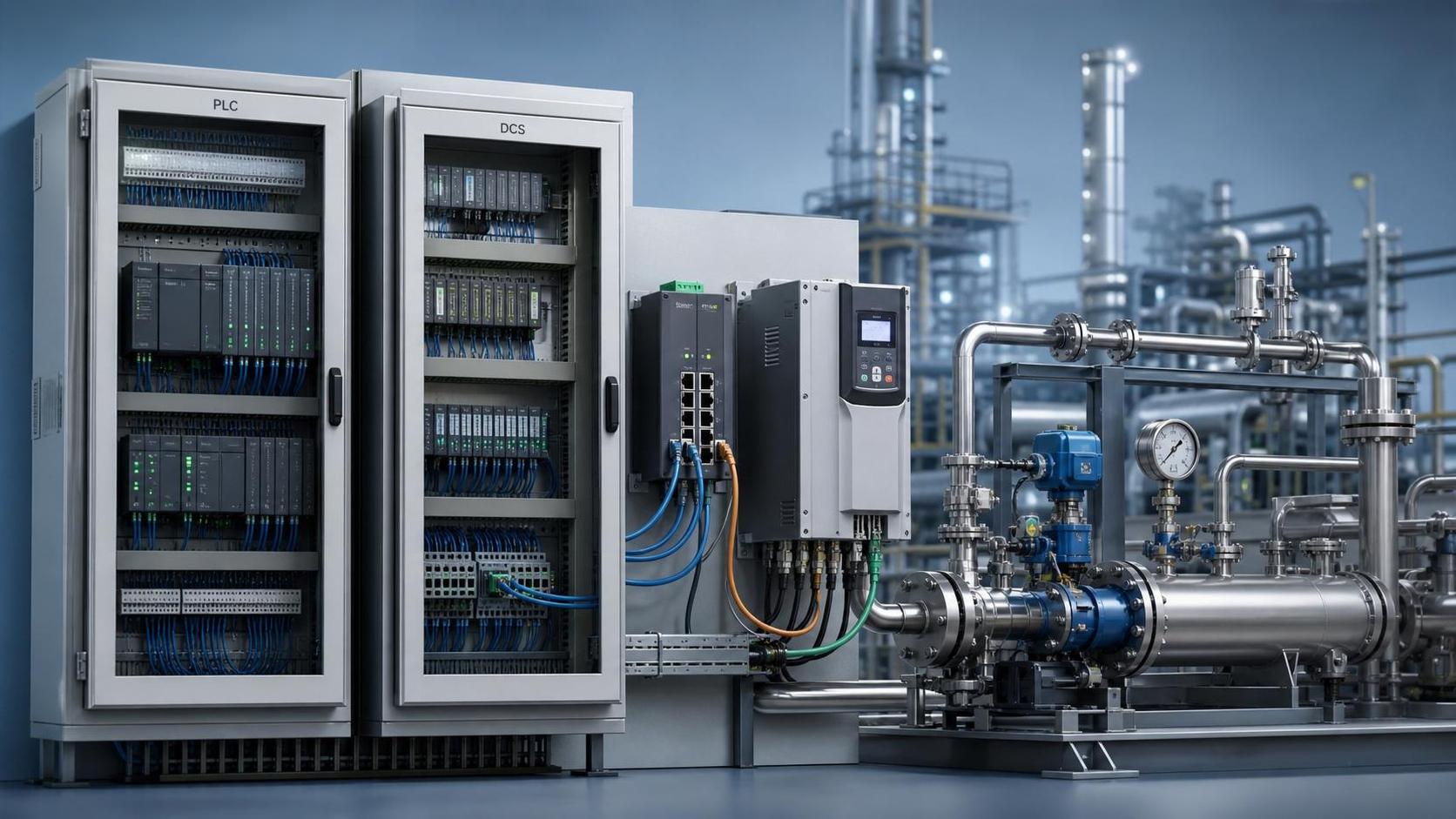
PLC/DCS platforms: lower hardware share, high system influence
PLC/DCS cost is not only the controller hardware. Software licenses, I/O density, remote modules, industrial networking, and programming hours often expand the effective control-system budget by 25%–50% above the base controller quote. For plants with scan cycle sensitivity or multi-line coordination, controller performance and architecture matter more than unit price.
A modular PLC may be cost-efficient for a 100–300 I/O line, while a DCS becomes more defensible when process continuity, redundancy, and plant-wide visibility are priorities. Approvers should compare future expansion cost over 24–36 months, not only first-phase spending.
Precision reducers, linear guides, and ball screws: mechanical costs that protect yield
Mechanical transmission parts are frequently underestimated because they look simpler than controllers or drives. In reality, reducers, guides, and screws strongly influence vibration, backlash, rigidity, and long-term wear. For robotic joints or high-load indexing, paying more for stable reduction accuracy can prevent downstream losses from positioning drift and premature maintenance.
In linear motion systems, cost rises with load rating, rail length, accuracy grade, preload, and contamination protection. For machines operating 16–24 hours per day, poor lubrication management or weak dust sealing can shorten service life dramatically, turning a lower purchase price into a poor financial decision within 12–18 months.
Inverters and IPCs: efficiency and edge intelligence costs
Inverters are often justified through energy savings and motor control smoothness. In fan, pump, and heavy-load motor applications, variable-frequency control can reduce electricity use noticeably when compared with fixed-speed operation, especially under partial load conditions. The cost case becomes stronger when lines run over 4,000 hours annually.
Industrial PCs add a different value layer. Their cost depends on processor class, memory, fanless design, I/O interfaces, operating temperature range, and software environment. In edge analytics, machine vision, or data buffering roles, IPCs support faster diagnostics and production visibility. However, the finance view should include operating system maintenance, storage endurance, and replacement planning.
The following comparison shows how different Automation System Components influence approval logic in practical budgeting discussions.
This comparison shows why Automation System Components should not be approved with one uniform payback logic. Some justify themselves through energy or labor savings, while others protect uptime, precision, and expansion flexibility. Strong approval decisions reflect these different value paths.
How Financial Approvers Should Evaluate Quotes and Suppliers
A sound review process should compare at least 4 dimensions: acquisition cost, operating cost, implementation risk, and supply continuity. When two quotes are within 5%–8% of each other, the deciding factor is often not purchase price, but engineering hours, replacement lead time, or expected maintenance frequency.
Five practical approval checkpoints
- Confirm specification-fit: avoid paying for precision or redundancy the process does not need.
- Review integration scope: identify communication modules, software licenses, and commissioning support.
- Check operating burden: lubrication intervals, cooling needs, spare-part cycles, and firmware maintenance.
- Evaluate supplier resilience: standard lead time, alternate sourcing options, and regional service response.
- Model lifecycle cost: estimate 3-year and 5-year cost, not just capex at purchase order stage.
Common mistakes in automation cost approval
Choosing the lowest hardware quote without implementation visibility
An apparently cheaper control package can require extra gateways, custom coding, or repeated debugging. That can add dozens of engineering hours and delay commissioning by 1–3 weeks. For capital projects tied to launch milestones, time delay can outweigh hardware savings.
Ignoring service environment
Dust, vibration, heat, and electrical noise are major cost multipliers. IPCs, drives, and control cabinets that are not designed for these conditions may fail early or require additional enclosure investment. In harsh environments, approval should include thermal and protection considerations from the start.
Failing to price downtime risk
If a key reducer, servo drive, or PLC module has an 8-week replacement cycle, the lost production risk must be included in the financial model. This is especially relevant for high-utilization factories where one critical station can constrain the output of the entire line.
Building a More Defensible ROI Case for Automation Investments
The strongest business cases for Automation System Components combine measurable savings with strategic flexibility. That means linking component choices to throughput, quality stability, labor efficiency, maintenance predictability, and future expansion. A premium component is easier to approve when it directly supports a known operational bottleneck.
ROI inputs worth quantifying
- Cycle-time improvement per unit or per shift
- Scrap reduction percentage
- Annual energy consumption change in variable-load applications
- Planned versus unplanned maintenance hours
- Expected service life before overhaul or replacement
- Expansion cost if production volume grows in 12–24 months
For example, a higher-grade servo and reducer combination may raise initial capex by 8% but reduce scrap by 2%, cut tuning interventions, and improve takt consistency. On a high-volume line, that can produce a more attractive 12–18 month payback than a lower-cost build with recurring instability. Likewise, an inverter upgrade may be justified in energy-intensive operations where partial-load running is frequent.
Industrial buyers also benefit from intelligence-led sourcing. In sectors affected by supply chain volatility, chip constraints, and trade barriers, lead time and substitution strategy can change the real cost of ownership. Access to component trends in servo control, PLC/DCS architecture, precision transmission, and industrial edge computing helps finance teams approve budgets with greater confidence and fewer downstream surprises.
A reliable Automation System Components cost breakdown should help financial approvers see beyond unit pricing. The most effective investment decisions weigh precision needs, control architecture, mechanical life, energy performance, and service continuity together. When components are assessed through lifecycle cost and operational impact, budget approval becomes more accurate and easier to defend internally.
For manufacturers moving toward full automation and flexible production, informed component selection is not just a technical exercise. It is a capital allocation decision that shapes uptime, scalability, and competitiveness over the next 3–5 years. To explore tailored cost logic across servo systems, PLC/DCS platforms, precision reducers, linear motion parts, inverters, and IPCs, contact IAMC to get a customized evaluation, discuss product details, or learn more about practical automation solutions.
Related Recommendations
 How Industrial Control Technology Solutions Cut Downtime in Mixed Automation LinesTime : Jul 15, 2026
- Smart Industrial Components for Packaging: Common Integration Mistakes to AvoidTime : Jul 14, 2026
- Motion Control Components for Packaging: How to Choose for Speed and StabilityTime : Jul 13, 2026
- CNC Control Software: Key Features That Improve Machining AccuracyTime : Jul 13, 2026
- PLC-DCS Integration Solutions for Brownfield Plant UpgradesTime : Jul 11, 2026
- Motion Control Technology for Machine Tools: Key Setup PrioritiesTime : Jul 10, 2026