Advanced Manufacturing Automation: Cost Drivers and ROI Benchmarks

Advanced Manufacturing Automation: Cost Drivers and ROI Benchmarks
Advanced Manufacturing Automation is now a finance decision before it becomes an engineering project.
The budget impact reaches far beyond equipment purchase price.
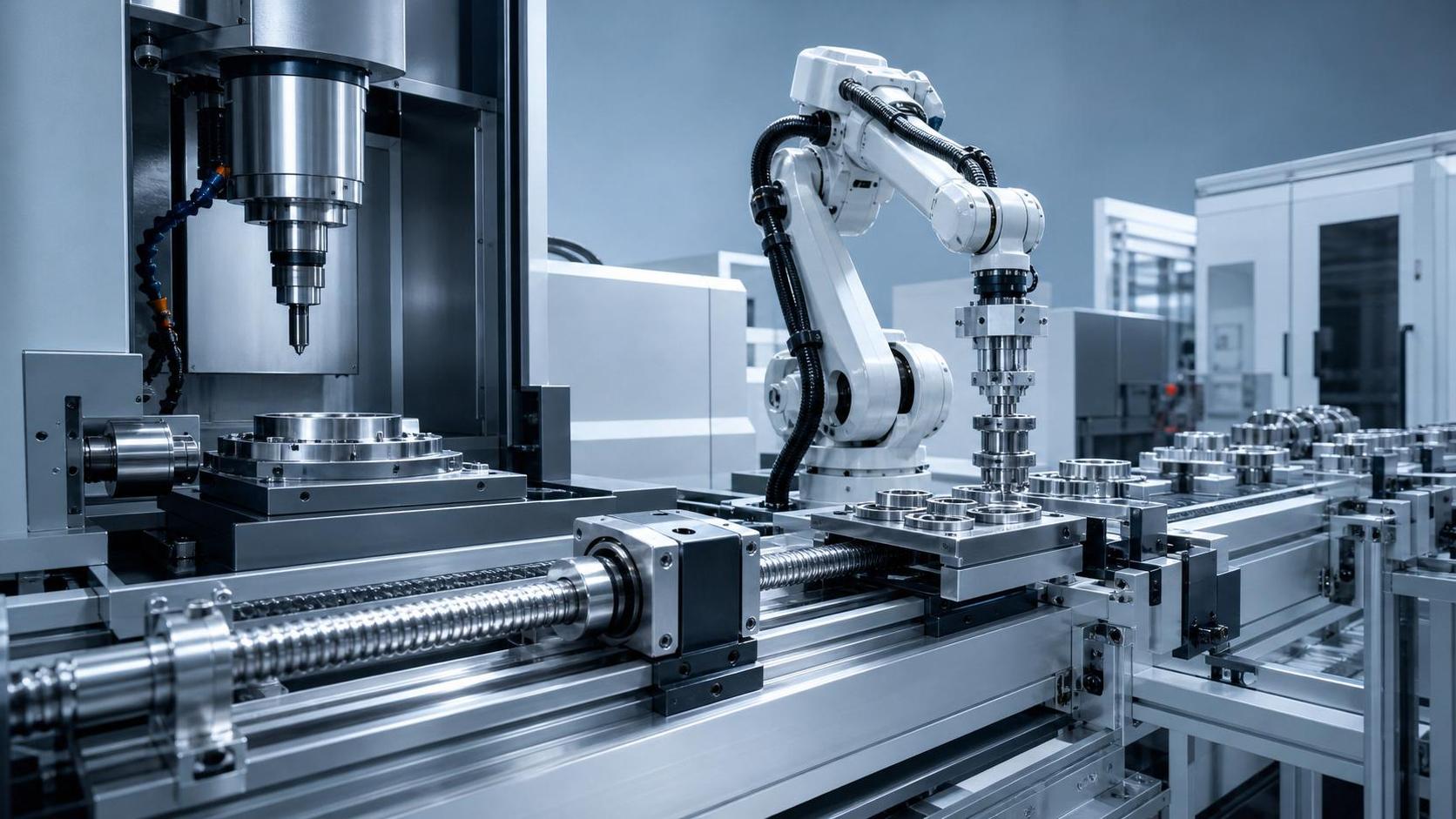
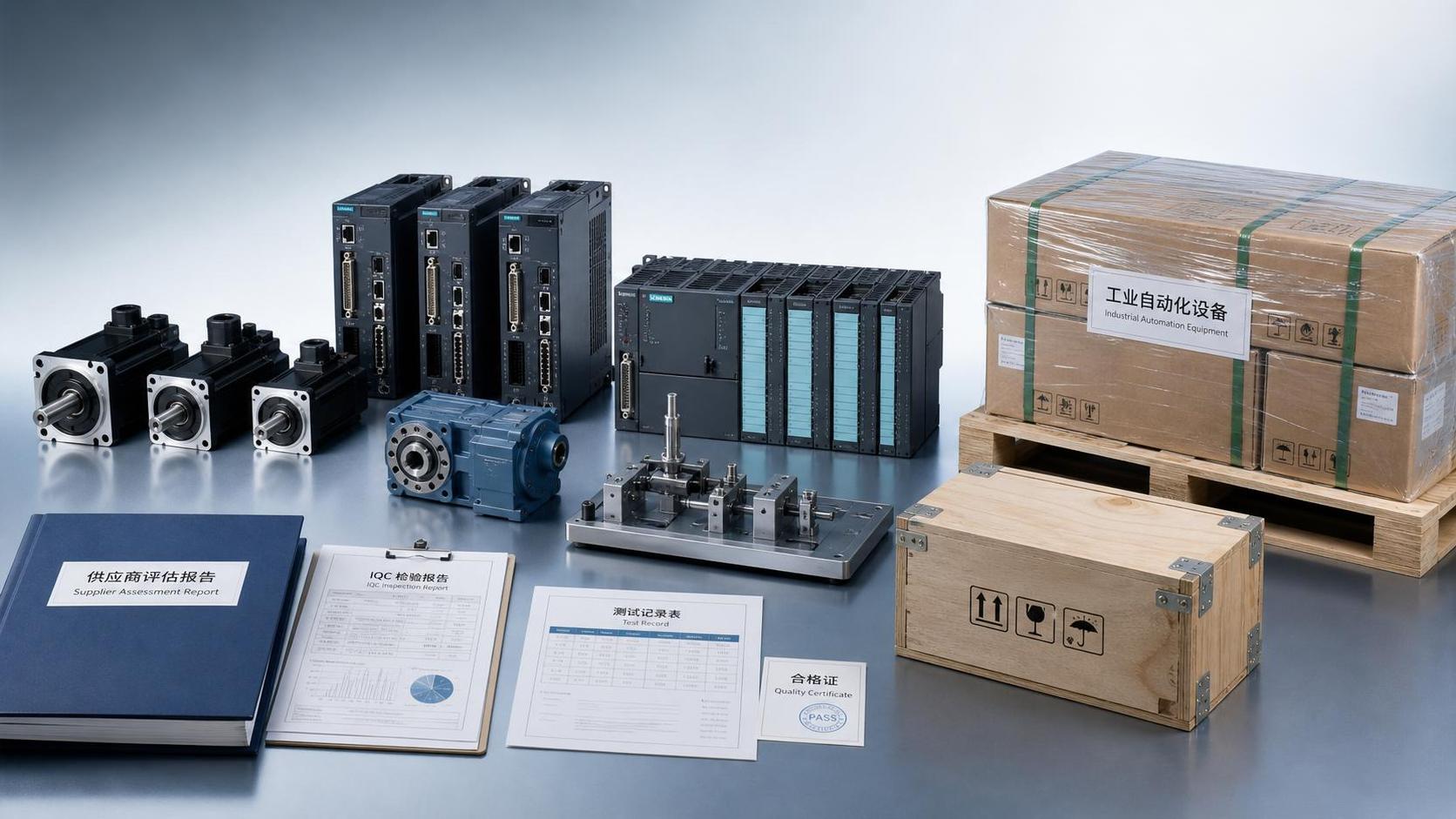
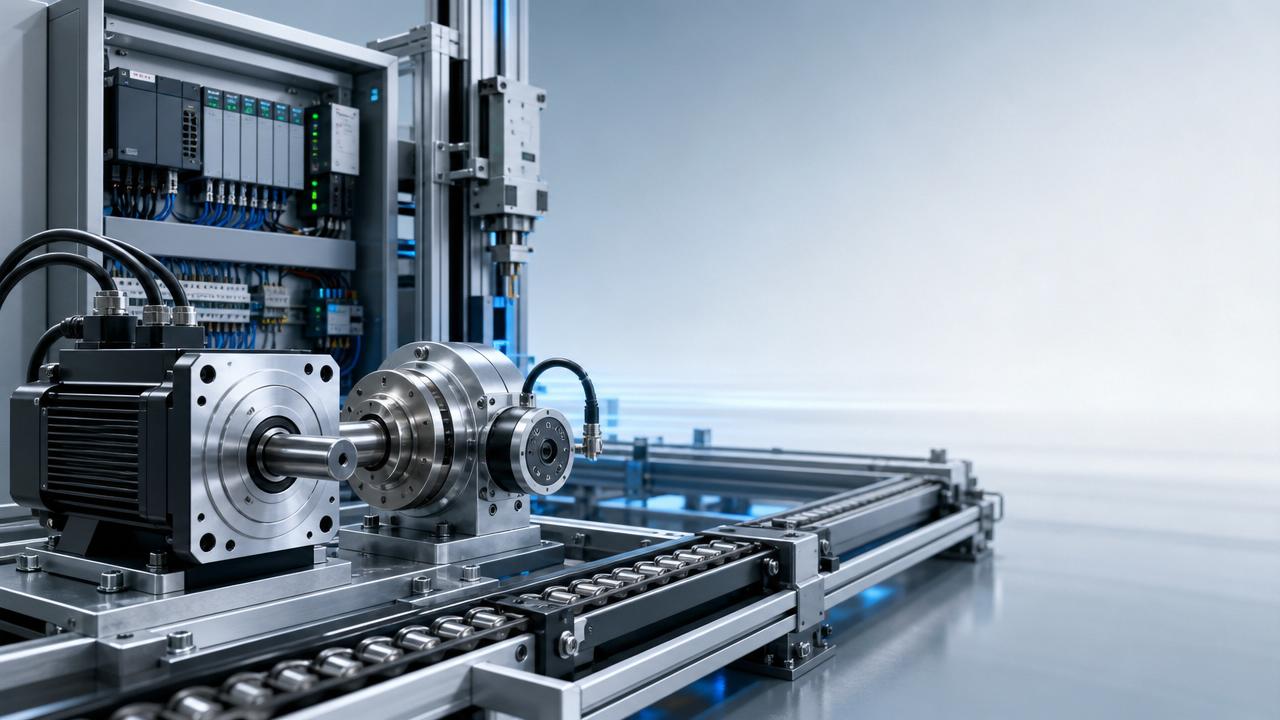
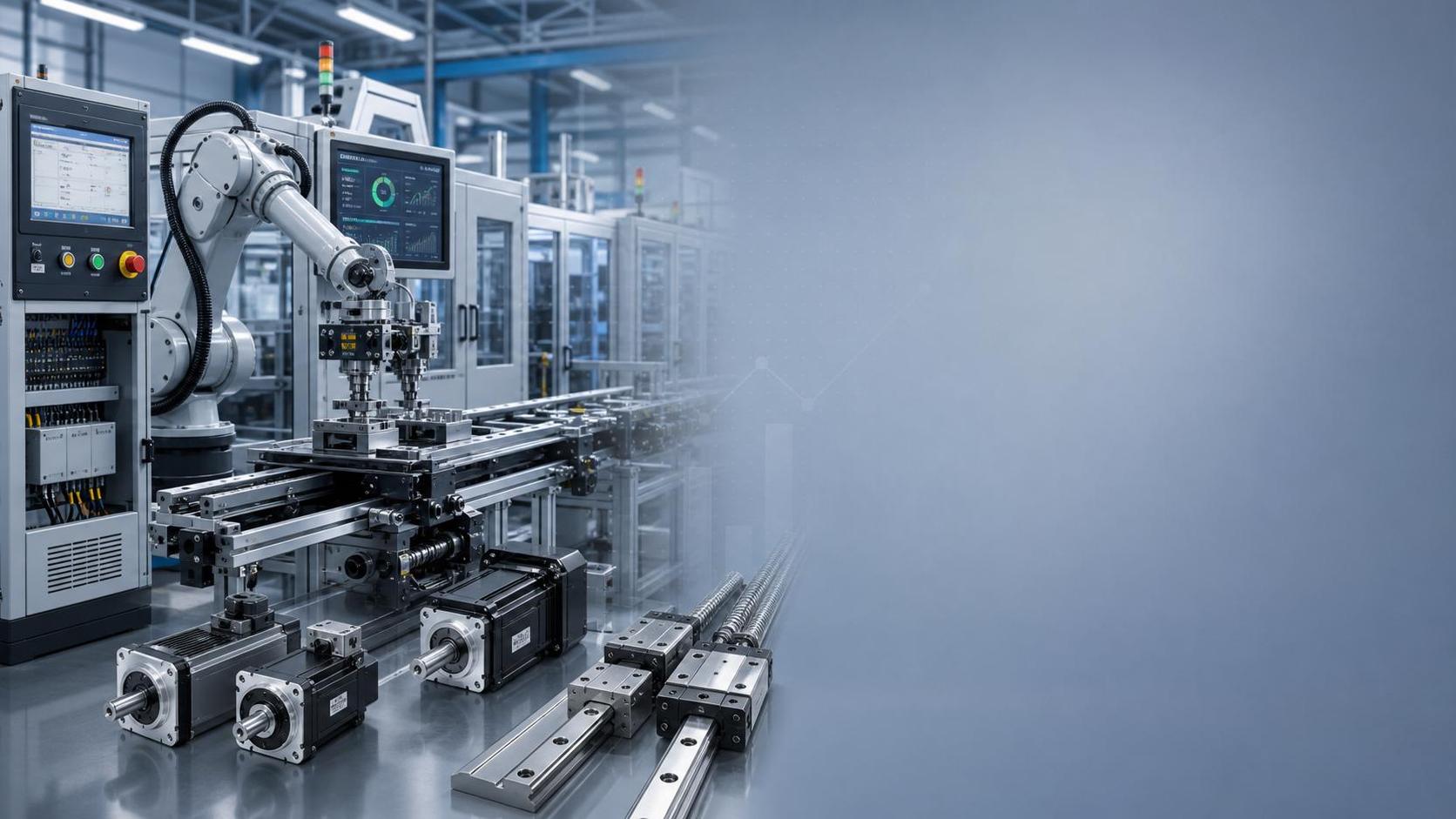
Servo systems, PLC/DCS controls, precision reducers, linear motion parts, inverters, and industrial PCs all shape total value.
That also means approval quality depends on cost visibility, risk assumptions, and believable ROI benchmarks.
In practical terms, strong decisions come from linking automation spending to throughput, scrap reduction, uptime, labor productivity, and energy savings.
Why Advanced Manufacturing Automation Costs More Than the Quote
Many teams underestimate Advanced Manufacturing Automation because they focus on hardware first.
The visible quote usually covers only the front layer of the investment.
The larger cost picture includes integration, controls engineering, commissioning, training, line balancing, and future maintenance support.
A servo motor may look interchangeable on paper.
Yet encoder resolution, loop response, thermal stability, and vibration behavior directly affect quality and cycle time.
Those performance differences often decide whether the payback model holds after launch.
Core Cost Drivers to Review Early
- Motion control complexity, including multi-axis synchronization and tuning requirements.
- Controller architecture, especially PLC/DCS scalability and communication protocol compatibility.
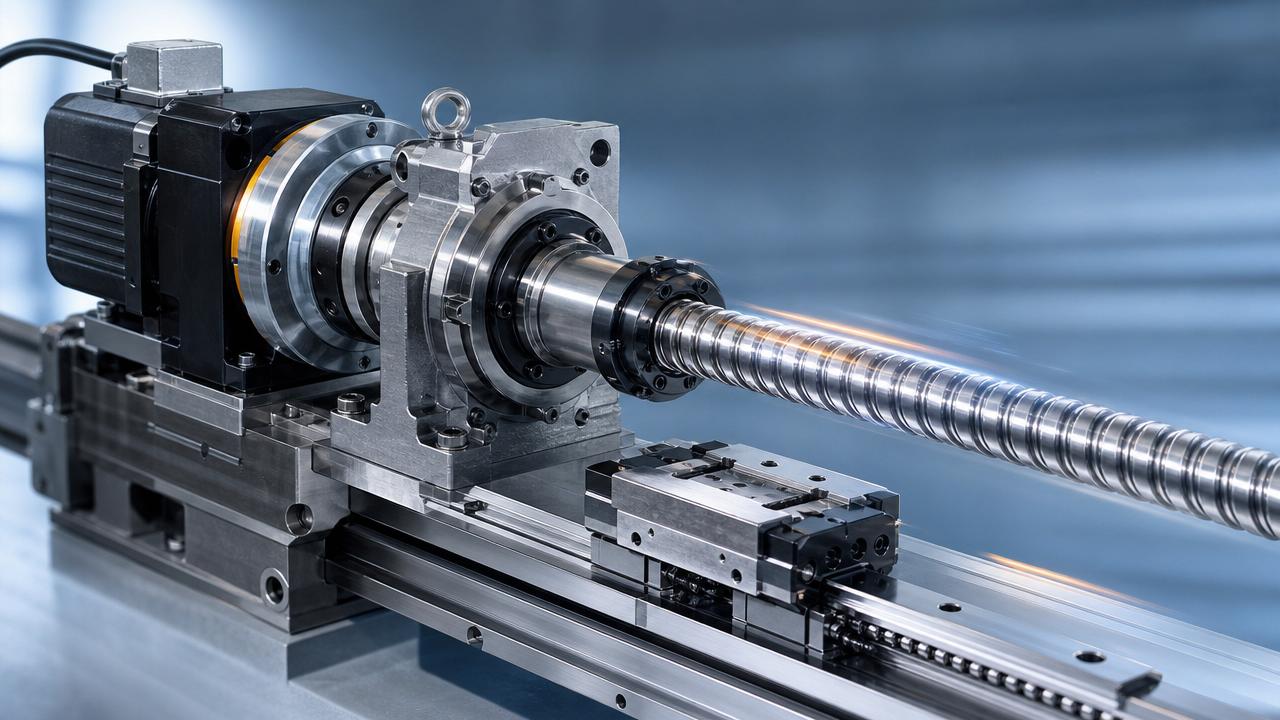
- Mechanical precision, including reducers, ball screws, and guides with tight tolerance needs.
- Industrial computing demands for edge analytics, vision inspection, and real-time data capture.
- Installation downtime, production interruption, and start-up yield loss.
- Lifecycle support costs, including spare parts, software updates, and technician availability.
From a procurement and cost standpoint, these items matter more than a low entry price.
Breaking Down the Investment Stack
A useful Advanced Manufacturing Automation business case separates spending into clear layers.
This makes supplier comparison far more realistic.
The most common approval mistake is treating engineering and integration as secondary.
In reality, these two categories often decide whether Advanced Manufacturing Automation performs as promised.
What ROI Benchmarks Usually Look Like
ROI benchmarks vary by process type, labor intensity, quality pressure, and current equipment age.
Still, there are useful ranges for evaluating Advanced Manufacturing Automation proposals.
- Simple retrofits often target payback within 12 to 24 months.
- Multi-station upgrades usually land in the 18 to 36 month range.
- Greenfield automation cells may require 24 to 48 months.
- Energy-focused inverter projects can return value in less than 18 months.
- Precision-driven upgrades often justify slower payback through lower scrap and warranty risk.
These are not guarantee ranges.
They are screening benchmarks for capital discipline.
More importantly, the best Advanced Manufacturing Automation cases show more than one value lever.
Value Levers That Strengthen Payback
- Higher throughput without additional floor space.
- Lower unplanned downtime through better control stability.
- Reduced scrap from tighter motion accuracy and repeatability.
- Lower labor dependence in hard-to-staff operations.
- Energy savings through efficient drive control and smarter load management.
- Stronger traceability for regulated or high-reliability production.
How to Test Supplier ROI Claims
This is where many purchasing reviews become too optimistic.
Supplier models often assume stable inputs, full adoption, and no ramp delays.
A better approach is to pressure-test the assumptions behind the Advanced Manufacturing Automation case.
- Check baseline accuracy. Verify current throughput, scrap, downtime, and labor cost data.
- Review utilization assumptions. Ask whether projected output needs real market demand.
- Model ramp-up delays. Include realistic commissioning and training time.
- Test maintenance burden. Confirm local spare parts and service response times.
- Run downside cases. Compare expected, conservative, and stress scenarios.
In actual projects, conservative assumptions often produce better approval outcomes later.
They reduce the risk of explaining underperformance after capital is already committed.
Where Precision Components Change the Economics
Not every automation line needs the same performance envelope.
But in many sectors, component precision directly changes ROI.
For example, high-response servo systems improve position accuracy and cycle consistency.
Precision reducers limit backlash, which matters in robotic assembly and path control.
Linear guides and ball screws affect rigidity, wear life, and feed accuracy.
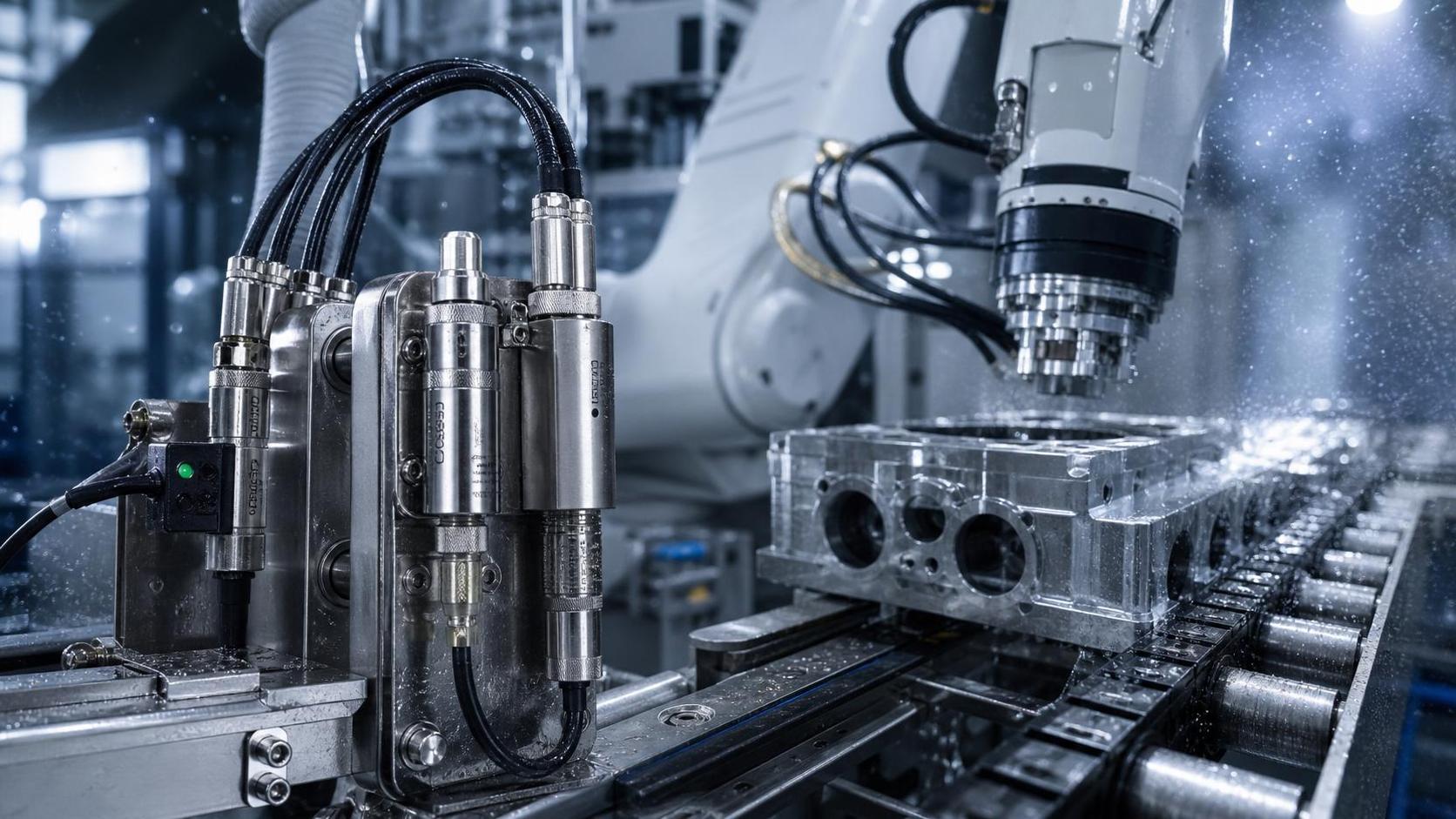
PLCs, DCS platforms, and IPCs influence response timing, diagnostics, and data visibility.
When these elements are mismatched, Advanced Manufacturing Automation may still run, but returns often weaken.
Typical Hidden Losses From Under-Specification
- Frequent retuning after product changes.
- Higher scrap at faster operating speeds.
- More vibration, heat, or mechanical wear.
- Shorter component life and higher spare usage.
- Reduced confidence in unattended or lights-out operation.
A Practical Approval Framework
A strong Advanced Manufacturing Automation approval process should be simple, disciplined, and repeatable.
- Define the operational constraint first, such as bottleneck cycle time or defect rate.
- Separate mandatory technical needs from optional performance enhancements.
- Use total cost of ownership, not quoted equipment price, as the comparison base.
- Require three-case ROI modeling: target, conservative, and downside.
- Set post-launch KPIs before approval, including uptime, scrap, and labor savings.
- Link final payment milestones to commissioning and performance acceptance.
This kind of structure improves vendor accountability.
It also turns Advanced Manufacturing Automation from a technical promise into a measurable investment program.
Final Takeaway
Advanced Manufacturing Automation delivers the best results when cost, precision, and operational fit are evaluated together.
The smartest approvals do not chase the cheapest system or the fastest claimed payback.
They focus on credible assumptions, scalable architecture, and component choices that protect uptime and output quality.
That is especially true in modern manufacturing, where servo control, PLC/DCS intelligence, mechanical transmission, and industrial edge computing work as one system.
When the business case is built on real constraints and measurable gains, Advanced Manufacturing Automation becomes easier to justify and easier to defend.
Use that lens to compare proposals, challenge assumptions, and prioritize investments that create durable productivity rather than temporary cost optics.
Related Recommendations
 Precision Manufacturing Technology for Tight-Tolerance ProductionTime : Jun 18, 2026
- Advanced Manufacturing Automation: Cost Drivers and ROI BenchmarksTime : Jun 18, 2026
- Industrial Sensors for Harsh Environments: Key Specs That Matter MostTime : Jun 17, 2026
- How to Evaluate Automation Component Suppliers for Quality and Delivery RiskTime : Jun 17, 2026
- Motion Control Components That Fail Most in Harsh Duty CyclesTime : Jun 15, 2026
- Precision Control Systems: When Higher Accuracy Justifies the CostTime : Jun 14, 2026