Precision Control Systems: When Higher Accuracy Justifies the Cost

Precision Control Systems: When Higher Accuracy Justifies the Cost
Precision Control Systems can look expensive on the first quote.
But the smarter question is not price alone.
It is whether higher accuracy reduces loss across the full operating cycle.
In many factories, that answer is yes.
Better positioning, tighter speed control, and cleaner motion often improve yield, uptime, and asset life.
That is why Precision Control Systems deserve a cost-based review, not a catalog comparison.
Why Precision Costs More in the First Place
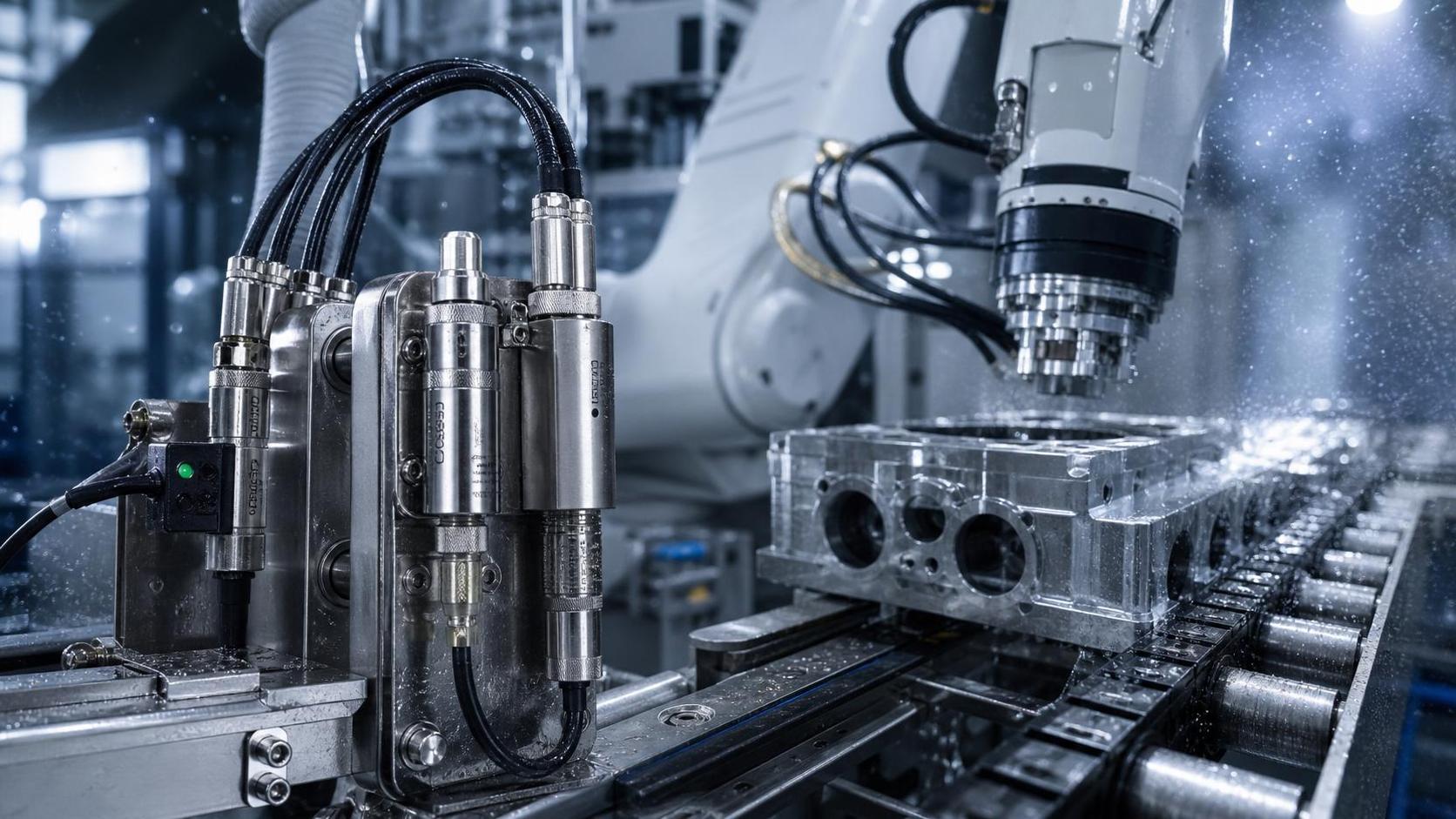
Higher-end Precision Control Systems are built around tighter tolerances and faster feedback loops.
That usually means better encoders, stronger servo tuning, cleaner power control, and more stable mechanical transmission.
It also includes software maturity, motion algorithms, and resistance to vibration, heat, dust, and electrical noise.
In practical terms, you are paying for repeatability, not just movement.
That difference matters in packaging, robotics, CNC, battery equipment, semiconductor assembly, and high-speed inspection lines.
From a purchasing view, the premium is easier to justify when process variation already carries a visible cost.
Where Precision Control Systems Create Financial Value
The business case gets clearer when accuracy changes measurable outcomes.
A tighter system can reduce hidden losses that standard equipment often masks.
- Lower scrap rates from fewer positioning errors and less process drift.
- Less rework because parts land within tolerance more consistently.
- Shorter downtime caused by better motion stability and fewer jams.
- Lower maintenance from reduced shock, backlash, and resonance.
- Longer tool life when load control stays smooth and predictable.
- Higher throughput when machines can run faster without losing accuracy.
These gains often look small in isolation.
Together, they can outweigh the purchase premium surprisingly fast.
The Real Cost of Choosing Lower Accuracy
Lower-cost systems are not always cheaper over time.
If control precision is too loose for the application, costs start spreading across operations.
One rejected batch can erase much of the upfront savings.
A recurring alignment issue can also slow labor, planning, and delivery performance.
More importantly, poor repeatability makes forecasting harder.
That creates budgeting risk because actual operating costs drift away from the original purchase model.
In high-mix manufacturing, the penalty is even larger.
Frequent recipe changes need motion consistency to avoid constant retuning and quality loss.
When the Premium Is Usually Justified
Not every line needs top-tier Precision Control Systems.
But some operating conditions strongly support the higher investment.
- Product tolerances are tight and defects are expensive.
- The line runs at high speed, where minor errors multiply quickly.
- Material costs are high, making scrap financially painful.
- Downtime affects customer delivery, compliance, or revenue commitments.
- Machines must support flexible production and frequent changeovers.
- Energy efficiency and equipment life are part of the ROI target.
This is especially true in servo-driven systems.
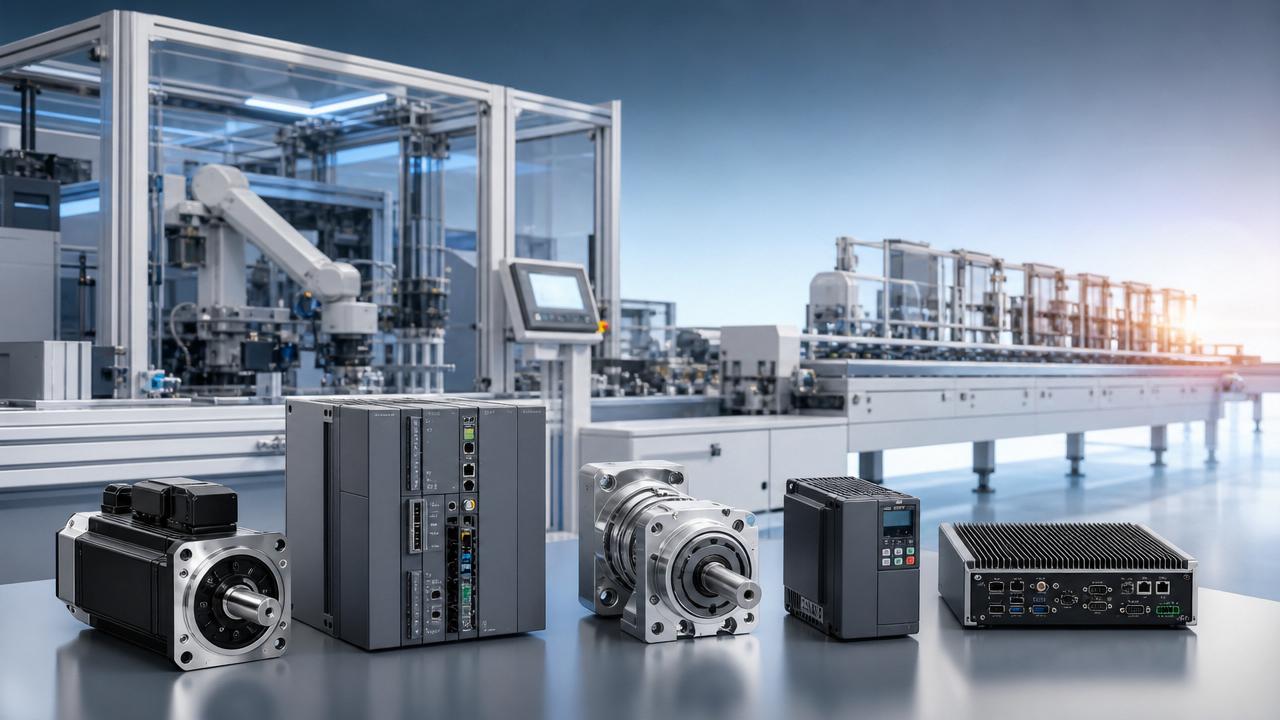
Industrial AC servo motors, high-resolution encoders, PLC or DCS logic, and precision reducers work as one financial system.
If one layer is weak, the entire value case can collapse.
How to Evaluate Precision Control Systems Without Overbuying
A common mistake is buying the highest specification without linking it to plant economics.
A better approach is to map system performance to business losses.
- Measure current scrap, rework, and downtime by machine and product family.
- Identify whether motion error, vibration, backlash, or slow response causes those losses.
- Estimate the value of a one percent improvement in yield or uptime.
- Compare that value against the price gap between standard and precision options.
- Check integration needs across servo drives, PLC, IPC, inverters, and mechanical transmission.
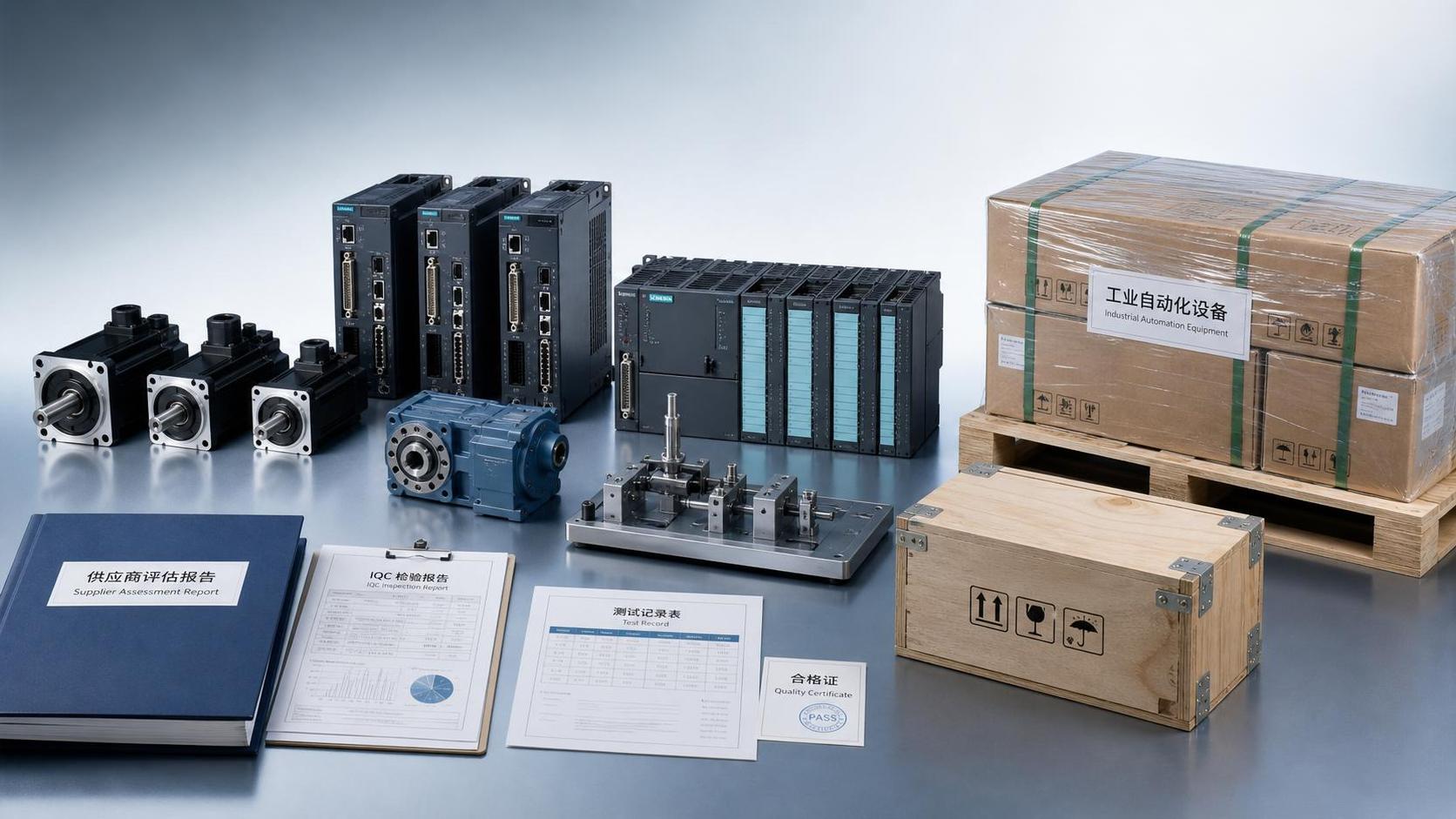
- Review supplier support, spare parts access, and commissioning capability.
This keeps the decision grounded.
It also prevents paying for theoretical precision that the process will never use.
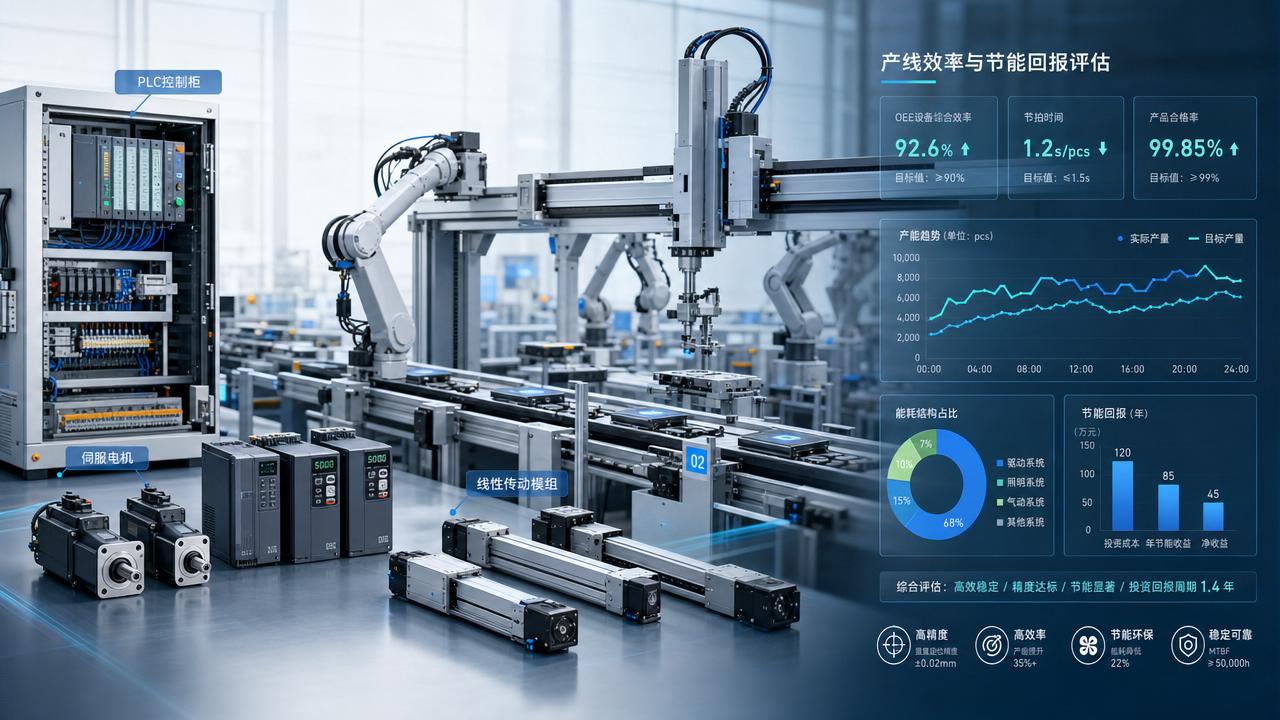
A Simple ROI View for Purchasing Teams
The ROI model does not need to be complicated.
It only needs to reflect the real drivers of cost and recovery.
If the value side pays back within an acceptable window, the purchase case becomes much stronger.
For many automated lines, that window is shorter than expected.
Why System-Level Thinking Matters
Precision Control Systems should never be evaluated as isolated parts.
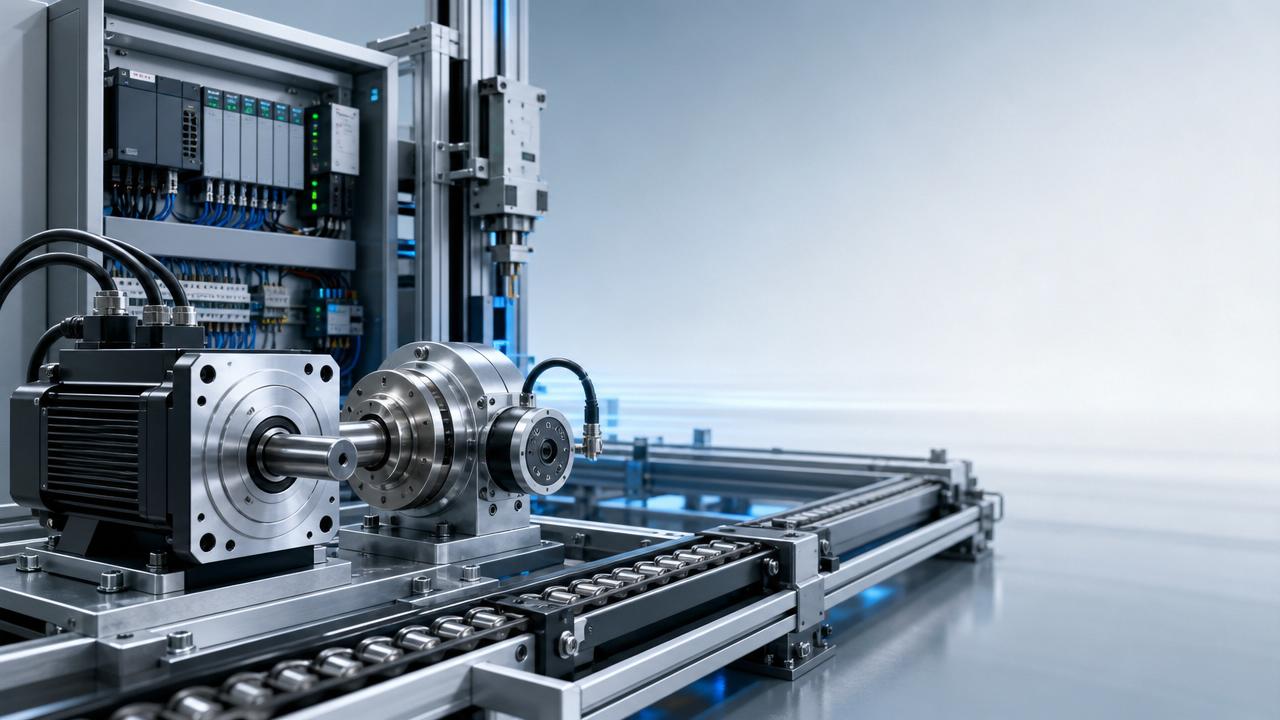
Accuracy depends on the interaction between electrical control, software logic, and mechanical transmission.
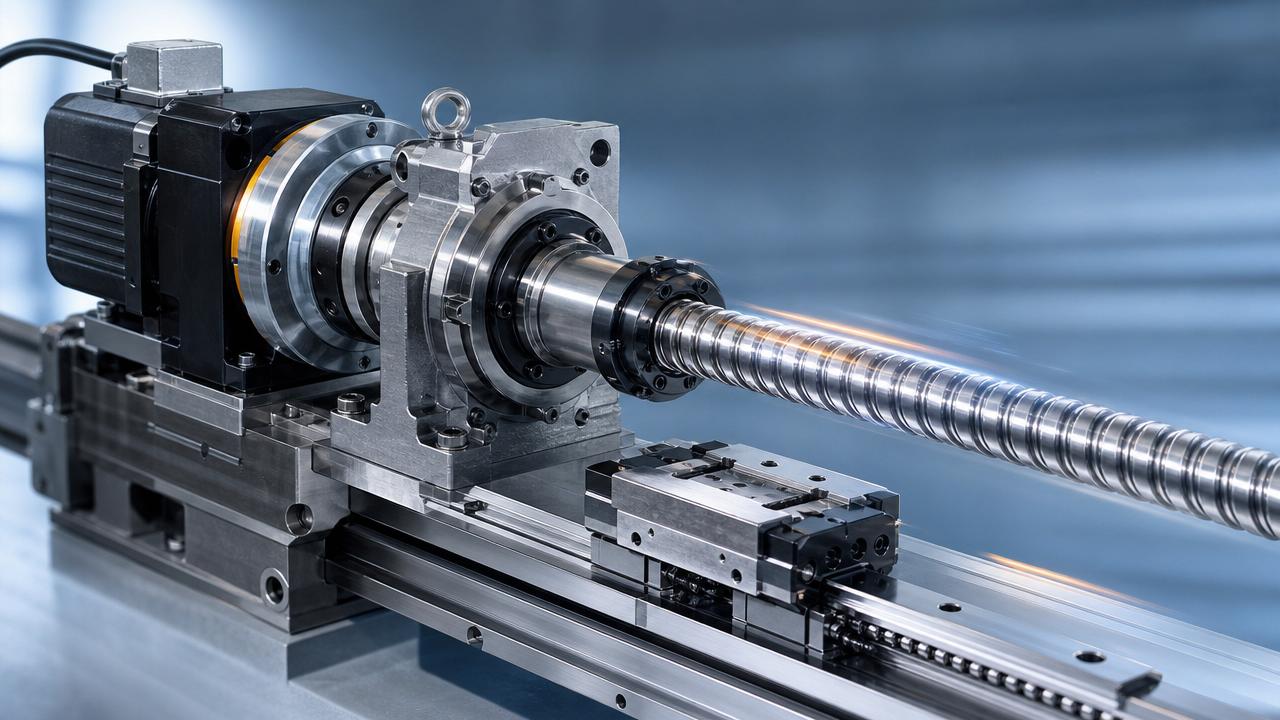
A premium servo cannot fix backlash from a weak reducer.
A strong PLC scan cycle cannot overcome unstable linear guides or poor ball screw alignment.
Likewise, industrial PCs and inverters influence edge responsiveness, energy behavior, and process stability.
This is where specialist intelligence becomes useful.
A source like IAMC helps connect servo control, PLC or DCS architecture, reducers, guides, and industrial computing into one clearer investment picture.
Final Decision: Buy Accuracy Where It Protects Margin
The best buying decision is rarely about chasing the lowest quote.
It is about matching precision to the cost of failure.
When error leads to scrap, downtime, tool wear, compliance exposure, or lost flexibility, Precision Control Systems usually justify the premium.
When the process is forgiving, standard solutions may be enough.
That is the real procurement discipline.
Review actual plant losses, test the economics, and buy accuracy where it protects margin, resilience, and future production goals.
Related Recommendations
 Industrial Sensors for Harsh Environments: Key Specs That Matter MostTime : Jun 17, 2026
- How to Evaluate Automation Component Suppliers for Quality and Delivery RiskTime : Jun 17, 2026
- Motion Control Components That Fail Most in Harsh Duty CyclesTime : Jun 15, 2026
- Precision Control Systems: When Higher Accuracy Justifies the CostTime : Jun 14, 2026
- How to Evaluate Manufacturing Automation ROI in 2026Time : Jun 13, 2026
- How to Compare an Industrial Automation Supplier Beyond Unit PriceTime : Jun 12, 2026