Automation Control Systems Price: Cost Drivers and Budget Benchmarks

Automation Control Systems Price: Cost Drivers and Budget Benchmarks
Understanding Automation Control Systems price is essential when balancing production targets, technical fit, and budget discipline.
A low initial quote may look attractive, yet total spend often rises during engineering, integration, and lifecycle support.
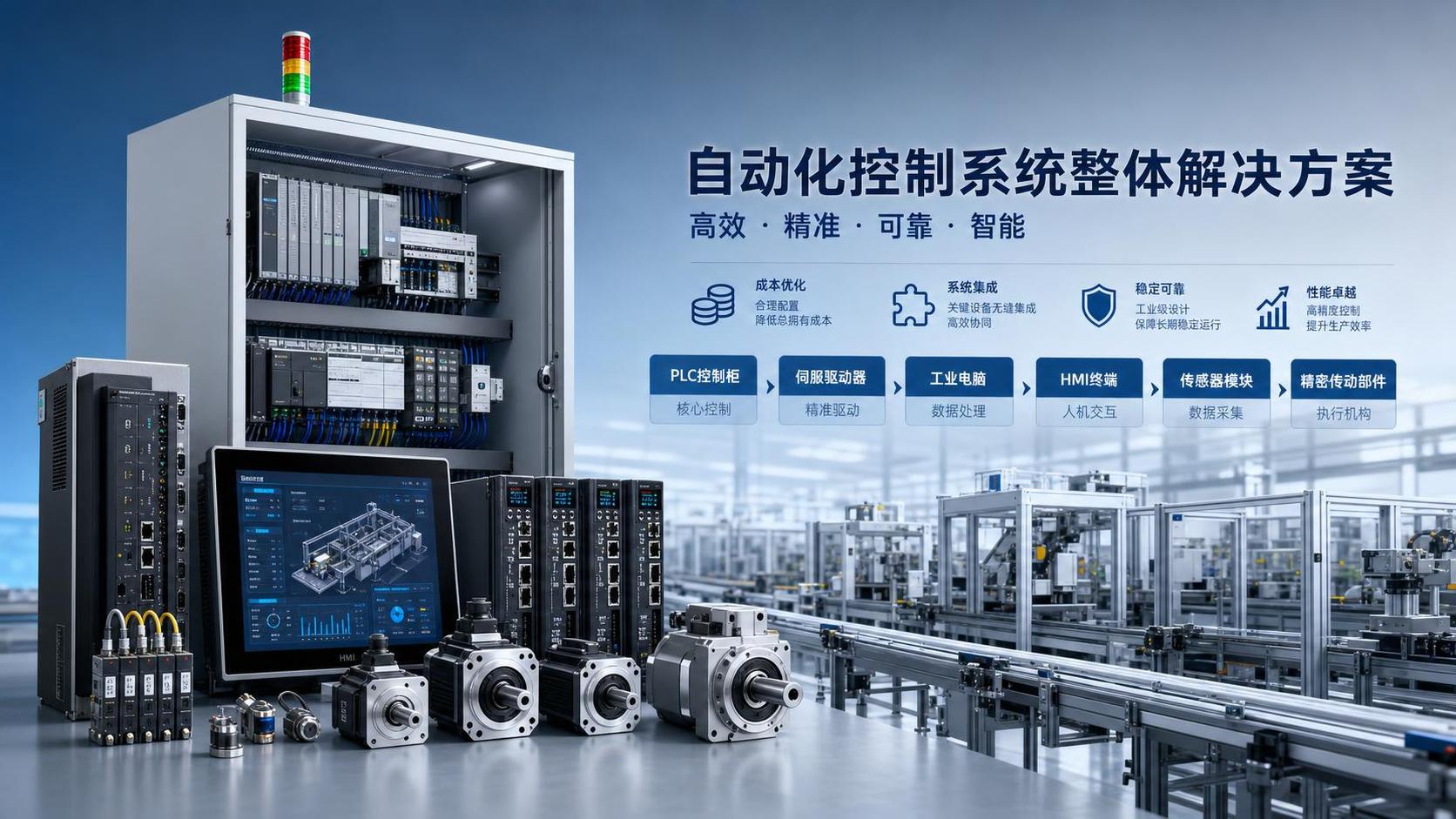
That is especially true for systems combining PLCs, DCS platforms, servo drives, industrial PCs, reducers, guides, and sensing layers.
In practice, pricing is shaped by control accuracy, motion complexity, safety requirements, environmental conditions, and commissioning scope.
This guide breaks down the main cost drivers and offers budget benchmarks that make supplier comparisons more grounded and useful.
What Drives Automation Control Systems Price
The biggest factor is system architecture. A standalone machine controller costs far less than a coordinated multi-line automation platform.
Control platform choice matters early. Basic PLC setups are usually more affordable than redundant PLC or full DCS environments.
Motion requirements also change the budget fast. High-speed synchronized axes require stronger drives, better feedback, and tighter tuning time.
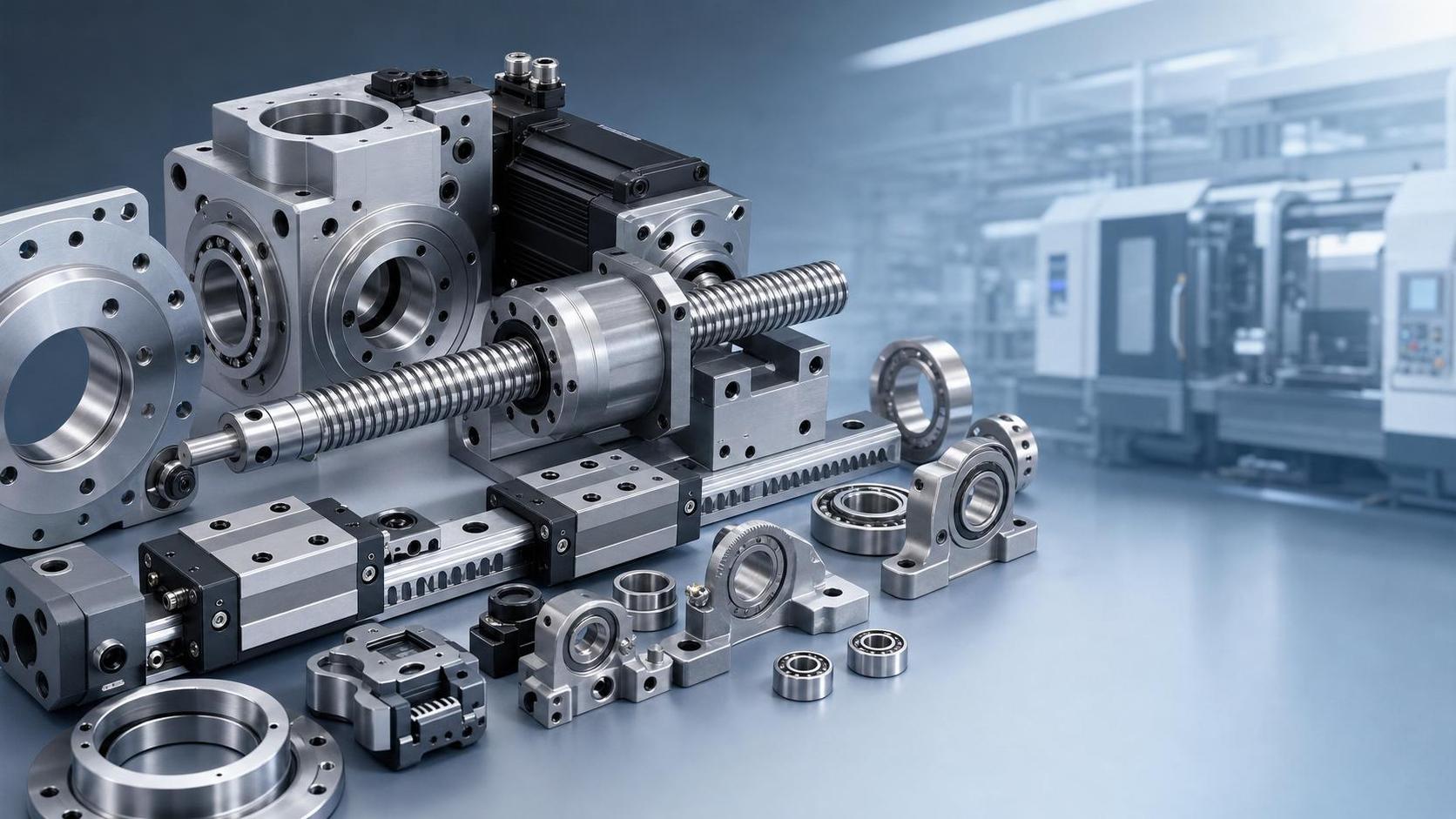
Mechanical precision is another hidden lever. Zero-backlash reducers, precision ball screws, and linear guides raise cost but improve repeatability.
Industrial environment adds another layer. Heat, vibration, dust, washdown exposure, or electromagnetic interference all push specification levels upward.
Then there is integration. Network design, HMI development, field wiring, panel building, testing, and onsite startup can equal hardware cost.
Core Cost Elements
- Controller hardware: PLC, PAC, DCS node, remote I/O, safety modules.
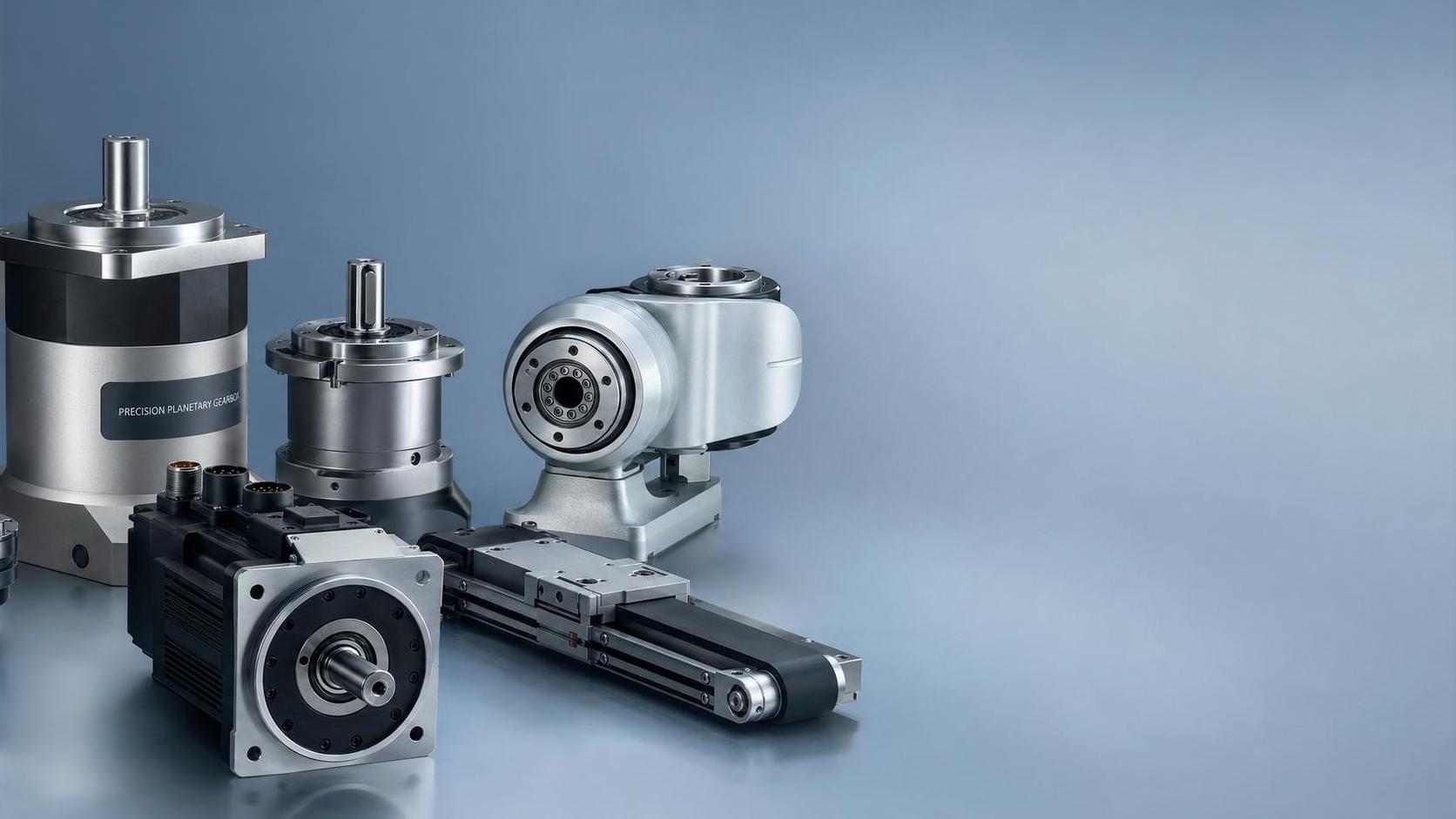
- Motion stack: servo motors, servo drives, encoders, reducers, linear transmission parts.
- Computing and visualization: IPC, HMI, SCADA licensing, edge analytics software.
- Electrical scope: cabinet fabrication, power distribution, safety relays, cables, connectors.
- Engineering scope: programming, simulation, documentation, FAT, SAT, and training.
- Lifecycle costs: spare parts, service response, firmware support, and upgrade path.
Typical Budget Benchmarks by Project Type
Automation Control Systems price varies by region and brand tier, but several working ranges help frame early discussions.
For a simple machine upgrade, a compact PLC, small HMI, several VFDs, and limited I/O may stay within a modest budget.
A servo-based packaging cell usually climbs higher because axis coordination, safety functions, and commissioning effort increase.
Full line automation with MES interfaces, industrial PCs, and data visibility tools enters a very different pricing band.
These ranges are directional, not fixed. Brand selection, country of manufacture, and compliance obligations can shift them materially.
Still, they help anchor conversations around realistic Automation Control Systems price expectations before detailed design begins.
Why Precision Motion Raises the Price
Many budgets slip when motion performance is underdefined. Precision motion parts are rarely interchangeable from a cost perspective.
A standard motor and gearbox may handle transport duty. They will not deliver the same control quality as a tuned servo system.
When the application needs micron-level positioning, high encoder resolution and rigid transmission design become essential, not optional.
That is where servo motors, harmonic reducers, RV gearboxes, and ground ball screws start changing the Automation Control Systems price.
The same logic applies to control software. Faster loops, resonance suppression, interpolation, and synchronized motion add engineering time.
From a buying perspective, the key question is simple: what level of repeatability directly affects output, scrap, or throughput?
Questions That Prevent Overbuying
- What positioning accuracy is truly required at the product level?
- How many axes need synchronization, and at what cycle time?
- What load variation, shock, or inertia mismatch exists in operation?
- Which losses cost more: extra hardware spend or lower production stability?
The Hidden Costs Behind a Low Quote
Recent market changes make this more visible. Hardware prices may soften, while engineering and support costs remain firm.
A low quotation sometimes excludes panel design revisions, safety validation, protocol conversion, or onsite tuning visits.
Another common gap is software ownership. License renewals, device tags, historian seats, or remote access tools may be extra.
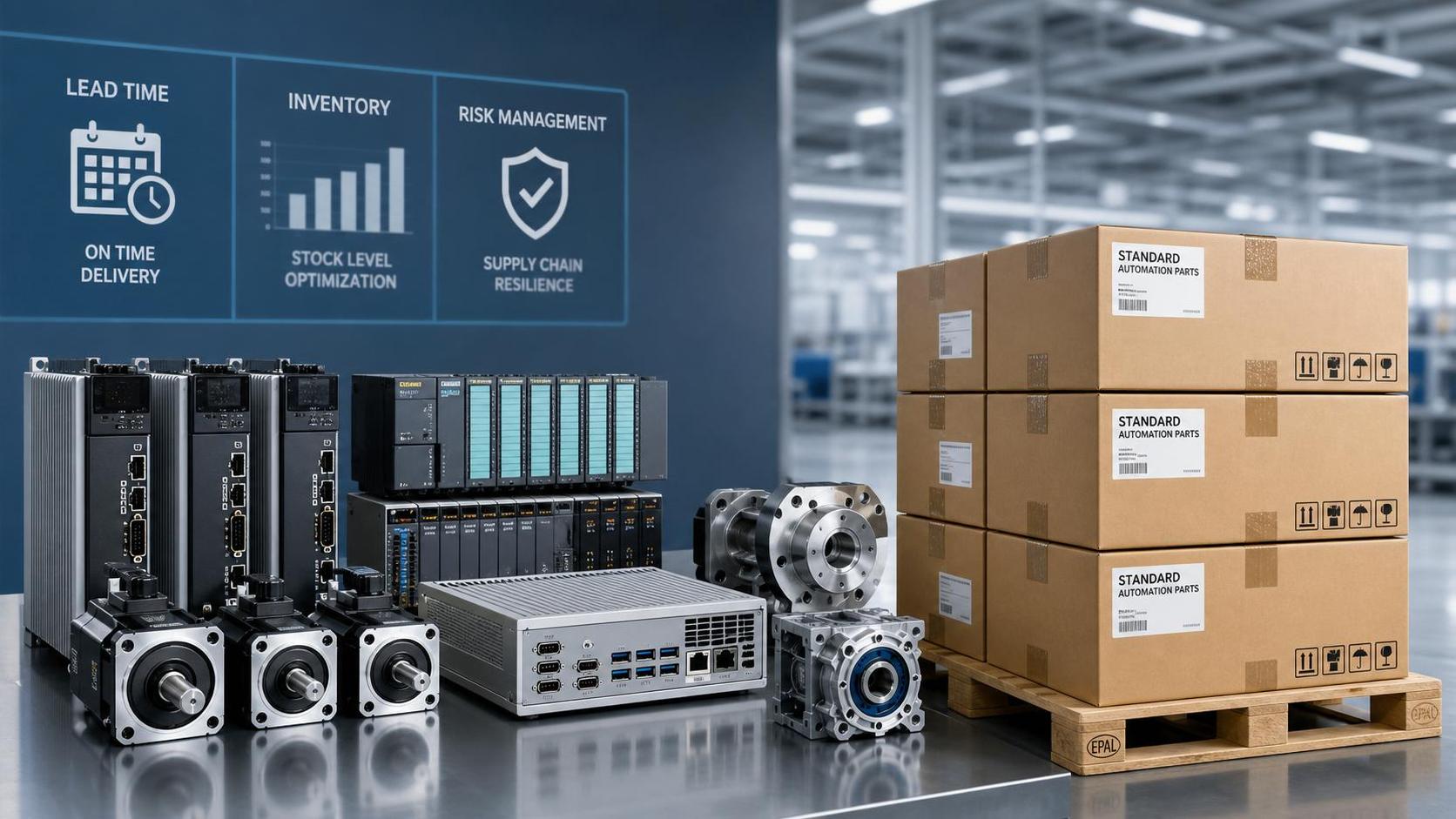
Lead time risk also has a price. If one motion component delays startup, the project cost rises beyond the original hardware delta.
Support depth matters too. A cheaper vendor without field service coverage can become expensive during commissioning or failure recovery.
This is why total cost of ownership gives a better read than catalog price alone when comparing Automation Control Systems price.
Common Budget Blind Spots
- Unplanned I/O expansion after scope freeze.
- Third-party machine communication and protocol gateways.
- Safety category upgrades and documentation demands.
- Spare parts packages for high-risk components.
- Training, recipe management, and maintenance access setup.
How to Compare Suppliers More Effectively
Better sourcing starts with a tighter request package. Suppliers price more accurately when technical assumptions are explicit.
Define throughput, uptime target, product mix, environmental conditions, data needs, and planned expansion from the start.
Ask each bidder to separate hardware, software, mechanical transmission, cabinet scope, and engineering services.
That structure exposes whether a lower Automation Control Systems price comes from real efficiency or missing scope.
It also helps compare premium and mid-tier brands without getting lost in brand reputation alone.
A Practical Supplier Checklist
- Request a line-item bill of materials with brand and model visibility.
- Confirm performance guarantees for cycle time, repeatability, and uptime.
- Clarify software licenses, source access, backup method, and upgrade policy.
- Review lead times for servo, IPC, safety, and reducer components.
- Check local support capability, spare strategy, and service response terms.
A Smarter Way to Set the Budget
A useful budget should reflect business value, not just component totals. Start with bottlenecks, quality losses, and labor dependency.
Then map those issues to the control layers that solve them, whether that means PLC upgrades, servo precision, or industrial edge computing.
In real projects, phased deployment often improves capital efficiency. Critical functions go first, while analytics and expansion stay modular.
This approach keeps Automation Control Systems price aligned with operational return instead of abstract technical ambition.
A sound benchmark is to reserve contingency for integration changes, validation work, and supply chain variation.
For many projects, a 10% to 20% buffer is more realistic than assuming the first quote captures everything.
The clearest signal is this: the best-priced solution is the one that meets performance targets with the fewest costly surprises.
When evaluating Automation Control Systems price, build the comparison around scope clarity, precision needs, support depth, and lifecycle resilience. That is how budgets stay credible and investments stay productive.
Related Recommendations
 Automation Control Systems Price: Cost Drivers and Budget BenchmarksTime : Jul 17, 2026
- Reducer Selection Guide: How to Balance Torque, Cost, and LifespanTime : Jul 11, 2026
- How to Evaluate an Industrial Automation Parts Supplier for Lead Time and RiskTime : Jul 10, 2026
- Industrial Robotics for Packaging: Where Automation Cuts Downtime MostTime : Jul 09, 2026
- How CNC Machined Precision Engineering Components Improve Fit and ToleranceTime : Jul 08, 2026
 Manufacturing Automation Systems: Where ROI Improves FirstTime : Jul 07, 2026