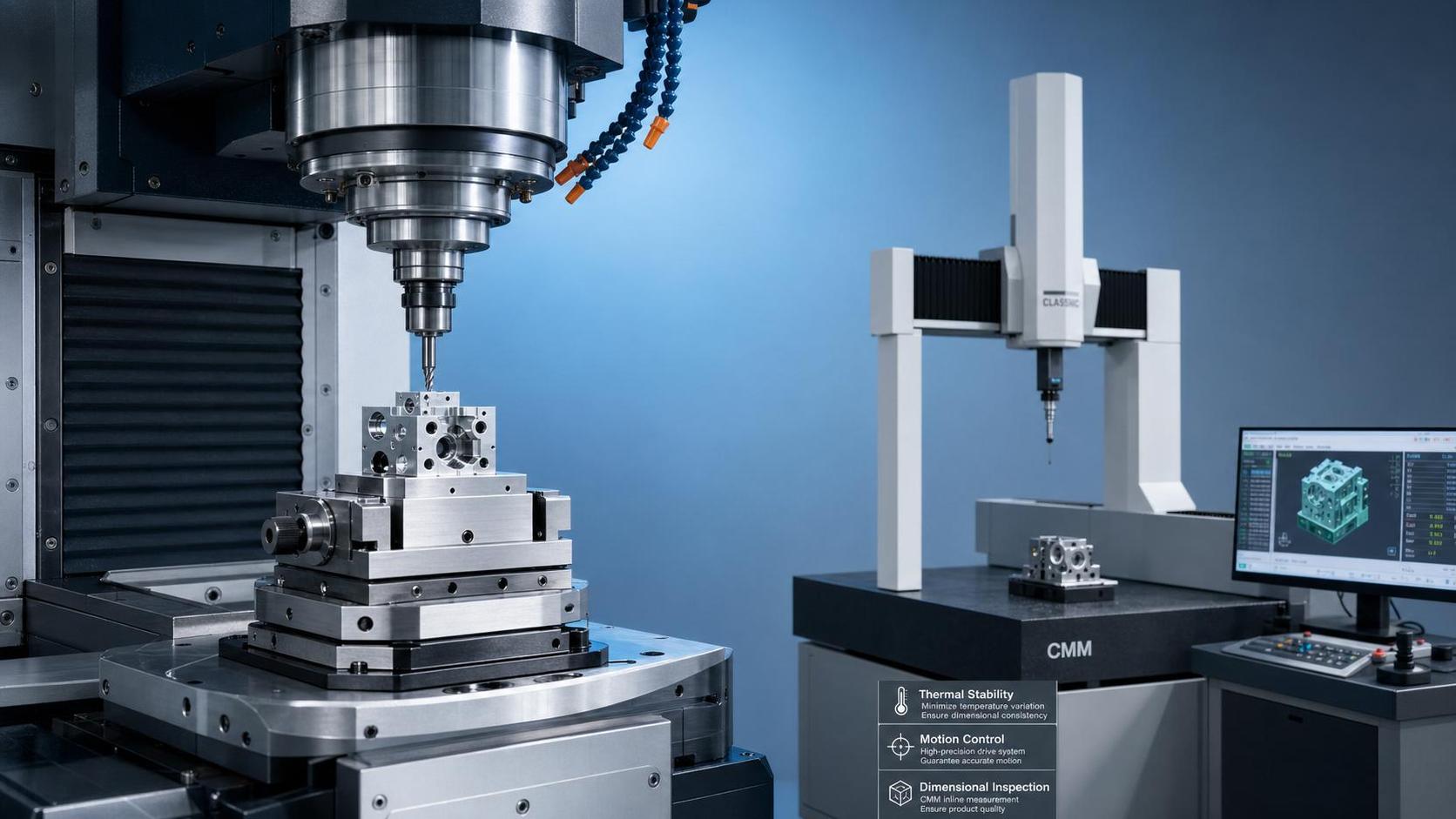
Manufacturing Automation Systems: Where ROI Improves First


Manufacturing Automation Systems: Where ROI Improves First
Manufacturing Automation systems deliver their quickest value where losses already show up every day.
Downtime, scrap, unstable throughput, and labor-heavy tasks usually create the first and clearest return.
That matters because automation spending is easier to defend when gains are visible within one budgeting cycle.
In practice, the best Manufacturing Automation systems are not just machines with more control layers.
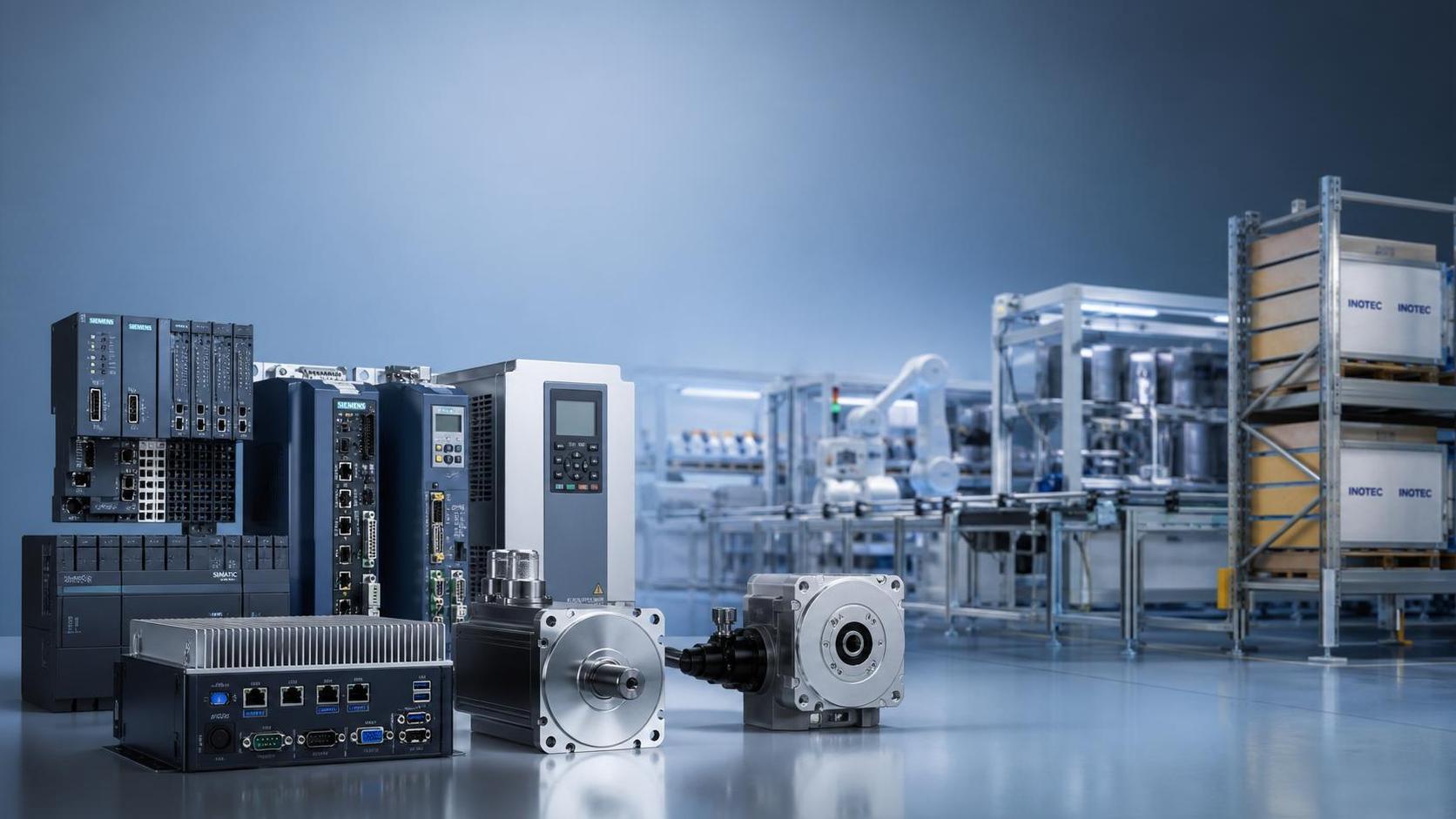
They connect servo control, PLC or DCS logic, precision transmission, and industrial edge computing to business targets.
The real question is not whether to automate.
The real question is where Manufacturing Automation systems improve ROI first, and how to sequence investment with less risk.
Start Where Waste Is Already Expensive
Early ROI rarely comes from automating everything at once.
It comes from targeting the process steps that already drain margin, capacity, or delivery performance.
For most factories, that pattern appears in five places.
- Unplanned equipment stoppages that interrupt output and delay shipments.
- Quality variation caused by inconsistent motion, setup drift, or manual handling.
- Labor-intensive stations with repetitive movement, inspection, loading, or transfer work.
- Energy-heavy assets running with poor speed control or limited visibility.
- Bottlenecks where one unstable process slows the entire line.
These are the zones where Manufacturing Automation systems usually pay back faster.
They replace hidden losses with measurable control, repeatability, and operating data.
Downtime Is Often the First ROI Lever
When a line stops, labor, machine time, and delivery promises all absorb the impact.
That is why downtime reduction is one of the strongest business cases for Manufacturing Automation systems.
Servo motors with high-resolution feedback improve motion stability under changing loads.
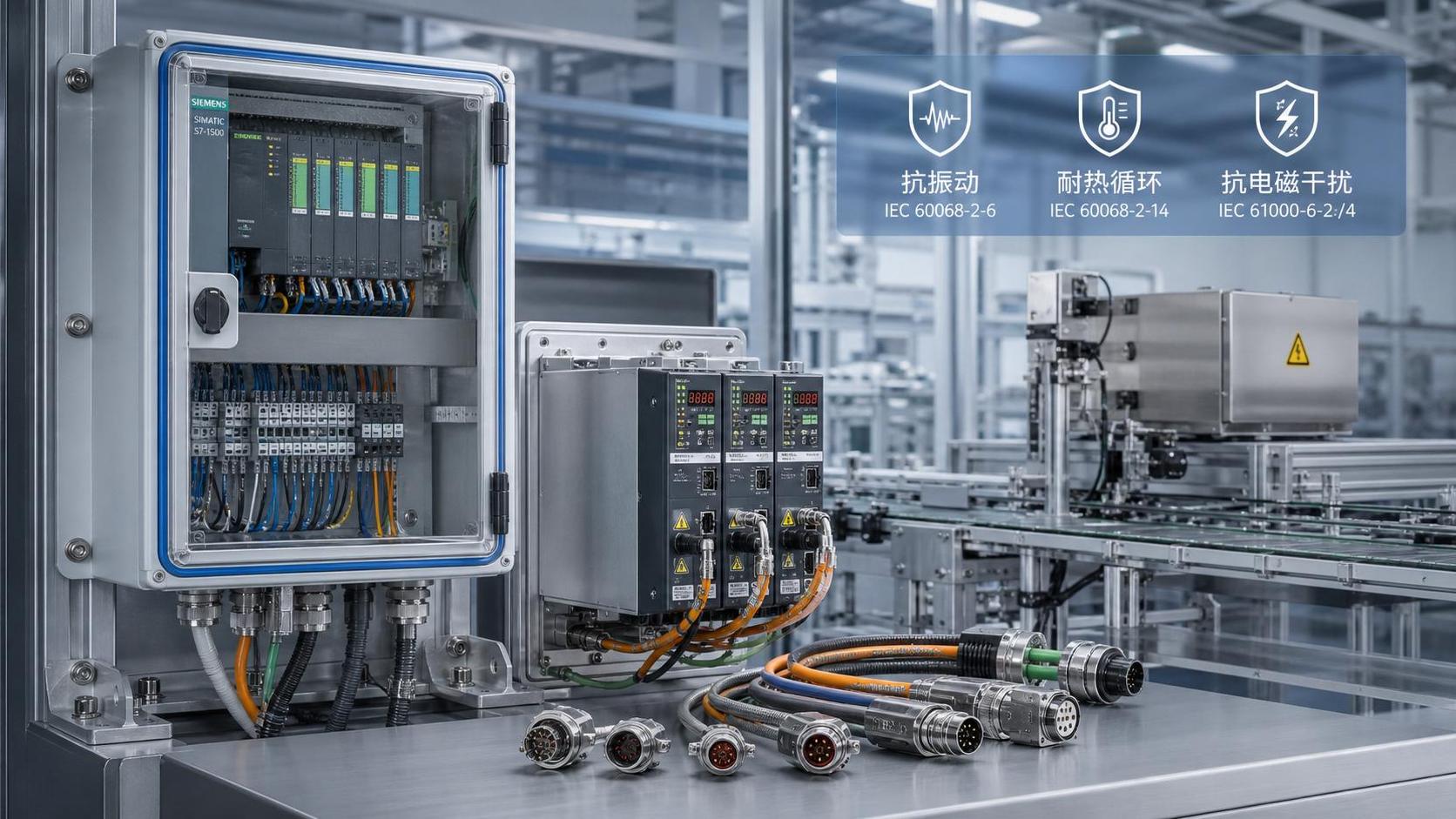
PLC or DCS platforms coordinate interlocks, sequencing, alarms, and recovery logic in real time.
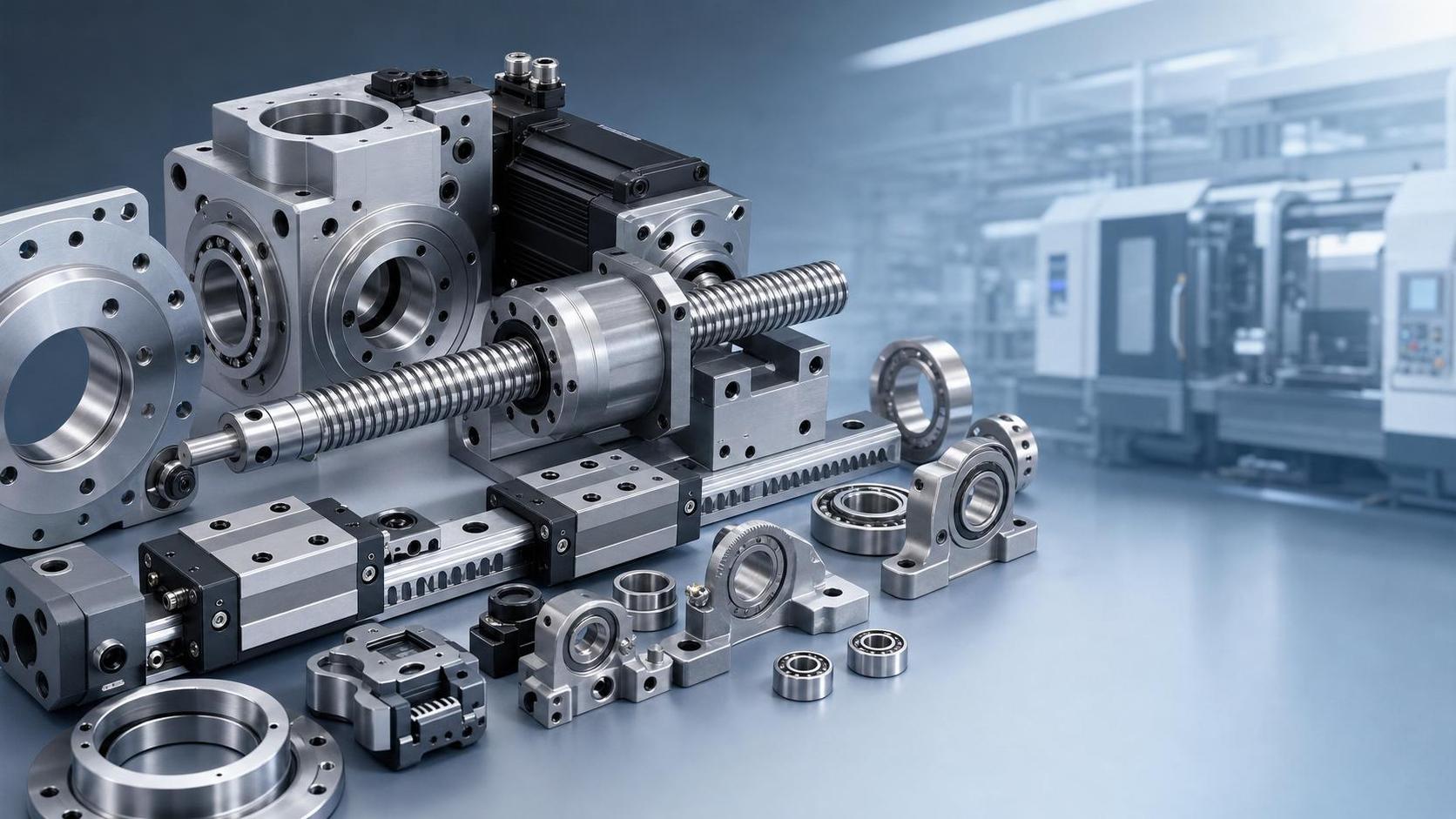
Precision reducers, guides, and ball screws reduce backlash, vibration, and mechanical drift.
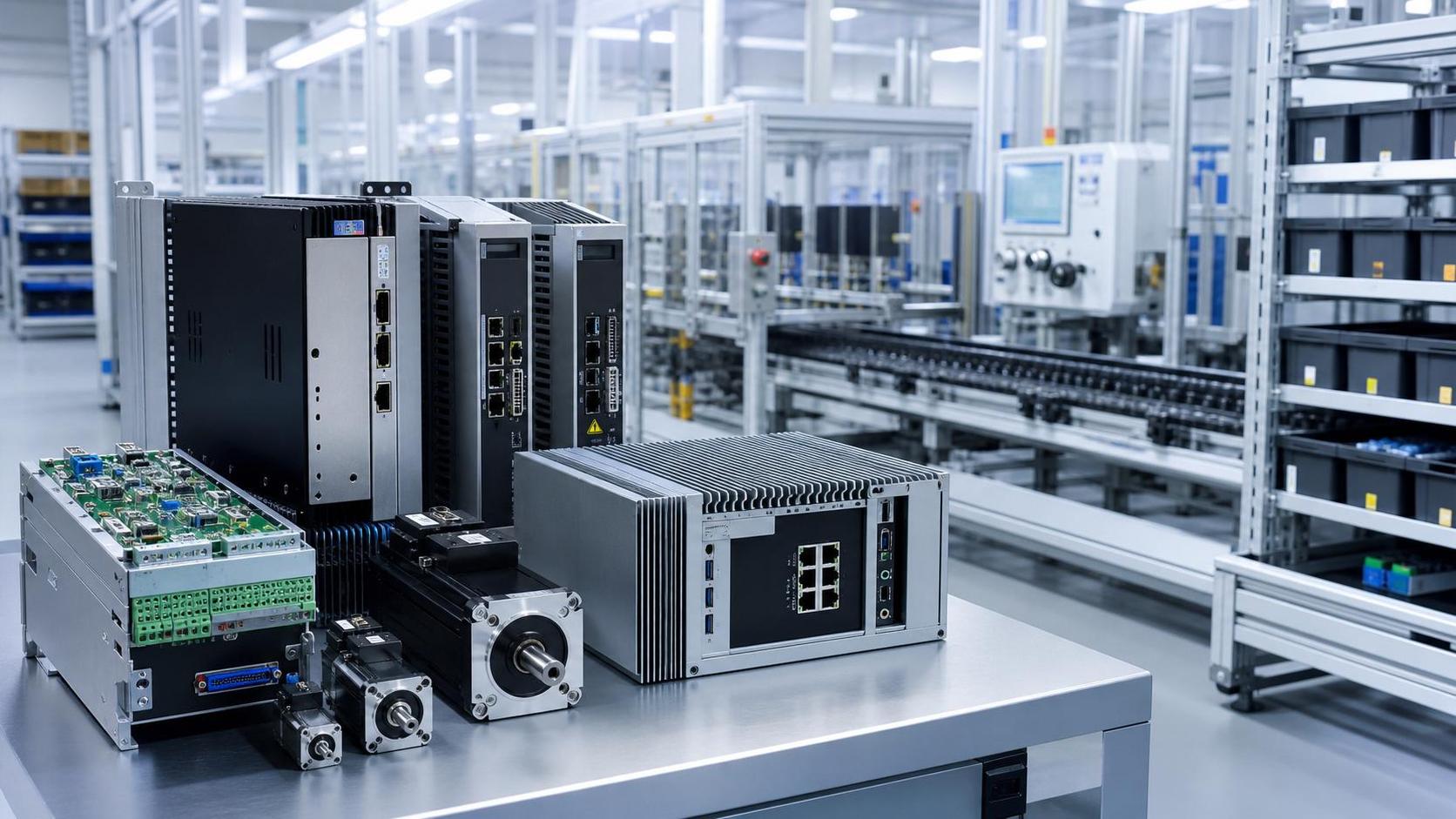
Industrial PCs at the edge capture operating signals before failures become visible at the operator level.
From a purchasing view, this is important.
A single avoided stoppage on a critical line can justify a large share of an automation upgrade.
What to measure first
- Mean time between failures.
- Mean time to recover.
- Frequency of manual resets.
- Losses tied to one repeated failure mode.
If those numbers are high, Manufacturing Automation systems usually create a direct and visible financial improvement.
Quality Variance Is the Next Fast Win
Many factories accept scrap and rework as routine.
Yet quality variance is often where Manufacturing Automation systems improve margins faster than expected.
Small inconsistencies in speed, torque, positioning, or timing can turn into large downstream losses.
This is especially true in packaging, electronics assembly, battery equipment, machining, and precision converting.
Better servo tuning, stable PLC scan behavior, and tighter mechanical transmission reduce process variation at the source.
That lowers scrap, reduces inspection pressure, and improves customer-facing consistency.
From recent market changes, this has become more important as tolerance expectations keep rising across industries.
Common quality-linked automation targets
- Positioning accuracy in pick-and-place or assembly stations.
- Tension and speed synchronization in web handling applications.
- Feed consistency in CNC or precision cutting lines.
- Inspection timing and reject control on high-speed production lines.
Labor-Heavy Processes Usually Show Quick Payback
Another strong use case is labor-intensive work that adds cost without adding precision.
Loading, unloading, inspection, transfer, and repetitive assembly often fit this profile.
Here, Manufacturing Automation systems do more than reduce headcount pressure.
They also stabilize cycle time, improve traceability, and limit variation between shifts.
That means ROI should be calculated across labor, output, quality, and safety together.
In actual operations, this combined view usually reveals a stronger business case than labor savings alone.
Energy and Edge Visibility Are Emerging ROI Drivers
Energy costs have made another ROI signal much clearer.
Inverters, controlled acceleration, and optimized motor loading can cut avoidable consumption quickly.
This is especially relevant in pumping, fan systems, conveyors, compressors, and heavy rotating equipment.
At the same time, industrial edge computing helps turn raw machine data into usable operational decisions.
That includes condition monitoring, alarm correlation, parameter history, and recipe-level performance tracking.
When Manufacturing Automation systems combine control and visibility, cost savings become easier to prove and scale.
How to Evaluate Manufacturing Automation Systems Before Purchase
A good automation decision starts with the process, not the brochure.
The best-fit Manufacturing Automation systems are the ones that match loss patterns, control requirements, and expansion plans.
That means evaluating technical fit and commercial fit at the same time.
Questions that sharpen the buying decision
- Which process step creates the highest cost of instability?
- Do we need faster motion, better repeatability, or stronger data visibility first?
- Will the PLC, servo, inverter, and IPC stack integrate with current assets?
- How dependent is uptime on reducer precision, guide rigidity, or ball screw wear?
- Can the supplier support commissioning, tuning, spare parts, and lifecycle service?
- What is the expected payback under realistic throughput and maintenance assumptions?
This approach helps avoid buying oversized capability for problems that are still operationally simple.
A Simple ROI Prioritization Framework
For procurement and capital planning, a practical scoring model works better than a broad automation wish list.
If a process scores high in the first two rows, it is often the best starting point for Manufacturing Automation systems.
Why Component Depth Matters to Long-Term Value
Short-term ROI gets attention first, but long-term value depends on component quality and system architecture.
That is where deep industrial knowledge becomes useful.
Servo loop response, PLC determinism, reducer fatigue life, guide rigidity, and edge computing stability all affect results.
A cheaper system may still cost more if tuning is unstable, wear appears early, or integration stalls future upgrades.
For that reason, Manufacturing Automation systems should be evaluated as operating platforms, not isolated product line items.
Where to Move First
The first gains from Manufacturing Automation systems usually appear where process losses are already visible and measurable.
That usually means downtime, quality variance, labor-heavy handling, or energy-intensive motion.
A focused deployment creates cleaner economics than a broad but shallow automation program.
The most effective next step is simple.
Map your highest-cost production loss, identify the control or motion layer behind it, and compare solution paths by payback speed.
That is where Manufacturing Automation systems stop being a technology project and start becoming a business advantage.
Related Recommendations
 How CNC Machined Precision Engineering Components Improve Fit and ToleranceTime : Jul 08, 2026
 Manufacturing Automation Systems: Where ROI Improves FirstTime : Jul 07, 2026
- Rugged Automation Components: When IP Ratings Fail to Predict Field ReliabilityTime : Jul 05, 2026
- Automation Spare Parts Planning: How to Reduce Downtime Without OverstockingTime : Jul 05, 2026
- How to Evaluate an Industrial Control Electronics ManufacturerTime : Jul 04, 2026
- Micron-Tolerance Components: What Really Affects CNC AccuracyTime : Jul 03, 2026