How Flexible Manufacturing Cuts Aerospace Production Risk

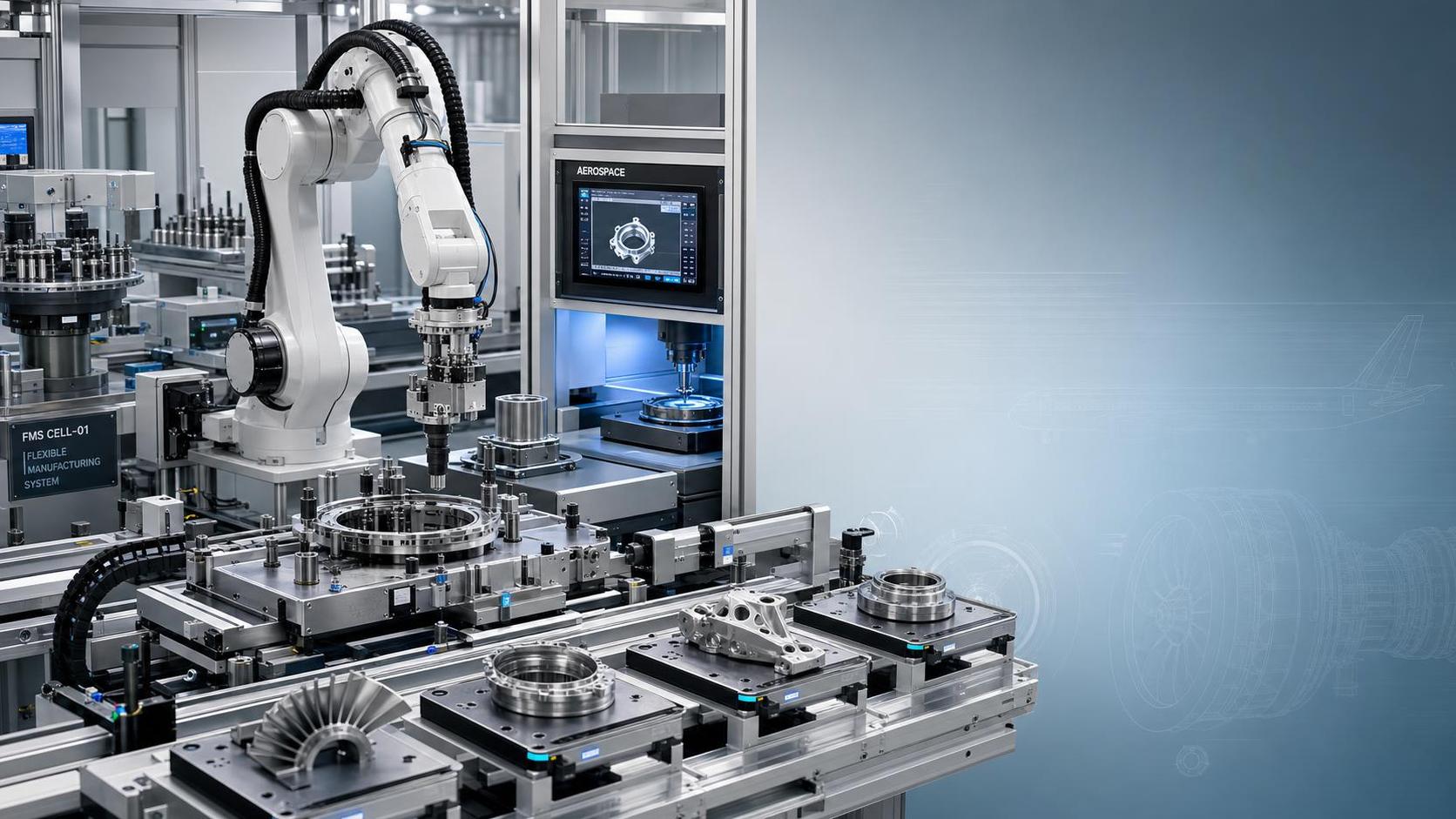
How Flexible Manufacturing Cuts Aerospace Production Risk
In aerospace production, where quality failures, supply disruptions, and design changes can trigger costly delays, flexible manufacturing for aerospace has become a strategic advantage for decision-makers. By combining precision motion control, intelligent automation, and adaptable production systems, manufacturers can reduce operational risk while improving responsiveness, traceability, and output stability in an increasingly demanding global market.
If you are evaluating whether a flexible production model will actually lower risk in an aerospace operation, skip the slogans and check the factory logic underneath. In this sector, flexibility is not about moving machines around quickly or adding a few robots. It is about whether your process can absorb engineering change, supplier instability, lot-size variation, certification pressure, and rework events without blowing up schedule or quality performance.
Below is the checklist experienced operators usually work through before they call a production system “flexible” in any meaningful aerospace sense.
Start with the real source of risk, not the equipment brochure
Ask a blunt question: where does your plant actually lose time or margin today? Engineering revisions? Scrap on tight-tolerance parts? Missed deliveries because a critical reducer, servo drive, casting, or electronic component arrived late? Too many companies buy “flexibility” as a capital project before identifying whether their biggest problem is changeover, process drift, operator dependency, or supplier concentration.
A useful internal review usually includes:
- How often part programs, tooling, or routing steps change after release
- Which stations create the longest recovery time after a fault
- Where manual setup introduces repeatability risk
- Which purchased components have the weakest supply continuity
- Whether traceability data is complete enough for root-cause analysis
If management cannot answer those points with current production data, the first risk is not inflexible machinery. It is low visibility.
Check whether your motion platform can hold tolerance across product variation
In aerospace, “same line, different part” sounds efficient until the servo system, guideway rigidity, transmission backlash, and fixture strategy are pushed outside their stable window. Flexible manufacturing for aerospace only works when the core motion system can handle different materials, geometries, and cycle profiles without creating hidden quality drift.
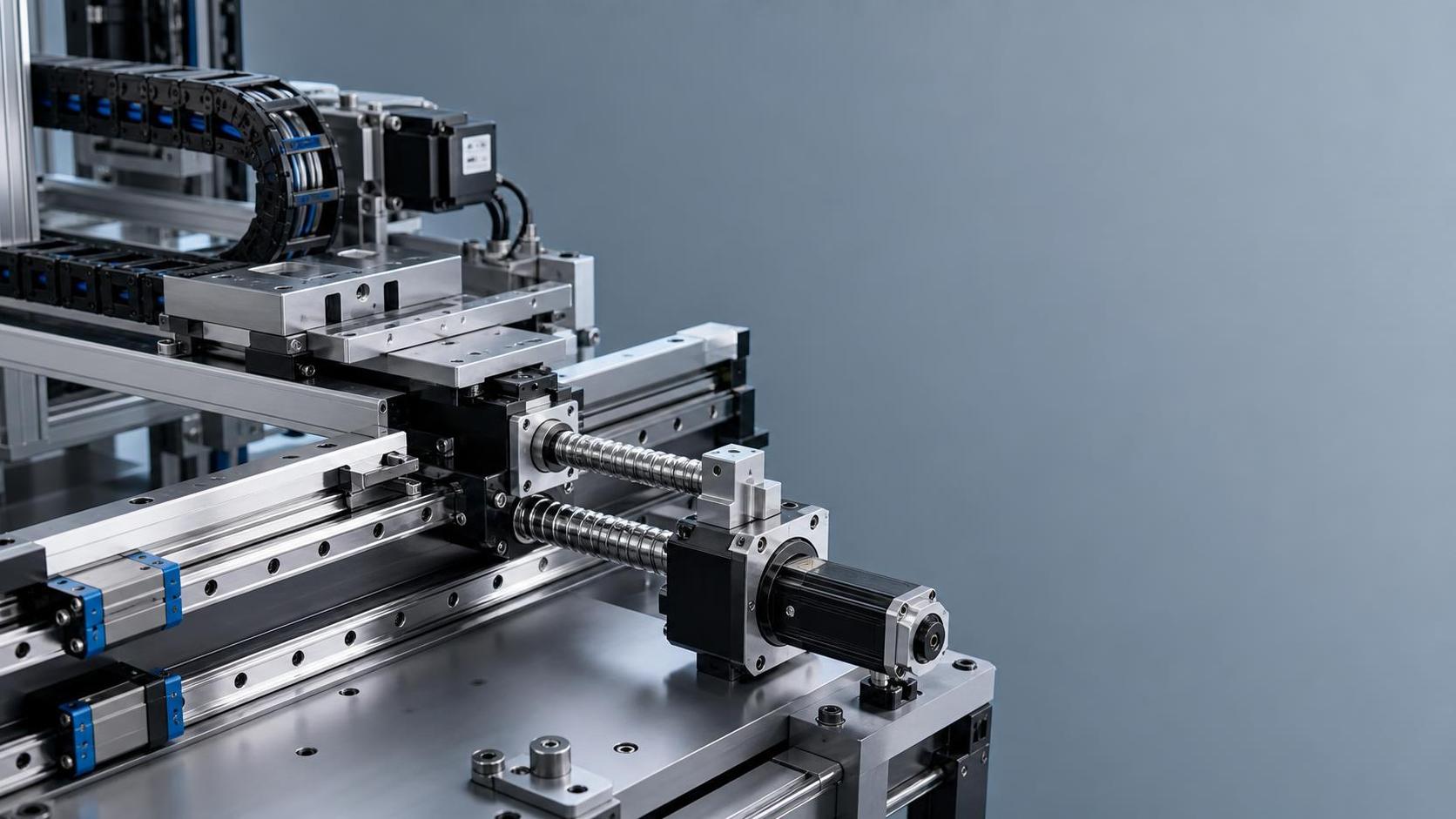
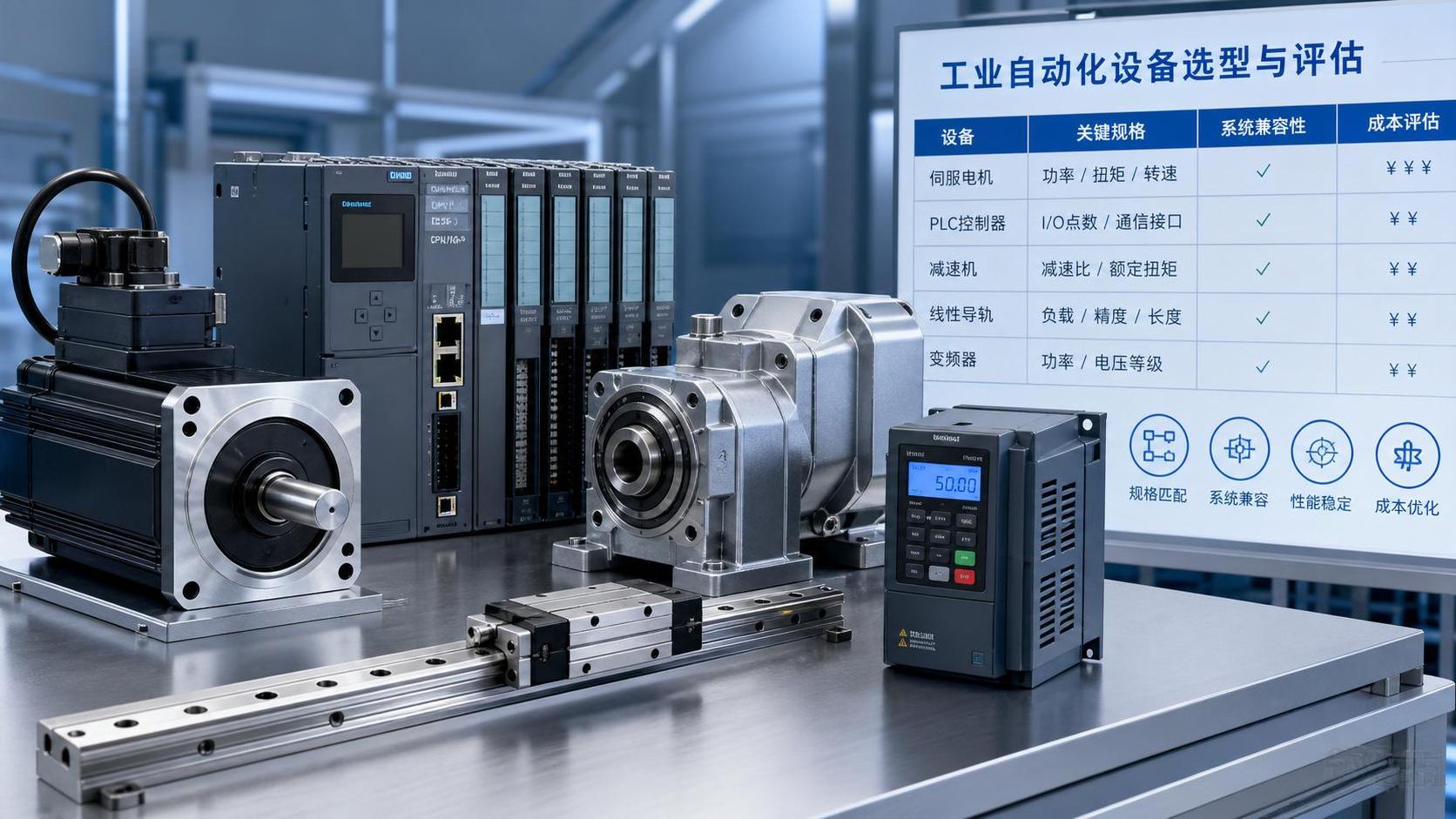
This is where many automation plans get too abstract. Look closely at the physical layer. High-precision servo motors, reducers, linear guides, ball screws, and control loops are not just component choices; they determine whether a line can switch between part families and still maintain repeatability. If a process depends on micron-level positioning, dynamic response and mechanical stiffness matter more than the sales claim that the station is “reconfigurable.”
A practical review point: when product mix changes, do you need fresh tuning, manual offset correction, or trial parts to get back into a stable process window? If the answer is yes every time, the line is adaptable on paper but not robust in production.
Do not call it flexible if changeover still lives in tribal knowledge
One of the clearest tests is simple: can your best setup technician take a week off without causing schedule pain? If changeover depends on a few experienced people remembering undocumented offsets, clamp sequences, or PLC workarounds, production risk remains high no matter how modern the cell looks.
What usually reduces that risk is a combination of recipe management, parameter version control, guided setup logic, and automatic verification before the first part runs. PLC or DCS control architecture matters here. The system should not only run the sequence; it should prevent the wrong sequence from running under the wrong conditions.
Look for these warning signs:
- Setup sheets stored outside the controlled digital workflow
- Machine parameters edited locally without approval history
- First-article checks that rely on verbal handoff
- Operators bypassing interlocks to save time during model changeover
Those are not small housekeeping issues. In aerospace, they are future nonconformance reports waiting for a trigger.
Make sure traceability survives process flexibility
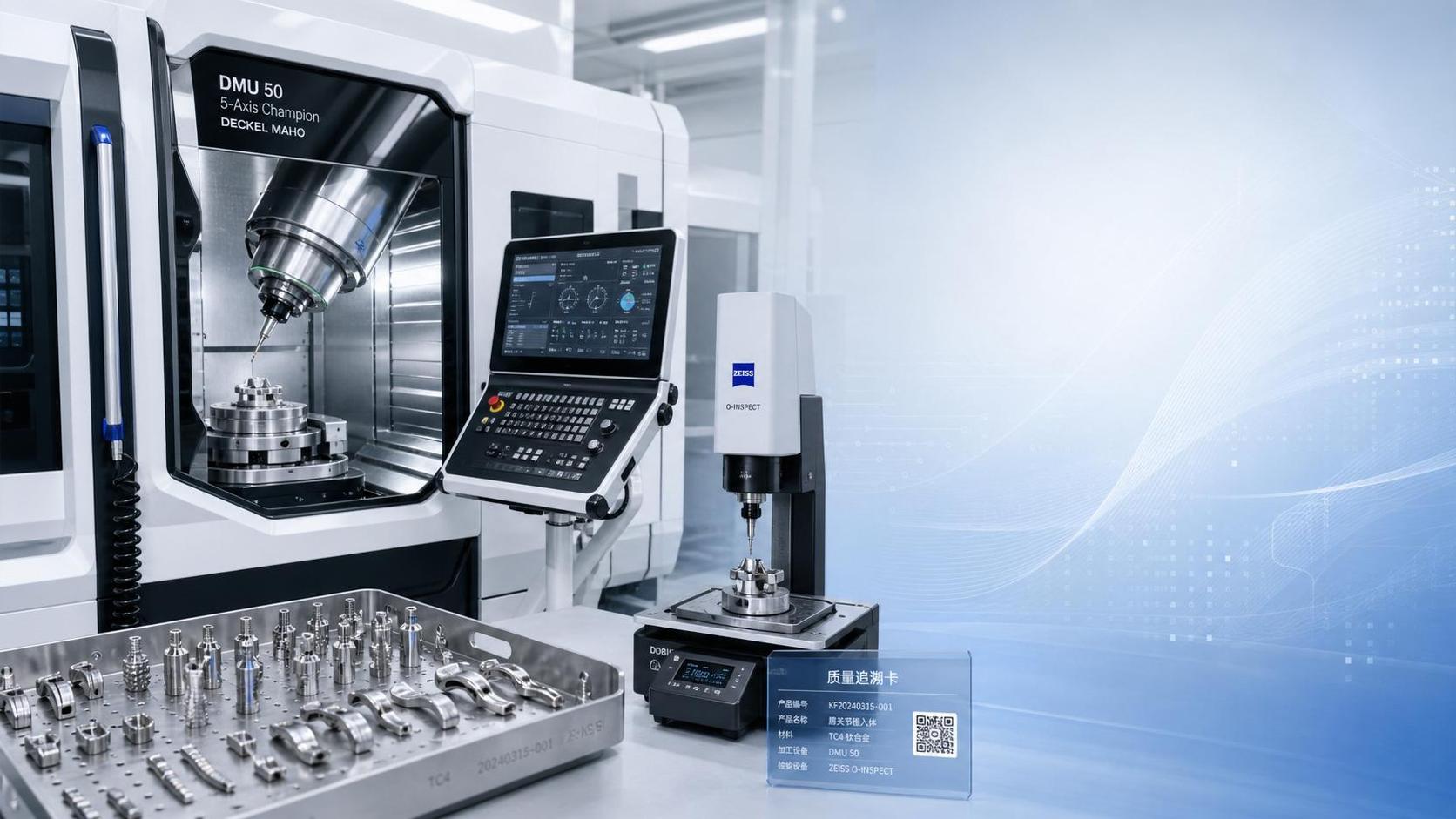
A flexible line that cannot prove what happened is a liability. Aerospace customers and auditors will care less about how quickly you switched product variants than whether you can trace material lot, machine state, process parameters, and inspection status for each serialized part or batch, depending on program requirements.
This is where industrial PCs, edge computing, and control-level data collection start earning their keep. You want process data captured close to the machine, not reconstructed later from spreadsheets and memory. For decision-makers, the key question is whether the architecture supports controlled data continuity when product paths diverge. Flexible routing often breaks traceability if it was designed as an afterthought.
Standards and customer requirements vary by program, so the exact record structure must be validated against contract, quality system, and regulatory needs. If your team assumes the MES can “probably handle it,” mark that as 【待核实】 until somebody maps the data flow end to end.
Review supply-chain resilience at component level
Aerospace production risk is often presented as a scheduling issue, but flexible manufacturing for aerospace is just as much a component sourcing strategy. If your production system depends on one specific servo drive family, one proprietary controller, or one precision transmission with long replenishment cycles, then your “flexibility” may collapse the moment a lead time stretches or a trade restriction changes sourcing conditions.
This deserves a harder review than many companies give it. Ask which automation and motion-control parts are single-source, which are dual-qualified, and which require revalidation if substituted. In some operations, the hidden risk is not raw material but core control hardware. A line can be physically available and commercially idle at the same time because one failed module cannot be replaced quickly.
If the answers are vague, the risk reduction story is incomplete.
Treat software and control logic changes like production risks
Flexible systems often need more recipes, more branching logic, more communication layers, and more software touchpoints. That creates new failure modes. A line may be mechanically capable of handling several aerospace assemblies, yet still suffer downtime because the control version on one station no longer matches the rest of the cell, or because an HMI change altered an operator step with no formal validation.
Before expanding flexibility, confirm that your controls team has disciplined change management: version tracking, rollback procedures, test environments, approval gates, and cybersecurity controls appropriate to plant operations. The deeper the connection between PLCs, drives, industrial PCs, and plant networks, the more expensive uncontrolled change becomes.
This is especially relevant when older equipment is being retrofitted for flexible use. Hybrid environments can work well, but only if interface behavior is fully understood. Otherwise, retrofits move risk from mechanics to controls without reducing it.
Check whether inspection capacity can keep up with production agility
This gets missed often. A plant adds flexible machining, robotic handling, automated transfer, and adaptive scheduling, but inspection remains fixed, manual, or overloaded. Then the bottleneck just moves downstream.
For aerospace, the question is not simply throughput. It is whether measurement strategy adapts without weakening control. Can inspection plans follow product variants cleanly? Are tolerance checks linked to the correct revision? Can suspect parts be quarantined without confusing the genealogy of adjacent work orders? If not, faster production can actually increase risk exposure by pushing uncertain material deeper into the system.
Run failure drills before calling the system resilient
A flexible line should be judged by recovery behavior, not just nominal cycle time. Put the system under stress on purpose. Simulate a supplier delay. Remove one machine from the route. Force a late engineering change. Test what happens when a servo amplifier fails, a recipe revision is rejected, or a traceability checkpoint is missing.
Management learns more from these drills than from vendor demos. You will quickly see whether routing alternatives are real, whether scheduling logic is practical, and whether operators know how to contain the issue without improvising outside controlled process rules.
If a production team says, “We can handle exceptions when they happen,” that usually means the exception path has not been tested enough.
What good looks like at decision level
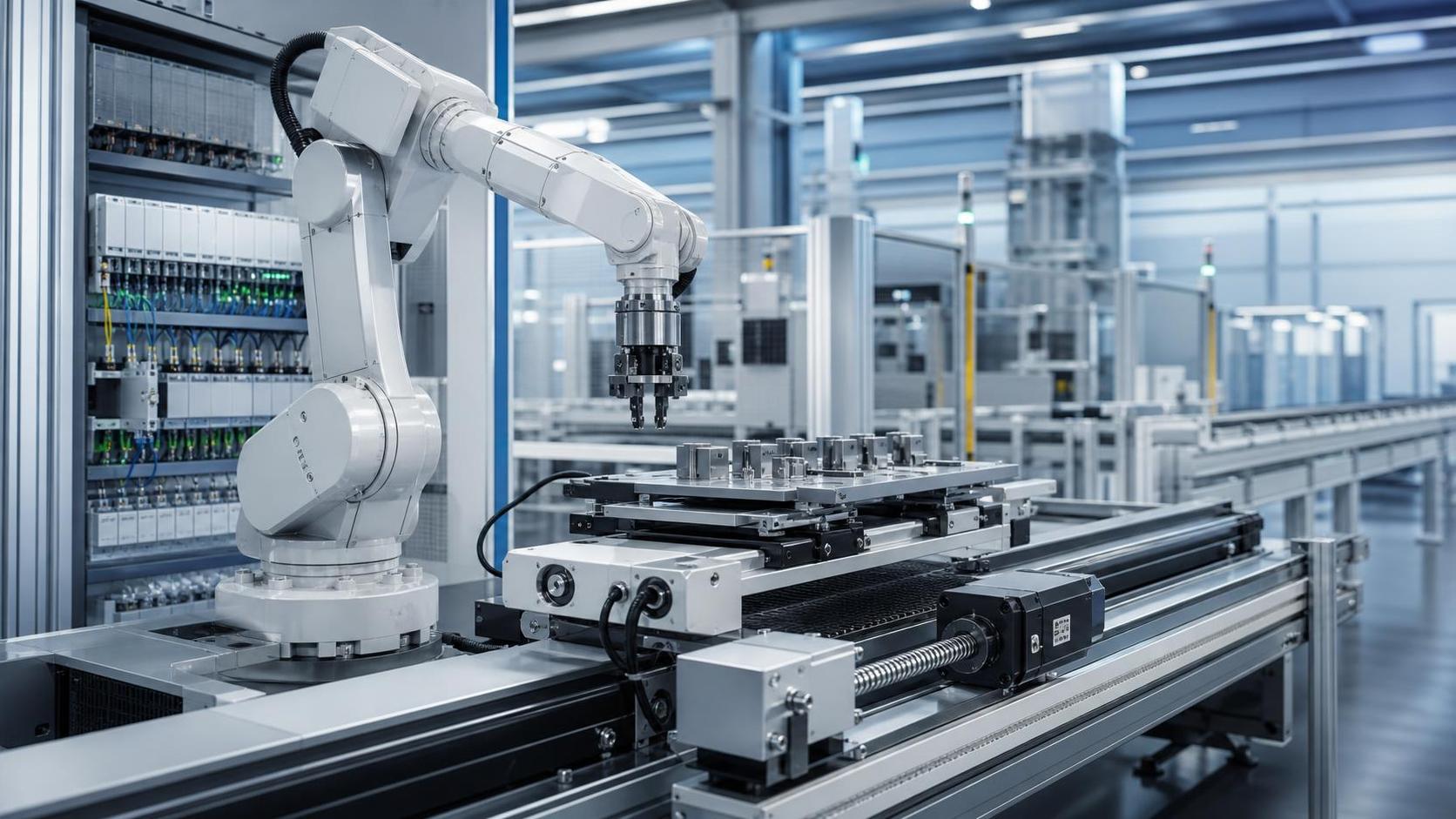
For enterprise decision-makers, the best signal is not a single technology purchase. It is a production environment where precision motion hardware, PLC or DCS logic, mechanical transmission integrity, and edge-level data capture support controlled change without eroding compliance or predictability.
In practice, that usually means:
- Product changes are absorbed through governed recipes and validated setup logic.
- Core motion and transmission components maintain repeatability across part families.
- Traceability remains intact even when routing changes.
- Supply-chain exposure for automation components is visible and actively managed.
- Recovery from faults is rehearsed, timed, and documented.
That is the level where flexible manufacturing for aerospace starts cutting real production risk instead of just adding technical complexity.
If you are assessing a plant, an upgrade path, or a new automation investment, use this checklist to pressure-test the proposal. The right system should make change easier to control, not easier to lose track of. In aerospace, that distinction is where most of the risk sits.
Related Recommendations
 How Flexible Manufacturing Cuts Aerospace Production RiskTime : Jul 28, 2026
- How to Evaluate Linear Motion Components in North AmericaTime : Jul 26, 2026
- How to Evaluate a Smart Industrial Automation SupplierTime : Jul 24, 2026
- Industrial Automation Applications in Food Processing: Key Use Cases and ROI FactorsTime : Jul 21, 2026
- Industrial Component Selection Checklist: Key Specs, Risks, and Cost FactorsTime : Jul 20, 2026
- How to Evaluate High Precision Manufacturing for Medical DevicesTime : Jul 19, 2026