How to Evaluate a Smart Industrial Automation Supplier


Evaluating a Smart Industrial Automation supplier takes more than a price check or a catalog comparison. The real question is whether that supplier can support precise control, stable output, and long-term manufacturing flexibility across changing production demands.
That matters because automation decisions now affect uptime, product consistency, energy performance, and the speed of future upgrades. A weak supplier may deliver hardware, yet still create risk through slow response, poor integration, or unstable component quality.
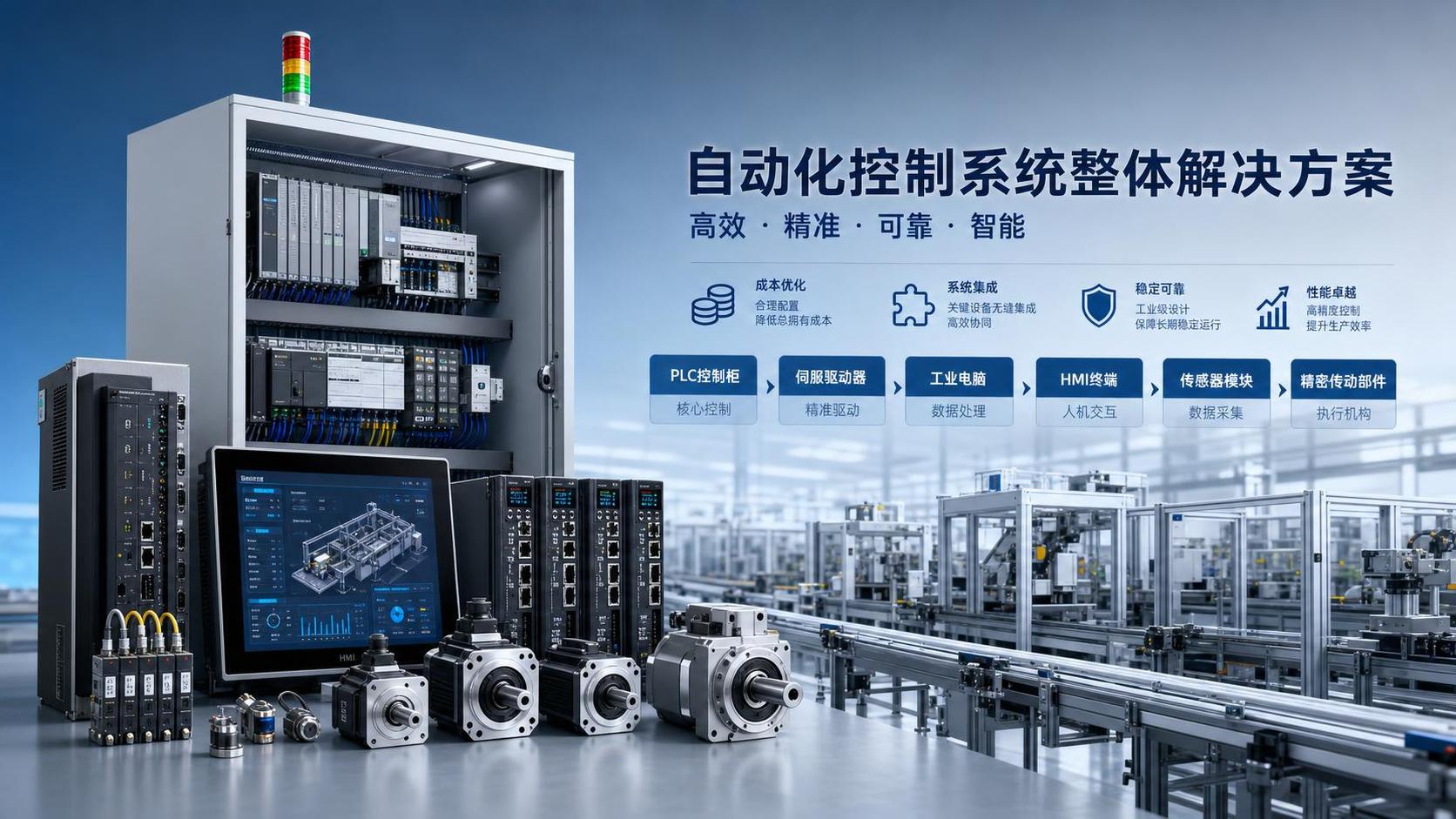
A stronger Smart Industrial Automation supplier brings technical depth across motion control, PLC or DCS architecture, mechanical transmission, and edge computing. Just as important, it can translate those capabilities into practical sourcing confidence.
Why supplier evaluation has become more complex
Industrial automation used to be judged mainly by basic reliability and lead time. Today, procurement decisions sit much closer to performance engineering, cybersecurity, energy efficiency, and supply chain resilience.
Factories are moving toward full automation and flexible manufacturing. That shift raises expectations for servo response, logic control stability, transmission precision, and data processing at the machine edge.
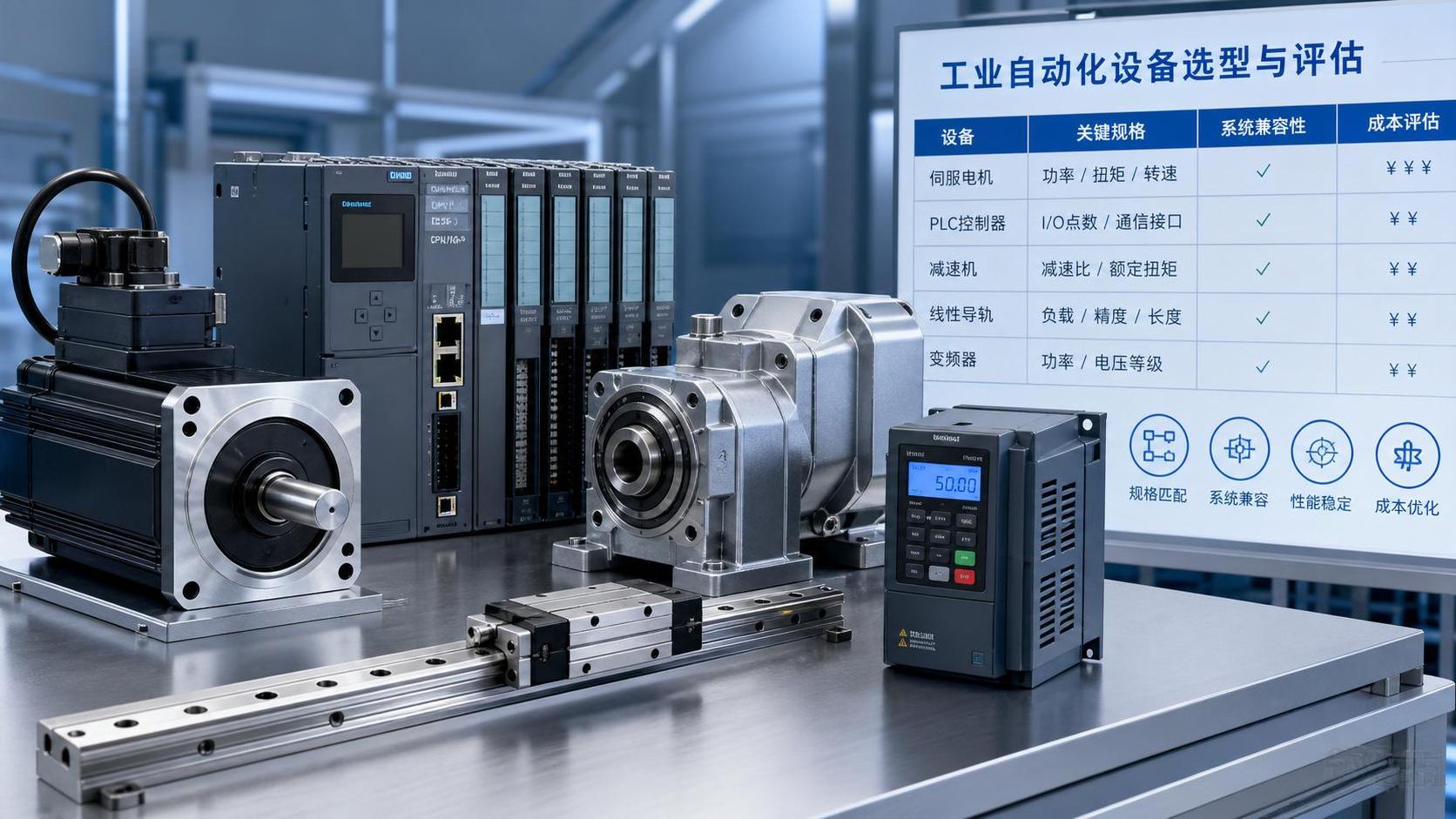
This is why IAMC’s industry perspective is useful. It frames automation around five connected pillars: AC servo motors, PLC and DCS systems, precision reducers, linear guides and ball screws, plus inverters and industrial PCs.
A Smart Industrial Automation supplier should not be assessed in isolation from those pillars. The real value appears when electrical control, mechanical accuracy, and production intelligence work together without friction.
What a capable supplier should actually cover
Some suppliers are strong in one product line but weak in system compatibility. Others can quote a full package, yet lack the engineering discipline needed for demanding applications.
A dependable Smart Industrial Automation supplier usually shows competence in four linked areas.
Motion accuracy and servo behavior
Servo quality is not only about rated power. It involves encoder resolution, current loop speed, tuning stability, vibration suppression, thermal behavior, and repeatable positioning under real loads.
Control system reliability
PLC and DCS platforms must handle scan cycles, interference resistance, network communication, and safe logic execution. These details matter more in continuous lines, robotic cells, and mixed-vendor environments.
Mechanical transmission integrity
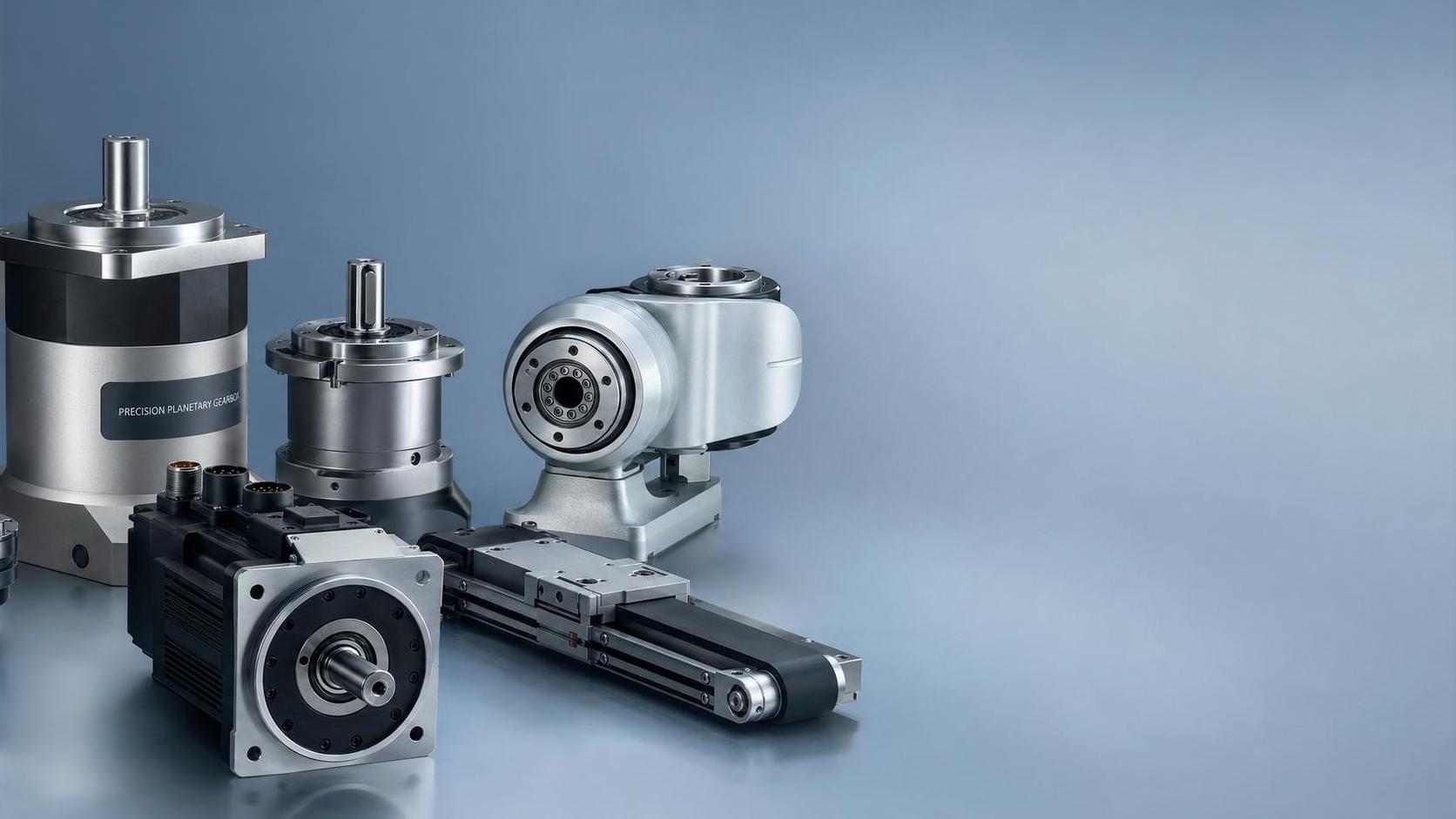
Reducers, linear guides, and ball screws directly affect backlash, stiffness, wear, and long-run accuracy. Mechanical weakness can undermine even the best control architecture.
Industrial computing and energy control
Inverters and IPCs shape energy use, edge analytics, and machine connectivity. A supplier that understands this layer is better prepared for digital manufacturing and multi-site standardization.
Signals that separate a strong supplier from a risky one
The most useful evaluation signals are rarely found in brochure language. They appear in technical consistency, documentation quality, and the supplier’s ability to discuss failure modes without avoidance.
A credible Smart Industrial Automation supplier can usually explain resonance suppression, encoder feedback behavior, reducer fatigue limits, or IPC operating stability in a concrete way. That level of clarity is hard to fake.
How industry context changes the evaluation standard
Not every production environment needs the same supplier profile. High-speed packaging, CNC machining, robotics, battery production, and process industries each stress different parts of the automation stack.
In robotic systems, reducer backlash, servo tuning, and compact control architecture may dominate the decision. In process plants, logic reliability, redundancy, and network stability may carry more weight.
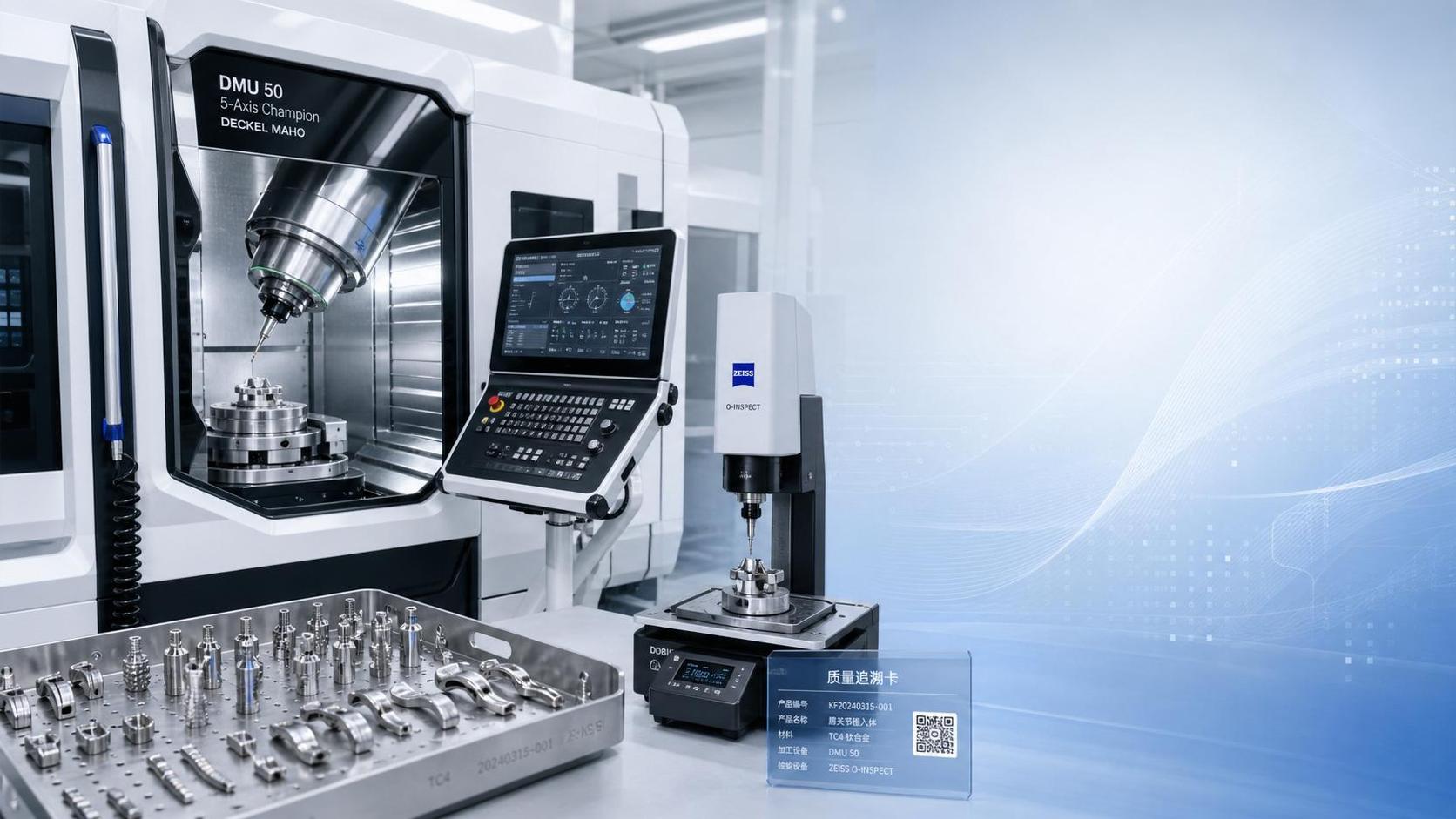
For machine tools, linear guides, ball screws, and motion smoothness can be decisive. In heavy motor applications, inverter efficiency and thermal performance often deserve closer scrutiny.
This is where a Smart Industrial Automation supplier should show context awareness. Generic claims are less useful than application-specific discussion supported by measured results and installed references.
Questions worth asking before shortlisting
A good evaluation process becomes sharper when the right questions are asked early. The aim is to expose technical gaps before they become contractual or operational problems.
- What performance data is available under real operating loads, not only laboratory conditions?
- Which control protocols, fieldbuses, and software environments are natively supported?
- How are firmware updates, version control, and backward compatibility managed?
- What are the common failure modes for the proposed components?
- How quickly can replacement units, boards, or spare transmission parts be shipped?
- Can the supplier support future expansion toward edge computing, analytics, or digital twins?
A Smart Industrial Automation supplier that responds with clear engineering evidence usually deserves closer consideration. Evasive answers often indicate shallow support or hidden integration risk.
Beyond product quality: the intelligence layer
Supplier evaluation now extends beyond hardware quality. Market intelligence has become part of sourcing discipline, especially where industrial chips, high-end reducers, and advanced motion components face global constraints.
IAMC’s Strategic Intelligence Center reflects this shift well. Its focus on servo algorithms, harmonic fatigue models, SoftPLC jitter, and trade barrier tracking points to a broader truth.
The best Smart Industrial Automation supplier is not only a seller of parts. It is also a source of credible foresight on technology evolution, availability risk, and the likely direction of future platform choices.
That matters when standardizing equipment across regions, planning product refresh cycles, or deciding whether to lock into a proprietary ecosystem.
A practical evaluation model for sourcing decisions
In practice, evaluation works best when commercial and technical criteria are reviewed together. A lower quote can become expensive if tuning time, downtime, scrap, or retrofit work rises later.
A useful model is to score suppliers across five dimensions.
- Performance fit: precision, speed, control stability, environmental tolerance.
- Integration fit: protocols, software tools, interoperability, commissioning effort.
- Lifecycle fit: maintenance burden, spare parts, firmware governance, training resources.
- Supply fit: lead time, capacity, traceability, geopolitical exposure.
- Strategic fit: upgrade path, digital readiness, roadmap transparency.
This approach makes it easier to compare one Smart Industrial Automation supplier against another without reducing the decision to unit price alone.
Where to focus next
The strongest next step is to define the operating demands before requesting proposals. That means clarifying accuracy targets, duty cycles, environmental conditions, interface requirements, and expansion plans.
After that, compare each Smart Industrial Automation supplier against the same technical checklist, service expectations, and supply assumptions. Consistent evaluation reveals differences that marketing language tends to hide.
Where the application is complex, it is worth using independent industry intelligence to test supplier claims against broader trends in servo control, transmission design, PLC behavior, and industrial computing.
A careful review does not slow sourcing down. It prevents weak decisions from becoming expensive operating problems, and it builds a stronger foundation for reliable, flexible automation.
Related Recommendations
 How to Evaluate a Smart Industrial Automation SupplierTime : Jul 24, 2026
- Industrial Automation Applications in Food Processing: Key Use Cases and ROI FactorsTime : Jul 21, 2026
- Industrial Component Selection Checklist: Key Specs, Risks, and Cost FactorsTime : Jul 20, 2026
- How to Evaluate High Precision Manufacturing for Medical DevicesTime : Jul 19, 2026
- Automation Control Systems Price: Cost Drivers and Budget BenchmarksTime : Jul 17, 2026
- Reducer Selection Guide: How to Balance Torque, Cost, and LifespanTime : Jul 11, 2026