How ISO-Certified CNC Motion Components Reduce Supply Risk

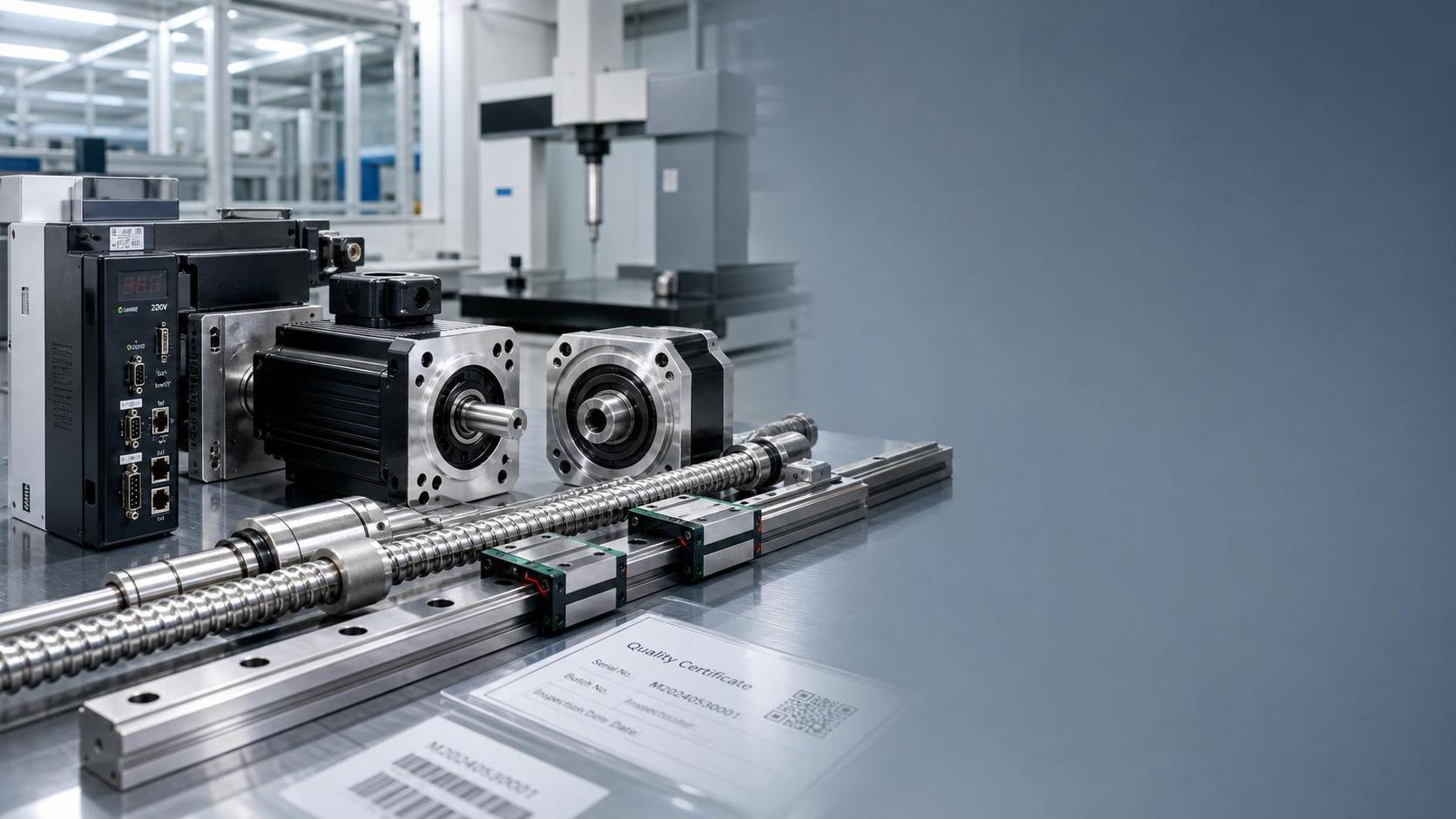
Why are CNC motion components ISO certified suppliers getting more attention?
Supply risk in motion control rarely starts with a dramatic failure. It usually begins with small process gaps, uneven documentation, or unstable incoming quality.
That is why CNC motion components ISO certified sourcing has become a practical filter, not just a compliance checkbox.
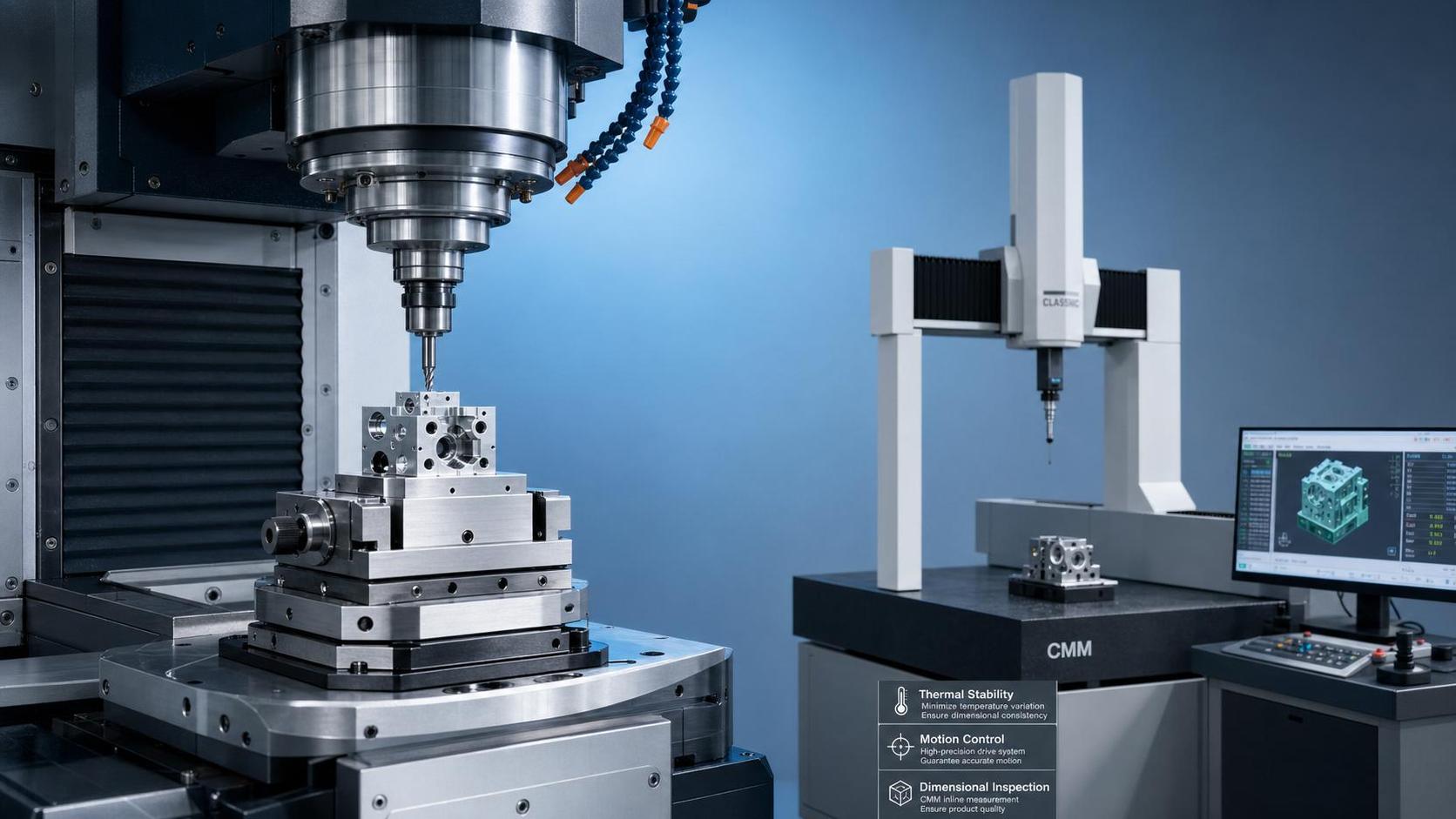
For CNC systems, servo drives, linear guides, ball screws, reducers, and related assemblies must work inside tight tolerance chains. One weak link can disrupt the whole machine.
In real projects, the concern is not only whether a component passes inspection once. The bigger question is whether supply stays stable across batches, sites, and lead-time pressure.
ISO certification matters because it usually signals that the supplier has documented controls for traceability, corrective action, change management, and repeatable quality planning.
That does not guarantee zero risk. It does, however, reduce hidden variability that often creates cost later in machining, assembly, commissioning, or after-sales support.
This matters even more in industrial automation, where the line between electrical control and mechanical accuracy is thin. A micron-level positioning target can be lost through a preventable supply issue.
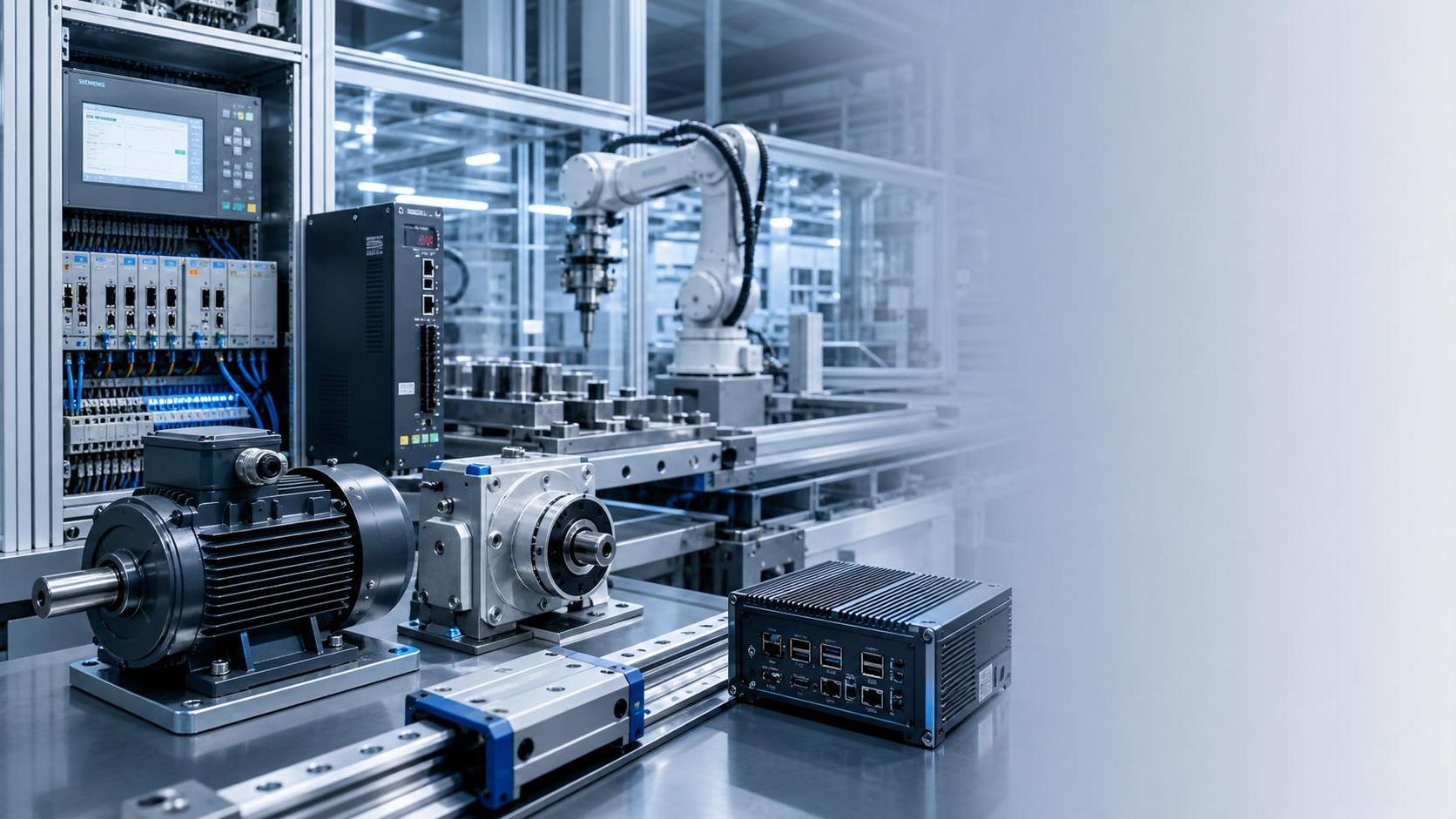
Seen from the broader IAMC perspective, motion reliability depends on both the “muscles” and the “nerve centers” of Industry 4.0. Certified components help keep that connection consistent.
What does ISO certification actually change in day-to-day supply performance?
The practical difference is usually operational discipline. A certified supplier is more likely to run controlled processes instead of relying on individual experience.
For CNC motion components ISO certified sourcing, that can improve several risk points at once.
- Incoming materials are more likely to be linked to lot records and inspection history.
- Dimensional checks tend to follow documented sampling plans.
- Process deviations are more likely to trigger corrective action records.
- Engineering changes are usually easier to trace across drawings, tooling, and release status.
- Complaint handling often becomes faster because root-cause evidence already exists.
In other words, certification supports predictability. That is valuable when lead times are long, tolerances are tight, and replacement windows are expensive.
A useful way to judge the impact is to ask how a supplier handles variation, not just success. Anyone can look good on a stable product run.
The stronger test comes when raw material changes, a machine is recalibrated, or urgent output is required. ISO systems are most valuable when conditions are less than ideal.
A quick comparison helps
This table should not be read as a promise. It is a screening logic that helps reduce uncertainty before cost shows up elsewhere.
Which motion components benefit most from certified sourcing?
The short answer is any component that affects machine accuracy, cycle stability, or downtime exposure. But some categories are more sensitive than others.
Linear guides and ball screws are a common example. Surface finish, preload consistency, hardness control, and lubrication quality all affect feed precision and wear behavior.
Servo-related parts also deserve close attention. Encoders, couplings, bearings, and transmission interfaces influence dynamic response and positioning repeatability.
For reducers, especially RV or harmonic types, the risk is not only dimensional error. Fatigue life, backlash development, and material process stability matter just as much.
That is one reason IAMC tracks both mechanical transmission and control architecture together. A servo algorithm can be fast, yet the machine still loses precision if the mechanical chain drifts.
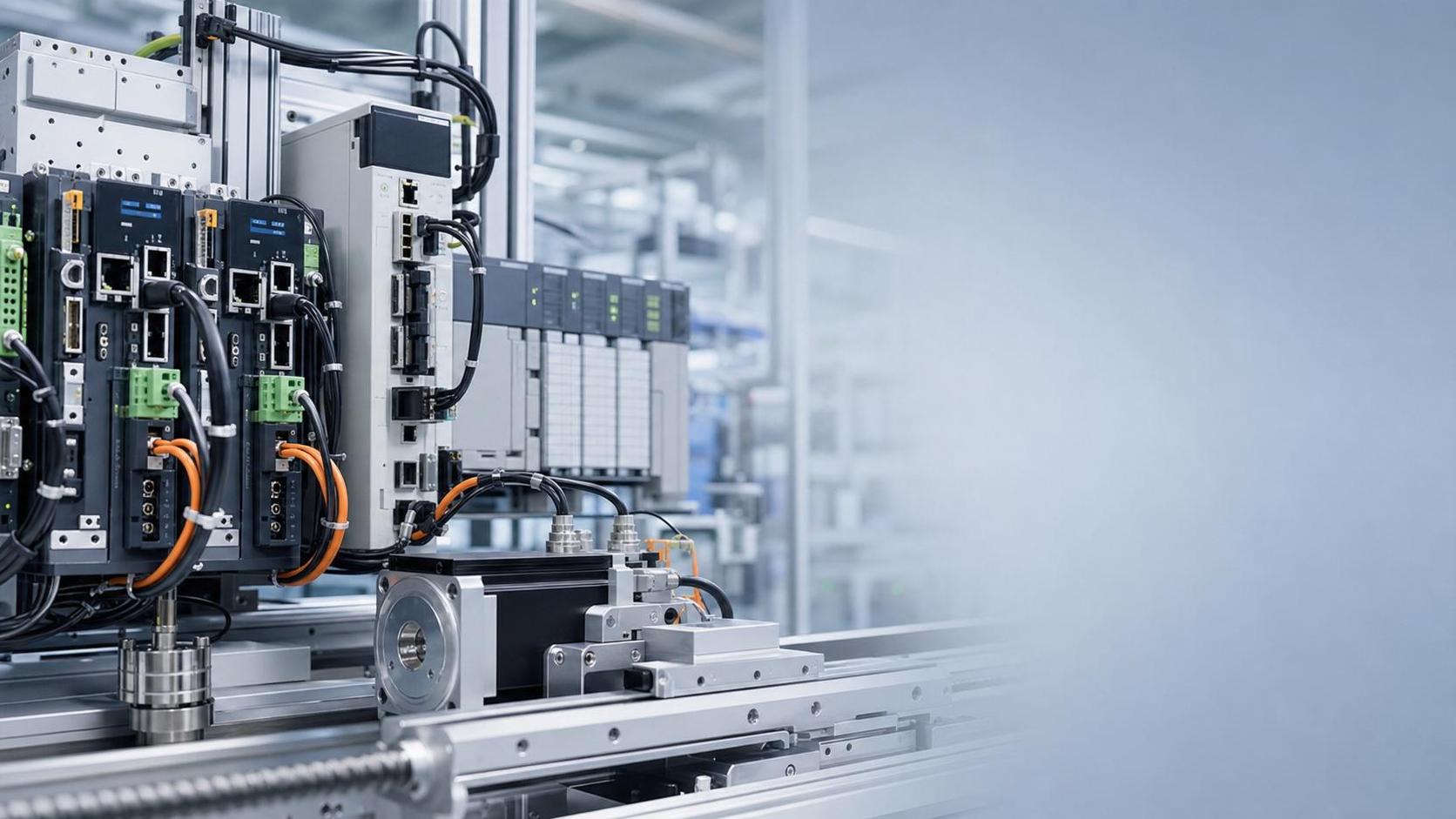
Inverters, IPC hardware, and PLC-linked assemblies also benefit from structured supplier systems, particularly when electromagnetic interference, vibration, and field diagnostics are part of the operating environment.
More broadly, CNC motion components ISO certified selection becomes more valuable when any of these conditions apply:
- High uptime cost per hour
- Tight positional repeatability requirements
- Multi-site equipment deployment
- Long qualification cycles
- Frequent export, audit, or customer documentation needs
Is ISO certification enough when comparing suppliers?
No. It is a strong starting point, but not a complete decision rule.
A certified supplier may still be a poor fit if capacity is tight, tolerance capability is weak, or technical communication is slow.
A better approach is to treat certification as one layer inside a broader sourcing review.
What should be checked alongside certification?
- Process capability on critical dimensions, not only final pass rates
- Actual lead-time performance over the last six to twelve months
- Second-source strategy for raw materials, bearings, chips, or grinding operations
- Field failure response time and root-cause reporting quality
- Revision control for drawings, firmware, packaging, and labels
- Export compliance and regional logistics resilience
This is where cost and risk start to connect. A lower unit price can be erased by one delayed machine shipment or one unresolved accuracy complaint.
For that reason, many teams compare total supply confidence rather than component price alone. Certified process control supports that comparison, but it should be validated with evidence.
Where do the hidden costs appear if certification is ignored?
The most expensive problems are often indirect. They do not appear on the quotation sheet, but they hit production later.
Common examples include extra incoming inspection, repeated re-alignment, shortened maintenance intervals, warranty claims, and schedule slippage during commissioning.
There is also the engineering cost of uncertainty. When component behavior is inconsistent, teams compensate with extra tests, larger safety margins, and more supplier follow-up.
In practical terms, CNC motion components ISO certified sourcing can lower those hidden costs by reducing variation before it reaches assembly or the field.
Another overlooked cost is decision delay. When records are weak, every question about a batch, revision, or nonconformance takes longer to resolve.
That is especially relevant in global automation markets, where trade barriers, industrial chip cycles, and logistics volatility can turn small documentation gaps into major delays.
The IAMC view is useful here. Motion control performance is shaped by linked systems, from servo loops and SoftPLC timing to precision transmission fatigue behavior. Supply instability anywhere in that chain raises lifecycle cost.
How can you judge a CNC motion components ISO certified supplier more accurately?
A disciplined review usually works better than a long vendor questionnaire. Focus on the points that reveal process maturity under pressure.
It is also worth checking whether the supplier can discuss application-level consequences, not only factory procedures.
For example, can they explain how preload variation affects feed smoothness, or how backlash drift may influence robot path accuracy over time?
That kind of conversation usually separates a document-ready supplier from a technically reliable one.
What is the sensible next step if supply risk is already visible?
Start with a short risk map. List the motion components that can stop shipment, damage accuracy, or create expensive service events.
Then compare current sources against three practical questions: can they hold tolerance consistently, can they document change clearly, and can they recover from disruption quickly?
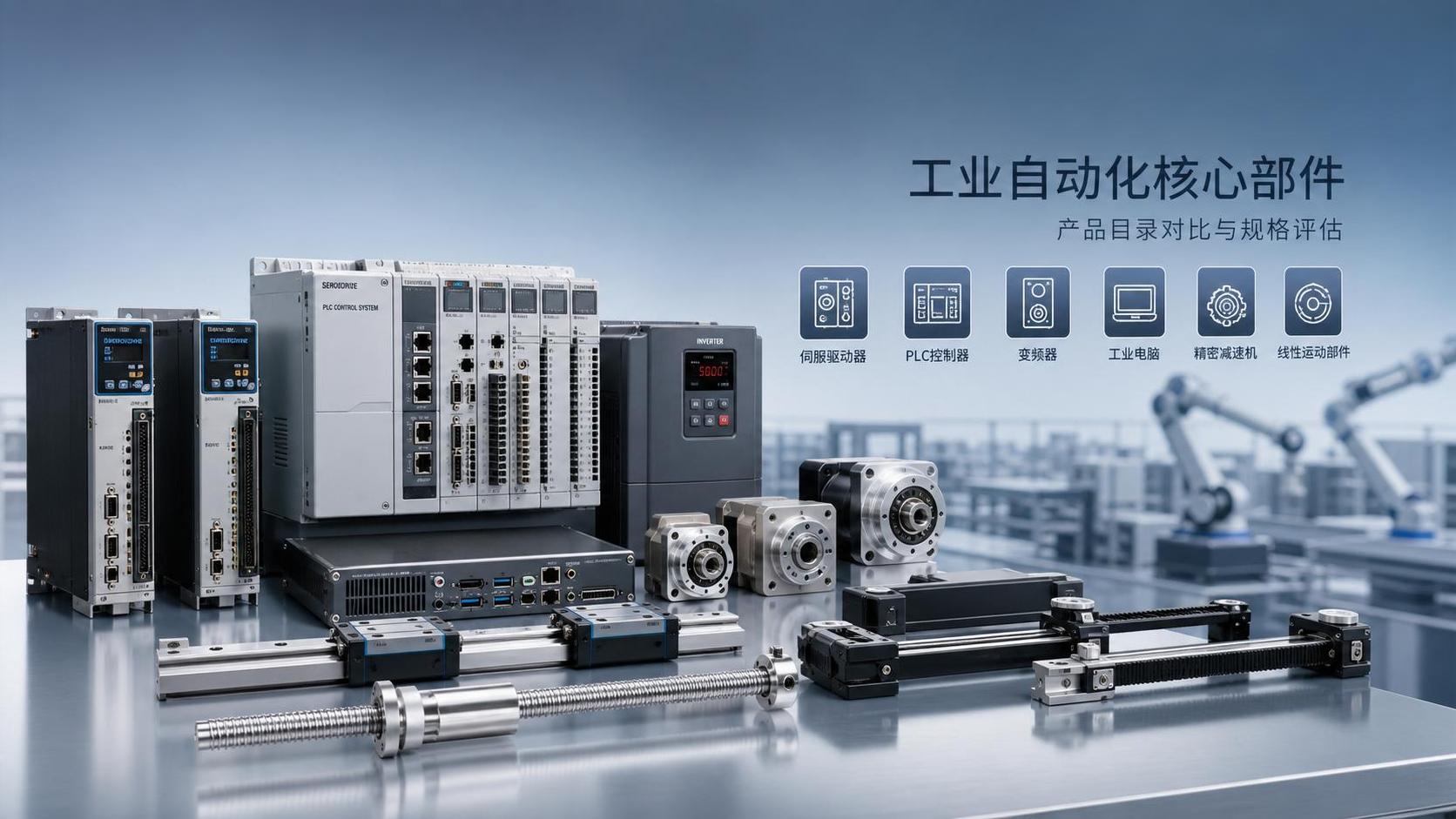
If the answers are unclear, CNC motion components ISO certified alternatives deserve closer review, especially for servo transmission parts, guides, screws, reducers, and control-linked assemblies.
The point is not to buy certification. The point is to reduce uncertainty across quality, lead time, and lifecycle cost.
A practical sourcing standard can include certificate verification, sample performance checks, traceability review, and a small set of disruption-response questions.
That kind of framework is usually easier to defend internally than a price-only decision, especially when CNC uptime and precision are part of the business model.
For anyone tracking industrial automation through IAMC, the pattern is clear: reliable motion control depends on both technical design and disciplined supply execution. Certified sourcing helps connect those two realities before risk becomes visible on the shop floor.
Related Recommendations
 Micron-Tolerance Components: What Really Affects CNC AccuracyTime : Jul 03, 2026
- How ISO-Certified CNC Motion Components Reduce Supply RiskTime : Jul 03, 2026
- When Motion Control Solutions Fail: Common Integration Gaps to FixTime : Jul 02, 2026
- Manufacturing Automation ROI: Where Operating Costs Drop FirstTime : Jul 01, 2026
- Industrial Equipment Solutions Provider: What to Check Before You CommitTime : Jul 01, 2026
- Industrial Control Electronics Catalog: How to Compare Product Lines and SpecsTime : Jun 30, 2026