How to Evaluate Manufacturing Automation ROI in 2026

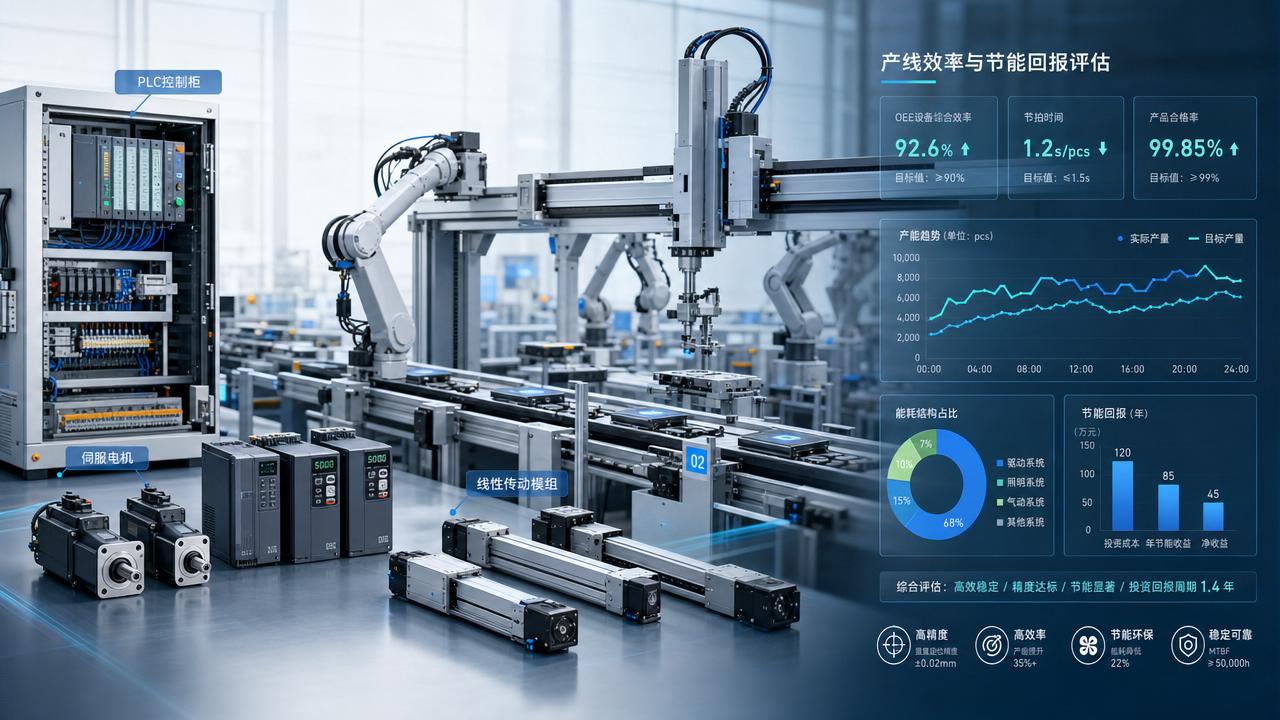
Why does Manufacturing Automation ROI feel harder to judge in 2026?
Manufacturing Automation is no longer judged by labor savings alone.
In 2026, the pressure comes from margin compression, unstable hiring, energy volatility, and faster product turnover.
That changes the ROI conversation.
A line upgrade may improve output, but its real value often appears in uptime, repeatability, and the ability to switch production faster.
This is why Manufacturing Automation decisions now reach board level.
The more advanced the process, the less useful a simple payback formula becomes.
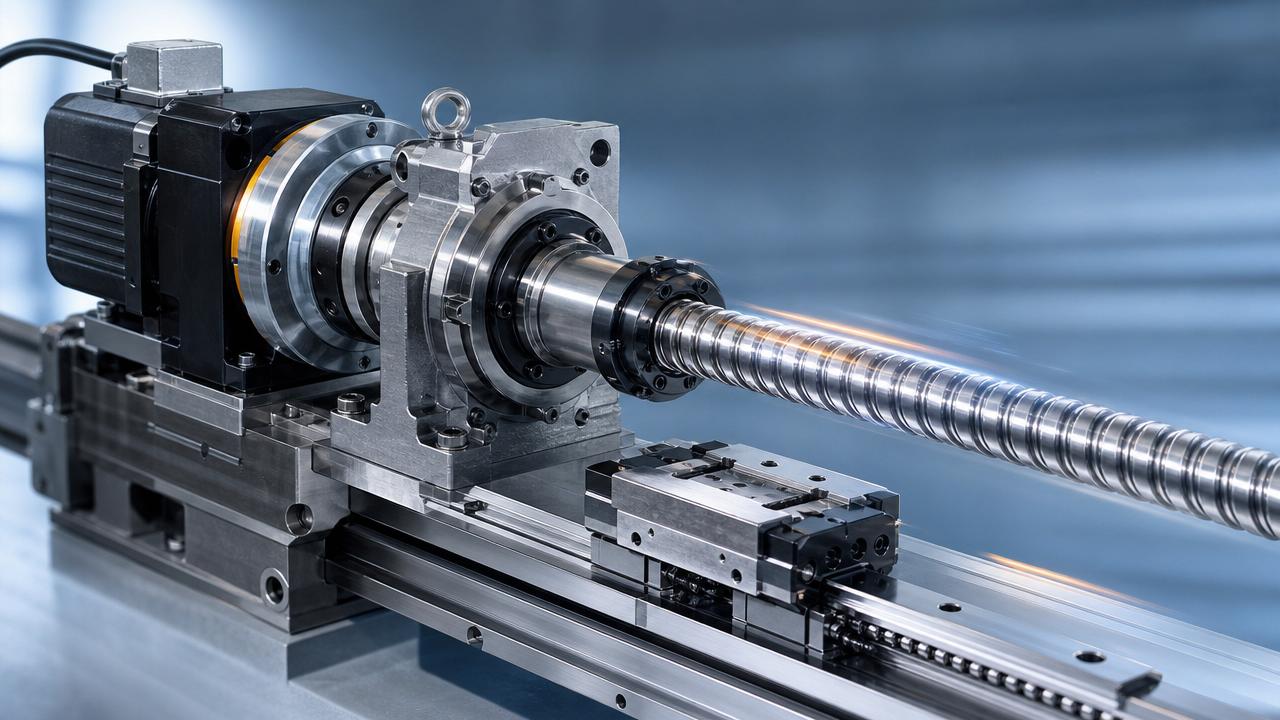
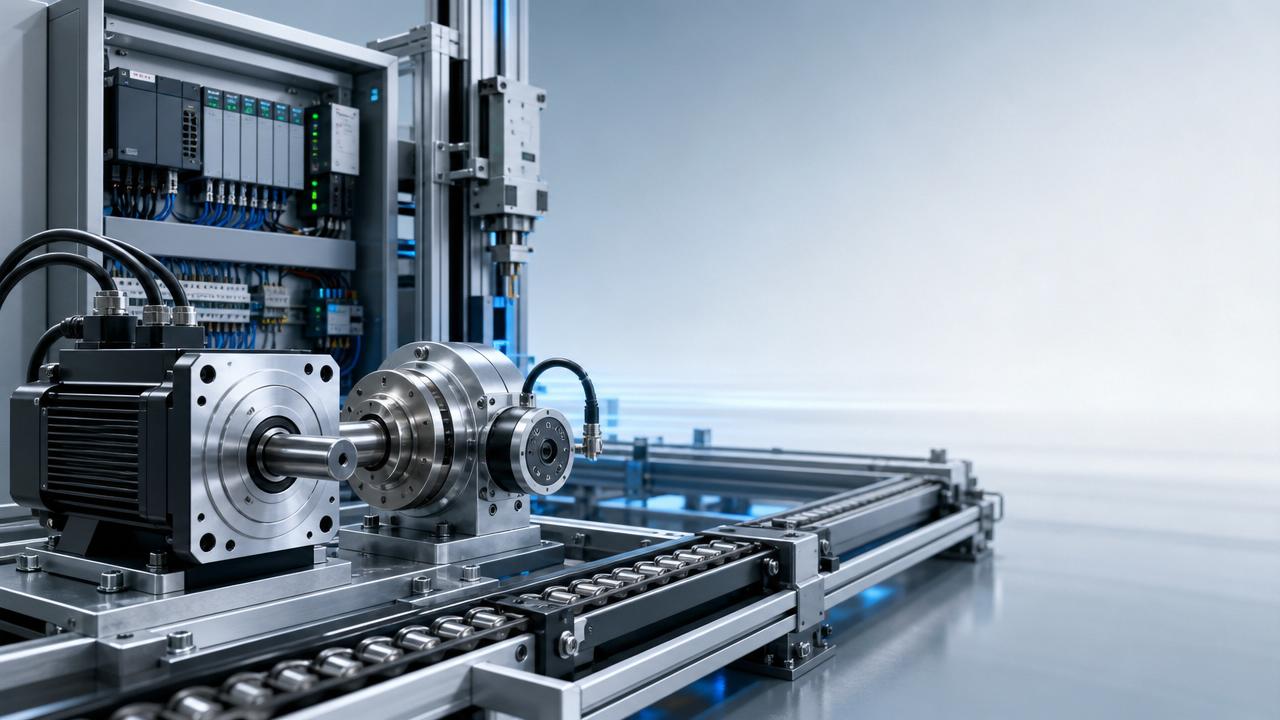
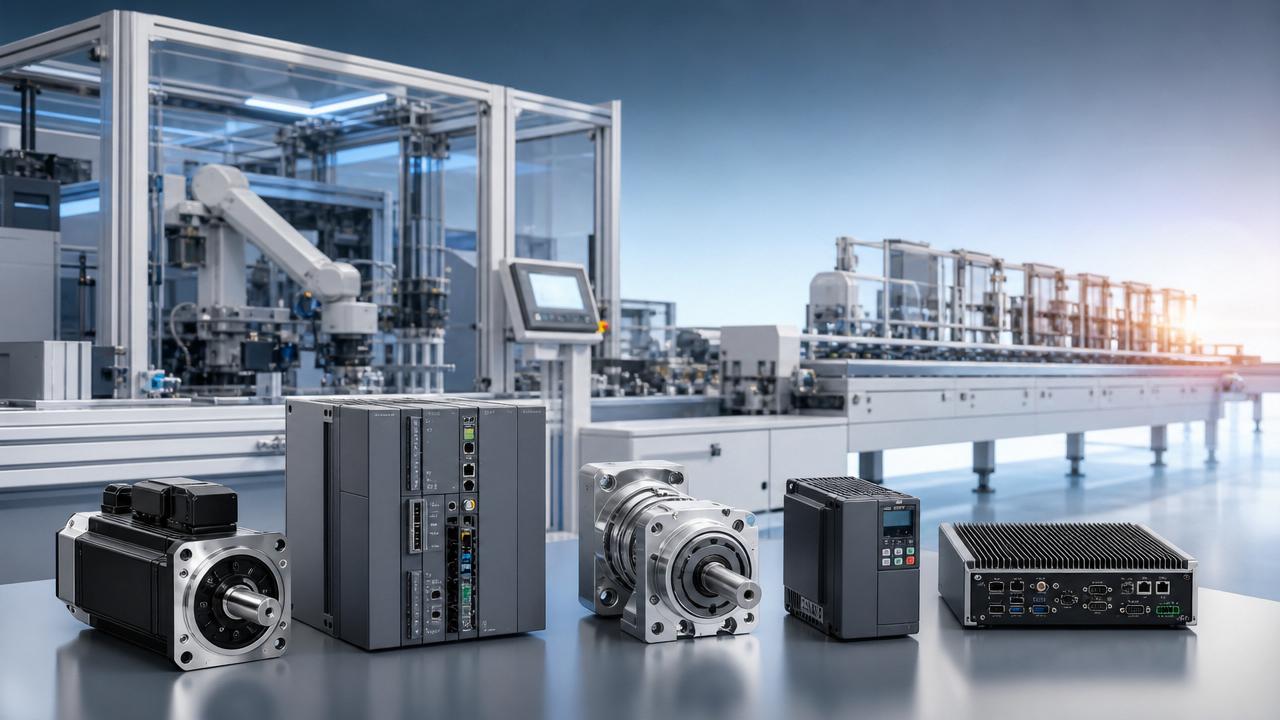
High-precision servo systems, PLC or DCS control, reducers, linear motion parts, inverters, and industrial PCs all shape value differently.
IAMC often frames these elements as the muscles, joints, rails, and nerve centers of Industry 4.0.
That perspective is useful because ROI depends on how those layers work together, not on one component in isolation.
What should be included in a realistic Manufacturing Automation ROI model?
A useful model starts with total cost, but it cannot stop there.
Many teams underestimate integration, tuning, commissioning, training, and future software updates.
On the benefit side, the strongest ROI models separate direct gains from strategic gains.
- Direct gains: labor reduction, cycle time improvement, scrap reduction, and lower energy consumption.
- Operational gains: better uptime, easier quality control, lower maintenance variability, and safer processes.
- Strategic gains: faster changeovers, better traceability, and more resilience against labor or supply disruption.
In practice, Manufacturing Automation ROI becomes clearer when each gain is linked to a measurable baseline.
For example, servo upgrades should tie back to positioning accuracy, cycle stability, and rejected unit rates.
A PLC or DCS refresh should connect to control latency, downtime events, and recipe change efficiency.
An inverter project should show motor load profiles and actual kilowatt-hour savings, not generic efficiency claims.
A quick decision table helps keep the numbers honest
This kind of structure reduces optimism bias before capital is committed.
Where do automation investments usually return value fastest?
The fastest returns usually appear where precision losses already cost money every day.
That includes unstable motion control, repetitive manual handling, frequent product changeovers, and energy-heavy motor applications.
A packaging line with unplanned stops may benefit more from control modernization than from adding another operator.
A machining cell with poor repeatability may gain more from better linear guides, ball screws, and servo tuning than from chasing speed alone.
This is where IAMC’s component-level view becomes practical.
If the “muscles” are strong but the “joints” or “nerve centers” are unstable, expected Manufacturing Automation ROI will not materialize.
More advanced plants often see the best returns from targeted upgrades rather than full replacement.
- Servo and encoder upgrades improve repeatability in high-speed motion tasks.
- PLC, DCS, or IPC improvements reduce control bottlenecks and data blind spots.
- Reducer and transmission improvements cut backlash, vibration, and long-cycle wear.
- Inverter projects often return quickly in pump, fan, and heavy motor systems.
The key is to invest where process physics and business pain overlap.
How can you compare two automation options without relying on vendor claims?
A fair comparison starts with one rule: evaluate both options against the same production reality.
That means the same part mix, shift pattern, maintenance capability, and environmental conditions.
It also means checking whether the proposed architecture fits future line expansion.
A cheaper system can become expensive if it creates a control ceiling within two years.
When comparing Manufacturing Automation options, several questions usually reveal the stronger case.
- How much tuning is needed to reach stated performance?
- What happens to uptime if one controller, drive, or reducer fails?
- How easy is it to source spares under current chip and trade constraints?
- Can the system support traceability, edge analytics, or future software layers?
- Does it preserve accuracy under heat, vibration, dust, or electromagnetic interference?
IAMC’s market tracking is relevant here because global supply cycles now influence ROI more than many models admit.
A strong design on paper may underperform financially if replacement parts face long lead times or regional trade barriers.
What mistakes most often distort Manufacturing Automation ROI?
The most common mistake is treating automation as a single purchase event.
In reality, Manufacturing Automation is a system decision with operational consequences across years.
Another frequent error is counting headcount savings while ignoring throughput constraints upstream or downstream.
A faster robotic cell does not pay back well if inspection or packaging remains the bottleneck.
There is also a precision trap.
Some projects specify high-end motion components, but the surrounding mechanics or control logic cannot use that precision effectively.
That creates cost without practical return.
Other distortions appear when maintenance maturity is low.
- No baseline data before the upgrade
- No operator or technician training budget
- No spare parts strategy for critical drives and controllers
- No plan for software version control or cybersecurity updates
When these gaps exist, expected Manufacturing Automation benefits often look impressive in a proposal and weak in production.
So what does a smart ROI evaluation process look like before approval?
A practical evaluation process is disciplined, but not overly theoretical.
Start by identifying the dominant loss in the current process.
If the loss comes from motion instability, focus on servo behavior, mechanical transmission, and control timing.
If the loss comes from energy waste, model inverter impact with real load data.
If the problem is flexibility, test changeover logic and recipe management first.
Then build a three-layer decision case.
- Base case: measurable annual savings under normal production conditions.
- Stress case: impact of lower demand, slower ramp-up, or spare shortages.
- Strategic case: value of quality consistency, compliance, and future expansion.
A short checklist can prevent weak approvals.
The strongest decisions usually come from combining financial models with engineering evidence.
That is especially true for precision-driven sectors where micron-level motion, stable PLC execution, and reliable transmission directly affect profit.
Final question: what should be done next if the ROI case still looks uncertain?
Uncertainty does not always mean the project is weak.
It often means the scope is too broad or the baseline is incomplete.
A better next step is to narrow the decision.
Break Manufacturing Automation into the process layer, control layer, motion layer, and data layer.
Then test which layer creates the largest operational drag.
This approach turns a difficult capital debate into a sequence of evidence-based choices.
In many cases, the best outcome is not the biggest automation package.
It is the option that improves precision, uptime, energy performance, and flexibility with the least execution risk.
For 2026, that is the real test of Manufacturing Automation ROI.
A careful review of process losses, component dependencies, supply risk, and expansion potential will usually reveal the right direction.
When that review is grounded in real operating data and technical insight, investment decisions become far more defensible.
Related Recommendations
 Industrial Sensors for Harsh Environments: Key Specs That Matter MostTime : Jun 17, 2026
- How to Evaluate Automation Component Suppliers for Quality and Delivery RiskTime : Jun 17, 2026
- Motion Control Components That Fail Most in Harsh Duty CyclesTime : Jun 15, 2026
- Precision Control Systems: When Higher Accuracy Justifies the CostTime : Jun 14, 2026
- How to Evaluate Manufacturing Automation ROI in 2026Time : Jun 13, 2026
- How to Compare an Industrial Automation Supplier Beyond Unit PriceTime : Jun 12, 2026