Advanced Motion Control Trends Shaping 2026 Automation

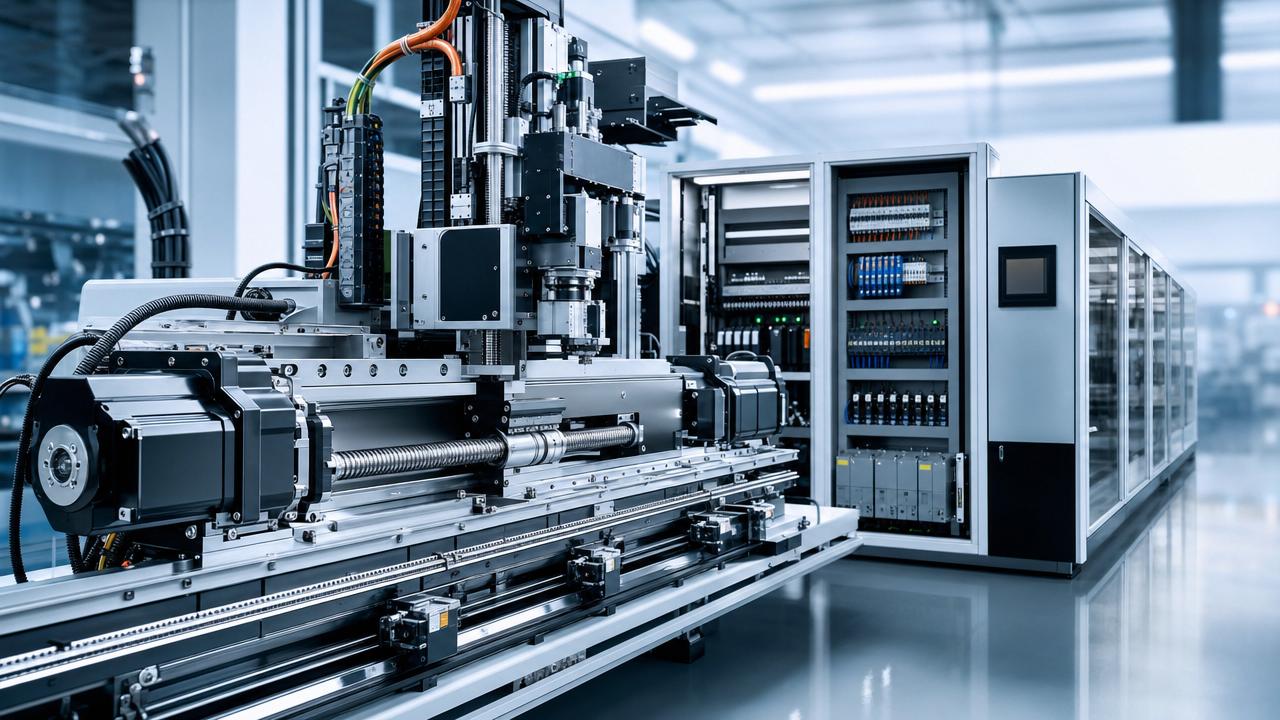
Advanced Motion Control is becoming a decisive benchmark for manufacturers evaluating future-ready automation investments. As 2026 approaches, business assessment professionals must look beyond speed and precision to understand how servo systems, PLC/DCS architectures, precision transmission, and edge computing are converging to reshape productivity, flexibility, and long-term competitiveness. This overview highlights the trends that matter most for strategic industrial decision-making.
Why Advanced Motion Control is now a board-level investment question
For business evaluators, Advanced Motion Control is no longer a narrow engineering topic. It now affects capital efficiency, production resilience, energy intensity, labor strategy, and the ability to launch new product variants without rebuilding an entire line.
The shift is driven by tighter tolerance requirements, shorter batch cycles, and rising pressure to integrate robotics, CNC, packaging, inspection, and material handling into one coordinated automation architecture. In this environment, motion performance has direct financial implications.
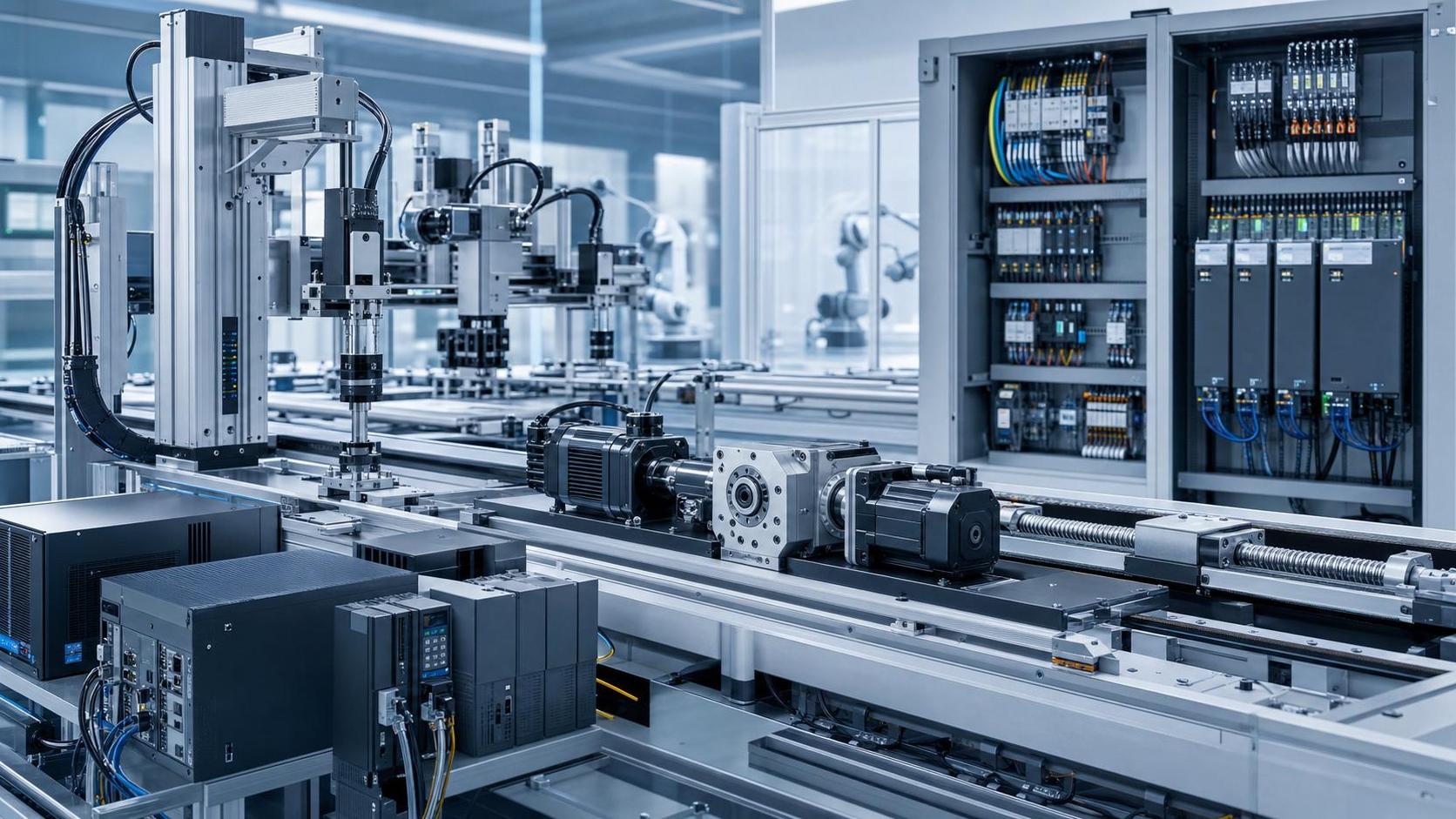
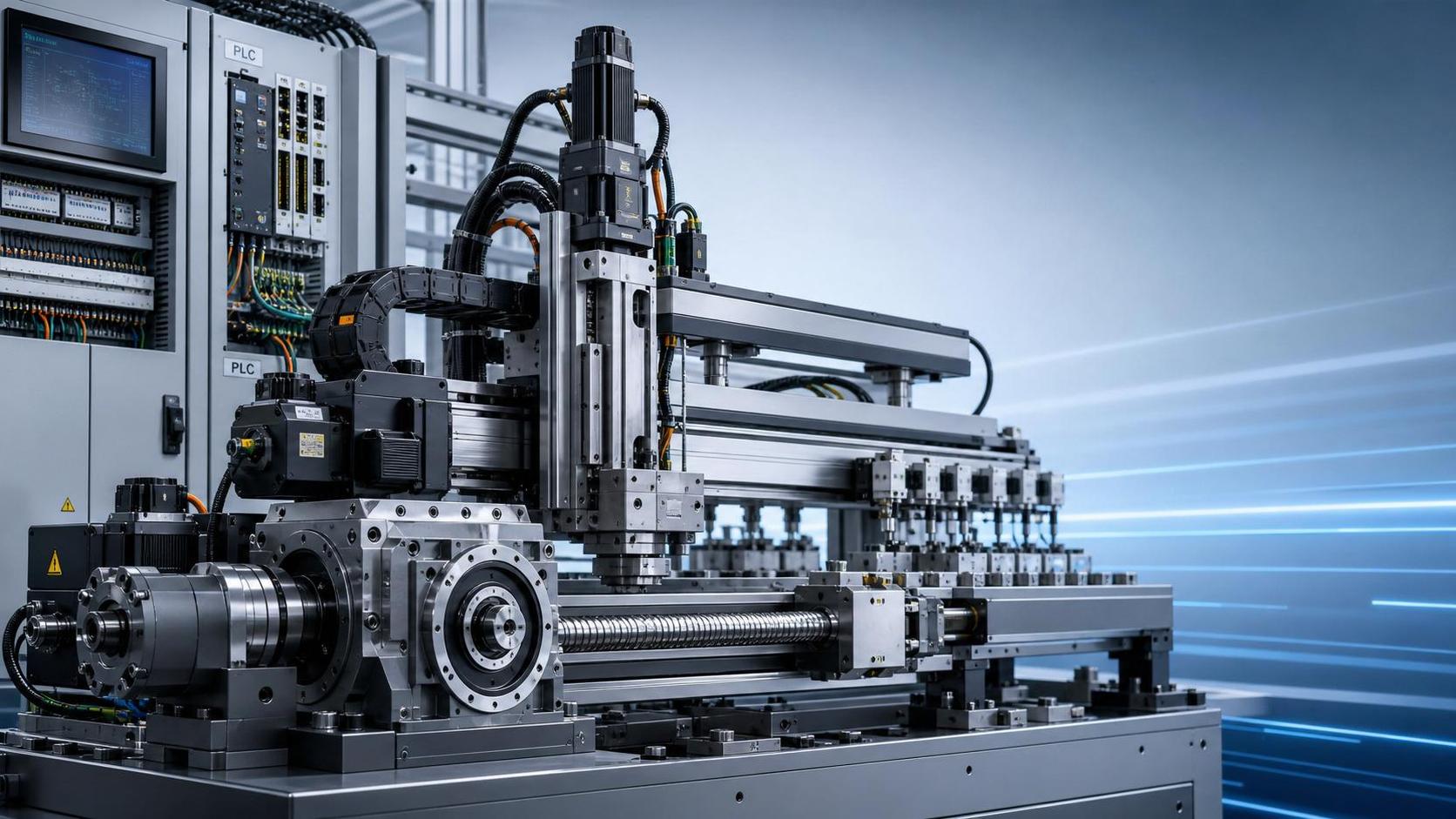
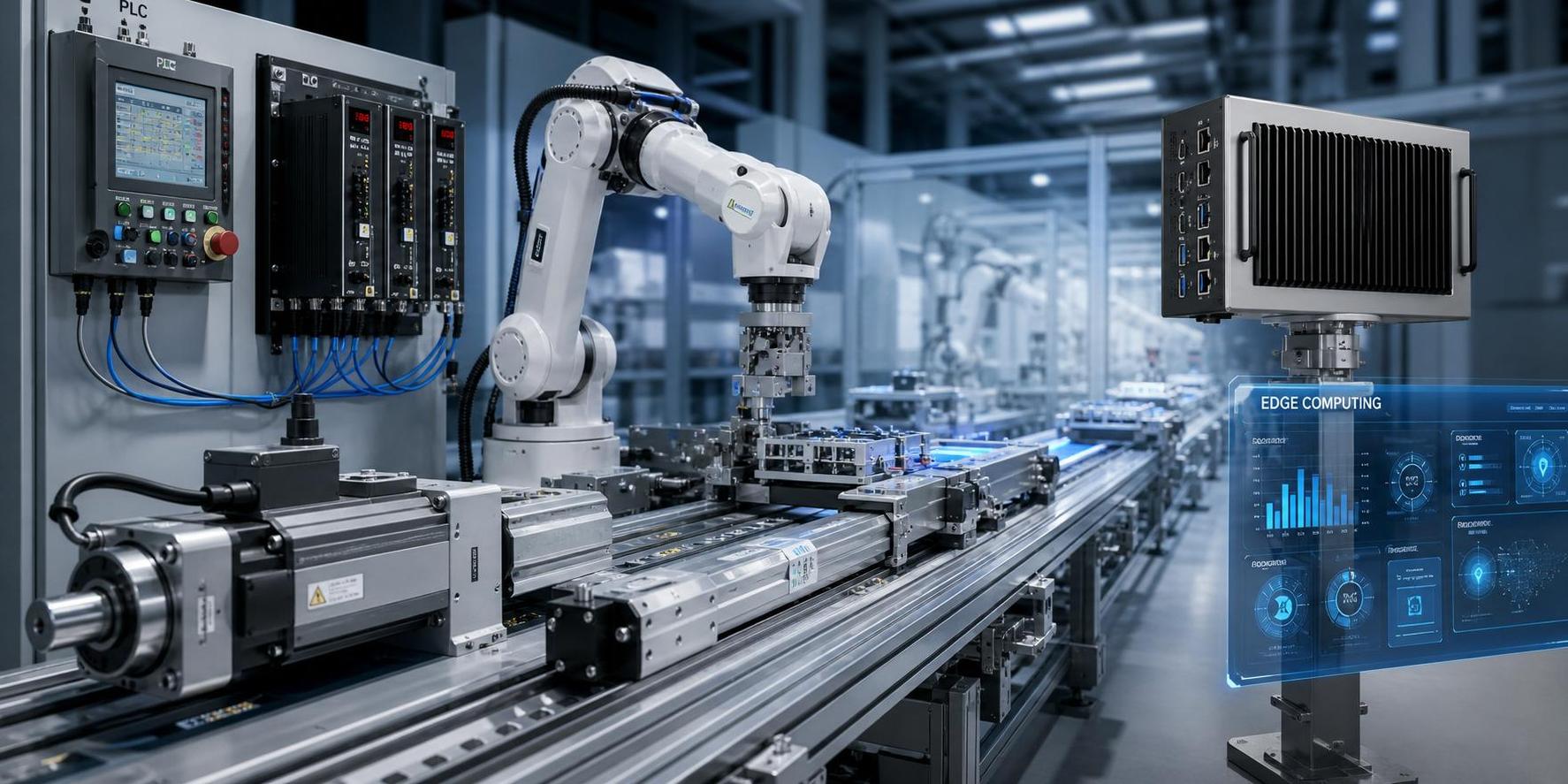
IAMC tracks this convergence through five industrial pillars: AC servo motors, PLC/DCS control systems, precision reducers, linear guides and ball screws, and the combination of inverters with industrial PCs. Together, these technologies define how accurately a factory converts control logic into repeatable physical output.
- Higher servo responsiveness improves cycle time and positioning stability, but only if mechanical transmission and control loop tuning are aligned.
- PLC/DCS decisions now influence not just machine logic, but scalability, cybersecurity exposure, and integration costs across multi-site operations.
- Edge computing changes the economics of predictive maintenance, recipe management, machine vision, and real-time analytics.
That is why Advanced Motion Control should be assessed as a cross-functional capability rather than a component purchase. Procurement, operations, engineering, and finance increasingly need one common evaluation framework.
Which 2026 trends are reshaping Advanced Motion Control decisions?
Several trends are changing how motion systems are specified and justified. The most important point for buyers is that these trends reinforce one another. A faster servo alone delivers limited value if the network, reducer, guide rail, or edge controller becomes the bottleneck.
1. Servo intelligence is moving from pure response speed to adaptive stability
In 2026, vendors and integrators are placing more emphasis on resonance suppression, auto-tuning quality, encoder feedback density, and motion smoothness under changing loads. This matters in electronics assembly, precision dispensing, cutting, and robotic pick-and-place where vibration directly affects yield.
2. PLC, DCS, SoftPLC, and IPC architectures are converging
The line between machine control and data processing is fading. Business assessment teams now need to compare hardware PLCs, hybrid control systems, and IPC-based motion platforms not only by scan cycle or I/O capacity, but also by lifecycle support, determinism, and software maintenance burden.
3. Precision transmission is becoming a strategic risk point
Backlash, rigidity loss, guide wear, lubrication stability, and reducer fatigue can erase the value of an advanced servo package. As robot density and high-speed automation increase, reducers, ball screws, and linear guides are no longer background components. They are investment-critical items.
4. Energy and edge analytics are entering the same buying decision
Inverters, regenerative drives, and industrial PCs are increasingly evaluated together. Buyers want to know whether a system can reduce motor energy use, capture operating data, and support condition monitoring without requiring a separate digital transformation budget.
The table below summarizes how these Advanced Motion Control trends affect business evaluation criteria across automation projects.
The main takeaway is simple: 2026 automation projects will reward buyers who evaluate the entire motion stack. IAMC’s sector intelligence is valuable here because it connects control algorithms, transmission mechanics, and supply-side realities into one decision view.
How should buyers compare motion architectures before budgeting?
A common mistake is to compare proposals only on motor power, nominal speed, or unit price. Advanced Motion Control projects should be compared as system architectures, especially when the use case includes multi-axis synchronization, robotics, precision machining, or flexible manufacturing.
Architecture comparison points that matter
- Control determinism: Can the platform maintain timing consistency under data load, not just under lab conditions?
- Mechanical matching: Is the servo sized correctly for reducer ratio, reflected inertia, screw lead, and guide rigidity?
- Scalability: Will adding axes, stations, or product recipes trigger expensive controller replacement or software rewrite?
- Serviceability: Can maintenance teams diagnose encoder faults, drive alarms, lubrication issues, and communication errors without external intervention every time?
The next table provides a practical comparison model for business assessment professionals reviewing Advanced Motion Control options.
This comparison shows why the lowest upfront quote may create the highest lifecycle cost. Buyers should look at downtime exposure, scrap risk, engineering rework, and integration overhead together.
What procurement teams should examine in servo, PLC/DCS, transmission, and edge layers
The strongest Advanced Motion Control decisions come from structured cross-layer review. IAMC’s intelligence model is especially useful because it does not isolate electronics from mechanics or software from real plant operating conditions.
Servo motor and drive layer
Review encoder resolution, overload behavior, current loop response, thermal management, and tuning tools. Ask whether the system remains stable when machine mass, payload, or acceleration profile changes.
PLC/DCS and controller layer
Assess scan consistency, communication compatibility, safety integration, and software maintainability. In harsh electromagnetic environments, robust control architecture can matter more than peak processor specifications.
Precision transmission layer
Reducers, guides, and ball screws determine how effectively electrical control becomes usable motion. Backlash, preload design, stiffness, lubrication intervals, and fatigue behavior deserve careful review during supplier comparison.
Inverter and industrial PC layer
Look for practical energy control functions, real-time data handling, and environmental durability. Dust, vibration, heat, and unstable power quality can weaken otherwise attractive digital solutions.
A disciplined procurement checklist can reduce surprise costs and shorten technical clarification cycles.
- Define the motion task by load, accuracy target, duty cycle, and synchronization requirement.
- Check whether the control platform supports future expansion, not just current station count.
- Request confirmation on wear parts, spare-part lead time, and service response assumptions.
- Verify compatibility with plant standards for power, fieldbus, safety, and data exchange.
- Model the lifecycle cost impact of lower scrap, reduced downtime, and faster changeover.
Where Advanced Motion Control creates the most value in real industrial scenarios
Not every production line needs the same motion sophistication. The best investments match architecture complexity to operating value. That is especially important for business teams balancing budget pressure against long-term flexibility.
High-mix, low-volume production
Advanced Motion Control supports frequent recipe changes, positioning consistency, and reduced setup waste. It is often justified where product variety creates hidden labor and scrap costs.
Robotics and precision assembly
In robotic cells, reducer precision, servo response, and real-time control quality all affect path accuracy and stability. Small mechanical errors can compound quickly in multi-axis motion.
CNC, cutting, and linear feed systems
Ball screw quality, guide rail rigidity, and tuning against resonance influence surface finish, tool life, and production consistency. This is where nanometer-level tolerance thinking translates into commercial value.
Energy-intensive continuous operations
For heavy motors and long-running systems, the combination of inverter optimization and local industrial computing can support lower energy consumption and faster fault localization.
What risks do business evaluators often underestimate?
Advanced Motion Control projects rarely fail because one specification is missing. They fail because the total system was not judged with enough operational realism. Several risks appear repeatedly in industrial assessments.
- Overvaluing peak performance while ignoring stability during long duty cycles and changing payloads.
- Assuming control upgrades alone will solve problems caused by poor reducer stiffness, guide wear, or mechanical resonance.
- Underestimating supply chain risk for precision components and industrial chips, especially in globally distributed manufacturing.
- Choosing a software-heavy architecture without a clear patching, backup, and support process.
- Ignoring compliance expectations related to electrical safety, EMC, machinery integration, and plant-specific qualification rules.
IAMC’s advantage is that it follows both the technical evolution and the commercial stress points behind these risks, including chip supply cycles, trade barriers, and emerging demand from humanoid robotics and new energy equipment.
FAQ: key questions about Advanced Motion Control in 2026
How do I know whether an Advanced Motion Control upgrade is financially justified?
Start with the losses you already carry: scrap, downtime, manual adjustment, slow changeovers, and unstable yield. If these costs are recurring, an upgraded motion architecture often has stronger business logic than a like-for-like replacement.
Which specifications matter more than headline speed?
Look closely at repeatability, settling behavior, vibration suppression, stiffness matching, controller determinism, and spare-part support. These factors often determine real output quality more than top speed alone.
Is Advanced Motion Control only relevant for high-end robotics?
No. It is equally relevant in packaging, conveyors, converting, CNC feed systems, inspection, and any operation where throughput, positional consistency, or flexible production affects profitability.
What should I ask suppliers before final approval?
Ask for application matching logic, component interaction assumptions, commissioning scope, service boundaries, lead-time expectations, spare-part strategy, and any known environmental limitations for dust, heat, vibration, or power quality.
Why work with us on Advanced Motion Control evaluation
IAMC helps business assessment professionals evaluate Advanced Motion Control with a wider lens than component catalogs or short-term quotations. Our coverage connects servo control, PLC/DCS architecture, precision transmission, and industrial edge computing into one industrial decision framework.
If you are comparing automation routes for 2026, you can consult us on parameter confirmation, architecture comparison, component matching logic, delivery-cycle risk, certification and compliance considerations, sample evaluation priorities, and quotation communication points that affect total project value.
We are particularly useful when your team needs to judge whether a proposed servo system, control platform, reducer setup, linear transmission design, or IPC-enabled motion solution is truly aligned with precision, flexibility, and long-term manufacturing competitiveness.
For organizations planning new lines, retrofits, or supplier screening, contact us with your target motion profile, accuracy expectations, operating environment, and project timeline. That allows a more focused discussion around product selection, integration risk, lead-time planning, and practical implementation options.
Related Recommendations
 Factory Automation Technology Trends Shaping 2026 Upgrade PlansTime : Jul 02, 2026
- 2026 Industrial Motion Systems Trends Shaping Throughput and Energy UseTime : Jun 27, 2026
- Industrial Cyber Physical Systems: What Changes on the Factory FloorTime : Jun 26, 2026
- Flexible Manufacturing Cost Trends in 2026: What to WatchTime : Jun 24, 2026
 2026 Industrial Control Technology Trends Shaping Plant AutomationTime : Jun 23, 2026
- Advanced Manufacturing Automation Trends to Watch in 2026Time : Jun 22, 2026