Automation Technology Trends: Where Investment Is Moving

Why are Automation Technology Trends attracting more investment now?
Automation Technology Trends are reshaping capital allocation across manufacturing, logistics, energy, mobility, and industrial infrastructure worldwide.
The biggest reason is simple. Companies need higher precision, lower downtime, better energy efficiency, and faster production adjustment.
That pressure is pushing investment toward technologies that improve motion accuracy, control stability, and factory responsiveness.
Automation Technology Trends also reflect supply chain uncertainty. Firms now prefer systems that increase resilience, traceability, and local decision-making.
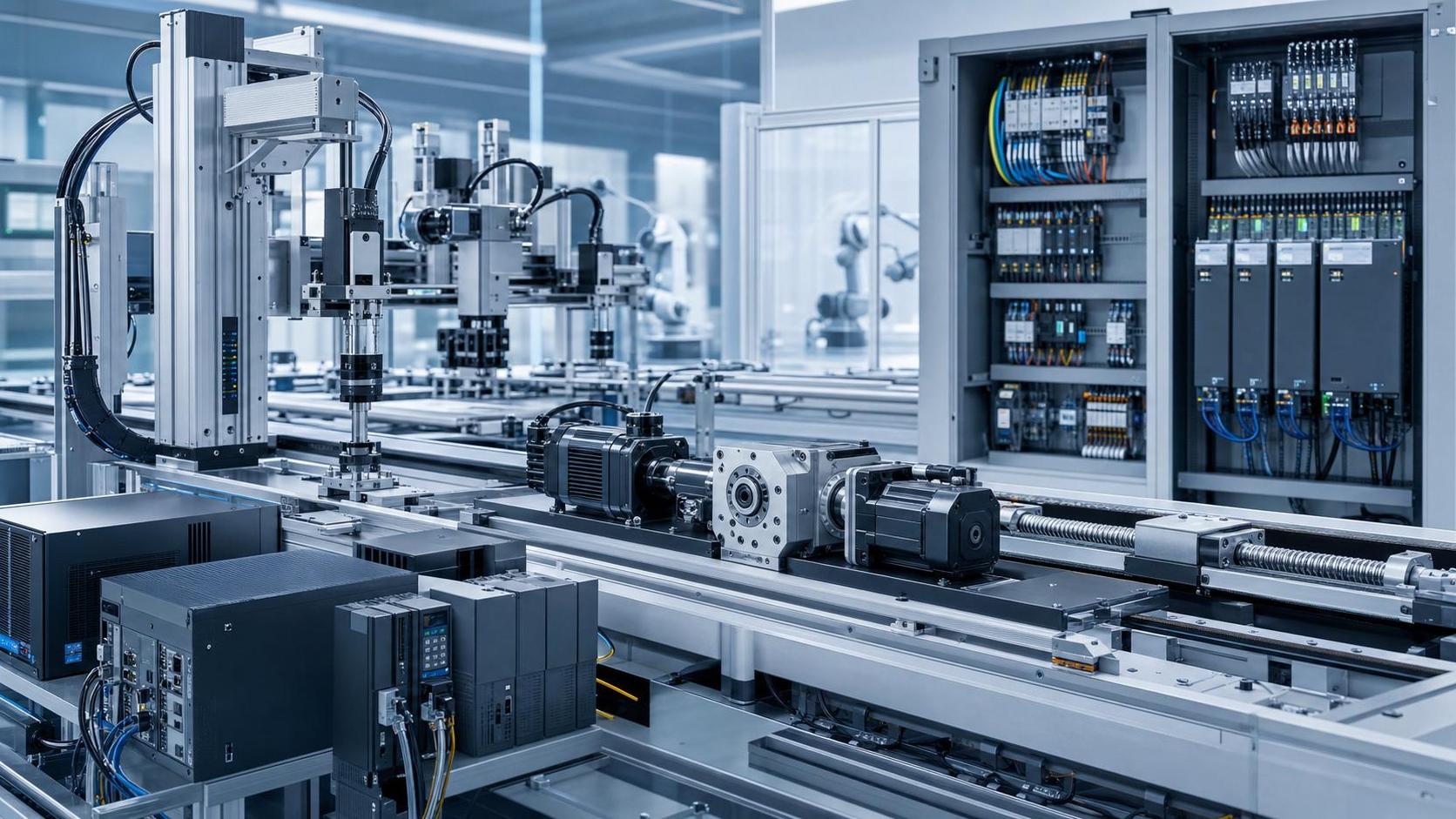
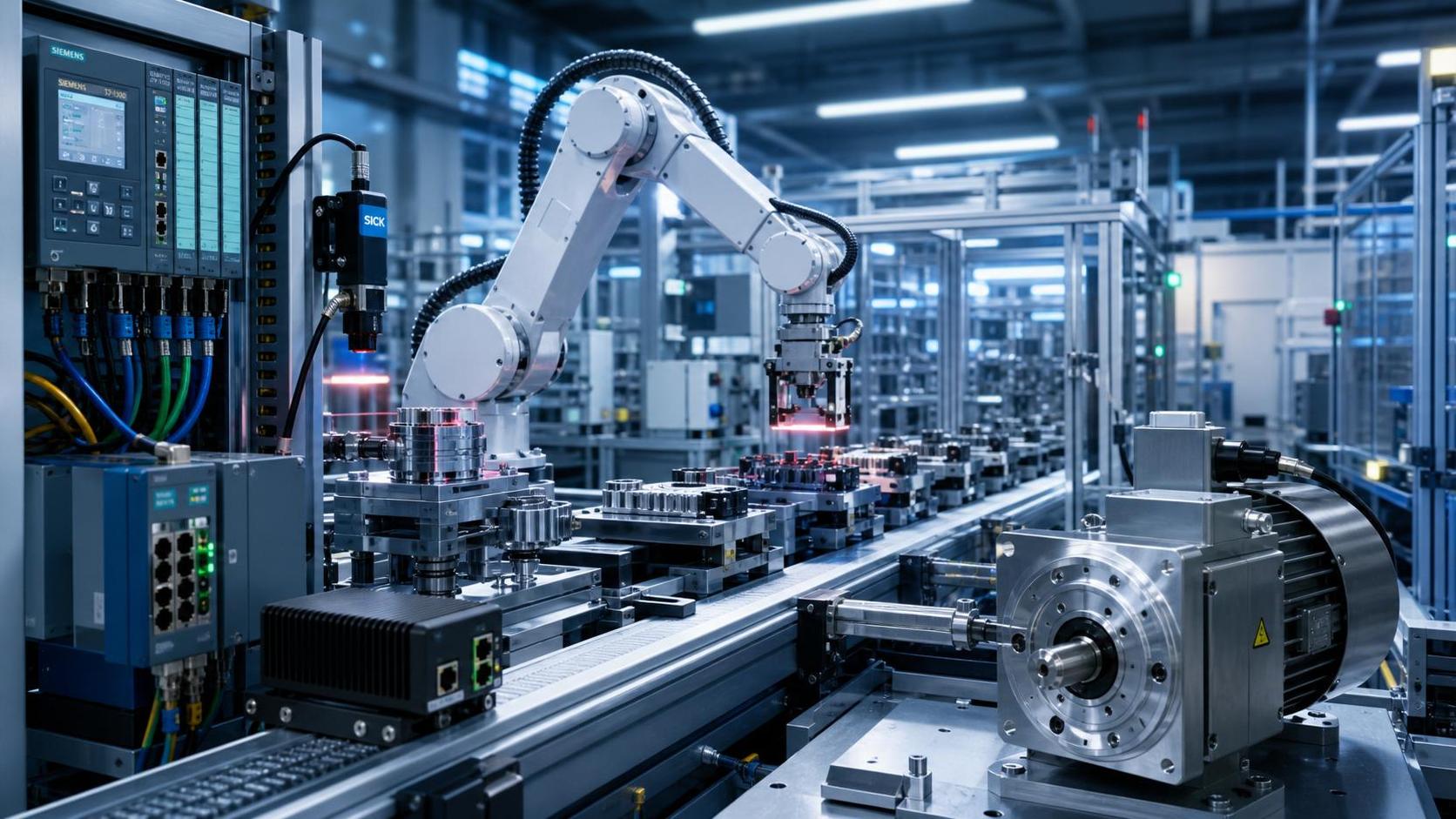
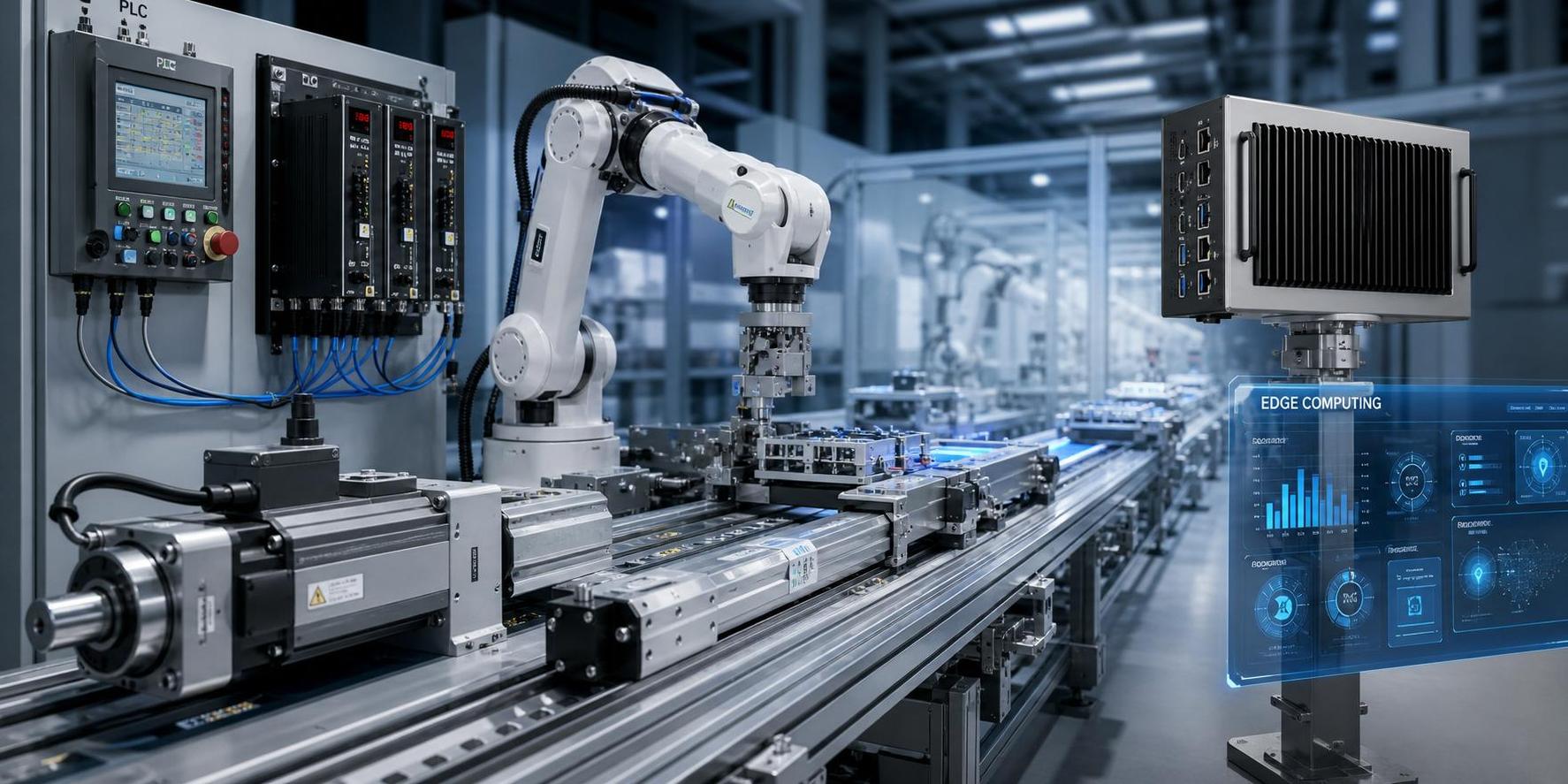
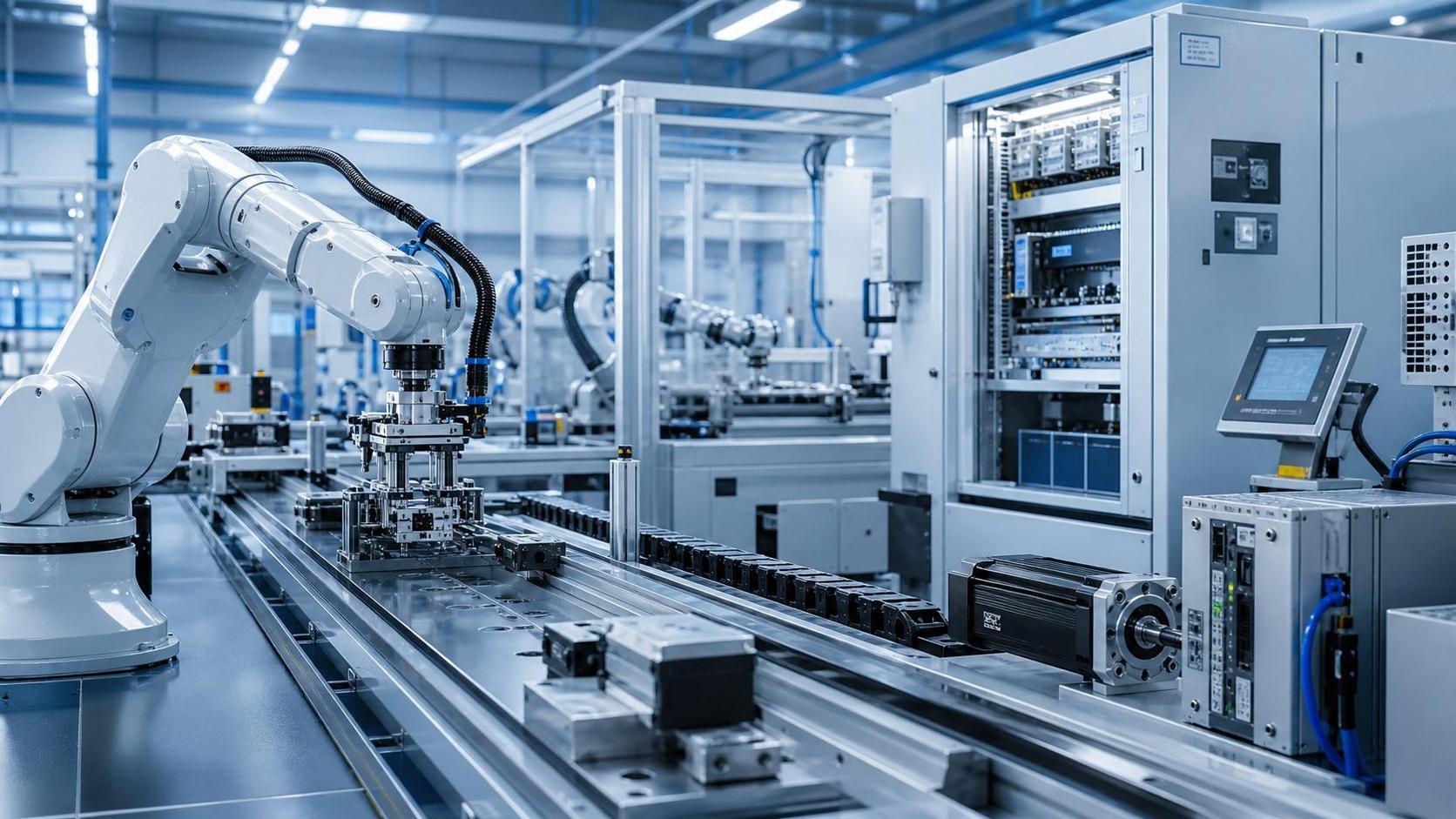
This is where IAMC’s focus becomes highly relevant. Servo control, PLC/DCS, precision transmission, and industrial edge computing now sit at the center of strategic spending.
Investors are not only funding visible robots. They are moving upstream into the components that determine performance, repeatability, and long-term reliability.
In practical terms, Automation Technology Trends show that value is moving toward industrial “muscles,” “nerve centers,” and “joints.”
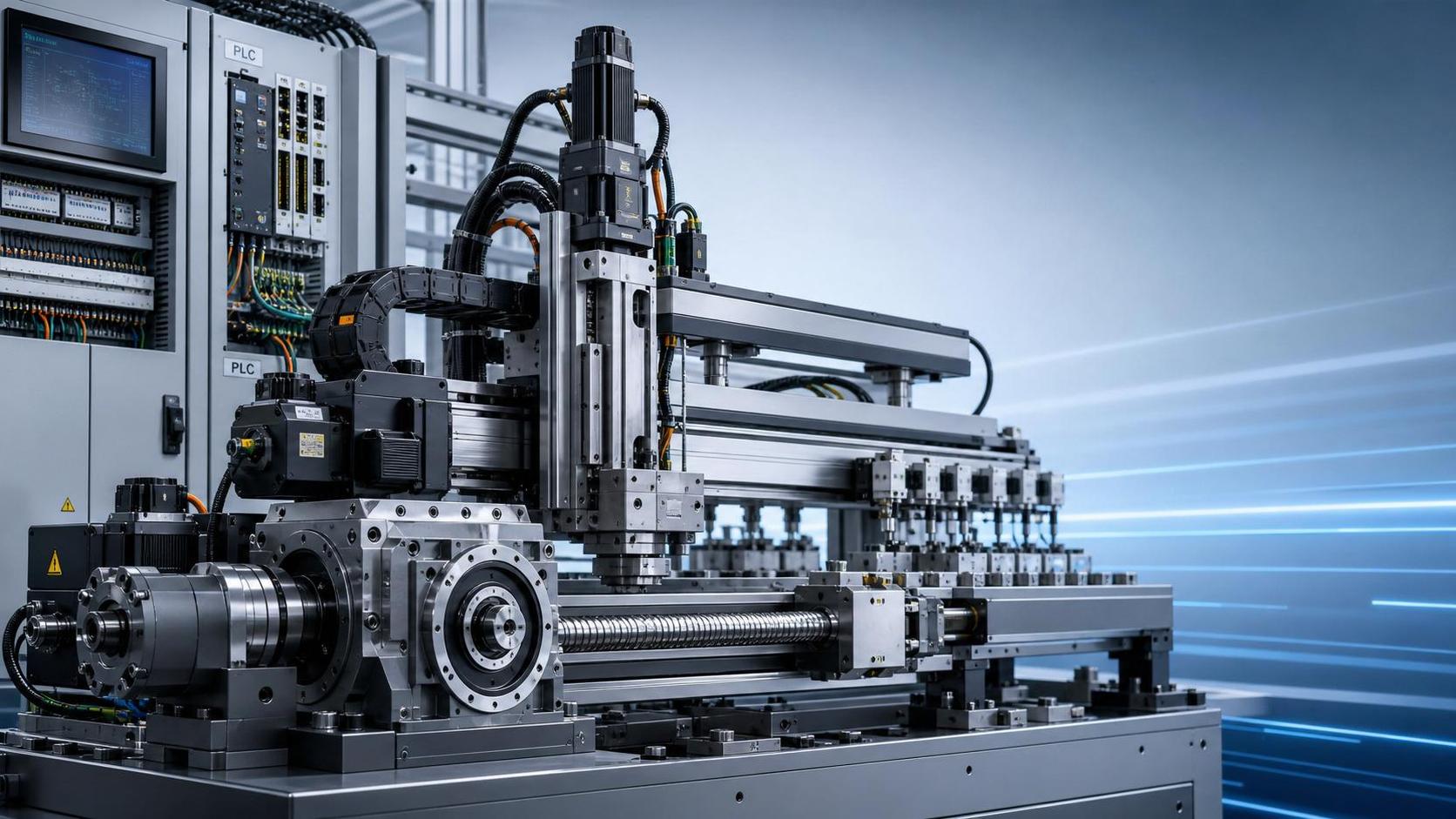
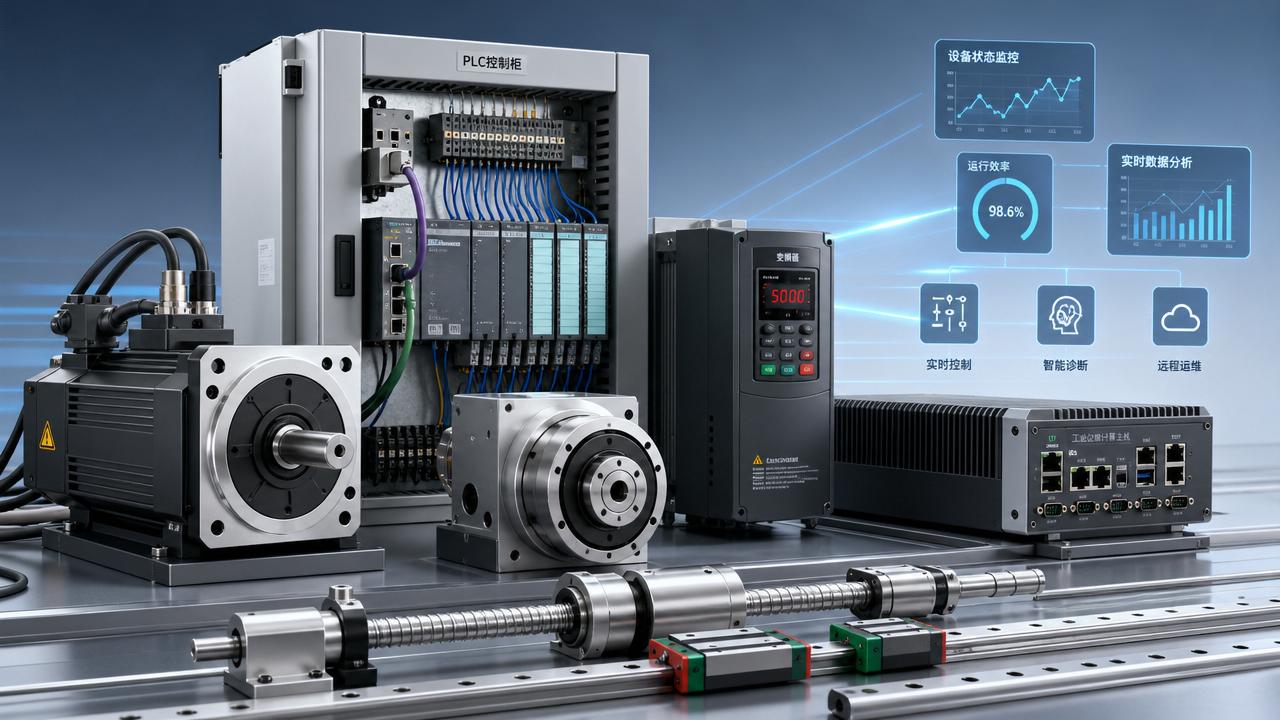
That means AC servo motors, PLC/DCS platforms, reducers, ball screws, linear guides, inverters, and IPC-based edge architectures.
The market is rewarding technologies that connect control algorithms with physical motion under tighter tolerances and harsher industrial environments.
This shift matters because automation investment is no longer only about labor reduction. It is about intelligence density per machine.
It is also about how quickly a factory can switch products, stabilize quality, and absorb data at the edge.
Which automation segments are receiving the strongest capital flows?
Several segments stand out within current Automation Technology Trends, especially those linked to precision motion and real-time industrial intelligence.
1. Industrial AC servo systems
Servo systems attract investment because they convert control signals into highly accurate displacement and torque output.
Demand is rising in electronics, packaging, semiconductor tools, new energy equipment, and advanced assembly lines.
Investors favor encoder innovation, ultra-fast current loops, resonance suppression, and compact high-power-density designs.
2. PLC/DCS and SoftPLC ecosystems
PLC/DCS platforms remain essential because factory automation still depends on robust logic execution under noisy conditions.
Current Automation Technology Trends show growing interest in interoperability, cybersecurity, deterministic control, and flexible software-driven architectures.
Capital is moving toward systems that shorten engineering cycles while supporting modular production and remote diagnostics.
3. Precision transmission components
RV reducers, harmonic drives, ball screws, and linear guides are receiving stronger attention because they directly affect machine precision.
These components often decide backlash, stiffness, fatigue life, thermal stability, and repeatability.
As robotics and high-speed equipment expand, upstream precision mechanics become more investable than general hardware categories.
4. Inverters and industrial edge computing
Energy pressure is accelerating inverter adoption. Real-time optimization of motor speed creates measurable savings and smoother process control.
At the same time, industrial PCs and edge platforms process sensor data close to machines, reducing latency and bandwidth dependence.
These Automation Technology Trends reflect a move from isolated automation toward distributed intelligence at production level.
What is driving investors toward motion control and industrial intelligence rather than general automation?
General automation can improve output, but precision motion and industrial intelligence create stronger competitive barriers.
The first driver is tolerance pressure. Many sectors now require micron-level positioning and stable cycle performance.
The second driver is flexible manufacturing. Production lines must switch product formats without long reconfiguration delays.
The third driver is machine data value. Edge systems transform vibration, load, thermal, and process signals into operating decisions.
Another factor within Automation Technology Trends is supply security for core components and industrial chips.
Investors increasingly evaluate whether a technology category has substitution potential, strategic scarcity, or dependency risk.
Motion control also benefits from long application life. Once integrated, qualified components often remain deeply embedded within equipment platforms.
That can support recurring revenue through maintenance, upgrades, software tuning, and replacement cycles.
- Higher precision creates pricing power.
- Reliability lowers total ownership cost.
- Edge intelligence improves response speed.
- Core components raise entry barriers.
For this reason, Automation Technology Trends are increasingly measured by control depth, not just automation breadth.
How should investment potential be judged across different automation categories?
Not every automation segment offers equal upside. A practical framework is needed to interpret Automation Technology Trends correctly.
First, check performance criticality. Ask whether the product directly determines precision, speed, or uptime.
Second, examine replacement difficulty. Components that require qualification, tuning, and system integration usually have stronger staying power.
Third, review supply concentration. Tight supply and technical scarcity can improve strategic value, but they also add volatility.
Fourth, measure software leverage. Segments that combine hardware with algorithms often defend margins better.
Fifth, compare exposure to growth industries such as humanoid robotics, battery equipment, semiconductors, and intelligent logistics.
What common mistakes appear when reading Automation Technology Trends?
A frequent mistake is focusing only on visible end products such as robots while ignoring critical component layers.
Another mistake is assuming all automation categories grow at the same speed. They do not.
Some markets become crowded quickly. Others retain high technical barriers and slower but stronger value capture.
It is also risky to treat automation as hardware alone. Software timing, jitter control, and tuning quality matter deeply.
Within Automation Technology Trends, operational reliability often matters more than headline feature lists.
A low-cost component can become expensive if it increases resonance, maintenance, or production loss.
Another misconception is that edge computing is optional. In many modern lines, local processing is becoming essential.
Without edge capability, factories may struggle to act on data fast enough for predictive maintenance and adaptive control.
- Do not judge only by shipment volume.
- Do not ignore qualification cycles.
- Do not separate mechanics from algorithms.
- Do not overlook industrial chip supply risk.
How can organizations prepare for the next phase of Automation Technology Trends?
Preparation starts with mapping the control chain from signal generation to final mechanical movement.
That means reviewing servo response, PLC/DCS logic speed, transmission rigidity, inverter efficiency, and edge computing capability together.
The next step is to identify where precision loss, latency, backlash, resonance, or thermal drift is limiting output.
These pain points often reveal where Automation Technology Trends will create the most practical value.
It is also useful to monitor sectors with fast equipment upgrades. Robotics, energy storage, EV production, and advanced packaging are key examples.
Where upgrade cycles accelerate, demand for high-performance motion and control components usually strengthens first.
IAMC’s strategic lens is especially helpful here because it connects microscopic technical factors with broader industrial movement.
A notch filter change in a servo loop or fatigue improvement in a harmonic flexspline can alter competitive positioning materially.
That is why the best reading of Automation Technology Trends combines engineering depth with commercial discipline.
Quick FAQ reference
Automation Technology Trends are no longer a broad story about factory modernization alone.
They are a detailed map of where precision control, mechanical excellence, and edge intelligence are creating durable value.
The strongest opportunities are increasingly found where electrical control, transmission physics, and software timing intersect.
Use that framework to review equipment priorities, technology roadmaps, and strategic exposure to emerging industrial demand.
A sharper understanding of Automation Technology Trends leads to better decisions, stronger resilience, and more credible long-term positioning.
Related Recommendations
 Factory Automation Technology Trends Shaping 2026 Upgrade PlansTime : Jul 02, 2026
- 2026 Industrial Motion Systems Trends Shaping Throughput and Energy UseTime : Jun 27, 2026
- Industrial Cyber Physical Systems: What Changes on the Factory FloorTime : Jun 26, 2026
- Flexible Manufacturing Cost Trends in 2026: What to WatchTime : Jun 24, 2026
 2026 Industrial Control Technology Trends Shaping Plant AutomationTime : Jun 23, 2026
- Advanced Manufacturing Automation Trends to Watch in 2026Time : Jun 22, 2026