Industrial Robotics Selection: Payload, Repeatability, and Risk

Industrial Robotics Selection: Payload, Repeatability, and Risk
Selecting Industrial Robotics is no longer a simple comparison of speed sheets and purchase prices.
The real decision sits at the intersection of payload, repeatability, integration complexity, and operational risk.
A robot that looks right on paper can still fail in production.
That usually happens when teams size for average conditions instead of real operating loads.
It also happens when repeatability is treated as a universal accuracy guarantee.
In practice, successful Industrial Robotics selection starts with application physics, not marketing claims.
For automation programs targeting flexible manufacturing, that shift in mindset reduces rework, delays, and lifetime cost.
Why Industrial Robotics Selection Has Become More Demanding
Factories now expect one robotic cell to handle more variants, tighter tolerances, and shorter cycle changes.
That raises the bar for Industrial Robotics across mechanical, electrical, and software layers.
A robot arm does not work alone.
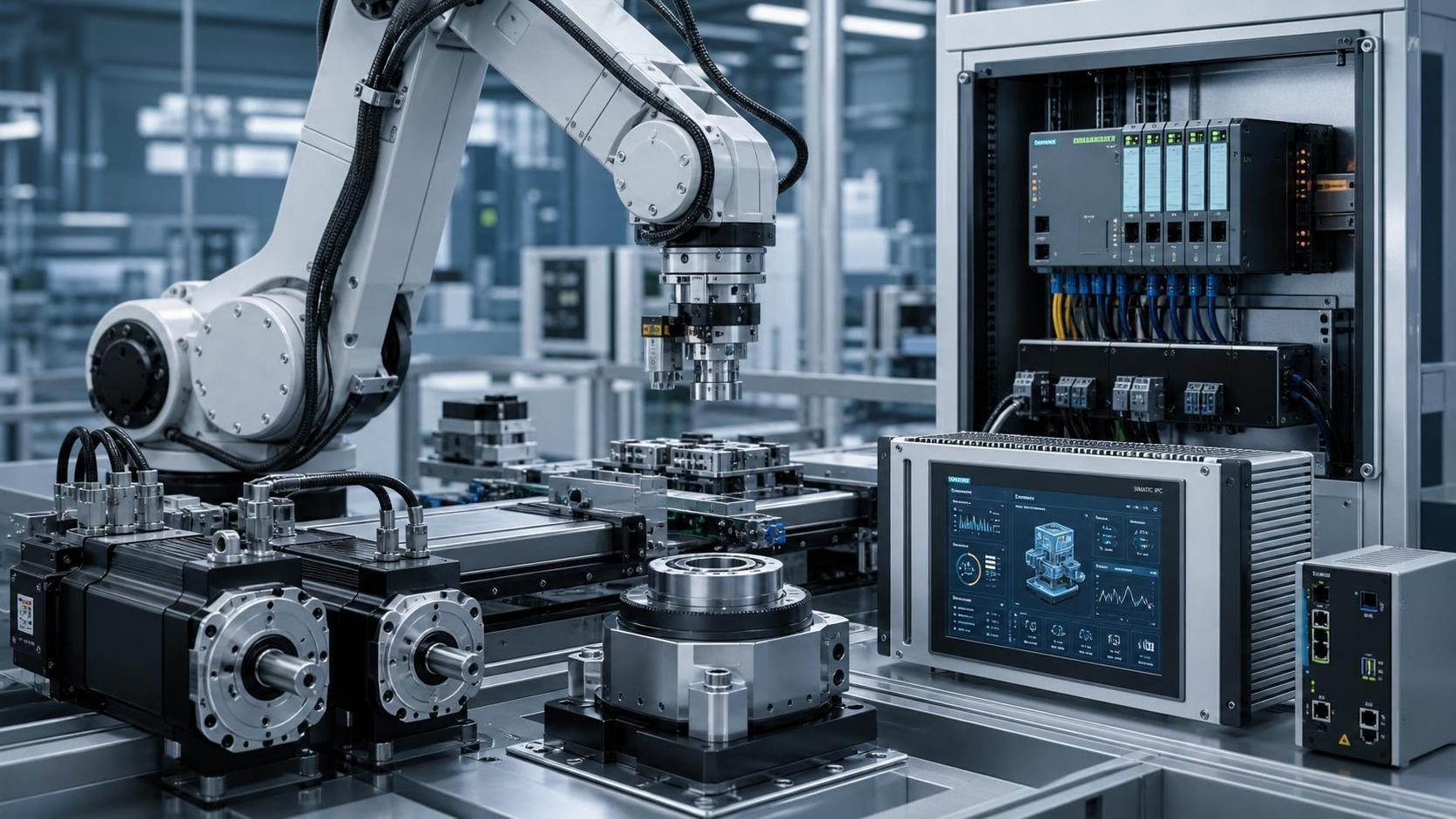
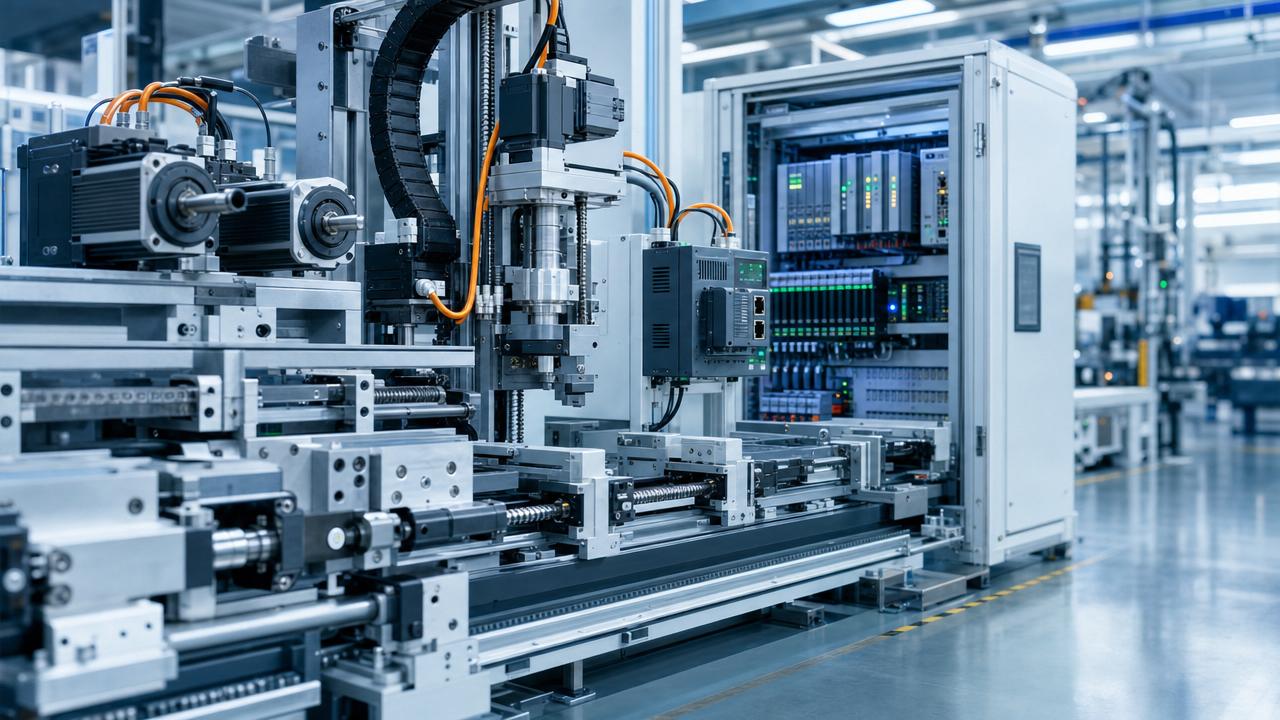
Servo response, reducer stiffness, PLC scan timing, end-of-arm tooling, and edge data handling all affect final performance.
This is where IAMC’s industry focus matters.
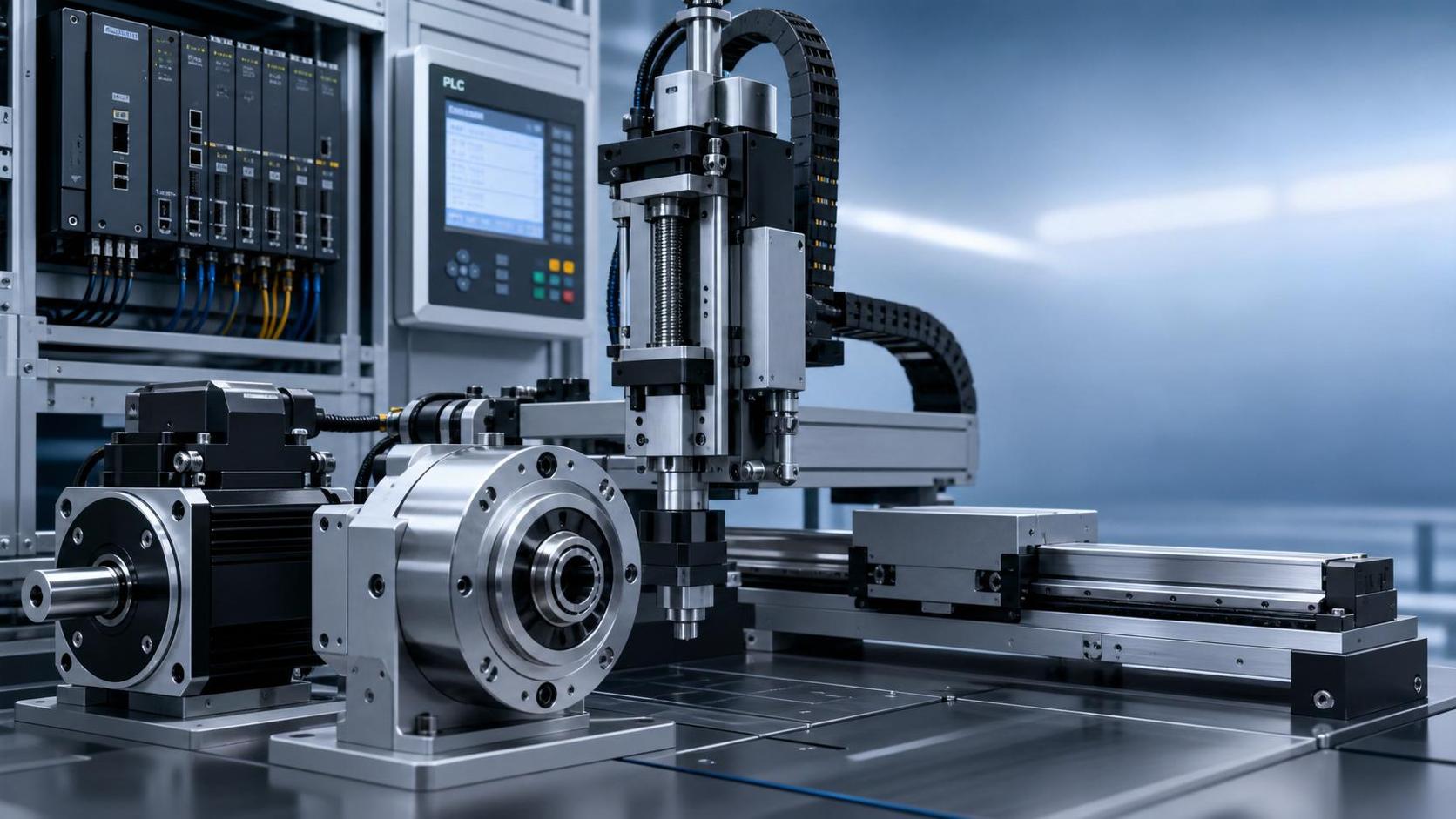
Industrial AC servo motors shape motion smoothness and dynamic torque response.
Precision reducers determine backlash, stiffness, and long-term positioning stability.
PLC, DCS, and IPC platforms decide how well the robotic system reacts under noise, variation, and real-time production pressure.
Start with Payload, but Define It Correctly
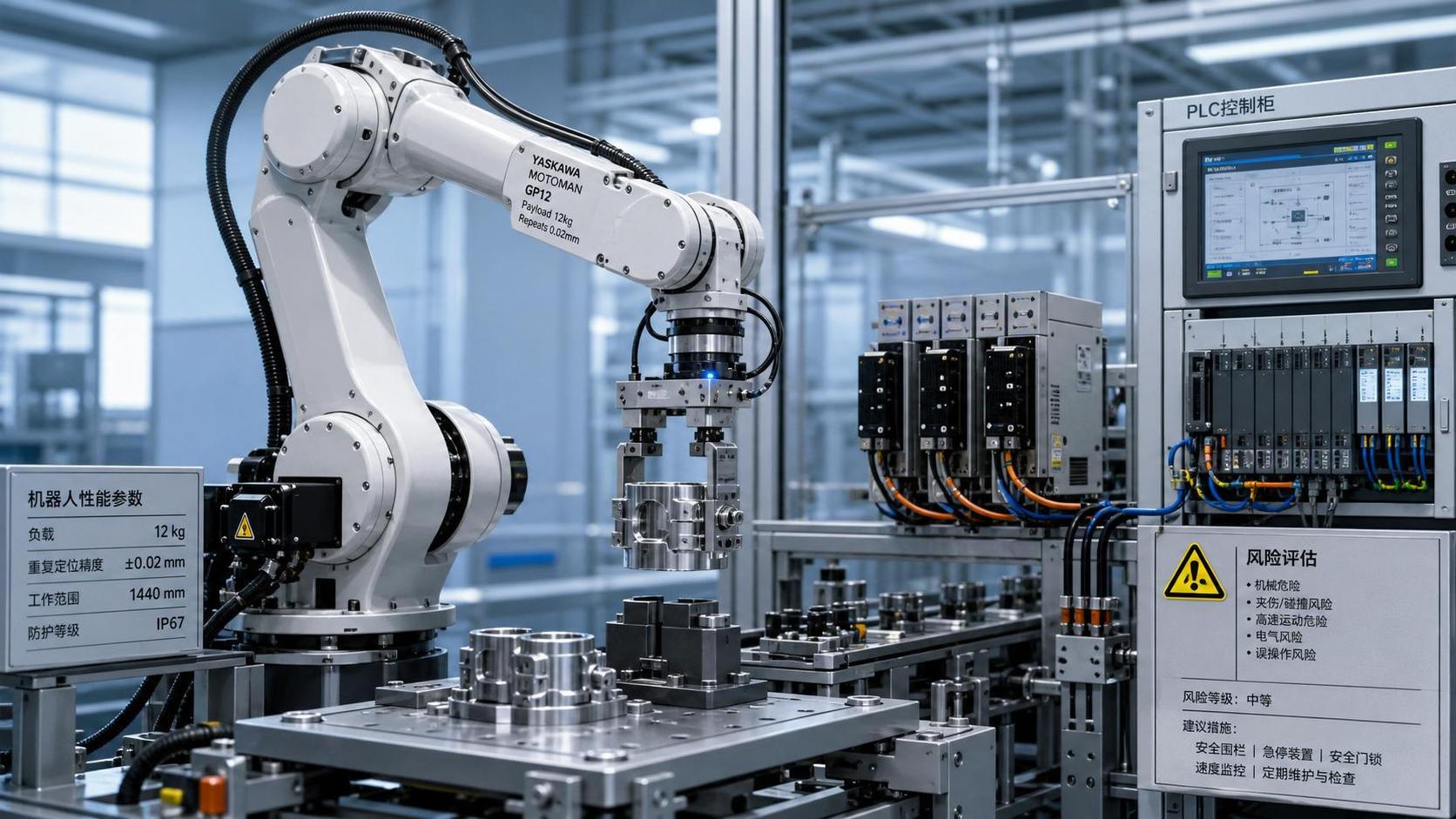
Payload is usually the first filter in Industrial Robotics selection, yet it is often misunderstood.
The rated payload is not just the product weight.
It must include grippers, brackets, sensors, cabling, adapters, and any future tooling options.
More importantly, you must check wrist moment and inertia limits.
A light but long tool can be more dangerous than a heavier compact tool.
This is a common blind spot in Industrial Robotics procurement.
A practical payload review should include:
- Static load of part and tooling.
- Dynamic load during acceleration and emergency stops.
- Center-of-gravity position across all part variants.
- Wrist torque and inertia against manufacturer limits.
- Contingency for future product changes.
From a risk standpoint, oversizing is not always safer.
An oversized robot can consume more floor space, energy, and guarding budget.
It may also reduce speed in applications where a smaller, stiffer machine performs better.
Repeatability Is Critical, but It Is Not the Whole Accuracy Story
Repeatability is one of the most quoted Industrial Robotics specifications for good reason.
It tells you how consistently the robot returns to the same taught point.
For welding, dispensing, assembly, and inspection, that consistency directly affects yield.
Still, repeatability does not equal absolute path accuracy.
That distinction matters when you are selecting Industrial Robotics for high-precision tasks.
Repeatability can be affected by several system factors:
- Reducer backlash and torsional stiffness.
- Servo tuning and resonance suppression.
- Thermal drift over long production runs.
- Fixture rigidity and part presentation quality.
- Robot mounting stability on floor, frame, or gantry.
This is why a strong Industrial Robotics decision should include application testing, not just brochure comparison.
If process capability depends on vision correction, force control, or calibration software, include that in the evaluation model early.
Match the Robot to the Process, Not Just the Plant Standard
Standardization has clear value, especially across multi-site automation programs.
But Industrial Robotics should not be chosen only because a vendor is already approved.
The process itself should drive the architecture.
A palletizing cell, for example, prioritizes reach, cycle durability, and payload reserve.
A battery assembly line may care more about fine motion, contamination control, and traceable precision.
A machine tending station may need better interaction with conveyors, safety doors, and PLC handshakes than raw speed.
Look Beyond the Arm: Control, Transmission, and Edge Integration
Industrial Robotics performance depends on the broader motion control stack.
That is especially true in high-mix manufacturing.
Servo motors influence acceleration smoothness, settling time, and disturbance rejection.
Precision reducers affect stiffness, wear life, and micro-positioning behavior under changing loads.
PLC or DCS timing quality matters when the robot must coordinate with presses, conveyors, vision, or safety logic.
Industrial PCs and edge computing now add another layer.
They support data capture, predictive maintenance, and traceability, which increasingly influence Industrial Robotics investment decisions.
A more complete evaluation checklist should ask:
- How stable is motion performance at full duty cycle?
- Can the controller integrate cleanly with plant PLC standards?
- What diagnostic data is available at the edge?
- How easy is spare parts access for motors, reducers, and drives?
- Is there enough cybersecurity and remote support capability?
Risk Assessment Should Be Built into Industrial Robotics Selection
A strong technical fit can still become a weak business decision if risk is ignored.
In recent projects, the bigger issue is often not the robot itself.
It is supply continuity, maintenance skill gaps, commissioning delays, or hidden integration work.
That means Industrial Robotics evaluation should include a practical risk matrix.
Focus on these risk categories:
- Technical risk: payload margin, motion quality, safety compatibility.
- Delivery risk: lead time, regional stock, single-source components.
- Integration risk: PLC communication, vision setup, tooling changes.
- Operational risk: maintenance burden, training needs, downtime recovery.
- Expansion risk: future variants, line duplication, software portability.
This approach turns Industrial Robotics selection into a lifecycle decision, not a catalog purchase.
It also supports clearer conversations with finance, operations, and system integrators.
A Practical Decision Framework for Better Outcomes
If you want to compare Industrial Robotics options with less ambiguity, use a staged framework.
- Define the real payload, inertia, and reach envelope.
- Translate process quality needs into repeatability and path targets.
- Review controller, servo, and reducer capability as one system.
- Validate communications with PLC, safety, and edge infrastructure.
- Score supply, service, and ramp-up risk before final approval.
This method keeps Industrial Robotics discussions grounded in measurable criteria.
It also helps prevent late-stage redesign when tooling, controls, and production teams finally compare assumptions.
More importantly, it reflects how modern automation really works.
The best Industrial Robotics choice is rarely the cheapest arm or the fastest brochure number.
Final Takeaway
Industrial Robotics selection works best when payload, repeatability, and risk are evaluated together.
That creates a more reliable path to uptime, precision, and scalable automation.
For teams building high-performance manufacturing systems, details inside servos, reducers, PLC timing, and edge computing matter more than ever.
That is exactly where IAMC adds value.
By connecting motion control intelligence with real equipment decisions, it helps turn Industrial Robotics planning into a sharper competitive advantage.
When the next automation project starts, begin with the process, test the assumptions, and choose the robot around the risk you can truly manage.
Related Recommendations
 Precision Engineering Solutions Trends Shaping 2026 ManufacturingTime : Jun 18, 2026
- Industrial Robotics Selection: Payload, Repeatability, and RiskTime : Jun 18, 2026
- Industry 4.0 Technology Trends Shaping Smart Factory Upgrades in 2026Time : Jun 17, 2026
- Automation Technology Trends 2026: Which Changes Will Impact Factory UpgradesTime : Jun 16, 2026
- Industrial Networking Trends in 2026: What Will Change Factory ConnectivityTime : Jun 14, 2026
- Industry 4.0 Technology Trends Reshaping Factory Investment in 2026Time : Jun 11, 2026