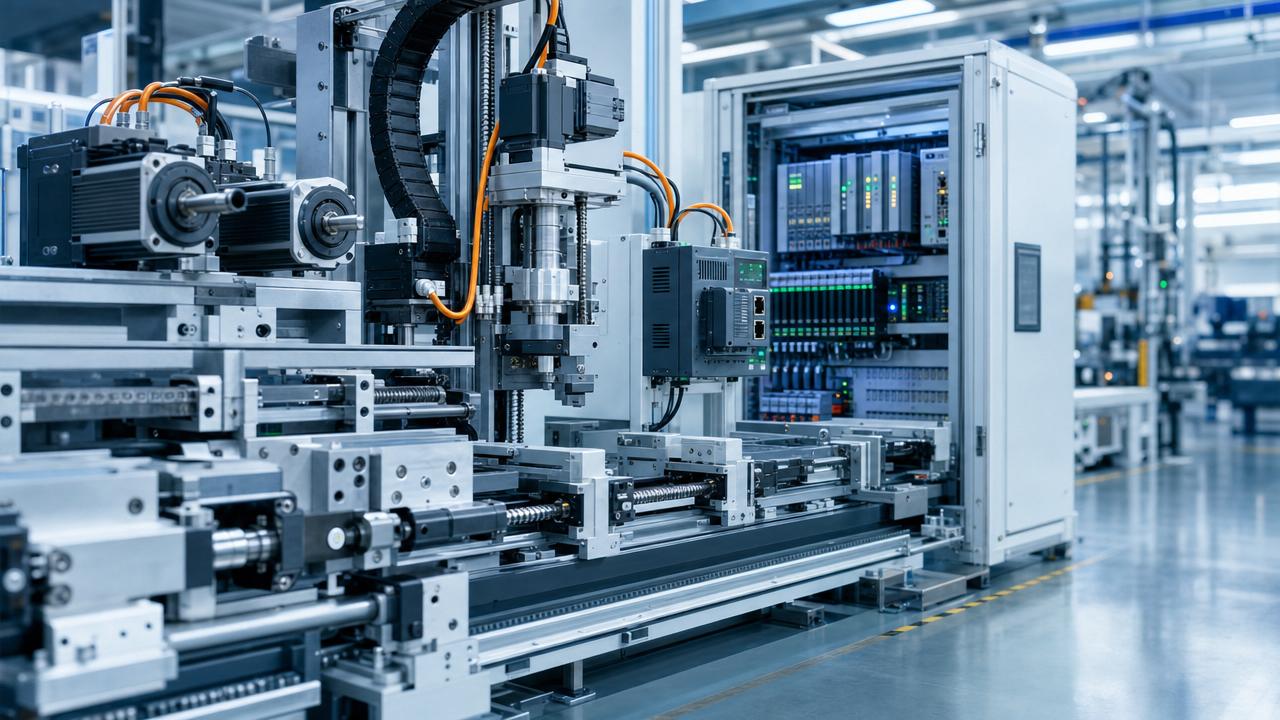
Precision Engineering Solutions Trends Shaping 2026 Manufacturing

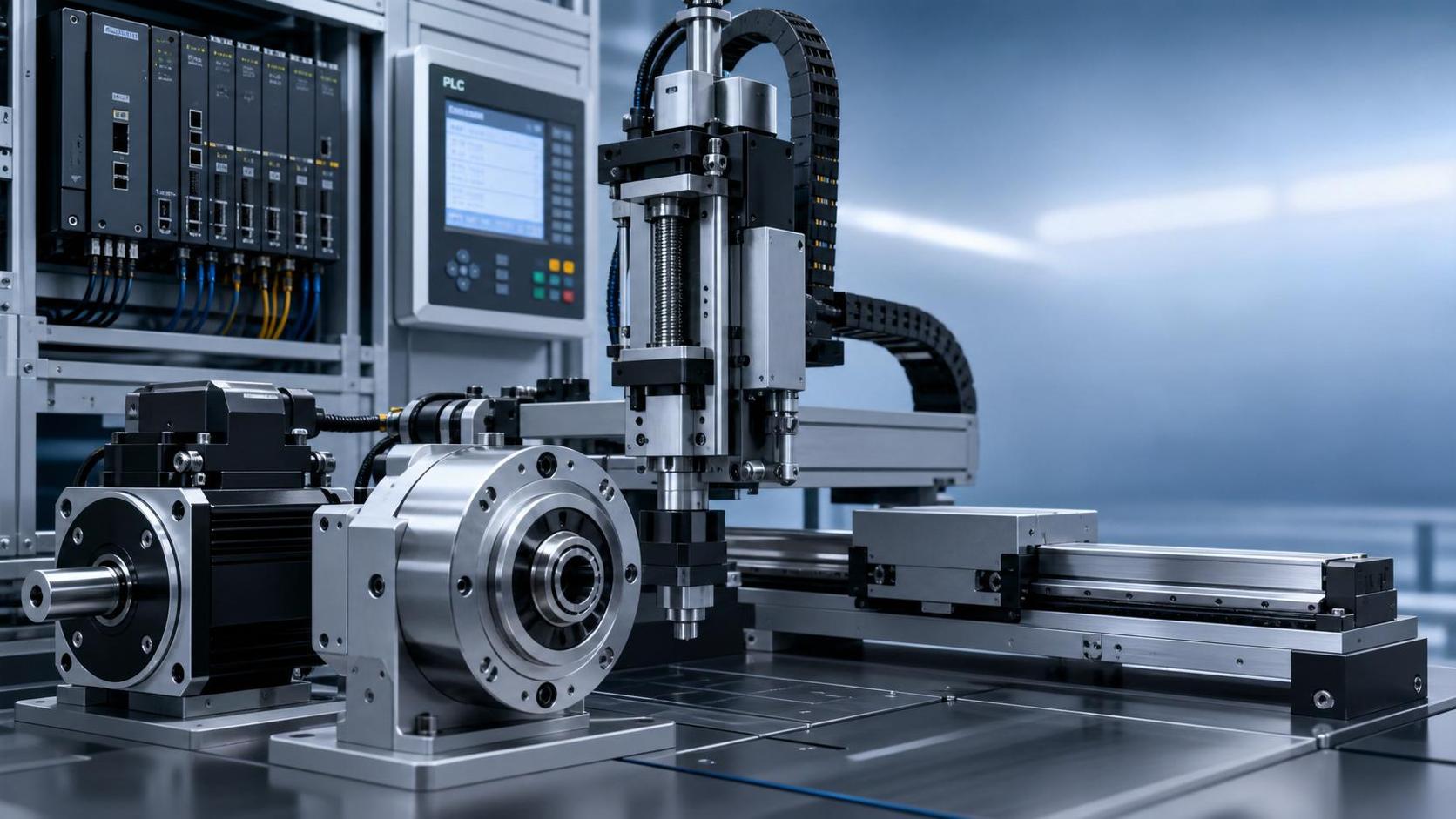
Precision Engineering Solutions are moving to the center of 2026 manufacturing strategy
Global manufacturing is entering a tighter performance cycle.
Factories are expected to deliver speed, precision, flexibility, and resilience at the same time.
That combination is exactly why Precision Engineering Solutions now shape more boardroom decisions than before.
The shift is no longer limited to advanced semiconductor lines or premium robotics cells.
It is spreading across automotive, electronics, packaging, energy equipment, metalworking, and process industries.
What has changed is simple.
Tolerance, uptime, and energy performance now influence market access, not just internal efficiency.
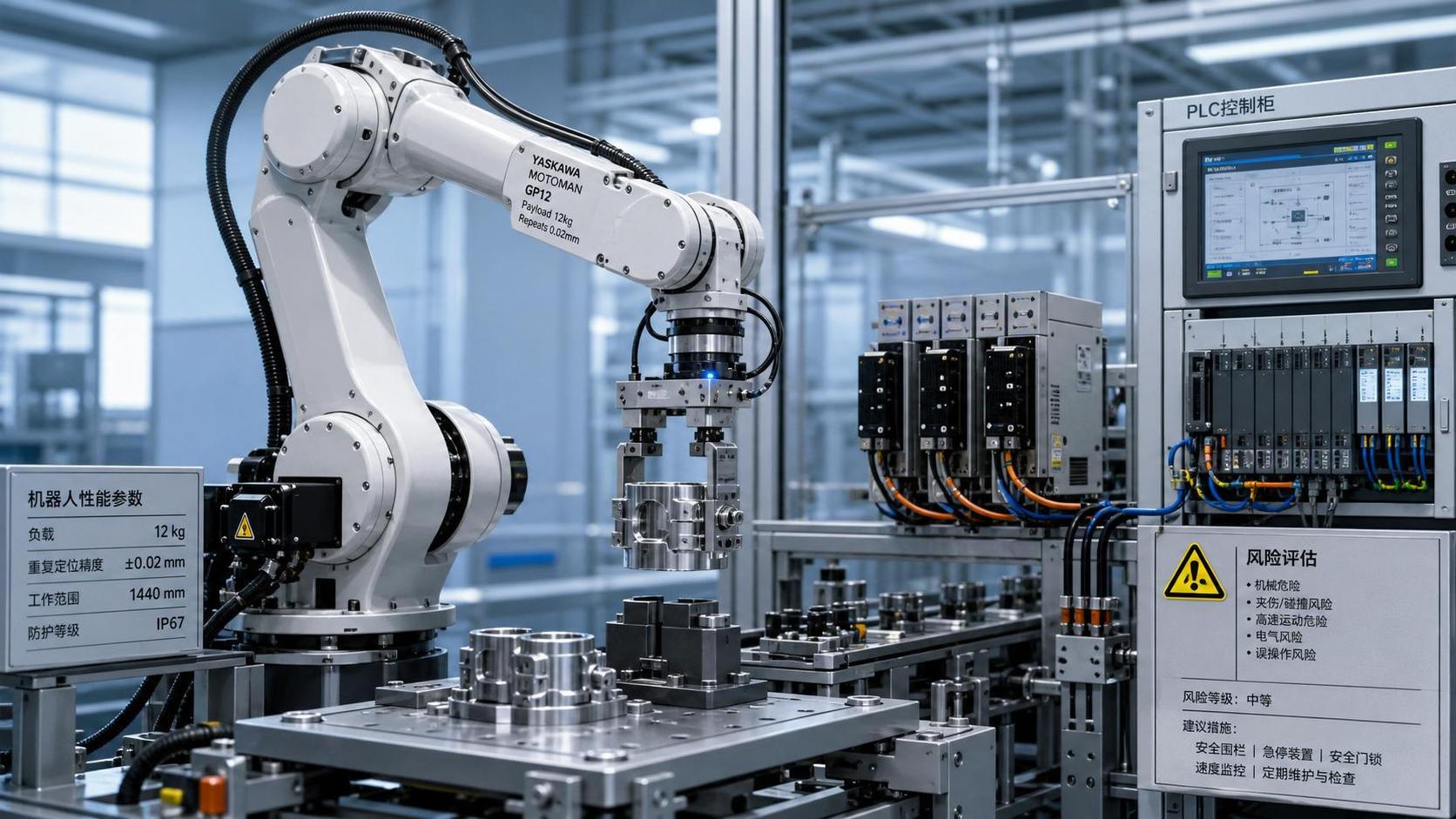
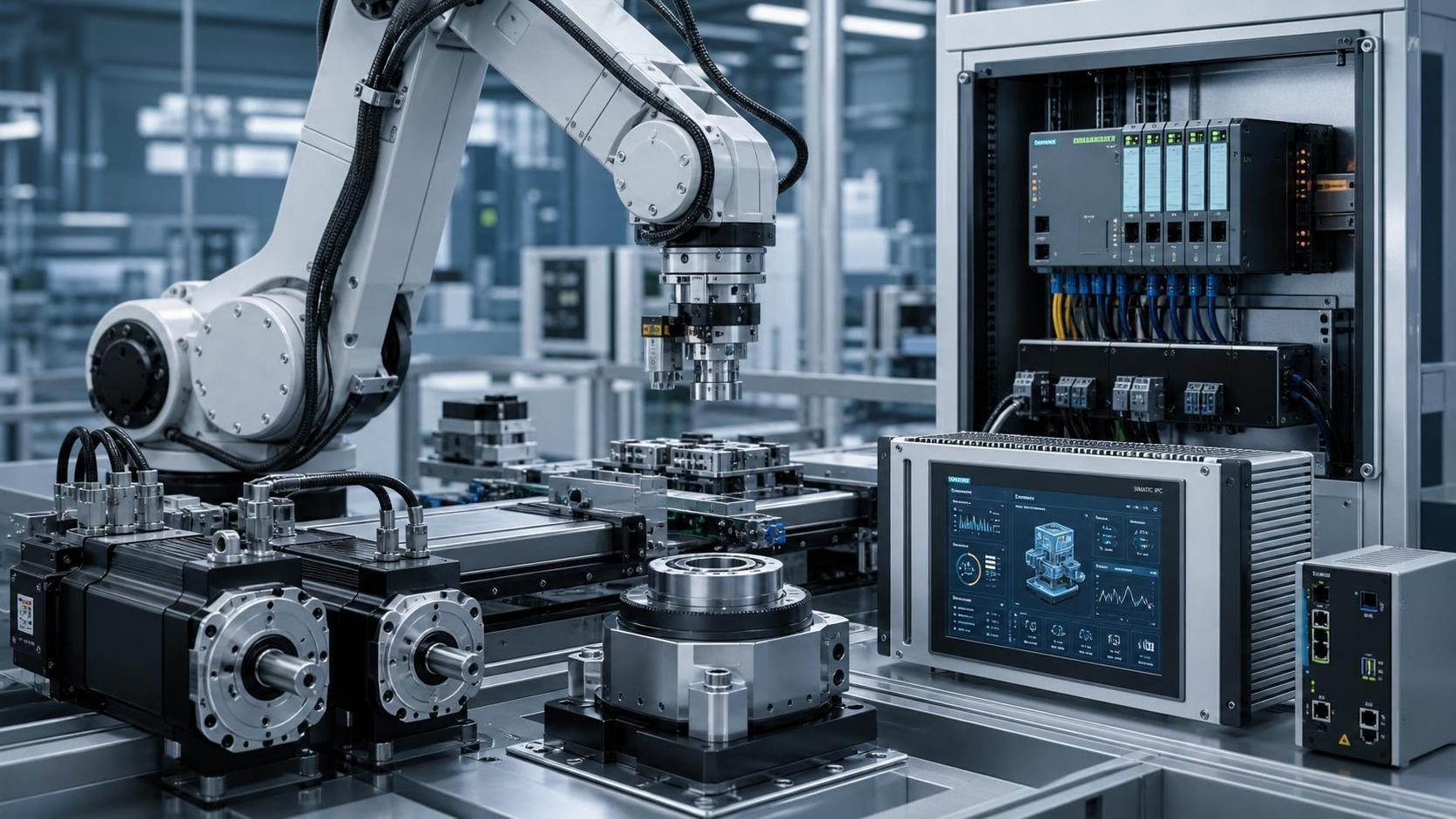
Precision Engineering Solutions increasingly connect servo control, PLC/DCS logic, reducers, linear motion, inverters, and industrial edge computing into one operating discipline.
That integrated view matters because isolated upgrades often fail under real production pressure.
The stronger signal for 2026 is that precision is becoming a system-level capability.
It links microsecond electrical response, micron motion accuracy, and stable digital coordination on the factory floor.
This is also where IAMC’s long focus becomes relevant.
Its coverage of industrial servo motors, PLC/DCS platforms, precision transmission, and IPC-based edge intelligence reflects where real competitive gaps are widening.
Why the change is becoming more visible now
Several forces are converging, and none of them are temporary.
Labor volatility continues to push automation deeper into complex production tasks.
At the same time, shorter product cycles punish lines that cannot switch recipes quickly.
More interestingly, the quality threshold is rising even in sectors once driven mainly by volume.
That means Precision Engineering Solutions must support repeatability, not just top-end machine speed.
Another factor is the return of engineering realism.
Many digital transformation programs learned that software visibility cannot compensate for weak motion fundamentals.
If backlash, vibration, jitter, or thermal drift remain unresolved, dashboards only report failure faster.
This is why attention is shifting back to the physical-digital boundary.
Servo loops, harmonic reducers, ball screws, and SoftPLC timing are again strategic topics.
- High-mix production requires faster changeovers without sacrificing motion stability.
- Energy costs reward precise inverter control and lower friction mechanical systems.
- Humanoid robotics and new energy equipment raise demand for compact, high-density precision transmission.
- Trade barriers and chip cycles make component reliability and sourcing visibility more strategic.
- Edge computing allows real-time correction, but only when field data is trustworthy.
Together, these signals explain why Precision Engineering Solutions are no longer treated as niche technical upgrades.
The most important shift is from component excellence to synchronized precision
In recent years, many projects focused on buying better individual hardware.
For 2026, that is not enough.
The market is rewarding systems that keep every motion layer aligned under dynamic conditions.
An encoder may be accurate, yet the machine still underperforms because resonance is unmanaged.
A reducer may offer zero-backlash behavior, yet throughput drops when PLC timing and edge analytics are disconnected.
This is where Precision Engineering Solutions are changing in practical terms.
They are becoming coordination frameworks, not just equipment selections.
The table looks technical, but the business message is straightforward.
Precision Engineering Solutions now determine whether automation scales smoothly or stalls after pilot success.
Demand is shifting toward resilience, not just peak performance
A more subtle trend is changing how investments are judged.
Buyers once prioritized maximum speed, headline accuracy, or isolated energy savings.
Now the stronger preference is stable output across changing materials, operators, and production recipes.
That puts pressure on Precision Engineering Solutions to perform under noise, vibration, dust, thermal variation, and supply uncertainty.
The role of PLC/DCS platforms becomes broader here.
They are not merely sequencing tools.
They increasingly act as operational stabilizers across mixed equipment environments.
The same applies to industrial IPCs.
Their value is rising because real-time sensor interpretation can reveal drift before scrap rates jump.
IAMC’s emphasis on jitter analysis, resonance suppression, and fatigue modeling reflects this deeper market need.
Precision is no longer defined at commissioning alone.
It must survive millions of cycles and unpredictable operating conditions.
Where the impact becomes most visible
- Robotics sees stronger demand for compact reducers and direct-drive alternatives with longer fatigue life.
- CNC and high-speed machining need linear guides and ball screws that maintain geometry under load.
- Packaging lines need servo precision that supports rapid format switching without extended tuning windows.
- Process industries need DCS stability plus edge insight for continuous optimization, not occasional correction.
- New energy equipment requires precision control that balances throughput, yield, and traceability together.
What deserves closer attention before budgets are locked
The next phase will reward better judgment more than bigger spending.
That means evaluating Precision Engineering Solutions through a wider lens.
In practice, three questions are becoming more useful than broad promises.
Can the control stack maintain timing integrity under interference?
Can the mechanical chain hold precision after long fatigue exposure?
Can field data be turned into tuning actions fast enough to prevent quality loss?
These are not narrow engineering questions.
They directly affect ramp-up time, warranty exposure, energy intensity, and supply continuity.
A useful approach is to compare options by coordination maturity rather than standalone specifications.
That includes encoder quality, loop response, PLC scan behavior, reducer fatigue limits, guide friction stability, inverter efficiency curves, and IPC robustness.
The strongest Precision Engineering Solutions will show balance across those parameters.
They will not hide weak links behind one exceptional feature.
The smarter response is phased, data-led, and grounded in real motion behavior
For 2026, the most credible strategy is not a full reset.
It is a staged upgrade path built around measurable constraints.
Start where precision loss creates the highest commercial penalty.
That may be robot joint fatigue, servo resonance, thermal drift in linear motion, or controller jitter.
Then align improvement priorities with application realities, not vendor language.
- Map where tolerance loss, downtime, or scrap creates the largest margin erosion.
- Audit whether current Precision Engineering Solutions fail at speed, endurance, or environmental stability.
- Use edge data to identify repeating control and transmission problems before expanding automation.
- Track supply-side risks in chips, high-end components, and trade-exposed subsystems.
- Set phased milestones for precision, energy, maintainability, and interoperability together.
The broader takeaway is clear.
Precision Engineering Solutions are no longer a supporting layer beneath automation strategy.
They are becoming the structure that determines whether flexible manufacturing performs as promised.
The organizations that read these signals early will be better positioned to balance precision, resilience, and expansion risk.
From here, the practical next step is to review where motion accuracy, control timing, and mechanical endurance are already diverging.
That review usually reveals which Precision Engineering Solutions deserve immediate attention and which can wait for the next investment cycle.
Related Recommendations
 Precision Engineering Solutions Trends Shaping 2026 ManufacturingTime : Jun 18, 2026
- Industrial Robotics Selection: Payload, Repeatability, and RiskTime : Jun 18, 2026
- Industry 4.0 Technology Trends Shaping Smart Factory Upgrades in 2026Time : Jun 17, 2026
- Automation Technology Trends 2026: Which Changes Will Impact Factory UpgradesTime : Jun 16, 2026
- Industrial Networking Trends in 2026: What Will Change Factory ConnectivityTime : Jun 14, 2026
- Industry 4.0 Technology Trends Reshaping Factory Investment in 2026Time : Jun 11, 2026