Precision Drive Technology Trends Shaping 2026 Automation


Precision Drive Technology is moving from a component topic to a board-level strategy in 2026 automation planning.
It now shapes uptime, accuracy, energy efficiency, changeover speed, and long-term production resilience across diverse industrial environments.
As factories adopt flexible manufacturing, the value of tighter servo control, smarter PLC logic, stronger transmission precision, and faster edge decisions keeps rising.
This article answers the most searched questions about Precision Drive Technology and explains what the 2026 trend cycle really means.
What does Precision Drive Technology mean in 2026 automation?
Precision Drive Technology combines motion control, power conversion, mechanical transmission, sensing, and real-time computing into one coordinated performance system.
In 2026, the term goes beyond motors alone.
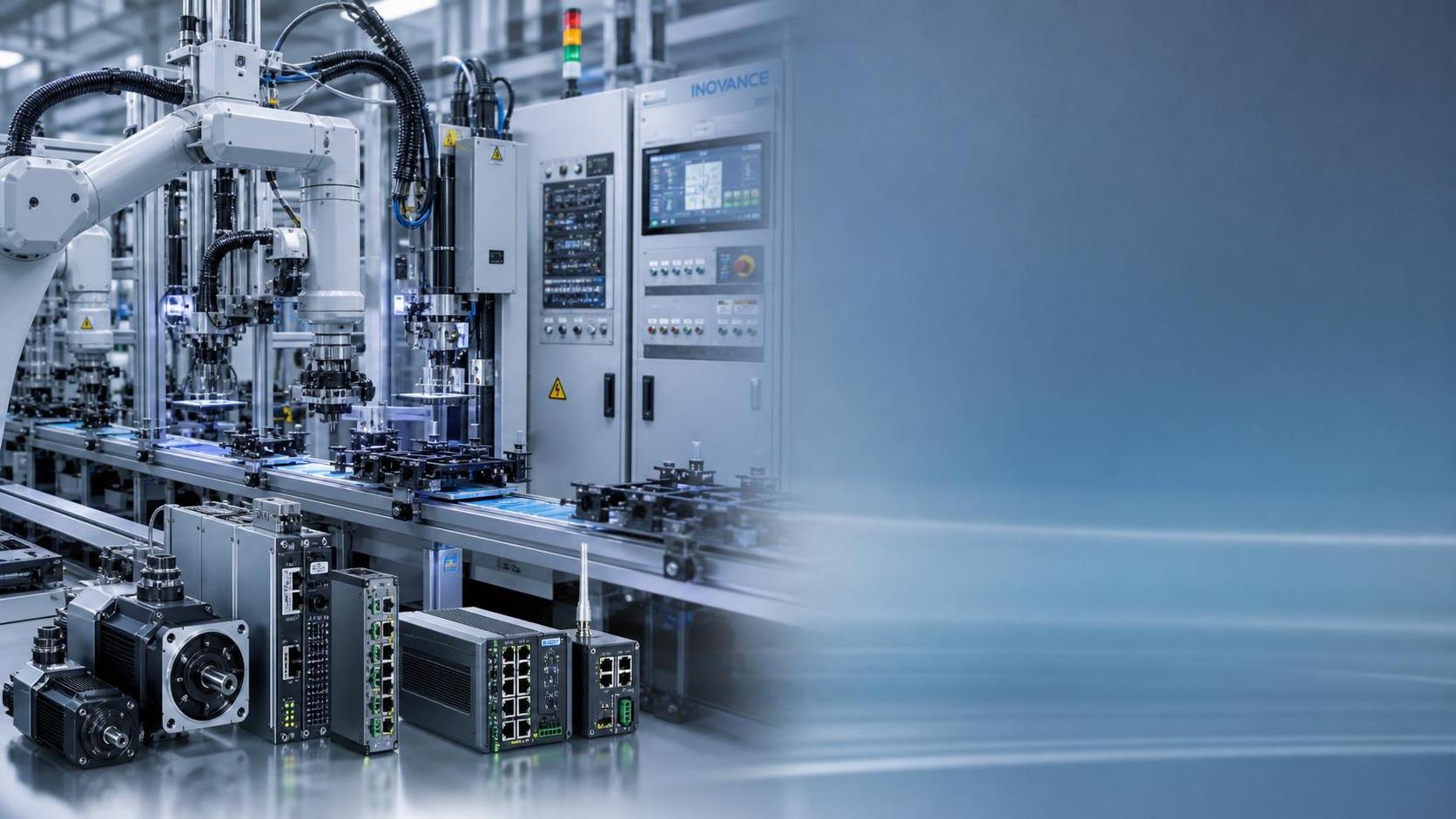
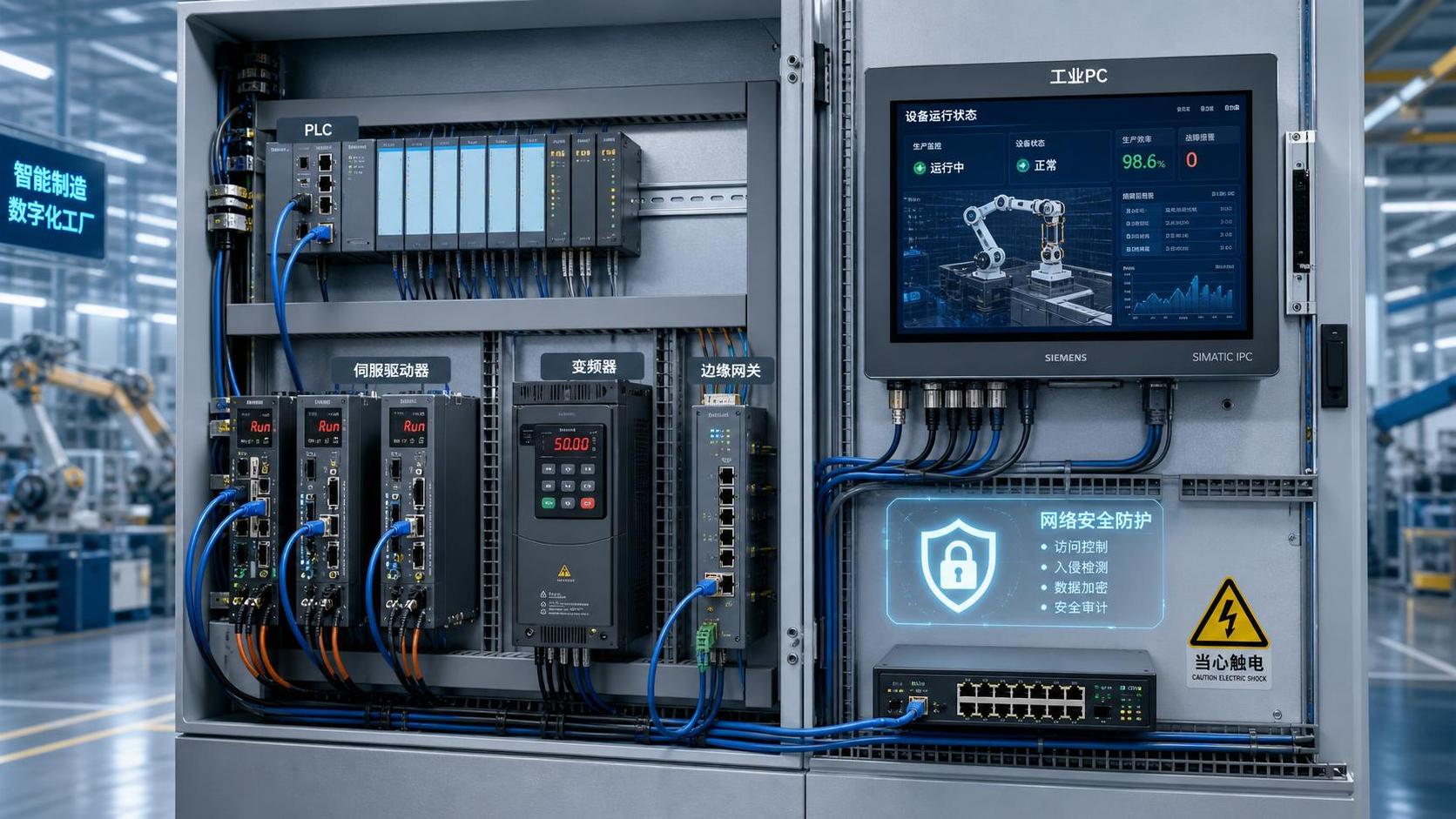
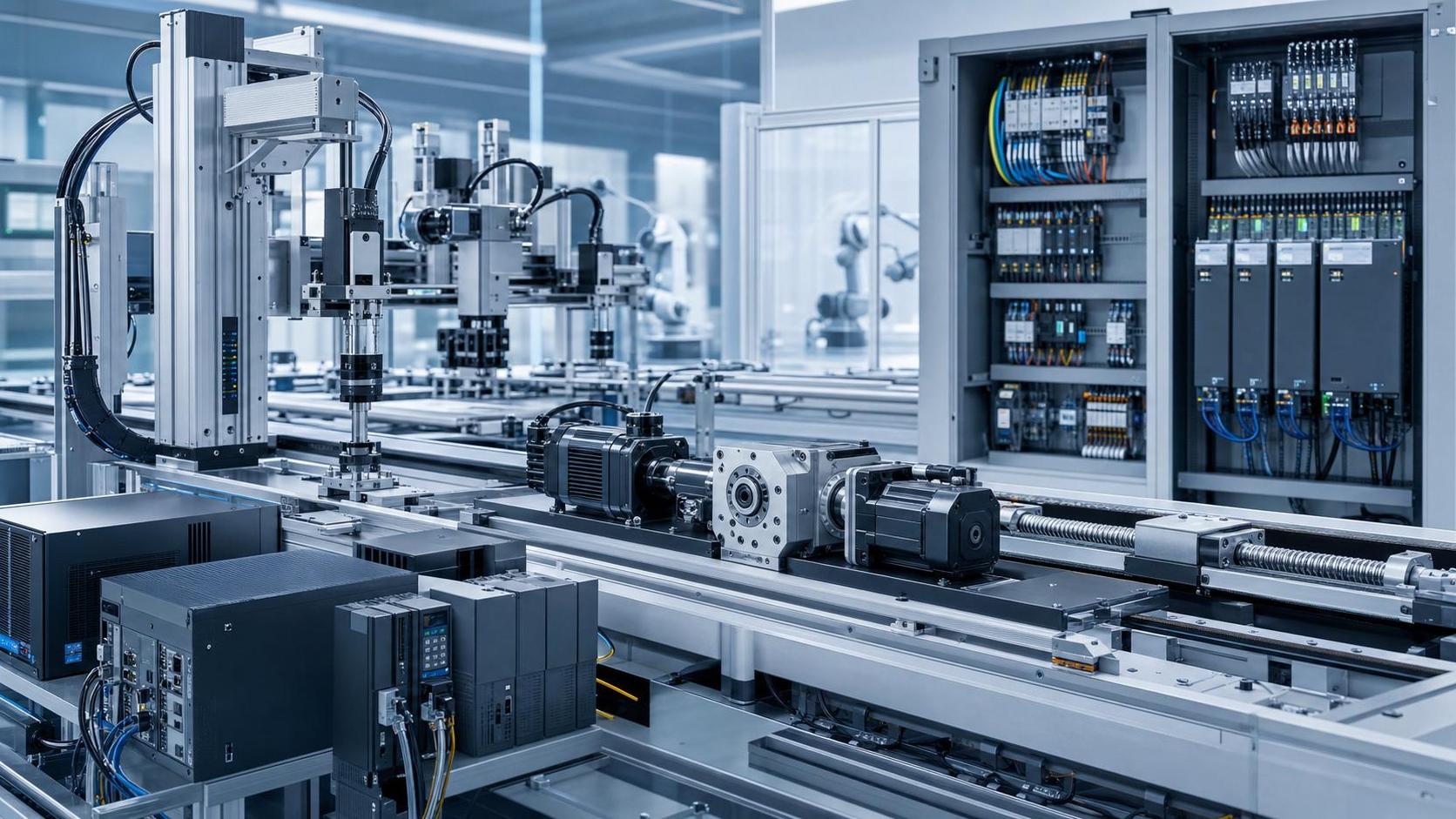
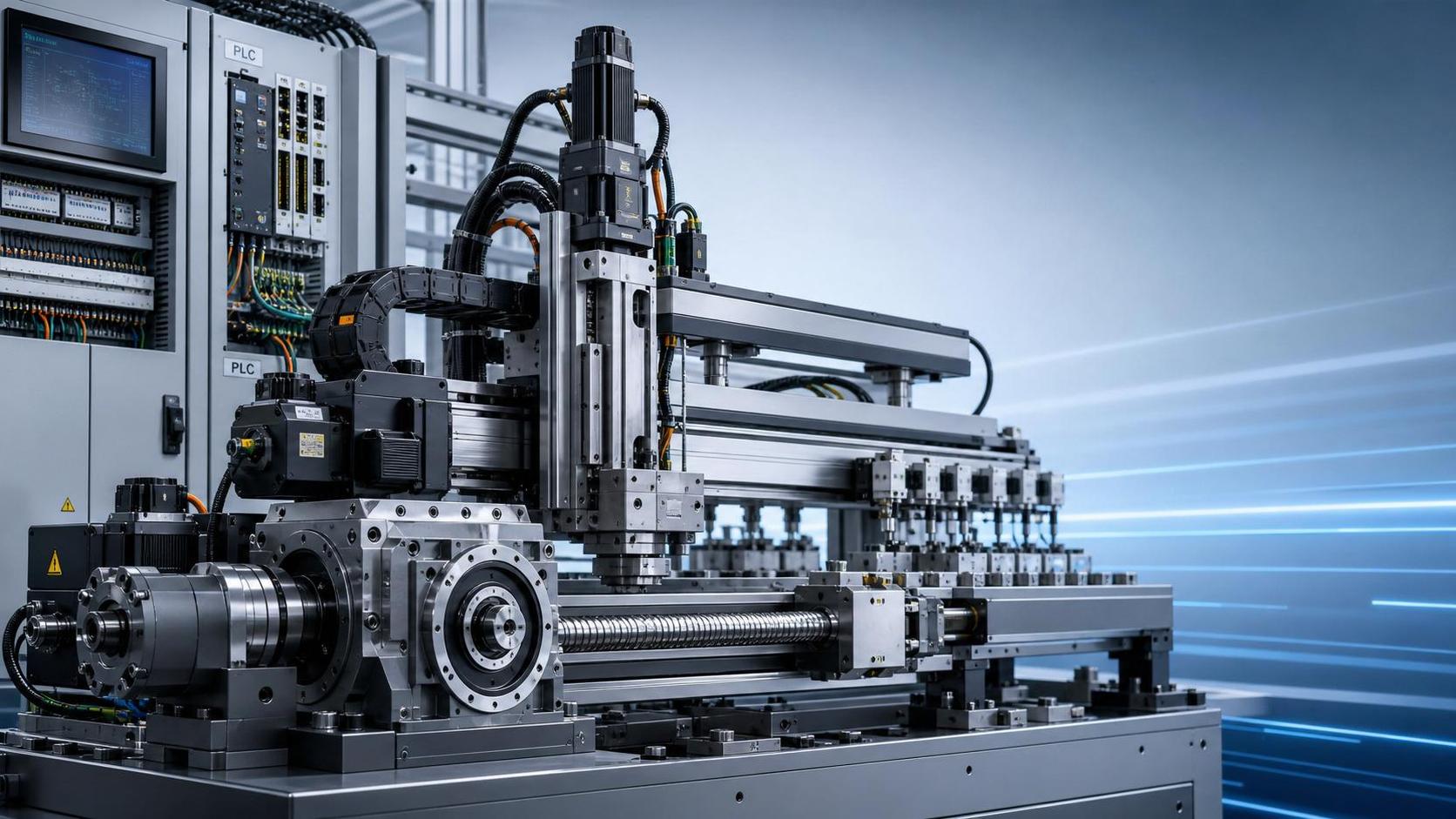
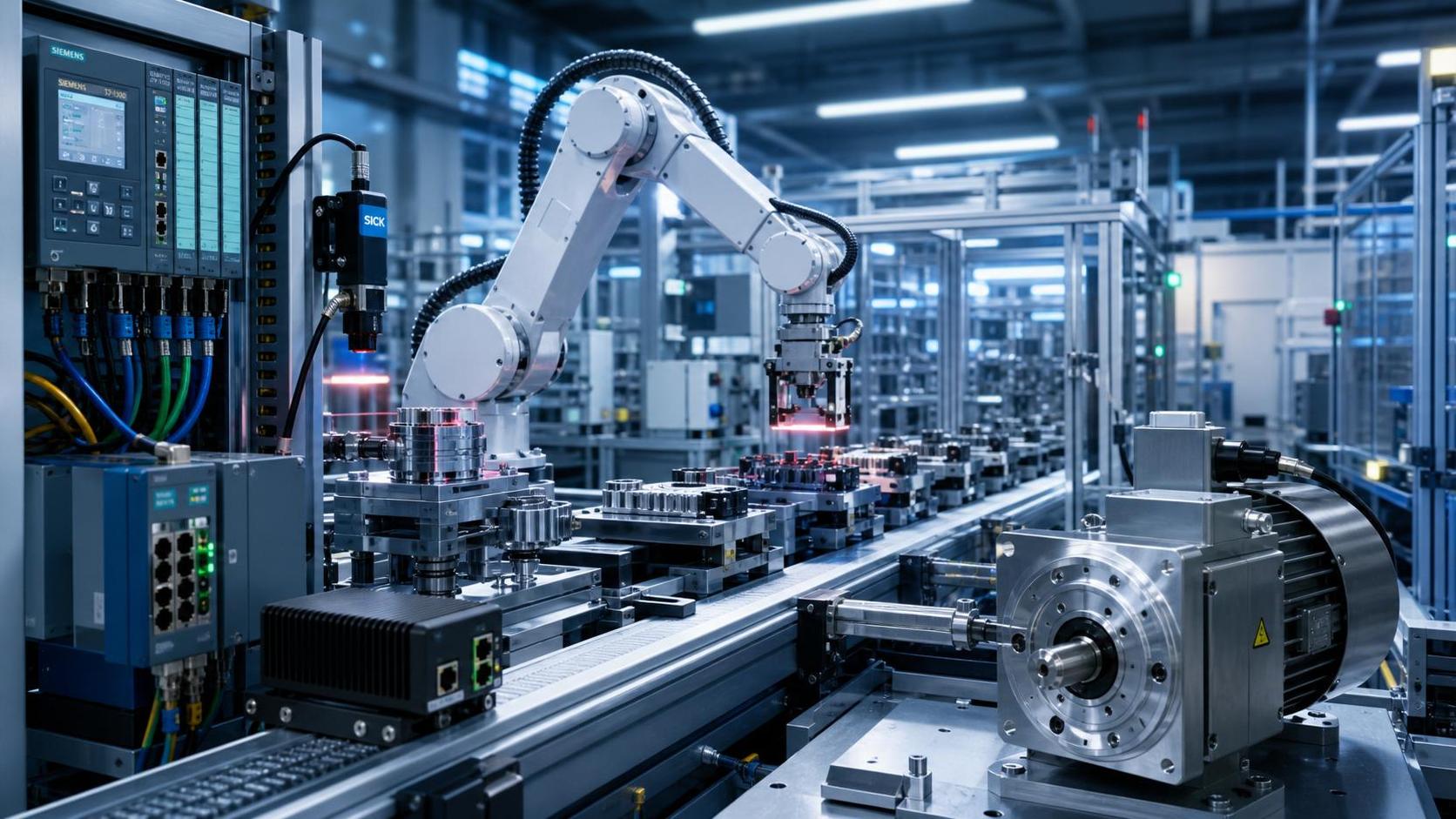
It includes AC servo motors, drives, PLC/DCS platforms, precision reducers, linear guides, ball screws, inverters, and industrial edge computing nodes.
The goal is simple.
Convert digital commands into stable physical motion with minimal error, low latency, low vibration, and repeatable output under real factory conditions.
That matters because automation success depends on the full motion chain, not isolated parts.
A high-end motor cannot deliver best results if encoder feedback, reducer stiffness, PLC scan timing, or mechanical alignment are weak.
Precision Drive Technology therefore becomes a system-level discipline linking electrical speed with mechanical certainty.
Which trends are shaping Precision Drive Technology in 2026?
Several trends are defining the next stage of Precision Drive Technology across general industry, advanced assembly, machine tools, robotics, and energy equipment.
1. Higher servo responsiveness with better resonance suppression
Faster current loops and smarter tuning algorithms are improving dynamic performance without increasing instability.
Notch filtering, adaptive control, and model-based compensation reduce vibration during rapid positioning and frequent start-stop motion.
2. Tighter integration between PLC logic and motion control
Motion is no longer managed as a separate island.
Integrated architectures allow PLC, drive, safety, and diagnostics to share timing and status in near real time.
This reduces coordination lag and simplifies machine commissioning.
3. Precision transmission upgrades for robots and compact machines
RV reducers and harmonic reducers remain central to robotic joints and compact automated cells.
The focus is shifting toward lower backlash, longer fatigue life, and more predictable thermal behavior.
4. Edge computing becomes part of motion quality
Industrial PCs and edge controllers now process vibration, load, temperature, and cycle signatures beside the machine.
This makes Precision Drive Technology more adaptive and easier to maintain.
5. Energy efficiency and power density rise together
Inverters and servo drives are expected to save energy while sustaining higher torque density in smaller installation spaces.
That trend supports compact equipment and lower lifetime operating cost.
Why does Precision Drive Technology matter across industries, not just robotics?
Precision Drive Technology supports much more than robot arms.
Its influence reaches packaging, semiconductors, food processing, material handling, CNC machining, battery production, and process automation.
In packaging, it improves registration accuracy and line synchronization.
In CNC systems, it protects surface quality and repeatability.
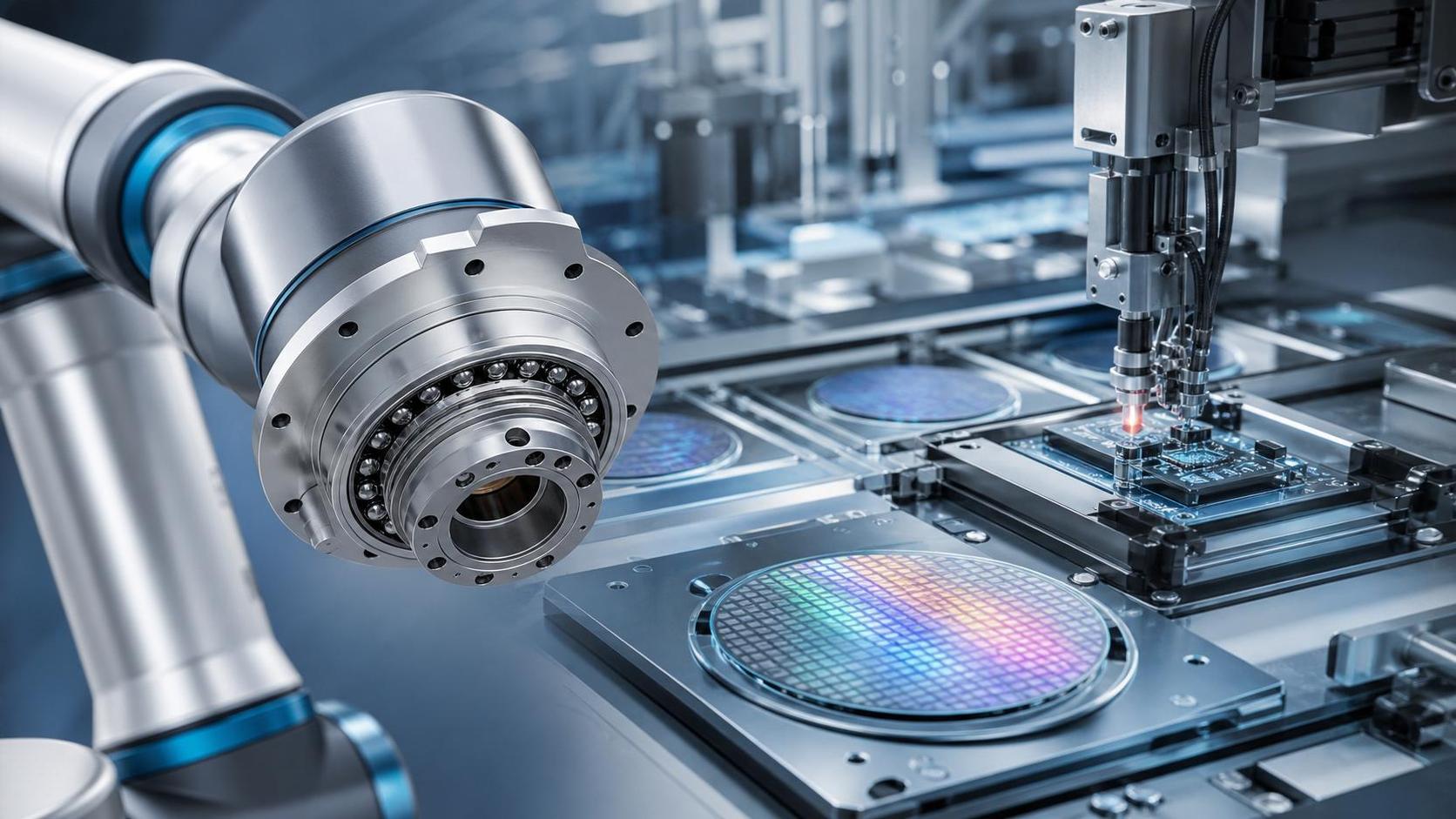
In battery and electronics assembly, it supports micron-level placement and sensitive force control.
In conveyor and logistics systems, it raises throughput with smoother acceleration profiles.
Even in process industries, better drive precision improves pump, fan, and mixer efficiency through accurate speed regulation.
This broad relevance explains why Precision Drive Technology has become a cross-industry competitiveness issue rather than a niche engineering topic.
How can organizations judge whether a Precision Drive Technology upgrade is worth it?
A useful evaluation starts with bottlenecks, not brochures.
If scrap, vibration, overshoot, maintenance frequency, or slow changeovers are limiting output, a drive upgrade may deliver strong returns.
Look at five decision areas first:
- Positioning accuracy and repeatability under full load
- Cycle time stability during rapid motion sequences
- Mechanical wear caused by backlash, misalignment, or resonance
- Control latency between command, response, and verification
- Energy use per unit output
The strongest projects usually combine measurable production pain with clear baseline data.
That allows a realistic before-and-after comparison.
Precision Drive Technology should also be reviewed as a stack.
Upgrading only one element may leave performance trapped by another weak link.
Quick evaluation table
What mistakes weaken Precision Drive Technology performance?
Many failures come from integration mistakes rather than poor hardware quality.
One common error is selecting parts by catalog peak values only.
Continuous torque, duty cycle, thermal limits, and load inertia matching are often more important.
Another mistake is ignoring mechanical realities.
Even advanced Precision Drive Technology cannot compensate for weak mounting rigidity, shaft misalignment, or unstable guide installation.
A third issue is underestimating software quality.
Poor PLC motion sequencing, untuned filters, or unmanaged jitter can create hidden losses in accuracy and reliability.
There is also a data gap problem.
Without trend data from drives, IPCs, and sensors, small anomalies grow into expensive stoppages.
Precision Drive Technology performs best when electrical, mechanical, and digital layers are commissioned together.
How should 2026 automation roadmaps prepare for Precision Drive Technology changes?
Preparation should begin with architecture, not emergency replacement.
A future-ready roadmap usually includes modular drive platforms, scalable PLC motion control, and edge visibility for predictive maintenance.
It is wise to map critical motion assets by business impact.
Then identify where precision losses would damage quality, throughput, or compliance most severely.
Useful next steps often include:
- Audit servo, reducer, guide, and inverter health on critical equipment
- Review PLC/DCS timing and motion coordination limits
- Add edge diagnostics for vibration, heat, and position deviation
- Prioritize upgrade paths with measurable output or energy benefits
- Standardize data interfaces for future scaling and analytics
In 2026, Precision Drive Technology will reward those who plan for interoperability, visibility, and maintainable precision.
FAQ summary table
Precision Drive Technology is becoming the operating foundation of high-performance automation in 2026.
Its real value appears when servo intelligence, PLC coordination, precision mechanics, and edge computing work as one system.
The practical next step is to assess motion-critical assets, quantify current losses, and build a phased upgrade plan around measurable production outcomes.
That approach turns Precision Drive Technology from a technical expense into a durable automation advantage.
Related Recommendations
 Japan Robot Joint Reducers Market: 2026 Supply, Pricing, and Share ShiftsTime : Jul 16, 2026
- Factory Automation Technology Trends in 2026: What Will Change FirstTime : Jul 14, 2026
- Automation Technology Trends: Cybersecurity Risks Now Shaping UpgradesTime : Jul 13, 2026
- Factory Automation Technology Trends Shaping 2026 Upgrade PlansTime : Jul 02, 2026
- 2026 Industrial Motion Systems Trends Shaping Throughput and Energy UseTime : Jun 27, 2026
- Industrial Cyber Physical Systems: What Changes on the Factory FloorTime : Jun 26, 2026