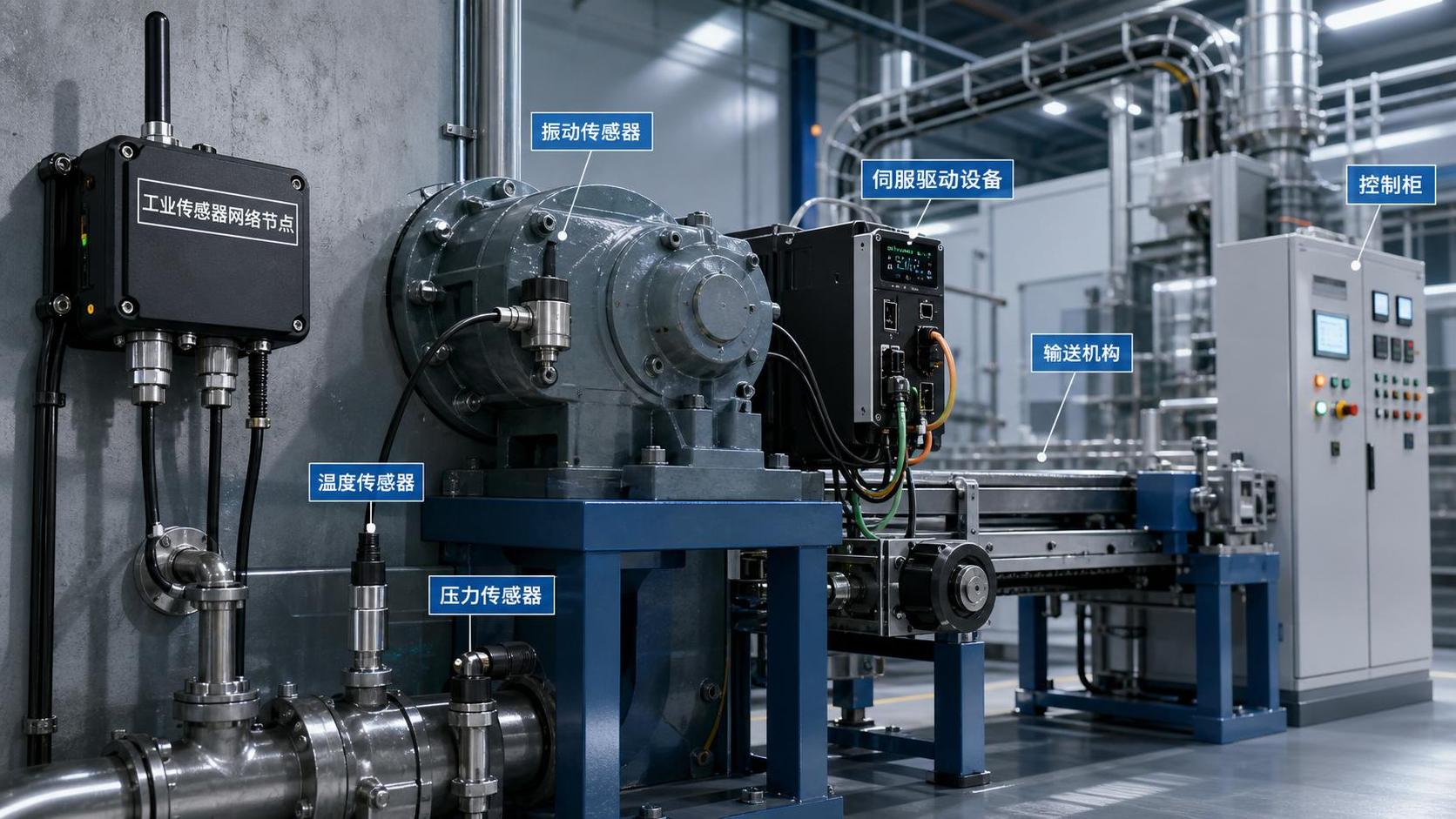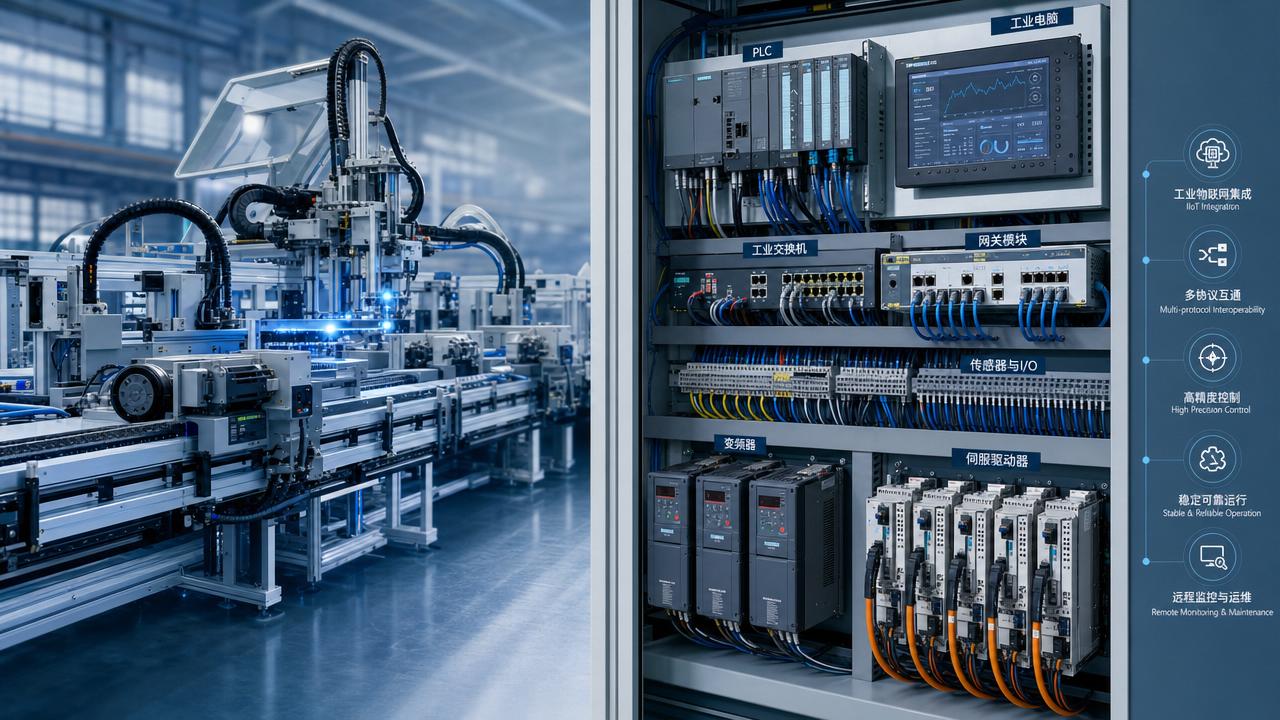
Industrial IoT Integration for Smarter Edge Control

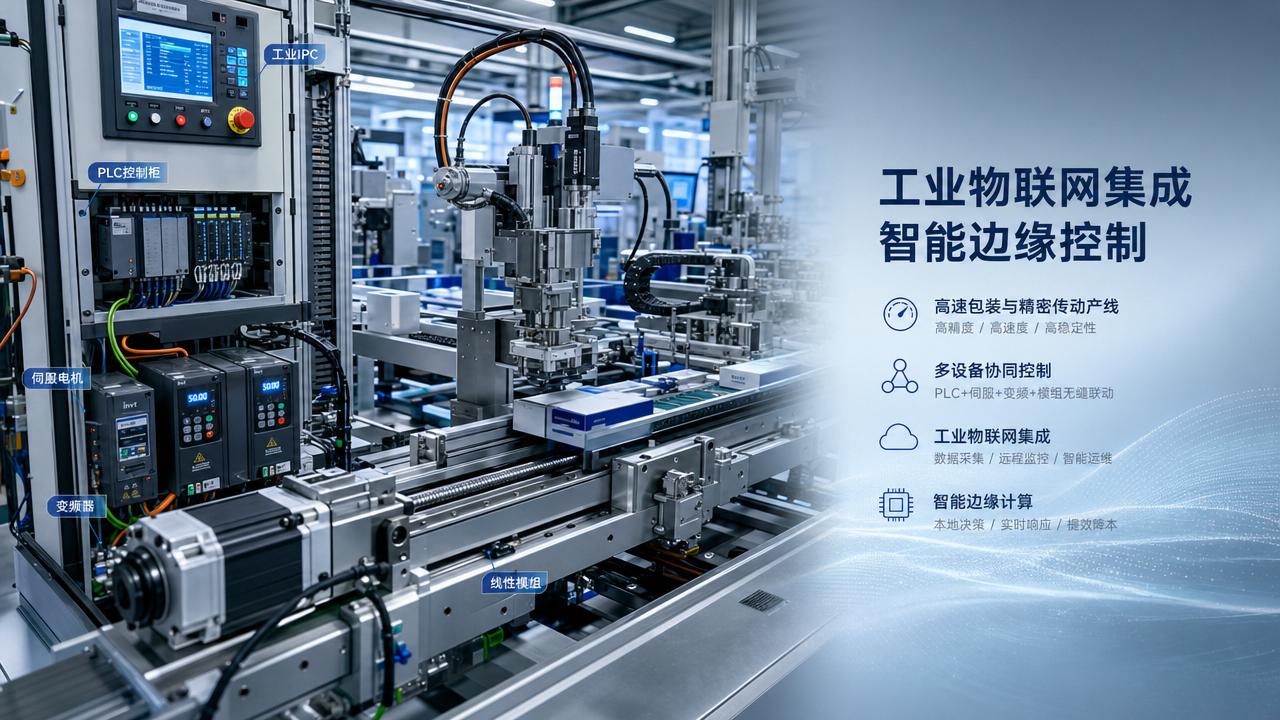
Industrial IoT Integration is reshaping edge control across modern industry. The shift is no longer about basic connectivity. It is about turning motion, logic, energy, and machine health data into faster, local decisions.
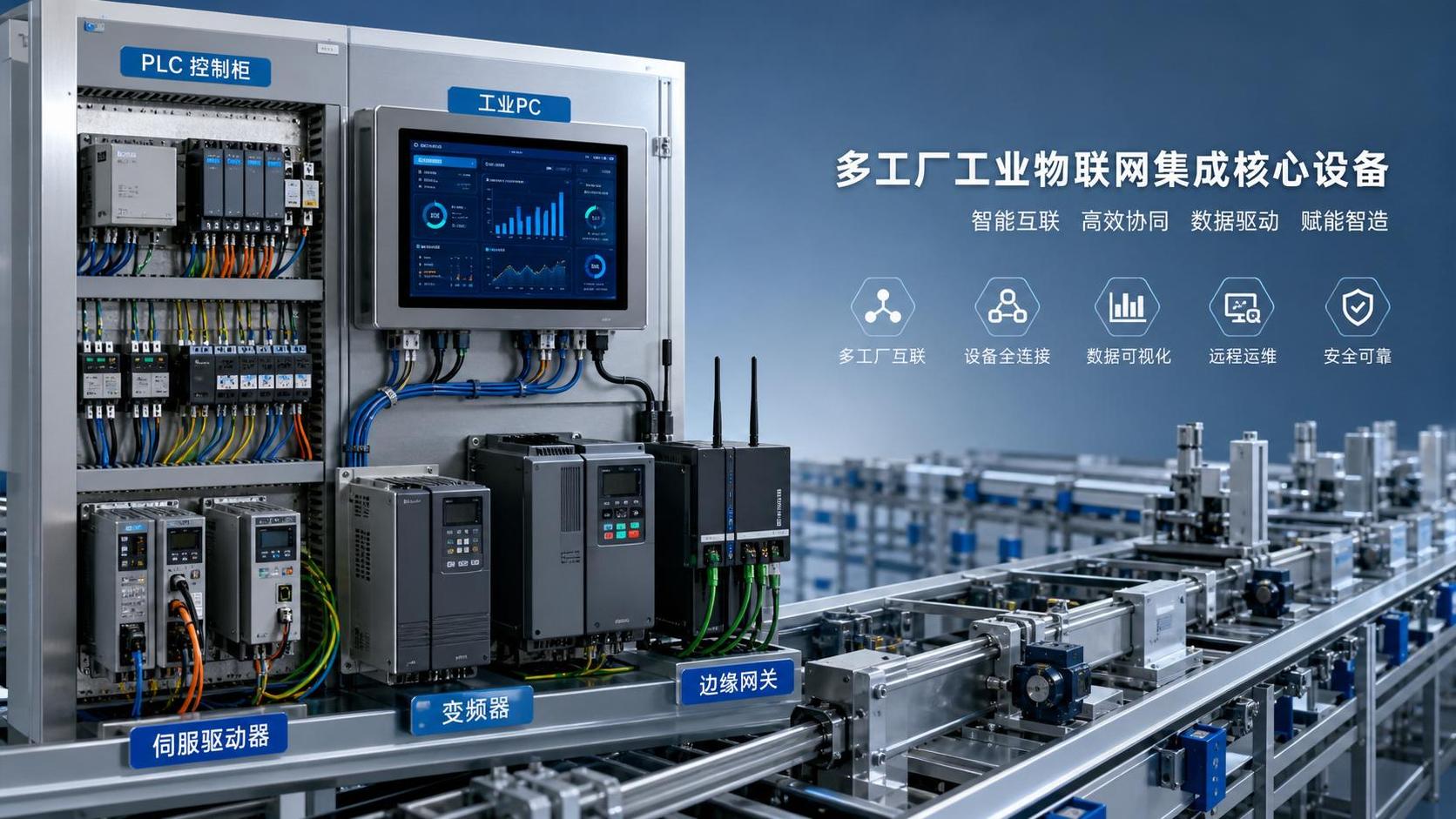
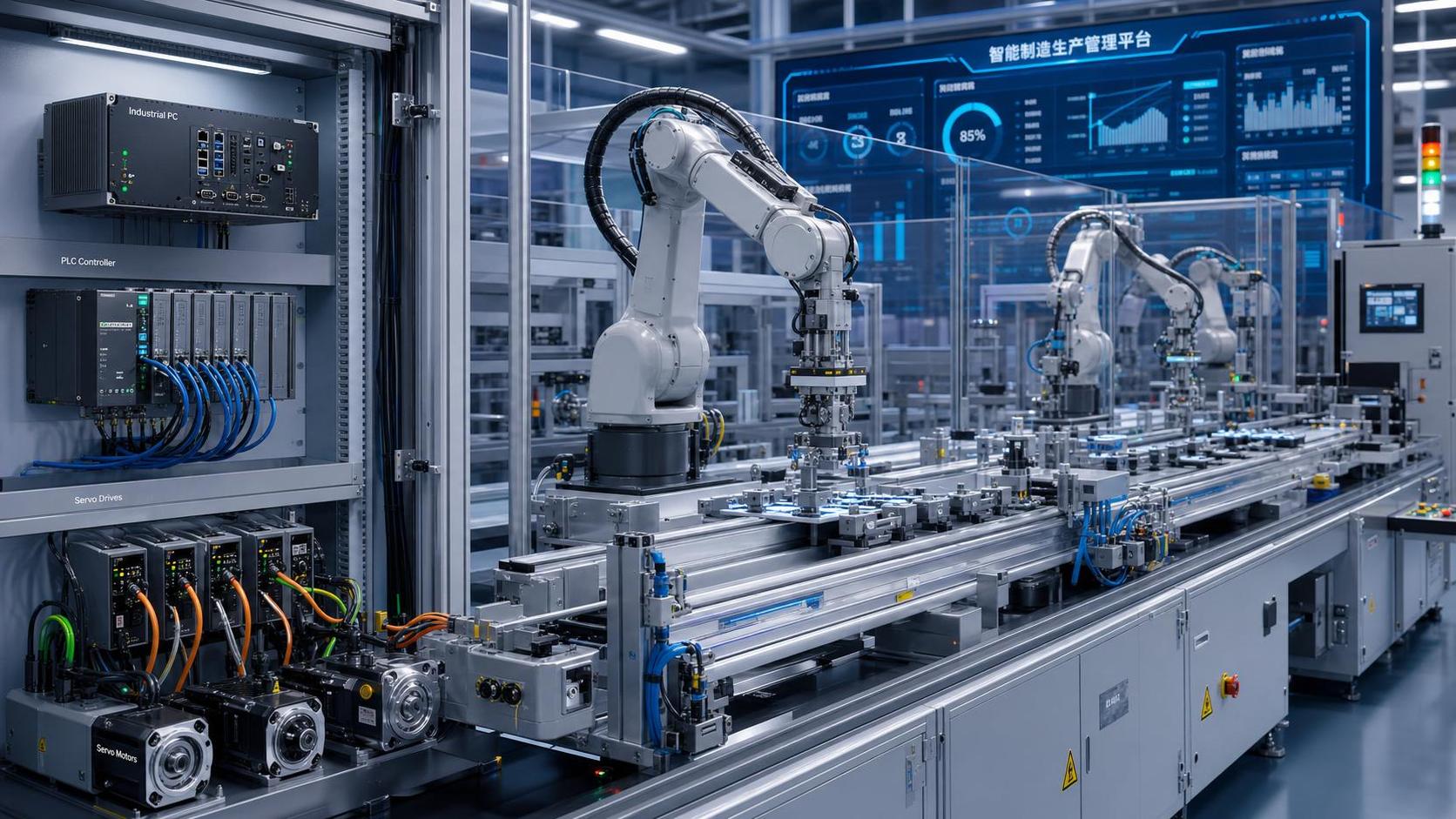
As production systems become more flexible, Industrial IoT Integration helps align servo drives, PLCs, IPCs, inverters, reducers, and linear motion assets. The result is better precision, lower latency, stronger uptime, and more adaptive automation.
This matters across comprehensive industry environments, where mixed equipment generations, tighter quality demands, and rising energy pressure require smarter edge control instead of isolated machine intelligence.
Why edge control is entering a new phase
The control layer is changing quickly. Centralized architectures cannot always handle microsecond motion demands, millisecond logic cycles, and real-time anomaly detection at the same time.
Industrial IoT Integration closes that gap by placing analytics and coordination closer to machines. It links data from AC servo motors, PLC/DCS systems, IPCs, and transmission components without waiting on distant cloud decisions.
This trend is visible in packaging, robotics, CNC, material handling, battery assembly, and process automation. In each case, edge control must respond instantly while still feeding higher-level intelligence systems.
For portals such as IAMC, this transition confirms a deeper industrial reality. Precision no longer depends only on component quality. It depends on how cleanly data, control, and mechanics are integrated.
The strongest signals behind Industrial IoT Integration growth
Several market and technical signals are accelerating Industrial IoT Integration. These signals come from both machine architecture and business performance requirements.
Together, these signals show why Industrial IoT Integration is becoming a foundation for smarter edge control rather than an optional digital add-on.
What is driving this shift beneath the surface
The trend is powered by converging advances in control technology, computing, and industrial software. The following drivers are especially important.
- Faster industrial IPCs now support local inference, visualization, and protocol conversion without disrupting deterministic tasks.
- Modern PLCs and SoftPLCs can exchange richer operational data while maintaining stable scan performance.
- High-resolution servo feedback reveals subtle vibration, backlash, load fluctuation, and tuning opportunities.
- Open communication frameworks simplify Industrial IoT Integration across drives, sensors, SCADA, MES, and cloud platforms.
- Cybersecurity concerns are pushing more decisions to the edge, where data exposure and latency can be controlled better.
In practical terms, edge systems are becoming orchestration points. They no longer just collect tags. They correlate electrical behavior, mechanical response, and process conditions in real time.
How Industrial IoT Integration changes different business links
The impact extends far beyond controls engineering. Industrial IoT Integration influences machine design, maintenance, quality assurance, energy management, and production scheduling.
At the machine level
Servo motors, reducers, ball screws, and guides create motion performance together. Edge intelligence helps expose hidden causes of position error, resonance, thermal drift, and wear.
That means tuning can shift from static commissioning toward continuous optimization. Motion quality becomes measurable during production, not only during setup.
At the line level
Industrial IoT Integration improves synchronization between machines. PLCs, inverters, and IPCs can coordinate based on actual conditions instead of delayed historical data.
This supports smoother changeovers, better bottleneck detection, and reduced fault propagation across connected assets.
At the plant intelligence level
Edge systems can summarize high-frequency machine data before sending it upward. That lowers bandwidth demand while preserving the context needed for quality, traceability, and performance analysis.
As a result, enterprise systems receive cleaner operational signals. Decision quality improves because the raw machine layer is no longer fragmented.
Where smarter edge control creates the most value
Not every use case delivers equal value. The best Industrial IoT Integration initiatives usually begin where timing, precision, or downtime risk are already visible.
- High-speed packaging lines needing synchronized motion and rapid fault isolation.
- Robot cells where reducer wear and servo response influence path accuracy.
- CNC and precision handling systems sensitive to vibration, backlash, and thermal variation.
- Energy-intensive motor systems where inverter data can reveal savings opportunities.
- Hybrid production sites combining old PLC architectures with newer edge computing platforms.
In these environments, Industrial IoT Integration supports measurable gains in cycle consistency, alarm relevance, maintenance timing, and energy efficiency.
The priorities that deserve close attention now
Successful Industrial IoT Integration depends on a few disciplined choices. Weak architecture at the beginning often creates costly complexity later.
- Define which edge decisions must be deterministic and which can be analytical.
- Map data sources from servo drives, PLCs, IPCs, and mechanical subsystems before integration starts.
- Standardize timestamping, event naming, and asset hierarchy to preserve data meaning.
- Protect control performance by separating real-time tasks from heavy compute loads.
- Build cybersecurity into gateways, remote access paths, and update policies from day one.
- Use edge dashboards that highlight action thresholds, not just raw values.
These priorities are especially relevant in precision automation, where small timing errors can become visible mechanical losses.
A practical response framework for the next stage
The next step is not universal digitization. It is selective deployment with clear technical and operational outcomes. A staged approach works best.
This sequence keeps Industrial IoT Integration grounded in measurable value rather than abstract digital ambition.
What to do next with Industrial IoT Integration
Start with one edge-critical process where servo behavior, PLC timing, or mechanical precision directly affects output. Build a small integration model around that point.
Track latency, data quality, alarm usefulness, and motion consistency before scaling. That evidence will clarify where broader Industrial IoT Integration can produce the strongest operational return.
For organizations following industrial automation intelligence, this is the central takeaway: smarter edge control emerges when electrical control, motion transmission, and industrial computing are stitched into one responsive system.
Industrial IoT Integration is therefore not just a connectivity project. It is a precision strategy for the next era of flexible, resilient, and data-driven industry.
Related Recommendations
 Industrial IoT Integration Risks That Delay Multi-Site ProjectsTime : Jul 04, 2026
- When a Real Time Industrial Computing Platform Pays OffTime : Jun 28, 2026
- How to Compare Industrial Edge Computing Solutions for Real-Time ControlTime : Jun 27, 2026
- Real Time Industrial Computing: When Low Latency Really MattersTime : Jun 24, 2026
- Industrial Sensor Networks: Cutting Downtime in Harsh FacilitiesTime : Jun 23, 2026
- Industrial IoT Integration: Common Failure Points and How to Avoid ThemTime : Jun 14, 2026