Industrial Digital Transformation Without Costly Downtime

Industrial Digital Transformation does not have to mean halting production or risking costly downtime. For project managers and engineering leaders, the real challenge is upgrading control, motion, and edge systems while keeping precision, output, and delivery on track. This article explores practical pathways to modernize industrial operations with minimal disruption and measurable performance gains.
Why Industrial Digital Transformation Often Fails on the Plant Floor
Many Industrial Digital Transformation programs look strong in boardroom slides but struggle in live production. The reason is simple: factories do not upgrade in theory. They upgrade around cycle time, maintenance windows, spare parts risk, operator habits, and delivery penalties.
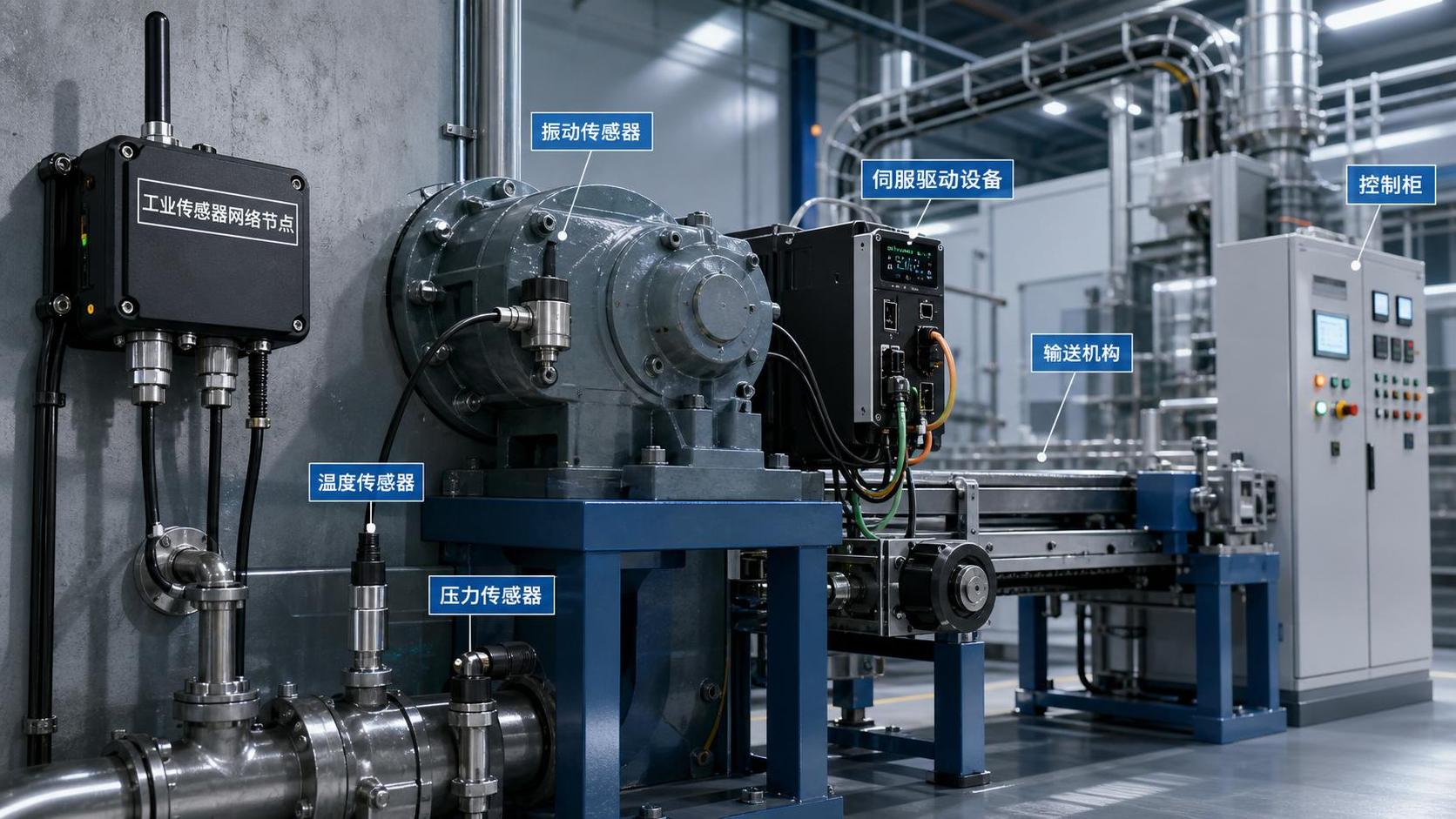
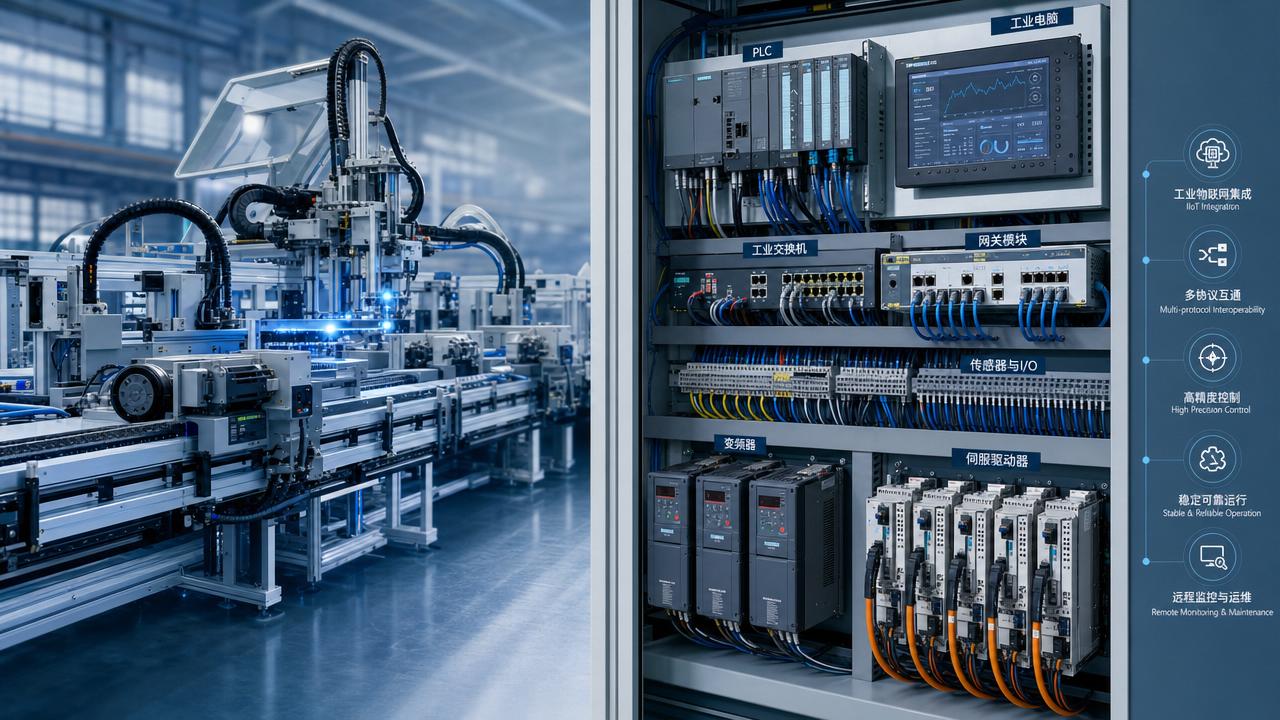
For project managers, the hardest part is not buying new hardware. It is coordinating servo systems, PLC/DCS logic, reducers, guides, inverters, sensors, and IPC platforms without introducing instability into an already loaded production environment.
In mixed industrial settings, one outdated axis, one noisy cabinet, or one incompatible fieldbus can delay an entire modernization plan. That is why successful Industrial Digital Transformation starts with system dependency mapping, not equipment replacement alone.
- Legacy control architecture may still be stable, but it often lacks data visibility, edge analytics, and interoperability with newer production systems.
- Mechanical transmission elements may appear serviceable, yet backlash, wear, and resonance can undermine digital upgrades if motion precision is not addressed.
- Project teams frequently underestimate commissioning risk, especially when software timing, encoder feedback, and real-world load conditions differ from lab assumptions.
The hidden downtime drivers
Costly downtime rarely comes from the planned retrofit itself. It usually comes from poor sequencing, missing compatibility checks, or late discovery of mechanical and control-layer constraints. This is where a motion-control-centered view becomes critical.
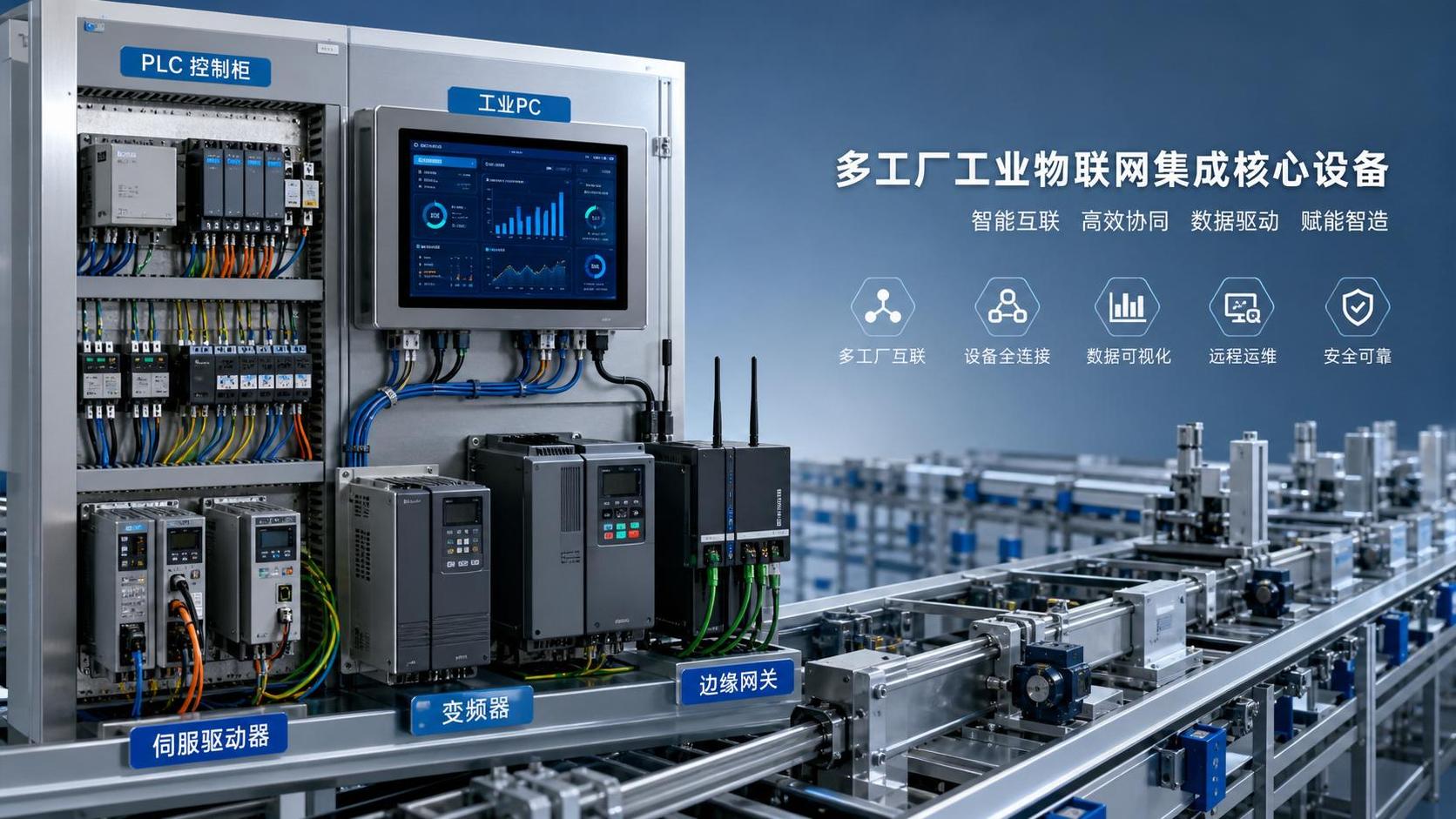
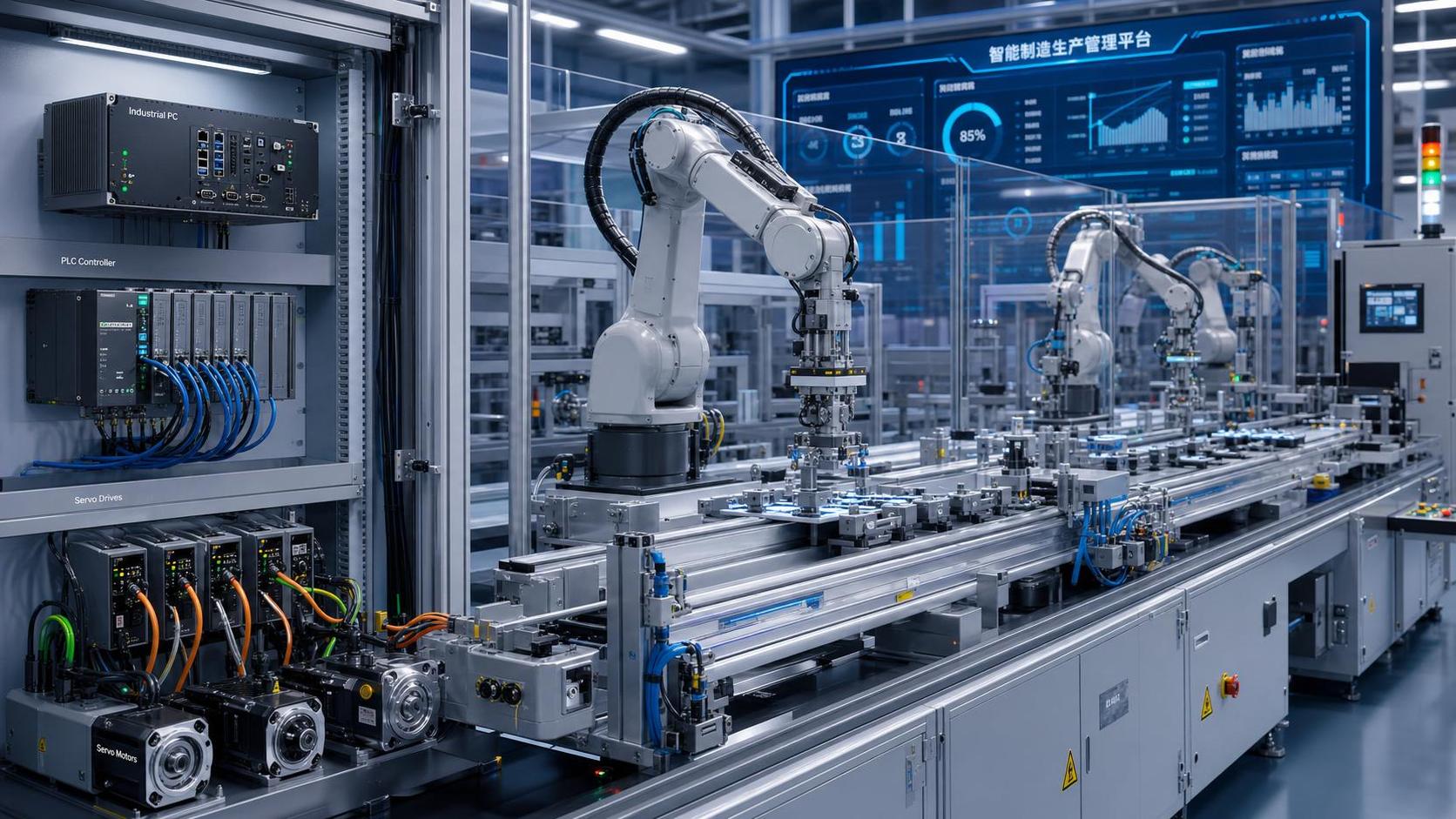
IAMC tracks the five pillars that most directly influence upgrade stability: AC servo motors, PLC/DCS systems, precision reducers, linear motion components, and inverters with industrial computing. This perspective helps teams evaluate transformation risk where it actually lives.
What a Low-Downtime Industrial Digital Transformation Strategy Looks Like
A low-disruption strategy does not treat digitalization as one large shutdown event. It breaks the project into measurable layers, allowing engineering teams to modernize control, motion, and data systems in phases.
The most reliable path is to first identify which assets are production-critical, which are data-critical, and which are precision-critical. These categories often overlap, but they should not be upgraded with the same timeline or budget logic.
- Audit the installed base: controller generation, communication protocol, encoder type, drive topology, reducer condition, and spare part exposure.
- Define the transformation objective: energy reduction, OEE uplift, motion accuracy, recipe flexibility, remote diagnostics, or traceable process data.
- Separate what can be overlaid from what must be replaced: IPC monitoring can often be added faster than a full PLC platform migration.
- Schedule phased implementation during maintenance windows, product changeovers, or redundant-line capacity periods.
Where to upgrade first
In many plants, the highest return does not come from replacing everything. It comes from upgrading the weakest bottleneck in the precision chain. That could be unstable servo tuning, scan-cycle limitations in legacy PLCs, or poor edge data capture from critical machines.
When IAMC analyzes Industrial Digital Transformation, the key question is not “what is newest?” but “what constrains output, repeatability, and resilience today?” That framing reduces unnecessary capital spending and lowers shutdown exposure.
Which Components Matter Most in Precision-Critical Upgrades?
Project managers often face pressure to focus on dashboards and software first. However, Industrial Digital Transformation in real manufacturing depends on the physical and control layers working together at high speed and high reliability.
The table below shows how major component groups influence downtime risk, upgrade value, and implementation complexity in a typical industrial modernization project.
This comparison shows why Industrial Digital Transformation must connect control logic, mechanical precision, and edge computing rather than treating them as separate procurement items. IAMC’s sector focus is useful here because motion accuracy and electrical timing often fail together, not independently.
Why a motion-control lens matters
A line may appear to need software upgrades, but the true issue could be harmonic resonance, reducer fatigue, or scan jitter under load. Servo filters, transmission stiffness, and controller timing all shape the final result. Ignoring that interaction is expensive.
How to Phase Upgrades Without Stopping Production
A phased Industrial Digital Transformation plan should reduce uncertainty at each step. The goal is not to eliminate all risk. The goal is to move risk discovery earlier, when it is cheaper and less disruptive to manage.
Recommended implementation sequence
- Start with passive data capture. Add IPC-based monitoring, condition signals, and production event logging before changing core motion control.
- Upgrade non-critical axes or parallel stations first. This gives the team a safe environment to validate integration logic and commissioning methods.
- Migrate control islands before line-wide orchestration. Segmenting machines lowers rollback complexity if issues appear.
- Reserve full platform migration for assets where process gains justify the change and spare part or support risk is already rising.
This staged approach is especially valuable for plants with multi-vendor equipment, aging field devices, or limited shutdown windows. It allows project leaders to protect delivery commitments while still advancing Industrial Digital Transformation in a disciplined way.
Key pre-commissioning checks
- Confirm encoder resolution, feedback protocol, and electrical noise tolerance under actual cabinet conditions.
- Validate PLC scan cycle adequacy for required sequencing, interlocking, and alarm response.
- Inspect reducer wear, bearing condition, and guide alignment before relying on tighter software control.
- Review environmental exposure for IPCs and drives, including heat, dust, vibration, and power quality.
Procurement Guide: What Project Managers Should Compare Before Buying
Buying for Industrial Digital Transformation is rarely a matter of unit price. The real cost sits in commissioning hours, integration compatibility, future maintainability, and production risk during changeover.
The table below helps project managers compare solution paths using practical decision criteria rather than vendor slogans.
This comparison helps avoid a common mistake: choosing a full replacement when an overlay or partial retrofit would deliver faster ROI with less disruption. In many Industrial Digital Transformation projects, the best answer is staged modernization, not all-at-once replacement.
Questions to ask suppliers and technical partners
- What legacy protocols, encoder types, and feedback loops can be supported without custom redevelopment?
- How will commissioning be sequenced to protect current output and quality performance?
- What spare part, lead time, and chip supply risks apply to the selected architecture?
- What evidence is available on motion stability, jitter control, and resonance mitigation in similar applications?
Compliance, Reliability, and Engineering Risks You Should Not Ignore
Industrial Digital Transformation is not just a technology exercise. It also affects machine safety logic, electrical design reviews, documentation discipline, validation workflow, and maintenance competency. Fast retrofits fail when these layers are treated as paperwork instead of engineering controls.
Depending on region and machine type, teams may need to review common frameworks such as IEC-aligned electrical practices, EMC considerations, functional safety requirements, and traceability expectations for software changes. The exact standards vary, but the discipline of compliance review should never be skipped.
Common misconceptions
- “Software can compensate for worn mechanics.” In reality, unstable transmission elements often limit the value of control upgrades.
- “A faster controller always improves output.” Not if sensors, drives, or line coordination remain mismatched.
- “Digital visibility alone equals transformation.” True Industrial Digital Transformation requires actionability, not just dashboards.
IAMC’s research-driven lens is useful for reducing these risks. Its coverage of servo algorithms, harmonic fatigue behavior, SoftPLC timing, and industrial component supply trends helps project teams move beyond generic modernization claims and toward engineering-grounded decisions.
FAQ: Practical Questions About Industrial Digital Transformation
How do I start Industrial Digital Transformation if my line cannot stop for long?
Start with a dependency audit and a phased roadmap. Add machine-level data capture and health monitoring first, then target isolated bottlenecks such as unstable axes, old drives, or unsupported controllers. This approach protects production while generating operational insight early.
Which areas usually deliver the fastest return?
High-return areas often include energy-intensive drives, repeatability-critical servo axes, controller upgrades that reduce troubleshooting time, and edge computing that captures downtime causes in real time. The actual priority depends on whether your plant is losing money through scrap, delays, energy waste, or maintenance instability.
What should project managers check before approving a retrofit plan?
Check protocol compatibility, control timing, spare part availability, environmental suitability, rollback planning, and operator support needs. Also review whether mechanical condition has been assessed, because poor reducers, guides, or screws can reduce the benefit of digital control improvements.
Is full replacement always better than partial modernization?
No. Full replacement can improve standardization, but it also increases shutdown risk and capex. In many Industrial Digital Transformation programs, partial modernization offers a better balance of delivery protection, faster deployment, and targeted performance gains.
Why Choose Us for Your Next Transformation Decision
When project leaders need to modernize without gambling on downtime, they need more than product news. They need an intelligence partner that understands how microsecond control behavior, nanometer-scale mechanical tolerance, and factory-level execution interact in real projects.
IAMC brings focused insight across servo control, PLC/DCS architecture, precision transmission, linear motion, inverters, and industrial edge computing. That breadth helps teams evaluate Industrial Digital Transformation with a system view rather than isolated component assumptions.
- Consult us for parameter confirmation when selecting servo, control, motion, or IPC architectures for retrofit and new-build scenarios.
- Discuss product selection logic based on precision targets, cycle time requirements, environmental conditions, and integration constraints.
- Review delivery cycle concerns, component supply exposure, and alternative sourcing paths for critical automation parts.
- Explore customized upgrade pathways, including phased implementation, subsystem prioritization, and compliance-sensitive project planning.
- Request support for quotation discussions, application matching, and technical scope definition before procurement is locked.
If your Industrial Digital Transformation plan involves balancing uptime, precision, and future scalability, a better first step is not rushing into replacement. It is clarifying the technical path, the risk boundary, and the component strategy with specialists who understand both control intelligence and mechanical reality.
Related Recommendations
 Industrial IoT Integration Risks That Delay Multi-Site ProjectsTime : Jul 04, 2026
- When a Real Time Industrial Computing Platform Pays OffTime : Jun 28, 2026
- How to Compare Industrial Edge Computing Solutions for Real-Time ControlTime : Jun 27, 2026
- Real Time Industrial Computing: When Low Latency Really MattersTime : Jun 24, 2026
- Industrial Sensor Networks: Cutting Downtime in Harsh FacilitiesTime : Jun 23, 2026
- Industrial IoT Integration: Common Failure Points and How to Avoid ThemTime : Jun 14, 2026