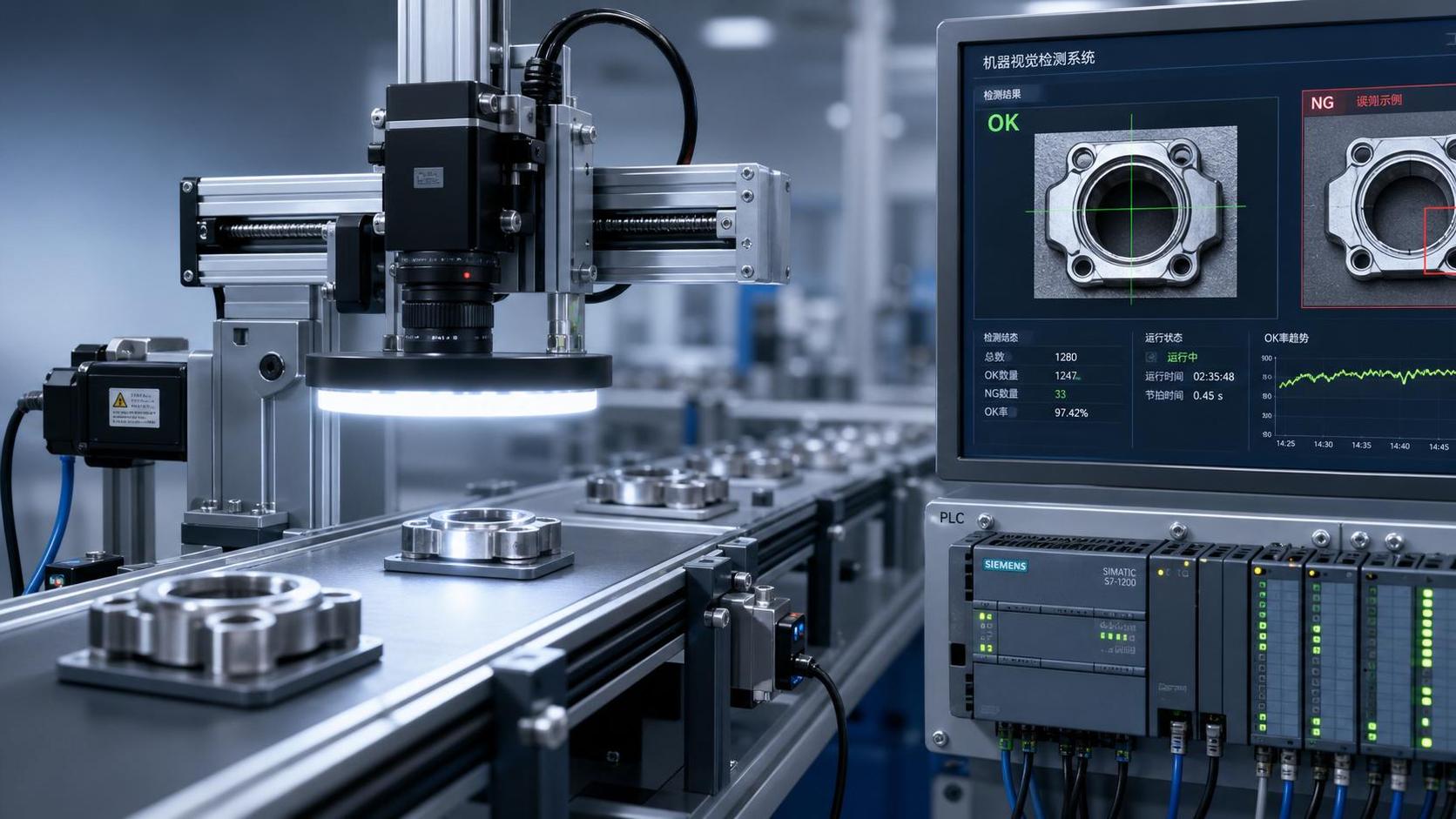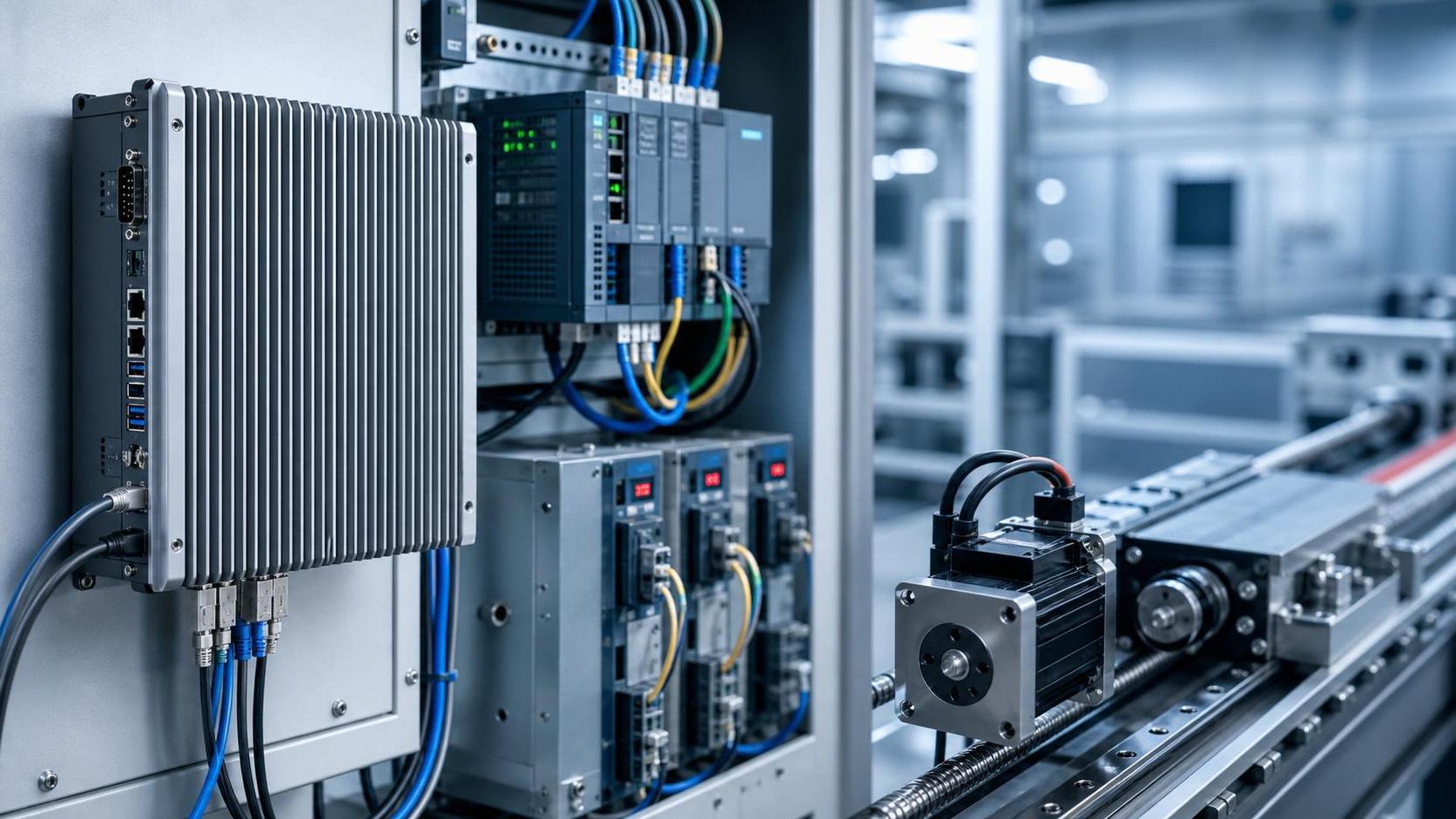
High Power Density: When It Cuts Cabinet Space

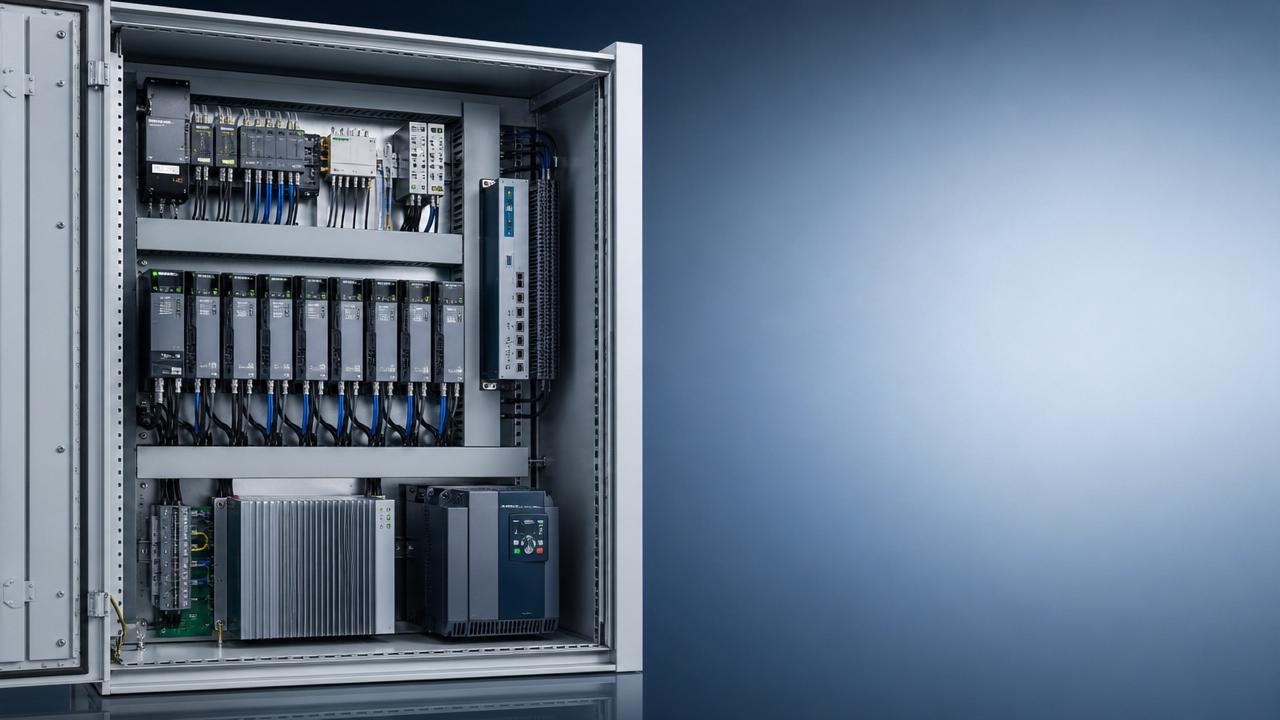
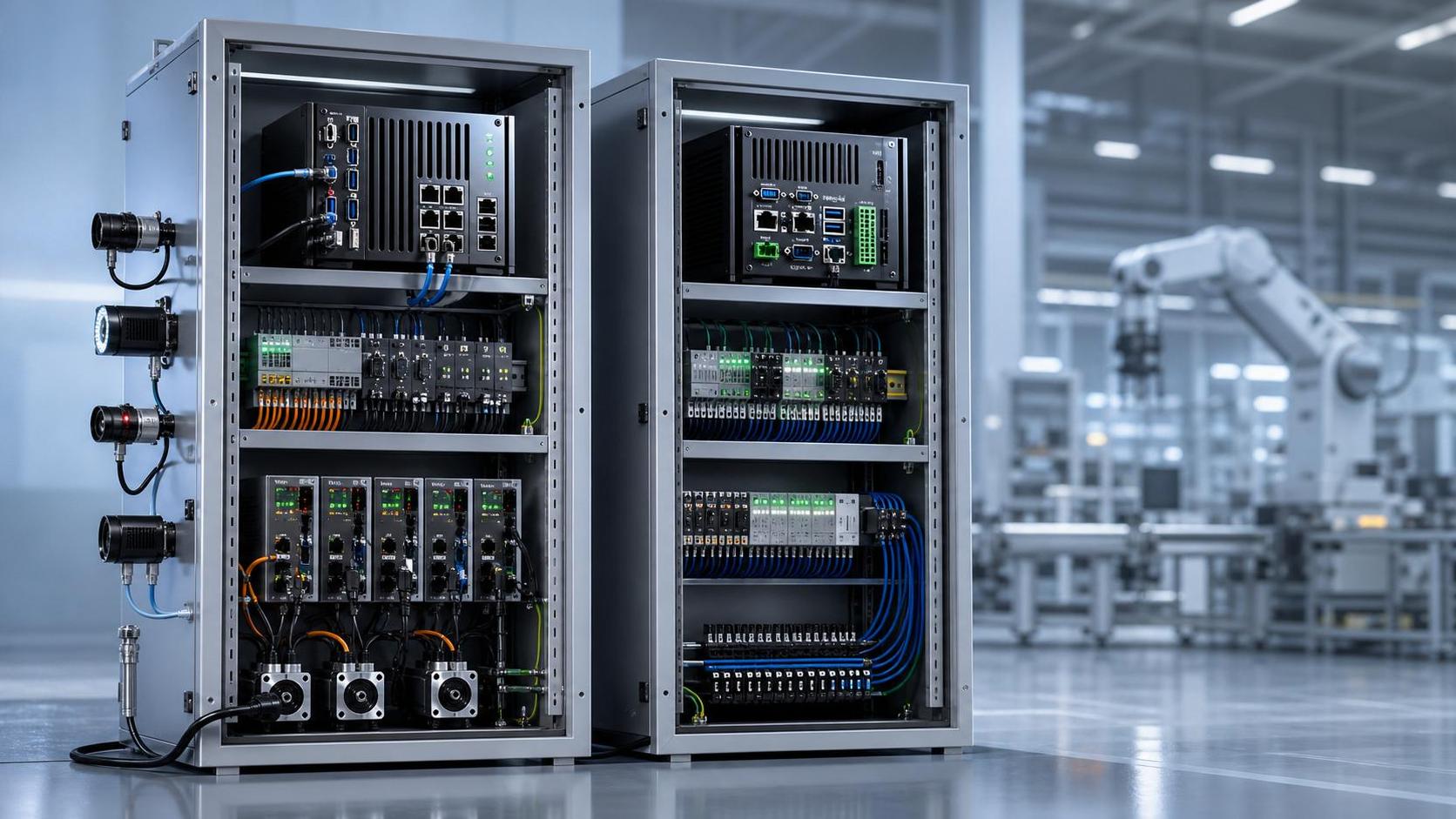
High Power Density is changing how industrial systems are designed, packaged, and scaled. In automation, every cubic centimeter inside a cabinet affects cost, thermal stability, maintenance access, and expansion capacity.
The main question is simple: when does High Power Density truly cut cabinet space, and when does it only shift complexity elsewhere? The answer depends on power electronics, cooling strategy, wiring architecture, and load behavior.
In servo systems, PLC cabinets, inverters, IPC deployments, and integrated motion platforms, High Power Density can deliver measurable gains. Yet those gains appear only when mechanical, electrical, and thermal design move together.
What does High Power Density mean in industrial automation?
High Power Density means delivering more usable power from a smaller device volume. In practice, it describes drives, power supplies, IPCs, and control modules that produce more output per cabinet footprint.
It is not only about smaller hardware. High Power Density also reflects better semiconductor efficiency, tighter component integration, improved bus design, and smarter thermal paths.
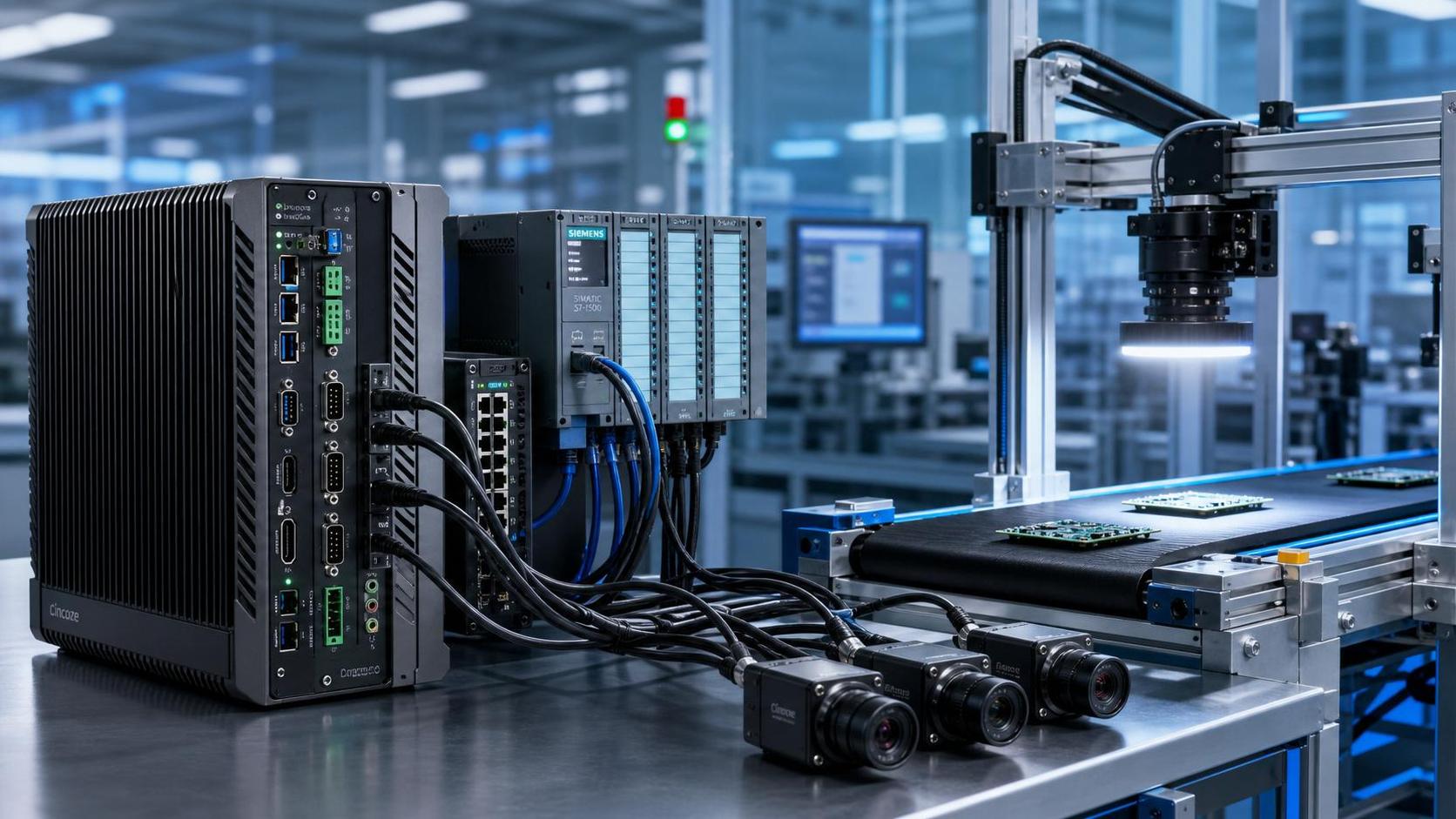
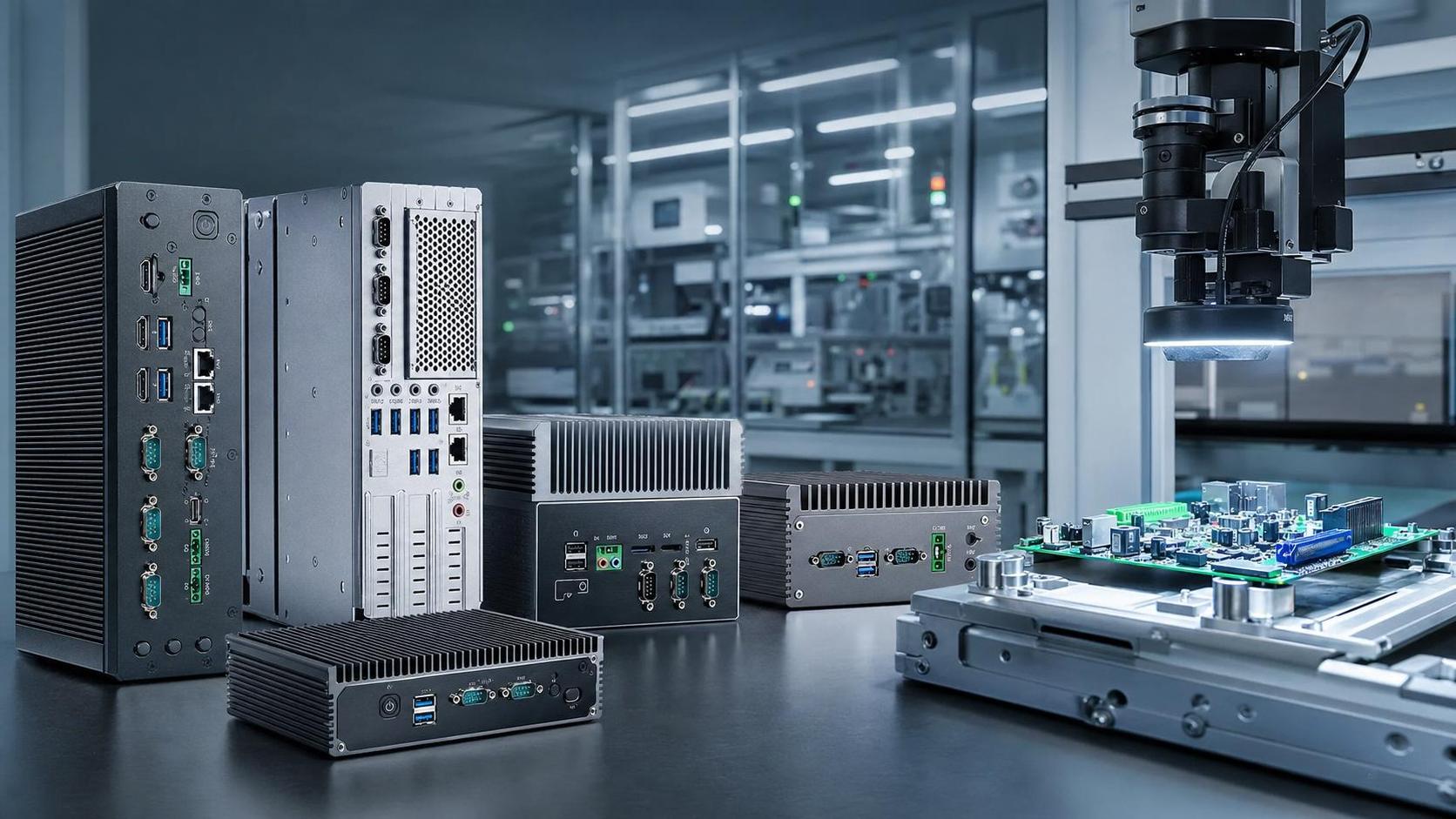
For IAMC-focused sectors, this matters across servo amplifiers, multi-axis drive packs, compact PLC racks, industrial PCs, and inverter platforms. Each area benefits when precision and power rise without expanding enclosure dimensions.
A useful distinction helps. Small size alone is not High Power Density. Real High Power Density keeps output, duty cycle, and reliability intact under real industrial loads.
Why the term matters now
Factories are demanding more axes, more sensors, more edge computing, and shorter machine footprints. That pressure makes cabinet optimization a strategic engineering issue, not just a packaging task.
High Power Density supports flexible manufacturing by freeing internal space for communication modules, safety relays, energy storage, and future upgrades.
When does High Power Density actually cut cabinet space?
High Power Density cuts cabinet space when compact hardware reduces both device volume and supporting infrastructure. If the drive becomes smaller but cooling, spacing, and filters become larger, net savings disappear.
The strongest space savings usually appear in these conditions:
- Multi-axis servo systems sharing a DC bus and regenerative energy path.
- Integrated drive and motor packages reducing cable routing and panel accessories.
- Cabinets with optimized airflow, allowing tighter safe spacing.
- Machine designs replacing separate modules with integrated control, power, and communications.
- Applications where external reactors, braking resistors, or transformers are minimized.
In these scenarios, High Power Density reduces panel width, depth, or quantity. That can lower sheet metal cost, floor space demand, and installation time.
Typical examples
A packaging line with many synchronized axes often gains from compact shared-bus servo drives. A machine tool may gain more from dense inverter sections plus slim IPC and PLC hardware.
Robotics cells also benefit when reducers, servo motors, and control cabinets are coordinated. Smaller control cabinets can simplify guarding layout and shorten power cable paths.
What can prevent High Power Density from saving space?
The biggest misconception is assuming High Power Density always means a smaller cabinet. In reality, thermal management often decides the final enclosure size.
Dense power electronics generate concentrated heat. If that heat cannot escape, designers must add spacing, forced ventilation, heat exchangers, or air conditioning.
That extra thermal hardware can offset the size reduction of compact devices. Sometimes the cabinet stays the same size, but supports more functions instead.
Other barriers include electromagnetic compatibility constraints, cable bend radius, maintenance clearance, and safety isolation distances. These are common in high-speed servo and inverter systems.
Common design traps
- Ignoring peak load instead of average load.
- Underestimating harmonic filtering or braking energy needs.
- Packing modules too tightly for service access.
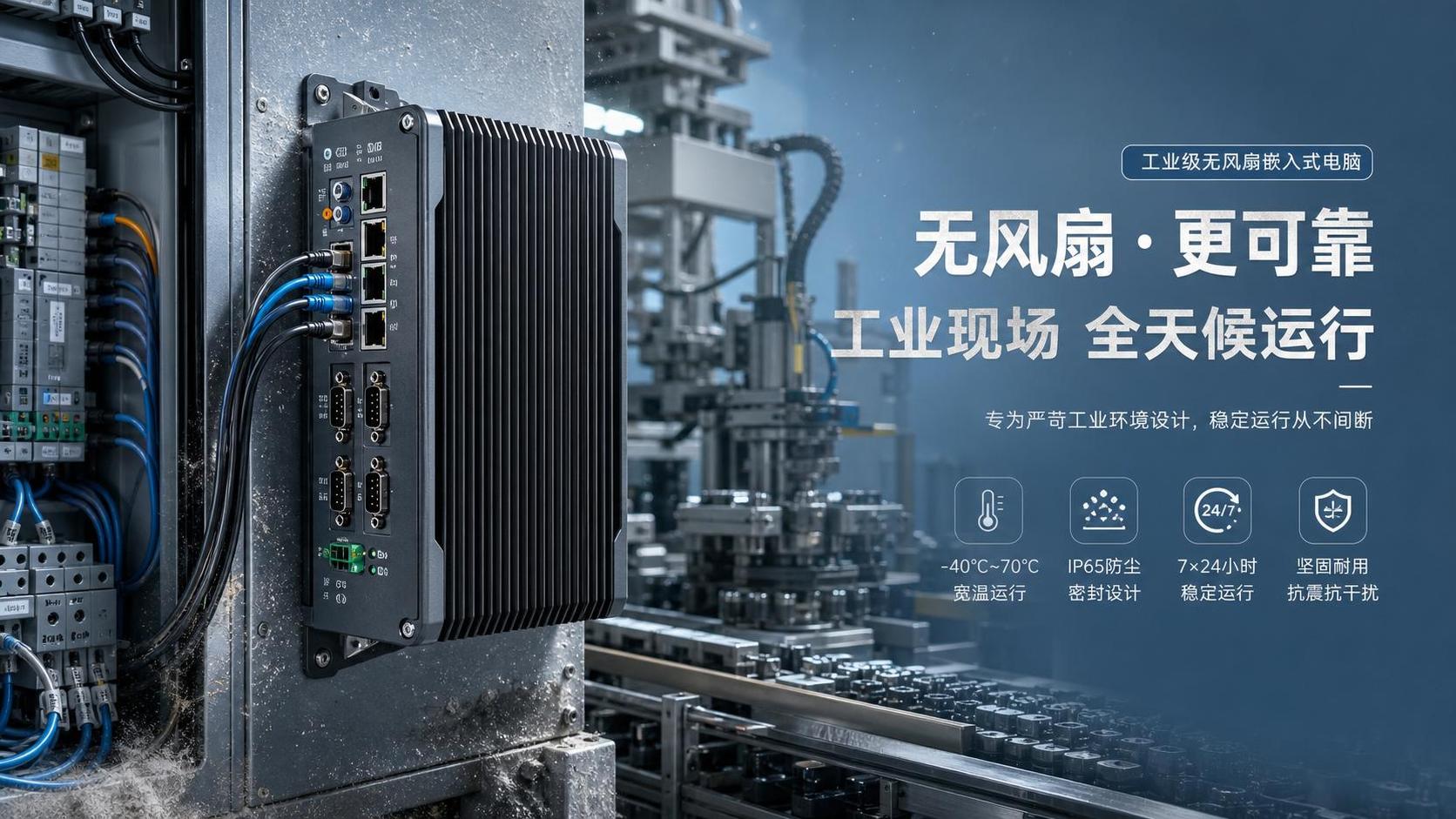
- Using dense IPCs without considering dust and vibration paths.
- Assuming all compact devices can share the same cooling architecture.
So, High Power Density may reduce cabinet count, improve function density, or shorten machine length, even if one enclosure does not become physically smaller.
How should High Power Density be evaluated in servo, PLC, inverter, and IPC systems?
Evaluation should begin with the full system, not a single component. A dense servo drive may save space, but only if power distribution, feedback wiring, and cooling remain efficient.
For servo systems, check continuous current, overload duration, encoder interface, regenerative handling, and resonance control behavior. Compactness must not reduce motion stability.
For PLC and DCS sections, space benefits come from modular I/O density, integrated communication, and reduced accessory count. However, signal integrity and serviceability still matter.
For inverters, High Power Density should be judged with motor cable length, switching frequency, heat dissipation, and energy-saving performance under variable loads.
For IPCs, dense computing power is valuable only when thermal design supports real-time processing in dust, vibration, and elevated ambient temperatures.
Practical evaluation checklist
Is High Power Density always the best choice for industrial projects?
No. High Power Density is valuable when machine compactness, modularity, or expansion pressure is high. It is less compelling when thermal margins are wide and cabinet size is not a constraint.
In low-duty or spacious installations, simpler architectures may offer lower implementation risk. A larger but cooler cabinet can sometimes deliver longer component life and easier maintenance.
The right comparison is total system value, not component size. High Power Density should improve the balance among footprint, efficiency, precision, reliability, and upgrade flexibility.
Decision signals that favor it
- Machine builders need more functions in the same frame.
- Production lines require extra axes without expanding floor area.
- Energy efficiency and regenerative control are business priorities.
- IPC and control layers must move closer to the process edge.
How can implementation risks be reduced before redesigning a cabinet?
Start with a cabinet-level thermal map. Estimate internal losses from drives, power supplies, braking elements, and IPCs under realistic duty cycles, not only nominal ratings.
Next, model cable routes, service clearances, and EMC zoning. High Power Density often succeeds or fails because of supporting layout discipline rather than device specifications.
Then validate control performance. Compact servo systems must still manage current response, position accuracy, and mechanical resonance without thermal derating.
Finally, plan for future modules. If High Power Density frees space today, reserve part of that benefit for communication expansion, safety functions, or additional compute nodes.
FAQ summary table
High Power Density can be a decisive advantage in modern automation, especially where servo precision, inverter efficiency, IPC integration, and control scalability compete for limited cabinet space.
But High Power Density delivers real value only when thermal design, wiring strategy, and maintenance access are treated as part of one system. That is when compactness becomes operational efficiency.
The next practical step is to review cabinet losses, spacing rules, and expansion needs together. A structured assessment reveals whether High Power Density will truly cut cabinet space or simply redistribute constraints.
Related Recommendations
 Fanless Industrial PC Checklist for Heat, Dust, and 24/7 ReliabilityTime : Jul 02, 2026
- Real Time Industrial Computing Platform vs Standard IPC: Key Cost TradeoffsTime : Jul 01, 2026
- Best Industrial PC for Vision Systems: Key Performance Factors to CheckTime : Jun 30, 2026
- How to Evaluate an Industrial PCs Manufacturer for Long-Term SupplyTime : Jun 25, 2026
- Machine Vision Inspection: Common False Reject Causes and FixesTime : Jun 23, 2026
- Industrial PCs Manufacturer Checklist for Harsh EnvironmentsTime : Jun 22, 2026