Servo Drives Cost Risks Often Missed

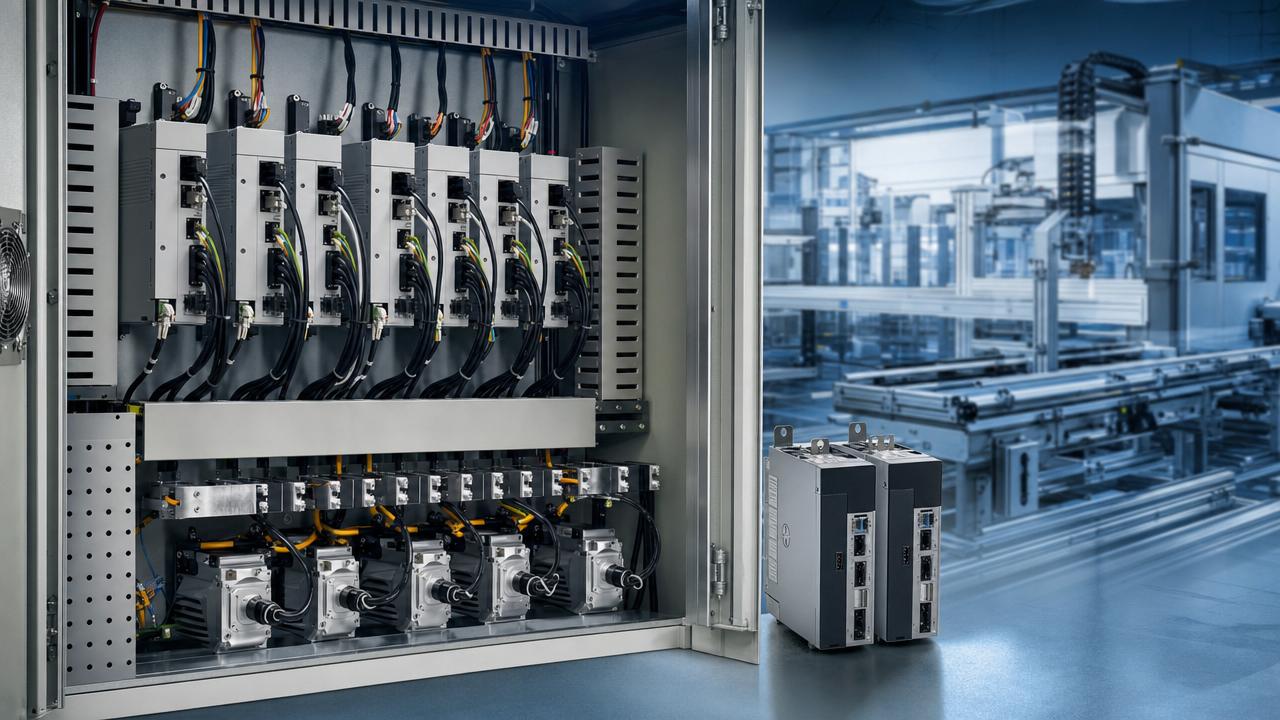
Servo Drives Cost Risks Often Missed
Servo Drives can look straightforward on a purchase order, but their true cost often extends far beyond the quoted unit price.
Compatibility gaps, lifecycle support, tuning complexity, downtime exposure, and supply volatility can turn a low-cost choice into an expensive operational burden.
Before selecting Servo Drives for modern automation, hidden technical and commercial risks deserve the same attention as power rating and price.
What Makes Servo Drives More Expensive Than Their Quoted Price?
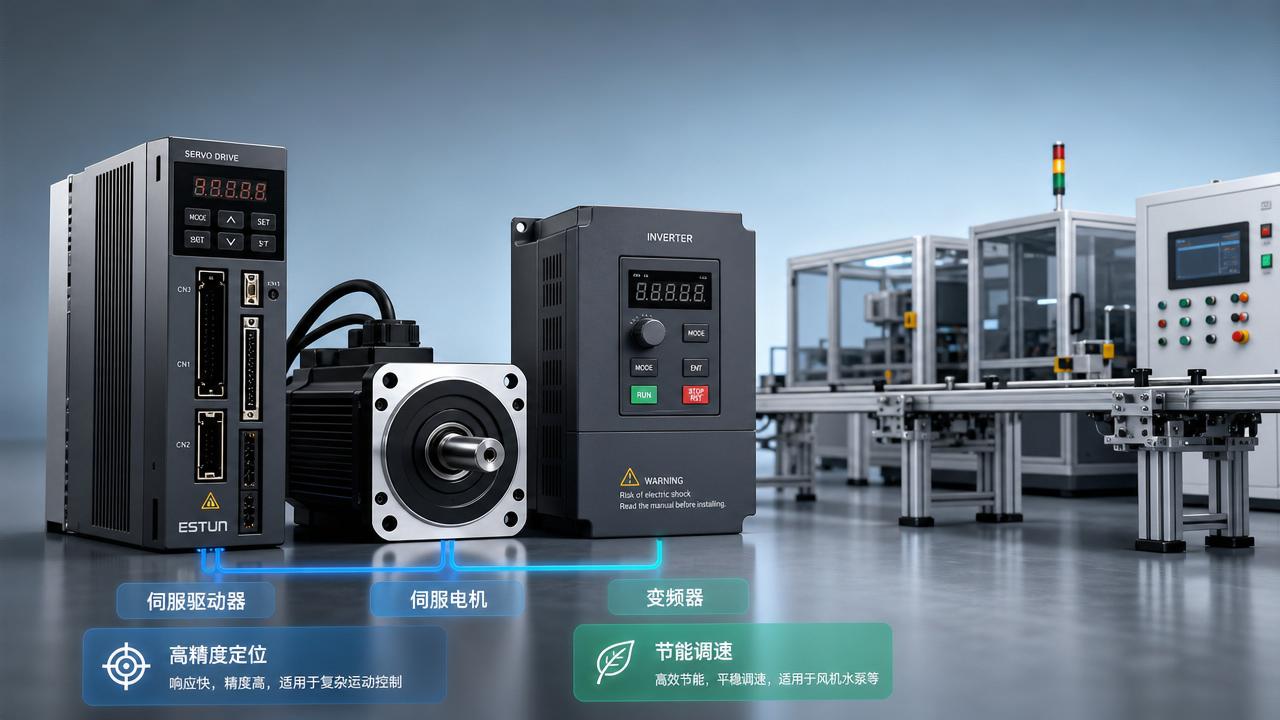
The quoted price covers hardware, not the full operating reality. Servo Drives sit between controllers, motors, encoders, networks, and mechanical loads.
A small mismatch can create commissioning delays, unstable motion, repeat alarms, or reduced machine throughput.
The real cost includes engineering time, parameter setup, training, spare parts, downtime, firmware management, and future replacement risk.
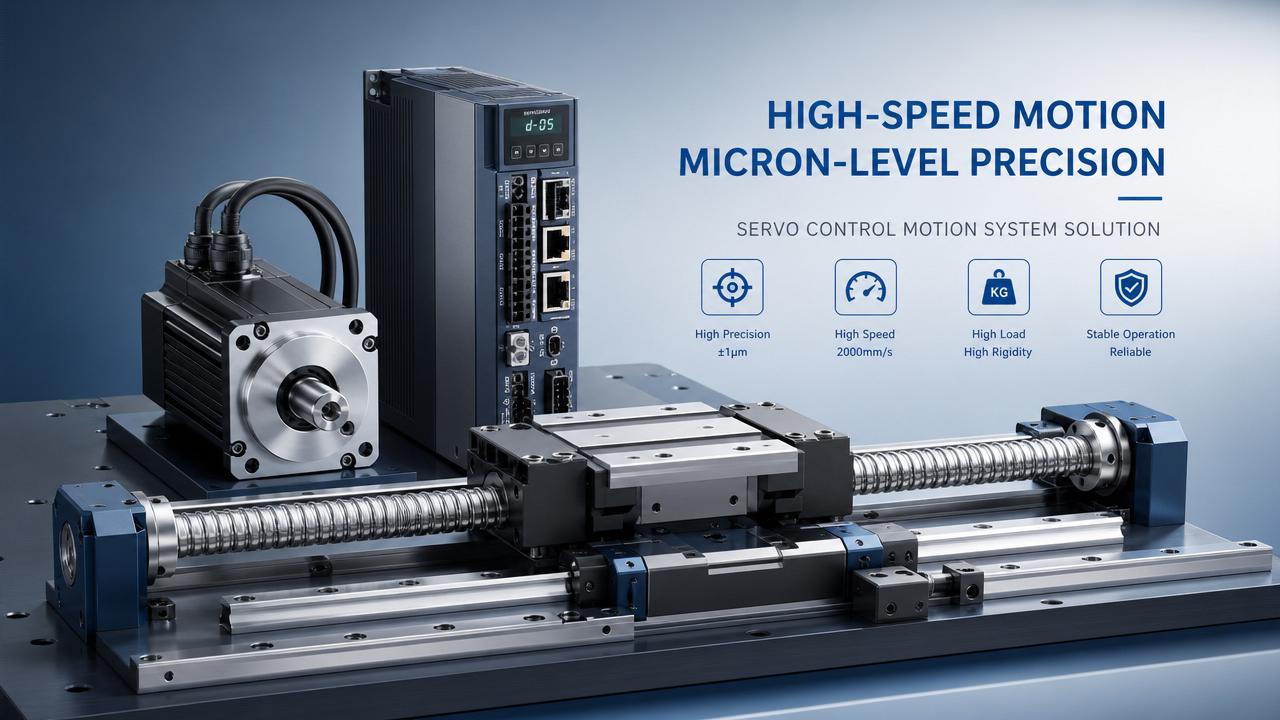
For high-precision automation, Servo Drives also affect product quality. Poor velocity control can cause positioning error, vibration, scrap, and inspection failure.
In flexible manufacturing, changeover speed matters. Drives that require manual retuning after each product change can reduce line efficiency.
- Initial price: the visible purchase cost.
- Integration cost: wiring, networks, software, and controller matching.
- Operational cost: downtime, energy, maintenance, and troubleshooting.
- Lifecycle cost: availability, upgrades, support, and migration planning.
The lowest-priced Servo Drives are not always poor choices. The risk appears when price becomes the only decision filter.
How Can Compatibility Gaps Create Hidden Servo Drives Costs?
Compatibility is one of the most common sources of hidden cost. Servo Drives must communicate cleanly with the automation architecture.
A drive may support EtherCAT, PROFINET, Modbus, or CANopen, yet still behave differently under specific controller profiles.
Motion commands, homing behavior, fault codes, safety functions, and synchronization accuracy may vary between brands and firmware versions.
Encoder compatibility is equally important. Incremental, absolute, optical, magnetic, and multi-turn encoders require correct signal handling.
If Servo Drives cannot fully read encoder feedback, the system may lose accuracy or fail during startup.
Motor matching also matters. Rated current, peak current, back EMF, brake control, thermal sensing, and inertia ratio must align.
Mechanical transmission adds another layer. Ball screws, harmonic reducers, belts, and direct-drive stages demand different gain structures.
Practical compatibility checks before purchase
- Confirm controller communication profiles, not only protocol names.
- Verify motor database availability inside the drive software.
- Check encoder type, resolution, voltage, and cable length limits.
- Review safety functions such as STO, SS1, and safe brake control.
- Request sample parameter files for similar machines.
A compatibility review often costs less than one unexpected day of stopped commissioning.
Why Does Tuning Complexity Change the Total Cost?
Servo Drives are not simple power amplifiers. They close current, velocity, and position loops at high speed.
When tuning is difficult, machines may run, but not at the required precision or cycle time.
Poor tuning can cause overshoot, following error, resonance, heat, noise, and mechanical wear.
Advanced Servo Drives offer auto-tuning, notch filters, vibration suppression, friction compensation, and adaptive control.
However, those functions only create value when documentation and software tools are practical.
A low-cost drive with weak diagnostic tools may require more manual oscilloscope work and repeated trial adjustments.
In packaging, printing, CNC, robotics, and battery equipment, tuning time can dominate the installation budget.
Signals that tuning may become expensive
- The machine has flexible couplings or long transmission chains.
- The load inertia changes frequently during operation.
- Cycle time depends on aggressive acceleration and deceleration.
- The application requires micron-level positioning repeatability.
- Multiple axes must remain synchronized under dynamic load.
The right Servo Drives reduce tuning uncertainty by combining stable algorithms with transparent diagnostics.
What Lifecycle Support Risks Are Often Ignored?
Lifecycle support can quietly decide whether Servo Drives remain economical after installation.
Automation equipment often runs for ten years or longer. Drive models may change much faster.
If a model is discontinued early, replacement may require mechanical rewiring, software migration, and renewed validation.
Firmware support is another overlooked factor. Updates can fix bugs, improve network behavior, and add safety corrections.
Yet uncontrolled firmware changes may also alter motion response or fault handling.
Reliable Servo Drives need clear version control, rollback options, documentation history, and long-term spare availability.
Lifecycle questions worth asking
- How long will the current series remain active?
- Is there a pin-compatible or software-compatible successor?
- Are firmware release notes complete and accessible?
- Can spare drives be parameterized without vendor intervention?
- Are technical manuals available in full, not only brochures?
Long-term support is not a soft benefit. It protects validated production methods and reduces migration shock.
How Do Downtime and Spare Parts Affect Servo Drives Decisions?
Downtime cost can exceed hardware savings very quickly. A failed drive may stop an entire synchronized line.
The exposure depends on process design, redundancy, local spares, and recovery procedures.
Servo Drives used in critical axes deserve stronger availability planning than drives used in non-critical adjustments.
Spare strategy should cover power ratings, communication variants, firmware versions, memory cards, cables, and brake resistors.
Fast replacement requires saved parameters and a clear process for loading them into new Servo Drives.
Without this preparation, even available spares may sit unused while troubleshooting continues.
Downtime risk comparison
A robust spare plan makes Servo Drives easier to own, especially across multiple production cells.
When Do Energy, Heat, and Cabinet Design Become Cost Factors?
Servo Drives influence electrical efficiency, cabinet temperature, and regenerative energy handling.
Frequent deceleration can return energy to the DC bus. Without proper design, braking resistors waste heat and age quickly.
Regenerative units may cost more upfront, but can reduce heat and energy waste in dynamic applications.
Cabinet cooling is another hidden expense. Higher losses may require larger fans, air conditioners, filters, or enclosure space.
Heat also shortens capacitor life. A drive running near thermal limits may fail earlier than expected.
For multi-axis machines, shared DC bus architecture can improve energy balance between accelerating and braking axes.
Servo Drives should therefore be evaluated with motion profiles, not only nameplate power.
Useful energy and thermal checks
- Calculate peak and continuous current from real cycles.
- Estimate regenerative energy during fast deceleration.
- Check cabinet temperature under summer conditions.
- Confirm braking resistor sizing and duty cycle.
- Compare standalone drives with common bus options.
These checks connect Servo Drives selection with reliability, energy savings, and compact panel design.
How Should Supply Chain Volatility Be Evaluated?
Industrial automation supply chains remain sensitive to semiconductor cycles, trade barriers, logistics disruptions, and regional certification requirements.
Servo Drives depend on power modules, DSPs, memory, communication chips, capacitors, and encoder interfaces.
A shortage in one component can extend delivery time or force a rushed redesign.
Supply risk is especially serious when the selected drive is unique to one vendor and one communication ecosystem.
Second-source planning does not always mean dual suppliers. It can mean clear migration paths and qualified alternatives.
Documentation quality becomes vital during shortages. Complete electrical drawings and parameters make replacement evaluation faster.
Supply risk indicators
- Long lead times without confirmed allocation.
- Regional stock limited to one distributor.
- Special firmware required for basic operation.
- Non-standard cables with limited availability.
- No published migration guide for newer Servo Drives.
Supply chain review should be part of technical selection, not a late commercial negotiation.
FAQ Summary: What Should Be Checked Before Buying Servo Drives?
This checklist helps compare Servo Drives beyond catalog specifications and quoted discounts.
Conclusion: How to Reduce Hidden Servo Drives Cost
Hidden cost usually appears where electrical control, mechanical dynamics, software tools, and supply continuity meet.
Servo Drives should be selected through verified compatibility, realistic motion profiles, lifecycle evidence, and downtime planning.
A stronger decision process starts with three steps: define critical axes, test the complete motion chain, and document recovery procedures.
For high-precision automation, the best value is not the cheapest drive. It is the drive that protects performance over time.
Before the next sourcing decision, compare Servo Drives by total operating risk, not only by unit price.
Related Recommendations
 Automation Motion Control: Servo or Inverter?Time : Jun 01, 2026
- Servo Drives Cost Risks Often MissedTime : May 30, 2026
- Industrial Control Algorithms for Stable Vector Inverter PerformanceTime : May 29, 2026
- Industrial Inverters: Cost vs Control PerformanceTime : May 18, 2026
- Servo Control Technology: When Higher Speed Hurts AccuracyTime : May 15, 2026