Smart Motion Control for Faster Changeovers

Smart Motion Control for Faster Changeovers
For modern production systems, faster changeovers are now a direct measure of flexibility, uptime, and competitive resilience.
Smart Motion Control enables lines to switch products, recipes, tooling, and motion profiles with higher precision and lower operational risk.
By connecting servo accuracy, PLC coordination, edge computing, and reliable mechanical transmission, changeovers become repeatable engineering processes.
This FAQ explains how Smart Motion Control supports faster setup, better diagnostics, and stronger long-term equipment performance across industrial applications.
What does Smart Motion Control mean in a changeover strategy?
Smart Motion Control combines precise actuation, programmable logic, feedback sensing, and data-driven adjustment into one coordinated motion environment.
It is not only about moving faster. It is about moving correctly after every product or format change.
Traditional changeovers often depend on manual alignment, mechanical stops, trial runs, and operator memory.
Smart Motion Control reduces that dependency by storing verified parameters inside PLC, servo drive, or industrial PC systems.
Position, acceleration, torque limit, cam profile, tension value, and synchronization mode can be recalled automatically.
This makes the changeover less subjective and more traceable.
In packaging, printing, assembly, CNC, robotics, and logistics systems, this repeatability can prevent small setup errors.
A wrong axis offset may create waste, collision risk, or quality drift.
Smart Motion Control helps convert those hidden risks into measurable parameters.
Key elements of an intelligent changeover system
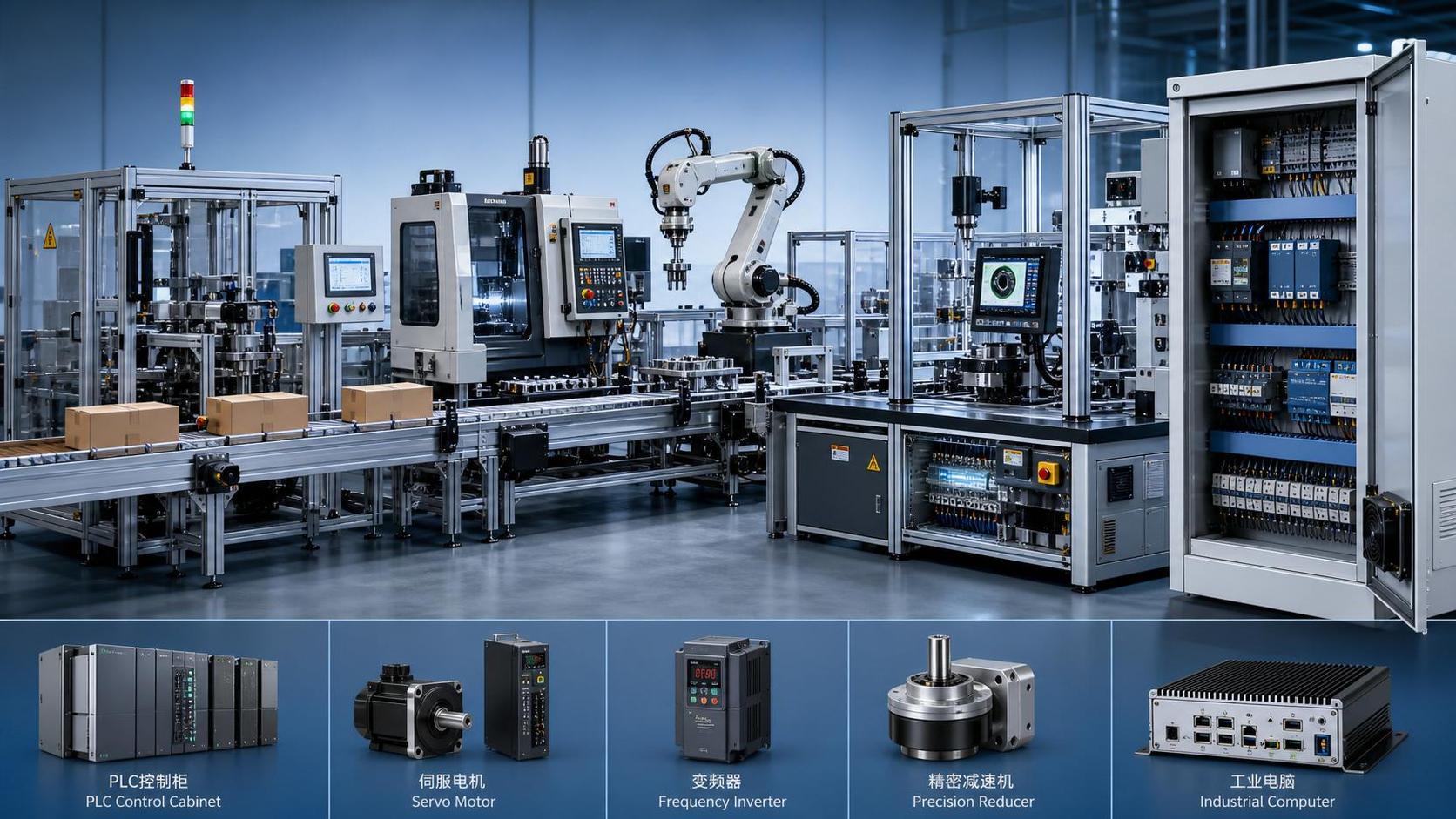
- Servo motors with high-resolution encoder feedback.
- PLC or DCS logic for recipe execution.
- Precision reducers, linear guides, and ball screws.
- Industrial edge computing for diagnostics and optimization.
- Safe motion functions for controlled startup and shutdown.
When these elements work together, Smart Motion Control becomes the practical bridge between automation design and flexible manufacturing.
Which applications gain the most from Smart Motion Control?
The greatest benefits appear where product variety is high and downtime is expensive.
Frequent size, speed, force, position, or timing changes make intelligent motion especially valuable.
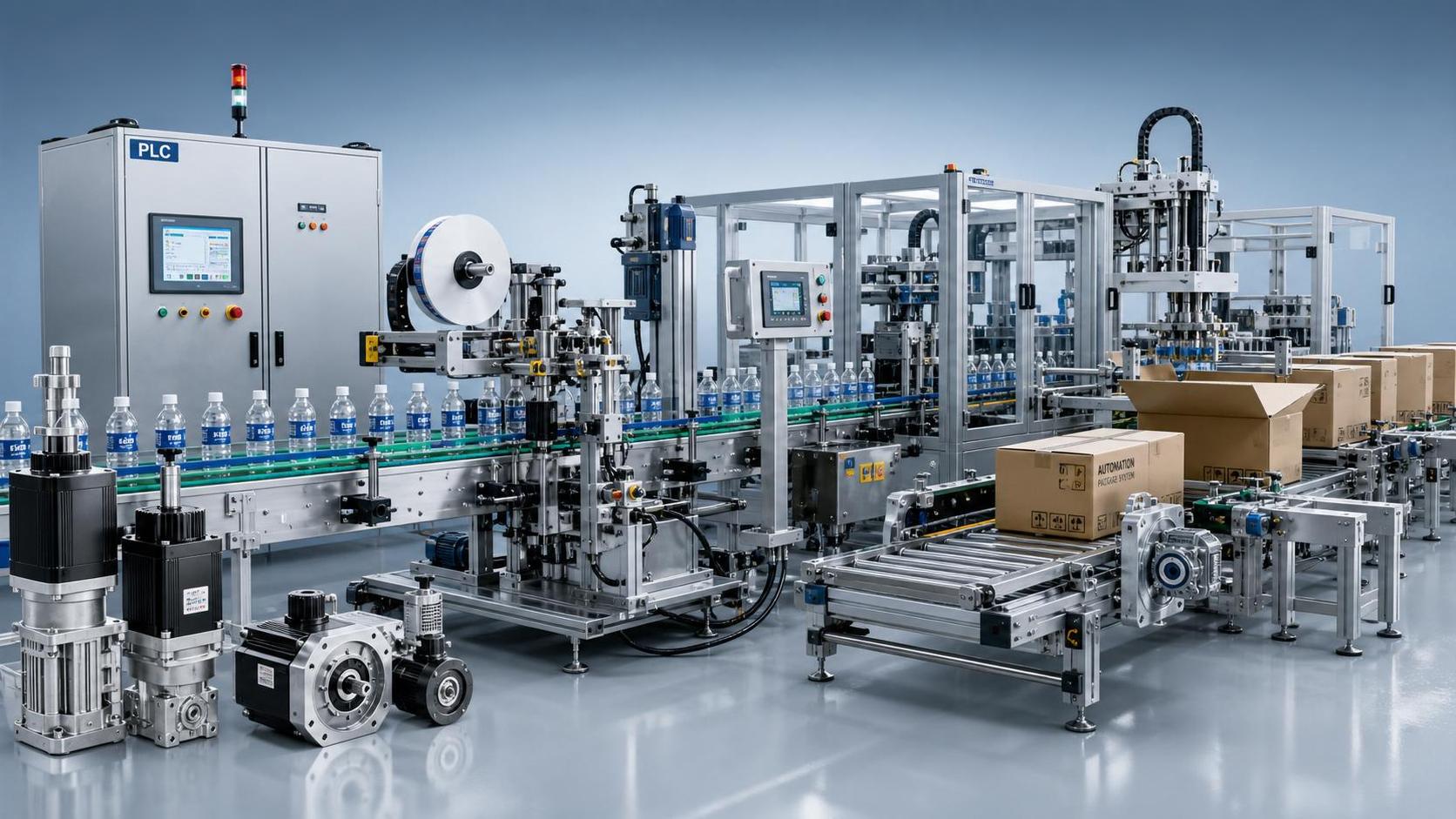
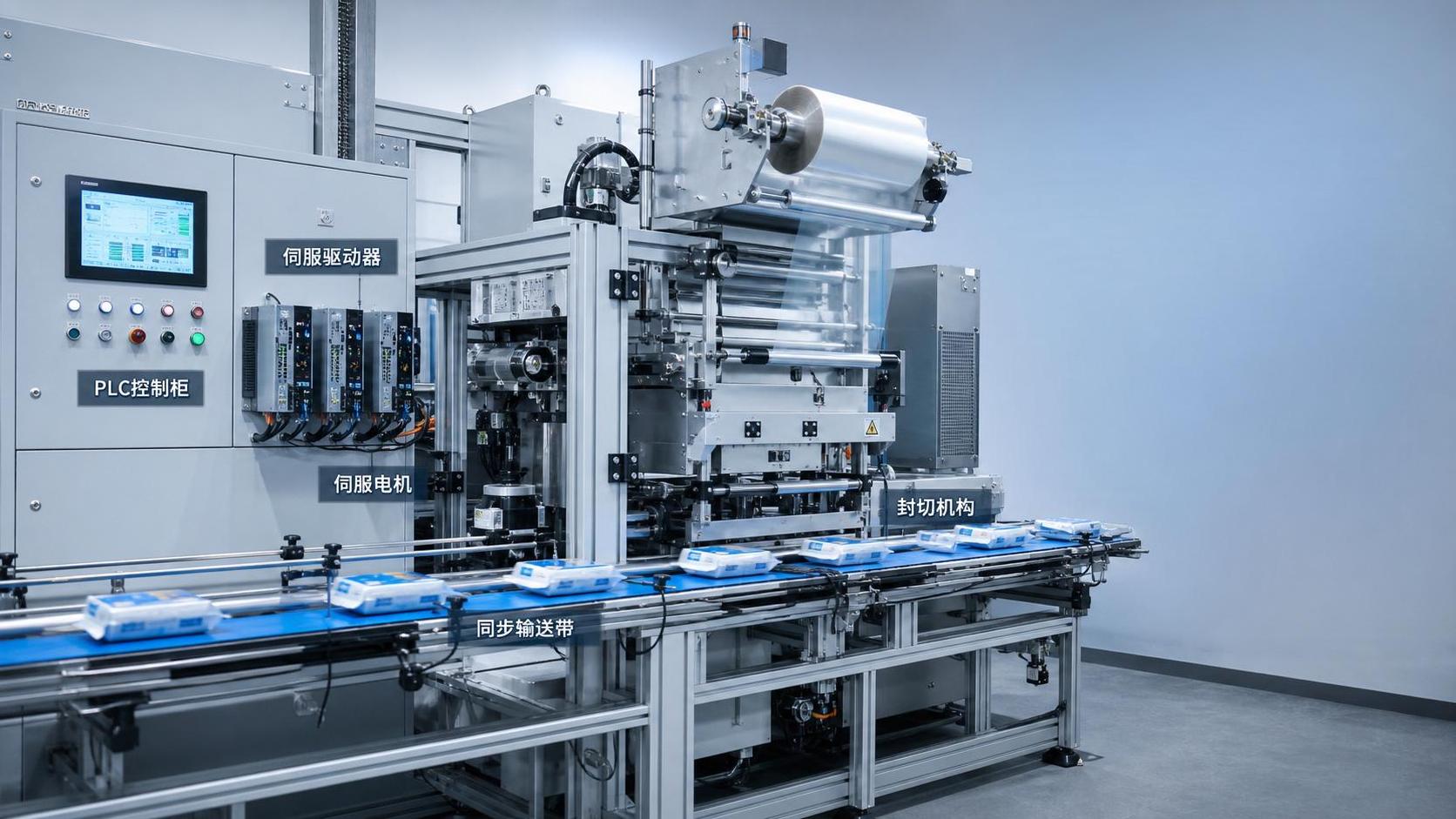
Packaging machines can use Smart Motion Control to adjust sealing jaws, filling stations, conveyors, and label applicators.
Electronic assembly lines can switch between product variants while maintaining micron-level placement accuracy.
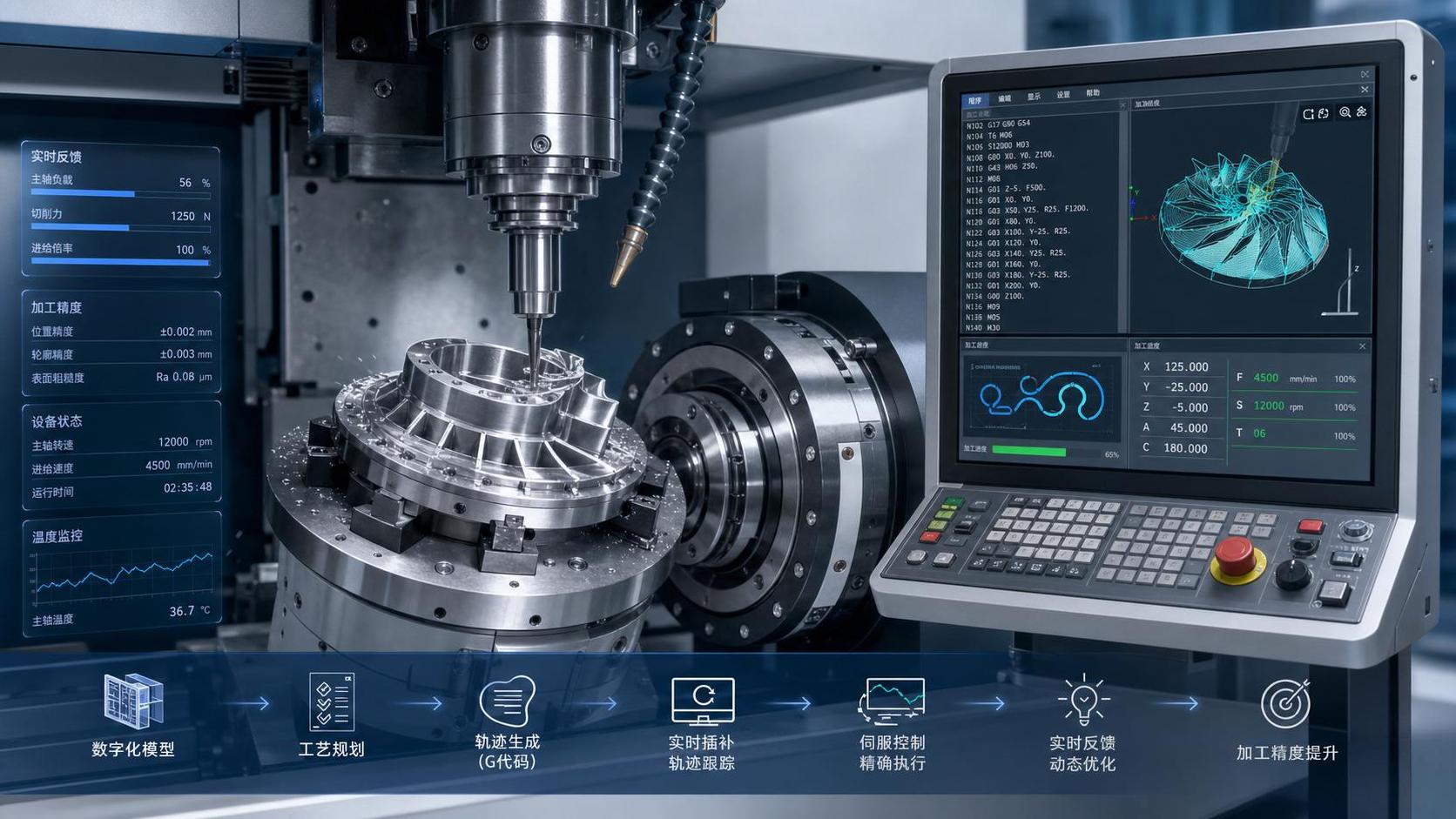
CNC and machining centers can benefit from optimized axis profiles and repeatable tool-position relationships.
Robotic cells can use stored motion templates to support different grippers, fixtures, or workpiece geometries.
Material handling systems can change conveyor speeds, diverter timing, and synchronization settings without mechanical redesign.
In each case, Smart Motion Control shortens the gap between a production instruction and a stable output condition.
Typical scenarios where faster changeovers matter
- Short production runs with many product versions.
- Lines requiring strict dimensional repeatability.
- Machines with several synchronized servo axes.
- Equipment exposed to high takt-time pressure.
- Processes where first-piece quality is critical.
The value is not limited to one sector. Smart Motion Control supports flexible production wherever motion defines quality.
How does Smart Motion Control reduce downtime during changeovers?
Downtime usually grows from uncertainty. Operators may need to verify positions, tune speeds, or correct alignment repeatedly.
Smart Motion Control reduces this uncertainty through stored recipes, synchronized axes, automatic homing, and real-time feedback.
A verified recipe can load axis parameters consistently across a machine or complete production cell.
Servo drives can move to known reference positions with controlled acceleration and deceleration.
PLC logic can confirm that guarding, tooling, sensors, and product settings are ready before the next cycle begins.
Industrial PCs can compare live data with expected operating patterns.
This layered confirmation prevents unnecessary trial-and-error after the physical change is complete.
Smart Motion Control also helps manage dynamic behavior during restart.
Motion profiles can limit jerk, suppress mechanical resonance, and protect precision transmission components.
That matters when faster changeovers must not damage reducers, guides, couplings, or ball screws.
Practical downtime reduction methods
- Standardize recipes for every product family.
- Link recipe selection with PLC interlocks.
- Use encoder feedback to validate position recovery.
- Monitor torque signatures during first restart cycles.
- Record deviations for maintenance and tuning reviews.
These methods turn Smart Motion Control into a disciplined changeover workflow, not a one-time automation feature.
How should equipment teams evaluate a Smart Motion Control upgrade?
A strong evaluation starts with the motion problem, not with the controller model.
The first step is to map every adjustment required during a normal changeover.
Separate manual tasks, mechanical repositioning, software parameters, quality checks, and restart verification.
Then identify which items cause delays, defects, or repeated troubleshooting.
Smart Motion Control is most effective when it addresses these bottlenecks directly.
Evaluation should include control performance and mechanical readiness together.
A high-speed servo cannot solve backlash, poor alignment, weak guide rigidity, or unstable mounting.
Likewise, a strong mechanical platform cannot reach full value without coordinated logic and feedback.
A balanced review considers servo sizing, reducer precision, PLC scan time, communication cycle, and edge diagnostics.
The goal is a predictable system that supports changeover speed without sacrificing control margin.
Decision checklist for Smart Motion Control
This checklist keeps Smart Motion Control decisions connected to measurable changeover outcomes.
What risks and misconceptions should be avoided?
One common misconception is that faster changeovers only require faster motors.
Speed helps, but uncontrolled speed can increase vibration, overshoot, wear, and quality instability.
Smart Motion Control focuses on the entire motion chain, including command, feedback, load, and mechanical response.
Another risk is treating recipes as simple parameter lists.
A good recipe should include validation logic, safety conditions, tolerance windows, and operator confirmation points.
Without these controls, the wrong recipe may load successfully but run incorrectly.
Mechanical wear is another hidden issue.
If guides, screws, belts, or reducers degrade, stored positions may no longer produce the expected result.
Smart Motion Control should therefore include trend monitoring, not only position commands.
Risk reminders before implementation
- Do not ignore mechanical backlash during software upgrades.
- Do not skip validation after recipe changes.
- Do not use aggressive motion profiles without vibration review.
- Do not separate safety logic from motion logic.
- Do not measure success only by setup time.
The best systems combine faster changeovers with fewer rejects, smoother restarts, and lower maintenance stress.
What implementation steps make Smart Motion Control successful?
Implementation should begin with a baseline study of current changeover time and defect patterns.
Record where time is lost, which axes need adjustment, and which errors repeat after restart.
Next, define the target state in measurable terms.
Useful targets include setup duration, first-pass yield, axis repeatability, recovery time, and maintenance alerts.
Then build a staged roadmap instead of replacing everything at once.
A pilot machine can validate Smart Motion Control logic before wider deployment.
Start with the axis or station that creates the largest changeover delay.
After that, connect recipe management, servo tuning, PLC checks, and diagnostics into one workflow.
Commissioning should include normal production, abnormal cases, emergency stops, and recovery sequences.
This ensures the system performs reliably outside ideal test conditions.
Recommended rollout sequence
- Measure existing changeover losses.
- Identify critical axes and mechanical constraints.
- Create validated motion recipes.
- Integrate PLC interlocks and safe motion.
- Add diagnostics for torque, position, and timing.
- Review results and expand gradually.
This sequence helps Smart Motion Control deliver practical results while controlling cost, risk, and commissioning complexity.
FAQ summary: what should be remembered before action?
Smart Motion Control makes changeovers faster because it makes motion decisions more structured, visible, and repeatable.
Its value comes from the integration of servo precision, PLC coordination, mechanical integrity, and edge intelligence.
The next practical step is to audit one changeover process and identify the highest-impact motion bottleneck.
From there, build a validated recipe, test restart behavior, and measure improvement using real production data.
With disciplined implementation, Smart Motion Control supports faster transitions, better quality, and stronger flexible manufacturing performance.
Related Recommendations
 How Industrial Control Technology Solutions Cut Downtime in Mixed Automation LinesTime : Jul 15, 2026
- Smart Industrial Components for Packaging: Common Integration Mistakes to AvoidTime : Jul 14, 2026
- Motion Control Components for Packaging: How to Choose for Speed and StabilityTime : Jul 13, 2026
- CNC Control Software: Key Features That Improve Machining AccuracyTime : Jul 13, 2026
- PLC-DCS Integration Solutions for Brownfield Plant UpgradesTime : Jul 11, 2026
- Motion Control Technology for Machine Tools: Key Setup PrioritiesTime : Jul 10, 2026