Advanced Motion Control: When Higher Precision Justifies the Cost

Advanced Motion Control: When Higher Precision Justifies the Cost
Advanced Motion Control is no longer a niche upgrade.
It is becoming a practical business decision across smart manufacturing.
The main issue is not the purchase price alone.
The real question is whether higher precision creates measurable financial return.
In many factories, it does.
But the answer depends on process stability, throughput goals, and quality risk.
That is why Advanced Motion Control should be evaluated as an operating profit tool, not a specification race.
Why Advanced Motion Control Costs More
Higher precision usually means tighter system integration.
It is not only about a better servo motor.
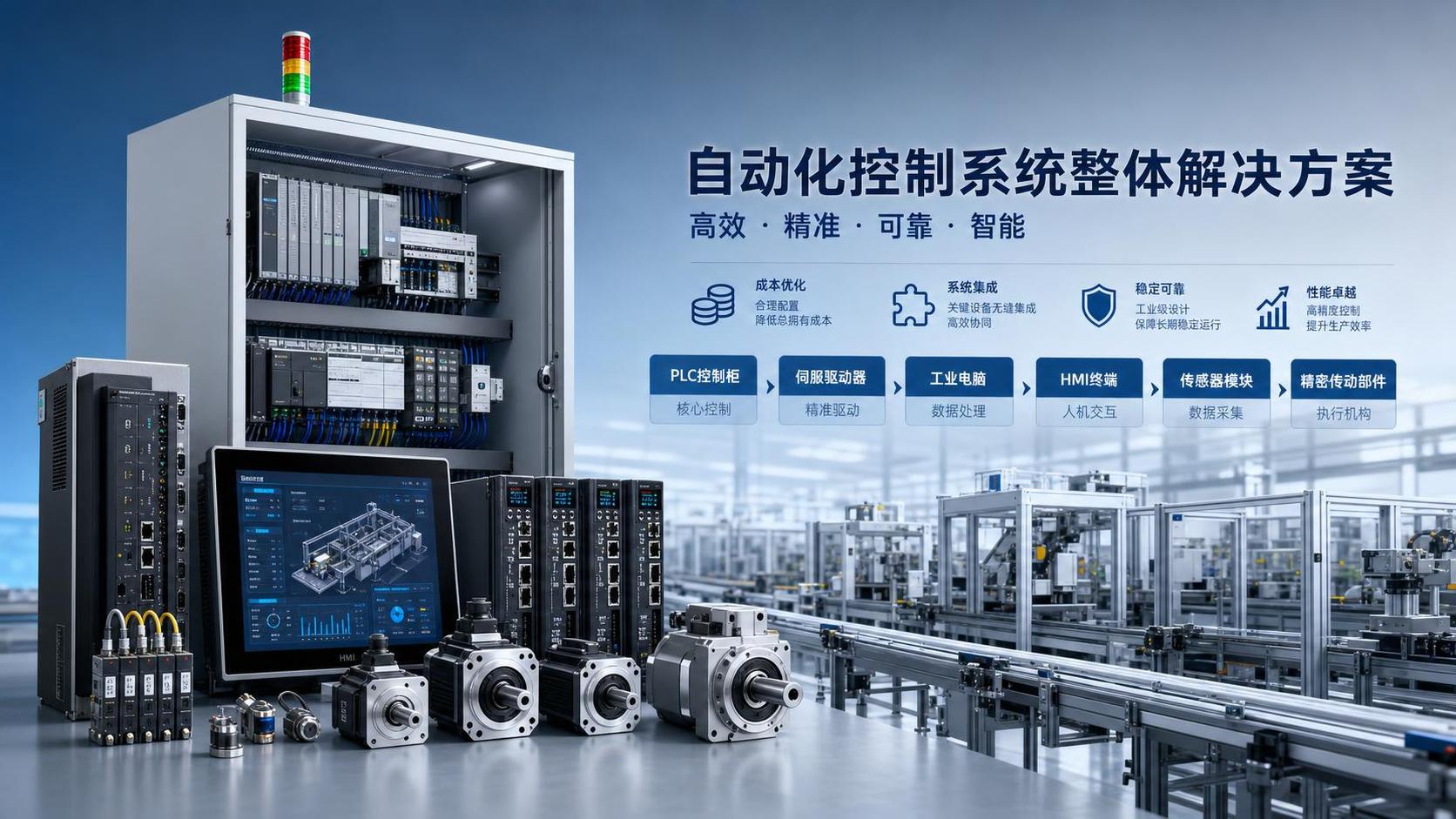
It often includes high-resolution encoders, faster controllers, better drives, and stronger mechanical transmission parts.
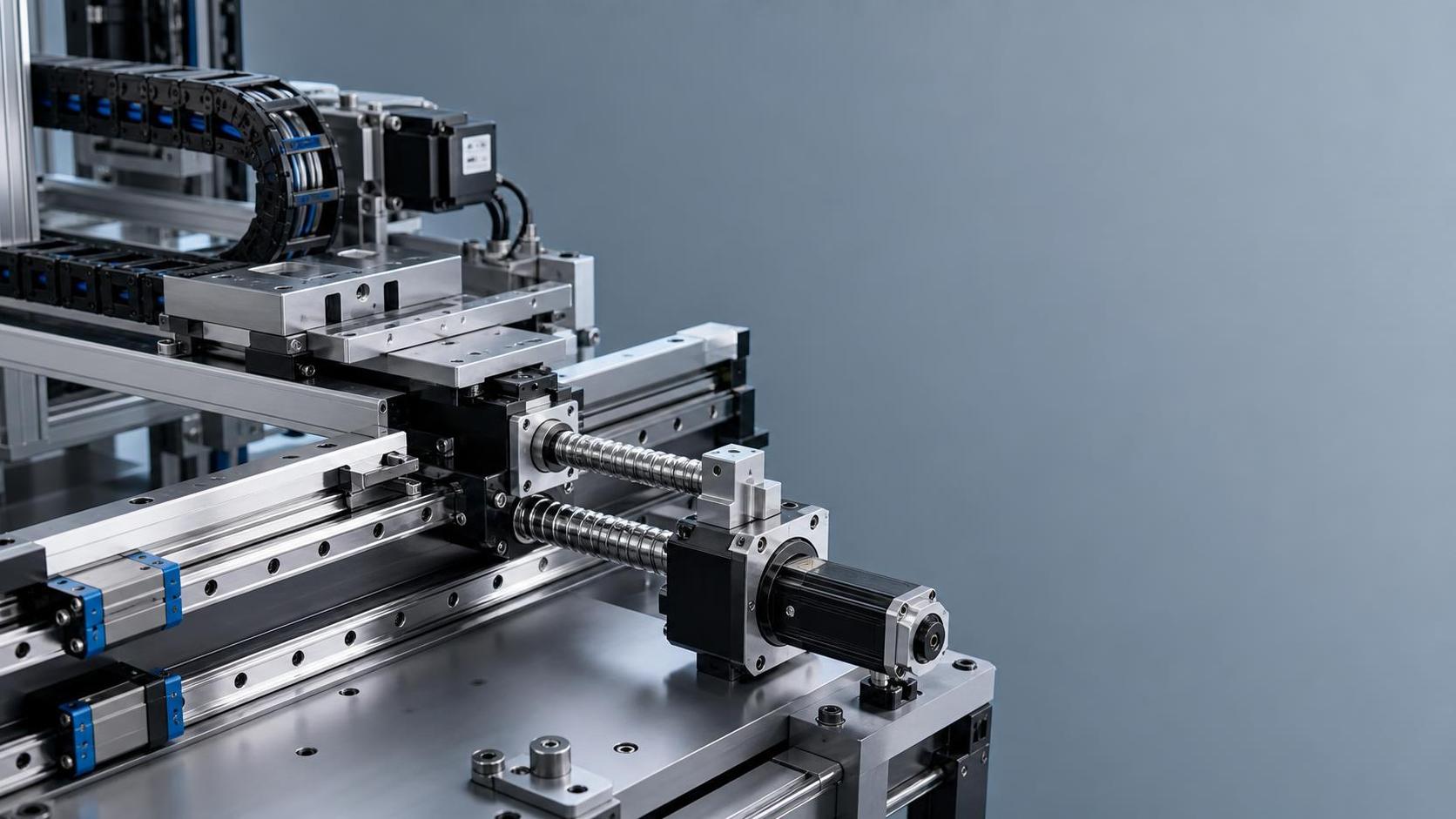
Linear guides, ball screws, reducers, PLC logic, and edge computing also influence final precision.
That is where many cost overruns begin.
A precision control upgrade affects the whole motion chain, from command timing to micron-level mechanical movement.
There are also hidden engineering costs.
Advanced Motion Control needs tuning, resonance suppression, commissioning time, and maintenance skills.
In short, buyers are paying for repeatability, response speed, and lower uncertainty.
If those factors matter to output quality, the premium can be justified quickly.
When Higher Precision Clearly Pays Back
The strongest business case appears when process variation is expensive.
This is common in electronics, battery manufacturing, semiconductor handling, precision assembly, and high-speed packaging.
In these environments, small motion errors can create large financial losses.
Advanced Motion Control reduces those losses by stabilizing position, torque, synchronization, and cycle consistency.
1. Scrap and rework are already too high
If minor alignment errors create rejects, precision has direct value.
The cost is not only wasted material.
It also includes inspection time, customer complaints, and production disruption.
In such cases, Advanced Motion Control often delivers the fastest return.
2. Downtime is more expensive than equipment price
Unstable motion causes jams, collisions, vibration, and repeated manual resets.
A cheaper system may look attractive on paper.
However, one hour of lost output can erase that saving.
Advanced Motion Control helps protect uptime through better dynamic response and more stable control loops.
3. Product changeovers happen frequently
Flexible manufacturing rewards precision.
When lines run many SKUs, motion profiles must adapt quickly without long tuning cycles.
That is where advanced servo control and better PLC coordination become valuable.
The gain comes from faster ramp-up and fewer startup defects after each changeover.
4. Speed increases are limited by instability
Many lines reach a ceiling before demand does.
The bottleneck is often motion quality, not motor power.
If vibration, overshoot, or synchronization drift prevents faster production, Advanced Motion Control changes the economics.
Higher precision then becomes a growth enabler rather than a cost burden.
Where Buyers Overpay for Precision
Not every application needs extreme motion performance.
This is the part many vendors do not emphasize enough.
If tolerance windows are wide, a premium system may not improve business results.
In those cases, Advanced Motion Control becomes expensive insurance with little operational payoff.
This usually happens in four situations:
- The process is not quality-sensitive.
- Upstream material variation is the real issue.
- Operator practices create more errors than motion hardware.
- Maintenance capability is too weak for high-end systems.
From a procurement view, this means precision should follow process need.
It should not follow supplier marketing or internal preference for premium specifications.
A Practical Cost Framework for Advanced Motion Control
A better buying decision starts with total value, not unit price.
The most useful approach is to compare motion investment against business losses already visible on the floor.
That moves the discussion from technical claims to measurable cost impact.
Key cost factors to calculate
- Current scrap rate and rework cost per batch.
- Downtime cost per hour, including labor and missed output.
- Revenue impact of higher throughput.
- Maintenance frequency and spare parts usage.
- Engineering time for commissioning and retuning.
- Expected service life under actual duty cycles.
This also highlights why component matching matters.
A premium servo on a weak mechanical base rarely delivers premium results.
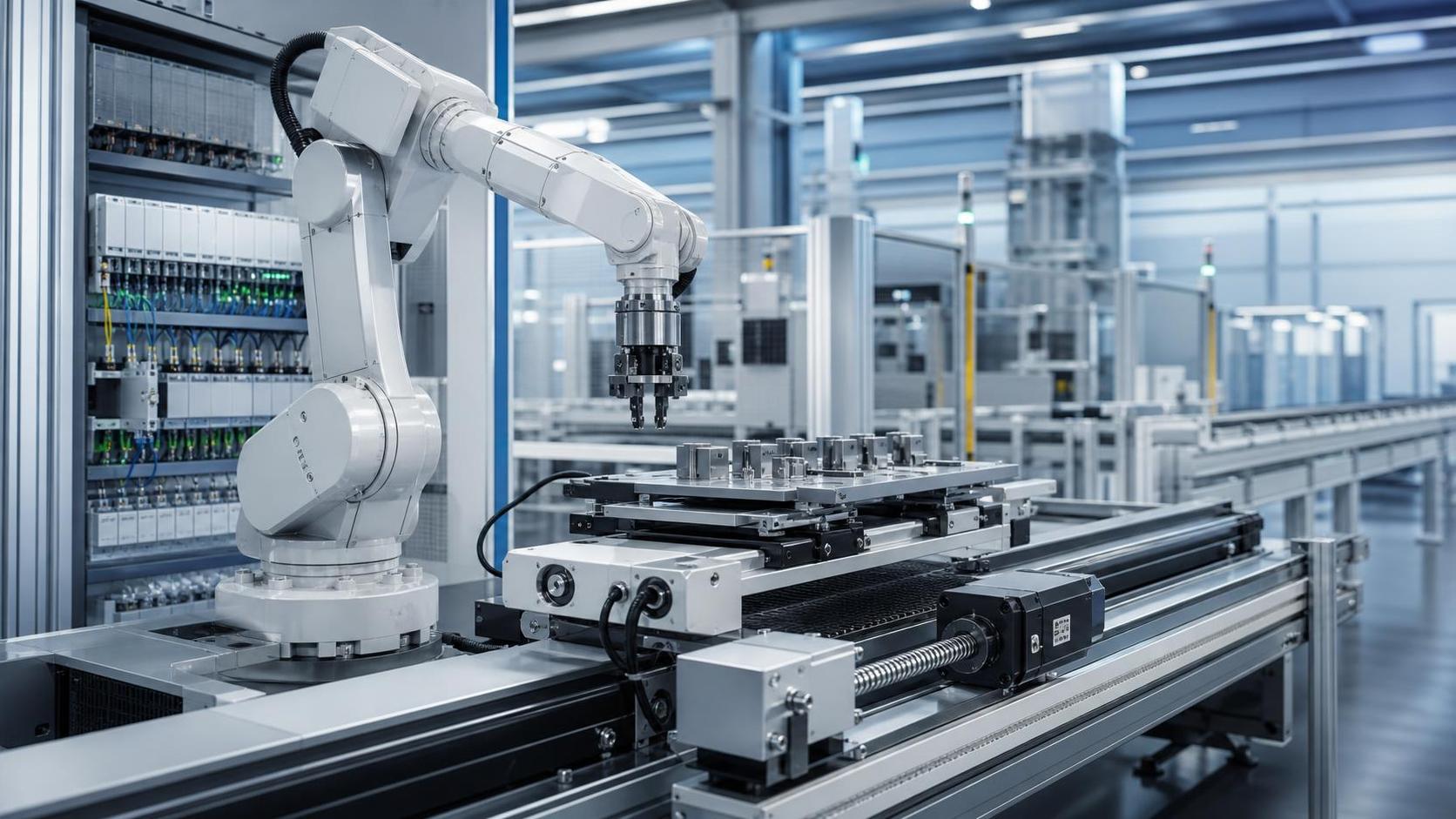
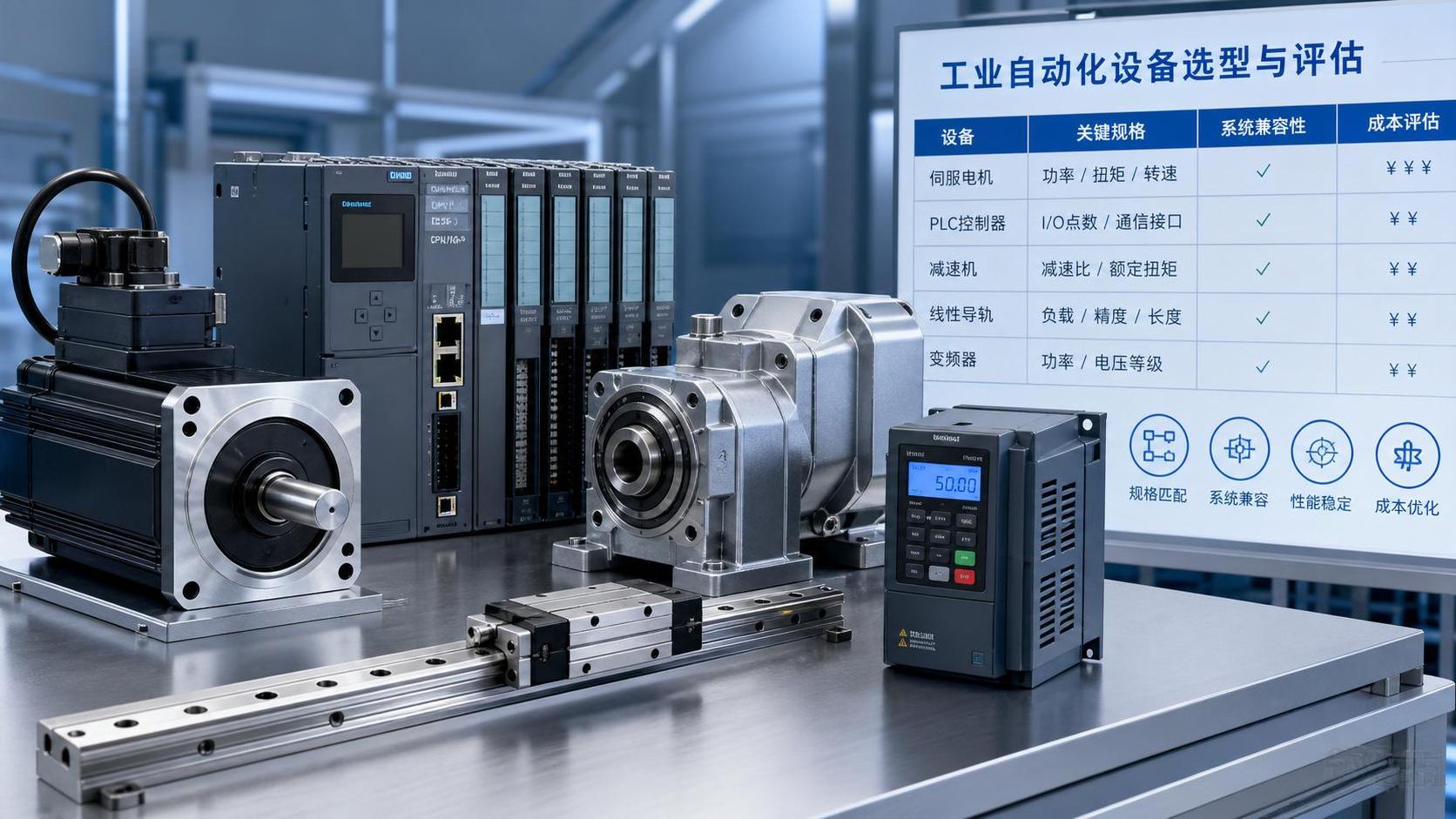
Advanced Motion Control works best when motors, drives, reducers, guides, and controllers are aligned to the same performance target.
Simple decision table
Questions to Ask Before You Buy
A strong sourcing process depends on the right questions.
This is especially true for Advanced Motion Control, where technical promises can sound similar.
The difference often appears in long-term consistency and support quality.
- What business loss will this precision upgrade reduce first?
- Which component currently limits repeatability or response speed?
- Can the supplier prove performance under real load conditions?
- How much tuning support is included after installation?
- What maintenance skill level is required on site?
- How will this system integrate with PLC, DCS, IPC, and upstream software?
These questions keep the discussion grounded.
They also help prevent buying isolated high-end parts that do not improve plant-level performance.
The Smarter Way to View Precision Investment
Advanced Motion Control should be treated as a strategic lever.
It earns its place when it improves output quality, protects uptime, or unlocks flexible growth.
It does not justify itself through precision alone.
That is the key procurement lesson.
In practical terms, the best investments target the most expensive sources of inconsistency.
They align electrical control, mechanical transmission, and real operating conditions.
That is where premium motion systems begin to outperform lower-cost alternatives.
If your line already pays a hidden tax through scrap, drift, vibration, or delays, the numbers are worth testing.
Start with one process, quantify the loss, and model the gain.
That is usually the clearest moment when Advanced Motion Control justifies the cost.
Related Recommendations
 How to Evaluate Linear Motion Components in North AmericaTime : Jul 26, 2026
- How to Evaluate a Smart Industrial Automation SupplierTime : Jul 24, 2026
- Industrial Automation Applications in Food Processing: Key Use Cases and ROI FactorsTime : Jul 21, 2026
- Industrial Component Selection Checklist: Key Specs, Risks, and Cost FactorsTime : Jul 20, 2026
- How to Evaluate High Precision Manufacturing for Medical DevicesTime : Jul 19, 2026
- Automation Control Systems Price: Cost Drivers and Budget BenchmarksTime : Jul 17, 2026