How to Evaluate an Industrial Control Electronics Manufacturer

How to Evaluate an Industrial Control Electronics Manufacturer
Choosing the right Industrial Control Electronics manufacturer can directly affect uptime, output quality, and total sourcing cost.
In automation projects, the decision is rarely about unit price alone.
A weak supplier can create hidden losses through unstable performance, delayed shipments, poor documentation, or slow engineering support.
A capable Industrial Control Electronics manufacturer does the opposite.
It improves reliability, shortens commissioning time, and reduces lifecycle risk across servo systems, PLC platforms, drives, IPCs, and motion components.
This guide focuses on practical evaluation points that support better sourcing decisions in industrial automation.
Start with application fit, not vendor claims
The first question is simple: can the manufacturer support your real operating conditions?
Brochures often look similar, but application fit separates a usable supplier from a risky one.
Check whether the Industrial Control Electronics manufacturer has experience in sectors close to your own.
- Packaging lines with frequent speed changes
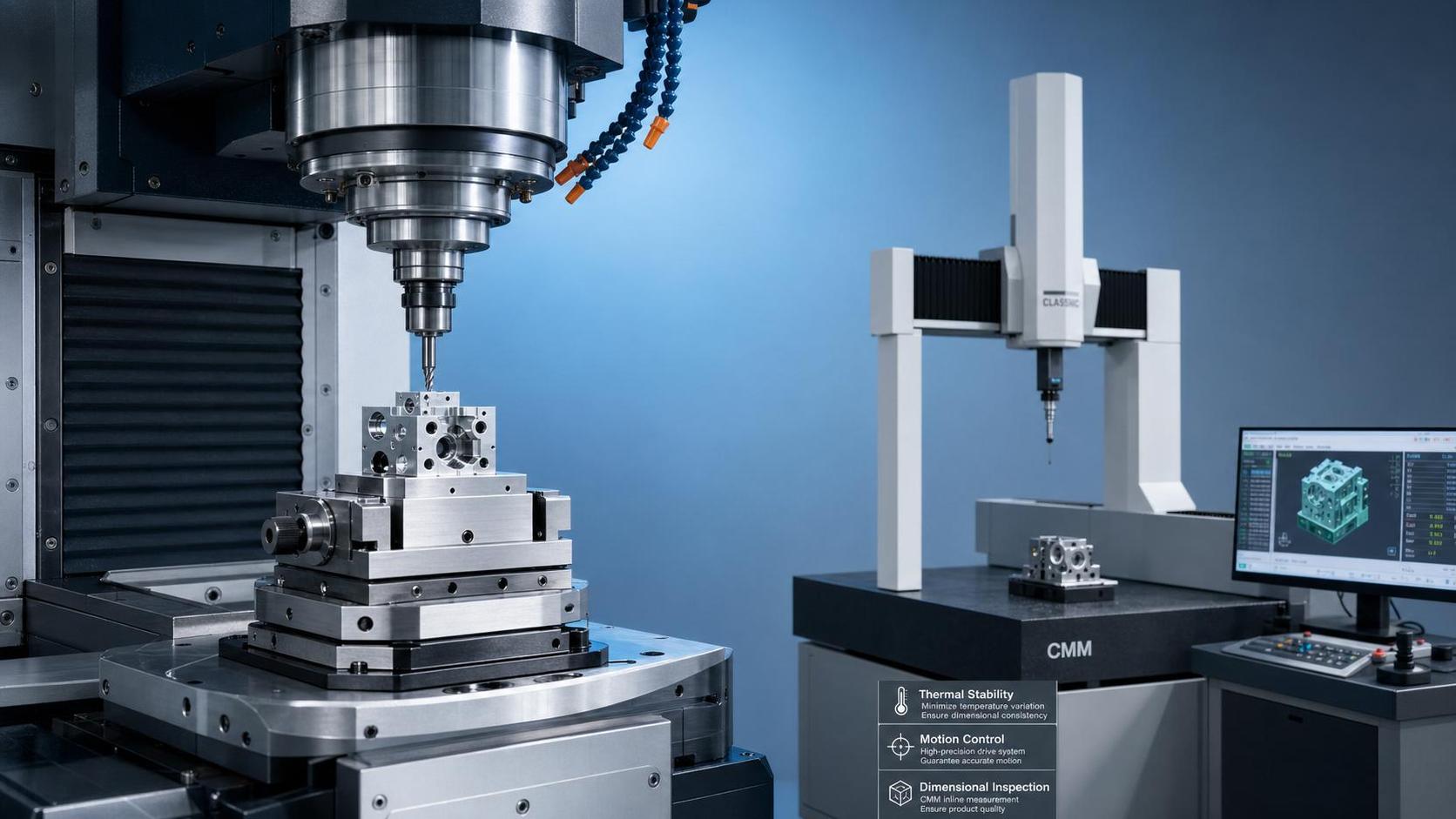
- CNC equipment needing micron-level positioning
- Robotics requiring fast servo response and low backlash coordination
- Process plants needing stable PLC or DCS control under interference
- Harsh factory environments with dust, vibration, and thermal stress
Ask for reference projects with comparable load profiles, duty cycles, and precision targets.
This matters more than generic statements about being a leading Industrial Control Electronics manufacturer.
Review core technical capability in detail
Technical depth is where many sourcing decisions go wrong.
A serious Industrial Control Electronics manufacturer should explain design logic, not just list specifications.
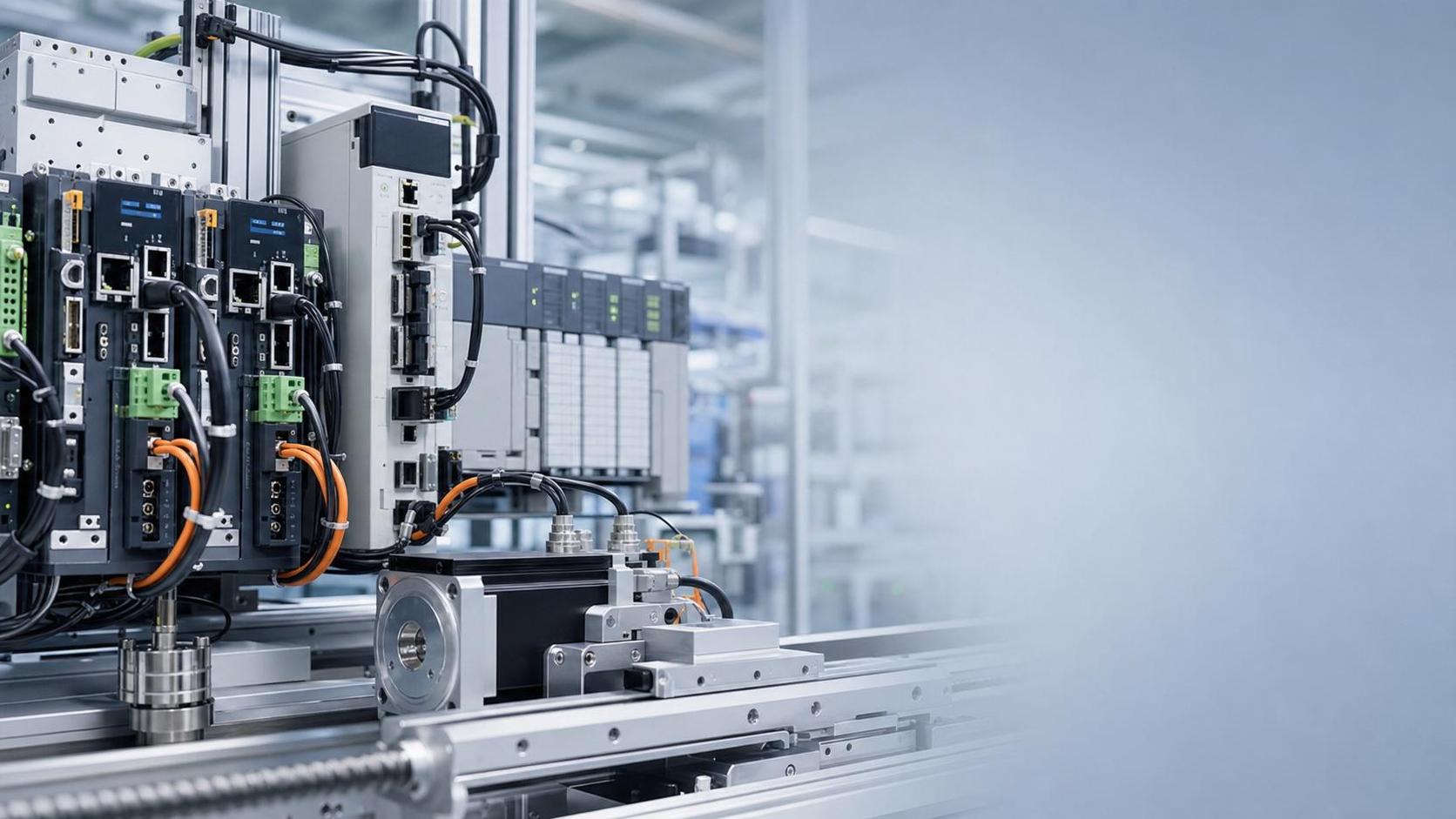
For servo and motion products, review encoder resolution, current loop response, resonance suppression, and thermal stability.
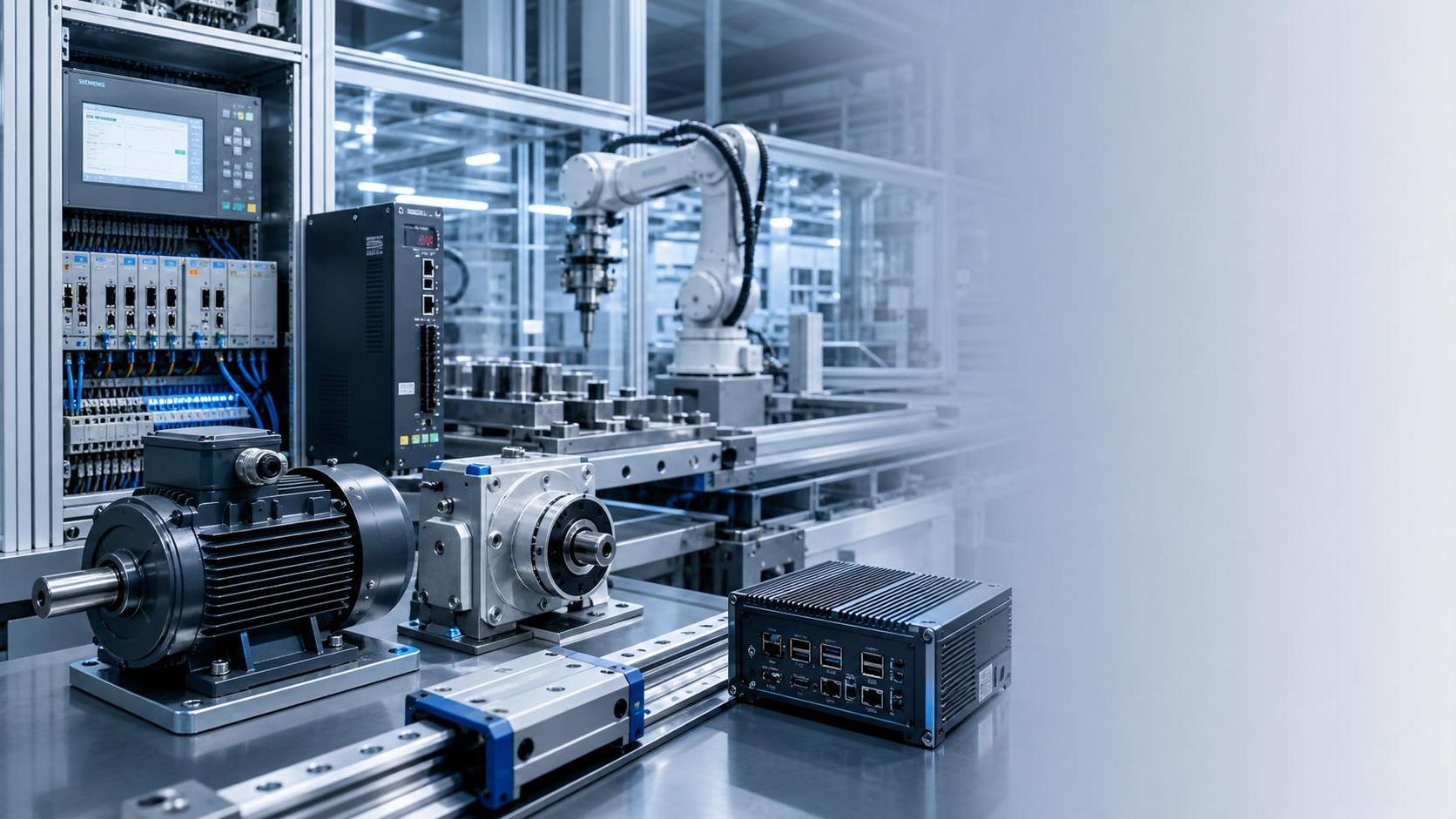
For PLC, DCS, or IPC products, review scan time consistency, communication protocol support, electromagnetic compatibility, and long-term computing stability.
For drives and inverters, look at overload capacity, harmonic behavior, efficiency, and protection logic.
Useful technical questions include the following:
- How are control algorithms validated under real load variation?
- What failure modes appear most often in field data?
- Which components are designed in-house, and which are outsourced?
- How does the supplier manage firmware updates and compatibility?
- Can the team support integration with existing automation architecture?
A strong answer shows engineering maturity.
A weak answer usually hides product limits that appear later during commissioning.
Verify quality systems beyond certificates
Many suppliers present ISO certificates, test reports, and compliance labels.
Those are useful, but they are only the starting point.
A dependable Industrial Control Electronics manufacturer should have a visible quality process from incoming materials to final inspection.
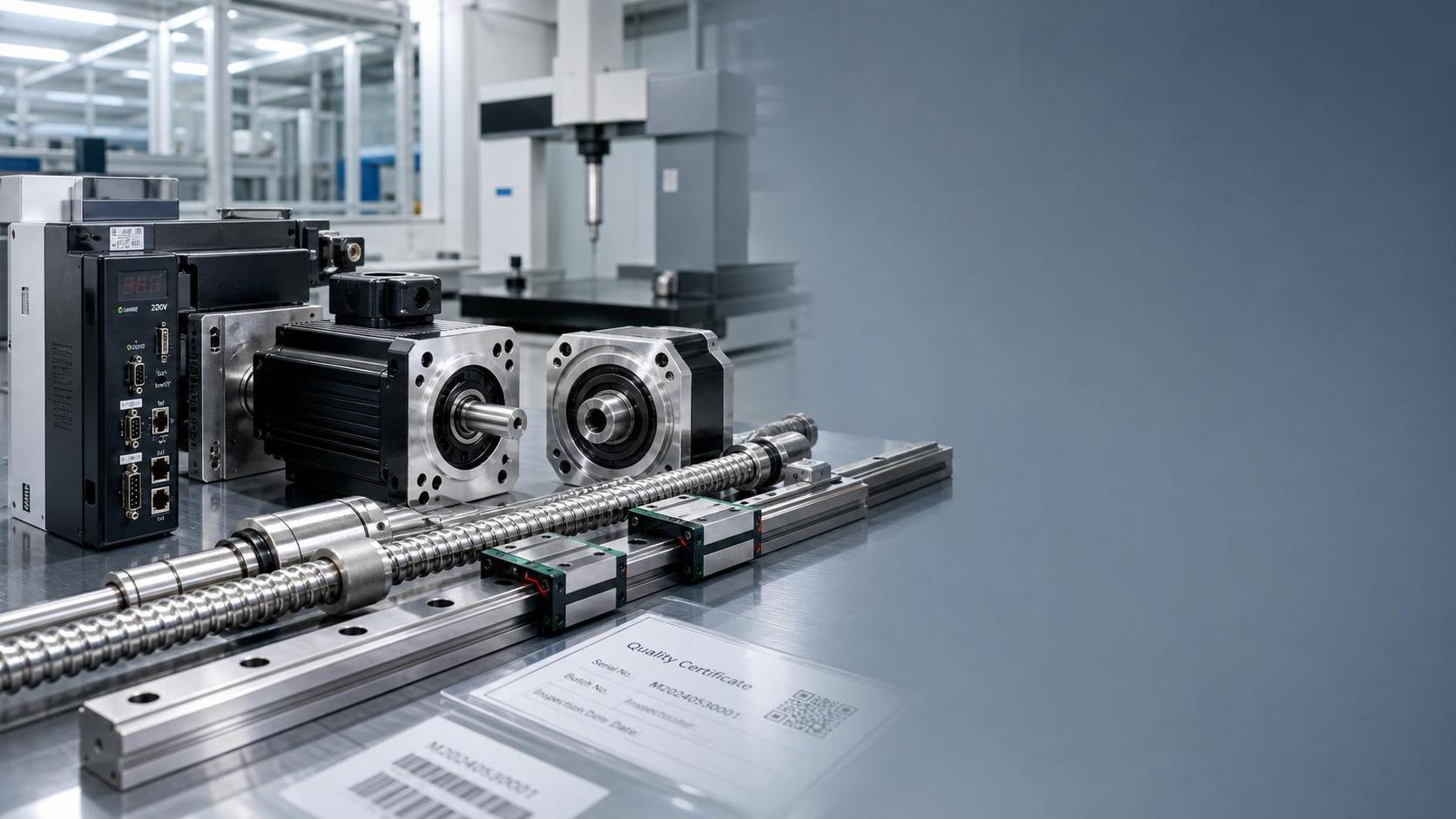
Look for traceability of critical parts, burn-in procedures, calibration control, and documented corrective actions.
In practical terms, request evidence for:
- Incoming quality control standards for chips, bearings, encoders, and power modules
- Functional testing under temperature and load changes
- EMC and vibration verification for industrial environments
- Failure analysis workflow and response time
- Documented process for nonconforming batches
The more advanced the product, the more this discipline matters.
That is especially true for any Industrial Control Electronics manufacturer serving precision automation or continuous production lines.
Assess supply chain stability and delivery risk
Recent market shifts made delivery stability a strategic issue.
Industrial chips, power semiconductors, precision bearings, and communication modules can all become bottlenecks.
This means every Industrial Control Electronics manufacturer should be evaluated for sourcing resilience, not only production capacity.
Ask how the supplier handles long-lead components, alternate part approval, and safety stock planning.
It also helps to review on-time delivery data over the past twelve months.
Pay attention to these warning signs:
- Lead times that change without clear explanation
- Heavy dependence on one chip or one critical subcontractor
- No formal obsolescence management plan
- Weak visibility into raw material and component inventory
A qualified Industrial Control Electronics manufacturer should discuss these issues directly and provide a realistic mitigation plan.
Measure engineering support and integration ability
Support quality often determines whether a project stays on schedule.
Even a technically solid product can become expensive if application support is slow or shallow.
A good Industrial Control Electronics manufacturer should support selection, debugging, field adaptation, and lifecycle maintenance.
Look for teams that understand communication protocols, motion tuning, electrical noise, and machine-level interaction.
This is especially important when mixing brands across servo drives, PLCs, HMIs, IPCs, and edge devices.
Useful evaluation points include:
- Response time for pre-sales technical questions
- Availability of commissioning guides and wiring documents
- Depth of remote and on-site troubleshooting capability
- Software usability for setup, diagnostics, and firmware maintenance
- Training support for operators and maintenance teams
In real procurement work, support quality often becomes the tie-breaker between similar manufacturers.
Compare total cost of ownership, not only purchase price
The lowest quote may create the highest operating cost.
A better way to evaluate an Industrial Control Electronics manufacturer is through total cost of ownership.
Include maintenance frequency, spare part availability, field failure rate, software licensing, energy efficiency, and downtime exposure.
For high-precision automation, a slightly higher upfront price may produce faster payback through stable throughput and lower reject rates.
This approach gives a more realistic basis for comparing each Industrial Control Electronics manufacturer on business value.
Use a practical evaluation checklist before final approval
Before placing volume orders, build a short but disciplined review process.
That keeps selection consistent across teams and reduces avoidable surprises.
A useful Industrial Control Electronics manufacturer checklist should include:
- Application references in similar industries
- Verified technical performance data
- Quality control evidence beyond certifications
- Stable lead time and supply continuity plan
- Responsive engineering and after-sales support
- Competitive lifecycle cost, not just entry price
- Sample testing or pilot run results
When possible, run a controlled trial before full rollout.
That is often the fastest way to validate whether an Industrial Control Electronics manufacturer performs as promised under real factory conditions.
Final decision guidance
The best Industrial Control Electronics manufacturer is not simply the biggest brand or the cheapest source.
It is the supplier that matches your application, proves technical depth, maintains quality discipline, and delivers stable support over time.
As automation systems become more connected and precision demands increase, sourcing decisions need a broader lens.
A careful evaluation now can prevent expensive downtime, integration delays, and replacement cycles later.
Use these criteria to shortlist suppliers, verify claims with evidence, and move forward with a lower-risk Industrial Control Electronics manufacturer selection process.
Related Recommendations
 How to Evaluate an Industrial Control Electronics ManufacturerTime : Jul 04, 2026
- Micron-Tolerance Components: What Really Affects CNC AccuracyTime : Jul 03, 2026
- How ISO-Certified CNC Motion Components Reduce Supply RiskTime : Jul 03, 2026
- When Motion Control Solutions Fail: Common Integration Gaps to FixTime : Jul 02, 2026
- Manufacturing Automation ROI: Where Operating Costs Drop FirstTime : Jul 01, 2026
- Industrial Equipment Solutions Provider: What to Check Before You CommitTime : Jul 01, 2026