Industrial Control Electronics Cost Factors That Impact ROI


Industrial Control Electronics Cost Factors Start with the Real Operating Context
Industrial Control Electronics rarely deliver their true ROI on purchase price alone.
In automation projects, cost is shaped by precision demands, runtime intensity, energy profile, maintenance access, and integration depth.
That is why the same servo drive, PLC platform, IPC, or inverter can look economical in one plant and expensive in another.
In practical deployment, Industrial Control Electronics sit between electrical response, mechanical tolerance, and production continuity.
A weak decision at that junction creates hidden losses through tuning delays, unstable motion, scrap, and unexpected stoppages.
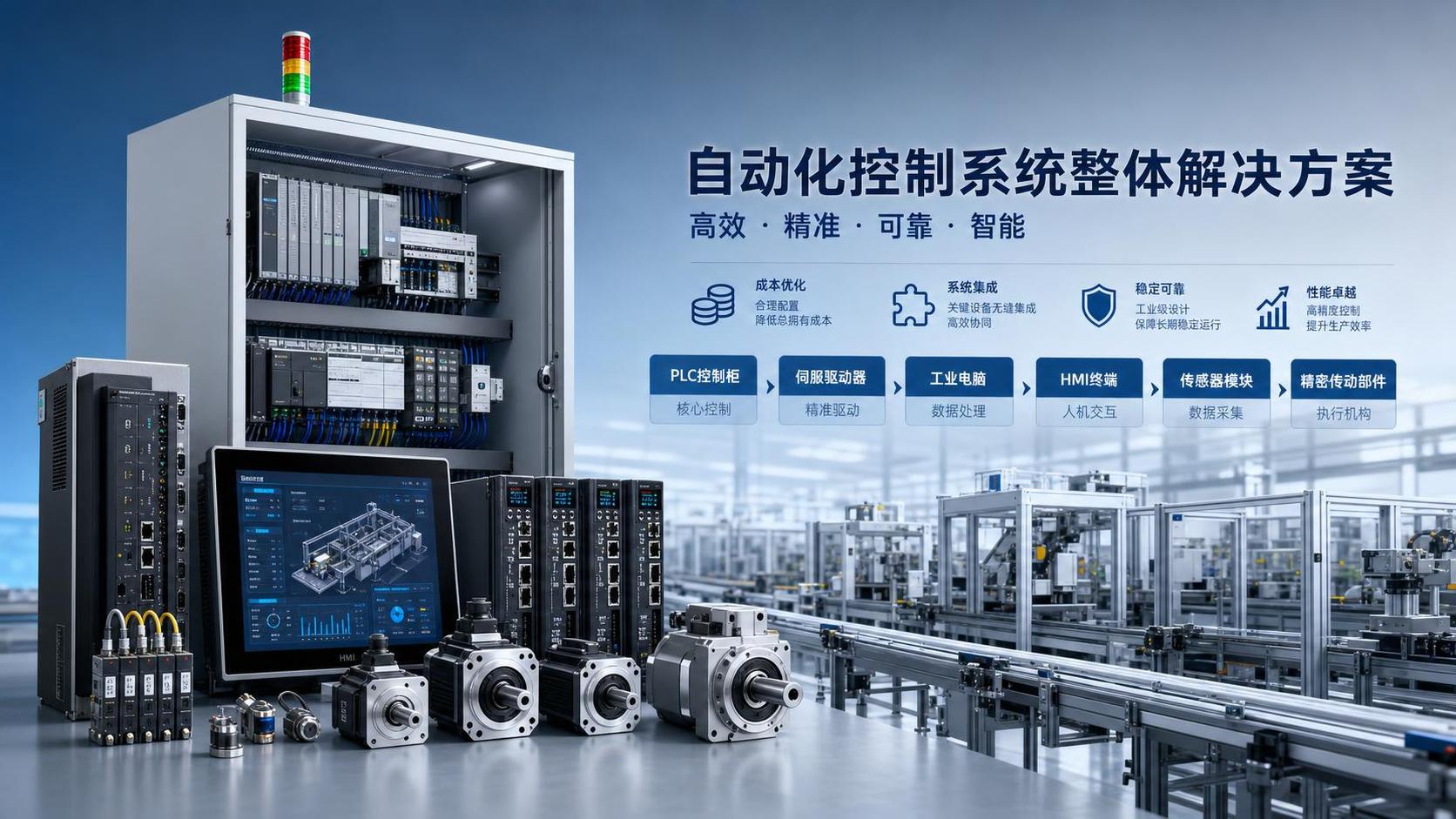
This is especially relevant in smart manufacturing, where servo control, PLC logic, reducers, guides, ball screws, and edge computing interact closely.
IAMC often frames this as the coordination of industrial muscles, nerve centers, joints, rails, and edge intelligence.
Seen that way, Industrial Control Electronics are not isolated parts. They are cost multipliers across the whole machine lifecycle.
Why the Cost Picture Changes from One Application to Another
Different applications stress different failure points.
A packaging line may prioritize speed consistency and changeover flexibility.
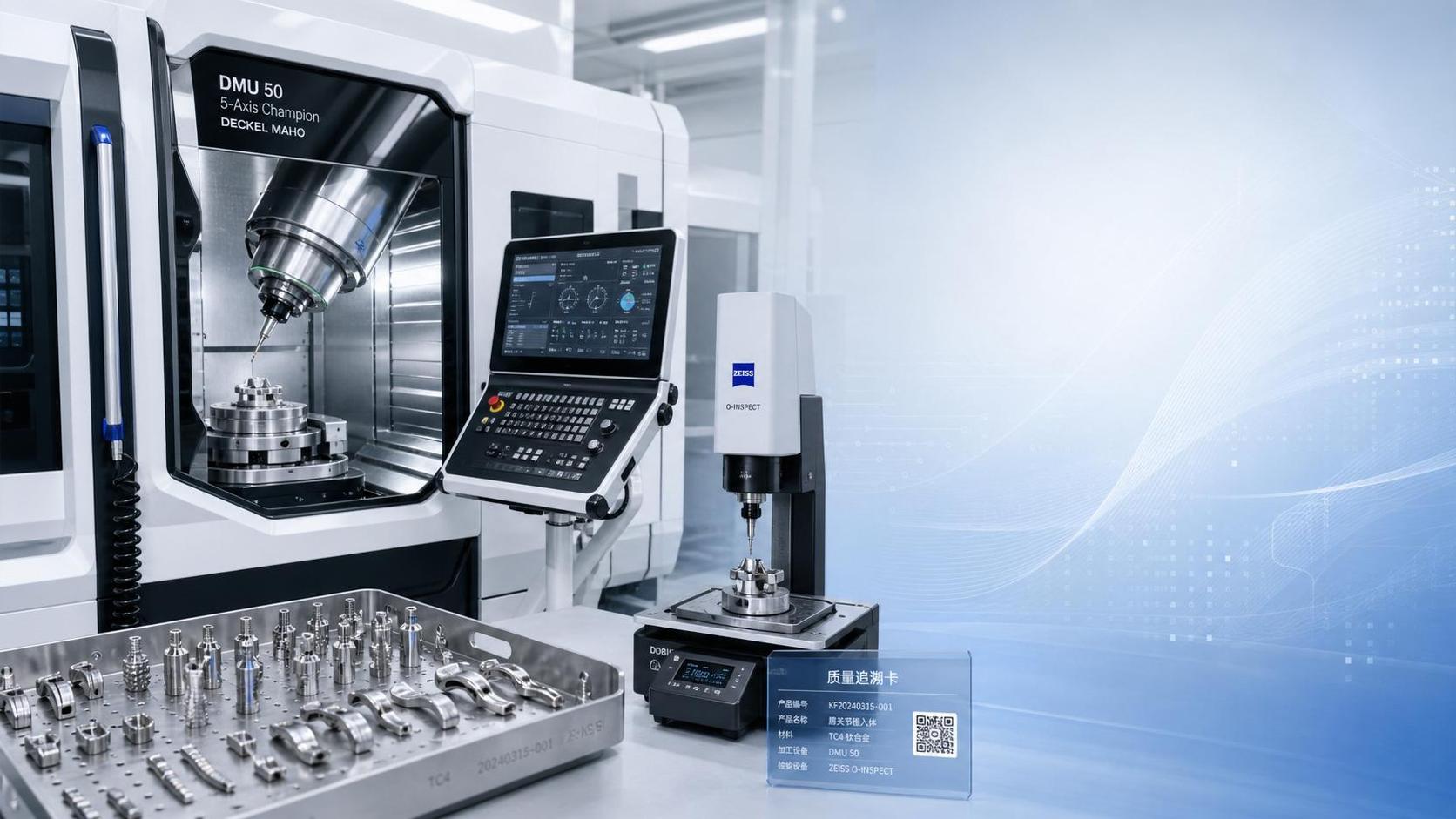
A CNC cell may care more about micron-level positioning, vibration control, and thermal stability.
A robot axis in battery manufacturing may face continuous acceleration, high duty cycles, and strict uptime targets.
In each case, Industrial Control Electronics are judged by a different cost logic.
Sometimes the key issue is encoder quality.
Sometimes it is PLC scan determinism under electromagnetic interference.
Elsewhere, the real expense comes from harmonic reducer fatigue, IPC instability in dusty environments, or poor inverter sizing.
A useful evaluation begins by asking where revenue is most exposed: accuracy, throughput, energy, service time, or downtime.
In high-precision motion systems, cheaper electronics often move the cost downstream
Precision-heavy environments make cost mistakes visible very quickly.
Semiconductor handling, CNC finishing, inspection equipment, and fine assembly depend on tightly coordinated Industrial Control Electronics.
Here, servo response bandwidth, encoder resolution, resonance suppression, and communication latency all matter.
A lower-priced drive can become expensive if tuning takes longer, rejects increase, or machine settling time extends every cycle.
The same applies when mechanical transmission quality is ignored.
Industrial Control Electronics cannot compensate indefinitely for backlash, guide wear, or ball screw inconsistency.
This is where IAMC’s focus on linking microsecond control algorithms with nanometer mechanical tolerances becomes commercially useful.
The better judgment is to compare total positioning stability, commissioning time, and scrap exposure, not line-item electronics price.
What usually deserves closer review
- Encoder feedback quality and immunity to electrical noise.
- Servo tuning tools for resonance, overshoot, and load variation.
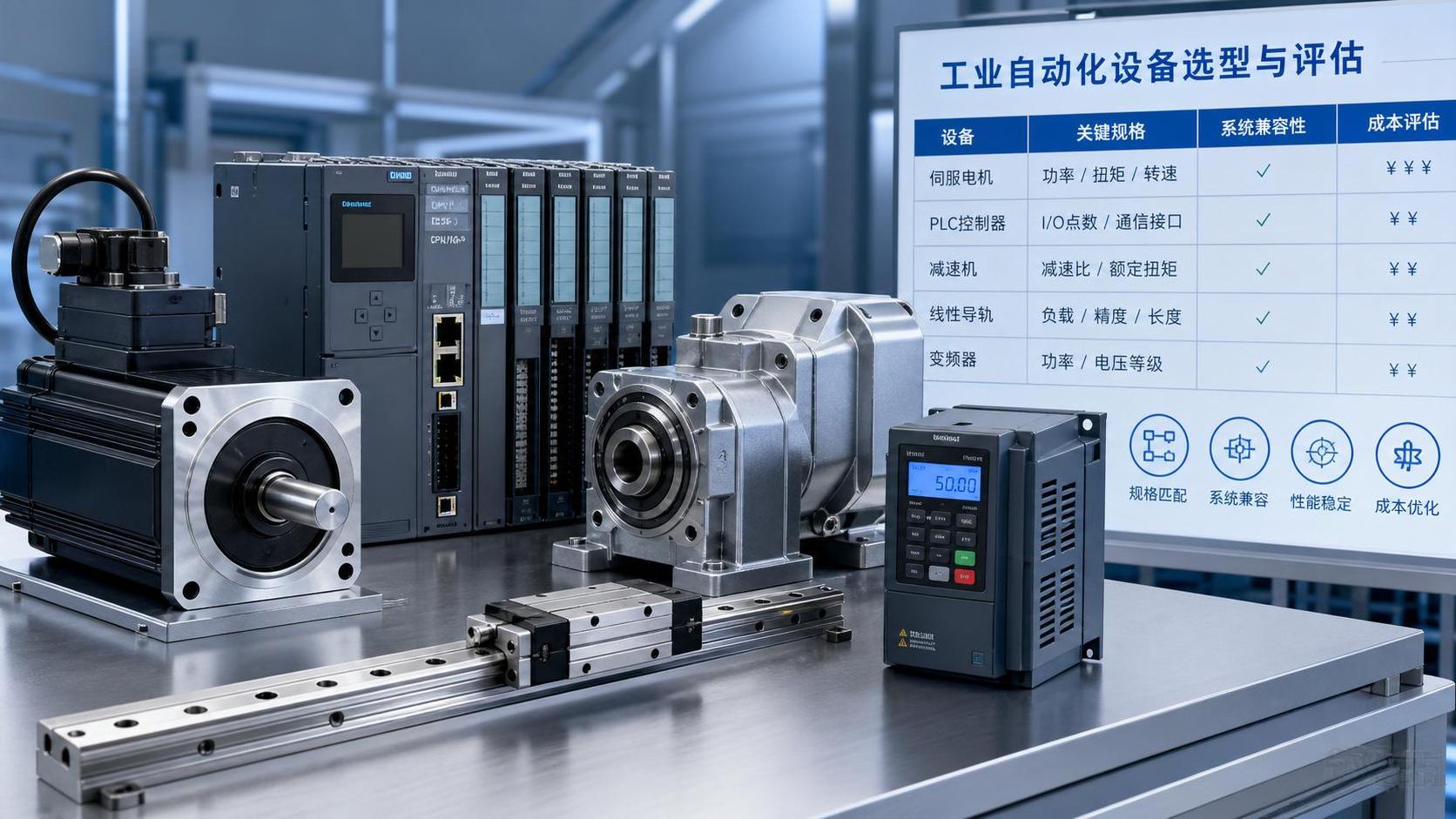
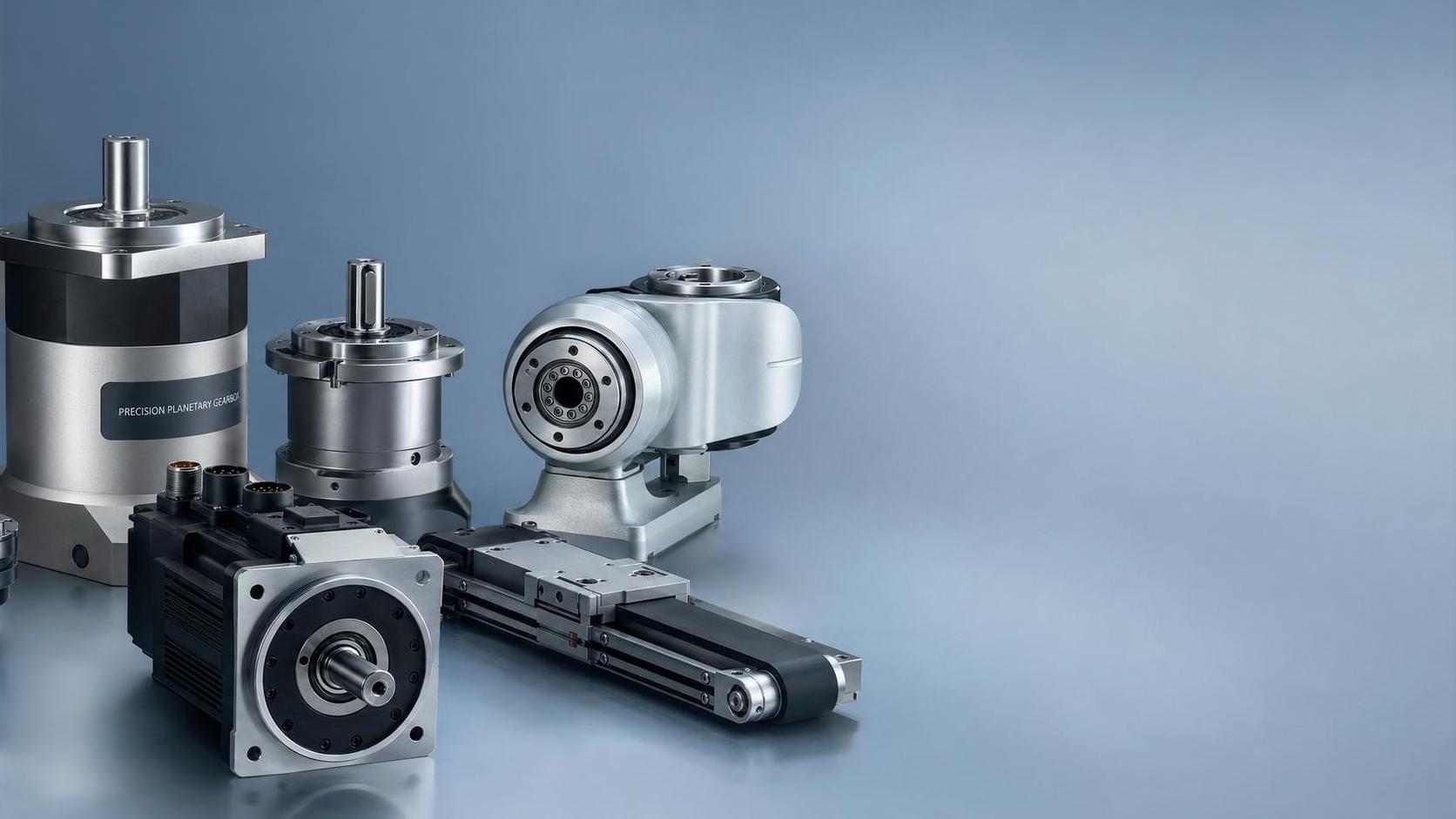
- Mechanical-electrical matching across reducers, guides, and screws.
- Lifecycle drift, not just day-one precision.
On fast production lines, downtime risk can outweigh component price by a wide margin
Continuous lines create a different ROI model for Industrial Control Electronics.
Food processing, packaging, converting, and automated warehousing may not need extreme precision on every axis.
They do need dependable control at speed, repeatable I/O behavior, and short recovery after faults.
In these environments, a PLC or IPC decision affects whole-line availability.
If Industrial Control Electronics require specialized diagnostics, uncommon spare parts, or long vendor lead times, the real cost rises quickly.
The financial impact often comes from stopped conveyors, missed delivery windows, and labor disruption rather than the failed board itself.
More common in practice is a balanced architecture.
That means proven PLC/DCS reliability, standard communication protocols, and maintainable power electronics with predictable replacement cycles.
Energy-intensive operations usually reveal hidden Industrial Control Electronics savings
When motors run long hours, energy efficiency becomes a direct ROI lever.
This is common in pumps, fans, compressors, conveyors, mixers, and large process equipment.
In these cases, Industrial Control Electronics are not only control devices. They are energy management assets.
A well-matched inverter can reduce power consumption substantially, but only if load variation actually supports speed control savings.
One frequent misjudgment is to assume any VFD installation guarantees fast payback.
The better method is to compare duty cycle, peak demand, harmonic conditions, cooling requirements, and power quality effects.
Industrial Control Electronics with poor thermal management may lower electricity use while increasing failure rates.
That tradeoff is rarely visible in the quotation stage.
Edge computing and data-rich control bring integration costs that many teams underestimate
As factories move toward flexible manufacturing, Industrial Control Electronics are expected to do more than basic control.
They now collect sensor data, support remote diagnostics, synchronize motion, and connect to MES or analytics layers.
That creates value, but also adds integration cost.
Industrial PCs, SoftPLCs, gateways, and networked drives can look attractive on paper.
Yet software maintenance, real-time jitter, cybersecurity hardening, and protocol conversion can extend implementation timelines.
IAMC’s attention to microsecond jitter analysis and industrial edge resilience reflects a real field concern.
In short, advanced Industrial Control Electronics should be valued by usable data quality and system stability, not by feature count alone.
Useful pre-checks before selecting a connected architecture
- Confirm required real-time performance at the control layer.
- Map every protocol handoff between sensors, PLCs, drives, and enterprise systems.
- Estimate software support effort over three to five years.
- Review environmental stress on IPC hardware.
Where Industrial Control Electronics decisions are often misread
Several mistakes appear across industries, even when technical specifications seem acceptable.
- Comparing only unit price while ignoring commissioning hours and tuning complexity.
- Treating similar machines as identical, despite different loads, speeds, or environmental stress.
- Selecting precision electronics without checking reducer, guide, and screw quality.
- Assuming high-end Industrial Control Electronics always produce the best ROI.
- Overlooking spare part access during chip shortages or trade restrictions.
That last point matters more than before.
Global supply cycles now influence the economics of controllers, drives, and edge hardware as much as technical capability does.
A more reliable way to evaluate Industrial Control Electronics ROI
A practical evaluation does not need to be complicated, but it should be structured.
Start by separating visible cost from operating cost.
Then test each Industrial Control Electronics option against the actual production environment.
- Define the dominant loss risk: scrap, stoppage, energy, or service burden.
- Check whether control precision matches mechanical capability.
- Model maintenance intervals, spare strategy, and recovery time.
- Review compatibility with existing PLC/DCS, drive, and IPC ecosystems.
- Stress-test the choice against future capacity or flexibility needs.
The strongest ROI cases usually come from alignment, not from buying either the cheapest or the most advanced platform.
Industrial Control Electronics perform best financially when their control depth, durability, and service model fit the actual task.
Before the next investment decision, it is worth documenting the operating scenario, failure tolerance, integration path, and maintenance constraints in one view.
That approach makes cost discussions far more accurate and turns Industrial Control Electronics selection into a measurable competitiveness decision.
Related Recommendations
 Industrial Automation Applications in Food Processing: Key Use Cases and ROI FactorsTime : Jul 21, 2026
- Industrial Component Selection Checklist: Key Specs, Risks, and Cost FactorsTime : Jul 20, 2026
- How to Evaluate High Precision Manufacturing for Medical DevicesTime : Jul 19, 2026
- Automation Control Systems Price: Cost Drivers and Budget BenchmarksTime : Jul 17, 2026
- Reducer Selection Guide: How to Balance Torque, Cost, and LifespanTime : Jul 11, 2026
- How to Evaluate an Industrial Automation Parts Supplier for Lead Time and RiskTime : Jul 10, 2026