Industrial Control Technology: Key Upgrade Risks to Check First


Industrial Control Technology upgrades often look straightforward on paper: newer PLCs, faster servo drives, smarter IPCs, tighter motion accuracy, lower energy use. In practice, the first risks appear long before commissioning. A control upgrade can reshape machine timing, network behavior, mechanical stress, spare-part strategy, and even delivery milestones. That is why the earliest checkpoints matter more than the final brochure specifications.
Why upgrade risk is now a board-level operational issue
Industrial Control Technology sits at the intersection of automation logic, electrical response, mechanical precision, and production continuity.
That intersection has become more sensitive.
Factories now expect one platform to support higher throughput, flexible manufacturing, predictive maintenance, and data visibility at the edge.
At the same time, the tolerance for disruption is shrinking. A short stop can affect downstream quality, upstream material planning, and customer delivery windows.
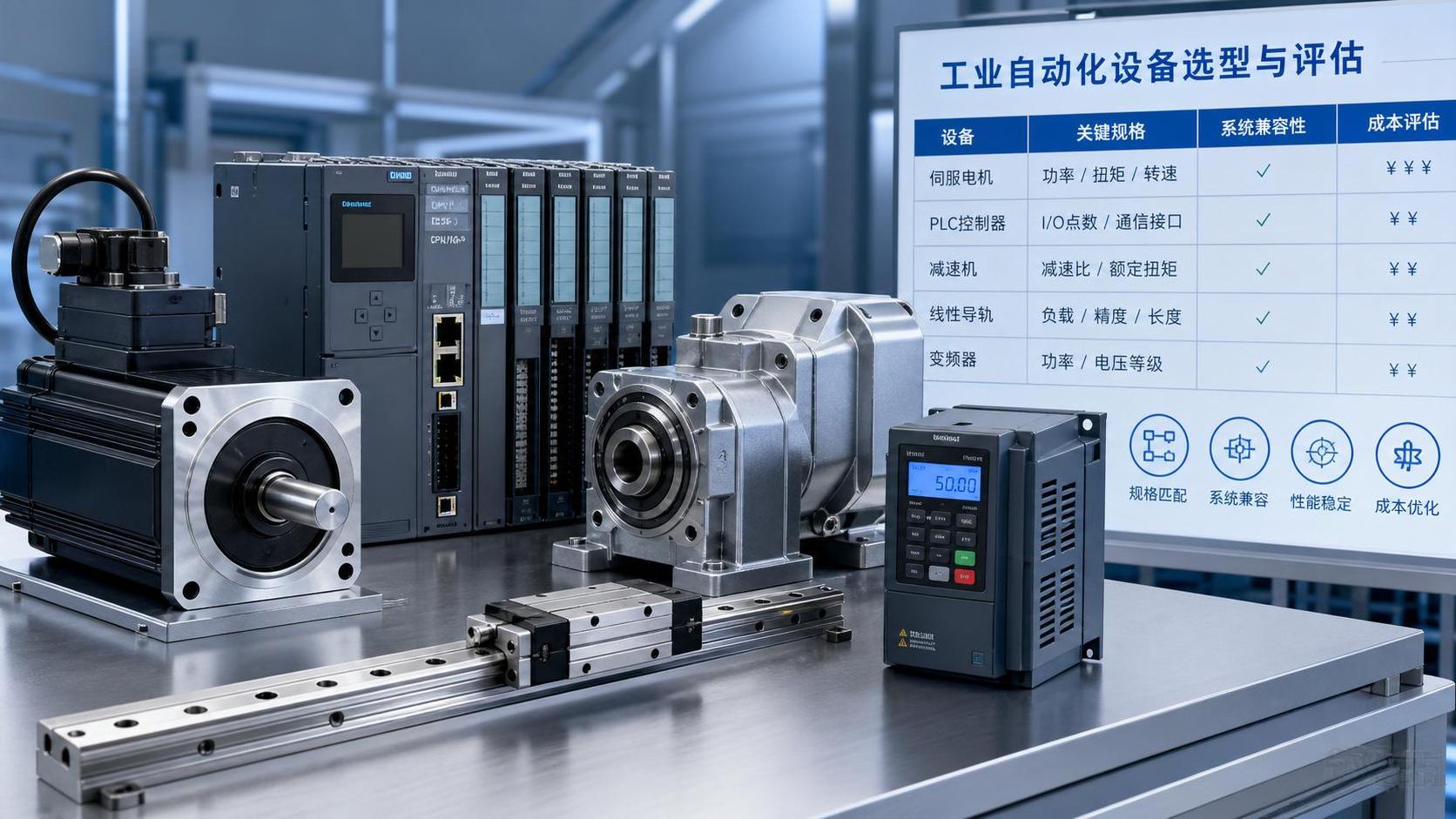
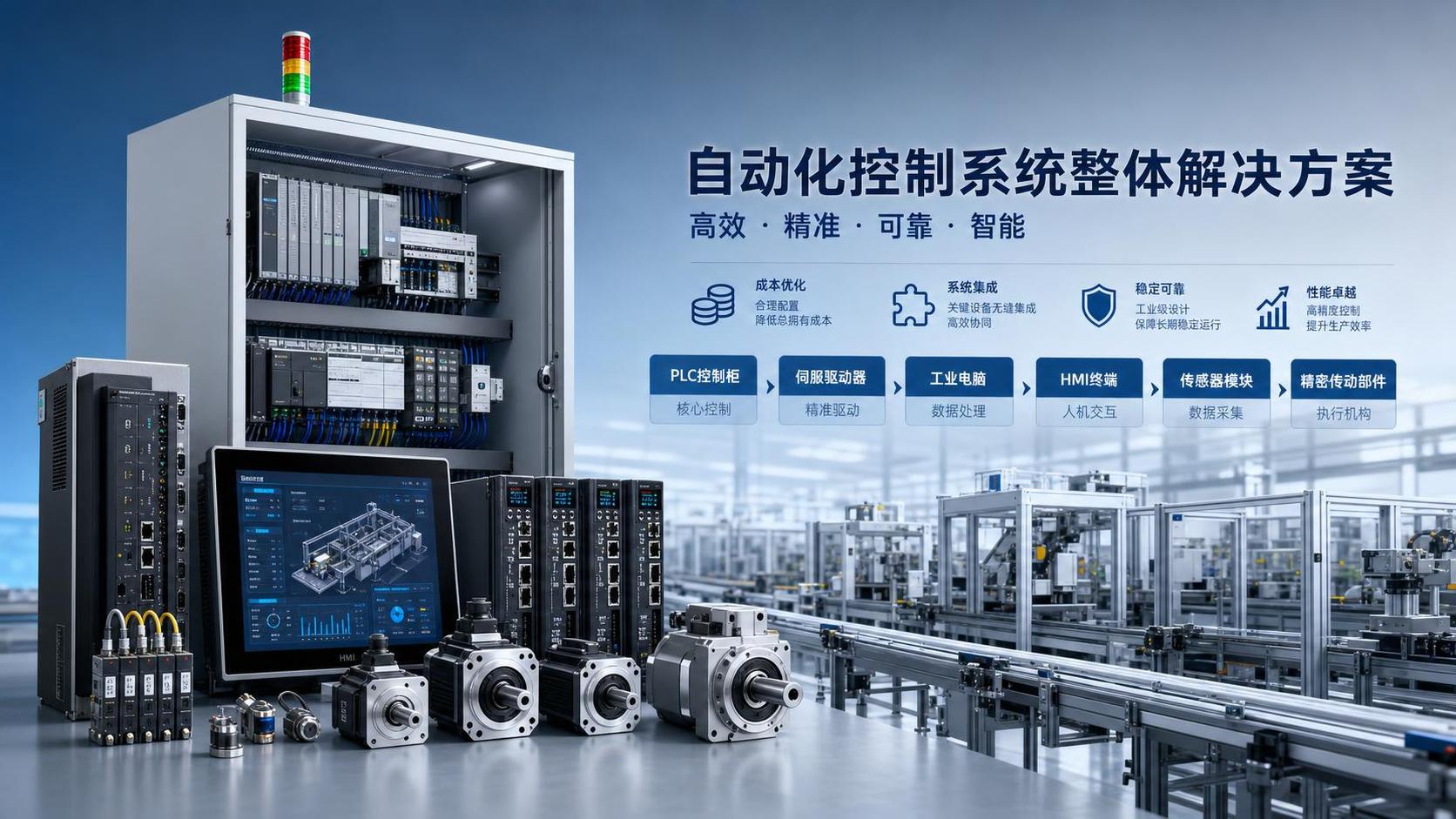
This is especially true in lines relying on servo synchronization, PLC/DCS coordination, reducers, guides, ball screws, inverters, and industrial PCs working as one system.
IAMC has long tracked these linked layers of motion control and industrial intelligence. That perspective is useful because most upgrade failures do not come from one bad component alone.
They come from mismatched assumptions between components that were never checked together.
Industrial Control Technology is more than a controls refresh
A common mistake is treating an upgrade as a replacement exercise.
In reality, Industrial Control Technology includes the full chain of sensing, logic, actuation, motion transmission, power conversion, communication, and edge processing.
Changing one link can alter the behavior of the others.
For example, a higher-performance servo drive may expose backlash in a reducer that older tuning had masked.
A new IPC may process more data, yet introduce latency variation if the real-time environment is not validated.
An updated PLC may support richer instructions, but scan cycle changes can break timing assumptions in interlocks or recipe sequences.
So the real question is not whether the new platform is better.
The real question is whether the upgraded system will remain coherent under real production conditions.
The first risks to check before any upgrade approval
Control architecture compatibility
Start with the architecture, not the device list.
Check fieldbus protocols, controller hierarchy, I/O addressing, motion libraries, HMI dependencies, historian links, and alarm structures.
In mixed-brand environments, “supported” does not always mean “predictable under load.”
Servo and motion tuning exposure
Servo performance gains can be real, but they can also reveal mechanical weakness.
Resonance, overshoot, settling instability, encoder mismatch, and load inertia errors should be checked before hardware commitments are finalized.
If notch filtering or gain tuning becomes unusually aggressive, the issue may be structural rather than electrical.
Mechanical transmission tolerance risk
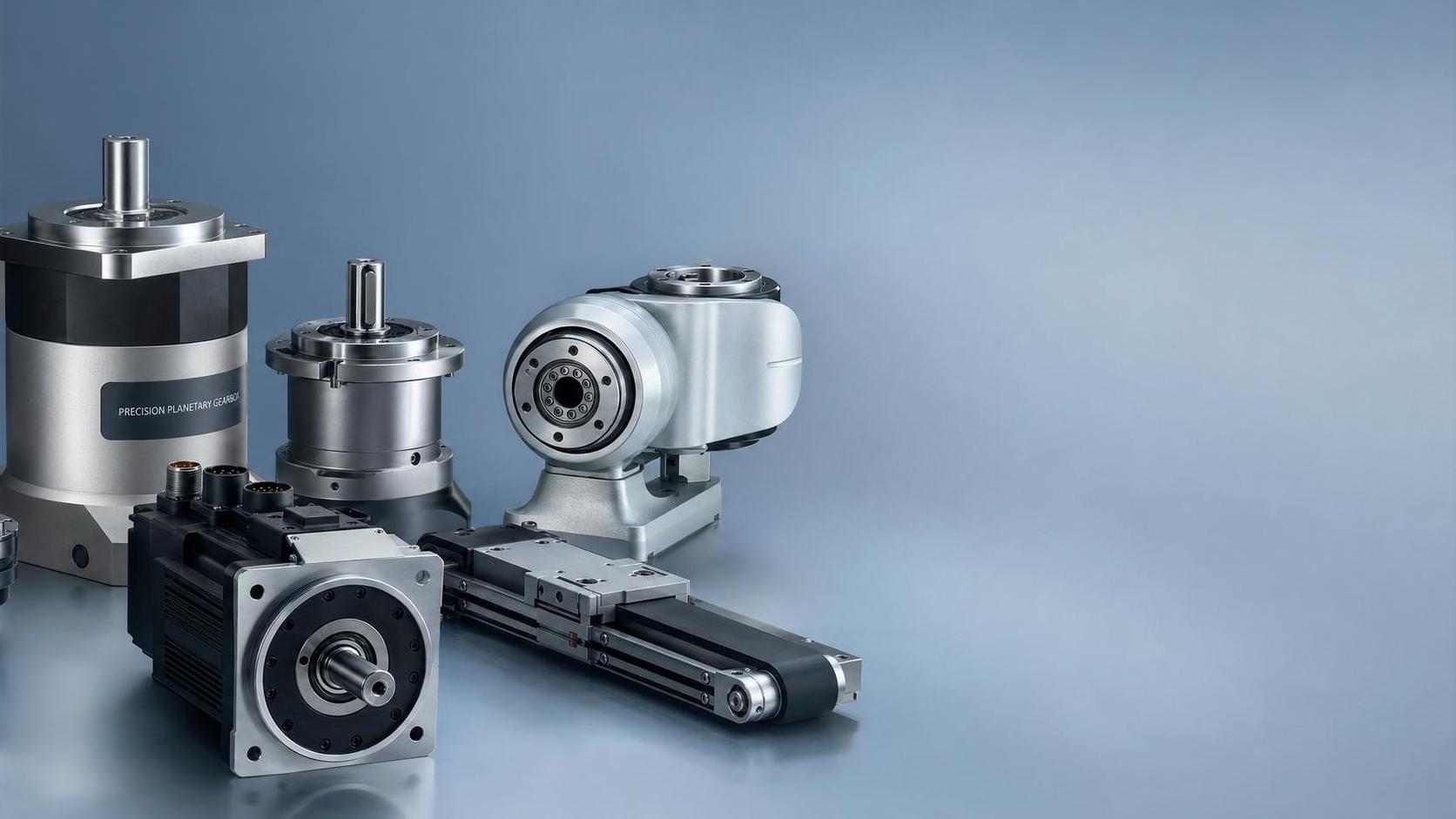
Reducers, guides, couplings, and ball screws define what motion quality is physically achievable.
An upgrade that targets micron-level precision cannot rely on worn transmission elements or uncertain assembly tolerances.
This point is often underestimated in retrofit projects.
Industrial PC and edge stability
More edge intelligence is attractive, especially for analytics and local decision loops.
Yet Industrial Control Technology at the edge must survive vibration, dust, thermal stress, power fluctuation, and real-time workload peaks.
Software capability without deterministic behavior is a hidden operational risk.
Supply chain and lifecycle availability
An upgrade should not improve performance while weakening maintainability.
Controller chips, encoder modules, specialty reducers, and communication cards may face long lead times or regional trade barriers.
Lifecycle alignment matters as much as initial procurement.
Where upgrade decisions usually go off track
Many Industrial Control Technology projects fail in the gap between technical intent and operational reality.
One gap appears when performance targets are copied from supplier data instead of measured from the current machine state.
Another appears when electrical teams, software teams, and mechanical teams validate their own scope but not the interaction points.
There is also a timing problem.
If risk review starts after procurement, key design choices are already locked. Then the project absorbs avoidable cost through rework, workaround coding, or unplanned site tuning.
In high-precision environments, this can be severe. Microsecond jitter, millisecond scan variation, or sub-millimeter alignment drift may all show up as quality instability.
How to read upgrade risk by application context
Not every Industrial Control Technology upgrade carries the same risk profile.
The application context changes what should be checked first.
- High-speed packaging lines usually expose synchronization and network determinism issues first.
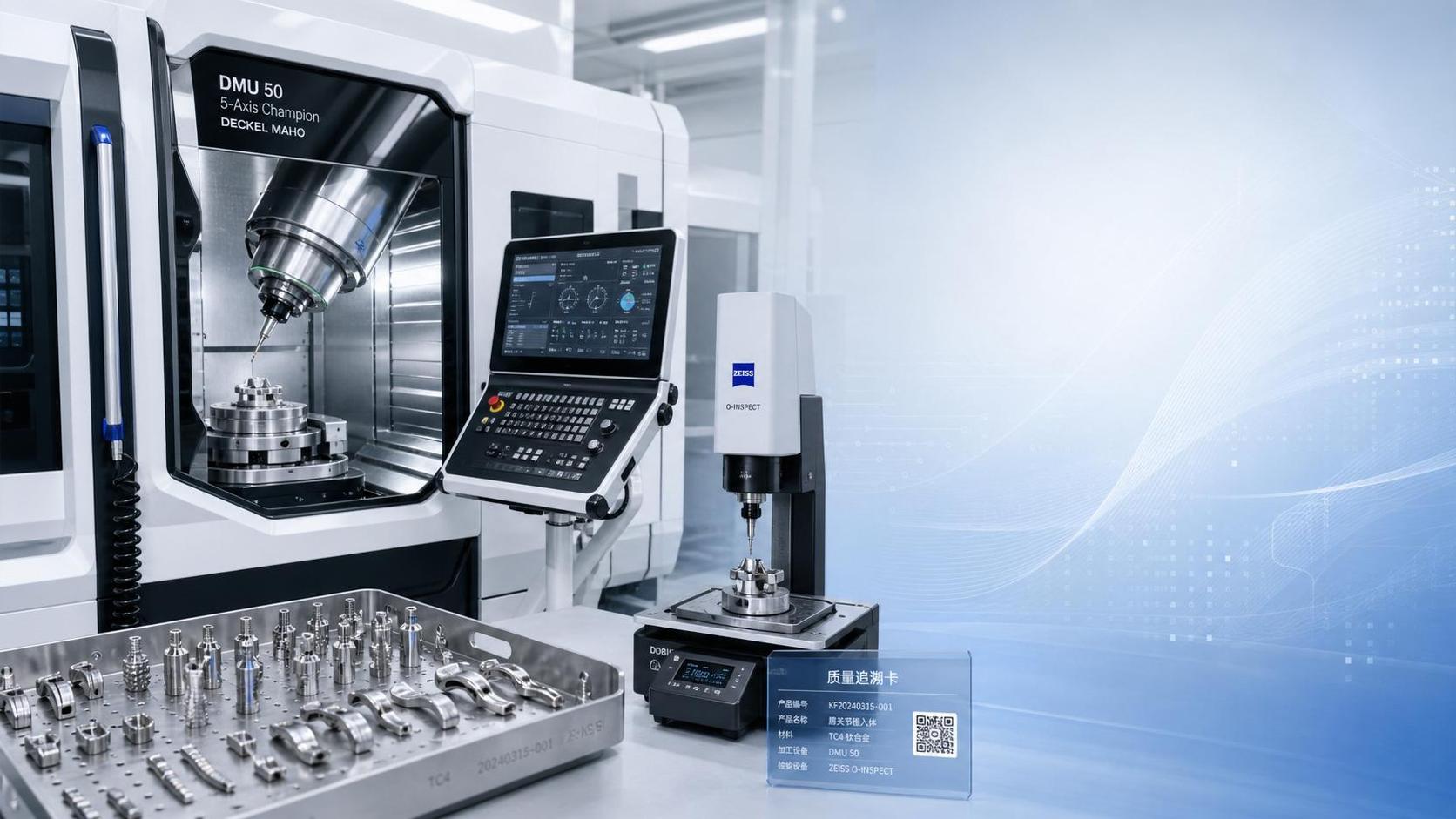
- CNC and precision motion systems often reveal guide, screw, and servo matching problems first.
- Robot cells tend to concentrate risk in reducers, dynamic load changes, and motion path repeatability.
- Process industries using DCS environments may face integration, alarm rationalization, and legacy interlock migration risks.
- Energy-intensive motor systems often justify inverter upgrades, but harmonic impact and power quality still need checking.
This is why a generic upgrade checklist is never enough.
The first checkpoints should reflect the dominant failure mode of the line, not the popularity of a technology trend.
A practical review framework before execution starts
A useful review framework is simple, but it must be disciplined.
Baseline the current system honestly
Capture actual cycle time, downtime causes, quality loss points, positioning deviation, thermal drift, spare-part consumption, and software bottlenecks.
Without a baseline, upgrade value becomes subjective.
Separate must-have improvements from nice-to-have features
Industrial Control Technology programs often expand too early.
Functional safety, motion stability, and maintainability should rank above interface cosmetics or loosely defined smart features.
Test interfaces, not only components
Factory acceptance tests should cover protocol behavior, fault recovery, synchronized motion, edge data handling, and restart scenarios.
The interface is where hidden risk usually lives.
Plan for post-startup tuning time
Even strong designs need tuning after installation.
Schedule time for gain adjustment, filter refinement, alarm threshold review, and operator feedback before declaring the project stable.
Why deeper intelligence matters in upgrade planning
The most reliable upgrade decisions are rarely made from catalog comparisons alone.
They depend on understanding the deeper behavior of control algorithms, mechanical fatigue, transmission precision, and edge-computing stability over time.
That is where industry intelligence platforms such as IAMC add value.
Coverage of servo filtering, harmonic reducer fatigue, SoftPLC jitter, component supply cycles, and trade barriers helps turn technical selection into operational judgment.
For upgrade planning, that shift is critical.
It moves the conversation from “Which component is newer?” to “Which system decision will remain stable, serviceable, and economically sound?”
A better next step than rushing into replacement
Before approving any Industrial Control Technology upgrade, define the first five checkpoints that could stop the project from delivering value.
Then map each checkpoint to evidence: measured data, compatibility proof, mechanical inspection, runtime tests, and lifecycle availability.
That approach does not slow progress.
It reduces expensive surprises, protects uptime, and improves the odds that the upgraded system performs as a production asset, not just a technical installation.
If the goal is lasting precision, flexible automation, and reliable throughput, the smartest starting point is not the purchase list. It is the risk list.
Related Recommendations
 Industrial Automation Applications in Food Processing: Key Use Cases and ROI FactorsTime : Jul 21, 2026
- Industrial Component Selection Checklist: Key Specs, Risks, and Cost FactorsTime : Jul 20, 2026
- How to Evaluate High Precision Manufacturing for Medical DevicesTime : Jul 19, 2026
- Automation Control Systems Price: Cost Drivers and Budget BenchmarksTime : Jul 17, 2026
- Reducer Selection Guide: How to Balance Torque, Cost, and LifespanTime : Jul 11, 2026
- How to Evaluate an Industrial Automation Parts Supplier for Lead Time and RiskTime : Jul 10, 2026