Industrial Robotics Manufacturer Comparison: Payload, Precision, and Support

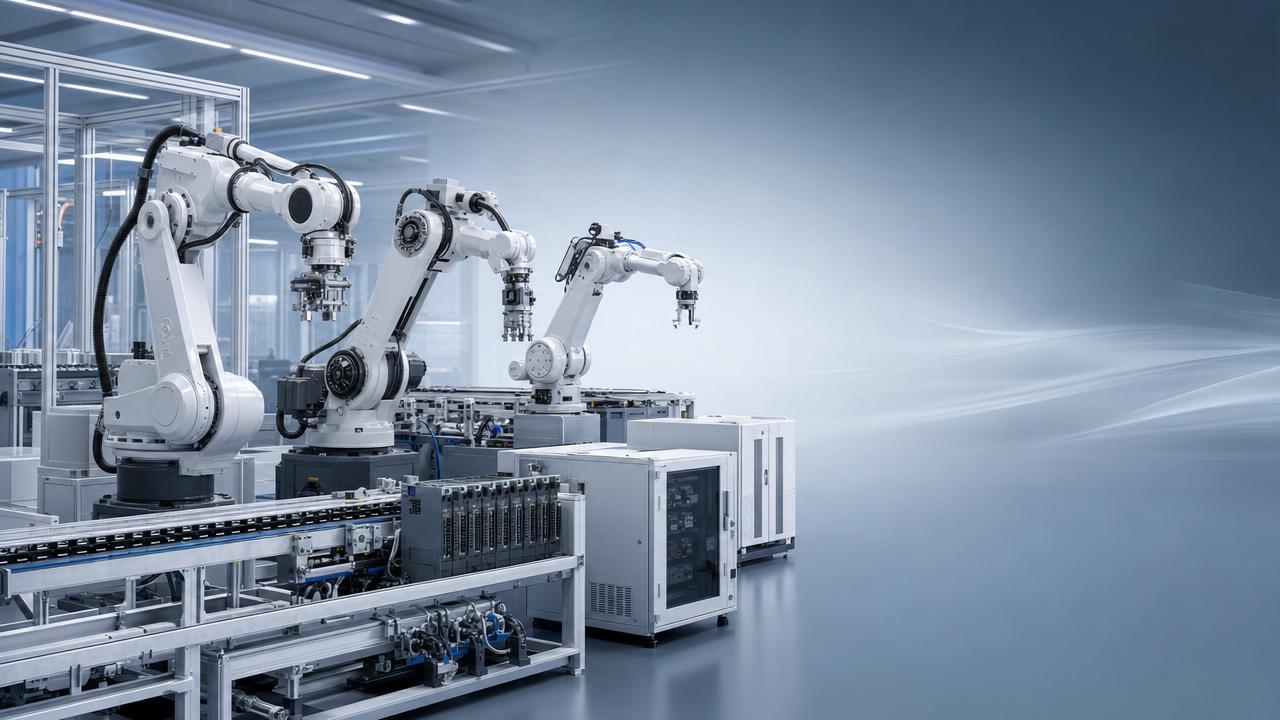
Selecting an Industrial Robotics manufacturer is rarely a brochure exercise. In live automation projects, payload ratings, repeatability, controller behavior, integration depth, and service responsiveness shape far more value than headline speed alone.
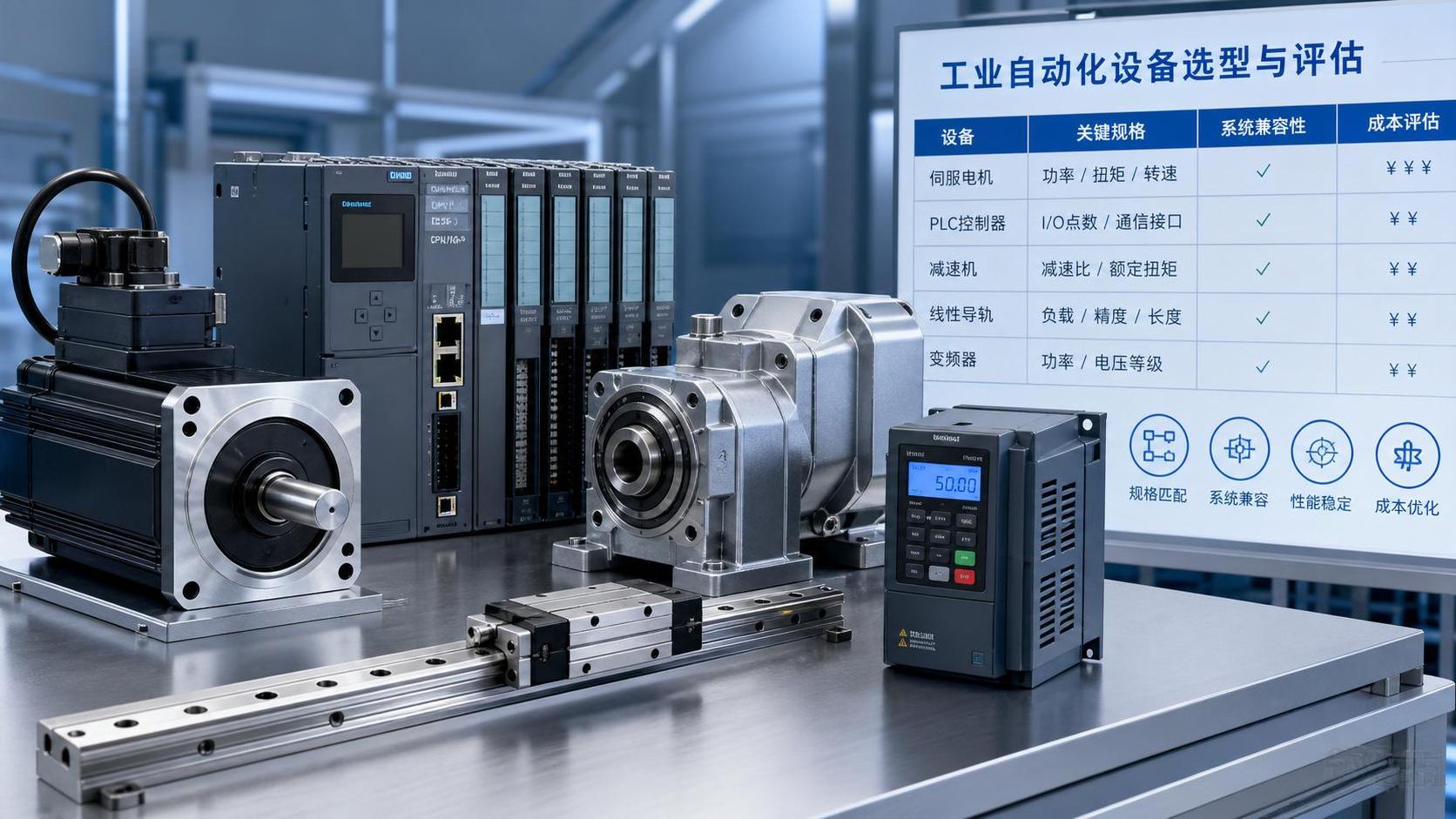
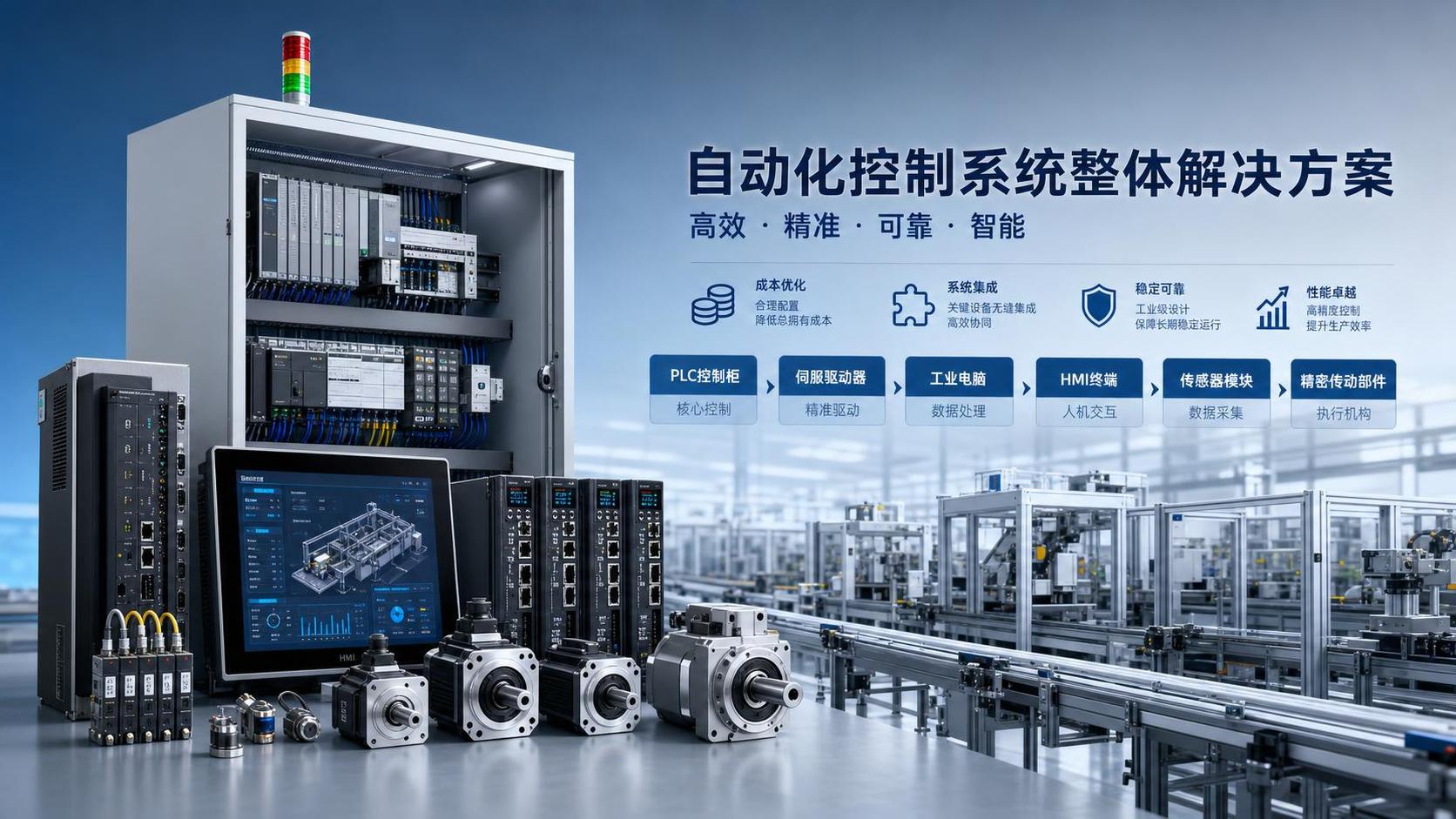
That is why manufacturer comparison has become a strategic task across general industry. A robot is not an isolated machine. It sits inside a motion ecosystem of servo drives, PLC or DCS logic, reducers, linear motion parts, inverters, and industrial computing.
From the IAMC perspective, this comparison is really about how well a robot brand connects the muscles, joints, and control nerve centers of Industry 4.0. The strongest option is usually the one that keeps precision stable under real production pressure.
What an Industrial Robotics manufacturer really delivers
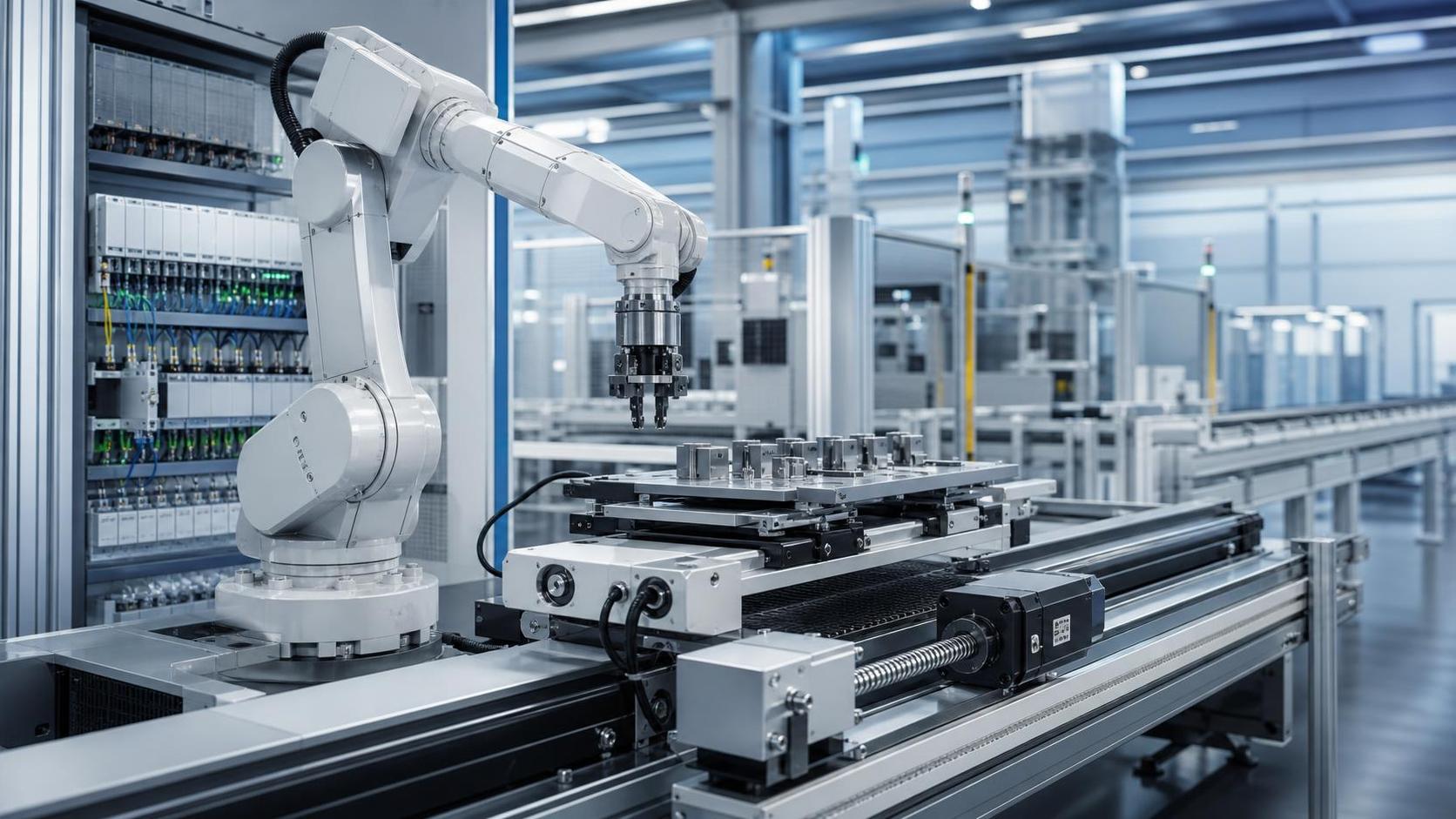
An Industrial Robotics manufacturer does more than assemble robot arms. It defines the mechanical structure, servo tuning philosophy, controller architecture, gearbox selection, software environment, safety functions, and field support model.
In practical terms, the manufacturer determines whether a robot stays accurate after millions of cycles, whether it rejects vibration near maximum load, and whether it can exchange data cleanly with upstream and downstream equipment.
This matters across welding, machine tending, palletizing, dispensing, electronics assembly, food handling, and battery production. Each use case places a different burden on payload, stiffness, cleanliness, speed control, and uptime support.
Why comparison matters more now
Robot competition has shifted. Buyers are no longer comparing only arm size or price. They are comparing precision retention, software openness, spare parts security, and the manufacturer’s ability to support flexible manufacturing.
Supply chain volatility also changes evaluation priorities. A capable Industrial Robotics manufacturer now needs reliable sourcing for encoders, reducers, chips, and power electronics, not just a strong product catalog.
IAMC tracks these deeper factors because they directly affect automation resilience. A robot cell can look competitive at commissioning and still become expensive if controller updates lag, gearbox wear accelerates, or local service coverage is weak.
Payload is more than a number on the datasheet
Payload is often the first filter in any Industrial Robotics manufacturer comparison. Even so, rated payload alone can be misleading. Real suitability depends on wrist torque, moment load, center of gravity, reach, and duty cycle.
A robot carrying a compact gripper behaves differently from one carrying an offset welding gun or vision-guided end effector. The same nominal payload can create very different dynamic stress on joints and reducers.
This is where manufacturer engineering depth shows up. Better brands provide detailed load diagrams, inertia limits, acceleration guidance, and simulation tools that reveal whether performance remains stable near operating limits.
In high-mix environments, some margin is usually wise. A robot selected too close to its payload ceiling may pass a lab test yet lose path quality, cycle time consistency, or component life during actual production shifts.
Precision starts with repeatability but does not end there
Repeatability is an essential metric, but it is only one part of precision. A capable Industrial Robotics manufacturer should also be judged on path accuracy, calibration methods, thermal stability, backlash control, and resonance behavior.
For example, electronics assembly and precision dispensing may require very fine path control. Heavy handling may tolerate larger path variation, yet still demand tight positional repeatability at the pickup and drop points.
The key mechanical and motion components matter here:
- Servo motors and encoders shape response speed and feedback resolution.
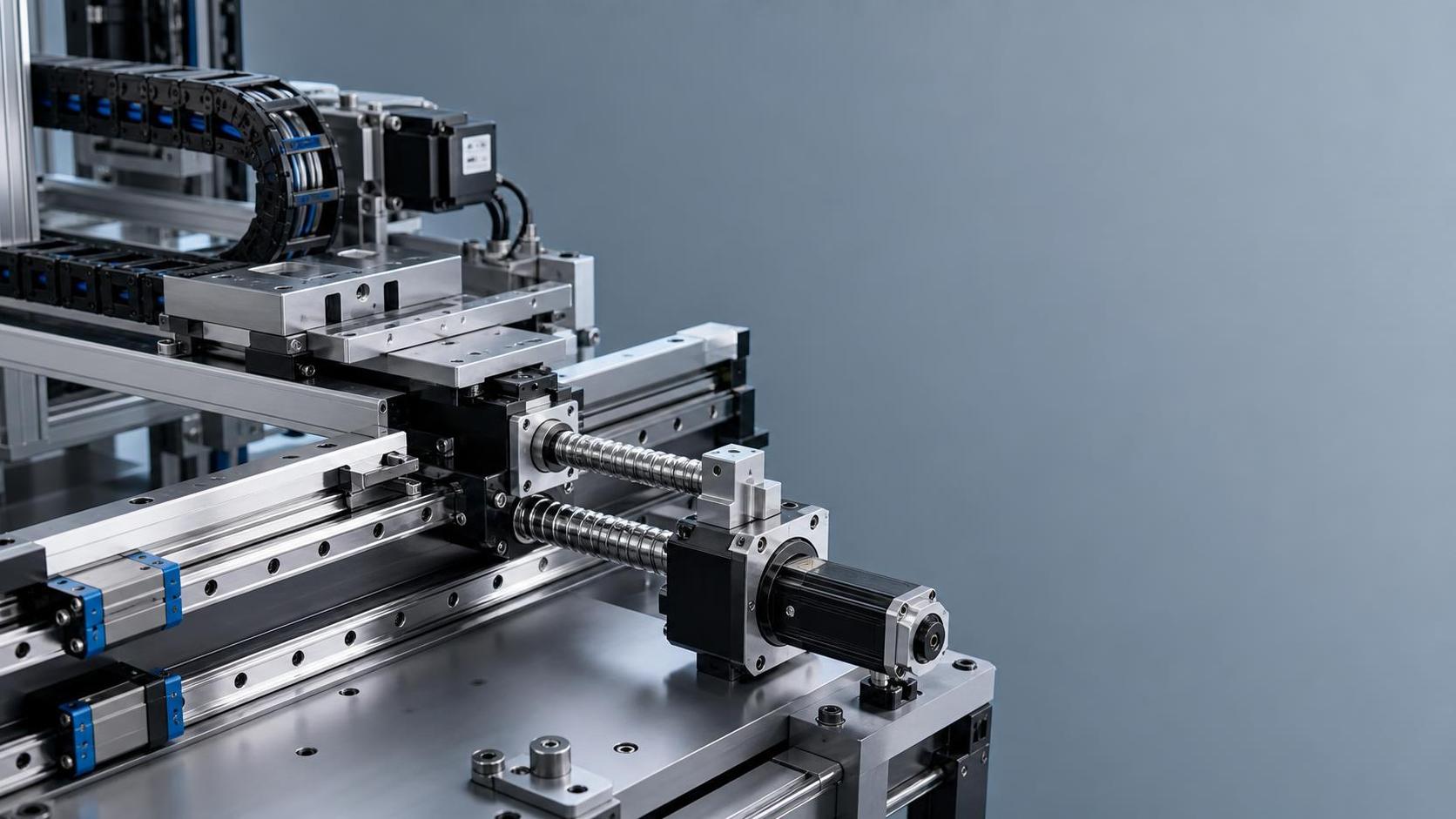
- RV or harmonic reducers influence backlash, torsional stiffness, and wear behavior.
- Controller algorithms affect interpolation, vibration suppression, and settling time.
- Mechanical rigidity determines how accuracy changes under dynamic load.
IAMC’s motion control lens is useful here. Microsecond-level control response and nanometer-scale mechanical tolerance may sound abstract, yet they become visible as smoother paths, less overshoot, and fewer quality defects.
Controller openness and system fit often decide long-term value
A robot rarely works alone. It exchanges signals with PLCs, vision systems, HMIs, MES platforms, safety devices, conveyors, and edge computers. Because of that, controller openness can be as important as arm performance.
One Industrial Robotics manufacturer may offer excellent native integration with major PLC families. Another may provide stronger APIs, digital twin tools, or easier multi-robot orchestration. The better choice depends on plant architecture.
In practical evaluation, three questions help:
- Does the controller support the industrial protocols already used on site?
- Can commissioning, diagnostics, and backup be handled without proprietary bottlenecks?
- Will future expansion require a full platform change?
In flexible manufacturing, these questions affect scaling cost. A robot that integrates cleanly into existing PLC, DCS, and IPC environments often produces faster deployment and lower engineering friction.
Support quality is a performance metric
After-sales support is often treated as a commercial issue, but it is really a technical risk variable. A strong Industrial Robotics manufacturer should offer fast troubleshooting, spare parts visibility, software lifecycle clarity, and application guidance.
This becomes critical when a production line runs around the clock. A controller alarm, encoder issue, or reducer wear event can quickly become a throughput problem if local support is thin or replacement lead times are uncertain.
The best support models usually include remote diagnostics, training depth, preventive maintenance recommendations, and application engineers who understand motion tuning rather than just parts replacement.
A practical comparison view
Different applications reward different manufacturers
No single Industrial Robotics manufacturer leads in every scenario. High-payload body shop automation rewards robustness, reach, and joint durability. Semiconductor or electronics tasks favor clean motion, compact design, and fine interpolation.
Packaging and palletizing often prioritize simplicity, speed, and service access. Battery and new energy lines may need stronger traceability, tighter process consistency, and better coordination with edge computing and data systems.
This is why shortlisting should be scenario-based rather than brand-led. Comparing vendors without linking them to process demands often produces false confidence and expensive redesign later.
How to build a better evaluation framework
A useful evaluation framework starts with the process, not the robot. Define tooling mass, takt time, accuracy tolerance, environmental conditions, communication standards, and maintenance expectations before scoring any Industrial Robotics manufacturer.
Then compare candidates under realistic conditions:
- Request performance data near real payload and reach limits.
- Review controller compatibility with existing PLC, safety, and IPC layers.
- Test offline programming and changeover workflows.
- Check local support resources and parts availability by region.
- Estimate lifecycle cost, not only purchase price.
Where possible, run a proof-of-concept with actual parts and fixtures. A controlled trial often reveals vibration, cable routing, thermal drift, or integration issues that product literature does not show.
A grounded next step for comparison
The strongest Industrial Robotics manufacturer is usually the one that matches process physics, control architecture, and support reality at the same time. Payload, precision, and support should be evaluated together, not in separate spreadsheets.
For a more reliable decision, turn comparison into a structured review of motion components, controller fit, service capacity, and lifecycle stability. That approach reflects how robotic systems actually perform on the factory floor.
IAMC’s broader view of servo control, PLC logic, precision transmission, and industrial edge computing provides a useful lens for this work. The next step is simple: define the process envelope, rank the technical risks, and compare each Industrial Robotics manufacturer against those realities.
Related Recommendations
 How to Evaluate Linear Motion Components in North AmericaTime : Jul 26, 2026
- How to Evaluate a Smart Industrial Automation SupplierTime : Jul 24, 2026
- Industrial Automation Applications in Food Processing: Key Use Cases and ROI FactorsTime : Jul 21, 2026
- Industrial Component Selection Checklist: Key Specs, Risks, and Cost FactorsTime : Jul 20, 2026
- How to Evaluate High Precision Manufacturing for Medical DevicesTime : Jul 19, 2026
- Automation Control Systems Price: Cost Drivers and Budget BenchmarksTime : Jul 17, 2026