Where Precision Motion Technology Delivers Better ROI

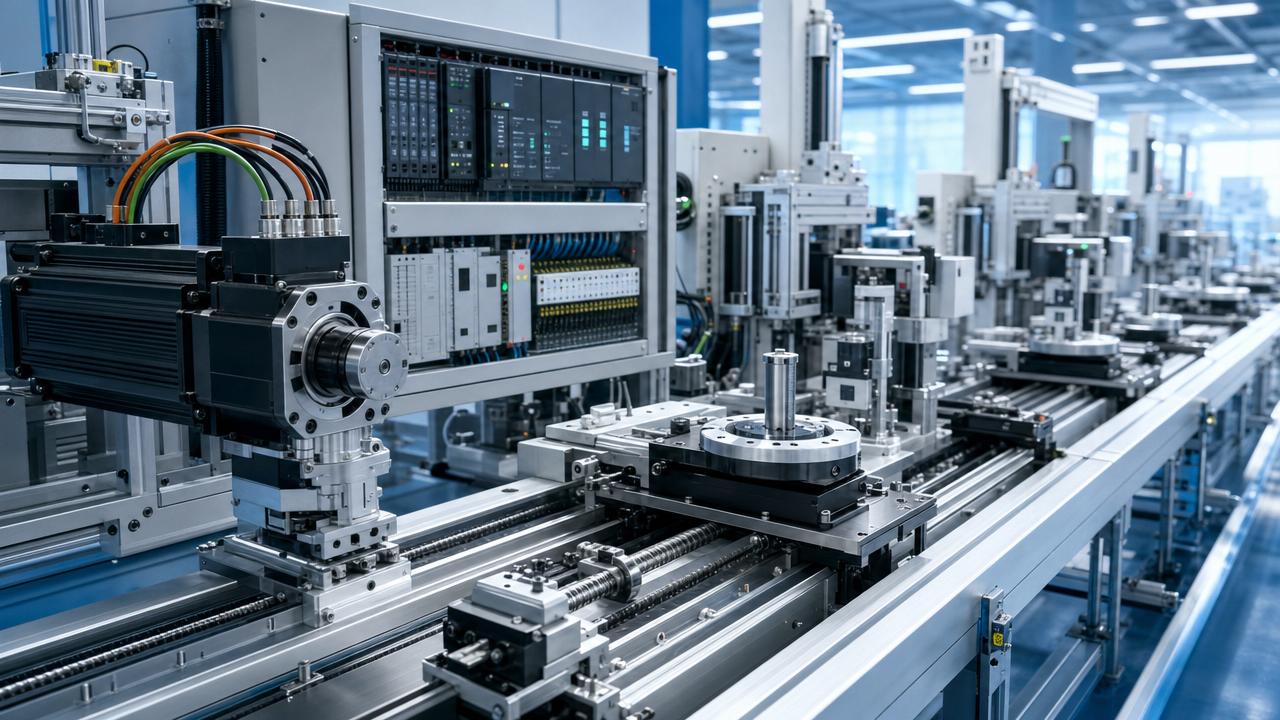
For finance decision-makers, Precision Motion Technology is not just an engineering upgrade—it is a measurable path to better ROI. From servo systems and PLC/DCS control to precision reducers, linear motion components, and industrial edge computing, the right investments can raise uptime, improve accuracy, cut energy waste, and reduce total lifecycle cost. This article explores where precision creates the strongest financial returns in modern manufacturing.
Why does Precision Motion Technology matter to financial approval teams?
Many capital requests for automation fail at the same point: the technical team explains performance, while the finance team needs proof of payback. Precision Motion Technology closes that gap because it affects hard business metrics, not just machine behavior.
When a production line gains tighter control, the gains usually show up in scrap reduction, shorter cycle times, lower rework, fewer unplanned stops, and improved energy use. Those are budget-level outcomes that financial approvers can model, compare, and audit over time.
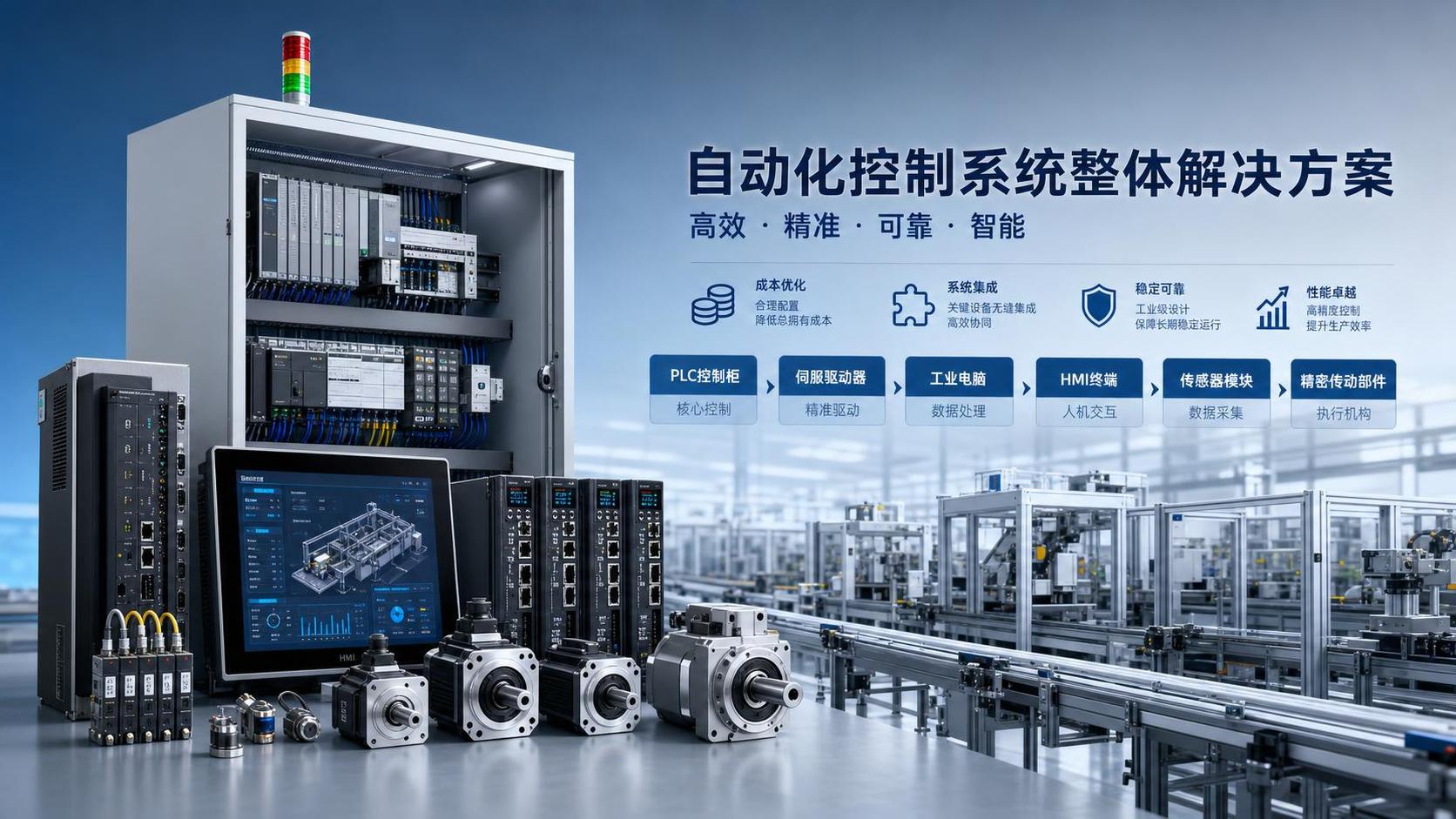
In cross-industry manufacturing, the best ROI often comes from five motion-control pillars:
- Industrial AC servo motors that deliver fast response, accurate positioning, and stable torque under dynamic loads.
- PLC/DCS systems that maintain repeatable control logic and coordinated line performance in electrically noisy environments.
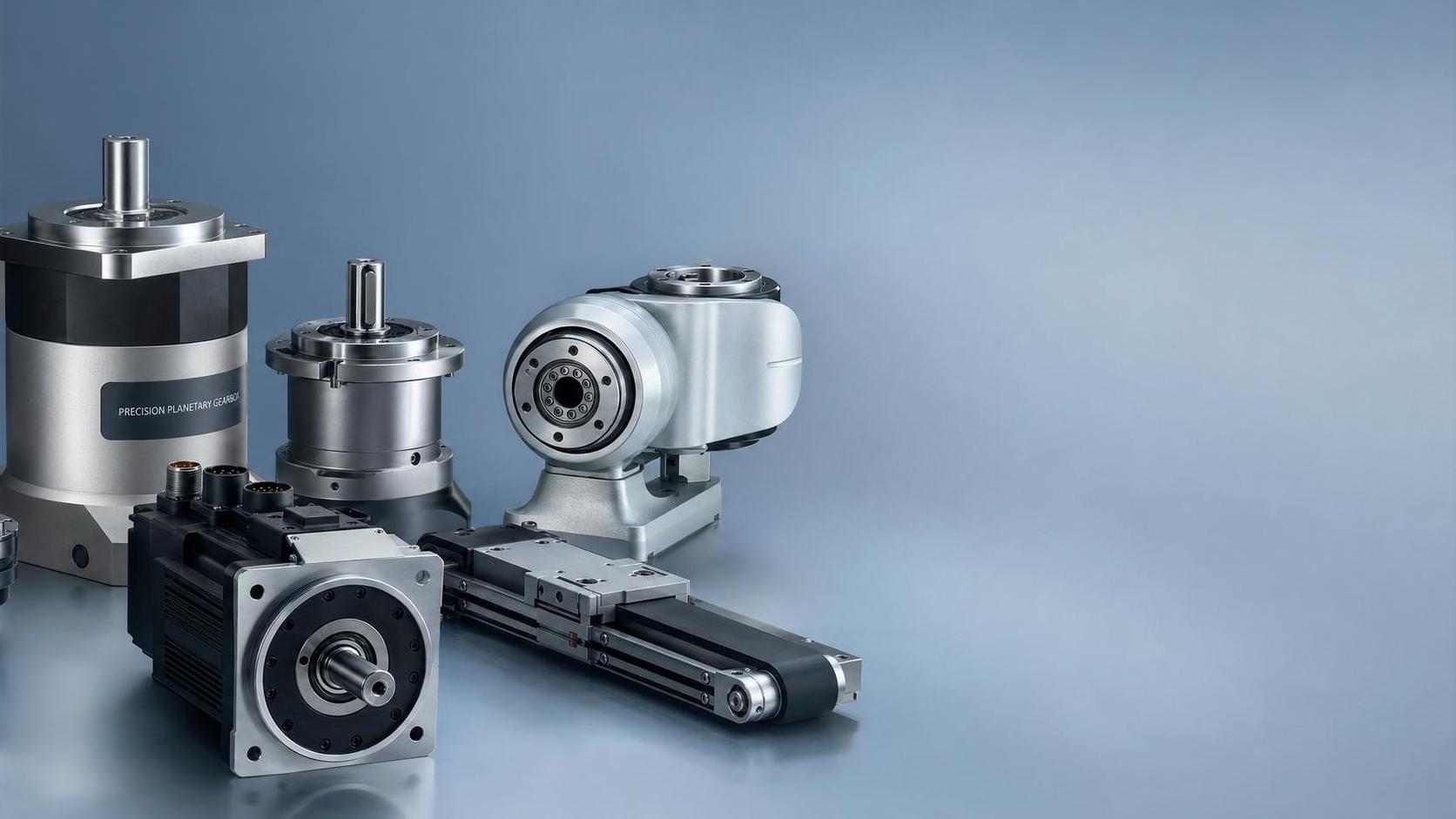
- Precision reducers such as RV and harmonic designs that improve robot joint accuracy and lower backlash-related losses.
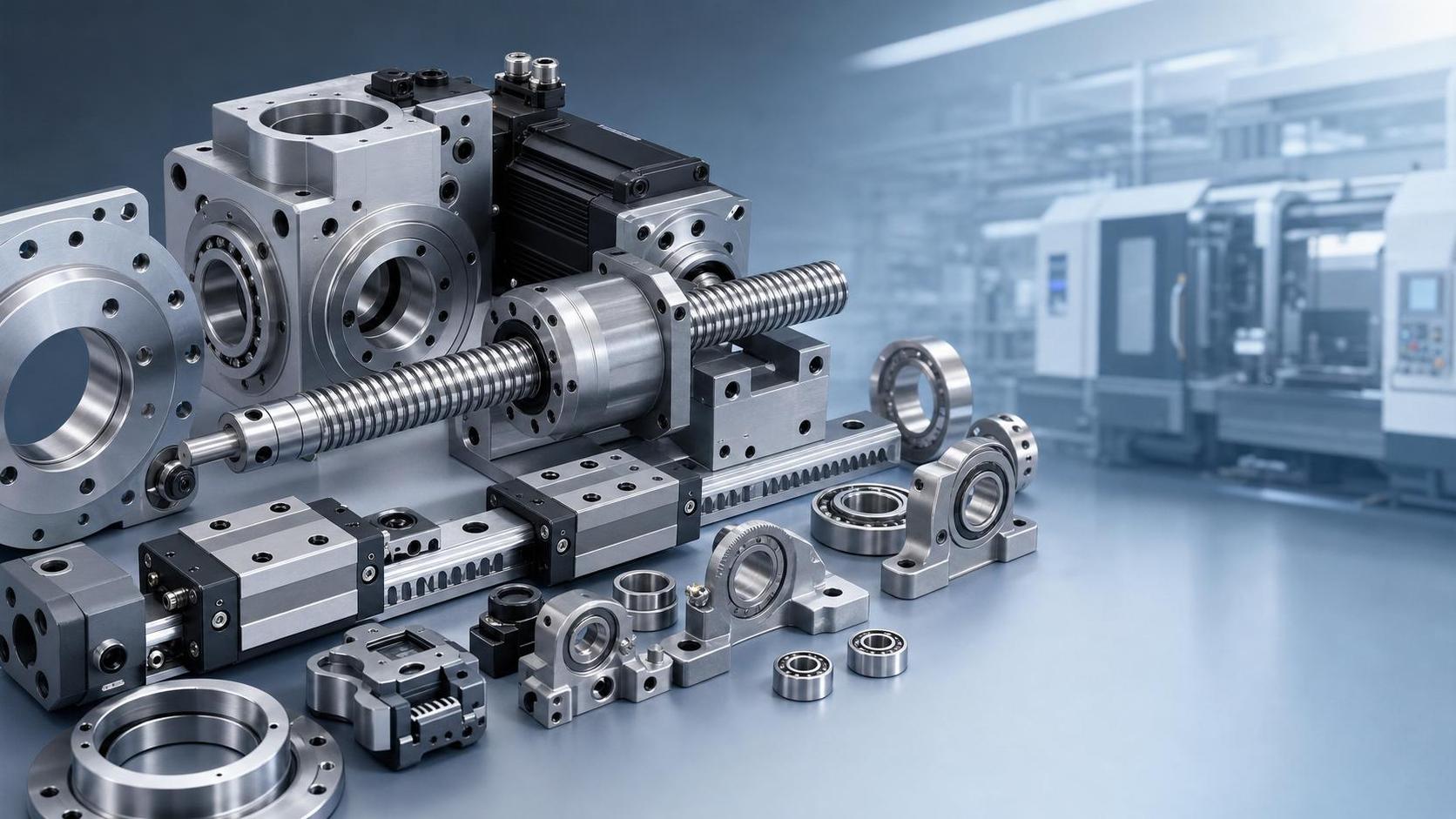
- Linear guides and ball screws that support smooth feed motion, reliable load bearing, and repeatable dimensional quality.
- Inverters and industrial PCs that reduce energy waste and enable real-time data decisions at the equipment edge.
For finance leaders, the key question is simple: where does added precision produce enough operational improvement to justify the capital outlay? That answer depends on line bottlenecks, maintenance patterns, tolerance requirements, and production volatility.
Where Precision Motion Technology usually delivers the fastest ROI
The strongest returns usually come from processes where small motion errors create large downstream costs. That includes packaging, electronics assembly, CNC machining, robotic handling, battery equipment, converting lines, and high-mix flexible production.
High scrap or rework environments
If poor positioning or unstable speed causes defects, Precision Motion Technology often pays back quickly. Better servo tuning, lower backlash transmission, and smoother linear motion can reduce dimensional drift and process inconsistency.
Downtime-sensitive lines
When one axis failure stops an entire line, reliability matters more than component price alone. Financial approval should focus on cost per hour of downtime, spare availability, diagnosis speed, and expected maintenance interval.
Energy-intensive motion systems
Inverter upgrades and optimized servo control can reduce wasted power, especially in variable-load systems. For operations facing rising utility costs, energy savings can become a major part of the business case.
Flexible manufacturing cells
If frequent product changeovers slow output, more precise control architecture can improve repeatability and recipe switching. That matters financially because flexible capacity is often more valuable than nominal peak speed.
The table below helps finance teams identify where Precision Motion Technology has the clearest return path across common manufacturing conditions.
The financial lesson is clear: Precision Motion Technology brings the highest return where process instability creates recurring losses. Capital should therefore go first to bottlenecks that damage throughput, quality, or maintenance predictability.
How to compare motion investments beyond initial purchase price
A lower purchase price can hide a higher lifecycle cost. Financial approvers should compare motion platforms using total cost of ownership rather than component quotations alone.
- Acquisition cost: motors, drives, controllers, mechanics, integration, and commissioning.
- Operating cost: energy demand, wear rates, lubrication, replacement parts, and software support.
- Risk cost: production interruption, quality escapes, delayed delivery, and supply-chain exposure.
- Adaptability value: ability to handle future SKUs, tighter tolerances, and data-driven optimization.
This is where technical intelligence matters. IAMC tracks servo algorithms, PLC performance behavior, mechanical transmission evolution, industrial chip cycles, and global component trade pressure. For a finance team, that kind of intelligence supports better timing, better supplier screening, and better risk pricing.
Use the following comparison to evaluate whether a lower-cost conventional solution really beats a precision-focused architecture.
The comparison shows why financial returns often emerge after commissioning, not at the quotation stage. Precision Motion Technology may cost more upfront, but it frequently protects margin through consistency, resilience, and lower hidden loss.
Which components deserve priority in budget approval?
Not every plant needs to upgrade everything at once. A finance-friendly roadmap ranks components by their impact on loss reduction and throughput protection.
1. Servo systems where speed and accuracy drive revenue
Servo motors and drives deserve priority in lines where acceleration, synchronization, and positioning accuracy directly affect output. Typical examples include indexing systems, pick-and-place stations, winding, sealing, and contour control.
2. PLC/DCS platforms where control failure stops the plant
If scan-cycle stability and control integrity determine line availability, PLC/DCS investment becomes a risk-control decision. The business case improves when the platform also supports easier diagnostics, structured expansion, and reliable communication with upstream systems.
3. Precision reducers in robotics and compact machinery
Backlash, torsional stiffness, and fatigue life influence the long-term cost of robotic cells. Finance teams should watch for applications where a cheaper reducer creates recurring positioning errors or replacement downtime.
4. Linear guides and ball screws where dimensional quality is critical
For machining, cutting, dispensing, and pressing systems, motion mechanics determine both precision and wear. Poor rail and screw selection can quietly increase friction, heat, and part inconsistency long before failure becomes visible.
5. Inverters and IPCs where energy and data control margins
Variable-frequency drives can reduce energy use in pumps, fans, conveyors, and heavy motor systems. Industrial PCs add value when edge analytics help prevent faults, optimize recipes, or speed operator response.
What should finance teams ask before approving a Precision Motion Technology project?
A strong approval process does not require finance leaders to become control engineers. It requires the right questions, a clear loss model, and realistic implementation milestones.
- What measurable loss does the current motion system create: scrap, downtime, energy waste, or missed throughput?
- Which component is the actual bottleneck: servo loop, controller, reducer, guide, screw, inverter, or industrial PC?
- How fast can the improvement be verified after installation: days, weeks, or one production quarter?
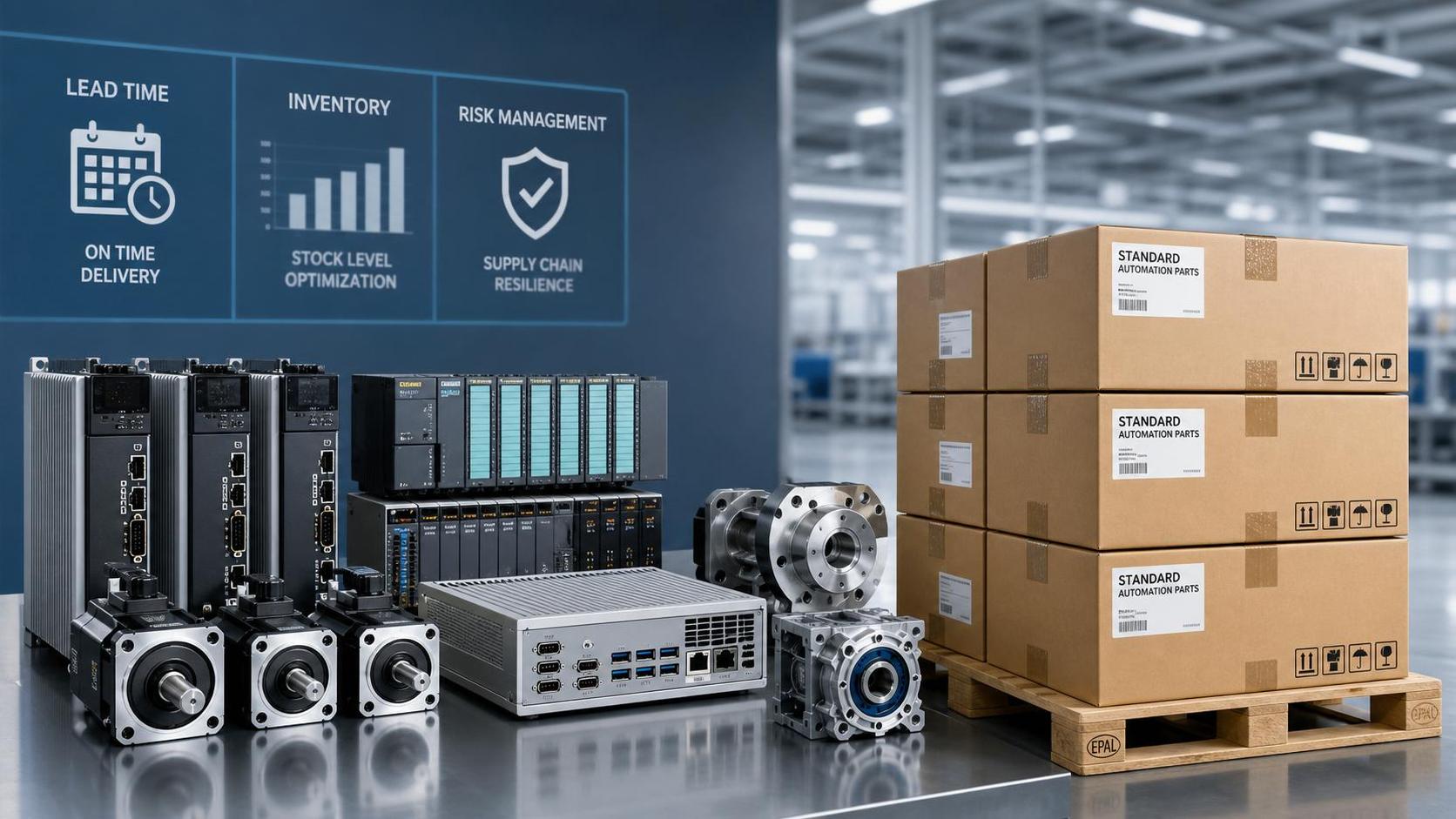
- What supply-chain risks affect delivery timing, spare availability, or future expansion?
- Does the supplier or intelligence partner support parameter review, selection guidance, and compatibility assessment?
These questions are especially important in a market shaped by industrial chip cycles, changing trade conditions, and rapid demand from robotics and new energy equipment. Better intelligence reduces procurement error, which is itself a form of ROI protection.
Implementation risks, compliance checks, and common budgeting mistakes
Precision Motion Technology does not create value automatically. Poor integration, under-specified mechanics, and weak commissioning can delay the return even when the core components are sound.
Common mistakes
- Approving based on nominal speed while ignoring resonance, jitter, backlash, and thermal effects.
- Comparing quotations without including commissioning effort, spare parts strategy, or diagnostic capability.
- Underestimating environmental demands such as dust, vibration, electromagnetic interference, and duty cycle.
- Ignoring conformity expectations tied to electrical safety, machinery integration, and plant standards.
Practical compliance points
Specific requirements vary by market and equipment type, but finance teams should confirm whether the motion package aligns with applicable electrical, machinery, EMC, and safety expectations. That includes documentation, traceability, and integration responsibilities across vendors.
A disciplined approval model pairs technical validation with commercial timing. This is one reason intelligence platforms such as IAMC matter: they help decision-makers connect performance claims with supply reality, trend direction, and industrial applicability.
FAQ: Precision Motion Technology for procurement and ROI planning
How do I know whether Precision Motion Technology is worth the budget?
Start with measurable loss. If a line suffers from quality variation, motion-related stoppages, unstable cycle time, or high motor energy use, the investment is usually worth evaluation. The stronger the connection between motion precision and operating loss, the stronger the business case.
Which area usually pays back first: servos, PLCs, reducers, or inverters?
It depends on the bottleneck. Servo upgrades often pay back first in dynamic positioning applications. PLC/DCS upgrades lead when line reliability is the issue. Reducers matter in robotics and compact precision systems. Inverters often pay back quickly in energy-heavy motor applications.
What procurement signals suggest higher lifecycle risk?
Watch for unclear parameter matching, weak technical documentation, long spare lead times, poor integration support, and vague statements about operating environment. A low quote with incomplete engineering context can become an expensive approval mistake.
Can Precision Motion Technology help in flexible manufacturing, not just high-volume lines?
Yes. In many plants, the value comes from faster changeovers, stable multi-SKU quality, and better software-based adjustment. Flexible manufacturing rewards control precision because variation and setup loss often cost more than raw speed limits.
Why choose us for Precision Motion Technology insight and next-step planning?
IAMC is built for decision-makers who need more than product headlines. We focus on the motion-control stack that shapes industrial ROI: servo control, PLC/DCS architecture, precision transmission, linear mechanics, inverter efficiency, and industrial edge computing.
Our advantage is not generic promotion. It is structured industrial intelligence that connects microsecond control behavior, nanometer-level mechanical tolerance logic, and real procurement consequences in global manufacturing.
- Parameter confirmation for motion-control projects where accuracy, response, load, or duty cycle are unclear.
- Product selection guidance across servo systems, PLC/DCS platforms, reducers, linear motion components, inverters, and IPC-related architectures.
- Delivery-cycle discussion when component availability, industrial chip lead times, or sourcing risk may affect project timing.
- Custom solution review for flexible manufacturing, robotics, CNC-related systems, and high-precision equipment upgrades.
- Certification and compliance discussion tied to typical machinery, electrical, and EMC expectations in industrial deployment.
- Quotation communication support so finance, engineering, and procurement teams can align on risk, value, and implementation scope.
If your team is evaluating where Precision Motion Technology can deliver better ROI, contact us with your application goals, target output, tolerance needs, budget limits, and timeline. We can help frame the selection logic, the cost drivers, and the approval priorities before capital is committed.
Related Recommendations
 Automation Control Systems Price: Cost Drivers and Budget BenchmarksTime : Jul 17, 2026
- Reducer Selection Guide: How to Balance Torque, Cost, and LifespanTime : Jul 11, 2026
- How to Evaluate an Industrial Automation Parts Supplier for Lead Time and RiskTime : Jul 10, 2026
- Industrial Robotics for Packaging: Where Automation Cuts Downtime MostTime : Jul 09, 2026
- How CNC Machined Precision Engineering Components Improve Fit and ToleranceTime : Jul 08, 2026
 Manufacturing Automation Systems: Where ROI Improves FirstTime : Jul 07, 2026