2026 Industrial Automation Trends Shaping Factory Upgrades

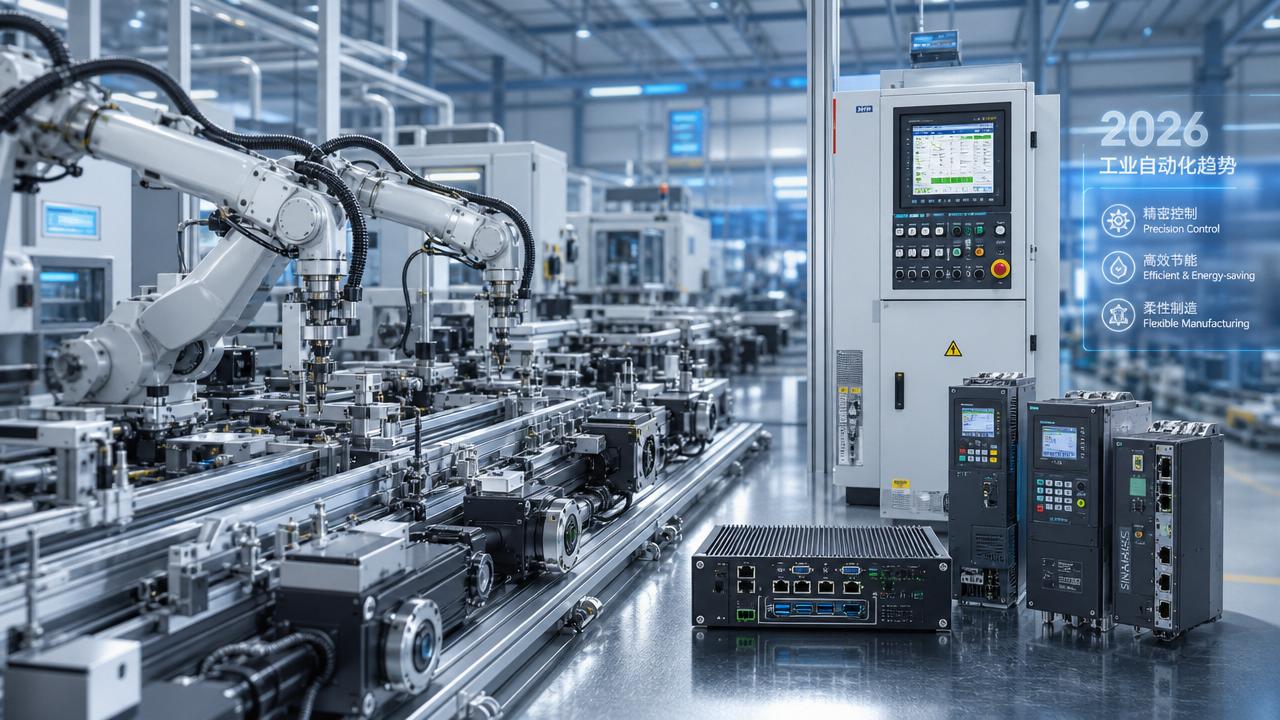
Industrial Automation Trends in 2026 are accelerating factory upgrades across the broader industrial landscape. Production systems now face stricter expectations for precision, uptime, adaptability, traceability, and energy performance.
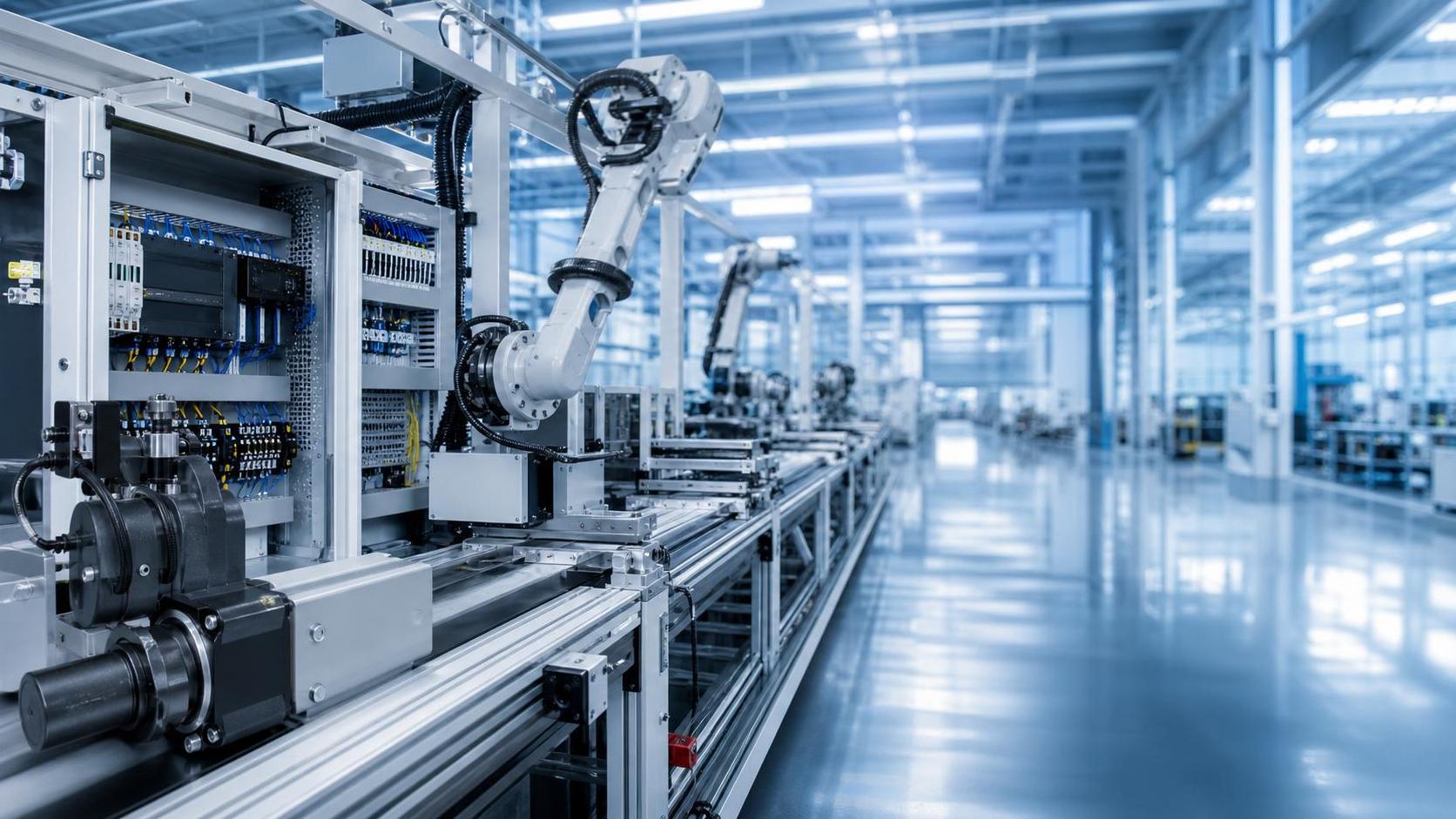
The most important Industrial Automation Trends are not isolated technologies. They are connected upgrades spanning servo systems, PLC/DCS platforms, precision transmission, inverters, industrial PCs, and edge computing.
As factories modernize, investment logic is shifting from simple equipment replacement to architecture redesign. The goal is stable, data-driven, flexible production with faster response to demand, labor pressure, and supply uncertainty.
Industrial Automation Trends in 2026: Core Definition and Scope
Industrial Automation Trends describe the technologies and operating models changing how factories control motion, process data, coordinate machines, and improve output quality.
In 2026, these trends center on five tightly linked domains. Each one influences factory upgrade priorities and long-term competitiveness.
- High-precision servo motion for faster and smoother machine response
- PLC/DCS modernization for deterministic, integrated control
- Precision mechanical transmission for repeatable positioning
- Industrial edge computing for local analytics and low-latency decisions
- Energy-efficient drives and power control for lower operating costs
These Industrial Automation Trends matter because factory performance increasingly depends on coordination between electrical control, software logic, and mechanical accuracy.
Industry Background and Signals Reshaping Factory Upgrades
Current factory upgrades are shaped by converging pressures. Cost control, labor availability, product variation, and resilience now influence automation decisions as much as output volume.
The following signals explain why Industrial Automation Trends are accelerating in 2026.
Within this context, Industrial Automation Trends are becoming strategic planning topics rather than narrow engineering upgrades.
Why motion control is receiving more attention
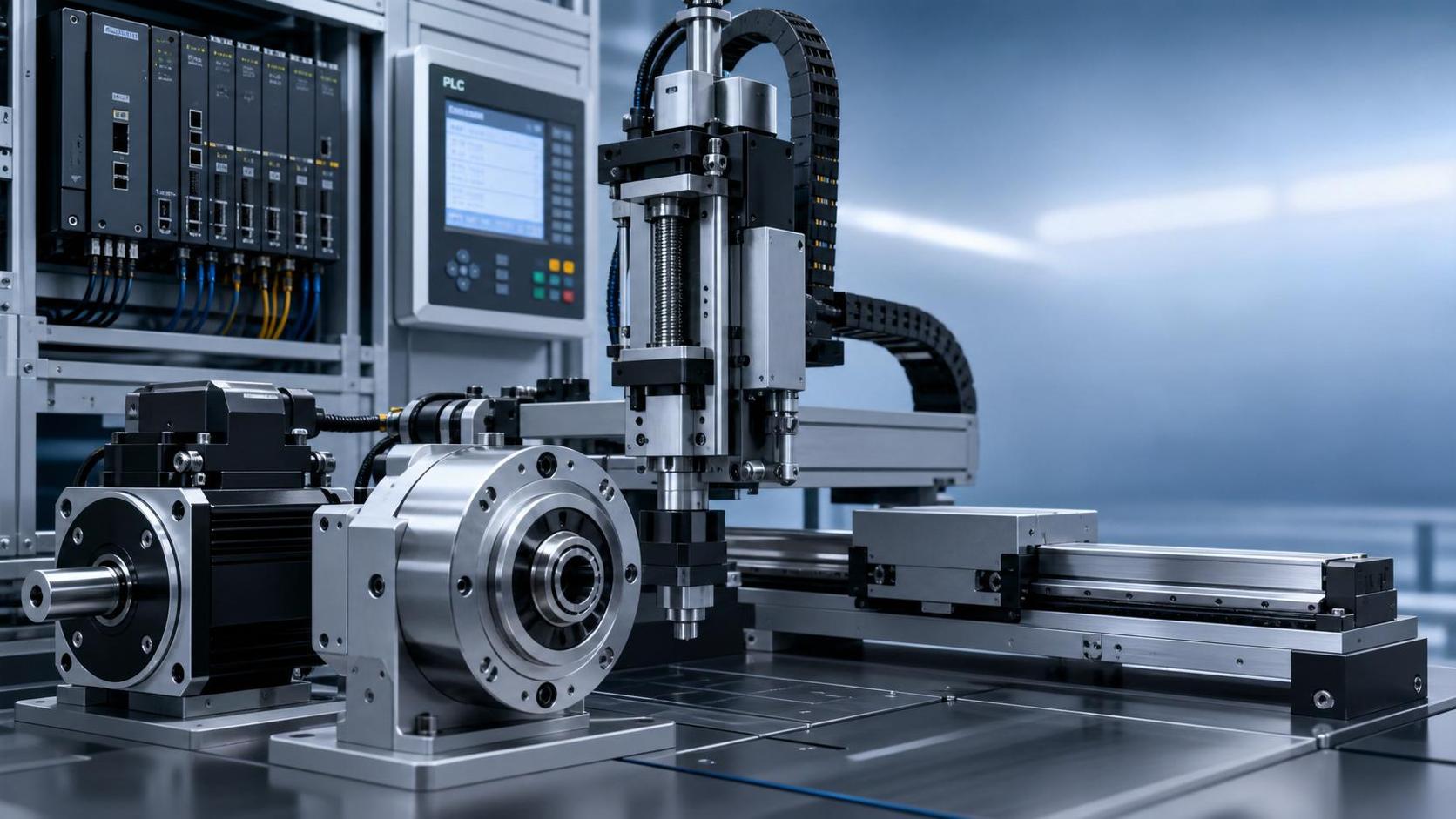
Modern lines need higher acceleration, better repeatability, and less vibration. That makes servo tuning, encoder quality, reducers, ball screws, and linear guides essential to upgrade success.
IAMC’s focus areas reflect this shift. Precision mechanics and intelligent control must work together to support flexible manufacturing and full automation objectives.
Key Industrial Automation Trends Driving Business Value
The strongest Industrial Automation Trends in 2026 create value through measurable operating gains. They improve throughput, consistency, equipment utilization, and lifecycle efficiency.
1. Smarter servo systems and advanced motion algorithms
Servo platforms are becoming faster, more adaptive, and easier to optimize. Better current loop response and resonance suppression reduce settling time and improve path stability.
This is especially valuable in packaging, robotics, electronics assembly, and precision material handling.
2. PLC/DCS integration with open data flows
Control systems are moving beyond isolated logic execution. In 2026, Industrial Automation Trends favor PLC/DCS environments that support stronger interoperability, diagnostics, and coordinated line visibility.
Deterministic control remains critical, but data context now matters more. Timing, alarms, quality variables, and process states must connect across machines.
3. Edge computing at the machine level
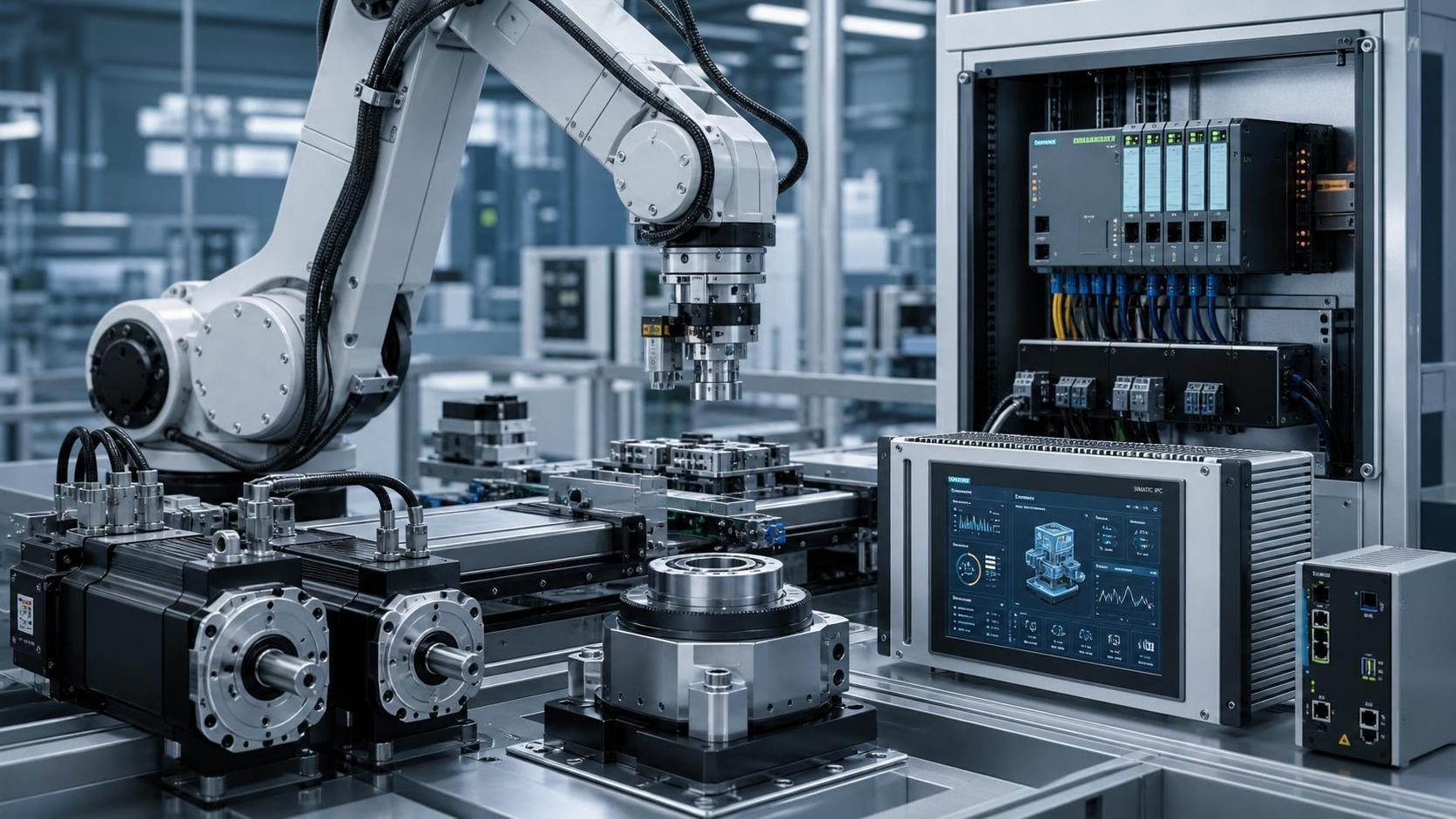
Industrial PCs and edge nodes are processing sensor streams near the equipment. This reduces latency and supports local decisions during unstable network conditions.
Edge architecture is one of the most practical Industrial Automation Trends because it improves visibility without always requiring full cloud dependence.
4. Energy-aware automation and inverter adoption
Variable frequency drives and optimized motor control are becoming standard in upgrade plans. They cut energy waste, reduce mechanical stress, and support more precise process regulation.
For heavy equipment, this trend delivers both cost savings and reliability benefits.
5. Precision transmission for stable automation quality
Reducers, linear guides, and ball screws are receiving renewed attention. Mechanical transmission quality directly affects positioning accuracy, backlash, maintenance intervals, and machine life.
Among Industrial Automation Trends, this area is often underestimated, even though poor mechanics can limit the value of advanced control software.
Typical Upgrade Scenarios Across Industrial Environments
Industrial Automation Trends apply differently depending on production mode, machine architecture, and quality requirements. The table below highlights representative scenarios.
Cross-industry relevance
Because this is a comprehensive industrial topic, Industrial Automation Trends matter across machinery, electronics, packaging, automotive systems, energy equipment, and advanced fabrication environments.
The common pattern is clear. Better control precision and stronger data visibility create more resilient production.
Practical Recommendations for 2026 Automation Planning
A successful response to Industrial Automation Trends requires disciplined planning. Technology upgrades should be tied to measurable operational constraints rather than generic modernization goals.
- Map bottlenecks at the axis, machine, and line levels before selecting hardware
- Evaluate control latency, jitter, and synchronization needs early
- Review mechanical transmission condition alongside software upgrades
- Prioritize data structures that support diagnostics and future integration
- Quantify energy savings from drive upgrades using real load profiles
- Design for maintainability, component availability, and phased deployment
Common mistakes to avoid
One frequent mistake is focusing on software visibility while ignoring mechanical limits. Another is adding devices without defining how data will improve control or maintenance decisions.
Industrial Automation Trends deliver value when architecture, motion quality, and operational workflow evolve together.
Next Steps for Building a Smarter Upgrade Roadmap
The 2026 outlook shows that Industrial Automation Trends are moving toward deeper convergence. Precision motion, deterministic logic, edge intelligence, and efficient power control are becoming one upgrade framework.
The most effective next step is a structured review of control architecture, transmission components, data pathways, and energy performance. That review should identify where small technical changes can unlock major production gains.
IAMC’s intelligence perspective is especially useful in this process. Its coverage of servo algorithms, PLC/DCS evolution, precision reducers, linear motion systems, inverters, and industrial edge computing helps turn Industrial Automation Trends into practical upgrade priorities.
Factories that align these elements in 2026 will be better positioned for flexible manufacturing, stable quality, and stronger long-term operational resilience.
Related Recommendations
 Precision Engineering Solutions Trends Shaping 2026 ManufacturingTime : Jun 18, 2026
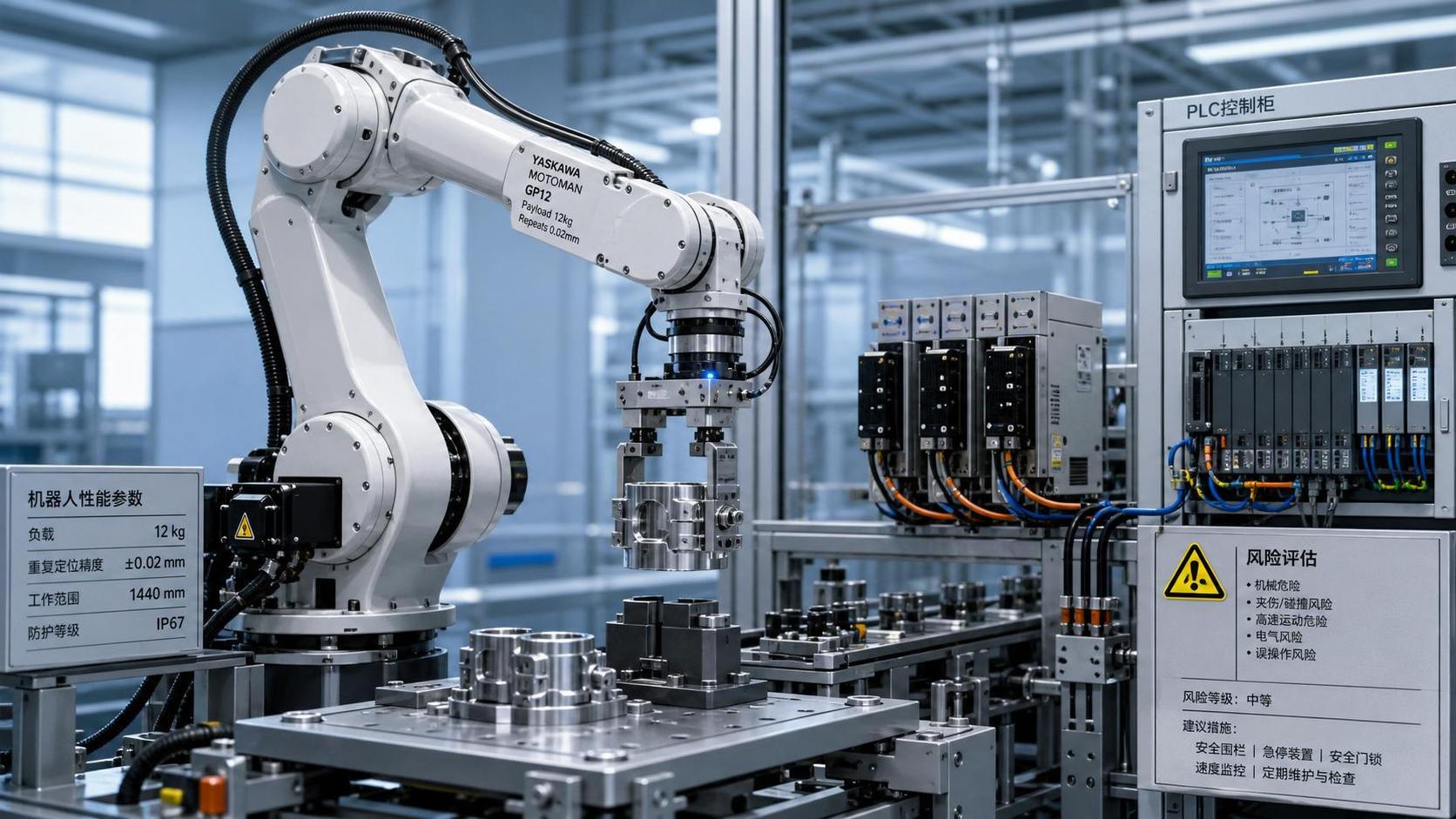
- Industrial Robotics Selection: Payload, Repeatability, and RiskTime : Jun 18, 2026
- Industry 4.0 Technology Trends Shaping Smart Factory Upgrades in 2026Time : Jun 17, 2026
- Automation Technology Trends 2026: Which Changes Will Impact Factory UpgradesTime : Jun 16, 2026
- Industrial Networking Trends in 2026: What Will Change Factory ConnectivityTime : Jun 14, 2026
- Industry 4.0 Technology Trends Reshaping Factory Investment in 2026Time : Jun 11, 2026