Precision Drive Systems: Cost Risks Hidden in Oversizing

Precision Drive Systems: Cost Risks Hidden in Oversizing
Oversizing may look safe, but it can inflate capital expenditure, energy use, inventory, and lifecycle service costs.
In Precision Drive Systems, every unnecessary watt, oversized reducer, or over-specified servo axis compounds across production lines and global facilities.
Smarter specification protects performance while improving budget discipline, reliability, and automation scalability.
What does oversizing mean in Precision Drive Systems?
Oversizing means selecting drive components with capacity far beyond verified operating needs.
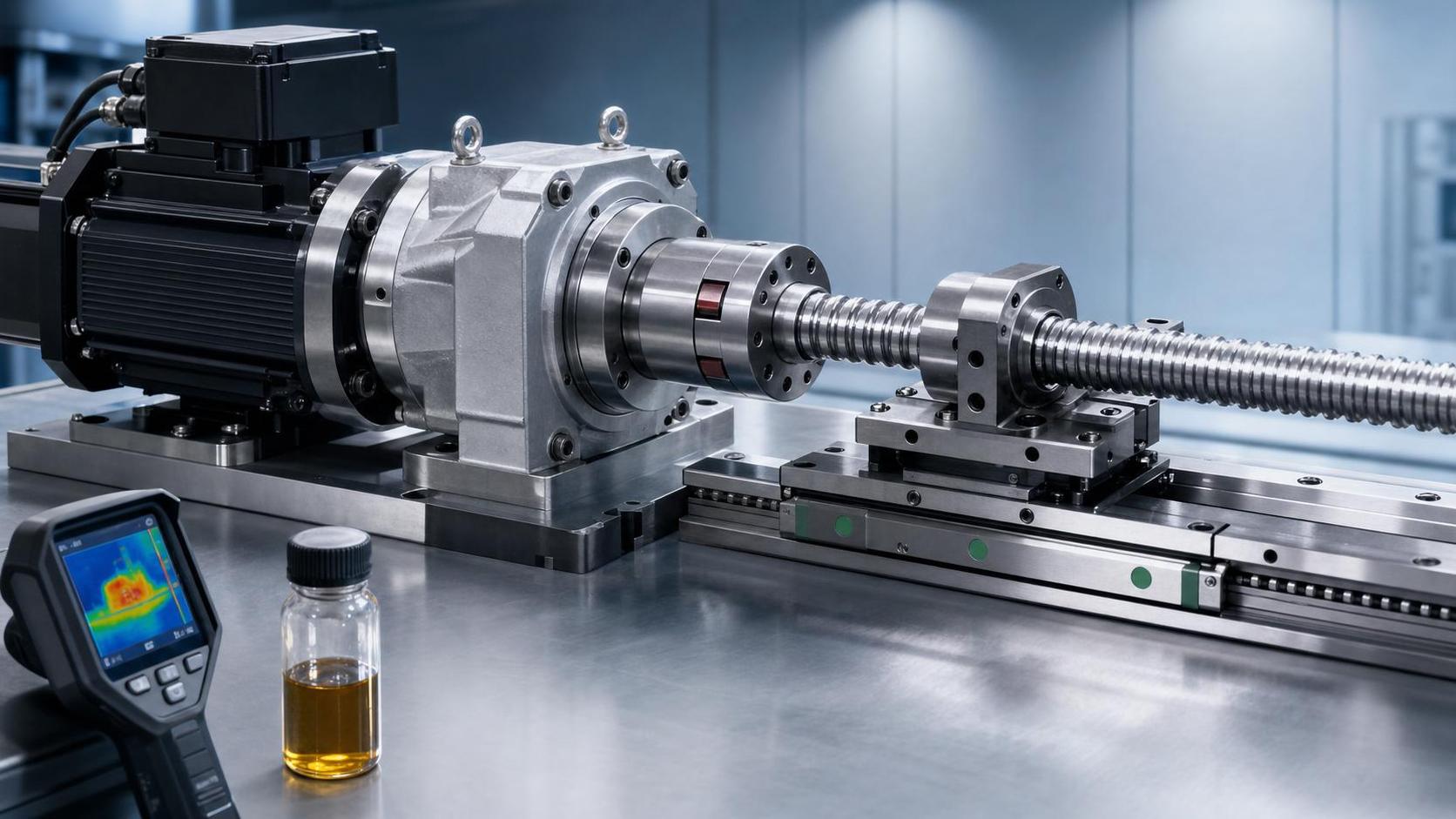
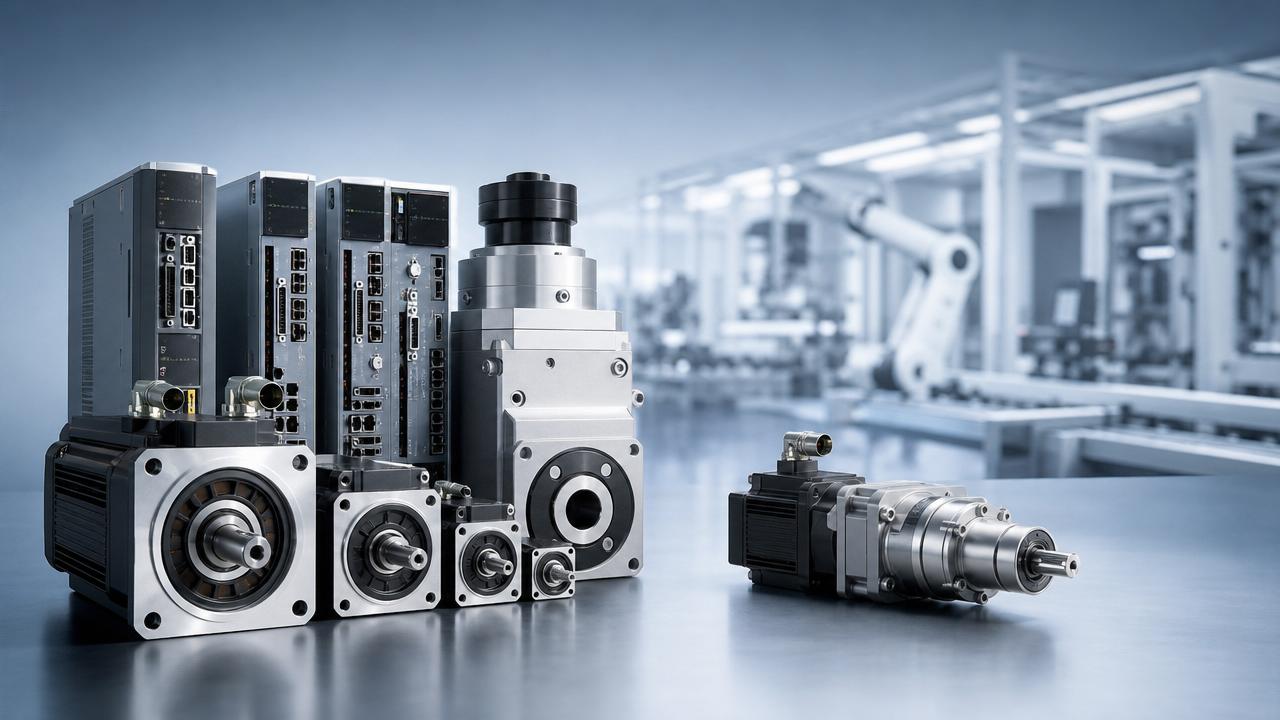
In Precision Drive Systems, this often appears in servo motors, gear reducers, linear modules, couplings, and inverters.
A modest design margin is healthy. Excessive margin is different.
It can hide weak load data, uncertain motion profiles, or a lack of dynamic simulation.
Common examples include selecting a larger servo motor because acceleration data is incomplete.
Another case is choosing a reducer with much higher torque than the duty cycle requires.
Oversizing can also mean using a high-resolution feedback system where the mechanical chain cannot use that resolution.
The issue is not premium engineering. The issue is paying for capability that never improves production output.
Why is this easy to miss?
Precision Drive Systems sit between electrical control and mechanical load behavior.
This boundary makes responsibility difficult to isolate during early design reviews.
Electrical teams may prefer higher current capacity. Mechanical teams may prefer higher torque ratings.
The combined result can be a costly axis with limited measurable benefit.
How does oversizing raise the real cost of Precision Drive Systems?
The purchase price is only the first visible cost.
Oversized Precision Drive Systems often increase cabinet space, cable size, cooling demand, and commissioning effort.
Larger servo drives may require higher-rated breakers, contactors, filters, and regenerative braking components.
Larger motors add mass, which can reduce acceleration efficiency and increase structural requirements.
Oversized gear reducers can increase inertia mismatch and make tuning more difficult.
That creates hidden labor cost during startup, troubleshooting, and maintenance.
- Higher upfront component cost for motors, drives, reducers, and cables.
- More panel space and stronger thermal management requirements.
- Higher spare-parts inventory value across multiple equipment platforms.
- Longer tuning time when inertia ratio and load behavior are poorly matched.
- Reduced standardization when each axis receives a conservative custom selection.
The cost risk grows when one design is copied across several machines.
A single oversized axis may seem harmless. One hundred repeated axes become a serious capital discipline issue.
When can oversizing damage motion performance?
Oversizing does not always improve reliability or precision.
In Precision Drive Systems, excessive capacity can reduce controllability when inertia, stiffness, and feedback are not balanced.
A larger motor usually carries higher rotor inertia.
If the load is light, the axis may become less responsive during rapid speed corrections.
An oversized reducer may operate below its ideal load range.
That can affect lubrication behavior, thermal stability, and repeatability under small torque changes.
Over-specified feedback can create a false sense of accuracy.
Encoder resolution cannot compensate for backlash, compliance, thermal drift, or poor mechanical alignment.
Typical performance symptoms
- Servo tuning becomes sensitive and time-consuming.
- Mechanical resonance appears during acceleration or settling.
- Positioning time does not improve despite higher rated torque.
- Energy draw remains high during low-load operation.
- Precision varies with temperature, speed, or machine posture.
Good Precision Drive Systems are not simply powerful. They are proportioned for the real motion task.
How should the correct size be judged?
Correct sizing starts with the motion profile, not with catalog preference.
The profile should define speed, acceleration, deceleration, dwell time, payload, friction, and duty cycle.
For Precision Drive Systems, peak torque and continuous torque must both be checked.
Peak values protect transient performance. Continuous values protect thermal life.
Reducer selection should consider ratio, backlash, torsional stiffness, service factor, and efficiency.
Linear components require load direction, moment load, lubrication interval, and required positioning repeatability.
Drive electronics need current capacity, bus voltage, braking energy, communication cycle, and safety requirements.
A practical sizing checklist
- Calculate reflected inertia at the motor shaft.
- Verify acceleration torque and RMS torque separately.
- Check thermal limits under the real duty cycle.
- Confirm mechanical stiffness and resonance risk.
- Validate regenerative energy during deceleration.
- Compare lifecycle cost, not only purchase price.
The target is not the smallest component. The target is a verified margin with measurable value.
Where do oversizing risks appear most often?
Oversizing risks appear in many automation environments.
They are especially common where modular machines are reused for different products or payloads.
Packaging lines may use larger servos to cover future format changes.
CNC auxiliary axes may receive premium drives even when the cutting process does not require them.
Robotics cells may use conservative reducer ratings because emergency-stop loads are poorly modeled.
Battery and solar equipment may oversize drives to avoid schedule risk during fast expansion.
Semiconductor and medical automation can justify high precision, but still require disciplined load verification.
In each case, Precision Drive Systems should match the process window and validated production requirement.
When a higher rating is justified
There are legitimate reasons to select larger components.
These include harsh environments, shock loads, future payload increases, and safety-related braking demand.
The key is documentation. Each margin should connect to a defined risk, not general uncertainty.
What questions reveal whether Precision Drive Systems are oversized?
A structured question set helps expose hidden cost drivers before procurement and commissioning.
The following table summarizes common questions, signals, and corrective actions.
How can cost control coexist with reliability?
Cost control should not mean fragile automation.
Reliable Precision Drive Systems use evidence-based margins, verified application data, and controlled component families.
A useful method is to separate uncertainty from requirement.
If uncertainty is high, improve measurement, simulation, or testing before increasing hardware size.
Digital commissioning tools can compare simulated torque curves with real current traces.
Condition monitoring can reveal whether the selected axis operates near its intended load zone.
Standardized servo and reducer families also reduce training, spare-parts value, and repair complexity.
This approach supports both financial discipline and technical resilience.
Implementation steps
- Create a sizing record for every critical axis.
- Use real motion profiles instead of assumed maximums.
- Review inertia ratio and resonance before approving power increases.
- Set acceptable design-margin ranges by application type.
- Audit energy use and thermal behavior after commissioning.
The best result is a drive architecture that is neither weak nor wasteful.
Summary: better margins, better Precision Drive Systems
Oversizing often begins as a defensive engineering habit.
Yet in Precision Drive Systems, excessive margins can raise purchase cost, energy use, inventory value, and service burden.
They can also complicate tuning and reduce the value of high-performance motion control.
A better path is disciplined specification based on load data, duty cycle, inertia, stiffness, and lifecycle cost.
Before the next automation investment, review each axis against measurable requirements.
That single step can turn Precision Drive Systems from hidden cost centers into controlled performance assets.
Related Recommendations
 When Low Noise Precision Gearboxes Solve Vibration Problems Better Than Standard UnitsTime : Jul 15, 2026
- Low Noise Precision Gearboxes: Key Specs That Affect Accuracy and Service LifeTime : Jul 15, 2026
- Reducer Selection for Conveyors: Load, Speed, and Duty ChecklistTime : Jul 11, 2026
- Precision Mechanical Transmission Gear Ratio Explained for Stable Motion ControlTime : Jul 09, 2026
- When Precision Mechanical Transmission Assemblies Fail EarlyTime : Jul 03, 2026
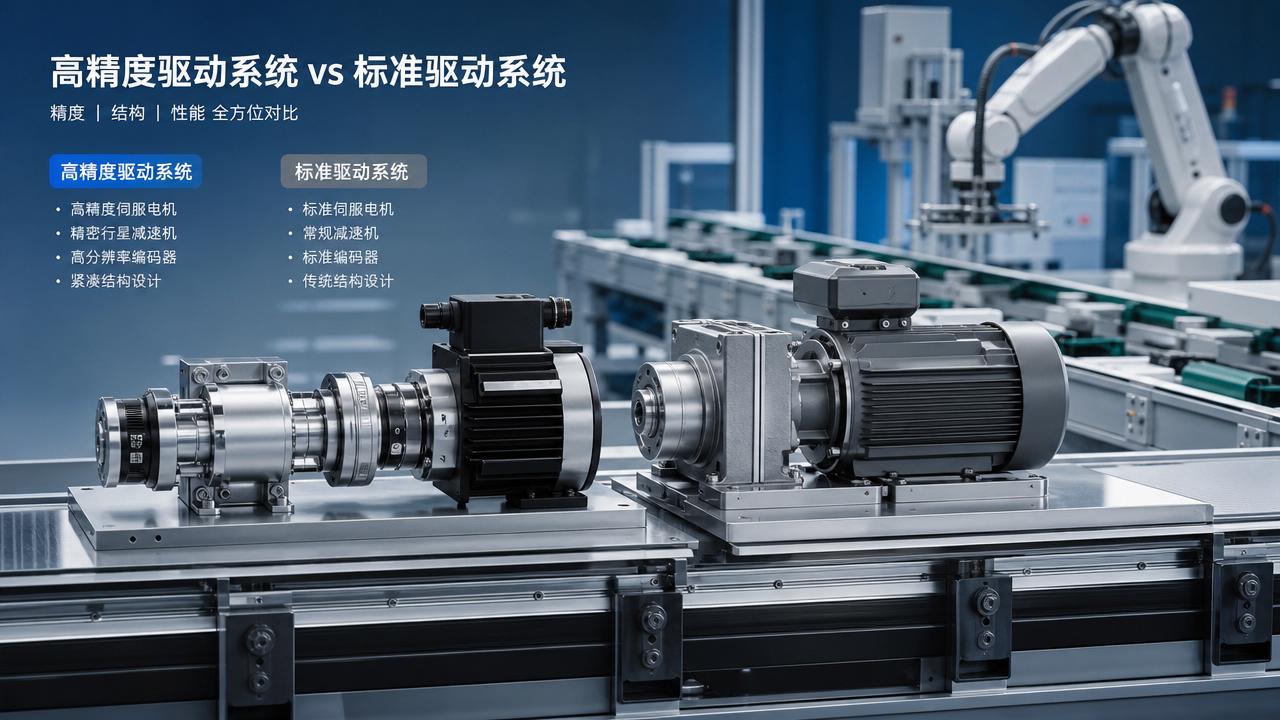
- Precision Drive Systems vs Standard Drives: What Changes Performance?Time : Jun 13, 2026