Servo Motion Systems: Signs the Sizing Was Wrong

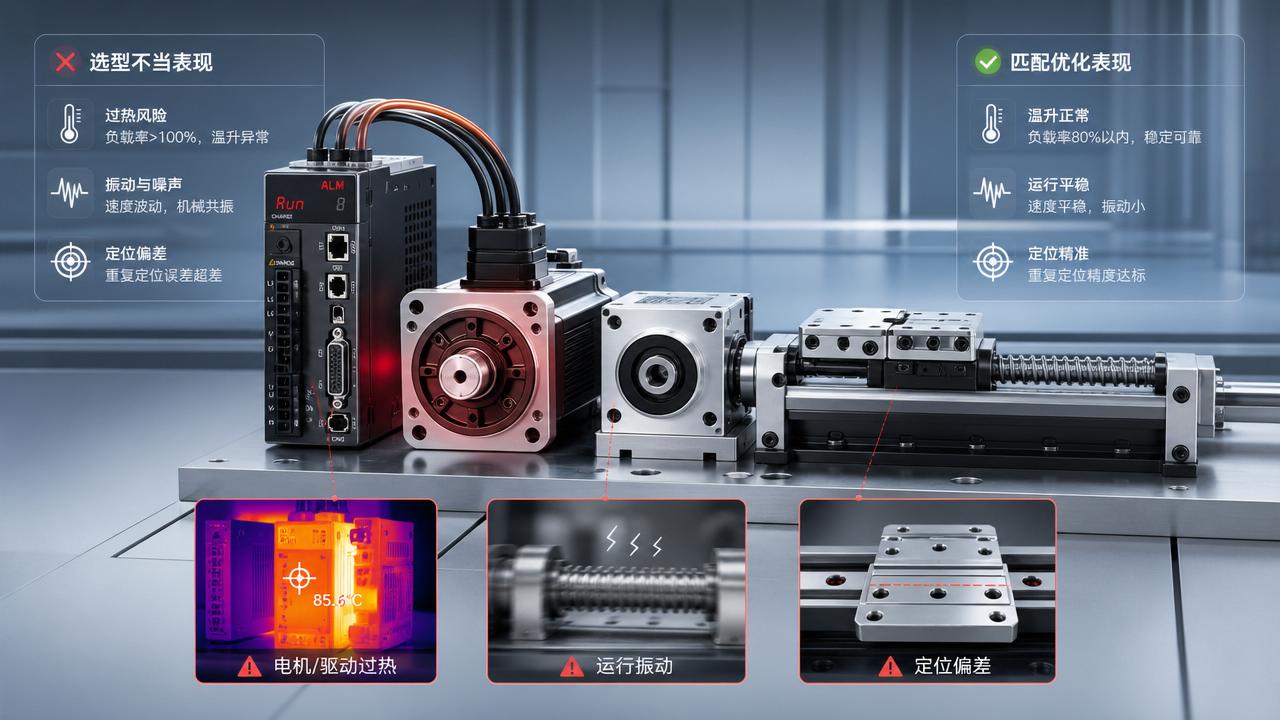
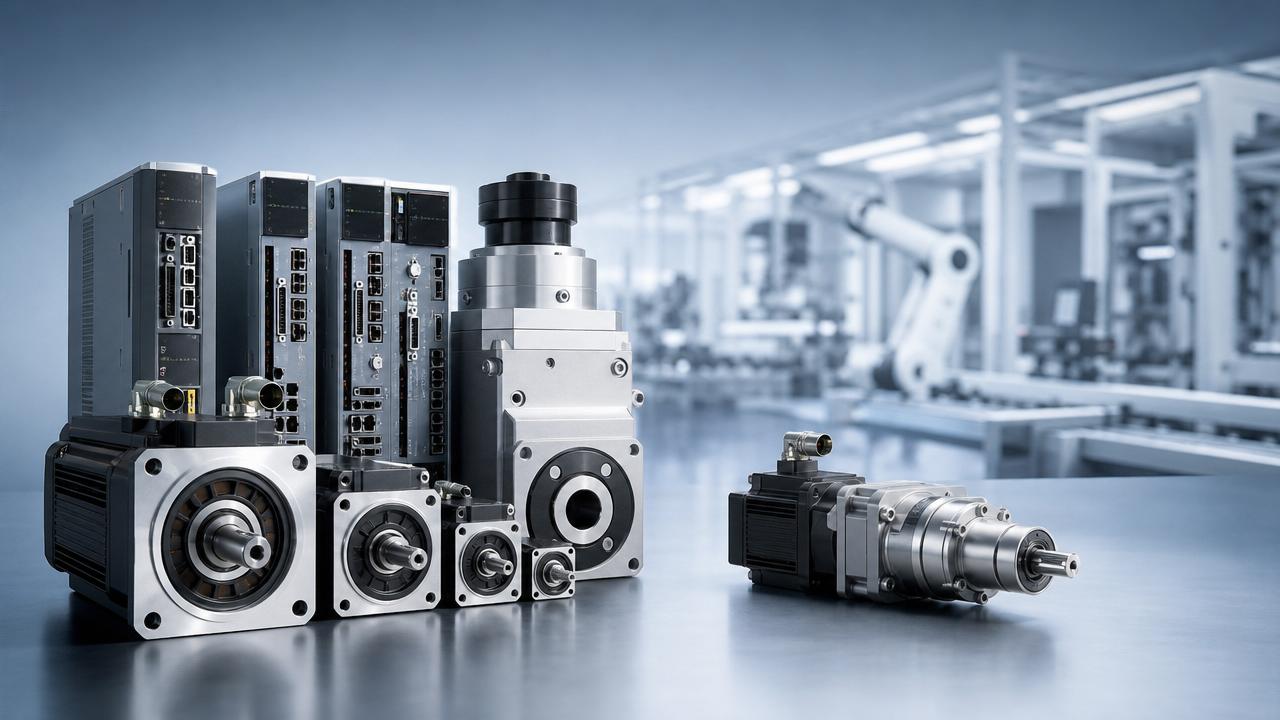
Servo Motion Systems can deliver exceptional precision, speed, and efficiency—but only when sizing is correct from the beginning. In industrial automation, a servo system that looks acceptable on paper may still create hidden losses in cycle time, stability, maintenance cost, and energy use once it reaches the machine. When the motor, drive, gearbox, load inertia, and motion profile are not matched properly, the result is often poor positioning, overheating, nuisance alarms, or unnecessary overspending. This guide explains the most common signs that Servo Motion Systems were sized incorrectly, how those issues appear in real applications, and what evaluation points help support more reliable motion control decisions.
What does incorrect sizing mean in Servo Motion Systems?
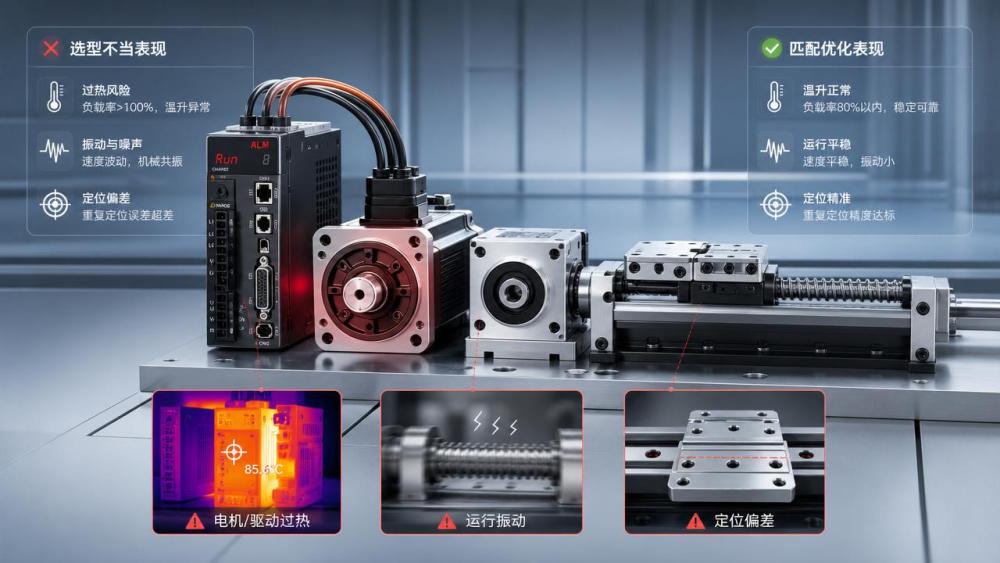
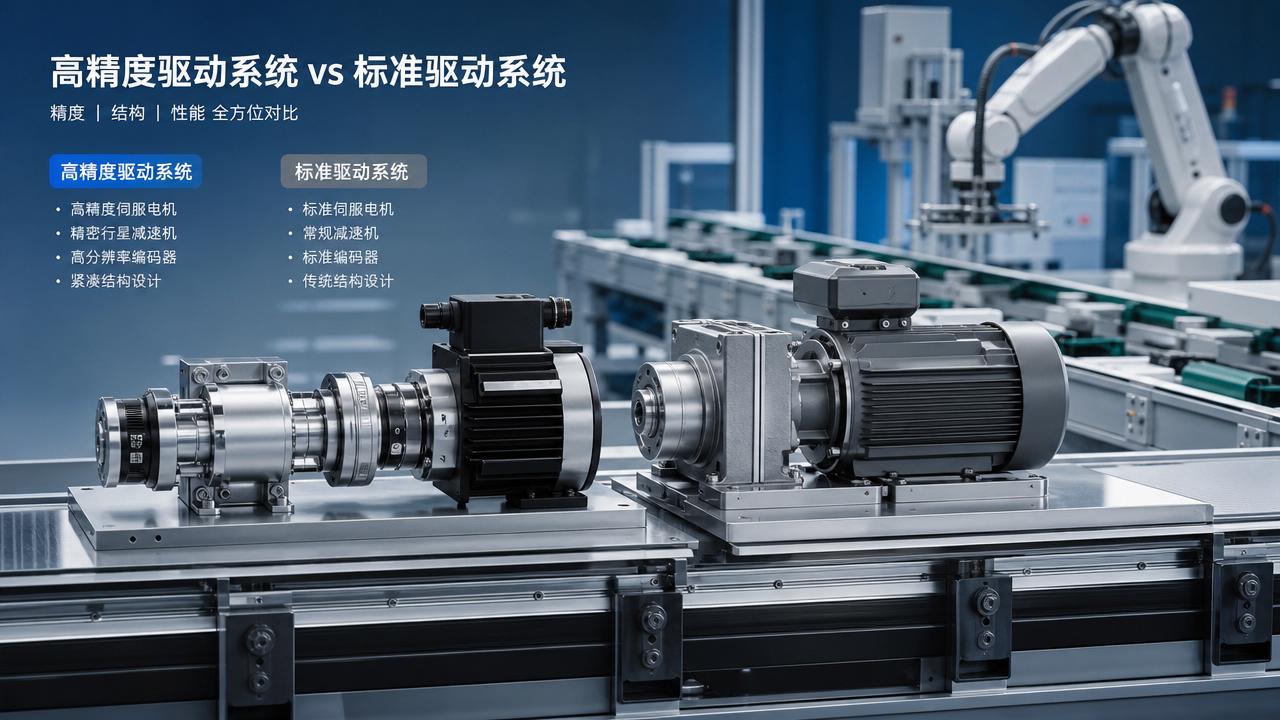
Incorrect sizing in Servo Motion Systems does not simply mean choosing a motor that is too small. It also includes selecting a motor or drive that is too large, pairing the wrong feedback resolution with the process, ignoring reflected inertia, underestimating acceleration torque, or overlooking duty cycle and ambient conditions. In practice, sizing is a system-level exercise rather than a motor-only calculation.
A correctly sized servo solution should satisfy peak torque, continuous torque, speed range, positioning accuracy, settling time, thermal limits, and mechanical compatibility at the same time. In many machines, especially packaging, CNC subsystems, conveyors, robotic axes, winding equipment, and electronic assembly lines, one weak assumption can distort the whole outcome. For example, a seemingly safe power margin may actually increase inertia mismatch and make tuning harder, while a low-cost motor with limited overload capacity may repeatedly trip during aggressive acceleration.
For industrial buyers and technical evaluators, the key insight is this: Servo Motion Systems fail sizing checks not only when they stop working, but also when they work below the machine’s intended performance window. That hidden gap is where productivity and lifecycle cost are often lost.
Which warning signs suggest Servo Motion Systems are undersized?
Undersized Servo Motion Systems usually reveal themselves through stress. The system may complete motion, but it does so close to its limits, leaving little room for process variation. Several signs appear repeatedly across industries:
- Frequent overcurrent, overload, or overtemperature alarms during acceleration or deceleration.
- Motor casing temperatures rising too quickly in normal production.
- Inability to maintain commanded speed under changing load.
- Longer-than-expected settling time after rapid moves.
- Loss of positioning repeatability near peak throughput.
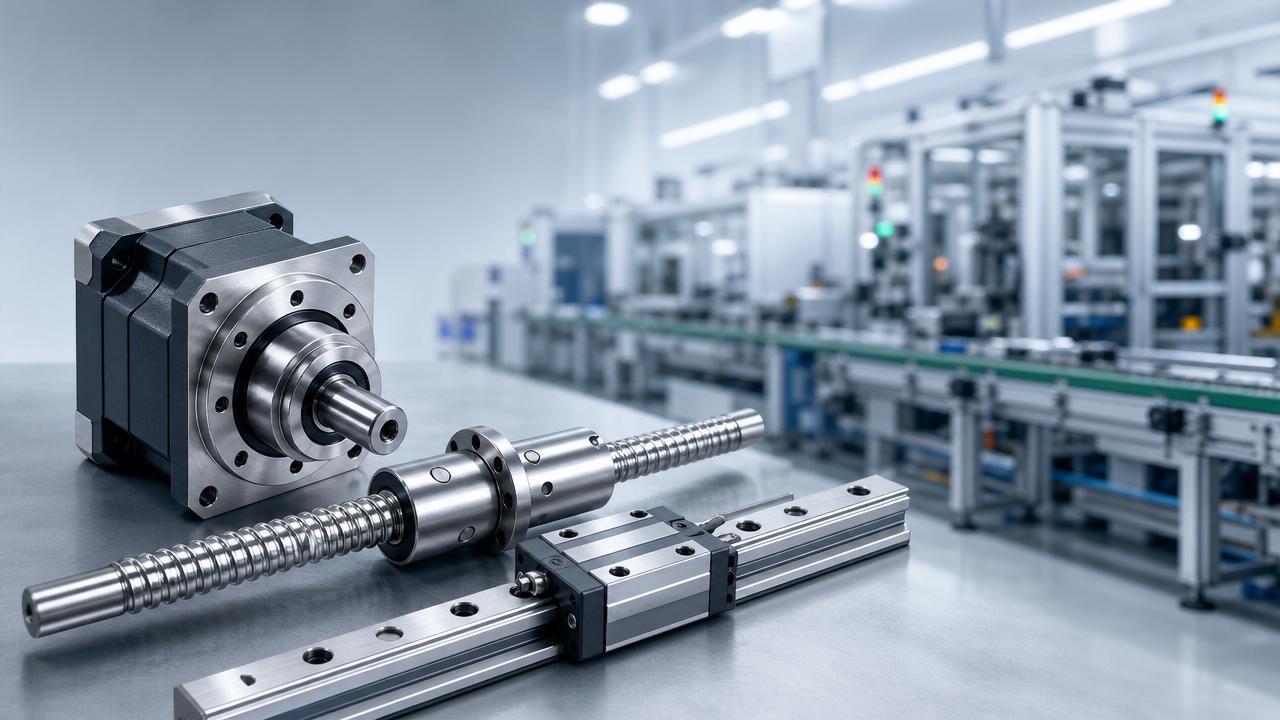
- Premature wear on couplings, belts, reducers, or ball screws due to repeated torque spikes.
A common example is a pick-and-place axis designed around nominal load instead of worst-case load plus tooling variation. During commissioning, it may look fine at moderate speed. Once real production begins, the servo drive spends too much time at peak current, causing thermal buildup and unstable motion. In another case, a vertical axis without sufficient holding or acceleration margin may drift, hunt, or require conservative tuning that reduces throughput.
Undersizing also affects quality. In printing, dispensing, or semiconductor-adjacent motion, even minor lag can create registration errors, inconsistent material application, or vibration marks. The direct cost is scrap; the indirect cost is lost process confidence and more unplanned diagnostics.
Can oversized Servo Motion Systems cause problems too?
Yes. Oversized Servo Motion Systems are often assumed to be safer, but they can introduce a different set of risks. A larger motor may add rotor inertia, require a bigger drive, increase panel heat, raise cable and protection costs, and reduce tuning responsiveness. In applications that demand fast reversal or high dynamic precision, too much motor inertia can make the axis feel less agile rather than more capable.
Oversizing can also weaken cost efficiency. If the machine only needs short bursts of torque but the selected servo package is far above the actual duty requirement, capital cost goes up without creating measurable output gains. That extra cost may also continue through the machine life in the form of higher standby losses, larger electrical infrastructure, and more expensive spare parts.
Another issue is control sensitivity. When Servo Motion Systems are significantly oversized relative to the mechanical load, low-load behavior can become less stable in fine positioning tasks. The machine may require more tuning effort to avoid oscillation, overshoot, or mechanical resonance. In compact systems with high-precision reducers or linear mechanisms, this mismatch can shorten component life because the control loop keeps correcting harder than the mechanics actually need.
How can you judge whether the original sizing assumptions were flawed?
The best way to evaluate Servo Motion Systems is to compare real motion data against the assumptions used during selection. If documentation is available, review these core inputs: load mass, reflected inertia, required acceleration, travel distance, cycle rate, duty cycle, friction changes, transmission efficiency, ambient temperature, and available power quality. Then compare them with actual operating traces from the drive.
Three checks are especially useful. First, inspect peak torque versus continuous torque usage over a full production cycle. If peak demand appears repeatedly and continuous thermal load stays high, the servo is likely undersized. Second, verify the inertia ratio across motor and load. Excessive mismatch often explains poor tuning, slow settling, or vibration. Third, review whether the process has changed since the design phase. Heavier tooling, faster takt time, different materials, or added axes can make once-adequate Servo Motion Systems unsuitable.
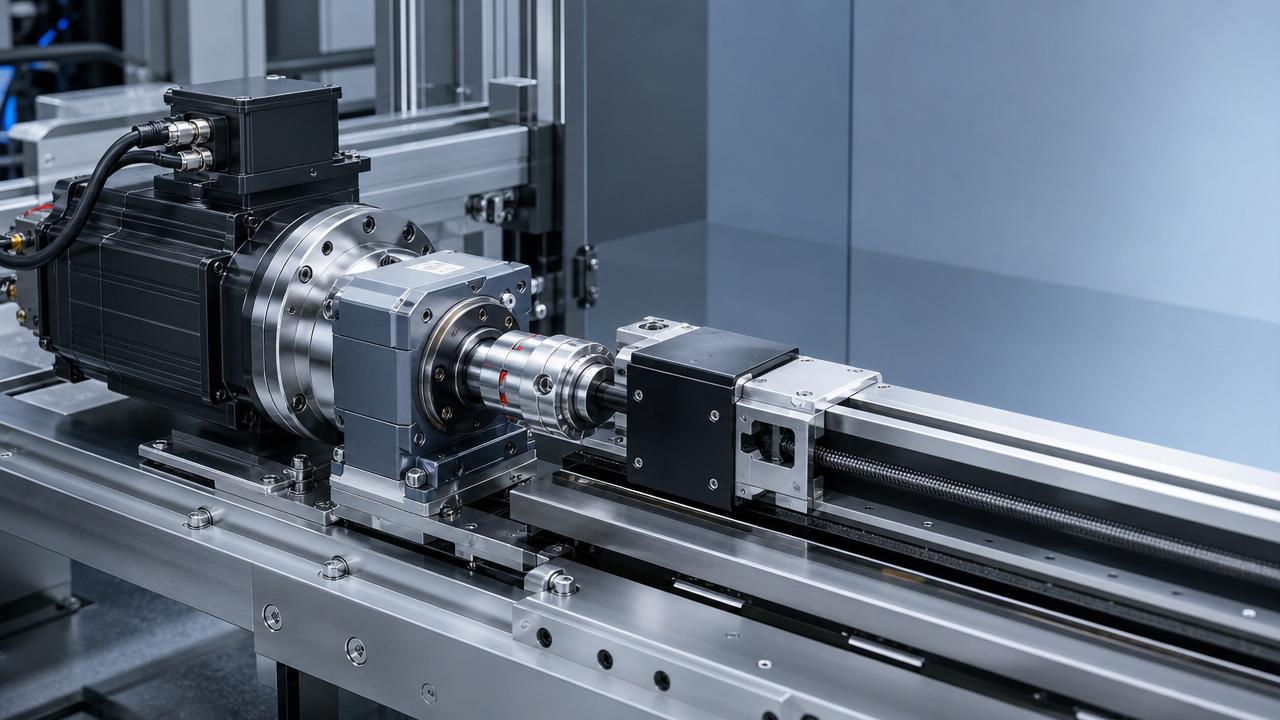
It is also wise to separate electrical symptoms from mechanical ones. A servo may be blamed for poor performance when the true issue is backlash, binding guides, an inefficient reducer, or coupling misalignment. Since servo, transmission, and machine structure interact closely, sizing should be reviewed together with the full motion chain.
What are the most overlooked selection mistakes in Servo Motion Systems?
Several sizing errors appear repeatedly in the field because they are easy to miss during early specification:
- Using only average torque instead of evaluating the complete motion profile.
- Ignoring gearbox efficiency, screw losses, or changing friction under temperature and contamination.
- Treating acceleration time as fixed without checking production takt targets.
- Choosing encoder resolution without considering actual positioning tolerance and control bandwidth.
- Neglecting regenerative energy in deceleration-heavy applications.
- Assuming future expansion requires large oversizing rather than modular design flexibility.
In broader industrial environments, one more mistake stands out: selecting Servo Motion Systems in isolation from PLC, inverter, reducer, guide, and IPC architecture. Modern automated equipment depends on coordinated behavior across control logic, mechanical stiffness, edge data visibility, and response speed. A well-sized motor paired with a poorly matched transmission or unstable command network still produces disappointing results.
How do cost, reliability, and lead time change when Servo Motion Systems are sized correctly?
Correctly sized Servo Motion Systems improve more than motion quality. They reduce the total cost of ownership by lowering commissioning time, minimizing tuning revisions, reducing spare consumption, and protecting connected mechanical parts. They also support more predictable uptime because the drive and motor are not operating continuously at unstable extremes.
From a sourcing perspective, proper sizing helps avoid two expensive scenarios: emergency field replacement after thermal or overload failures, and unnecessary premium spending on oversized hardware. It also improves lead time planning. When the specification is precise, equivalent alternatives can be assessed more confidently across brands, frame sizes, brake options, encoder types, and voltage classes.
In sectors moving toward flexible manufacturing, this matters even more. Machines increasingly need to handle product variation, faster recipe changes, and data-driven optimization. Servo Motion Systems that were selected with realistic load envelopes and future process windows are easier to integrate into that evolving environment than systems chosen only for minimum initial cost or maximum nameplate power.
What quick reference can help identify sizing issues in Servo Motion Systems?
Servo Motion Systems perform best when electrical control, mechanical transmission, and real production demands are sized as one integrated motion platform. If warning signs such as overheating, unstable tuning, repeated alarms, or unexplained cost inflation are already visible, the issue may not be the brand or the component quality—it may be that the sizing assumptions were wrong from the start.
A practical next step is to collect drive logs, confirm actual load conditions, map the full duty cycle, and recheck the interaction between motor, drive, reducer, guides, and control architecture. That review often reveals whether Servo Motion Systems need a different frame size, a revised motion profile, a better transmission match, or simply a more accurate specification baseline. Better sizing decisions lead directly to stronger precision, longer service life, and more confident automation investment.
Related Recommendations
 Precision Drive Systems vs Standard Drives: What Changes Performance?Time : Jun 13, 2026
- Precision Transmission Selection: Key Cost RisksTime : Jun 01, 2026
- Precision Drive Systems: Cost Risks Hidden in OversizingTime : May 31, 2026
- Precision Drive Systems: Selection Tips for Stable TorqueTime : May 19, 2026
- Servo Motion Systems: Signs the Sizing Was WrongTime : May 15, 2026