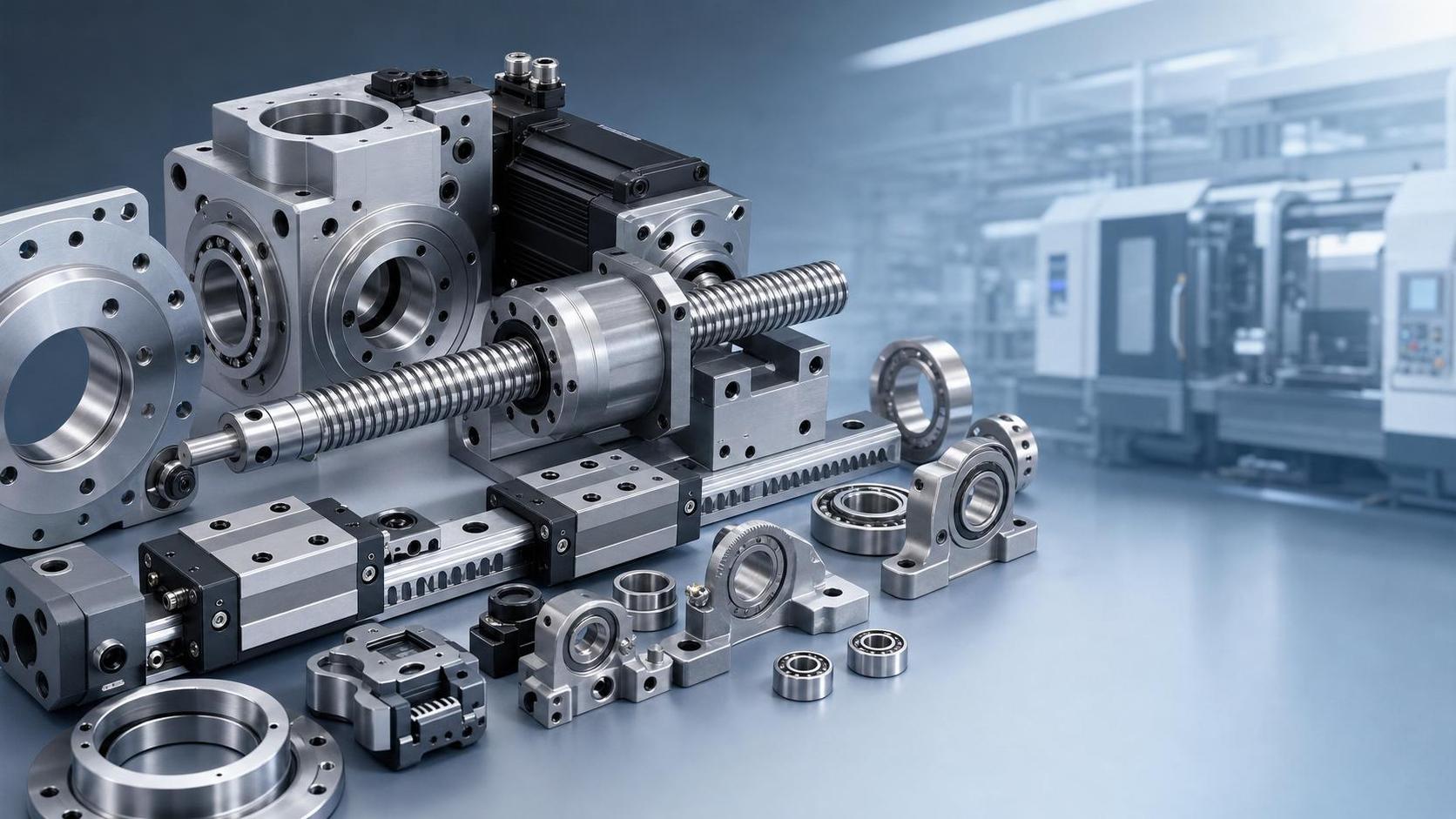
High Precision Manufacturing: Tolerance Risks to Watch

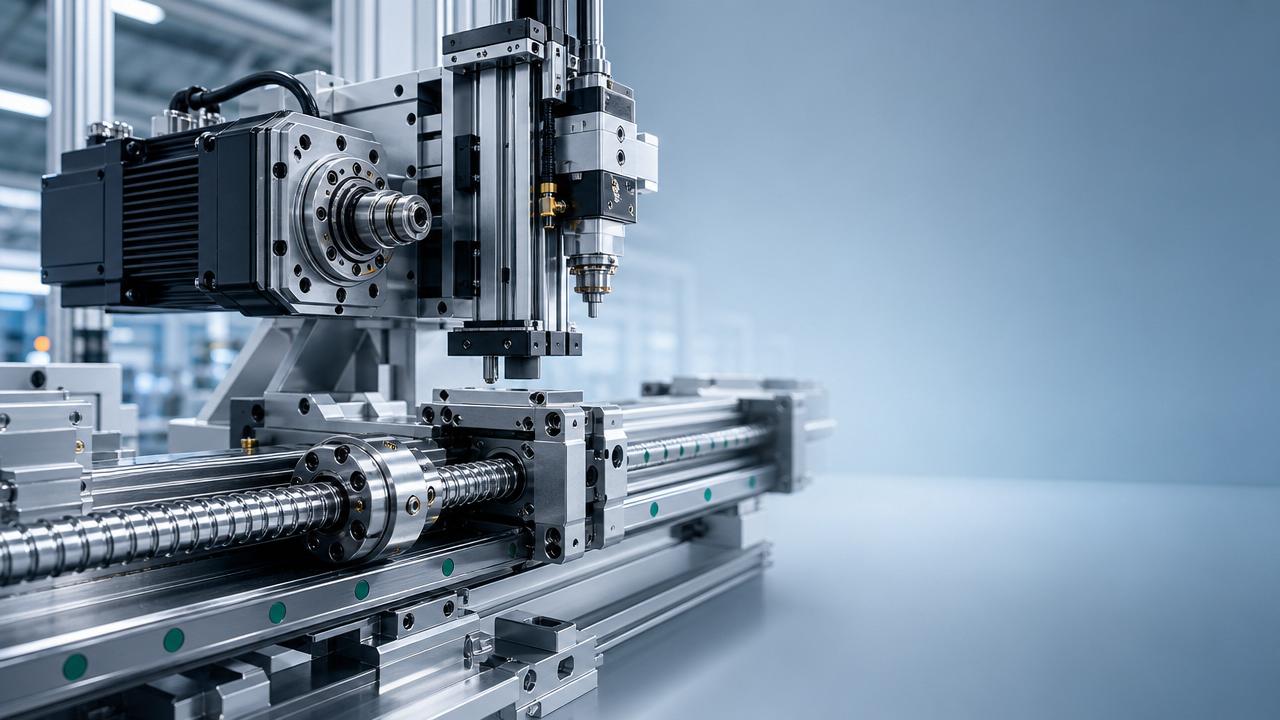
In High Precision Manufacturing, small tolerance errors rarely stay small for long. A few microns of drift can affect fit, motion stability, product safety, and final inspection results.
Across automated production, tolerance risks are no longer limited to machining alone. They also emerge from servo response, reducer backlash, guideway wear, thermal growth, sensor offset, and PLC-controlled timing variation.
That is why High Precision Manufacturing depends on a system view. Mechanical, electrical, and control layers must hold accuracy together under speed, load, vibration, heat, and long operating cycles.
What High Precision Manufacturing Means in Daily Operations
High Precision Manufacturing refers to production environments where dimensional variation must stay tightly controlled. Typical targets include micron-level positioning, stable repeatability, and predictable process capability over extended runs.
In practice, tolerance is not only a drawing value. It is the acceptable operating window for geometry, motion, timing, torque transmission, alignment, and process synchronization.
This makes High Precision Manufacturing especially sensitive to hidden stack-up effects. A component may pass inspection individually, yet fail in assembly because multiple small deviations accumulate.
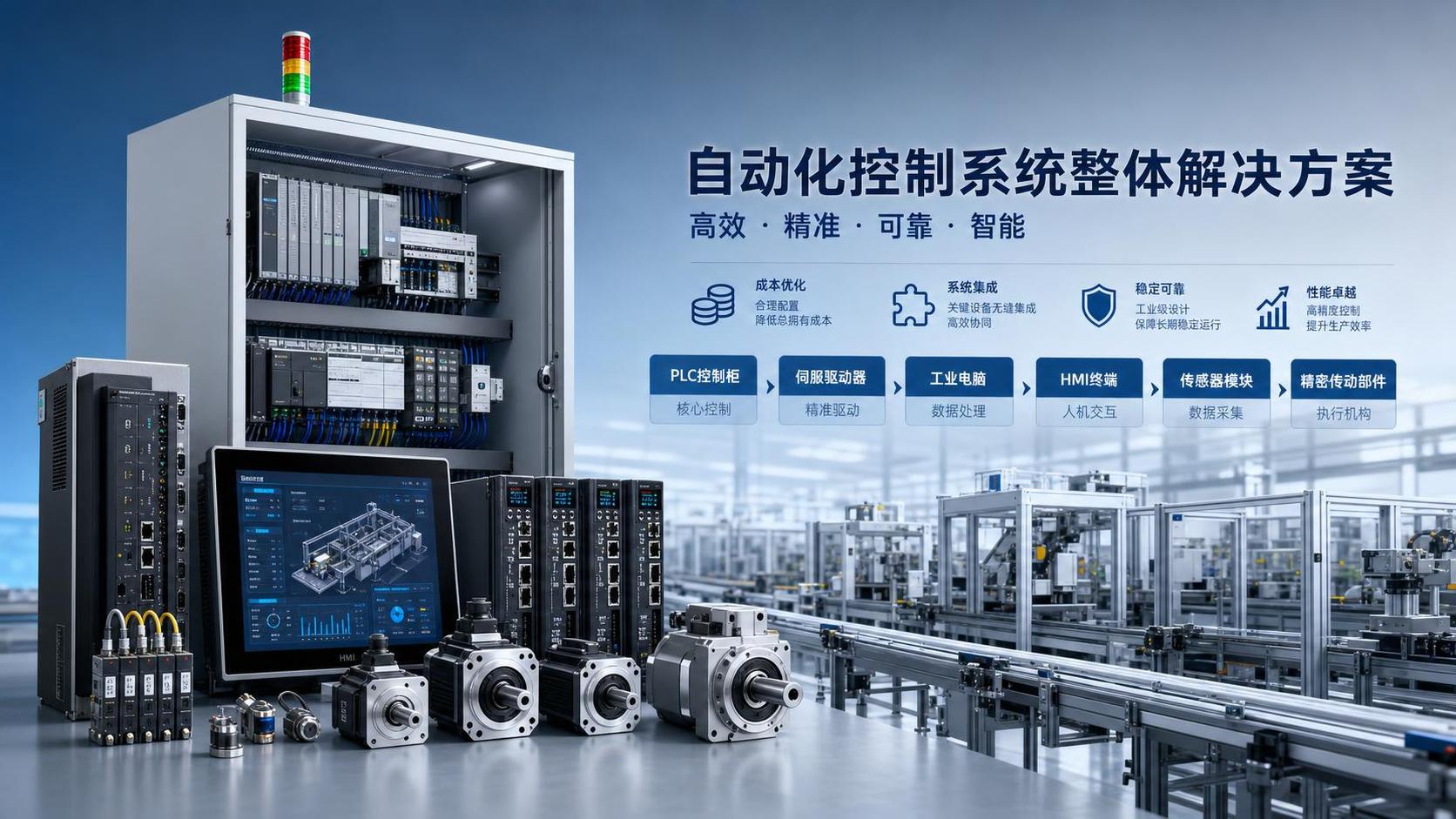
The risk grows in automated lines. Servo motors, PLCs, reducers, linear guides, ball screws, inverters, and industrial PCs all influence how tolerances behave during actual production.
Core dimensions of tolerance control
- Dimensional accuracy of parts and assemblies
- Positional repeatability in moving axes
- Backlash and transmission stiffness under load
- Thermal stability through full production cycles
- Timing consistency across control sequences
- Long-term wear effects on calibrated performance
Current Industry Signals Behind Rising Tolerance Risk
High Precision Manufacturing now faces tighter product specifications, faster takt times, and more flexible production. These conditions shrink process margins while increasing the number of interacting variables.
Industrial automation also changes where failures begin. Instead of one obvious defect source, tolerance loss often appears as a chain reaction across motion control, transmission, sensing, and software execution.
Tolerance Risks to Watch Across Key Automation Components
The most important High Precision Manufacturing risks often sit between components, not inside a single device. Understanding these interaction points improves prevention and fault isolation.
Servo motors and encoder feedback
Servo systems deliver the positioning muscle of High Precision Manufacturing. Yet tuning instability, encoder contamination, cable noise, or resonance can create repeatability loss long before alarms appear.
Watch for axis hunting, settling delays, and inconsistent stop points. These symptoms can indicate gain mismatch, coupling looseness, or mechanical stiffness changes.
Precision reducers and backlash growth
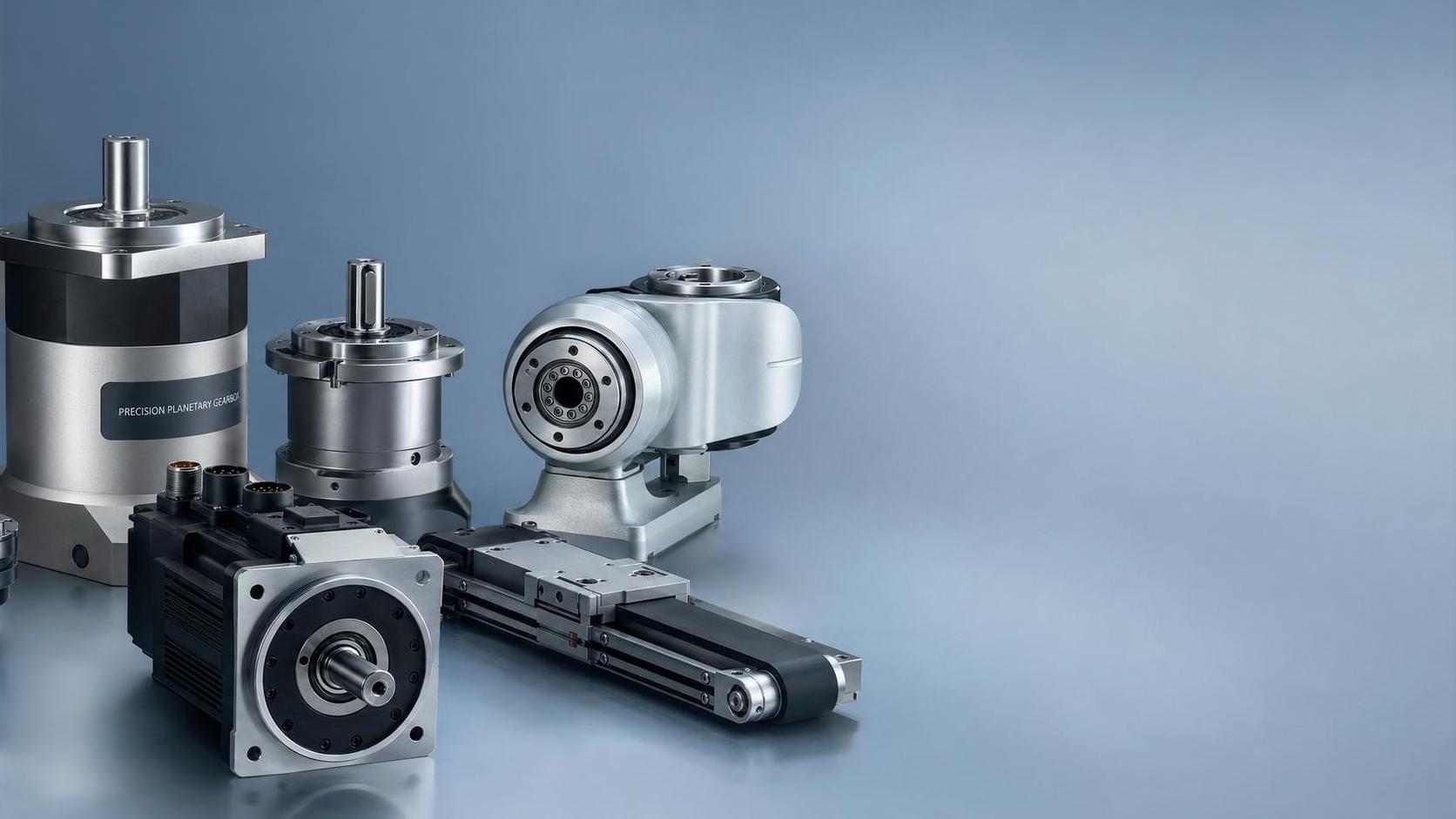
RV and harmonic reducers are critical in robotic and indexing systems. Wear, overload, lubrication degradation, and shock events can slowly increase backlash and reduce absolute positioning accuracy.
Even slight backlash growth affects path accuracy, contour quality, and pick-and-place stability. In High Precision Manufacturing, this directly translates into tolerance escapes and rework cost.
Linear guides, ball screws, and geometric drift
Linear motion components convert rotation into controlled travel. Their precision depends on preload, lubrication, contamination control, mounting flatness, and consistent load distribution.
Misalignment, uneven rail support, or screw thermal elongation often appears as taper, parallelism loss, or changing pitch error across travel length.
PLC or DCS timing variation
In High Precision Manufacturing, logic timing is part of tolerance control. Scan cycle fluctuation, communication latency, and poorly synchronized motion commands can shift process windows.
This becomes critical in dispensing, sealing, cutting, welding, and coordinated assembly. Product dimensions may look unstable, while the actual source is execution timing.
Inverters, IPCs, and environmental stress
Heat, dust, vibration, and electromagnetic interference can distort sensor values, affect processor behavior, and change drive output consistency. Precision degrades when the environment exceeds stable design conditions.
Why Tolerance Control Creates Business Value
High Precision Manufacturing is not only a technical target. It protects throughput, compliance, warranty performance, and production confidence across diverse industrial sectors.
When tolerance risks are controlled early, operations gain more than lower scrap. They gain stable cycle times, fewer adjustments, better traceability, and reduced unplanned downtime.
- Less variation in incoming and finished quality
- Faster root-cause identification during deviations
- Improved machine capability and repeatable output
- Lower risk of safety incidents from fit or motion errors
- Better use of digital maintenance and process analytics
Typical High Precision Manufacturing Scenarios and Risk Focus
Tolerance behavior changes by process type. The table below shows where High Precision Manufacturing commonly experiences risk concentration.
Practical Measures to Reduce Tolerance Risk
Effective High Precision Manufacturing control begins with measurement discipline. However, measurement alone is not enough if motion behavior and process timing remain unverified.
- Map tolerance chains from component input to final assembly output.
- Separate static dimensional errors from dynamic motion errors.
- Trend backlash, vibration, current load, and axis repeatability over time.
- Validate thermal effects during startup, peak load, and long production runs.
- Review PLC scan consistency and command synchronization after upgrades.
- Link maintenance triggers to precision indicators, not only runtime hours.
Common mistakes to avoid
- Treating repeated rework as operator error without checking axis health
- Calibrating at idle conditions only, not under production load
- Replacing parts without analyzing upstream timing and alignment causes
- Ignoring environmental variation around cabinets and motion modules
A Practical Next Step for More Stable Precision
For any High Precision Manufacturing line, the most useful next step is a structured tolerance risk review. Focus on the interfaces linking control, transmission, and final product geometry.
Start with one critical process. Compare design tolerance, actual machine behavior, maintenance history, and environmental conditions. Then rank risks by impact on yield, safety, and downtime.
With disciplined monitoring of servo systems, reducers, guides, PLC timing, and thermal conditions, High Precision Manufacturing becomes more predictable, more resilient, and easier to improve with confidence.
Related Recommendations
 Automation Control Systems Price: Cost Drivers and Budget BenchmarksTime : Jul 17, 2026
- Reducer Selection Guide: How to Balance Torque, Cost, and LifespanTime : Jul 11, 2026
- How to Evaluate an Industrial Automation Parts Supplier for Lead Time and RiskTime : Jul 10, 2026
- Industrial Robotics for Packaging: Where Automation Cuts Downtime MostTime : Jul 09, 2026
- How CNC Machined Precision Engineering Components Improve Fit and ToleranceTime : Jul 08, 2026
 Manufacturing Automation Systems: Where ROI Improves FirstTime : Jul 07, 2026