Smart Factory Solutions: Where ROI Appears First

Smart Factory Solutions deliver the fastest return when they improve the places where cost, delay, waste, and uncertainty are already visible. For most manufacturers, that means the factory floor first.
Decision-makers do not need more automation for its own sake. They need measurable gains in throughput, uptime, labor efficiency, quality consistency, and energy performance without creating new operational risk.
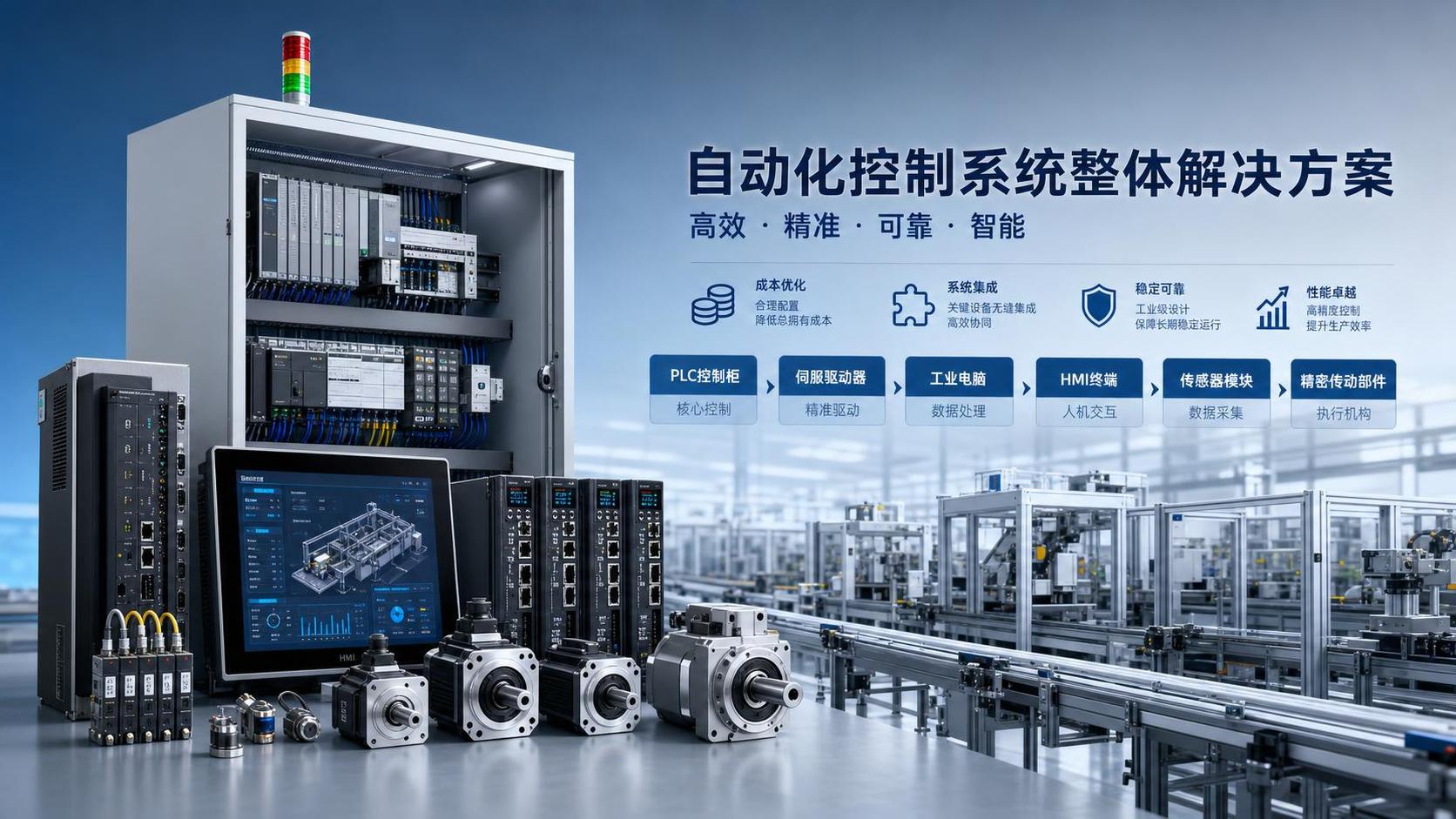
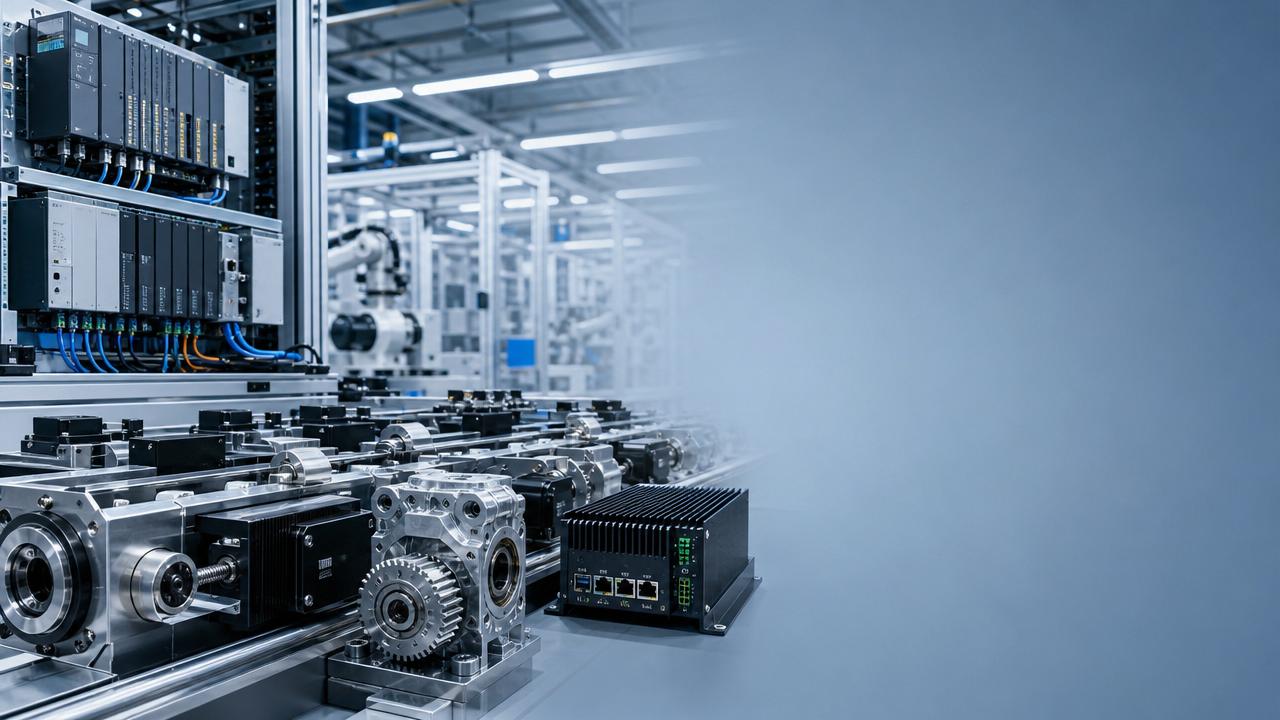
The strongest ROI usually appears where motion control, logic control, precision transmission, and industrial edge intelligence directly remove bottlenecks. That is why the first wins often come from servo systems, PLC or DCS modernization, drive optimization, and data visibility at machine level.
For executives evaluating Smart Factory Solutions, the key question is simple: where can better control generate business value quickly enough to justify broader transformation? The answer is rarely everywhere at once.
What business leaders are really searching for when they evaluate Smart Factory Solutions
When decision-makers search for Smart Factory Solutions, they are usually not looking for abstract Industry 4.0 theory. They want to know where investment pays back first, how to reduce implementation risk, and which upgrades create operational leverage.
They also want clarity on sequencing. Should they start with machines, lines, utilities, data platforms, robotics, or plant-wide software? Most organizations do not fail because automation lacks potential. They fail because scope expands before value is proven.
That makes search intent highly practical. Leaders want a framework for prioritizing projects, estimating ROI, understanding technical dependencies, and avoiding expensive digitization programs that create dashboards without improving production economics.
In that context, the most useful Smart Factory Solutions are not the most fashionable ones. They are the ones that connect engineering precision with financial outcomes in a way operations and management can both verify.
Where ROI appears first: visibility, control, and repeatability on the factory floor
The earliest returns usually appear in areas where poor visibility and inconsistent control already create measurable losses. These losses may show up as scrap, micro-stoppages, unplanned downtime, slow changeovers, excess energy use, or unstable cycle times.
If a plant cannot see machine states in real time, it cannot manage performance accurately. If it cannot control motion precisely, it cannot maintain quality and throughput consistently. If it cannot repeat settings reliably, scale becomes expensive.
This is why machine-level modernization often beats enterprise-level digitization in early ROI. A smarter line with stable control loops, cleaner machine data, and precise actuation creates financial results faster than a broad but shallow digital program.
For many manufacturers, the first value is not full autonomy. It is the ability to turn hidden losses into manageable variables. Once that happens, the business case for broader Smart Factory Solutions becomes much easier to defend.
Why servo systems often produce one of the fastest returns
Industrial AC servo systems are often among the quickest paths to ROI because they directly improve motion accuracy, response speed, and repeatability. In applications where positioning, synchronization, or dynamic load control matter, the financial effect is immediate.
Better servo performance can reduce overshoot, shorten settling time, improve path accuracy, and support faster cycle times. Those technical improvements translate into more parts per hour, fewer defects, and less wear on mechanical components.
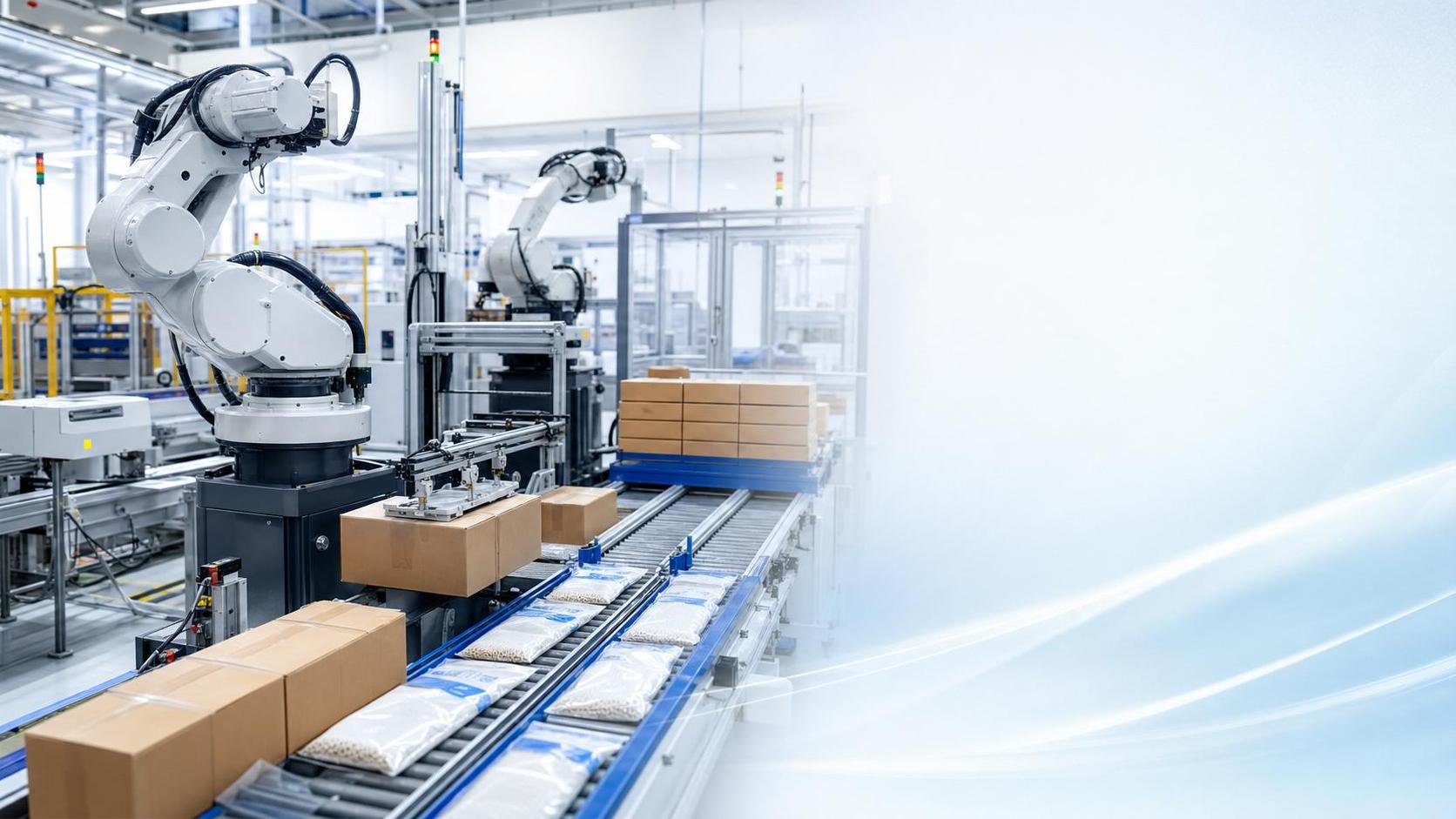
For packaging, semiconductor, electronics, battery, CNC, and robotic applications, servo upgrades often affect both throughput and quality at the same time. That combination is powerful because it improves revenue capacity while reducing hidden operating costs.
Executives should pay attention to where motion instability already limits output. If operators compensate manually for machine inconsistency, or if product quality depends too heavily on technician experience, servo-centered Smart Factory Solutions may deliver visible gains quickly.
Advanced encoder feedback, faster current loops, and tighter tuning can also help suppress resonance and stabilize complex motion profiles. In practical terms, that means fewer interruptions, less trial-and-error adjustment, and more confidence when pushing equipment closer to design performance.
PLC and DCS modernization: the ROI of better decisions in milliseconds
PLC and DCS platforms are often underestimated in ROI discussions because their value is not always visible on the balance sheet at first glance. Yet they shape how reliably every sensor, actuator, alarm, sequence, and interlock works under real production conditions.
When logic platforms are outdated, plants often live with unnecessary scan delays, brittle integrations, and limited diagnostics. That creates longer downtime investigations, inconsistent process execution, and slower adaptation when products or recipes change.
Modern PLC or DCS environments improve determinism, simplify troubleshooting, and support cleaner communication with drives, HMIs, vision systems, historians, and supervisory software. Those capabilities reduce engineering friction and improve operational resilience.
For decision-makers, the return often shows up in less downtime, faster commissioning, easier recipe management, and lower dependence on a few highly specialized technicians. The strategic benefit is even greater in flexible manufacturing environments.
If your factory needs frequent product changes, tighter traceability, or better line balancing, control architecture may be a more important investment than a new analytics platform. Smart Factory Solutions only create value when execution logic is stable enough to trust.
Precision transmission components matter more than many ROI models assume
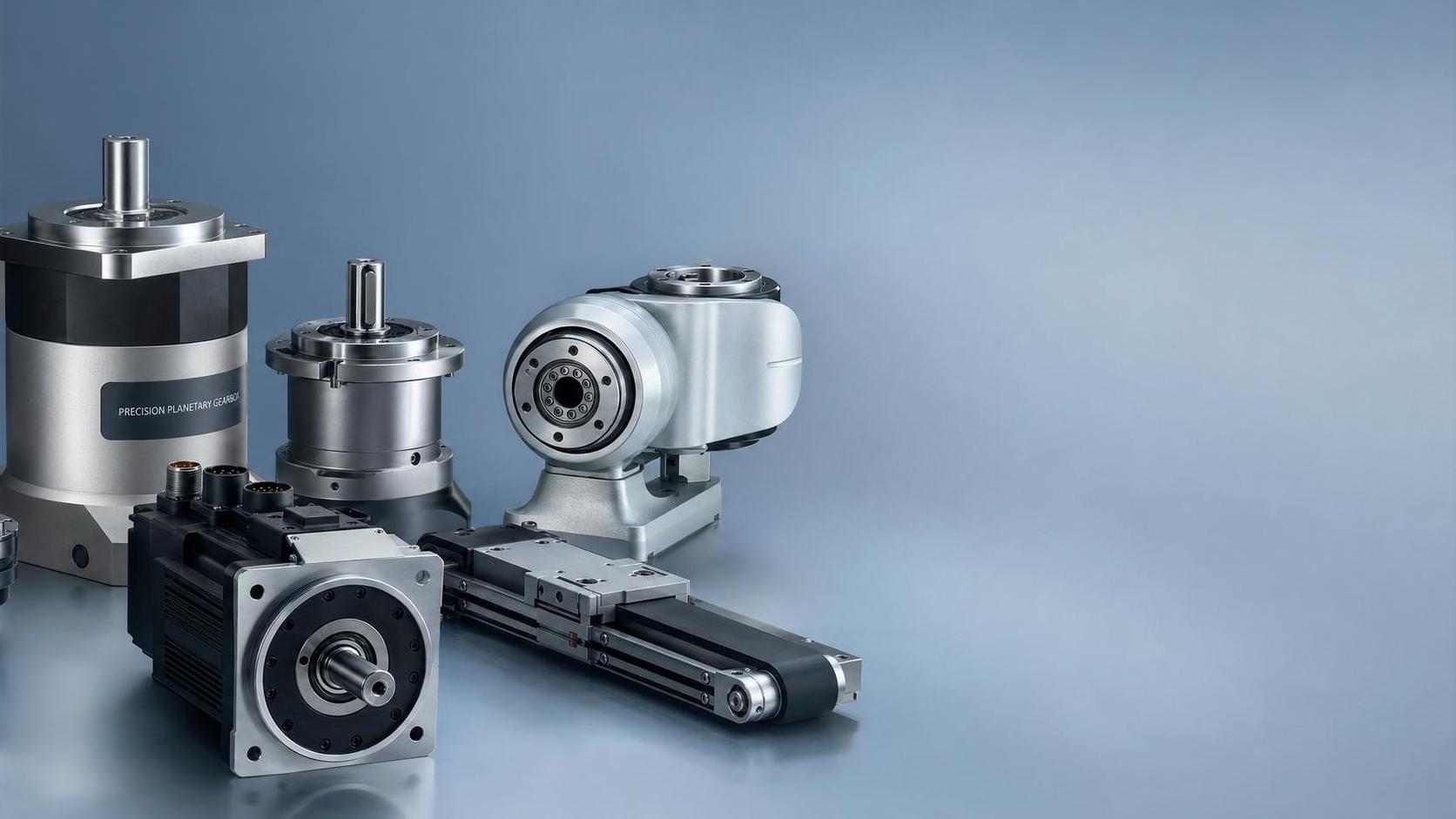
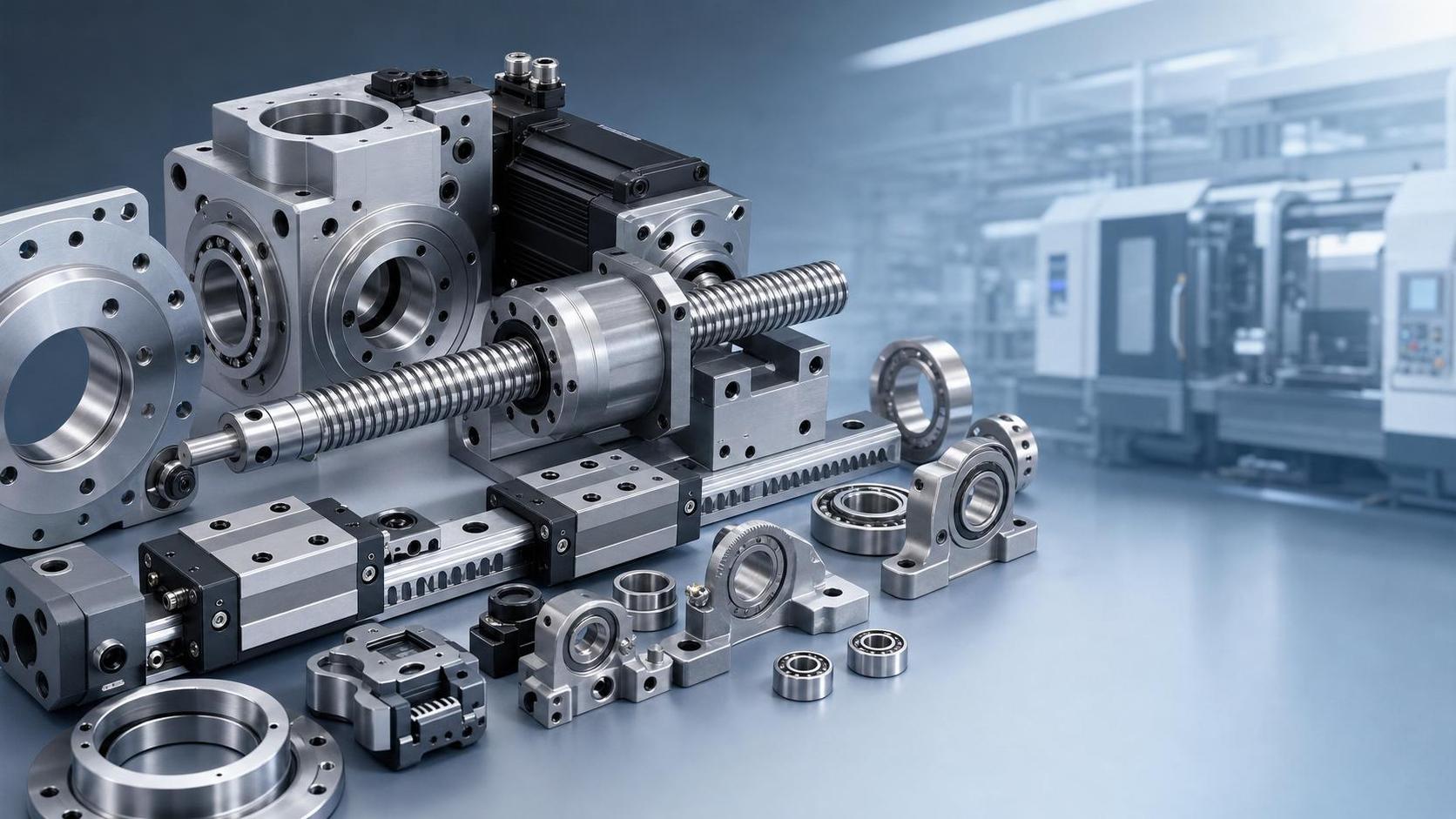
Many investment discussions focus on software, sensors, and connectivity, while underestimating the economic role of mechanical transmission accuracy. Yet reducers, linear guides, and ball screws directly influence backlash, rigidity, friction, and long-term repeatability.
In robotics, CNC systems, pick-and-place units, and precision assembly, poor transmission performance quietly erodes the value of every control upgrade around it. The best servo algorithm cannot fully compensate for mechanical instability or wear-driven positioning error.
That means precision mechanical components are not secondary details. They are foundational to whether Smart Factory Solutions can sustain performance after initial commissioning. If physical tolerances drift, quality and uptime eventually drift with them.
For management teams, this matters because ROI should be measured over lifecycle performance, not only installation success. Investments in higher-quality reducers, guides, and screws often lower maintenance burden and protect the returns generated by digital and control upgrades.
Inverters and industrial edge computing: a practical route to savings and resilience
Not every smart factory project has to begin with robotics or AI. In many plants, frequency inverters and industrial PCs offer a more grounded starting point because they improve energy use, machine responsiveness, and data processing close to the source.
Variable speed control reduces wasted power in pumps, fans, compressors, conveyors, and heavy motor systems. In operations with large motor loads, the energy savings can be significant and relatively easy to quantify before the project starts.
Industrial PCs add value by processing sensor data at the edge, where latency, reliability, and environmental resistance matter. They support condition monitoring, machine vision, local analytics, and protocol conversion without overloading central systems.
Together, drives and edge computing create a strong early-stage Smart Factory Solutions package. They reduce utility costs, improve responsiveness, and prepare the plant for more advanced optimization without forcing a disruptive enterprise-wide rollout.
For executives seeking phased transformation, this combination is attractive because it creates measurable operational gains while building the data and control foundation needed for larger programs later.
How to identify the first smart factory investment that deserves budget
The best first project is rarely the most ambitious one. It is the one with clear pain, measurable baseline losses, technical feasibility, and operational ownership. In other words, it should solve a problem the factory already knows is expensive.
Start by locating chronic bottlenecks. Which machines create the most downtime? Which processes generate the most scrap? Where does operator intervention happen too often? Which line cannot scale output without quality instability?
Then ask which root causes are actually controllable through automation, motion precision, logic modernization, or better local intelligence. A digital layer cannot fix a fundamentally unstable mechanical process, and new hardware cannot fix poor workflow design alone.
Strong candidates for early investment typically include high-speed packaging lines, precision assembly cells, robotic stations, energy-intensive motor systems, and production areas with costly quality escapes or frequent changeovers.
Decision-makers should also insist on baseline metrics before approval. Without pre-project data on downtime, OEE loss, energy use, scrap, cycle time, and maintenance calls, even a successful project can become difficult to defend internally.
What a credible ROI model for Smart Factory Solutions should include
Too many ROI calculations focus only on labor reduction. In reality, the strongest cases often combine several gains: higher throughput, lower scrap, less downtime, reduced energy consumption, improved changeover speed, and fewer maintenance interventions.
A credible model should separate direct financial returns from strategic returns. Direct returns include reduced cost per unit and increased output. Strategic returns include better scheduling confidence, faster new product introduction, and stronger resilience against labor variability.
It should also include implementation realities. Integration work, training time, spare parts strategy, cybersecurity hardening, and commissioning risk all affect the actual economics. A project with a lower headline ROI may still be better if execution risk is far lower.
For board-level approval, scenario modeling works well. Present a conservative case, expected case, and upside case. This creates a more mature investment narrative than promising ideal outcomes from day one.
When evaluating Smart Factory Solutions, leaders should favor projects whose value can be measured within ninety to one hundred eighty days. Early proof creates internal momentum and reduces resistance to larger transformation programs.
Common mistakes that delay or destroy returns
One common mistake is starting with platform ambition instead of production pain. Companies deploy broad software layers before stabilizing machines, controls, and data quality. The result is often more visibility into problems, but not better performance.
Another mistake is treating all equipment equally. Some assets drive margin, quality, and capacity far more than others. Smart Factory Solutions should first target the machines and lines that shape business outcomes most strongly.
Organizations also underestimate change management. Even technically strong systems can underperform if operators, maintenance teams, and engineers are not trained to use diagnostics, parameter controls, and performance data effectively.
Finally, some companies chase technology novelty. AI, digital twins, and autonomous optimization all have value, but they are not the best first step in every plant. Precision, reliability, and controllability still determine whether advanced layers can succeed.
A practical roadmap for decision-makers
First, define one or two value targets, such as increasing throughput on a constrained line, reducing scrap in a precision process, or cutting energy consumption in a motor-intensive system. Keep the outcome financial and operational.
Second, assess the physical and control layers together. Review servo performance, PLC or DCS architecture, transmission accuracy, drive efficiency, and edge data readiness. This reveals whether your biggest problem is mechanical, electrical, logical, or informational.
Third, launch a tightly scoped pilot with measurable KPIs and executive sponsorship. Do not let the first phase turn into a full digital transformation program. The goal is proof of value, not organizational theater.
Fourth, standardize what works. Once a pilot delivers, replicate its methods across similar assets or plants. Scaled ROI usually comes from repeatable architecture and disciplined rollout, not from isolated innovation.
Finally, build toward flexibility. The long-term promise of Smart Factory Solutions is not just lower cost today. It is the ability to adapt faster tomorrow with stable quality, resilient production, and better use of both capital and talent.
Conclusion: smart factory value starts where precision meets business reality
For enterprise decision-makers, the most important truth is simple: Smart Factory Solutions create the fastest ROI where they improve visibility, precision, and control in the production environment first.
That is why early returns often come from servo systems, PLC or DCS modernization, precision transmission upgrades, inverter deployment, and industrial edge computing. These are not isolated technologies. They are the operational foundation of scalable automation.
The smartest strategy is not to automate everything at once. It is to identify where technical control can unlock measurable business value quickly, prove the case, and expand with discipline.
In modern manufacturing, precision is no longer only an engineering goal. It is a financial strategy. The companies that understand this will find that the first ROI from Smart Factory Solutions appears exactly where factory performance becomes most controllable.
Related Recommendations
 Automation Control Systems Price: Cost Drivers and Budget BenchmarksTime : Jul 17, 2026
- Reducer Selection Guide: How to Balance Torque, Cost, and LifespanTime : Jul 11, 2026
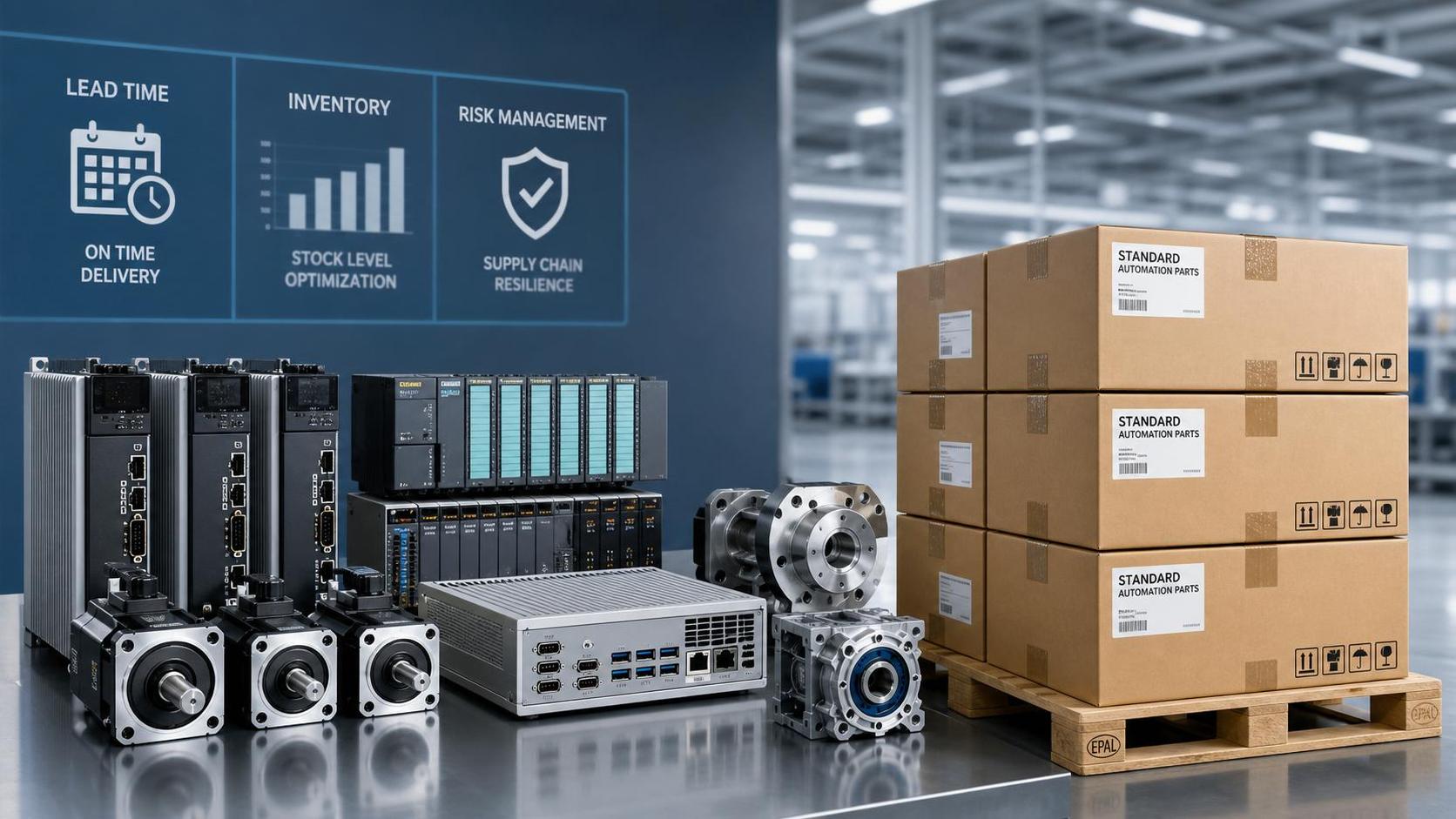
- How to Evaluate an Industrial Automation Parts Supplier for Lead Time and RiskTime : Jul 10, 2026
- Industrial Robotics for Packaging: Where Automation Cuts Downtime MostTime : Jul 09, 2026
- How CNC Machined Precision Engineering Components Improve Fit and ToleranceTime : Jul 08, 2026
 Manufacturing Automation Systems: Where ROI Improves FirstTime : Jul 07, 2026