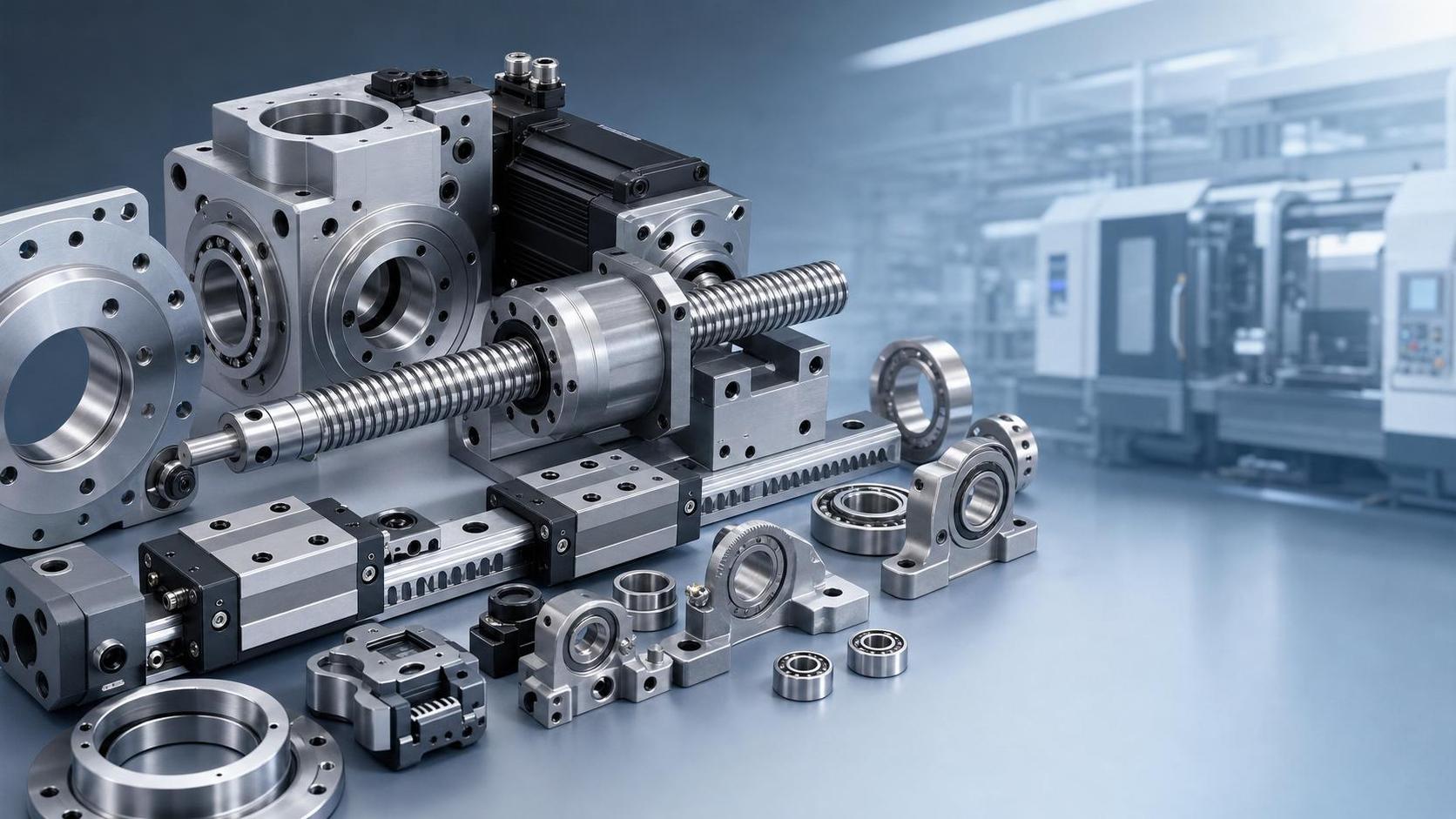
How to Compare Industrial Robotics Components by Lifecycle Cost

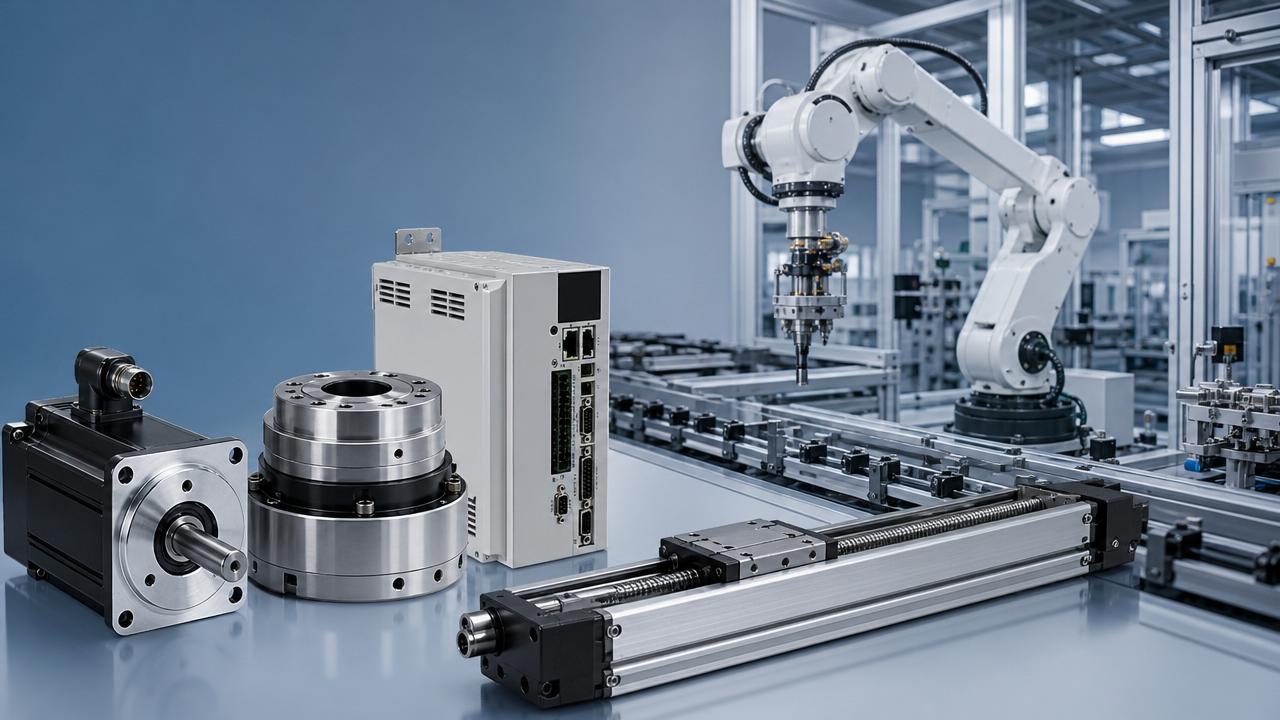
For procurement teams, comparing Industrial Robotics Components goes far beyond upfront price. Lifecycle cost shows the real value behind servo systems, reducers, controllers, and motion hardware.
A lower purchase price can hide higher energy use, more service calls, unstable precision, and costly downtime. In automated manufacturing, those hidden costs often exceed the initial invoice.
This guide explains how to compare Industrial Robotics Components through real operating scenarios. It helps build a practical total-cost model for better long-term decisions.
Why lifecycle cost matters in different automation scenarios
Not all production environments stress Industrial Robotics Components in the same way. A packaging cell and a welding line may use similar hardware, yet lifecycle risks differ sharply.
High-speed lines prioritize uptime and thermal stability. Heavy-load applications focus on torque reserve, reducer durability, and structural fatigue. Clean processes often value repeatability and contamination control.
That is why lifecycle cost should be compared by application context, not by catalog specification alone. The best component is the one with the strongest long-term fit.
The five lifecycle cost layers to compare first
- Purchase and integration cost
- Energy consumption during operation
- Maintenance frequency and spare parts demand
- Downtime risk and recovery speed
- Expected service life and upgrade flexibility
These five layers create a more reliable framework for comparing Industrial Robotics Components across mixed production environments.
Scenario one: high-speed assembly lines need stable Industrial Robotics Components
In fast assembly cells, even short interruptions can reduce daily output. Here, lifecycle cost is shaped by acceleration performance, encoder feedback quality, and motion loop consistency.
Servo motors with fast current response may cost more initially. Yet they can reduce overshoot, shorten cycle time, and limit wear on couplings, guides, and attached tooling.
Core judgment points in this scenario
- Can the servo system maintain accuracy during repeated high acceleration?
- Does the controller support stable synchronization across multiple axes?
- Will heat buildup shorten bearing or encoder life?
- Are spare drives and cables available locally?
For this environment, comparing Industrial Robotics Components by mean time between failure is often more useful than comparing nameplate power alone.
Scenario two: heavy-payload robot cells reward stronger long-term durability
Material handling, palletizing, and welding cells place sustained stress on reducers, gear trains, and motor shafts. Small sizing errors can amplify backlash, vibration, and fatigue.
In these cases, Industrial Robotics Components should be assessed for torque margin, shock resistance, lubrication intervals, and sealing quality under harsh factory conditions.
Core judgment points in this scenario
- Reducer lifespan under repetitive peak loads
- Bearing protection against dust, spatter, or washdown exposure
- Motor efficiency under continuous high torque output
- Ease of planned maintenance without major line stoppage
A heavier-duty component often lowers total ownership cost when shutdown losses and replacement labor are included.
Scenario three: precision processes depend on consistency more than raw speed
Electronics assembly, semiconductor support equipment, and fine dispensing systems have little tolerance for positioning drift. Here, precision loss becomes a hidden lifecycle expense.
Industrial Robotics Components in precision lines should be compared through repeatability retention, backlash stability, vibration suppression, and software tuning support.
Core judgment points in this scenario
- How long does calibration remain valid?
- Can the servo drive suppress resonance effectively?
- Does the reducer maintain low backlash after long cycling?
- Are diagnostics available for early drift detection?
In precision environments, the cost of scrap and rework can quickly exceed the premium paid for better Industrial Robotics Components.
Scenario four: flexible manufacturing values upgrade paths and compatibility
Factories moving toward mixed-model production need Industrial Robotics Components that adapt easily. Compatibility with PLCs, fieldbus networks, and edge computing platforms becomes critical.
A cheaper component may increase future integration cost if firmware tools are closed, communication protocols are limited, or diagnostics cannot connect with plant-level systems.
Core judgment points in this scenario
- Support for EtherCAT, PROFINET, or other required protocols
- Controller openness for software updates and analytics
- Availability of digital twins or simulation data
- Expansion ease when adding axes or new stations
Lifecycle cost in flexible manufacturing includes not only operation, but also changeover speed and future system expansion.
How scenario differences change the way Industrial Robotics Components should be compared
This comparison makes Industrial Robotics Components easier to evaluate according to actual operating priorities rather than generic brochures.
A practical method for comparing Industrial Robotics Components by total cost
Use a simple scoring model with weighted factors. Assign different weights based on application demands instead of treating every component feature equally.
- Define the real operating scenario and duty cycle.
- Estimate energy use for one year of operation.
- Calculate planned maintenance hours and spare parts cost.
- Estimate unplanned downtime cost per hour.
- Check expected service life and replacement complexity.
- Add integration and future upgrade expenses.
When comparing Industrial Robotics Components, this method prevents short-term price bias and reveals the true economic performance of each option.
Recommended fit rules for common Industrial Robotics Components
- Servo motors: prioritize efficiency, encoder resolution, and thermal behavior.
- Precision reducers: compare backlash growth, lubrication life, and overload capacity.
- PLC and motion controllers: focus on scan speed, synchronization, and protocol openness.
- Linear guides and ball screws: evaluate contamination resistance and wear under real loads.
- Inverters and IPCs: assess energy savings, data handling, and environmental tolerance.
These fit rules align with how IAMC tracks the technical and commercial realities behind Industrial Robotics Components in global automation markets.
Common mistakes when evaluating lifecycle cost
One common mistake is comparing rated specifications without checking actual duty cycles. Another is ignoring software support, which can extend troubleshooting time significantly.
It is also risky to treat maintenance as a fixed cost. Industrial Robotics Components running in dust, vibration, or heat may require much earlier service than expected.
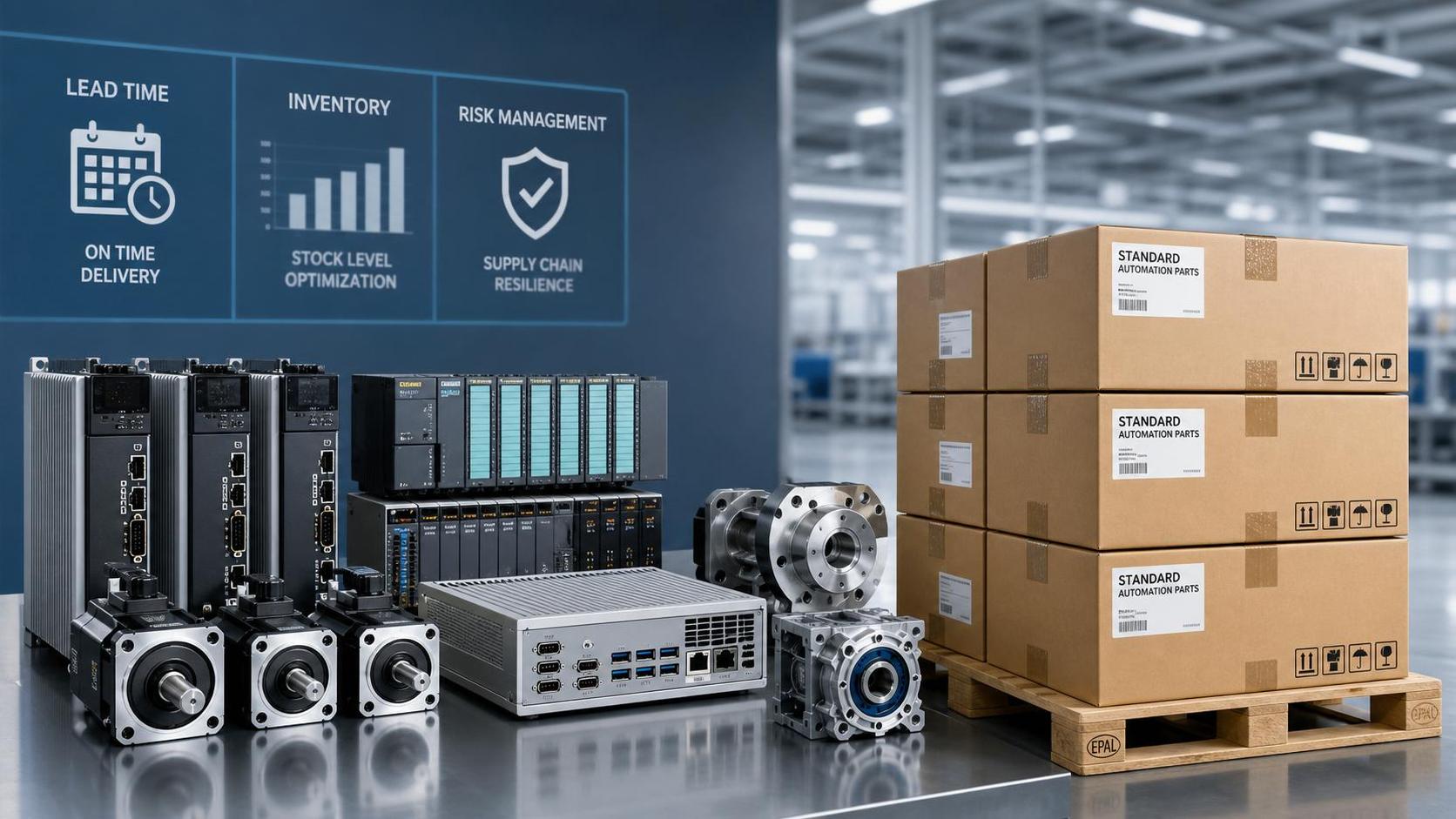
A final mistake is overlooking supply-chain resilience. A technically strong component loses value if replacement lead times threaten line continuity.
Next steps for better Industrial Robotics Components decisions
Start with the application scenario, then build a lifecycle cost sheet around energy, maintenance, downtime, lifespan, and future integration. Compare every option on the same assumptions.
For more accurate benchmarking, combine technical data with field performance intelligence from servo, PLC, reducer, transmission, and industrial computing ecosystems.
That approach leads to better Industrial Robotics Components choices, stronger asset reliability, and smarter automation investment across modern manufacturing.
Related Recommendations
 Automation Control Systems Price: Cost Drivers and Budget BenchmarksTime : Jul 17, 2026
- Reducer Selection Guide: How to Balance Torque, Cost, and LifespanTime : Jul 11, 2026
- How to Evaluate an Industrial Automation Parts Supplier for Lead Time and RiskTime : Jul 10, 2026
- Industrial Robotics for Packaging: Where Automation Cuts Downtime MostTime : Jul 09, 2026
- How CNC Machined Precision Engineering Components Improve Fit and ToleranceTime : Jul 08, 2026
 Manufacturing Automation Systems: Where ROI Improves FirstTime : Jul 07, 2026