Industrial Control Components: 2026 Supply Risk Signals to Watch

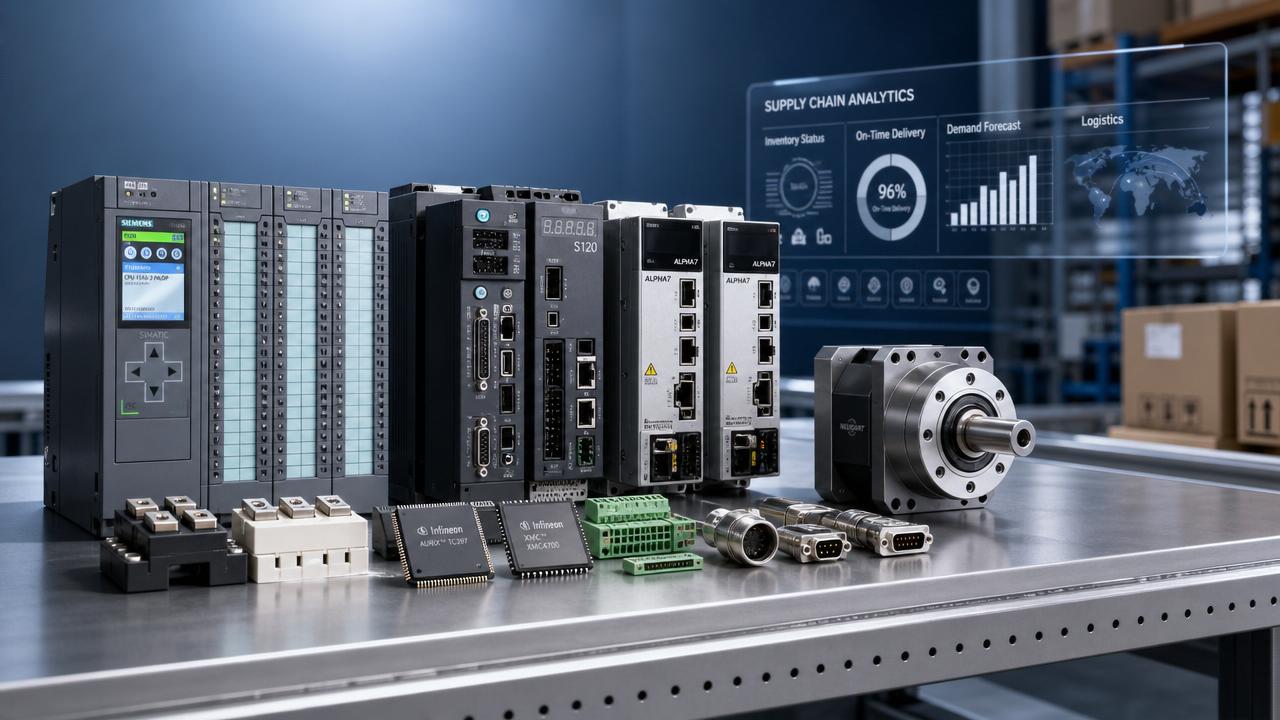
As 2026 approaches, Industrial Control Components face rising uncertainty from semiconductor constraints, policy resets, freight instability, and uneven automation demand. Early signal detection now matters for continuity, cost discipline, and sourcing resilience.
Why 2026 looks different for Industrial Control Components
The supply environment is no longer defined by one disruption. It is shaped by overlapping pressures across chips, metals, logistics, export rules, and regional capacity allocation.
For Industrial Control Components, that means risk can emerge quietly. A stable price today may hide future lead-time extension, qualification delays, or sudden allocation cuts.
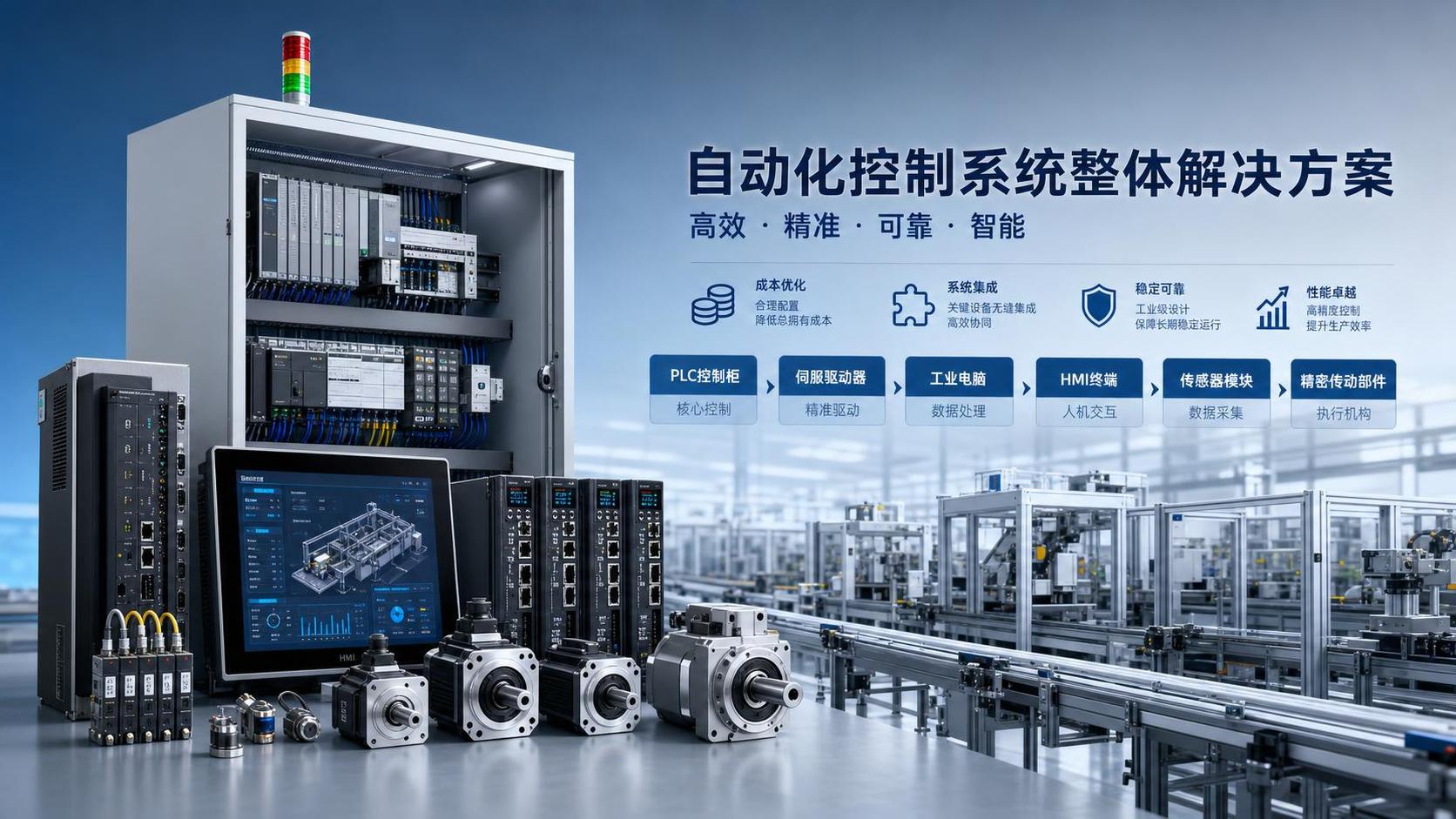
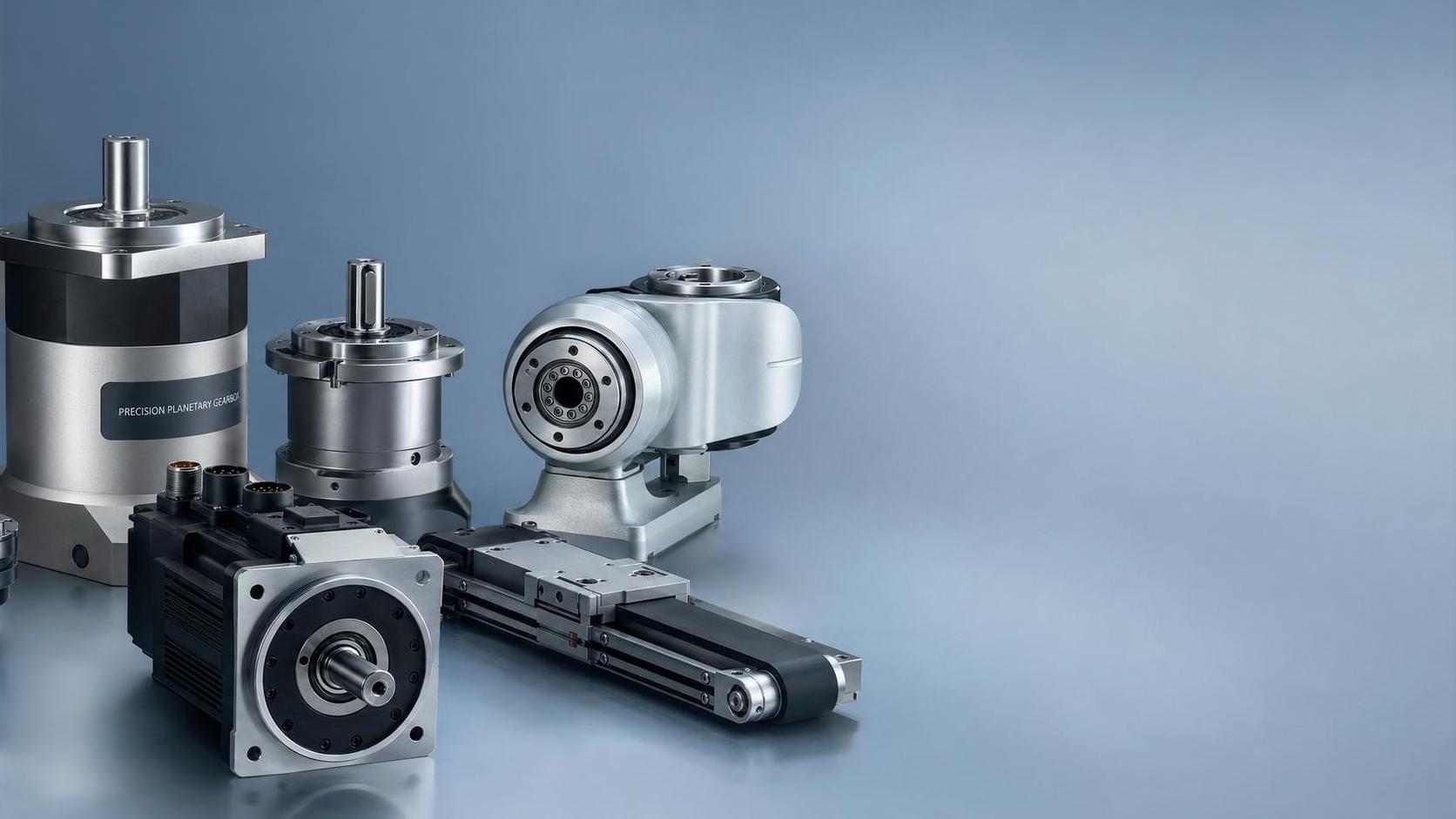
This matters across servo drives, PLC modules, industrial PCs, inverters, reducers, linear motion systems, connectors, and embedded control boards. Small component bottlenecks can freeze large capital equipment programs.
The broader industrial cycle is also fragmenting. Energy equipment, robotics, warehousing, semiconductor tools, and upgrading factories may stay strong while traditional segments recover more slowly.
The strongest supply risk signals are already visible
Several indicators suggest that Industrial Control Components may see selective tightness rather than universal shortage. That distinction is important for planning and prioritization.
Signal 1: Control-grade chip dependence remains a hidden constraint
Many Industrial Control Components depend on mature-node semiconductors, mixed-signal chips, power devices, MCUs, isolation components, and industrial memory. These are not always easy to replace.
Even when consumer electronics soften, industrial-grade parts can remain tight because qualification cycles are longer and supplier changes involve firmware, thermal, and safety validation.
Signal 2: Export controls and trade policy are becoming design variables
Trade barriers no longer affect only finished machinery. They increasingly influence chips, motion controllers, industrial communication modules, software stacks, and high-precision transmission components.
For Industrial Control Components, policy changes can alter approved vendor lists, customs lead times, local certification needs, and access to specific controller architectures.
Signal 3: Lead times may diverge sharply by category
Not all Industrial Control Components will move together. Ball screws may normalize while servo amplifiers tighten. IPCs may stabilize while fieldbus modules remain exposed.
This divergence makes average planning dangerous. Category-level monitoring becomes more useful than broad assumptions about industrial automation supply.
Signal 4: Demand from robots and energy systems can crowd out supply
Humanoid robotics, battery equipment, power electronics, and advanced production lines are increasing competition for precision reducers, servo systems, sensors, and drive electronics.
Industrial Control Components used in fast-growth sectors often receive priority allocation, leaving slower-moving applications exposed to price shifts and delayed delivery.
What is driving these 2026 risk signals
The current risk picture comes from structural factors rather than temporary noise. The table below summarizes the main drivers behind Industrial Control Components volatility.
How these shifts could affect different business links
The impact of Industrial Control Components supply risk is not limited to purchasing cost. It can reshape engineering schedules, launch timing, maintenance planning, and customer service performance.
Design teams may need to revalidate substitutes. Operations may face line stoppages from low-cost parts. Service teams may struggle with legacy module replacement availability.
- Equipment development can slow when key Industrial Control Components require redesign or recertification.
- Production planning becomes less reliable when quoted lead times change after order confirmation.
- Aftermarket support may weaken if older PLC, HMI, or drive parts reach end-of-life faster.
- Gross margin can compress when urgent spot buying replaces contracted supply.
- Capital projects may be delayed when one module blocks system integration testing.
In complex automation systems, a single communication card or encoder chip can become the critical path. That is why Industrial Control Components risk must be mapped at part-family level.
Which Industrial Control Components deserve the closest attention
Not every category carries equal exposure. Priority monitoring should focus on components with long qualification cycles, concentrated supply bases, or high integration dependence.
High-watch categories for 2026
- Servo drives and servo motors with specialized feedback systems
- PLC CPU modules, I/O cards, and industrial communication interfaces
- Industrial PCs using specific embedded processors or rugged storage devices
- Precision reducers, harmonic drives, and RV gear units for robotics
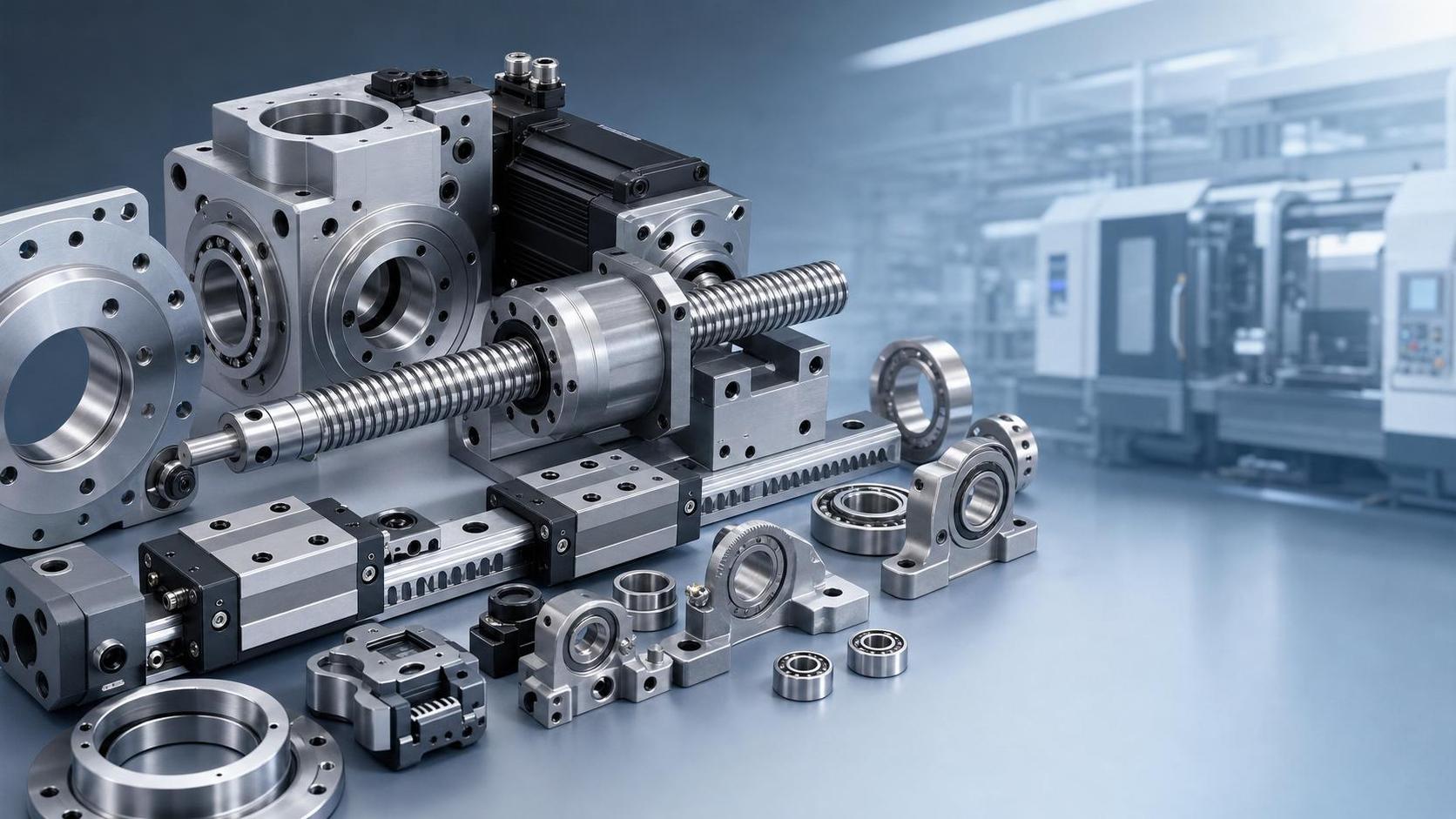
- Linear guides, ball screws, and high-load bearing assemblies
- Power semiconductors and inverter subassemblies for variable-speed control
Early warning indicators worth tracking monthly
- Quote validity periods shrinking below normal practice
- More frequent non-cancelable, non-returnable order terms
- Sudden changes in minimum order quantity for Industrial Control Components
- Longer approval cycles for alternate parts
- Rising repair turnaround time for legacy control products
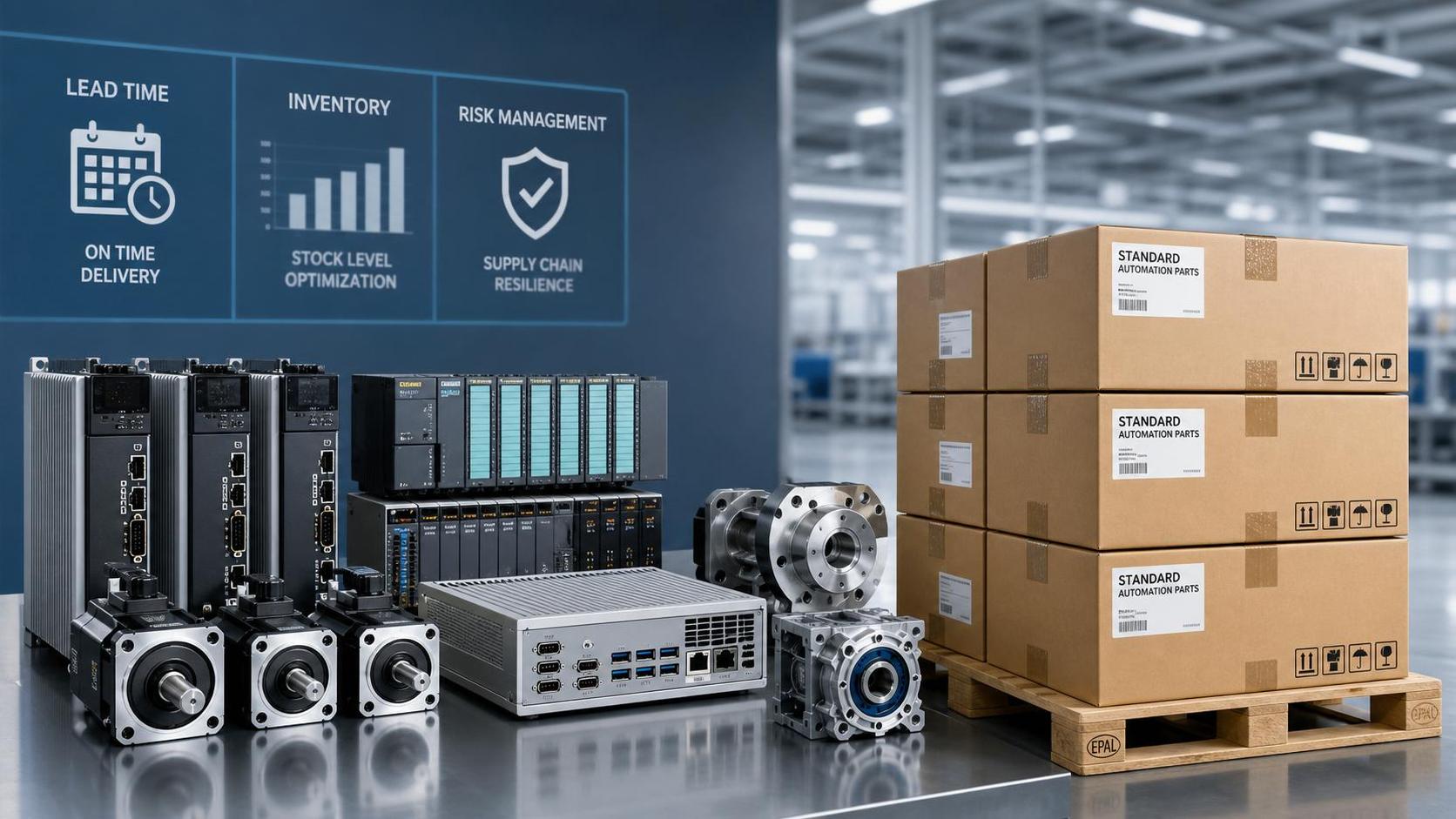
- Distributors offering lower inventory visibility than before
Practical response options before supply stress intensifies
A strong response does not begin with excess inventory alone. It starts with segmenting Industrial Control Components by risk, substitution difficulty, and operational consequence.
What to watch next as the market moves toward 2026
Three developments deserve close observation. First, monitor whether industrial semiconductor availability improves broadly or only in low-spec categories.
Second, watch whether localization policies create parallel supply systems. That could improve resilience in one region while complicating global standardization of Industrial Control Components.
Third, evaluate whether robotics and energy investments keep absorbing premium motion and control capacity. If so, ordinary automation projects may continue facing selective shortages.
The most useful mindset is not predicting one global outcome. It is building a signal-based view by category, region, and application importance.
A focused next step for stronger resilience
Now is the right time to review the top twenty Industrial Control Components that could stop shipments, delay integration, or raise replacement cost in 2026.
Build a watchlist covering lead time, policy exposure, alternate sources, repair status, and lifecycle stage. Small updates each month can prevent larger disruptions later.
In a fragmented market, visibility becomes a competitive advantage. The earlier Industrial Control Components risk is understood, the easier continuity, margin, and delivery performance become to protect.
Related Recommendations
 Automation Control Systems Price: Cost Drivers and Budget BenchmarksTime : Jul 17, 2026
- Reducer Selection Guide: How to Balance Torque, Cost, and LifespanTime : Jul 11, 2026
- How to Evaluate an Industrial Automation Parts Supplier for Lead Time and RiskTime : Jul 10, 2026
- Industrial Robotics for Packaging: Where Automation Cuts Downtime MostTime : Jul 09, 2026
- How CNC Machined Precision Engineering Components Improve Fit and ToleranceTime : Jul 08, 2026
 Manufacturing Automation Systems: Where ROI Improves FirstTime : Jul 07, 2026