Industrial Control Electronics: Cost Risks Before System Upgrade

Industrial Control Electronics: Cost Risks Before System Upgrade
Before approving a system upgrade, the visible price is only the starting point. The bigger question is what outdated Industrial Control Electronics may already be costing the business.
Legacy PLCs, aging servo drives, unstable inverters, and unsupported IPCs often create costs that never appear on the first quote. They show up later as downtime, scrap, overtime, and urgent replacement spending.
In practical terms, Industrial Control Electronics sit at the center of production reliability. When control hardware falls behind, maintenance budgets rise and forecast accuracy gets weaker.
That is why upgrade decisions should be reviewed as capital protection decisions, not just engineering requests. A well-timed upgrade reduces risk exposure and improves long-term return on automation assets.
For organizations tracking smart manufacturing performance, this review becomes even more important. Precision motion, logic execution, and edge data processing now influence both cost control and competitive response speed.
Why Industrial Control Electronics Become a Financial Risk
Industrial Control Electronics age in ways that are easy to underestimate. The hardware may still run, yet its economic performance may already be deteriorating.
A five-minute controller interruption can stop upstream feeding, downstream packaging, and quality verification at the same time. The resulting loss is rarely limited to one component failure.
More importantly, older control systems often depend on rare spare parts, retired software, and specialist labor. Each of those factors increases cost volatility.
This is where many upgrade reviews miss the real issue. The risk is not simply technical obsolescence. It is the growing unpredictability of operating cost.
- Higher emergency maintenance spending
- Longer production interruptions
- Lower output quality and yield stability
- Greater cybersecurity and compliance exposure
- Reduced integration with new digital tools
The Hidden Cost Categories Behind Delayed Upgrades
When reviewing Industrial Control Electronics, direct replacement cost should never be the only line item. Hidden costs usually carry more weight over the equipment life cycle.
1. Unplanned Downtime
Legacy PLC and DCS platforms can fail without warning, especially under heat, vibration, and electrical noise. Recovery time is longer when backups, ports, or firmware tools are outdated.
For cost planning, downtime should include lost production, delayed shipments, idle labor, restart scrap, and customer service impact. Those losses often exceed the upgrade budget.
2. Maintenance Inflation
Older Industrial Control Electronics demand more inspections, more troubleshooting hours, and more workaround repairs. Vendors may also charge premium rates for legacy support.
In real operations, maintenance inflation is gradual. That makes it easy to normalize, even though annual spending may keep rising without clear approval visibility.
3. Quality Drift and Scrap
Servo instability, feedback signal noise, and worn motion components can reduce positioning accuracy. That problem becomes serious in packaging, CNC, robotics, and high-speed assembly.
Even a small decline in repeatability can raise scrap rates, rework hours, and inspection workload. Those costs reduce margin quietly, batch after batch.
4. Energy Inefficiency
Aging inverters and motor control systems often operate below modern efficiency levels. They may also struggle to optimize torque, speed response, and load matching.
That matters most in plants running large motors, conveyors, compressors, and precision lines for long production hours. Energy waste then becomes a structural operating cost.
5. Compliance and Cyber Risk
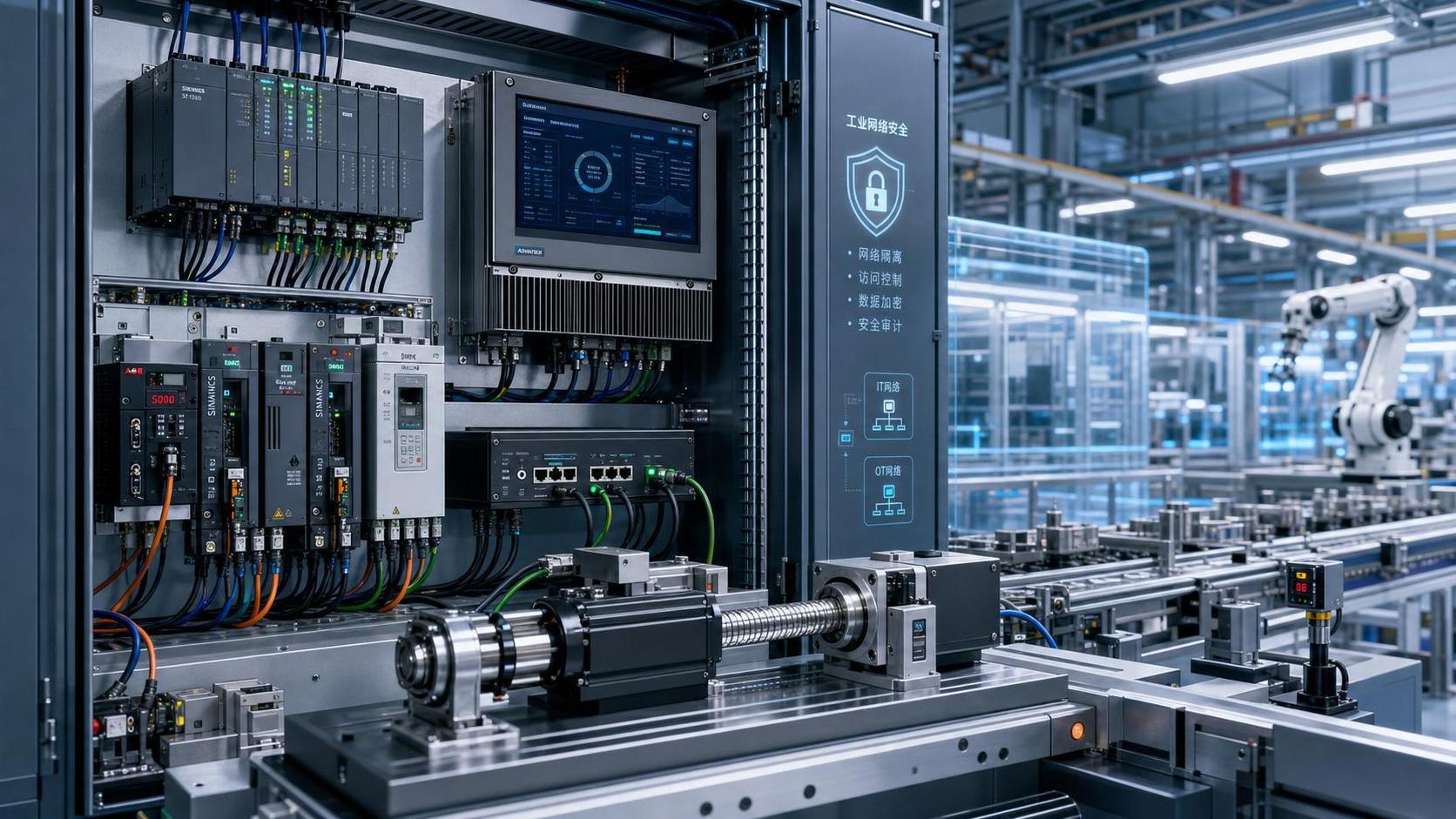
Unsupported Industrial Control Electronics may not meet current cybersecurity expectations, audit demands, or traceability requirements. A delayed upgrade can therefore create legal and insurance concerns, not just technical ones.
Which Components Deserve the Closest Cost Review
Not every asset carries the same financial urgency. The smartest review starts with Industrial Control Electronics that influence throughput, precision, and serviceability most directly.
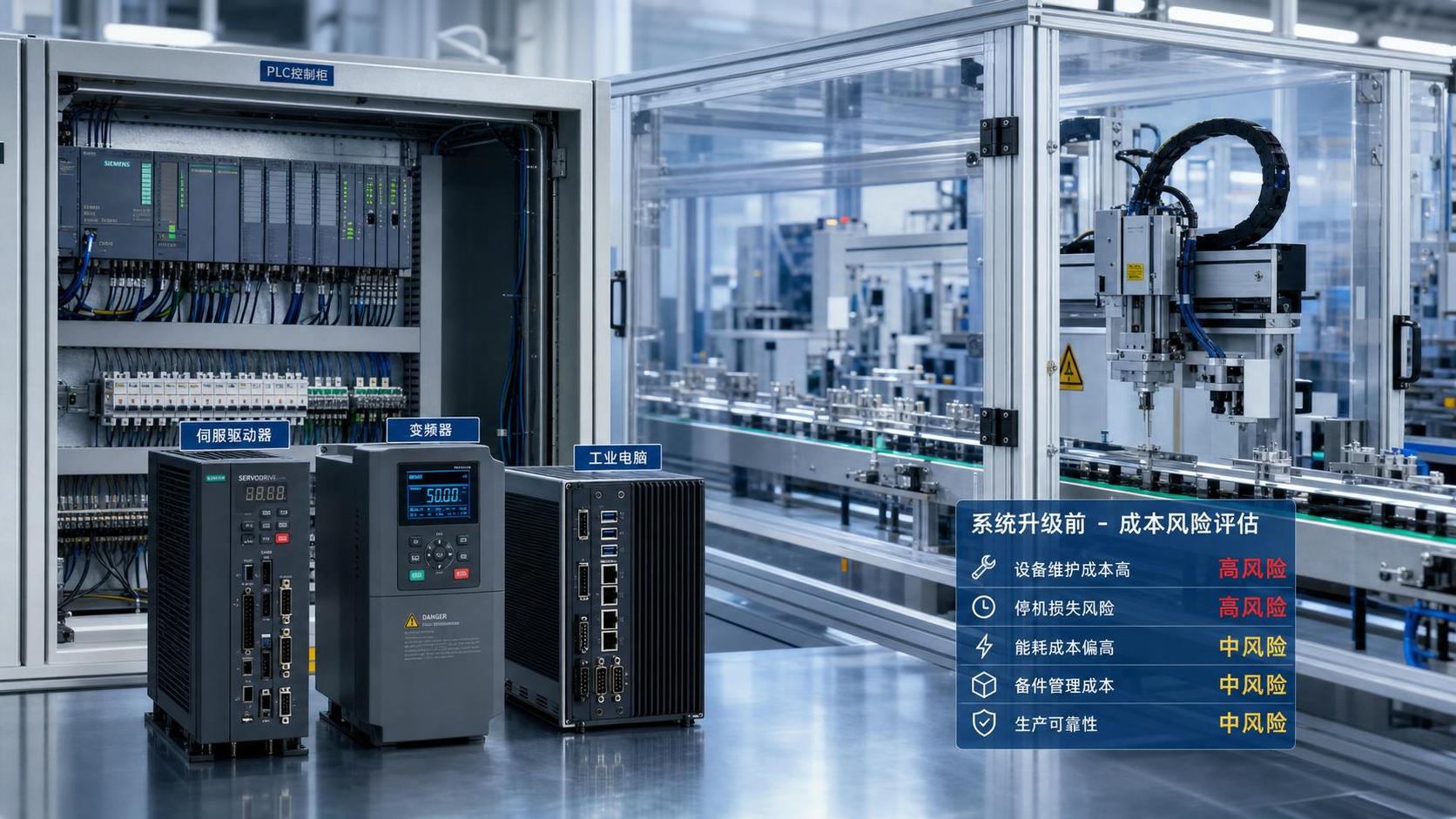
- PLCs and DCS controllers: Critical for logic continuity, line coordination, and recovery speed after faults.
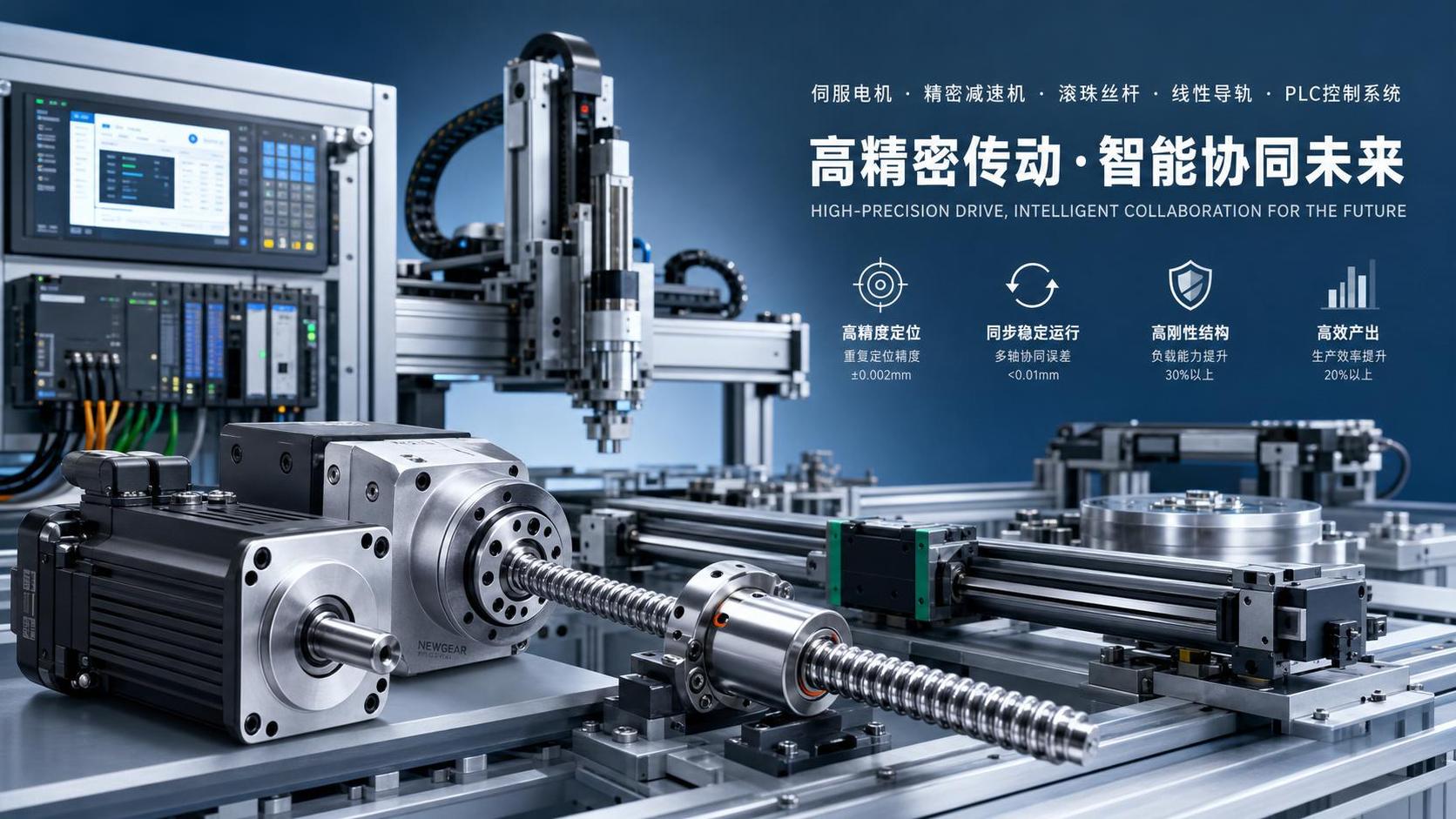
- AC servo drives and motors: Essential where micron-level positioning and fast response affect product quality.
- Inverters: Important in energy-intensive systems and variable-load applications.
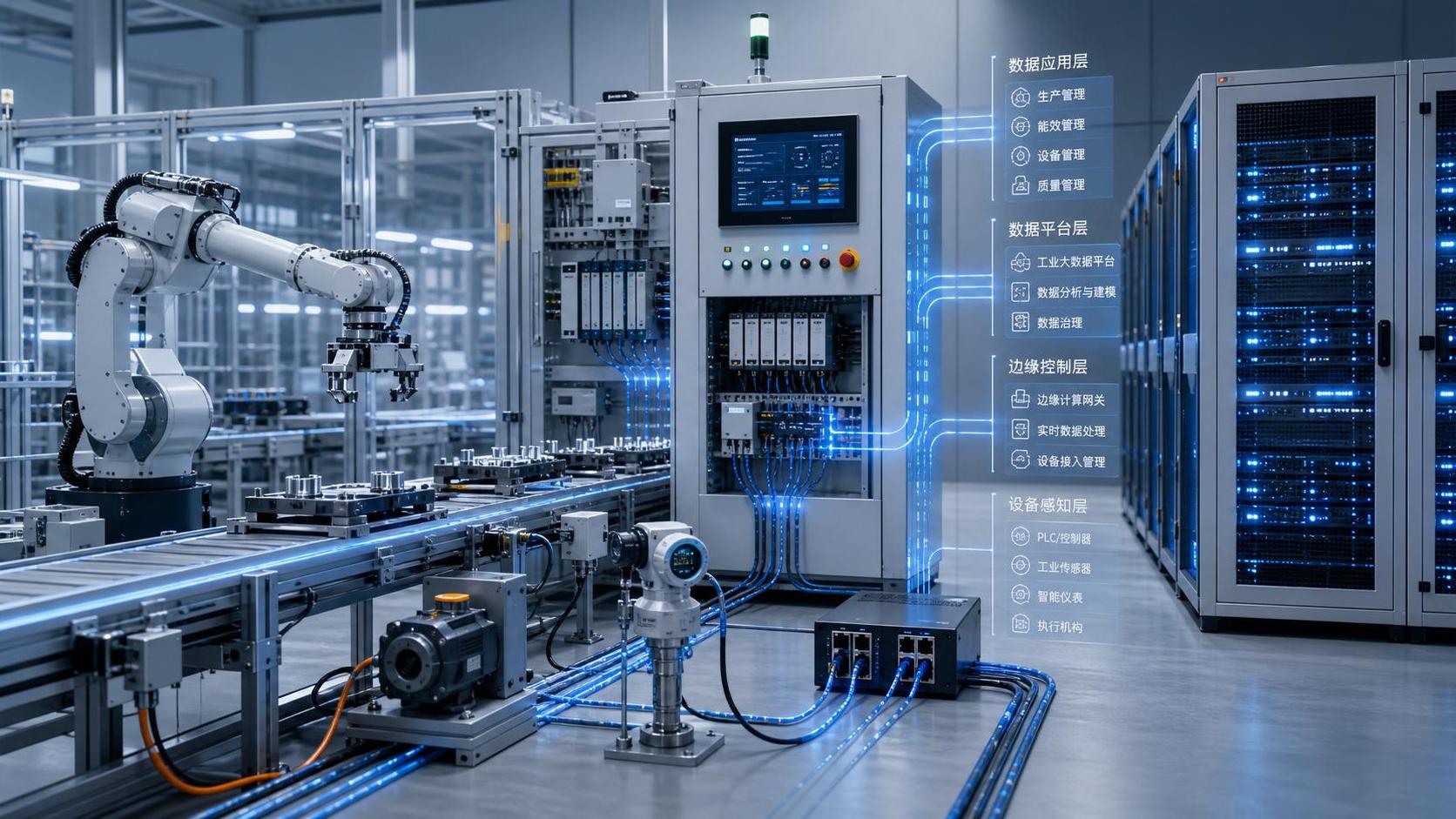
- Industrial PCs and edge devices: Necessary for data capture, analytics, and local decision processing.
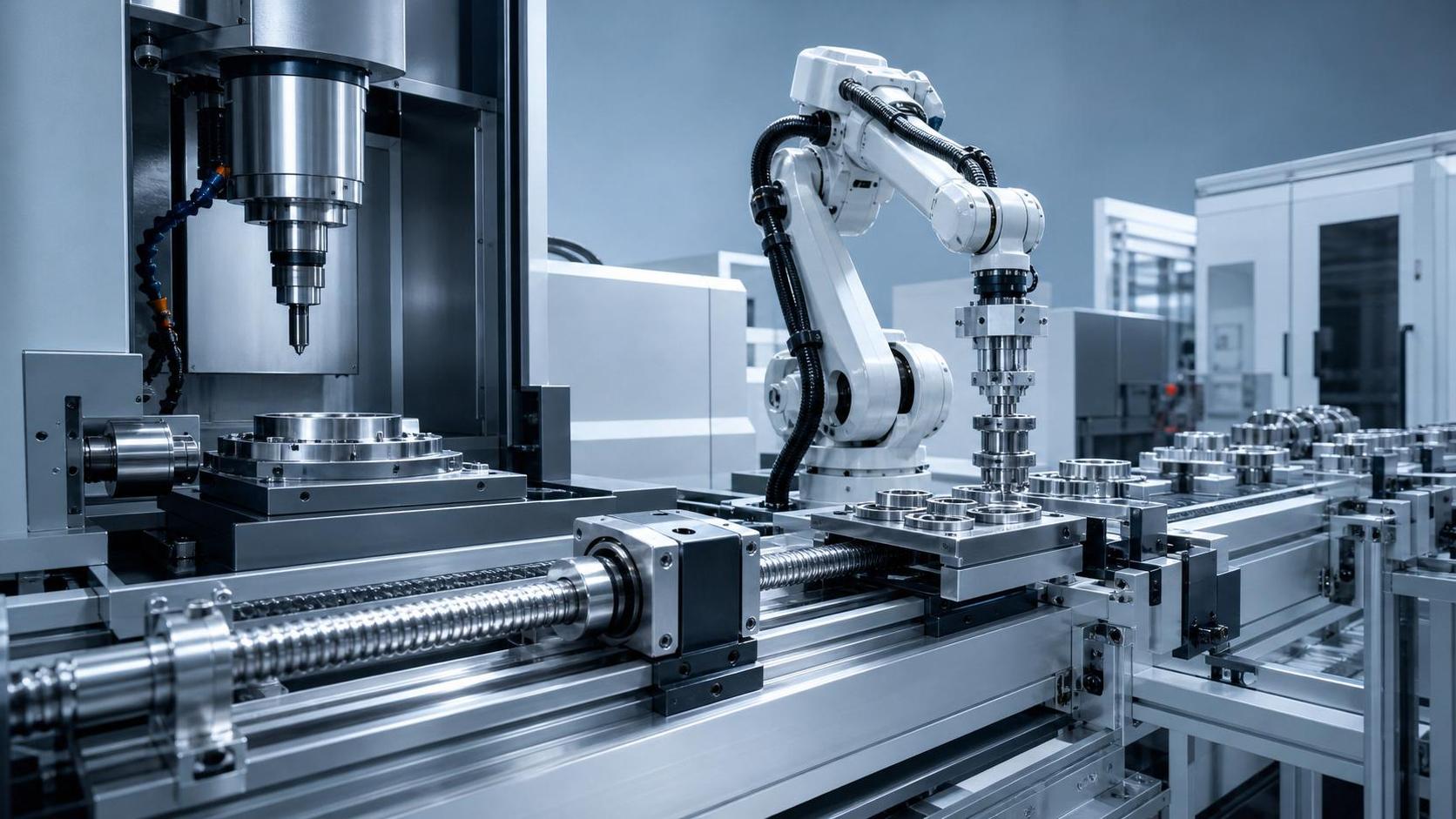
- Precision transmission parts: Reducers, guides, and ball screws impact motion accuracy and mechanical stability.
For example, a stable servo algorithm can still underperform if the reducer has fatigue wear or backlash growth. Electrical and mechanical risks often compound each other.
That is why a useful Industrial Control Electronics review should connect controls, transmission, and computing layers. Looking at one layer alone can understate total upgrade value.
A Practical Cost Assessment Framework
A stronger approval process uses a structured cost framework. This keeps upgrade discussions grounded in measurable risk rather than general technical claims.
- Map all critical Industrial Control Electronics by line, age, vendor support status, and failure history.
- Quantify downtime cost per hour for each production area.
- Track maintenance labor, emergency parts purchases, and third-party service dependence.
- Measure scrap, rework, and quality loss tied to control instability.
- Estimate energy savings from newer drives, motors, and control logic.
- Review compliance gaps, cybersecurity weaknesses, and software support limitations.
This kind of analysis usually changes the conversation. The question becomes less about purchase price and more about avoided loss.
From a budgeting standpoint, that shift matters. It creates a more credible path to ROI and makes phased upgrades easier to justify.
How to Compare Upgrade Scenarios
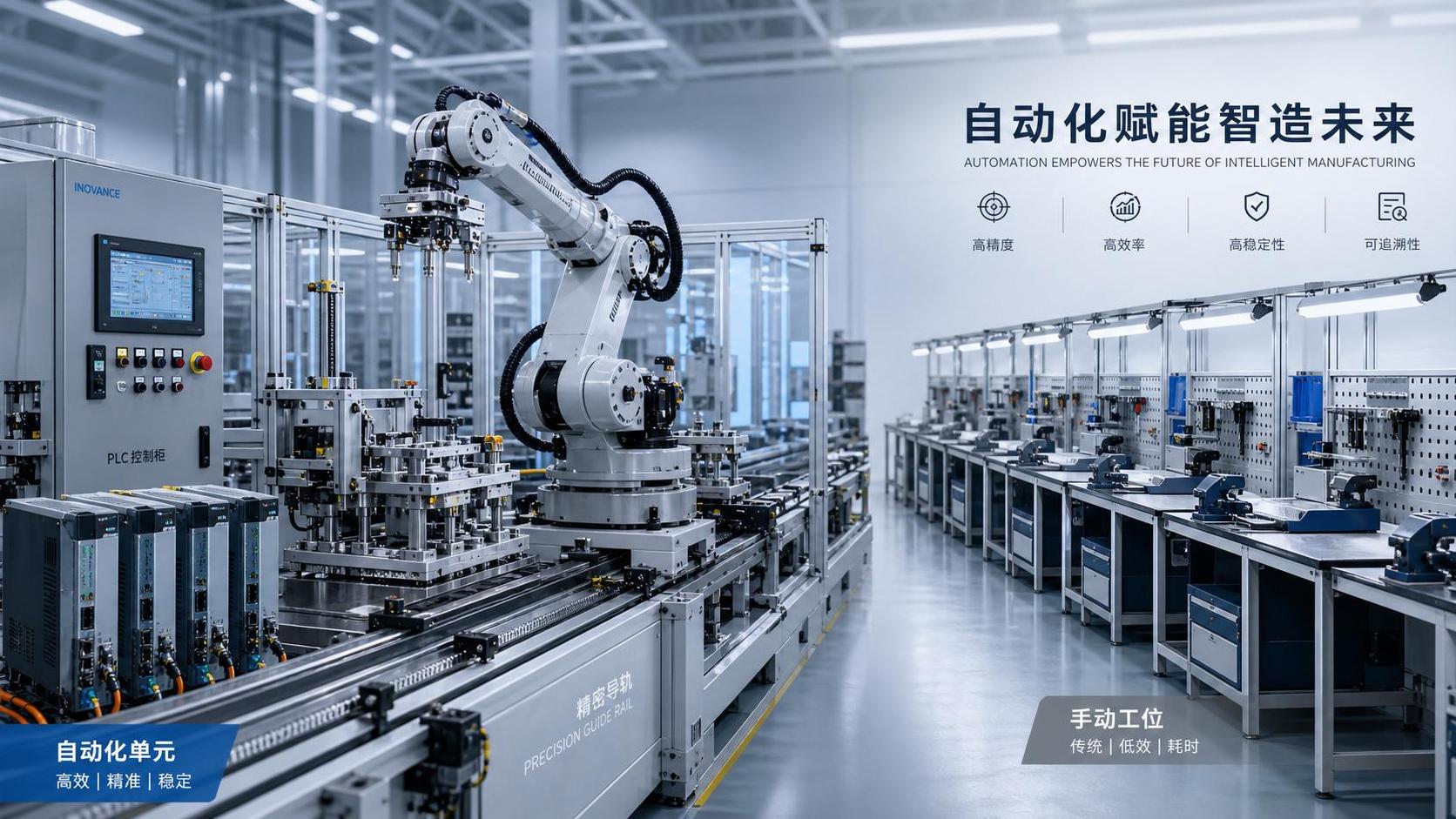
Most organizations have several choices. They can patch existing systems, replace selected Industrial Control Electronics, or modernize a wider control architecture.
Selective replacement is often the most practical path. It reduces immediate budget pressure while targeting the Industrial Control Electronics creating the highest business risk.
Still, partial upgrades should be checked for compatibility limits. New servo systems, edge devices, and controllers must integrate cleanly with existing field equipment and software layers.
Signals That an Upgrade Should Move Higher on the Budget List
Recent changes in manufacturing have made some warning signs more important. A few indicators suggest that Industrial Control Electronics deserve faster approval review.
- Spare parts lead times are extending
- OEM support has ended or pricing has escalated sharply
- Minor faults are becoming weekly events
- Output quality varies between shifts or batches
- Production needs more data visibility than legacy systems can provide
- Cybersecurity audits reveal unsupported software or devices
A clearer signal is when maintenance teams start relying on workarounds instead of standard procedures. That usually means reliability is being preserved manually, not structurally.
At that point, Industrial Control Electronics are no longer just aging assets. They become active sources of financial uncertainty.
A Smarter Way to Protect ROI
The best upgrade decisions connect technical need with business resilience. Industrial Control Electronics should be reviewed as assets that influence uptime, quality, energy use, and future flexibility.
This is where a focused intelligence approach matters. Platforms such as IAMC help decision teams track motion control trends, supply risks, transmission reliability, and upgrade implications across the automation stack.
That broader view supports better timing. It helps organizations decide whether to defer, phase, or accelerate investment based on measurable exposure rather than assumption.
Before signing off on the next system upgrade, review the hidden cost profile of your Industrial Control Electronics line by line. The strongest savings often come from preventing losses that have not yet hit the budget.
A practical next step is simple: rank critical control assets by downtime impact, support status, and replacement difficulty, then build the upgrade case around the highest-risk items first.
Related Recommendations
 Industrial Control Electronics: Cost Risks Before System UpgradeTime : Jun 23, 2026
- Precision Engineering Solutions: When Higher Tolerance Pays OffTime : Jun 22, 2026
- Industrial Digital Transformation: 7 Costly Missteps to AvoidTime : Jun 22, 2026
- Industrial Cyber-Physical Systems: Key Risks, Standards, and ControlsTime : Jun 21, 2026
- Industrial Robotics vs Manual Cells: When Does Automation Pay Off?Time : Jun 21, 2026
- Precision Manufacturing Technology for Tight-Tolerance ProductionTime : Jun 18, 2026