Industrial Cyber-Physical Systems: Key Risks, Standards, and Controls

Why are Industrial Cyber-Physical Systems getting so much attention?
Industrial Cyber-Physical Systems sit at the point where software decisions trigger physical movement, energy flow, and process outcomes.
That sounds abstract until a servo drifts, a PLC logic change spreads, or an IPC loses trusted data during production.
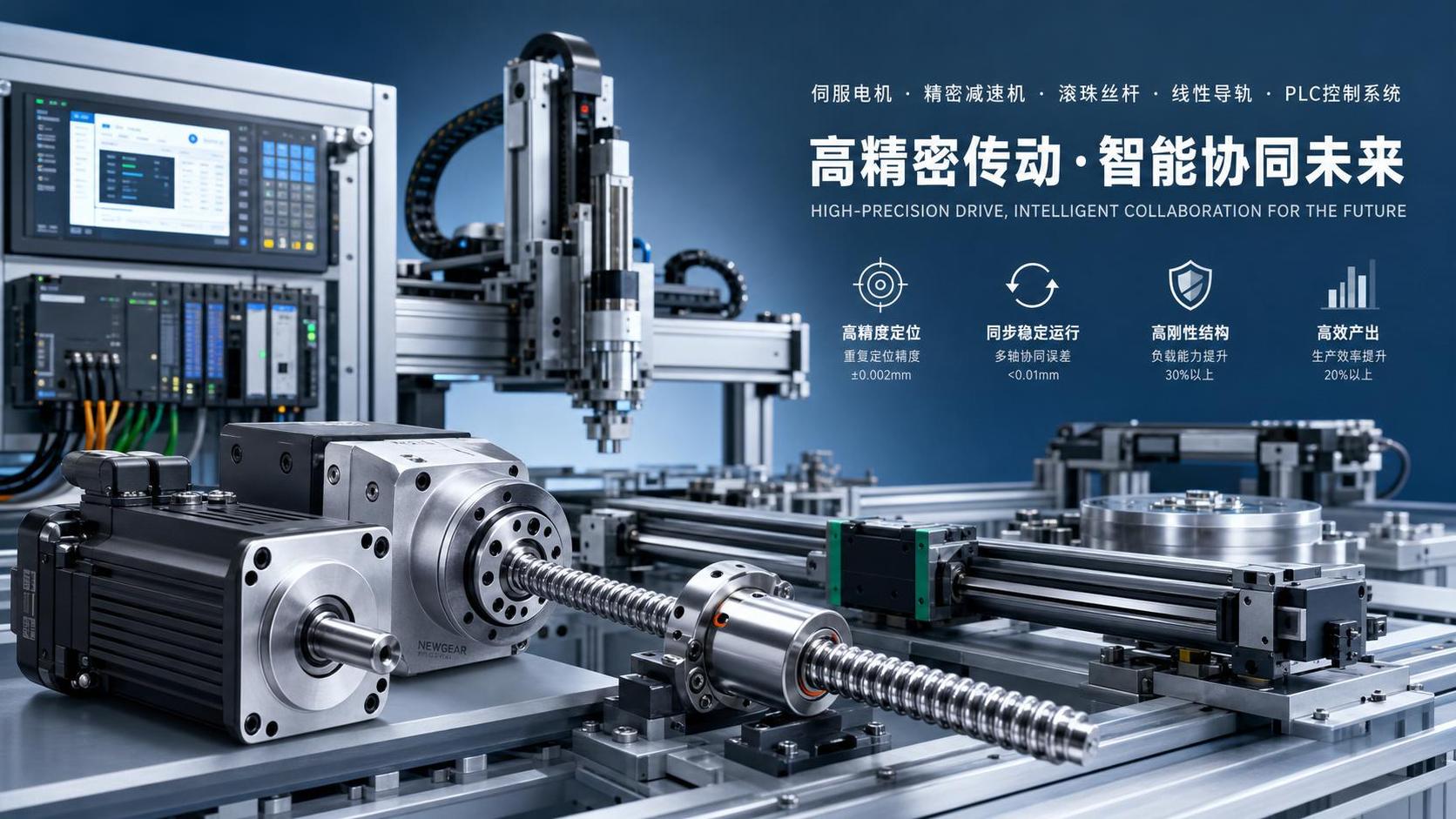
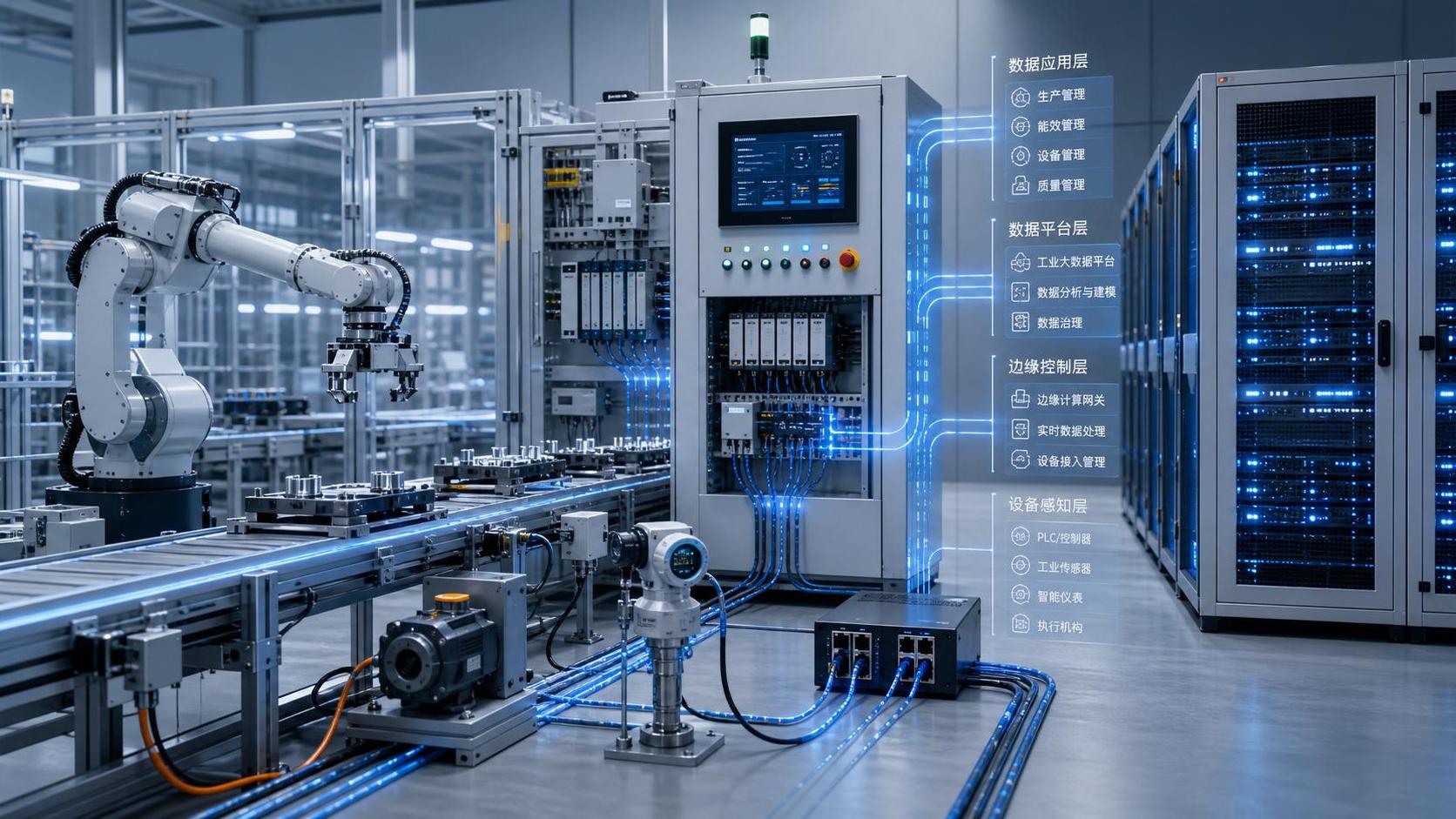
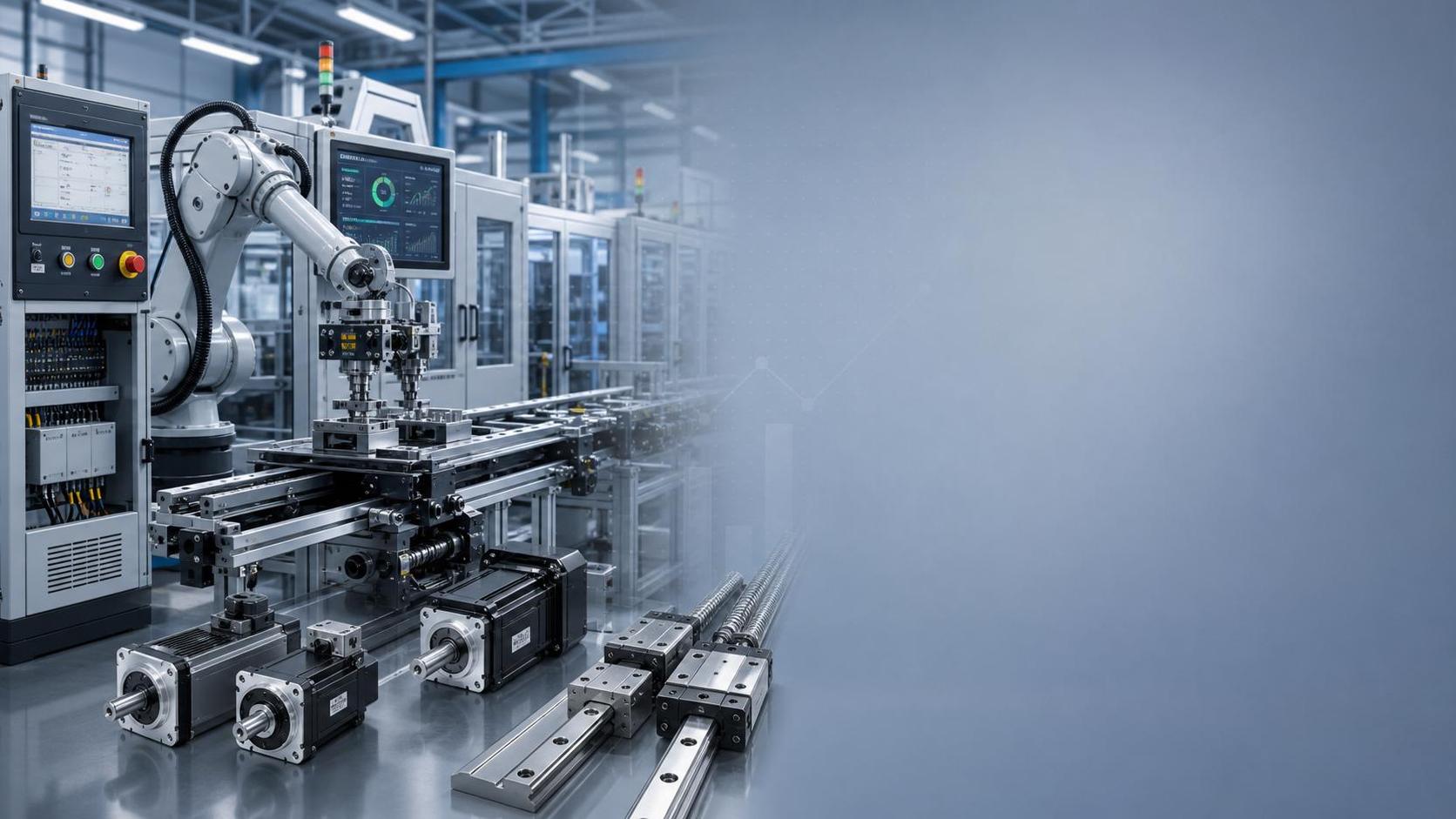
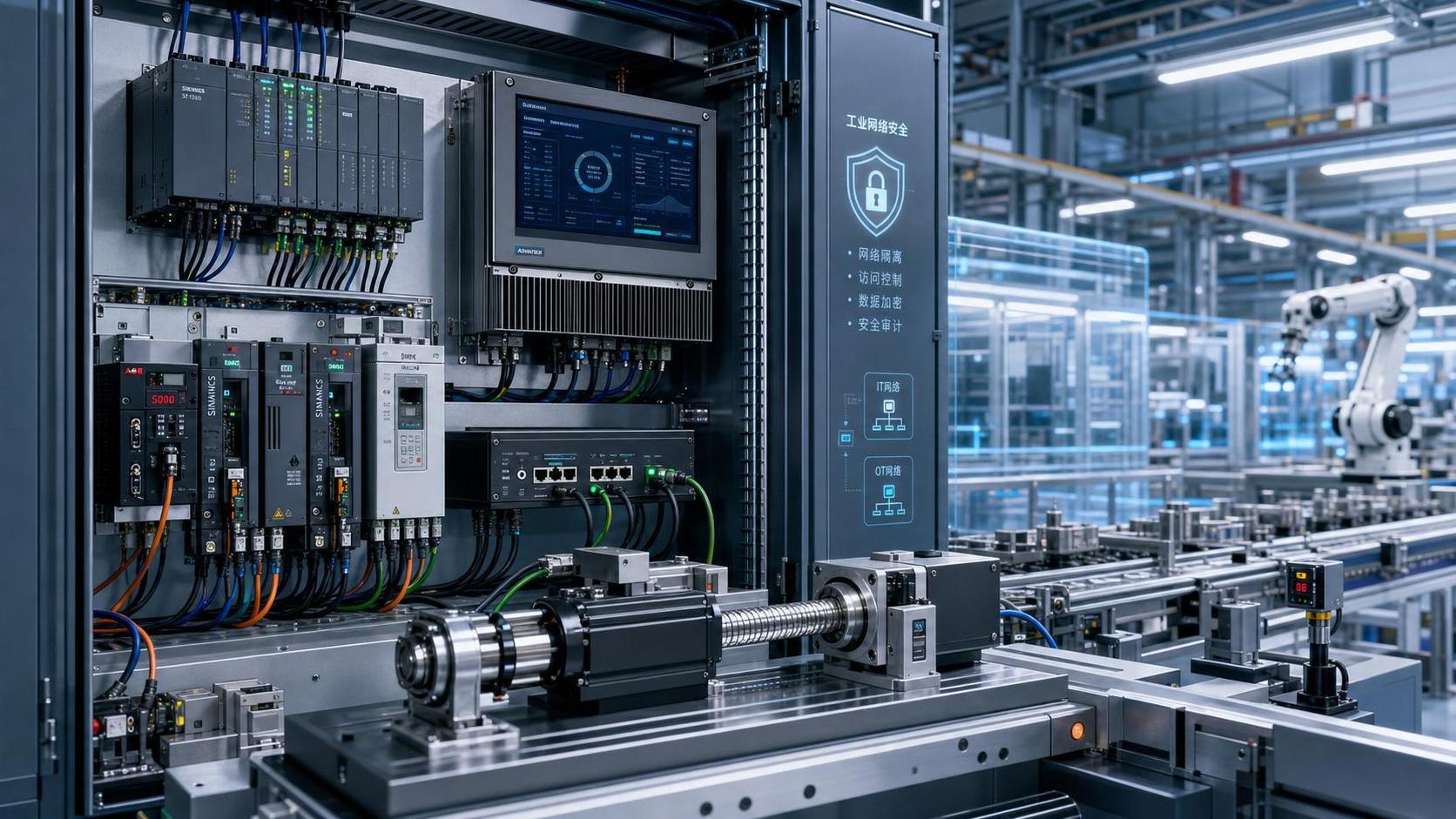
In practical terms, Industrial Cyber-Physical Systems connect controllers, drives, sensors, mechanical transmission parts, and industrial networks into one operating environment.
They make factories faster and more flexible, but they also compress risk.
A cyber event no longer stays inside a screen.
It can affect torque accuracy, robot positioning, batch consistency, machine availability, and even worker safety.
This is why Industrial Cyber-Physical Systems matter across the broader industrial sector, not only in high-end automation lines.
As manufacturing moves toward full automation and flexible production, the link between micron-level motion and secure data handling becomes critical.
That perspective is central to IAMC’s industry coverage.
Its focus on servo control, PLC/DCS behavior, precision reducers, ball screws, inverters, and IPCs reflects where digital risk becomes physical consequence.
What actually counts as risk in Industrial Cyber-Physical Systems?
The common mistake is to think only about hackers or malware.
In reality, risk in Industrial Cyber-Physical Systems is wider and more operational.
A wrong firmware version, unverified logic change, unstable time synchronization, or compromised engineering workstation can all create measurable production loss.
More importantly, failures often cascade across both digital and mechanical layers.
- Manipulated PLC or DCS logic can alter sequencing, interlocks, and emergency responses.
- Compromised servo parameters can affect positioning repeatability and toolpath quality.
- Inverter misconfiguration can create overload, heat stress, or unstable motor behavior.
- Untrusted IPC data can distort predictive maintenance and quality decisions.
- Unauthorized remote access can bypass local change control completely.
In actual plants, the highest-impact issues are often not dramatic attacks.
They are quiet deviations that stay undetected until scrap rates rise, downtime repeats, or tolerance windows collapse.
The table below helps separate common Industrial Cyber-Physical Systems concerns from their likely operational effects.
Which standards matter most when evaluating Industrial Cyber-Physical Systems?
There is no single standard that solves everything.
The stronger approach is to combine cybersecurity, functional safety, and quality governance into one review framework.
For Industrial Cyber-Physical Systems, several standards appear again and again in serious assessments.
- IEC 62443 is often the core reference for industrial automation and control system security.
- ISO 27001 supports information security governance, especially around assets, policies, and incident handling.
- IEC 61508 and sector-specific safety standards help evaluate safety-related control functions.
- NIST Cybersecurity Framework is useful for organizing identification, protection, detection, response, and recovery.
- ISO 9001 matters when change control, traceability, and corrective action affect quality outcomes.
A practical question is not which standard is “best.”
It is which combination fits the production environment, asset criticality, and audit pressure.
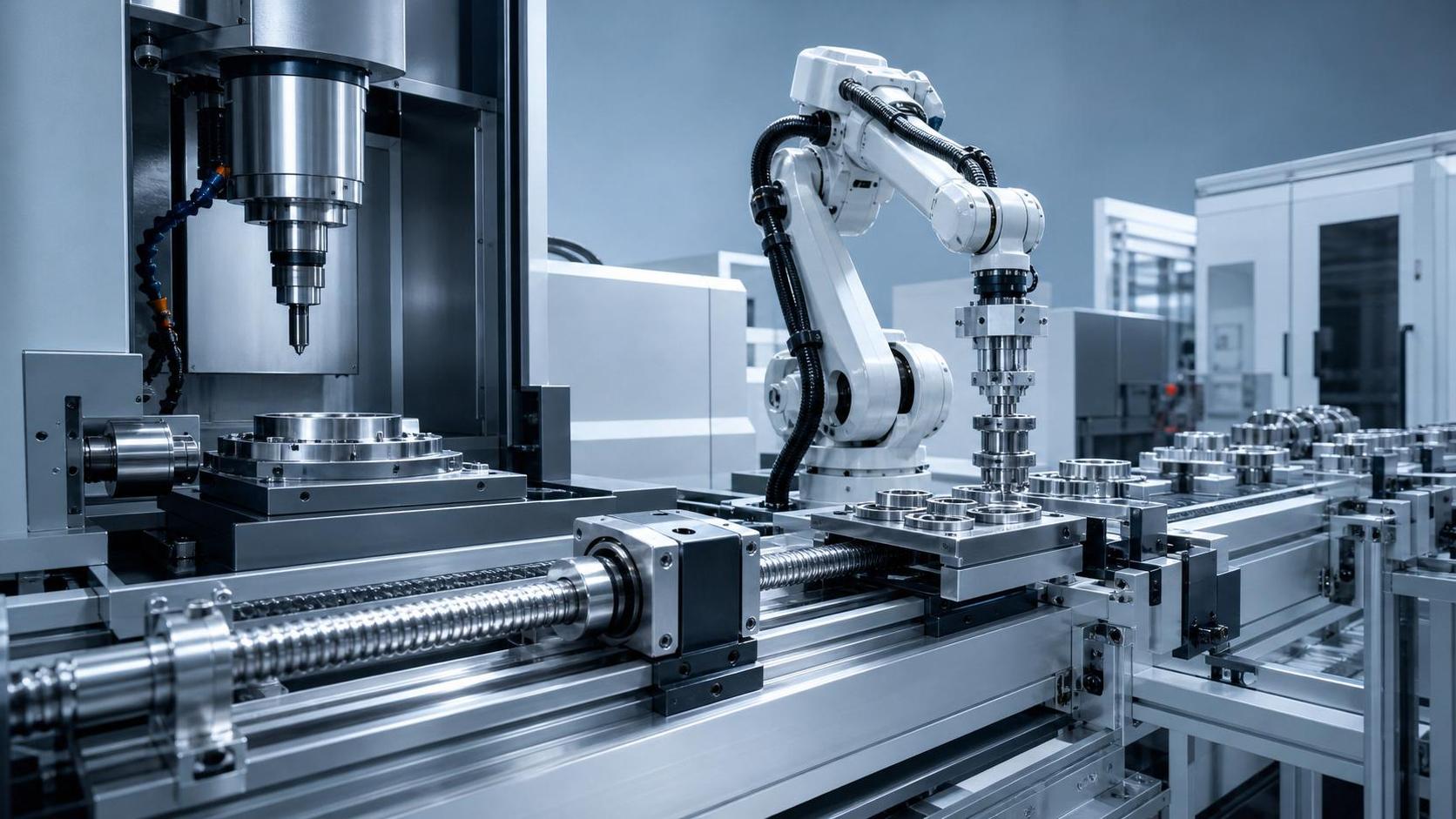
For example, a line built around high-speed servo motion and precise mechanical transmission needs more than IT policy compliance.
It needs trusted parameter control, deterministic communications, and validated behavior at the machine level.
That is where IAMC’s technical lens is useful.
Coverage of encoder accuracy, PLC scan stability, reducer fatigue behavior, and industrial edge performance helps interpret standards in physical terms.
How do you judge whether controls are really effective, not just documented?
This is where many Industrial Cyber-Physical Systems programs become too theoretical.
Policies matter, but controls must survive real production conditions.
A useful test is simple: if a risky change happens at midnight, can the site detect it, contain it, and explain its quality impact by morning?
Effective controls usually share five traits.
- They separate critical zones, instead of placing PLCs, IPCs, and office devices on flat networks.
- They enforce role-based access on engineering tools, recipes, firmware, and motion parameters.
- They record every approved change with timestamps, versions, and rollback paths.
- They monitor abnormal behavior, not just antivirus alerts.
- They connect cyber events to quality and maintenance records.
In real operations, one overlooked control is baseline validation.
If no trusted baseline exists for controller logic, drive settings, network routes, and edge software, anomaly detection becomes guesswork.
Another overlooked point is mechanical consequence mapping.
A changed notch filter, feedback scale, or motion limit may look minor in software.
On the machine, it may increase resonance, backlash expression, or cumulative positioning error.
Where do implementation efforts usually go wrong?
Most problems come from treating Industrial Cyber-Physical Systems like either pure IT systems or pure machine assets.
They are neither.
They are mixed environments where timing, motion, software, and hardware interact continuously.
Several patterns appear repeatedly during audits and incident reviews.
- Legacy machines remain connected without compensating controls.
- Remote maintenance is enabled faster than it is governed.
- Patch planning ignores uptime windows and validation needs.
- Security teams lack visibility into field devices and motion components.
- Operations teams underestimate data integrity as a quality variable.
A more common situation is not a dramatic breach.
It is a slow increase in variability that no one immediately links to cyber-physical exposure.
That is why Industrial Cyber-Physical Systems should be reviewed through both incident history and process capability trends.
If downtime, vibration, alignment drift, or unexplained alarm frequency rise together, deeper control verification is worth doing.
What is a sensible next step if you need a stronger Industrial Cyber-Physical Systems program?
Start with asset criticality, not broad slogans.
List the systems where digital compromise would directly affect safety, tolerance, throughput, or traceability.
That usually includes PLC/DCS controllers, servo drives, inverters, IPCs, engineering stations, and the mechanical assemblies they command.
Then build a short decision checklist.
- Confirm which standards currently guide control design and audit evidence.
- Map every pathway for parameter change, firmware update, and remote access.
- Define trusted baselines for logic, motion settings, and edge data flows.
- Link cyber anomalies to quality deviations and maintenance indicators.
- Review supplier and integrator practices, especially for high-precision components.
If the environment depends on micron-level motion accuracy or stable millisecond control cycles, small control gaps deserve serious attention.
Industrial Cyber-Physical Systems are valuable because they raise precision and agility.
They also demand tighter discipline across standards, engineering change, and operational monitoring.
A well-managed program does not only reduce cyber risk.
It protects process stability, equipment reliability, and confidence in every production result.
For teams comparing frameworks or preparing upgrades, the most useful move is to assess where control precision and cyber exposure already intersect.
That is usually where the next improvement becomes easiest to justify.
Related Recommendations
 Precision Engineering Solutions: When Higher Tolerance Pays OffTime : Jun 22, 2026
- Industrial Digital Transformation: 7 Costly Missteps to AvoidTime : Jun 22, 2026
- Industrial Cyber-Physical Systems: Key Risks, Standards, and ControlsTime : Jun 21, 2026
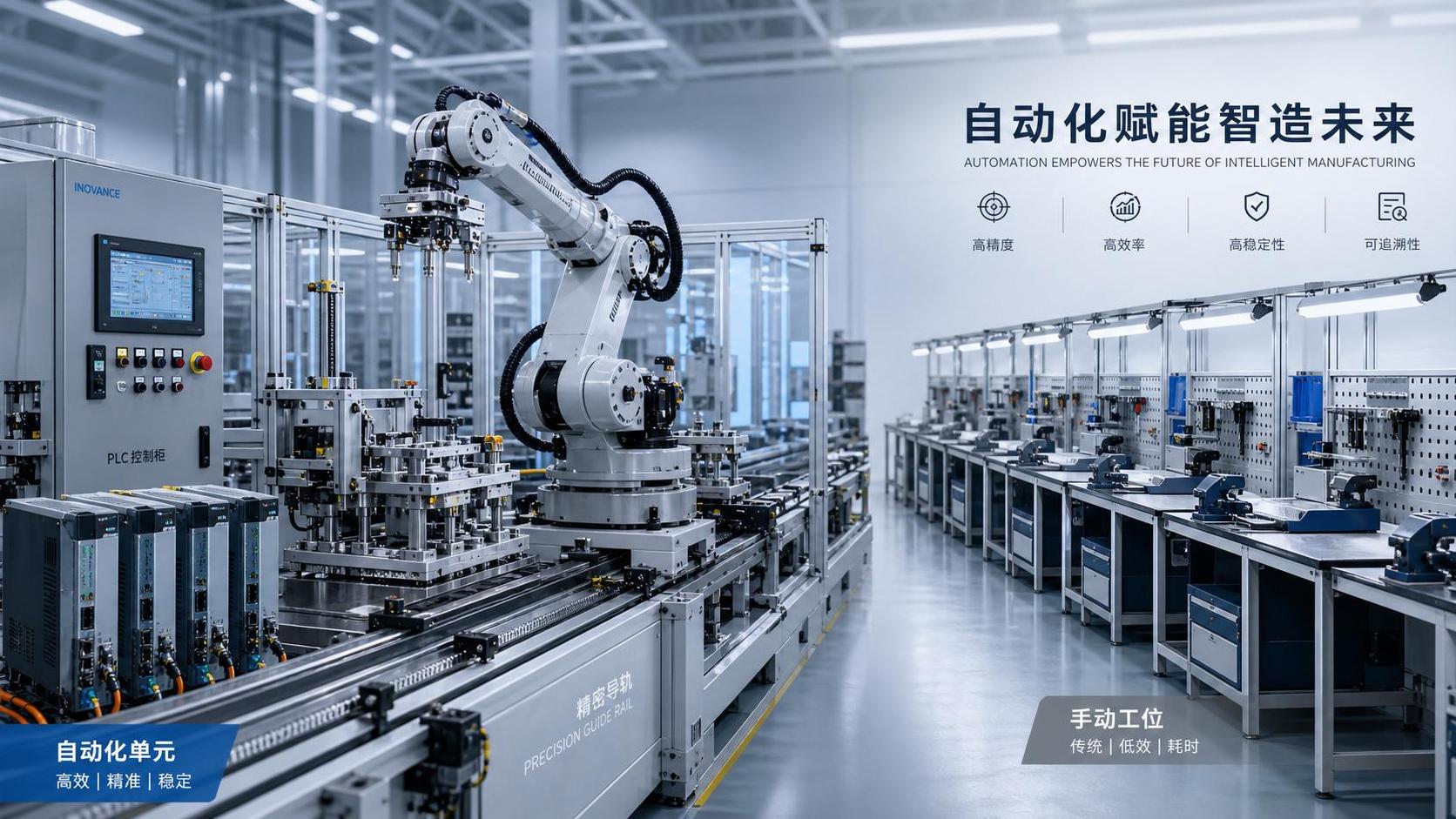
- Industrial Robotics vs Manual Cells: When Does Automation Pay Off?Time : Jun 21, 2026
- Precision Manufacturing Technology for Tight-Tolerance ProductionTime : Jun 18, 2026
- Advanced Manufacturing Automation: Cost Drivers and ROI BenchmarksTime : Jun 18, 2026