Industrial Automation Solutions: Build or Buy?


For enterprise decision makers, choosing whether to build or buy Industrial Automation solutions is no longer a simple cost comparison—it is a strategic decision that shapes scalability, precision, cybersecurity, and long-term competitiveness. As factories move toward flexible manufacturing and full automation, leaders must balance proprietary control, integration speed, lifecycle support, and technology risk across PLC/DCS, servo motion, edge computing, and precision transmission systems. This article explores the critical factors that determine when customization creates advantage—and when proven automation platforms accelerate smarter industrial growth.
Why the Build-or-Buy Decision Has Become a Board-Level Issue
Industrial Automation solutions now influence throughput, energy use, product quality, data governance, and supplier resilience. They are no longer isolated engineering purchases.
For enterprise leaders, the question is not simply whether internal teams can develop automation. The real question is whether they should.
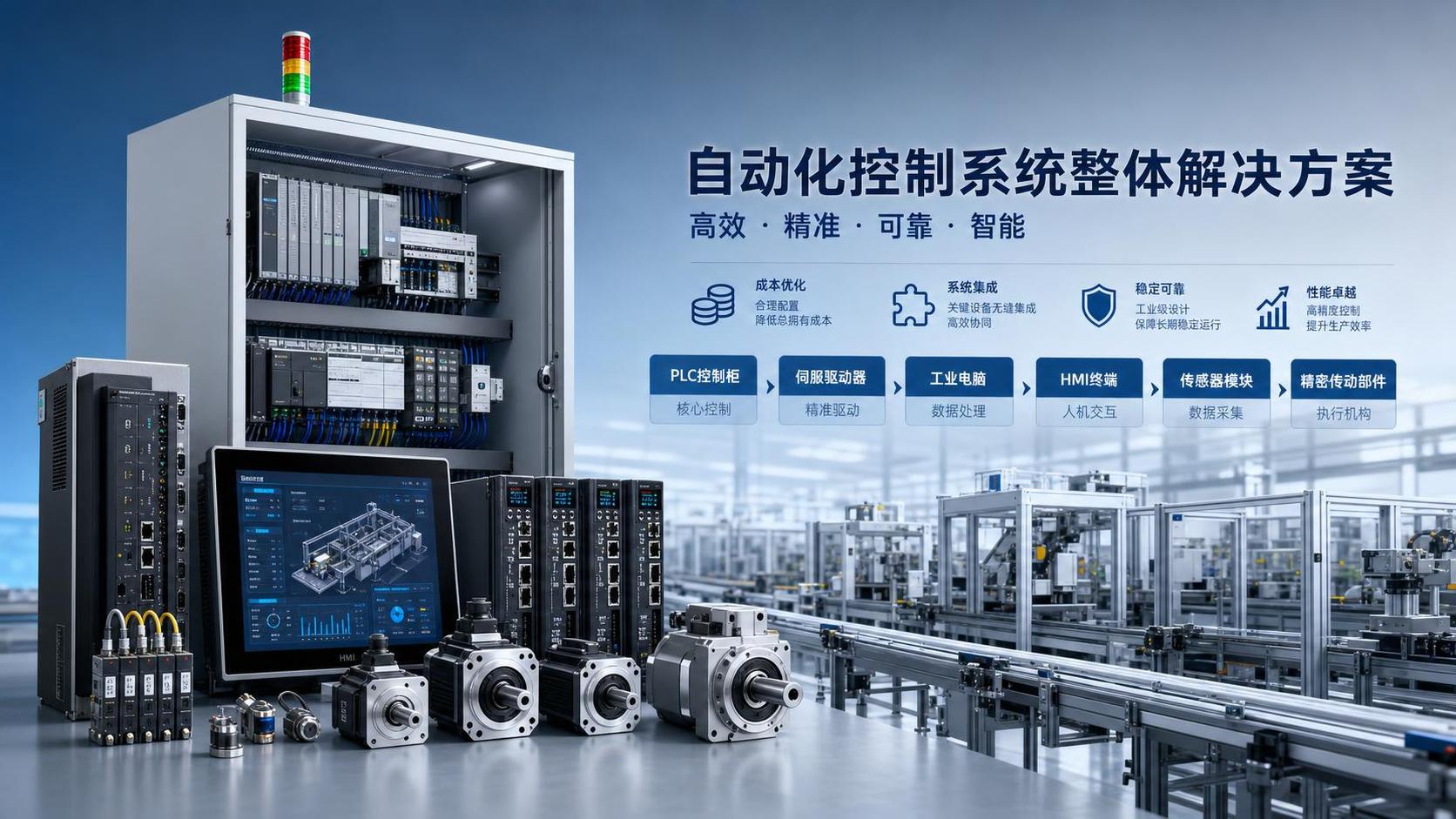
The decision affects five core automation layers
- Servo motion control, where encoder resolution, current loop response, and resonance suppression define machine accuracy.
- PLC/DCS control architecture, where scan cycle stability and electromagnetic robustness determine production continuity.
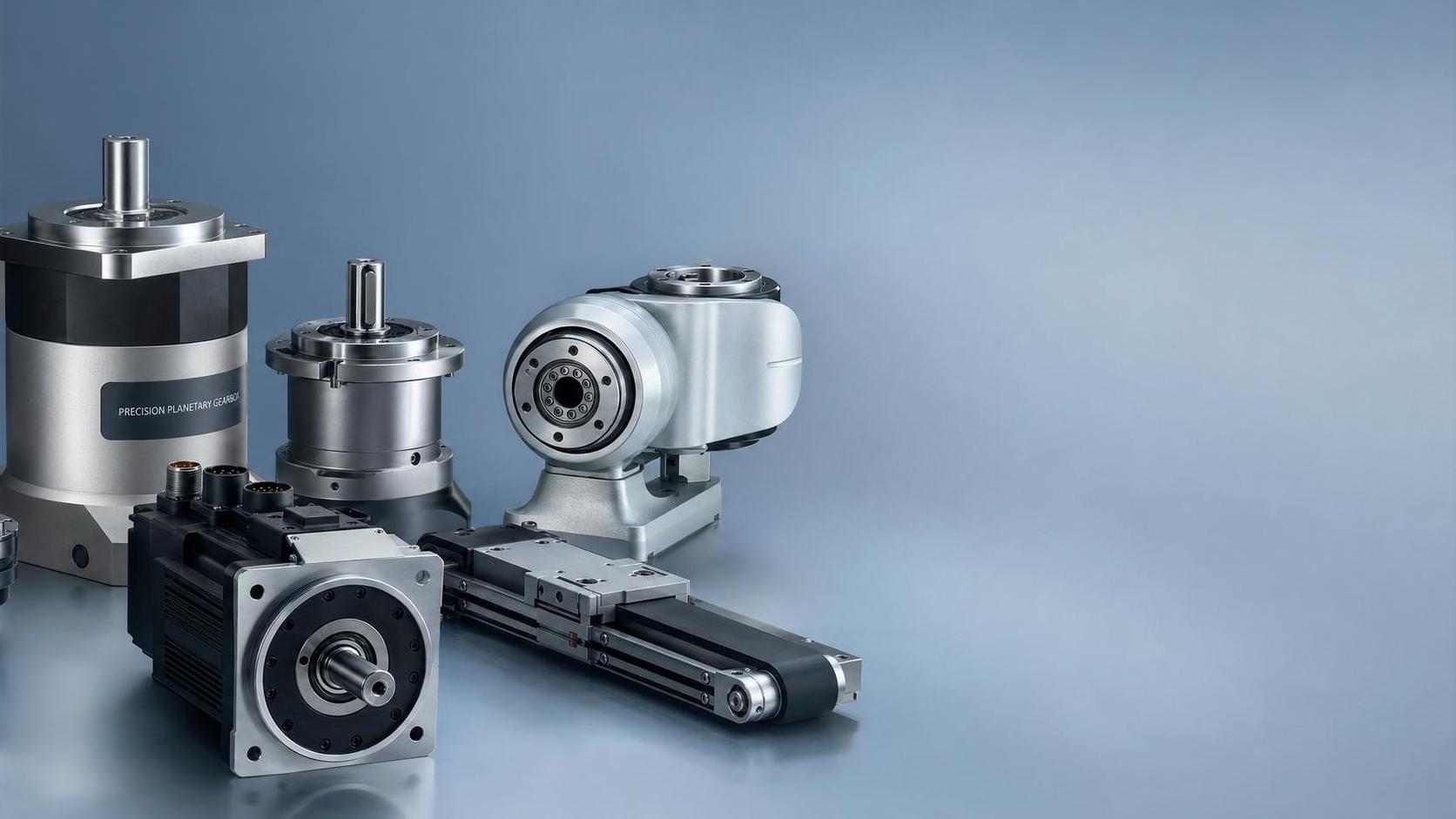
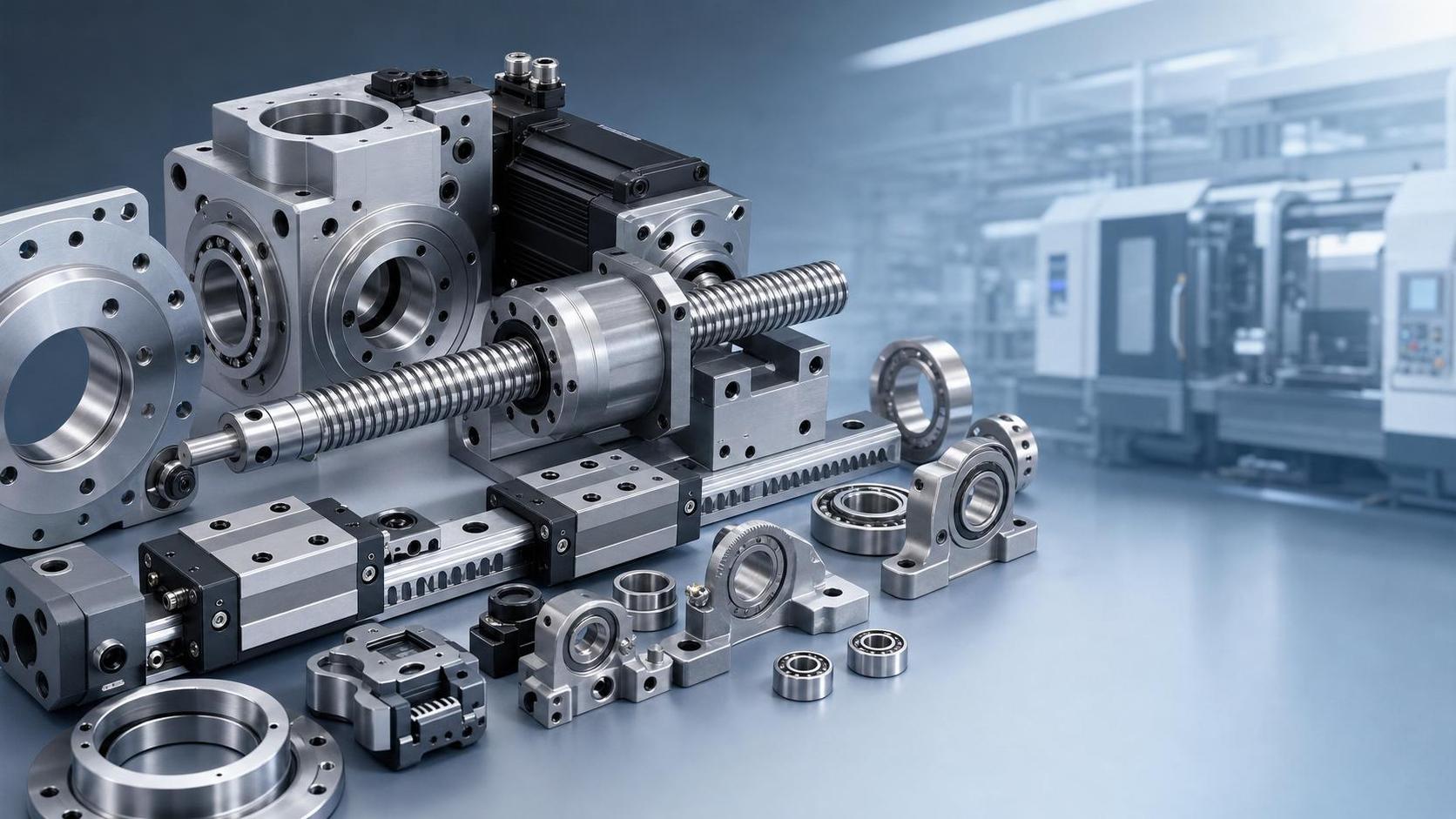
- Precision transmission, including RV reducers, harmonic reducers, linear guides, and ball screws.
- Inverters and motor energy systems, especially in high-load, continuous-duty industrial environments.
- Industrial edge computing, where IPCs, SoftPLCs, real-time operating systems, and cybersecurity policies converge.
IAMC evaluates these layers as the muscles, joints, rails, energy hearts, and nerve centers of Industry 4.0 manufacturing.
Build or Buy Industrial Automation Solutions: A Practical Comparison
The table below helps executives compare internal development with external Industrial Automation solutions across operational, technical, and financial dimensions.
Neither option is universally superior. The right Industrial Automation solutions strategy depends on where proprietary advantage truly exists.
When Building Industrial Automation Solutions Creates Strategic Value
Building can be justified when automation capability is inseparable from the company’s product, manufacturing method, or defensible intellectual property.
Build when the control system is your competitive edge
Some production processes require control behavior that standard platforms cannot easily deliver without compromising cycle time or tolerance stability.
Examples include microsecond synchronized motion, proprietary force control, ultra-low vibration feeding, and machine vision logic linked to servo profiles.
- Your process requires custom servo algorithms, such as notch filtering for mechanical resonance suppression.
- Your equipment uses unique kinematics that need specialized reducer, guide, and ball screw coordination.
- Your data model must remain internal because it reflects production recipes or material behavior.
- Your automation roadmap depends on continuous in-house experimentation and rapid firmware-level iteration.
In these scenarios, Industrial Automation solutions become strategic assets, not ordinary purchased tools. Governance and engineering depth become essential.
When Buying Industrial Automation Solutions Reduces Risk and Accelerates ROI
Buying is usually stronger when the objective is repeatable production, faster commissioning, predictable support, and lower lifecycle uncertainty.
Buy when standardization matters more than uniqueness
Many factories need proven Industrial Automation solutions for packaging, material handling, CNC auxiliary systems, assembly cells, and energy optimization.
In these environments, the business value often comes from uptime, spare parts availability, diagnostics, and trained maintenance personnel.
- Choose mature PLC/DCS platforms when process continuity and certified safety logic are primary concerns.
- Use established servo systems when the motion profile is demanding but not uniquely proprietary.
- Select verified reducers, linear guides, and ball screws where tolerance data and service records are available.
- Adopt industrial IPCs when real-time analytics, traceability, and edge computing are needed quickly.
For multi-site enterprises, buying Industrial Automation solutions can also simplify training, procurement, maintenance, and global equipment replication.
Key Technical Parameters Decision Makers Should Challenge
Before approving Industrial Automation solutions, executives should request measurable parameters rather than broad claims about precision or intelligence.
A credible supplier or internal project team should explain how these parameters interact, not present them as isolated specifications.
Cost, Lifecycle, and Hidden Risk: What the Budget Sheet Misses
Initial quotation is only one part of automation cost. Industrial Automation solutions also create expenses through commissioning, downtime, training, and obsolescence.
Buying may look expensive upfront, while building may look economical. Lifecycle analysis often reverses that conclusion.
Procurement Checklist for Complex Industrial Automation Solutions
Procurement teams should not evaluate Industrial Automation solutions only through component prices. They must evaluate system behavior under real production conditions.
Use these questions before supplier selection
- Can the servo, reducer, guide, and controller architecture meet required accuracy across the full duty cycle?
- Does the PLC or DCS system support required fieldbus protocols, redundancy, diagnostics, and safety functions?
- Are IPCs and inverters rated for plant temperature, vibration, dust, electromagnetic interference, and maintenance access?
- Can the solution provider explain spare parts strategy, firmware support, and equivalent component options?
- Are cybersecurity requirements aligned with IEC 62443 principles, network segmentation, and remote access controls?
A disciplined checklist prevents purchasing teams from approving impressive demonstrations that cannot survive full-scale production reality.
Compliance and Standards That Should Shape the Decision
Industrial Automation solutions often touch machine safety, electrical protection, cybersecurity, and quality management. These requirements should be addressed early.
Compliance is not paperwork after installation. It influences architecture, component sourcing, cabinet design, software access, and operator training.
Hybrid Strategy: The Most Practical Path for Many Enterprises
Many companies should not choose a pure build or pure buy approach. Hybrid Industrial Automation solutions often provide better strategic balance.
What to build, what to buy
Enterprises can buy stable hardware and foundational control platforms while building application-specific logic, data models, and optimization rules.
This model protects core process knowledge while reducing the risk of reinventing mature servo, PLC, inverter, and IPC technologies.
- Buy core components where reliability, supply continuity, and field service are decisive.
- Build process recipes, parameter optimization layers, and production analytics that reflect internal expertise.
- Co-develop integration interfaces when plants must connect old equipment with new edge computing systems.
- Document ownership boundaries for source code, configuration files, electrical drawings, and diagnostic tools.
A hybrid architecture also supports phased investment, which is valuable when budgets are constrained but modernization cannot wait.
Common Mistakes in Industrial Automation Solutions Decisions
Decision makers often underestimate complexity because successful automation looks simple after installation. The hidden difficulty sits inside integration details.
Mistake 1: Treating components as interchangeable commodities
A servo drive, reducer, PLC, ball screw, and IPC may all meet catalog requirements but fail as a combined motion system.
Mistake 2: Ignoring mechanical tolerance in control decisions
Control algorithms cannot fully compensate for poor rigidity, backlash, thermal drift, or inconsistent guideway quality under heavy loads.
Mistake 3: Delaying cybersecurity until remote access is needed
Industrial edge computing expands attack surfaces. Secure architecture must begin before networked diagnostics, cloud connections, or remote maintenance are enabled.
FAQ: Questions Executives Ask Before Committing
How do we know whether to build or buy Industrial Automation solutions?
Build when proprietary control behavior creates measurable advantage. Buy when proven reliability, delivery speed, lifecycle support, and standardization produce higher business value.
Which departments should join the automation decision?
Engineering, production, maintenance, procurement, finance, IT security, and quality teams should participate because Industrial Automation solutions affect every operational layer.
What should we review before approving a supplier proposal?
Review parameter evidence, integration drawings, communication protocols, safety strategy, cybersecurity controls, spare parts availability, and commissioning responsibility boundaries.
Can older equipment be upgraded instead of replaced?
Yes, when mechanical structure remains stable and control limitations are the main bottleneck. Retrofitting may include PLC upgrades, servo replacement, IPC integration, or inverter optimization.
Why Choose IAMC as Your Industrial Automation Intelligence Partner
IAMC helps enterprise decision makers evaluate Industrial Automation solutions through motion control science, mechanical transmission expertise, and automation architecture insight.
Our perspective connects microsecond electrical control, nanometer-level mechanical tolerance, PLC/DCS reliability, and industrial edge computing into one decision framework.
Consult IAMC before committing capital
- Confirm servo, reducer, guide, ball screw, inverter, PLC/DCS, and IPC parameter requirements.
- Compare build, buy, and hybrid automation strategies for your production scenario.
- Clarify delivery cycle, integration workload, commissioning risks, and documentation expectations.
- Discuss customization boundaries, cybersecurity requirements, standards alignment, and supplier evaluation criteria.
- Prepare sharper questions for quotations, technical reviews, and executive investment approval.
If your team is evaluating Industrial Automation solutions, IAMC can support parameter confirmation, product selection, risk review, and roadmap planning before costly decisions are locked in.
Related Recommendations
 Automation Control Systems Price: Cost Drivers and Budget BenchmarksTime : Jul 17, 2026
- Reducer Selection Guide: How to Balance Torque, Cost, and LifespanTime : Jul 11, 2026
- How to Evaluate an Industrial Automation Parts Supplier for Lead Time and RiskTime : Jul 10, 2026
- Industrial Robotics for Packaging: Where Automation Cuts Downtime MostTime : Jul 09, 2026
- How CNC Machined Precision Engineering Components Improve Fit and ToleranceTime : Jul 08, 2026
 Manufacturing Automation Systems: Where ROI Improves FirstTime : Jul 07, 2026