Industrial Robotics Price: Cost Drivers You Should Check First

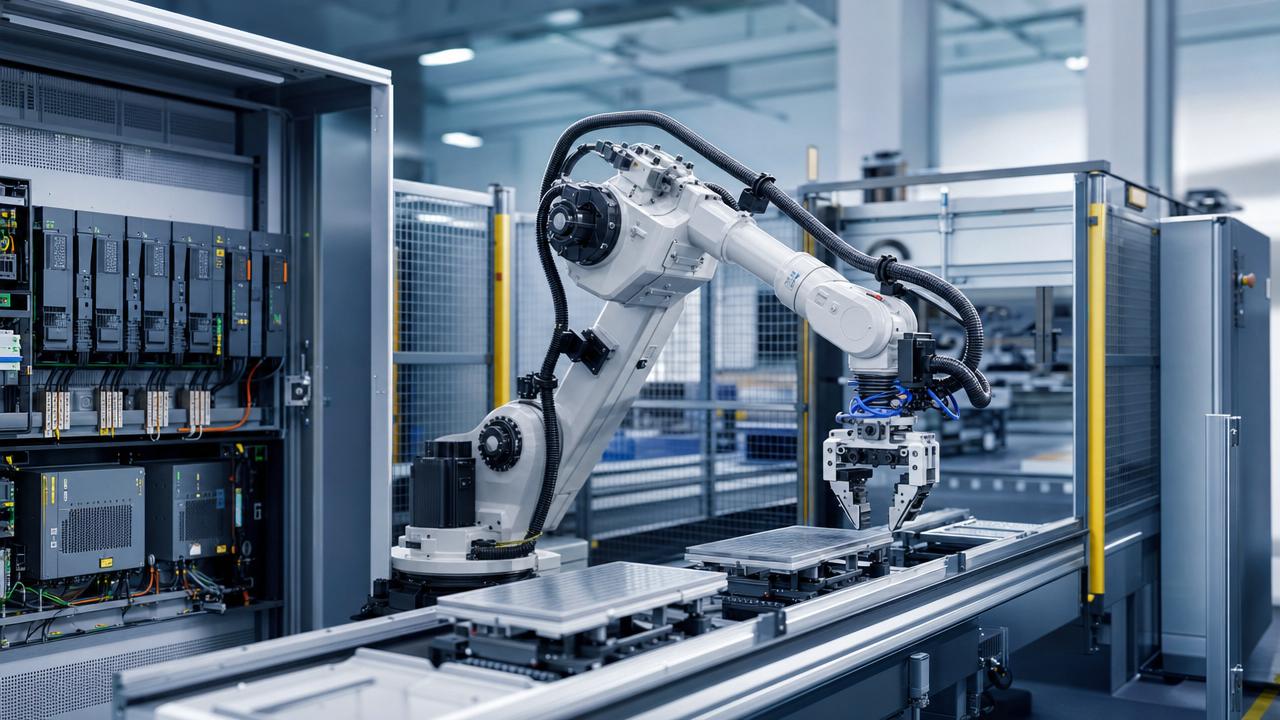
Industrial Robotics price is rarely defined by the robot alone. For procurement teams, the real cost depends on payload, precision reducers, servo architecture, controls integration, safety design, installation scope, and lifecycle support. Before comparing supplier quotations, buyers should first identify which technical and operational factors are driving cost, because the lowest initial bid often becomes the highest total ownership cost in production.
What procurement teams are really searching for when they check industrial robotics price
When buyers search for Industrial Robotics price, they usually do not want a generic market number. They want a practical way to estimate budget, compare offers, and avoid hidden costs before requesting proposals.
In most cases, the core intent is commercial and evaluative. Procurement teams need to know what makes one robot system cost significantly more than another, and which specifications truly matter for production results.
That means the useful question is not “How much does a robot cost?” but “Which cost drivers should be checked first, and how do they affect performance, reliability, integration, and long-term value?”
Why the robot arm alone is only part of the total price
One of the most common purchasing mistakes is treating the robot arm as the full investment. In reality, the arm may represent only one portion of the complete automation package.
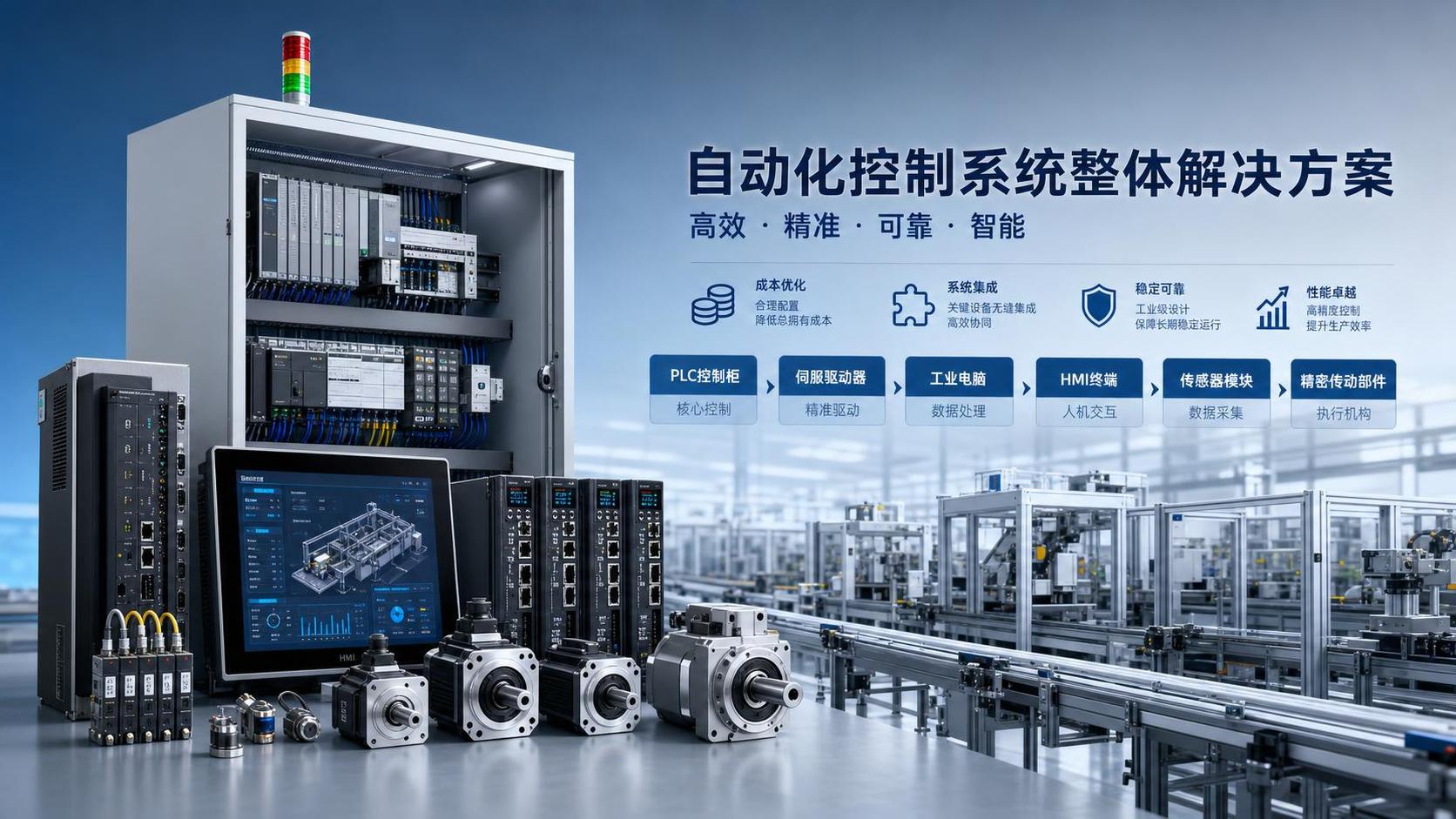
A realistic industrial robotics price often includes the manipulator, servo drives, controller, end-of-arm tooling, reducers, cables, sensors, safety systems, HMI, PLC communication, integration engineering, commissioning, training, and future spare parts.
For procurement teams, this matters because two quotations that look similar at the top line may differ sharply in scope. One supplier may include safety fencing and programming, while another prices only the base robot.
Before comparing numbers, buyers should confirm exactly what is included. Ask whether the quotation covers installation, field wiring, machine interface, vision integration, safety validation, cycle-time tuning, and post-startup support.
Payload and reach are among the first cost drivers to verify
Payload and reach are usually the first technical variables that move price upward. A robot designed to handle heavier loads requires stronger mechanical structure, higher torque servo motors, larger drives, and more robust transmission components.
Longer reach also raises cost because arm rigidity, dynamic stability, and positioning behavior become more difficult to maintain over a wider working envelope. That drives higher engineering and component demands.
For buyers, overspecification is a common issue. Purchasing a 20-kilogram robot for a 7-kilogram application may create unnecessary capital expense, larger cell footprint, and higher energy use.
Underspecification creates a different risk. If the robot operates close to maximum payload, performance can degrade when tooling weight, cable package, acceleration profile, or future product changes are added.
The best procurement practice is to verify effective payload, not only part weight. Include gripper mass, brackets, vacuum generators, dress packs, and moment loads, then leave a practical engineering margin.
Precision, repeatability, and cycle time directly influence system cost
Not every application needs extreme precision, but when it does, price rises quickly. Robots used for precision assembly, dispensing, electronics handling, or tight-tolerance machine tending often require higher repeatability and more stable motion control.
Achieving that performance depends on encoder quality, servo loop response, mechanical stiffness, reducer backlash control, and vibration suppression. These are not cosmetic upgrades; they are core cost drivers.
Cycle time expectations also affect price. Faster acceleration and deceleration require stronger motors, more responsive drives, better thermal management, and better tuned motion algorithms.
Procurement teams should therefore align price evaluation with process need. Paying for micron-level performance in a simple palletizing task may be wasteful, while choosing a low-cost robot for precision insertion may create yield problems.
The right question for suppliers is simple: what repeatability, path accuracy, and cycle rate can the system maintain under actual production load, not just under laboratory conditions?
Reducer quality is a hidden but critical factor behind industrial robotics price
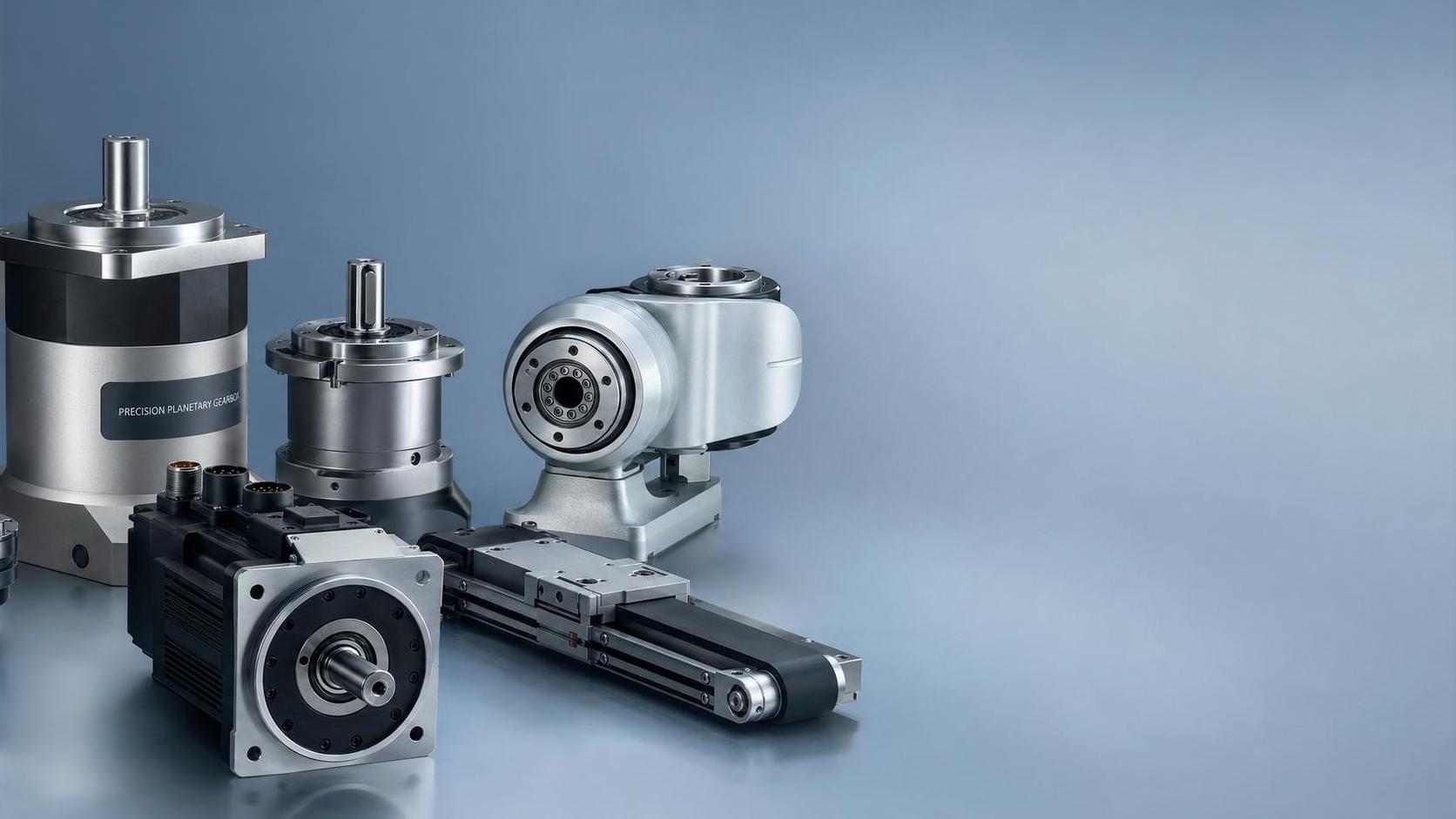
Precision reducers, especially RV and harmonic types, are among the most important cost components inside industrial robots. They strongly influence positioning accuracy, torque density, stiffness, service life, and motion smoothness.
Higher-grade reducers cost more because they require advanced materials, tight machining tolerances, complex geometry control, and rigorous fatigue durability validation. In robot joints, these details directly affect performance consistency over time.
For procurement teams, reducer quality matters because it influences both initial value and maintenance exposure. Lower-cost transmission components may show higher backlash growth, reduced precision, or shorter service intervals under repeated duty cycles.
This is especially relevant in high-duty sectors such as welding, battery manufacturing, automotive handling, and electronics assembly, where millions of motion cycles can quickly expose weak drivetrain quality.
If a quotation is unexpectedly low, buyers should ask what class of reducer is being used, what its rated life is, what backlash specification is guaranteed, and how replacement support is handled globally.
Servo motors and drives add major value beyond basic motion
Servo systems are not just power sources. They determine how quickly and accurately the robot responds to commands, compensates for load variation, and maintains stable motion during acceleration, deceleration, and continuous production.
Robots with stronger servo architecture generally cost more because they use better encoders, faster current loops, improved thermal behavior, and stronger anti-resonance control. These features are essential in high-speed and high-precision environments.
For buyers, the difference becomes visible in production uptime, smoother path control, lower vibration, and more predictable cycle performance. In demanding lines, these benefits often justify higher acquisition cost.
Servo quality also matters for integration with broader motion systems. If the robot must coordinate with conveyors, machine tools, inspection stations, or external axes, control responsiveness becomes commercially important.
Instead of viewing servo cost as a premium alone, procurement teams should assess whether the application requires better dynamic response, lower overshoot, better synchronization, or long-term thermal reliability.
Controls, PLC communication, and software integration can reshape the total budget
Many buyers focus on mechanical specifications first, yet controls integration often determines whether a project stays within budget. A robot that communicates easily with existing PLC or DCS infrastructure usually reduces engineering effort and implementation risk.
If the production site uses specific protocols such as PROFINET, EtherNet/IP, EtherCAT, Modbus TCP, or fieldbus legacy systems, compatibility can materially affect both cost and deployment time.
Software scope is another price driver. A standard pick-and-place application differs greatly from a cell requiring vision guidance, force control, recipe management, traceability, safety logic interaction, and MES connectivity.
Procurement teams should ask whether the quoted system includes offline programming, simulation, digital twin support, user interface customization, and data collection functions for industrial edge computing or remote monitoring.
In many automation projects, integration complexity costs more than the robot hardware itself. This is why industrial robotics price must always be evaluated in the context of the full control architecture.
End-of-arm tooling and application engineering are often underestimated
The robot may be the visible centerpiece, but end-of-arm tooling determines whether the process actually works. Grippers, weld guns, vacuum systems, dispensing heads, or special fixtures can significantly increase project cost.
Tooling cost depends on product geometry, material behavior, takt time, sensing requirements, quick-change needs, and maintenance design. In complex applications, custom tooling engineering becomes a major budget item.
For procurement teams, this is where process knowledge matters. A low-cost robot with unstable or poorly designed tooling can damage parts, reduce throughput, and increase operator intervention.
It is therefore important to separate the price of the standard robot from the price of application-specific tooling, then evaluate whether the proposed tool is durable, maintainable, and easy to adjust for product variation.
If flexible manufacturing is a future goal, tooling should also be assessed for changeover time and compatibility with multiple SKUs, not just the current production task.
Safety requirements can add substantial cost, but they are not optional
Safety design is a major budget variable that buyers cannot ignore. Fencing, light curtains, scanners, interlocks, safe torque off, safe speed monitoring, and functional safety validation all contribute to the final system price.
The cost level depends on cell layout, human interaction frequency, collaborative operation requirements, local regulations, and risk assessment results. A fully enclosed high-speed cell is priced differently from a guarded collaborative station.
Procurement teams should not compare quotations without checking whether safety scope is equivalent. One offer may include full risk assessment and compliance documentation, while another may leave those responsibilities to the buyer.
In global manufacturing environments, safety compliance can also affect project schedule. Delays caused by incomplete validation or redesign are often more expensive than the original hardware difference.
From a total value perspective, proper safety engineering protects uptime, workforce confidence, and regulatory compliance. It is a cost driver, but also a risk-reduction investment.
Installation, commissioning, and training frequently create hidden costs
Industrial robotics price often increases during the final project stages because site conditions are more complex than expected. Installation can involve foundations, utilities, guarding, cable routing, network setup, and line modification.
Commissioning adds another layer. Robot calibration, motion tuning, I/O verification, PLC handshaking, safety testing, and cycle optimization all require skilled engineering hours. These costs are easy to underestimate in early budgeting.
Training should also be examined carefully. Operators, maintenance staff, and programmers need different levels of instruction, and the absence of proper training can reduce return on investment after startup.
Procurement teams should ask suppliers to break out site preparation assumptions, startup duration, acceptance criteria, and training scope. A detailed services schedule reduces change orders later.
When comparing suppliers, the lowest equipment quote may not represent the lowest deployed cost if commissioning support is weak or travel expenses are excluded.
Maintenance, spare parts, and lifecycle support shape total ownership cost
For procurement professionals, the most useful way to assess industrial robotics price is through total cost of ownership, not acquisition price alone. This includes maintenance intervals, spare part availability, technical support response, and expected service life.
Robots operating in harsh environments may require stronger sealing, better cable durability, or more frequent preventive maintenance. These factors affect real cost over years of operation.
Availability of local service matters as well. A lower-priced robot from a vendor with limited regional support may create expensive downtime if reducers, servo drives, or controllers fail.
Buyers should review spare part lead times, warranty coverage, lifecycle commitment, software update policy, and whether critical components are standardized across multiple robot models.
Long-term value is especially important for manufacturers scaling multiple cells across sites. Standardization can reduce training cost, spare part inventory, and troubleshooting time.
How procurement teams should compare quotations more effectively
To compare offers accurately, create a structured checklist rather than relying on top-line numbers. Start with payload, reach, repeatability, cycle time, controller capabilities, safety scope, and included software functions.
Then verify mechanical and motion-critical components such as reducer class, encoder resolution, servo performance, and environmental protection level. These are often decisive for reliability and precision.
Next, examine commercial scope: tooling, integration engineering, installation, commissioning, training, warranty, spare parts, and service response. Make sure each supplier is quoting the same delivery boundary.
It is also useful to ask for performance references in similar applications. A supplier with proven results in welding, palletizing, battery assembly, or machine tending provides more confidence than a generic specification sheet.
Finally, evaluate future adaptability. If product mix, takt requirements, or digital connectivity will expand, the lowest present-day cost may not be the most economical strategic choice.
Final takeaway: check the cost drivers before you judge the price
Industrial Robotics price is not a single number attached to a robot arm. It is the combined result of payload needs, precision requirements, reducer quality, servo architecture, control integration, tooling design, safety scope, and lifecycle support.
For procurement teams, the most effective first step is to identify which of these drivers are essential for the production task and which are unnecessary extras. That prevents both overbuying and risky underbuying.
In practical purchasing decisions, the best quotation is rarely the cheapest one. It is the one that delivers required throughput, stable accuracy, manageable maintenance, and low implementation risk across the full service life.
Before requesting final bids, build a scope checklist, align technical requirements with process reality, and ask suppliers to explain the logic behind each major cost element. That approach leads to better budgeting and more defensible investment decisions.
Related Recommendations
 Automation Control Systems Price: Cost Drivers and Budget BenchmarksTime : Jul 17, 2026
- Reducer Selection Guide: How to Balance Torque, Cost, and LifespanTime : Jul 11, 2026
- How to Evaluate an Industrial Automation Parts Supplier for Lead Time and RiskTime : Jul 10, 2026
- Industrial Robotics for Packaging: Where Automation Cuts Downtime MostTime : Jul 09, 2026
- How CNC Machined Precision Engineering Components Improve Fit and ToleranceTime : Jul 08, 2026
 Manufacturing Automation Systems: Where ROI Improves FirstTime : Jul 07, 2026