Industrial Motion Control Components for Easy Maintenance


For after-sales maintenance teams, Industrial Motion Control Components must deliver not only precision but also fast, predictable serviceability. From servo motors and PLC systems to reducers, guides, inverters, and IPCs, easy maintenance directly impacts uptime, repair speed, and lifecycle cost. This article explores how maintainable component design supports reliable troubleshooting, minimizes downtime, and keeps modern automated equipment running at peak performance.
In high-mix manufacturing, a maintenance delay of even 2 to 4 hours can interrupt upstream scheduling, increase scrap risk, and affect delivery commitments. That is why serviceability has become a practical selection criterion alongside torque, accuracy, response speed, and communication compatibility.
For teams supporting servo axes, PLC cabinets, harmonic or RV reducers, linear guides, ball screws, inverters, and industrial PCs, the real question is not only how a component performs when new, but how quickly it can be diagnosed, replaced, aligned, and returned to stable operation after 12, 24, or 36 months in the field.
Why easy maintenance matters in Industrial Motion Control Components
Industrial Motion Control Components sit at the center of machine precision, cycle time, and reliability. In automated lines, one failed encoder cable, one overheated inverter, or one worn guide block can stop multiple stations at once. For after-sales teams, maintainability reduces mean time to repair, lowers spare-parts confusion, and supports safer, more repeatable field service.
A maintainable design usually shortens fault isolation into 3 stages: detection, access, and restoration. If each stage is compressed by 20 to 30 minutes, total downtime can be reduced by 1 to 2 hours per event. Across 10 service incidents per quarter, that difference becomes commercially significant for machine builders and end users alike.
Typical maintenance pain points in automated equipment
- Connectors hidden behind crowded panel layouts, making replacement slow.
- Non-standard part numbers that delay spare identification by 1 to 3 days.
- Servo or PLC diagnostics that show alarms but not root-cause clues.
- Reducer and guide assemblies that require lengthy disassembly for inspection.
- Firmware, parameter, and backup files stored inconsistently across sites.
In practice, easy maintenance means visual access, modular replacement, clear labeling, predictable wear intervals, and digital diagnostics that point technicians toward the correct subsystem without excessive trial and error.
Serviceability and lifecycle cost are directly linked
A lower purchase price does not always mean a lower ownership cost. If a lower-cost component requires 6 hours of disassembly, special alignment tools, or a full software reload after replacement, field costs rise quickly. By contrast, Industrial Motion Control Components designed for plug-in replacement and parameter cloning can often cut commissioning recovery time by 30% to 50%.
This is especially relevant in environments with 24/7 production, multi-shift packaging, CNC machining, battery equipment, electronics assembly, or robotic cells where unplanned stops have both direct and indirect cost effects.
Key design features that make motion control components easier to maintain
Not every high-performance component is maintenance-friendly. After-sales teams should evaluate maintainability at the design level before a machine enters serial production. The following features consistently improve service speed and reduce field risk.
Servo motors and drives
What service teams should look for
For servo systems, useful maintenance features include front-access power and feedback terminals, replaceable encoder cables, onboard alarm history, auto-tuning backup, and parameter memory that can be copied in under 5 minutes. These details help technicians swap a failed motor or drive without rebuilding the entire axis setup.
Thermal margin also matters. Drives operating repeatedly above 85% load or inside cabinets exceeding 40°C often fail earlier if airflow and heat dissipation are poorly designed. A clean maintenance layout should allow fan inspection, terminal tightening, and traceable alarm logging during routine visits every 3 to 6 months.
PLC, DCS, and industrial PC platforms
For PLC and IPC systems, easy maintenance depends on modular I/O, hot-swappable storage where appropriate, accessible backups, and clear network diagnostics. A controller may be computationally powerful, but if a maintenance engineer needs 2 hours just to confirm whether the fault is logic, network, I/O, or power related, serviceability is weak.
Good practice includes standardized naming conventions, cabinet labels, backup schedules at 7-day or 30-day intervals, and dual storage of recipes, firmware, and machine parameters. In edge computing applications, service teams also benefit from vibration-resistant connectors and dust-tolerant enclosures.
Reducers, guides, and ball screws
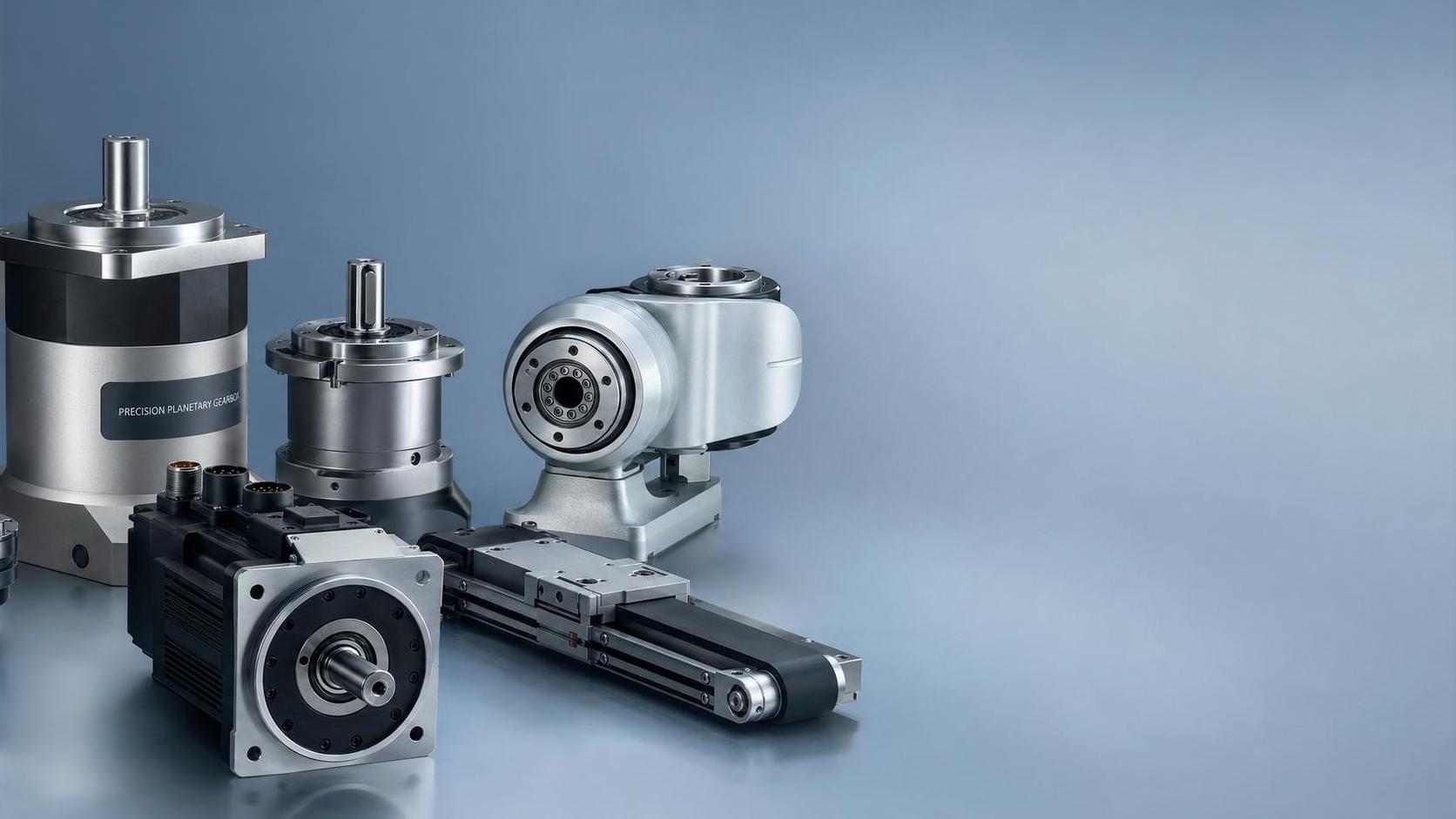
Mechanical transmission components fail differently from electrical components. Wear develops gradually through backlash growth, lubrication degradation, preload loss, contamination, or seal damage. Easy maintenance here means measurable inspection points, predictable grease intervals, and assemblies that can be serviced without disturbing unrelated parts.
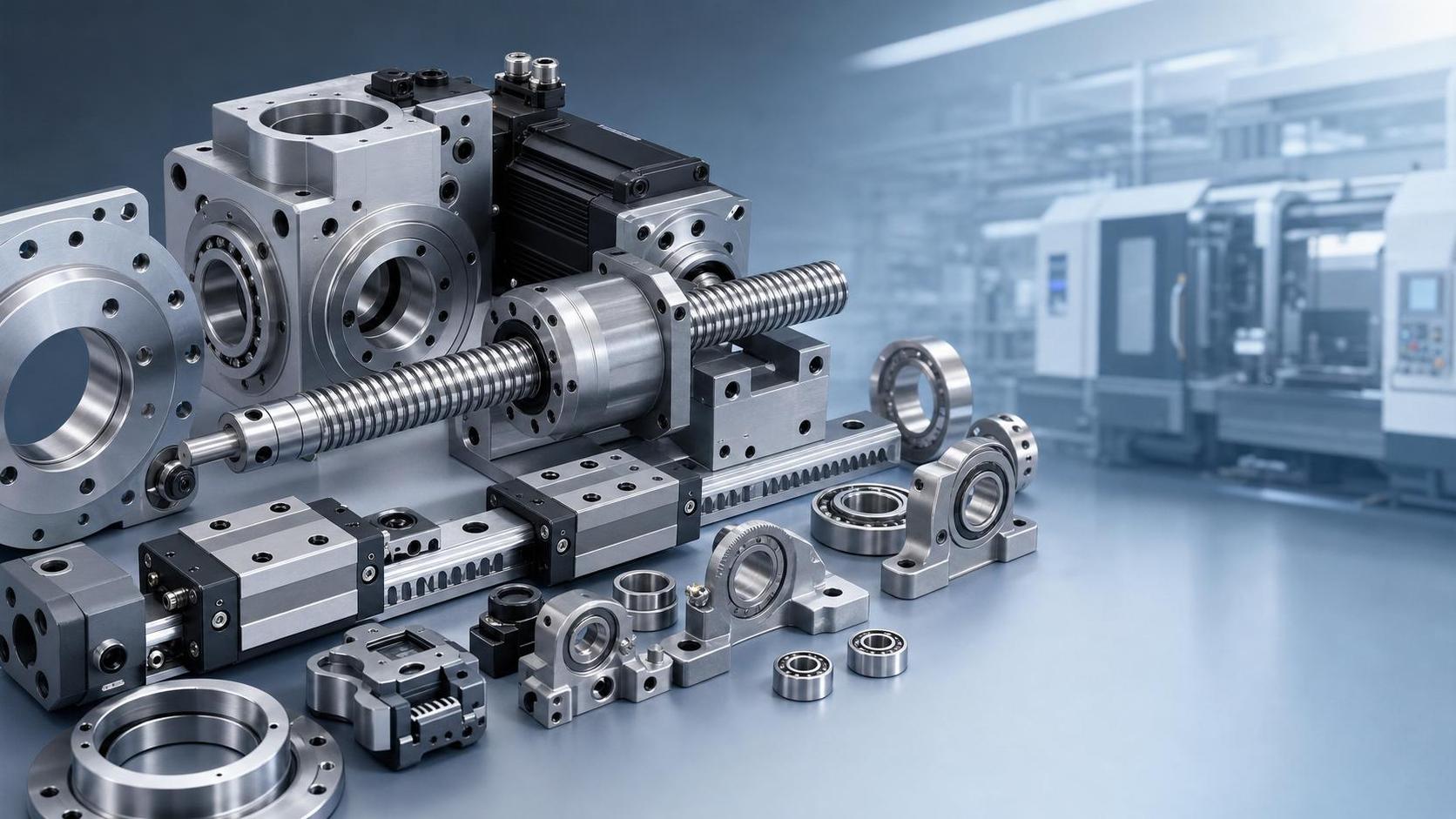
For linear guides and ball screws, technicians often need quick access to lubrication points, contamination covers, and alignment references. For harmonic and RV reducers, maintenance planning should include vibration trend checks, backlash verification, and torque behavior review after a defined number of cycles or operating hours.
The table below outlines practical maintainability features across common Industrial Motion Control Components and the service value each feature provides in the field.
The most important pattern is simple: components become easier to maintain when the manufacturer anticipates real service conditions, not just laboratory performance. Access, diagnostics, and standardized replacement procedures are often as valuable as raw speed or nominal precision.
Selection criteria for after-sales maintenance teams and equipment builders
When evaluating Industrial Motion Control Components, maintenance teams should not rely on specification sheets alone. A practical review should combine mechanical design, electrical integration, documentation quality, spares strategy, and training support. This approach is particularly useful for OEMs shipping equipment across multiple regions or supporting customers with limited onsite expertise.
Five criteria that affect service speed
- Part interchangeability across machine generations.
- Diagnostic clarity at component, axis, and system level.
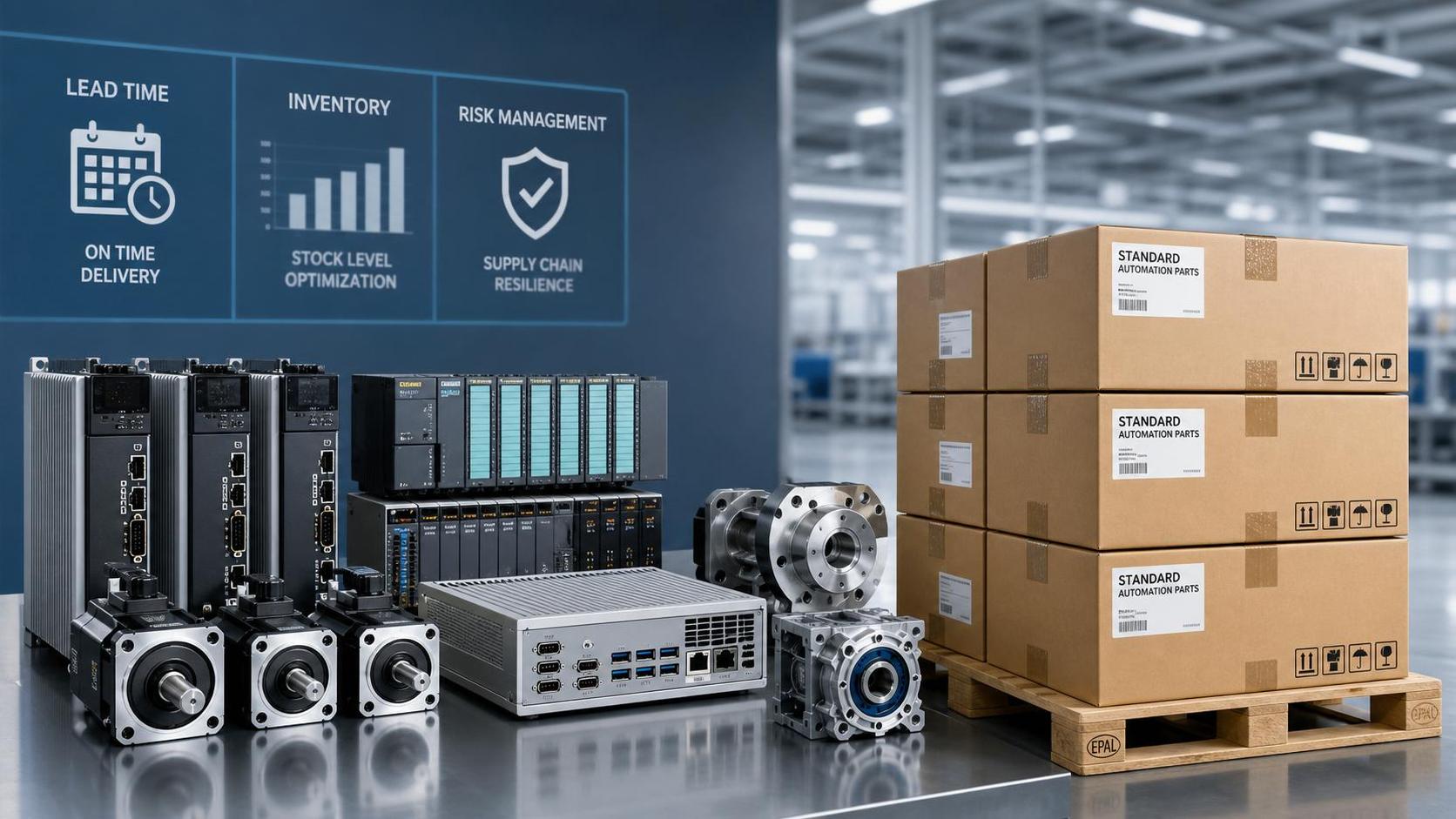
- Availability of spare parts within 24 hours, 72 hours, or 1 week.
- Ease of alignment, calibration, and parameter recovery after replacement.
- Documentation quality, including wiring, lubrication, and fault trees.
If one of these five areas is weak, the service burden often shifts to emergency support, overnight shipping, or repeated site visits. That raises cost for both suppliers and end users.
Questions to ask before procurement
Before selecting servo systems, controllers, reducers, or linear motion assemblies, ask how long a typical replacement takes, what tools are required, whether alignment must be re-established from zero, and how many distinct spare part numbers are needed for one machine family. A machine that uses 18 different connector types is harder to support than one standardized around 4 to 6 types.
Also confirm whether the supplier offers service manuals, alarm code mapping, lubrication schedules, and remote support workflows. For distributed factories, a documented troubleshooting path can save more time than a marginal performance upgrade.
The following table can be used as a maintenance-focused procurement checklist when comparing Industrial Motion Control Components from different suppliers.
This kind of checklist prevents a common mistake: selecting advanced components that perform well on day one but become expensive and difficult to support after installation volumes increase.
Maintenance workflows that reduce downtime and repeat failures
Component design matters, but maintenance outcomes also depend on workflow discipline. Even service-friendly Industrial Motion Control Components can become difficult to support when teams lack a repeatable process for inspection, data capture, replacement, and restart verification.
A five-step field service process
1. Fault confirmation
Record alarm codes, temperatures, vibration symptoms, communication status, and machine state before shutdown. A 10-minute structured check often prevents 1 to 2 hours of unnecessary disassembly.
2. Isolation by subsystem
Separate electrical, logic, network, and mechanical causes. For example, a positioning error may come from encoder feedback, coupling slip, excessive backlash, or PLC timing rather than the servo motor alone.
3. Controlled replacement or repair
Replace only the confirmed failure point when possible. Preserve original parameters, axis references, and lubrication conditions. On mechanical systems, verify preload and alignment after intervention.
4. Restart verification
Test at low speed, nominal speed, and production speed. A 3-level restart test is more reliable than a single jog confirmation, especially for inverters, servo axes, and synchronized motion.
5. Failure record and prevention update
Document cause, part number, replacement time, and recommended prevention action. Over 6 to 12 months, this creates a practical reliability database that improves spare planning and design revisions.
Common mistakes that increase repeat failures
- Replacing drives without checking grounding, heat, or regenerative conditions.
- Changing reducers or guides without checking upstream misalignment.
- Reloading PLC or IPC files without version control.
- Ignoring lubrication contamination after replacing mechanical parts.
- Skipping post-repair trend monitoring during the first 24 to 72 hours.
A maintenance-centered supplier relationship can reduce these repeat issues. This is where intelligence platforms like IAMC add value: not by selling generic advice, but by connecting servo control behavior, mechanical tolerance realities, and industrial computing constraints into a clearer service strategy.
How IAMC supports better maintenance decisions in smart manufacturing
As industrial equipment becomes denser, faster, and more software-defined, after-sales teams need more than product catalogs. They need actionable knowledge on servo tuning, PLC/DCS behavior, transmission wear, inverter thermal loading, and IPC stability under dust, shock, and data pressure. That cross-domain visibility is increasingly important when one failure mode influences another.
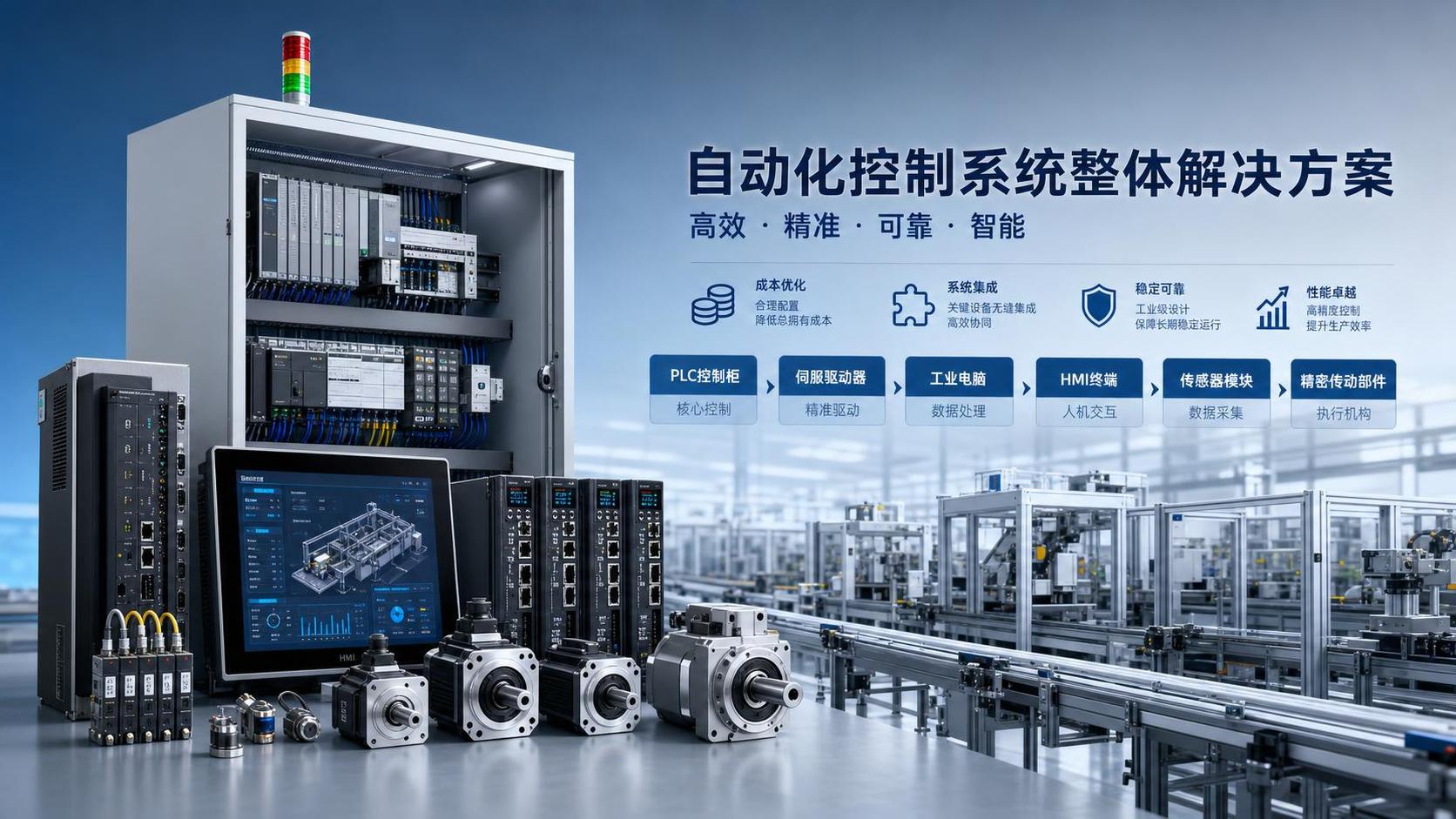
IAMC focuses on the core motion and control layers that determine machine uptime: industrial AC servo motors, PLC/DCS systems, precision reducers, linear guides and ball screws, inverters, and industrial PCs. For maintenance professionals, this means access to insights that connect micron-level motion quality with field service realities such as inspection intervals, failure signatures, and practical replacement logic.
Why this matters for service teams
A servo alarm is rarely just an electrical issue. It may involve resonance, backlash, inertia mismatch, cabling stress, or PLC timing jitter. A reducer issue may reflect duty cycle overload rather than isolated wear. An IPC issue may be related to vibration, storage degradation, or thermal management. Service teams work faster when these relationships are understood in advance.
That is also why maintainable Industrial Motion Control Components should be reviewed as a system rather than as isolated parts. The best results usually come from components, diagnostics, service manuals, and replacement workflows that are designed to work together over a 5-year to 10-year equipment life.
Choosing Industrial Motion Control Components for long-term uptime
For after-sales maintenance teams, the ideal component is not simply the most precise or the most advanced. It is the one that balances performance with access, documentation, spare availability, and predictable restoration time. In real factories, uptime depends on how quickly a system can be understood and returned to stable production.
When servo motors, PLC platforms, reducers, guides, inverters, and IPCs are selected with maintenance in mind, service teams gain shorter intervention cycles, fewer repeat faults, and better lifecycle cost control. That approach supports both OEM competitiveness and end-user confidence in automated equipment.
If you are evaluating Industrial Motion Control Components for easier maintenance, lower downtime, and more reliable field support, now is the right time to review your component strategy. Contact us to discuss application needs, get a tailored solution, or explore more maintenance-focused motion control insights through IAMC.
Related Recommendations
 Automation Control Systems Price: Cost Drivers and Budget BenchmarksTime : Jul 17, 2026
- Reducer Selection Guide: How to Balance Torque, Cost, and LifespanTime : Jul 11, 2026
- How to Evaluate an Industrial Automation Parts Supplier for Lead Time and RiskTime : Jul 10, 2026
- Industrial Robotics for Packaging: Where Automation Cuts Downtime MostTime : Jul 09, 2026
- How CNC Machined Precision Engineering Components Improve Fit and ToleranceTime : Jul 08, 2026
 Manufacturing Automation Systems: Where ROI Improves FirstTime : Jul 07, 2026