
Precision Manufacturing Technology is redefining how quality control and safety teams detect variation, prevent defects, and maintain stable production under rising automation demands.
From servo-driven motion accuracy to PLC process control, tighter quality control now depends on connecting real-time data with micron-level execution.
For quality and safety managers, these technologies matter because they reduce risk, improve traceability, and support reliable flexible manufacturing systems.
What Quality and Safety Teams Are Really Searching For
When professionals search for Precision Manufacturing Technology, they are rarely looking for a broad definition or a futuristic slogan.
They usually want to know whether advanced automation can make defects easier to detect, processes easier to control, and risks easier to prove.
The real question is practical: which technologies help maintain stable quality when production becomes faster, more customized, and more data intensive?
Quality teams care about repeatability, measurement confidence, process capability, root-cause visibility, and the ability to prevent escapes before shipment.
Safety managers care about machine behavior, abnormal motion, equipment degradation, energy isolation, alarm reliability, and the consequences of uncontrolled variation.
The most useful discussion therefore focuses on control loops, mechanical accuracy, traceable data, predictive signals, and implementation decisions.
Why Tighter Quality Control Now Depends on Precision Manufacturing Technology
Traditional quality control often relied on end-of-line inspection, sampling, operator experience, and corrective action after defects were already produced.
That model becomes weaker when cycle times shrink, product variants increase, and automated lines generate thousands of movements per minute.
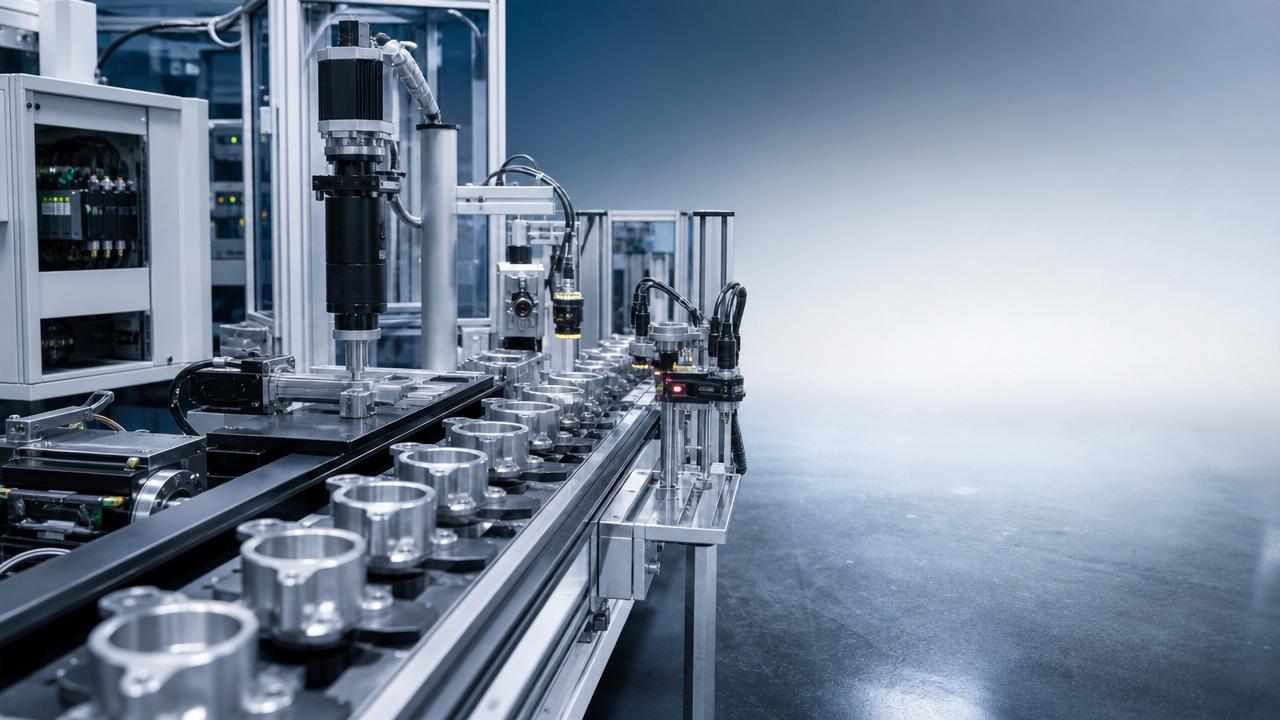
Precision Manufacturing Technology changes the control point from final inspection to continuous prevention across motion, logic, transmission, sensing, and computation.
The goal is not only to measure quality more often, but to keep the process physically closer to its intended condition.
For example, a servo axis with high encoder resolution can reveal following error before a dimensional defect becomes visible.
A PLC can correlate temperature, torque, pressure, position, and cycle timing to identify process drift during normal production.
An industrial edge computer can analyze high-frequency data near the machine, avoiding delays that hide short abnormal events.
Tighter quality control is therefore created by combining precise execution with immediate awareness of variation and disciplined response rules.
The Core Technologies That Matter Most for Quality Control
Not every automation upgrade produces better quality. The highest value appears where precision technology directly affects variation sources.
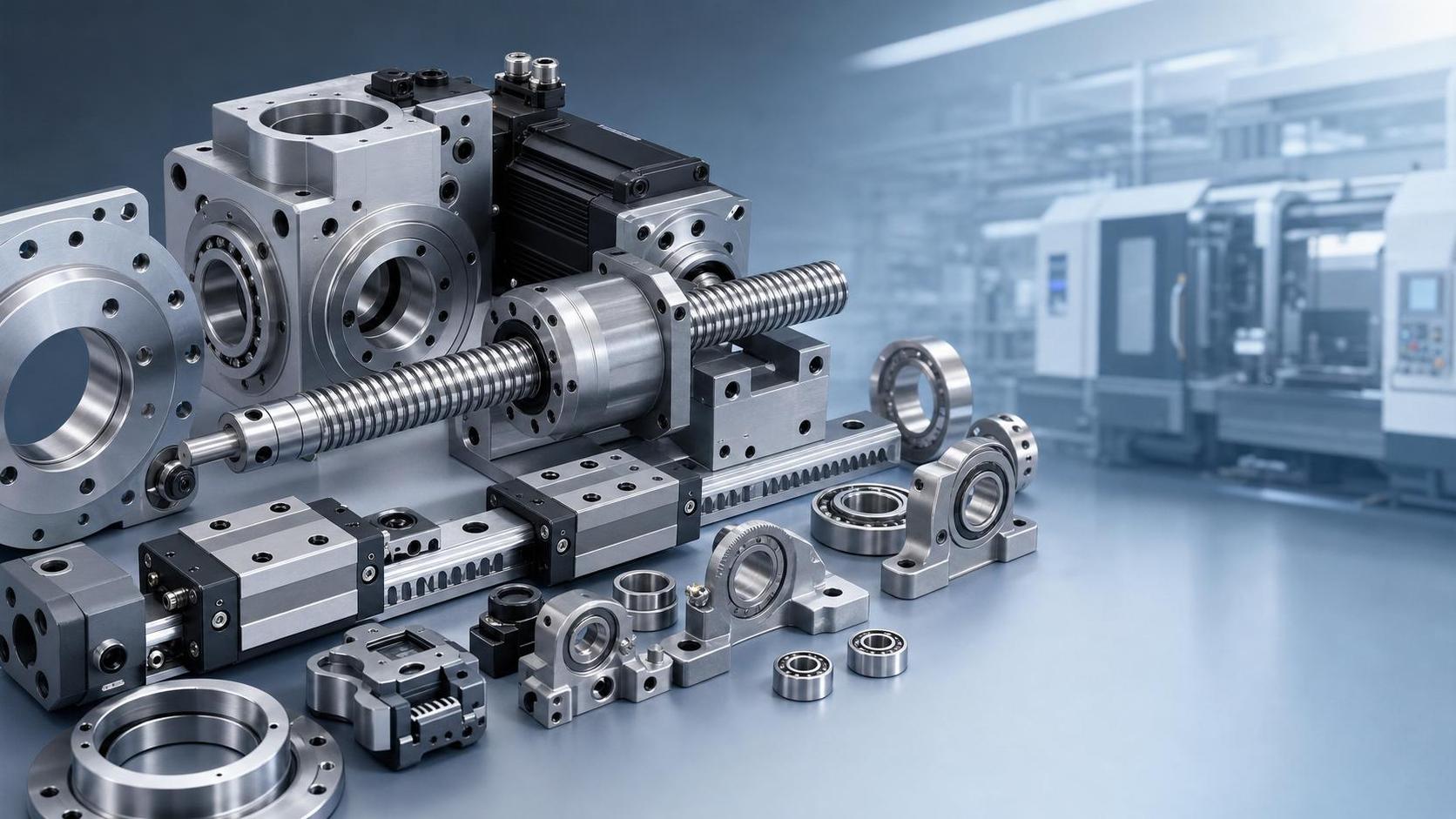
Industrial AC servo motors are critical when positioning accuracy, speed stability, synchronized motion, or controlled force affects product quality.
High-resolution encoders, fast current loops, and tuned motion profiles help convert digital commands into repeatable physical displacement.
PLC and DCS systems matter because they enforce logic, sequencing, interlocks, alarms, and process recipes under harsh industrial conditions.
For quality teams, the PLC is often the first place where process variables become structured evidence instead of scattered signals.
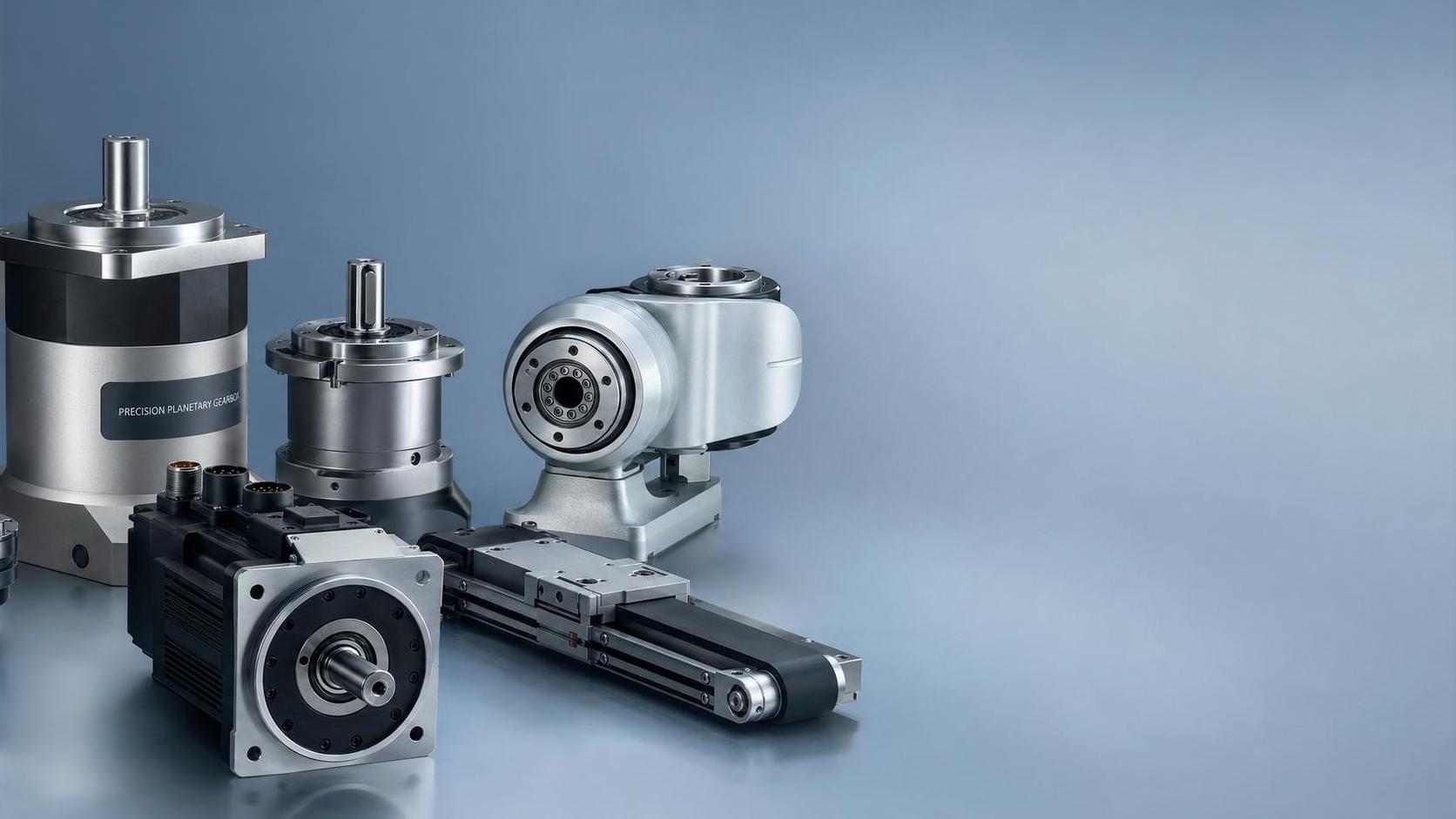
Precision reducers, including harmonic and RV types, influence backlash, torsional stiffness, repeatability, and robot path accuracy.
When reducers wear or lose stiffness, visual inspection may pass while hidden path deviation damages assembly consistency.
Linear guides and ball screws are equally important because they convert rotary motion into controlled linear feed under load.
In CNC machines, semiconductor equipment, inspection systems, and packaging lines, small friction changes can become measurable dimensional variation.
Inverters and industrial PCs add another layer by stabilizing motor energy use and enabling local analytics from sensors and controllers.
How Precision Technology Improves Defect Prevention
Defect prevention starts when machines can detect early deviation, not when inspectors discover nonconforming products after a batch ends.
Servo systems support prevention by tracking position error, torque demand, vibration signatures, acceleration limits, and settling behavior.
If a press-fit operation suddenly needs higher torque, the system can flag component mismatch, lubrication loss, or fixture contamination.
If a robot path shows increasing following error, maintenance can investigate reducer wear, payload change, cable drag, or mechanical looseness.
PLC-based control strengthens prevention by enforcing parameter windows, recipe permissions, sensor validation, and stop conditions for abnormal states.
This reduces dependence on operator judgment and makes quality decisions more consistent across shifts, lines, and facilities.
Edge computing improves prevention by processing vibration, current, temperature, and vision data close to the production event.
Instead of waiting for cloud analysis, the machine can react within milliseconds when unsafe or out-of-control behavior appears.
The strongest systems combine control response with evidence capture, so every quality alarm includes context for investigation.
Traceability: Turning Machine Data Into Quality Evidence
Quality managers increasingly need more than pass-or-fail records. Customers and regulators expect proof of process control.
Precision Manufacturing Technology supports traceability by linking each product, batch, or cycle with machine conditions at the production moment.
Useful records may include axis position, torque curve, temperature profile, pressure value, vision result, recipe version, and operator login.
When this information is time-stamped and connected to product identifiers, root-cause analysis becomes faster and more reliable.
Traceability also reduces dispute risk because quality teams can show whether a product was made inside defined process limits.
For safety managers, the same records help prove that interlocks, alarms, guards, and emergency responses functioned as designed.
The key is data quality. More data is not useful unless it is synchronized, validated, contextualized, and retained appropriately.
A well-designed system defines which variables affect quality, how often they should be captured, and who can change limits.
Process Capability and Variation Control in Automated Lines
Precision technology should ultimately improve process capability, not merely make equipment appear more advanced or expensive.
Quality teams should evaluate whether automation reduces common-cause variation, separates special causes, and keeps critical parameters stable.
Servo-controlled motion can reduce variation in dispensing, cutting, welding, forming, insertion, and positioning when the mechanical system is suitable.
However, a better servo cannot compensate for weak fixtures, unstable materials, poor tooling, or uncontrolled environmental conditions.
That is why tighter quality control requires both automation accuracy and process engineering discipline.
Capability studies should compare results before and after implementation using real production data, not only factory acceptance demonstrations.
Important indicators include Cp, Cpk, scrap rate, rework rate, first-pass yield, machine downtime, and alarm frequency.
Teams should also examine hidden losses, including micro-stoppages, manual adjustments, inspection delays, and unexplained quality holds.
If precision technology reduces these losses, the business case becomes stronger than a simple equipment-speed argument.
Safety Benefits: More Controlled Machines Mean Lower Operational Risk
For safety managers, precision manufacturing is not only a quality topic. It directly affects machine predictability and risk reduction.
Unstable motion, unexpected acceleration, excessive vibration, and poor synchronization can create hazards during operation, maintenance, and troubleshooting.
Servo drives with safe torque off, safe limited speed, and monitored stop functions help manage hazardous motion more effectively.
PLC safety systems can coordinate guards, light curtains, emergency stops, interlocks, and reset logic across complex production cells.
Precision mechanical components also improve safety by reducing backlash, binding, uncontrolled load movement, and unexpected positioning errors.
When machines behave consistently, operators are less likely to bypass safeguards or compensate manually for poor equipment behavior.
Predictive maintenance signals strengthen safety further by identifying bearings, reducers, screws, motors, or cables approaching dangerous failure conditions.
Safety value should therefore be included in investment decisions, especially where failures could injure people or damage critical assets.
Implementation Priorities for Quality and Safety Managers
The best starting point is not purchasing technology. It is identifying the quality and safety risks that create the highest losses.
Teams should map critical-to-quality characteristics, critical motion axes, safety-related functions, inspection points, and known sources of variation.
After that, they can decide where servo control, PLC logic, precision transmission, sensing, or edge computing provides measurable improvement.
A practical implementation plan should include baseline measurement, acceptance criteria, pilot validation, operator training, maintenance readiness, and data governance.
Quality and safety teams should participate early in equipment specification, rather than reviewing controls after machines are already designed.
Specifications should define accuracy, repeatability, alarm response, calibration methods, data retention, cybersecurity requirements, and change-control procedures.
Supplier evaluation should include not only component brands, but also tuning competence, diagnostics access, documentation, and long-term support.
Successful projects usually combine automation engineers, process engineers, quality specialists, safety professionals, and maintenance teams from the beginning.
Common Mistakes That Limit Quality Improvement
One common mistake is assuming that higher resolution automatically creates better product quality.
Resolution matters, but repeatability, stiffness, thermal stability, calibration, sensor placement, and control tuning are often equally important.
Another mistake is collecting massive data sets without defining which signals indicate process health or safety risk.
This creates dashboards that look impressive but do not help teams make faster or better decisions.
Some plants also overlook mechanical transmission quality while investing heavily in controllers and software.
If reducers, guides, screws, or couplings introduce backlash and vibration, advanced algorithms may only hide deeper mechanical problems.
A further mistake is separating quality data from safety data, even though many abnormal events influence both areas.
For example, rising motor current may indicate product resistance, machine wear, fixture blockage, or a future safety incident.
Integrated analysis helps teams understand whether an event is a quality deviation, maintenance issue, safety warning, or all three.
How to Judge Return on Investment
Return on investment should be calculated from measurable business and risk outcomes, not from automation features alone.
Direct benefits may include lower scrap, reduced rework, fewer customer complaints, shorter inspection time, and improved first-pass yield.
Operational benefits may include faster changeovers, fewer manual adjustments, better line balance, and lower unplanned downtime.
Risk-related benefits may include fewer unsafe interventions, better compliance evidence, reduced recall exposure, and improved incident investigation.
Managers should compare investment cost against the cost of poor quality, production instability, safety events, and lost customer trust.
A pilot cell is often the best way to confirm value before expanding technology across a plant or global network.
The pilot should focus on one or two high-impact problems with clear baselines and agreed success metrics.
If the project cannot define measurable improvement, it may be a technology demonstration rather than a quality-control investment.
Where Precision Manufacturing Technology Delivers the Most Value
The strongest applications are usually processes where small motion errors create expensive defects or safety consequences.
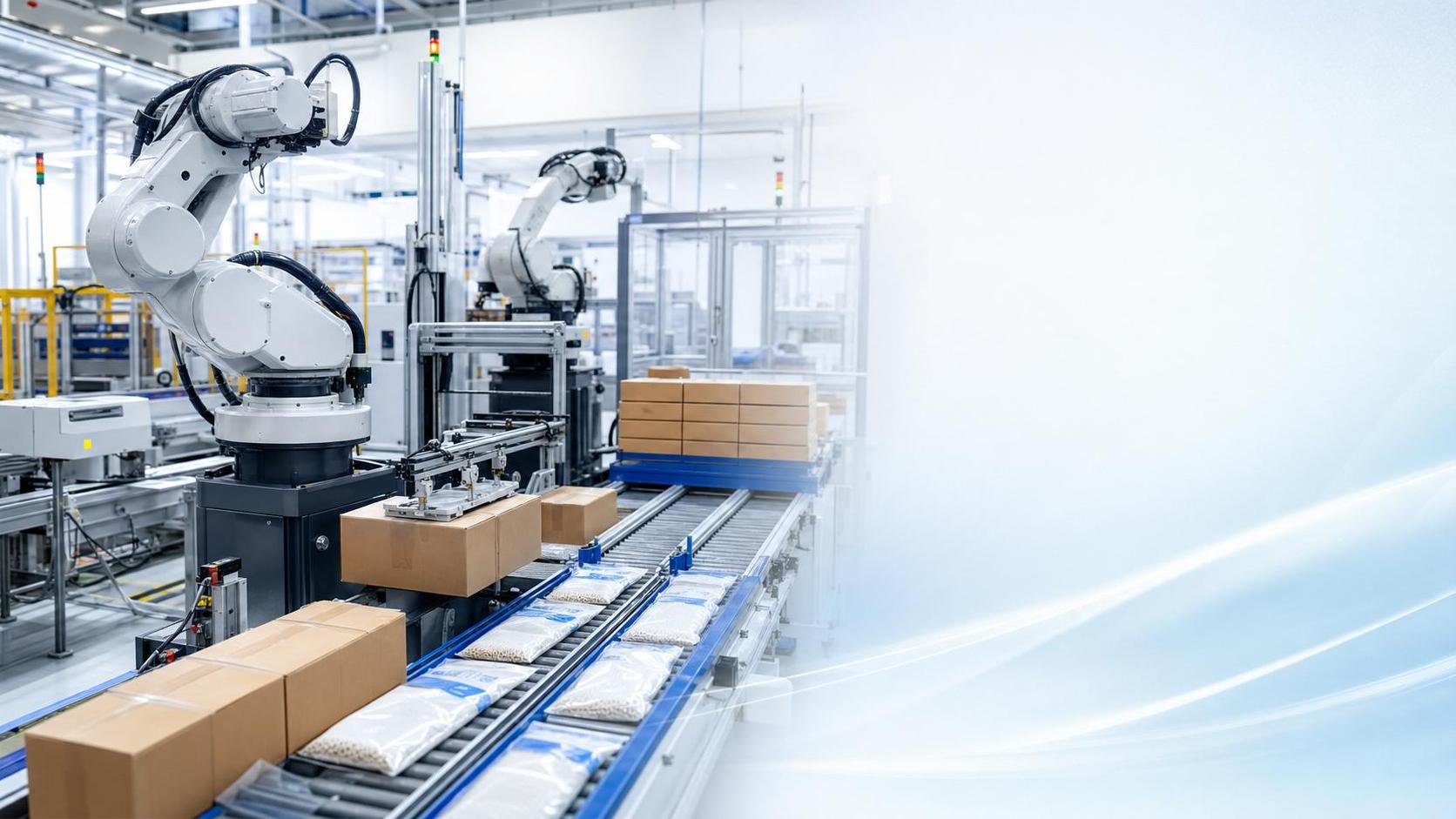
Examples include robotic assembly, battery manufacturing, semiconductor equipment, CNC machining, medical device production, packaging, welding, and precision dispensing.
It is also valuable in flexible manufacturing, where frequent product changes increase the risk of wrong recipes and unstable setup conditions.
In these environments, automation must do more than move quickly. It must prove that every movement was controlled correctly.
Precision technology is especially useful when inspection cannot easily detect internal defects or when late detection creates high waste.
It also helps when customers require traceability records for each part, lot, workstation, or critical process step.
For plants with aging equipment, targeted upgrades may deliver value without replacing entire production lines.
Replacing a weak axis, adding edge monitoring, improving PLC data structure, or upgrading a transmission component can reduce variation significantly.
Final Takeaway for Quality and Safety Leaders
Precision Manufacturing Technology is valuable because it connects accurate physical execution with real-time process intelligence and accountable decision-making.
For quality teams, it shifts control from detecting defects late to preventing variation while production is still in progress.
For safety teams, it creates more predictable machine behavior, better diagnostics, and clearer evidence during abnormal events.
The right approach is to begin with risk, variation, and traceability needs, then select technologies that directly address them.
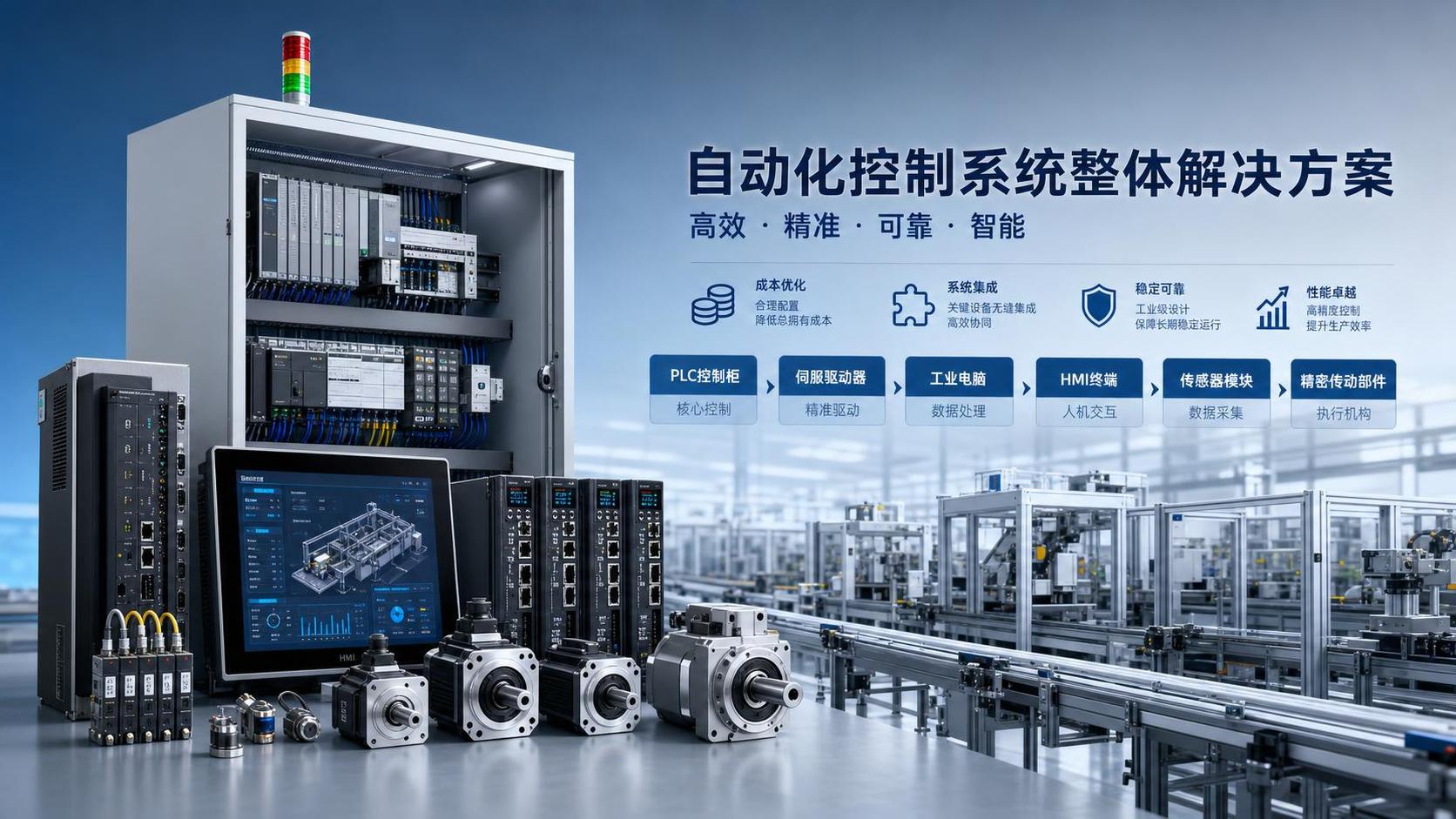
Servo systems, PLCs, precision reducers, linear guides, ball screws, inverters, and industrial PCs each play specific roles.
They deliver the greatest value when integrated into a disciplined process strategy with measurable targets and strong governance.
In modern manufacturing, tighter quality control is no longer just an inspection challenge. It is a control architecture challenge.
Companies that master this connection will build safer, more reliable, and more flexible production systems for the next automation era.