Smart Industrial Components: Integration Pitfalls

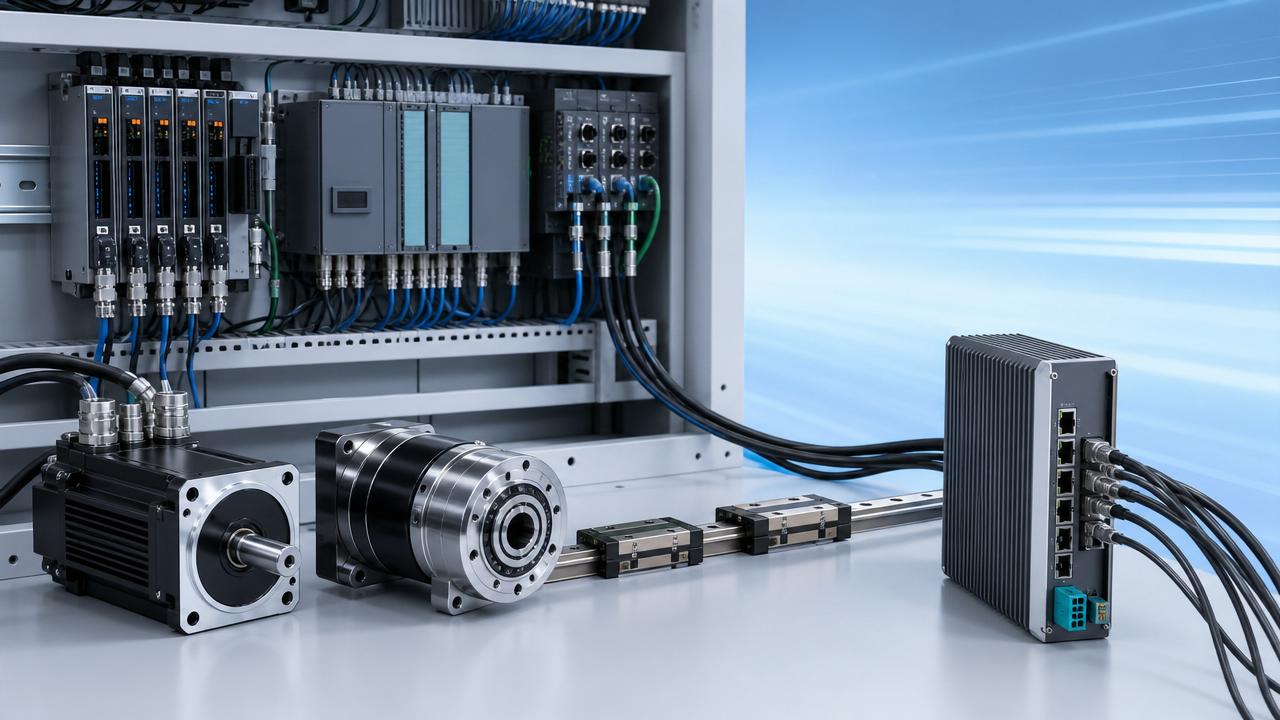
Smart Industrial Components: Integration Pitfalls
Smart Industrial Components promise higher precision, faster commissioning, and more resilient automation—but only when integration is planned with engineering discipline.
The real risk often lies between devices: mismatched protocols, unstable motion loops, overlooked tolerances, and data architectures that cannot scale.
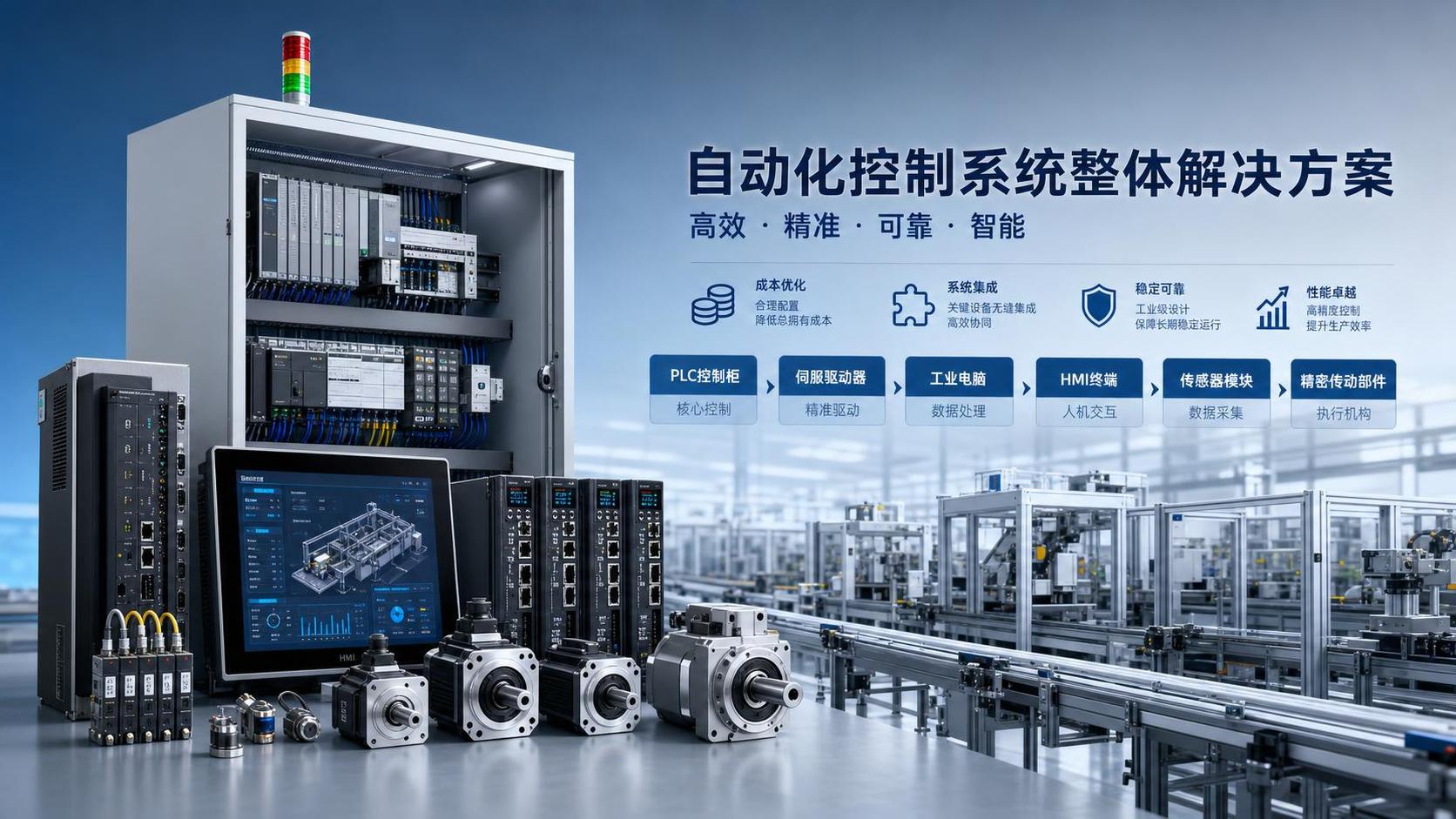
Across servo systems, PLC/DCS platforms, precision transmission, drives, and edge computing, integration quality determines uptime, accuracy, and return on automation investment.
Why Smart Industrial Components Need Checklist-Based Integration
Smart Industrial Components are no longer isolated hardware. They exchange motion commands, safety states, diagnostic data, and production intelligence in real time.
A servo drive may depend on encoder integrity, PLC scan timing, reducer stiffness, and network jitter before one axis moves correctly.
Checklist-based execution prevents assumptions from becoming hidden defects. It also gives teams a shared engineering language before commissioning pressure rises.
For Smart Industrial Components, the checklist must cover electrical, mechanical, control, software, cybersecurity, and lifecycle maintenance requirements together.
Core Checklist for Smart Industrial Components Integration
- Define performance targets before selecting Smart Industrial Components, including cycle time, positioning accuracy, torque reserve, vibration limits, and acceptable recovery time.
- Validate protocol compatibility across PLC, servo drive, IPC, inverter, sensors, and safety controllers before wiring or cabinet fabrication begins.
- Check real-time network behavior under full load, measuring jitter, packet loss, synchronization drift, and controller response during fault recovery.
- Match servo motor inertia to load inertia, then confirm reducer ratio, torsional stiffness, backlash, and thermal limits under dynamic acceleration.
- Verify encoder resolution and feedback topology, especially when Smart Industrial Components require micron-level positioning or synchronized multi-axis interpolation.
- Review PLC scan time, interrupt handling, motion task priority, and DCS communication cycles before accepting the control architecture.
- Ground cabinets, motors, drives, and shielded cables correctly to reduce electromagnetic interference during high-speed switching and heavy motor starts.
- Confirm mechanical installation accuracy for linear guides, ball screws, couplings, reducers, and mounting surfaces before software tuning begins.
- Plan diagnostic tags, alarm hierarchy, historian points, and edge analytics data models before connecting Smart Industrial Components to supervisory systems.
- Document firmware versions, parameter backups, safety signatures, wiring changes, and tuning records for repeatable maintenance and future upgrades.
Protocol and Data Architecture Pitfalls
Many integration failures start with optimistic communication assumptions. Smart Industrial Components may support the same protocol name but not the same device profile.
For example, a motion controller may require deterministic synchronization, while a gateway only supports cyclic data exchange without precise clock alignment.
Do not rely on brochure-level compatibility. Test electronic data sheets, object dictionaries, diagnostic codes, and vendor-specific extensions early.
Smart Industrial Components also generate large diagnostic streams. Without tag naming rules, timestamp discipline, and edge filtering, useful data becomes operational noise.
- Standardize variable names, engineering units, alarm severity, and timestamp source before integrating multiple automation vendors.
- Separate motion control traffic from noncritical monitoring traffic when synchronization quality affects yield, safety, or tool life.
- Use industrial edge computing to compress, contextualize, and forward data instead of flooding central systems with raw signals.
Motion Control and Servo Loop Risks
Smart Industrial Components in motion systems expose integration weaknesses quickly. A small mechanical resonance can become a positioning error or drive trip.
Servo tuning should not compensate for poor alignment, weak mounting, undersized couplings, or excessive backlash in precision transmission elements.
Use frequency response testing, notch filters, torque monitoring, and step response analysis to distinguish control instability from mechanical defects.
When Smart Industrial Components operate in synchronized axes, verify master clock integrity and trajectory planning before pushing maximum acceleration.
- Measure load inertia and friction instead of estimating them from nameplate data or outdated mechanical drawings.
- Tune current, velocity, and position loops in sequence, then retest after thermal stabilization and full payload operation.
- Record baseline vibration, following error, torque ripple, and encoder alarms for future troubleshooting comparisons.
Mechanical Transmission and Tolerance Oversights
Smart Industrial Components depend on physical precision. Control algorithms cannot fully overcome misaligned guides, preload errors, or reducer fatigue.
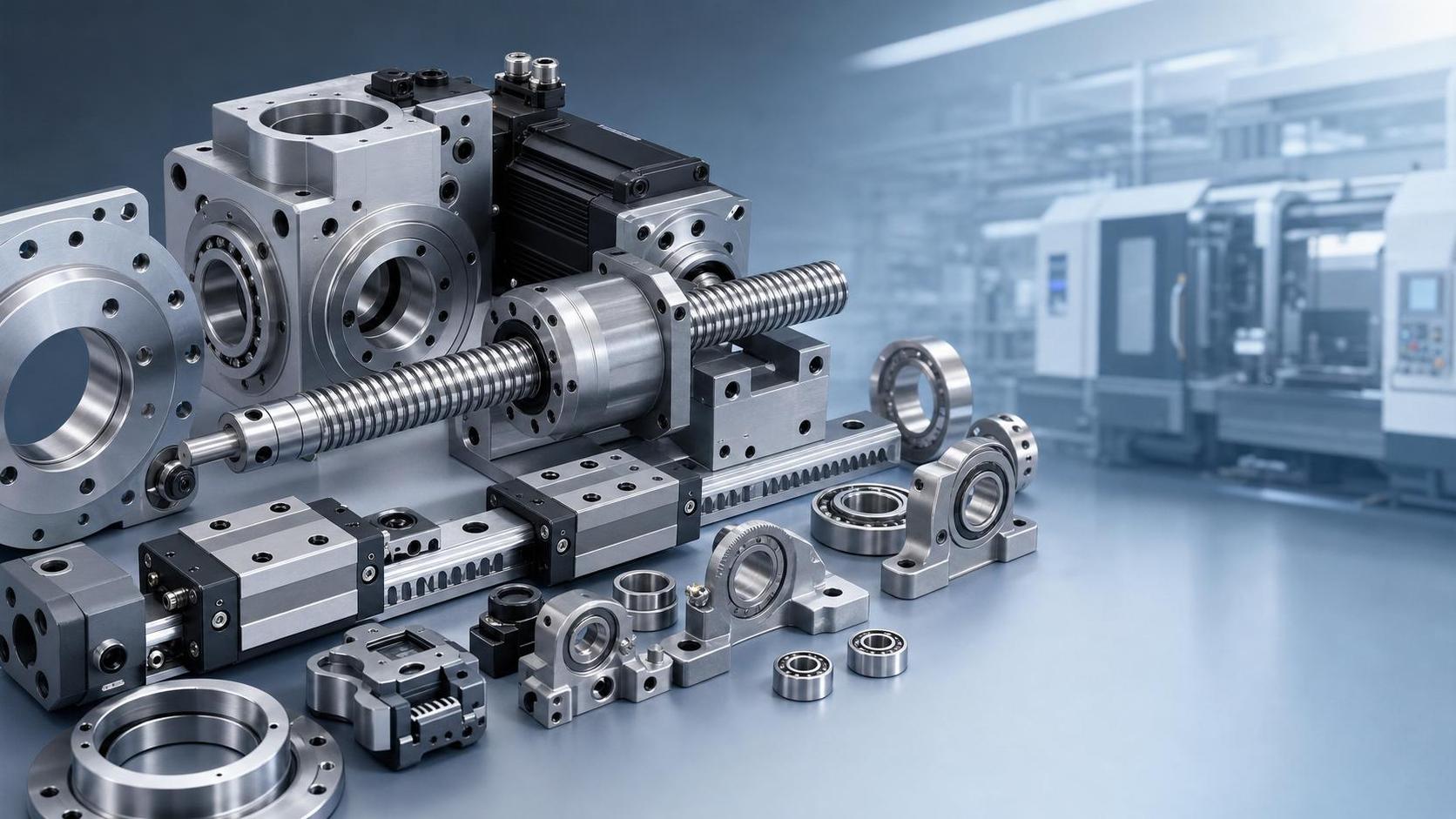
Linear guides and ball screws require clean mounting surfaces, correct lubrication, controlled preload, and verified straightness across the travel range.
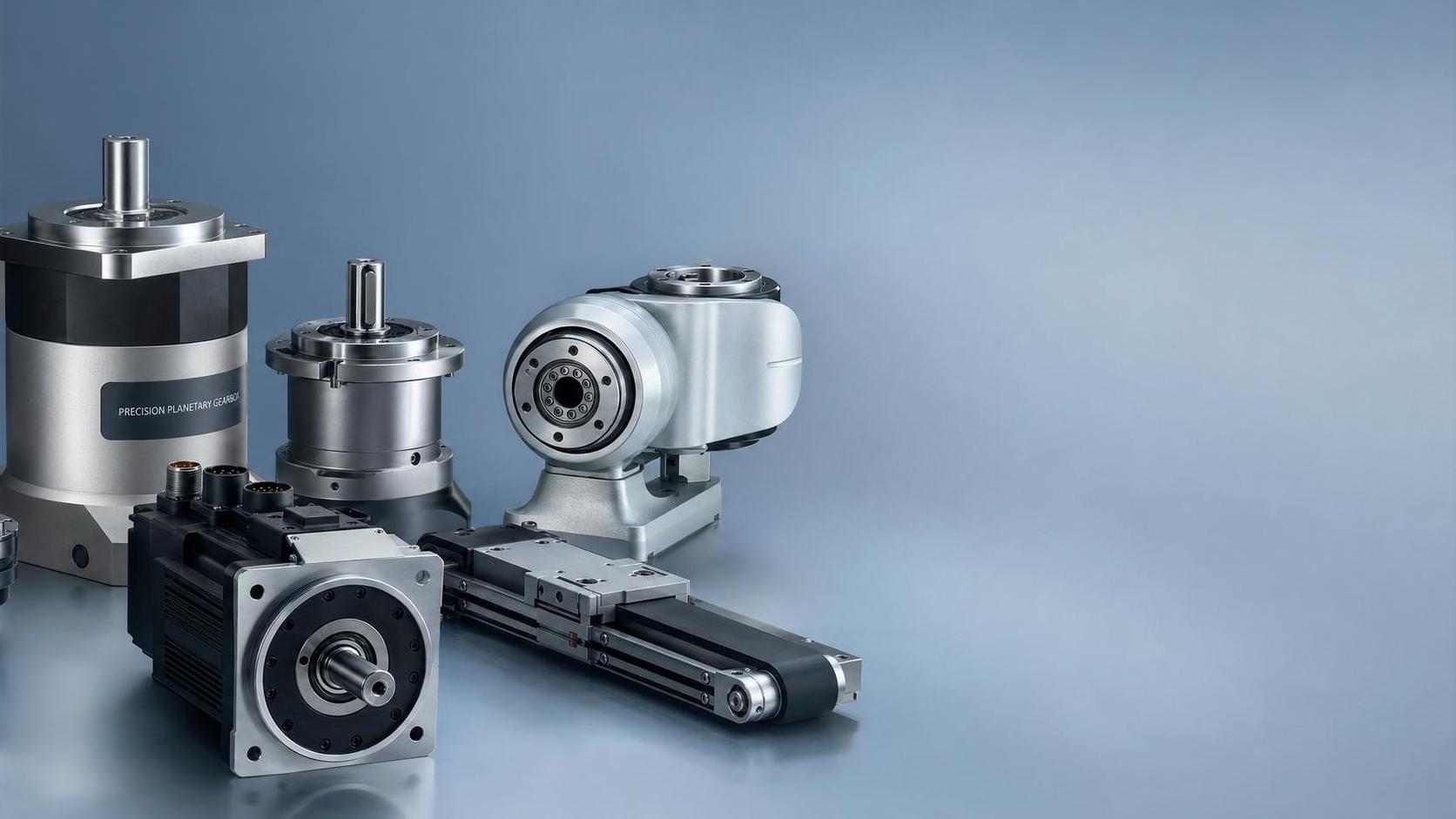
RV and harmonic reducers need attention to load spectrum, shock torque, duty cycle, and temperature rise, not only nominal reduction ratio.
When Smart Industrial Components are installed on robots, gantries, CNC equipment, or packaging lines, mechanical acceptance should precede software acceptance.
- Inspect flatness, parallelism, and perpendicularity before installing high-precision guide rails or ball screw assemblies.
- Confirm coupling alignment and shaft runout to prevent bearing stress, vibration, and premature servo motor failure.
- Calculate lifetime using real duty cycles, including emergency stops, indexing shocks, and sustained high-load operation.
PLC, DCS, IPC, and Edge Computing Scenarios
High-Speed Machine Control
In high-speed equipment, Smart Industrial Components must share deterministic timing. PLC scan cycles, motion tasks, and safety checks must be coordinated.
Use hardware timestamps and synchronized clocks where registration accuracy, camming, electronic gearing, or coordinated interpolation affects product quality.
Process Automation and DCS Environments
In process industries, Smart Industrial Components often connect with legacy DCS systems, remote I/O, drives, and field instrumentation.
Integration should prioritize redundancy, graceful degradation, alarm rationalization, and clear ownership between control loops and equipment-level logic.
Industrial Edge Analytics
Edge systems can improve predictive maintenance, but they can also introduce cybersecurity exposure, data overload, and unclear decision authority.
For Smart Industrial Components, edge analytics should support maintenance action, not replace validated control logic inside PLCs or motion controllers.
Commonly Ignored Risks
Firmware mismatch: Smart Industrial Components may behave differently after firmware updates, especially drives, safety controllers, gateways, and industrial PCs.
Parameter drift: Uncontrolled parameter changes can hide during commissioning, then create downtime after shift changes, payload variation, or maintenance work.
Thermal reality: Cabinets, motors, reducers, and inverters may pass short tests but fail during continuous production under real ambient conditions.
Power quality: Voltage dips, harmonics, regenerative energy, and grounding defects can destabilize Smart Industrial Components even with correct software logic.
Cybersecurity gaps: Remote access, default passwords, unmanaged switches, and unsegmented networks turn connected automation into a production risk.
Spare parts ambiguity: Identical appearance does not guarantee identical encoder type, firmware level, safety rating, or communication profile.
Practical Execution Recommendations
- Build an integration matrix linking every device, protocol, data point, safety function, and responsible engineering owner.
- Run a lab proof-of-concept for critical Smart Industrial Components before committing to cabinet layout or machine assembly.
- Freeze firmware, libraries, PLC projects, and drive parameters before factory acceptance testing, then control every later change.
- Perform staged commissioning: power, network, I/O, safety, single-axis motion, multi-axis motion, process logic, and production data.
- Create fault injection tests for encoder loss, network interruption, emergency stop, drive overload, sensor failure, and edge server downtime.
- Compare acceptance data against defined limits, not subjective impressions of smooth movement or normal-looking dashboards.
A strong commissioning plan treats Smart Industrial Components as a connected system, not as a collection of independent catalog items.
The best results come from combining motion control expertise, mechanical tolerance discipline, PLC architecture, and industrial data governance.
Summary and Next Action
Smart Industrial Components can improve precision, flexibility, energy efficiency, and visibility, but integration shortcuts often erase those benefits.
The most expensive defects usually appear at interfaces: signal timing, mechanical stiffness, protocol details, parameter control, and diagnostic interpretation.
Start with measurable targets, validate compatibility early, test under realistic load, and document every configuration that affects performance.
Before launching the next automation project, review the checklist against existing servo, PLC/DCS, reducer, drive, IPC, and edge computing plans.
A disciplined approach turns Smart Industrial Components into reliable industrial capability, supporting precise transmission and intelligent control from day one.
Related Recommendations
 Automation Control Systems Price: Cost Drivers and Budget BenchmarksTime : Jul 17, 2026
- Reducer Selection Guide: How to Balance Torque, Cost, and LifespanTime : Jul 11, 2026
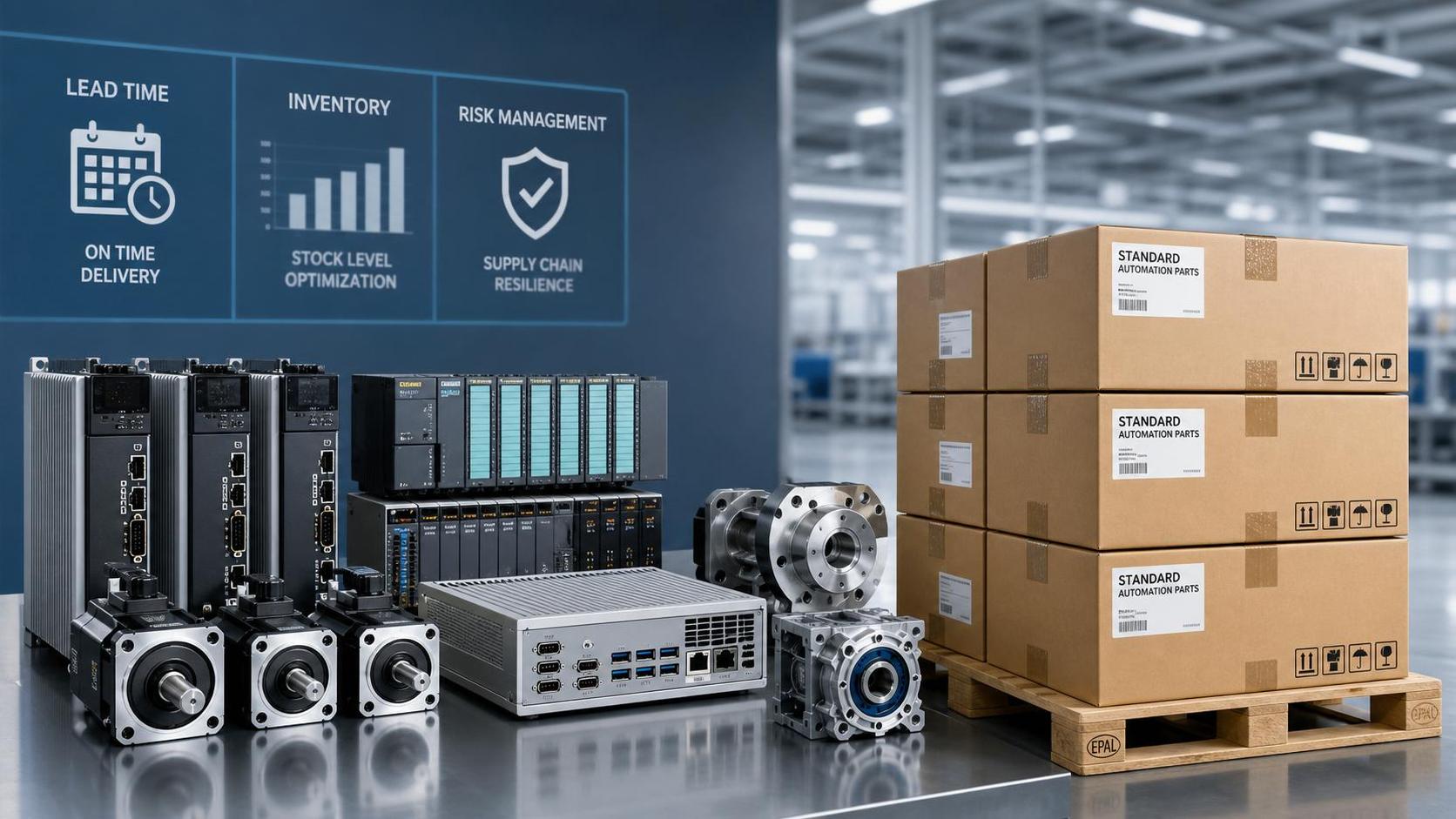
- How to Evaluate an Industrial Automation Parts Supplier for Lead Time and RiskTime : Jul 10, 2026
- Industrial Robotics for Packaging: Where Automation Cuts Downtime MostTime : Jul 09, 2026
- How CNC Machined Precision Engineering Components Improve Fit and ToleranceTime : Jul 08, 2026
 Manufacturing Automation Systems: Where ROI Improves FirstTime : Jul 07, 2026