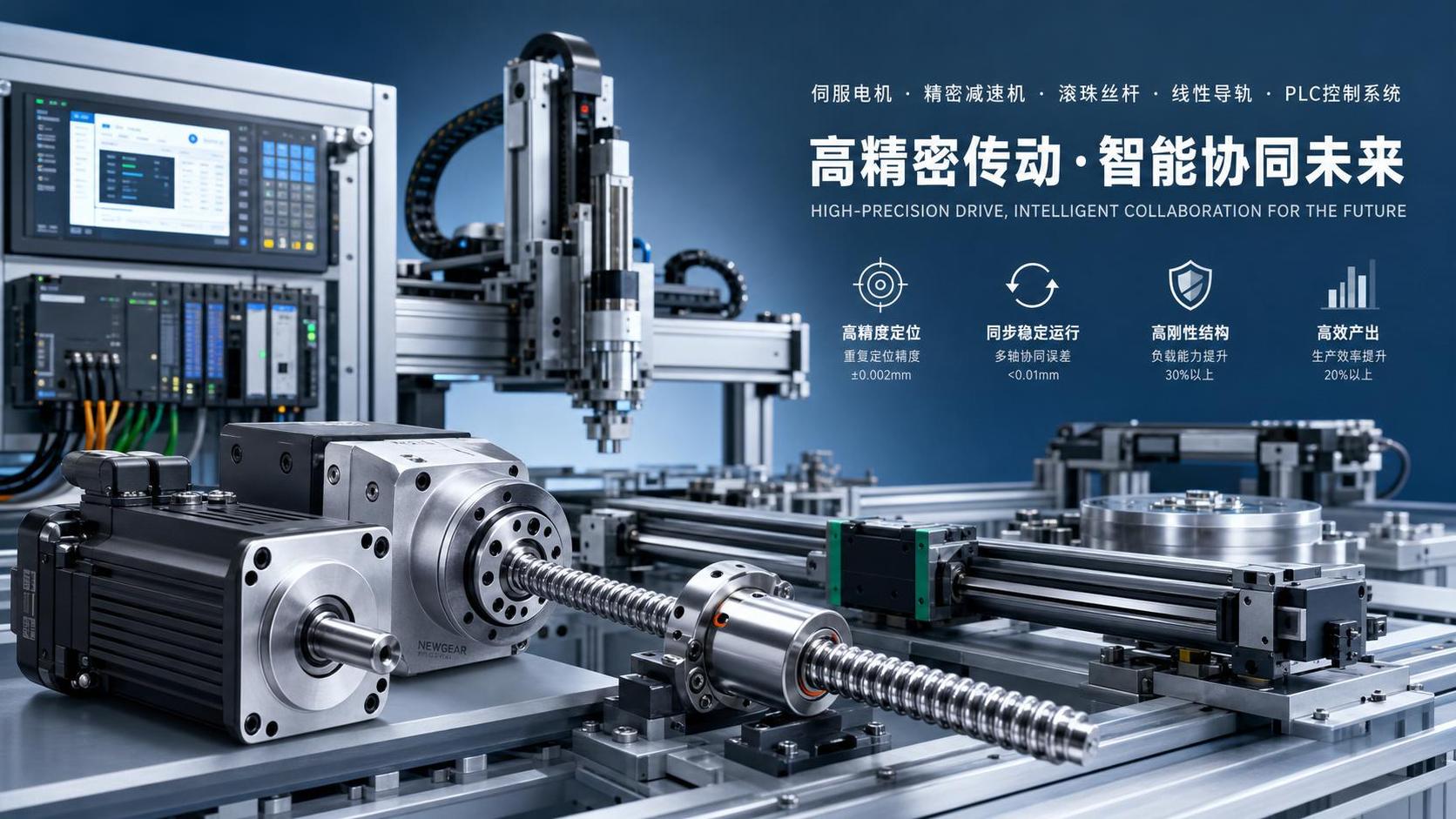
Flexible Manufacturing Solutions for Faster Line Changeovers

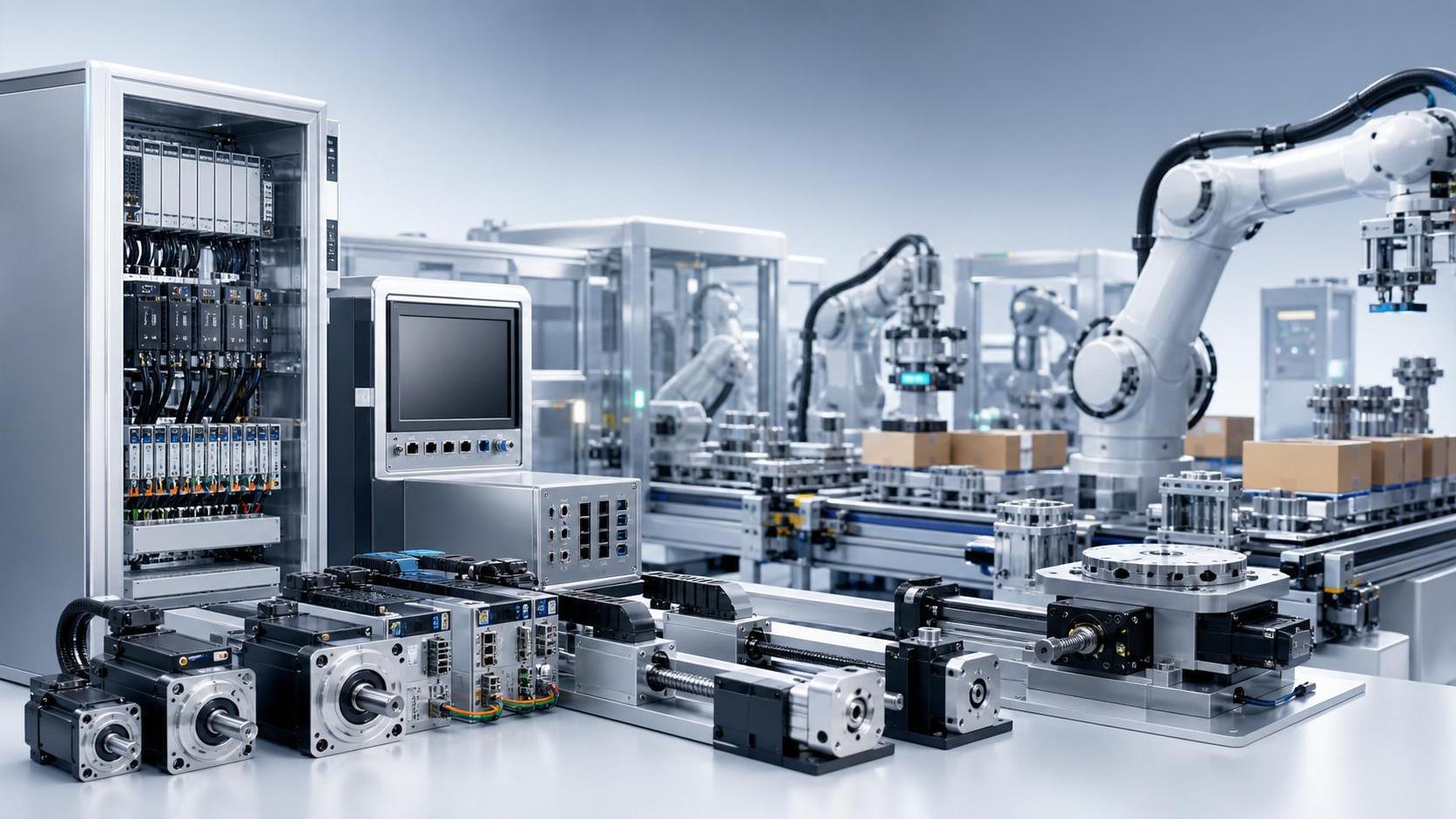
Flexible manufacturing solutions start with the changeover problem
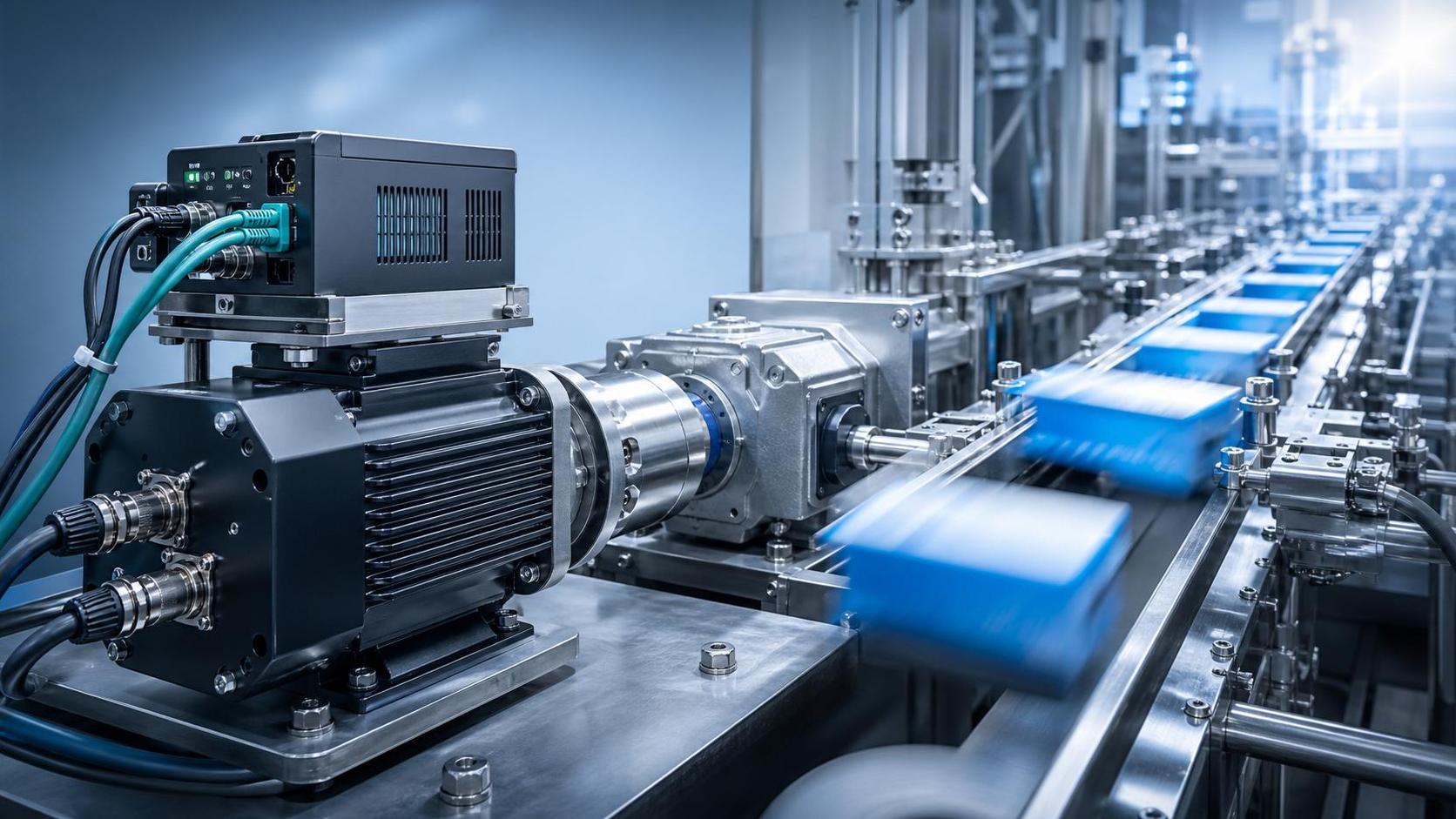
Flexible manufacturing solutions are most valuable when line changeovers must happen faster, yet quality cannot drift and uptime cannot be sacrificed. In mixed-production plants, the real pressure is not only speed. It is the ability to switch recipes, tooling, motion profiles, and inspection logic without creating hidden instability.
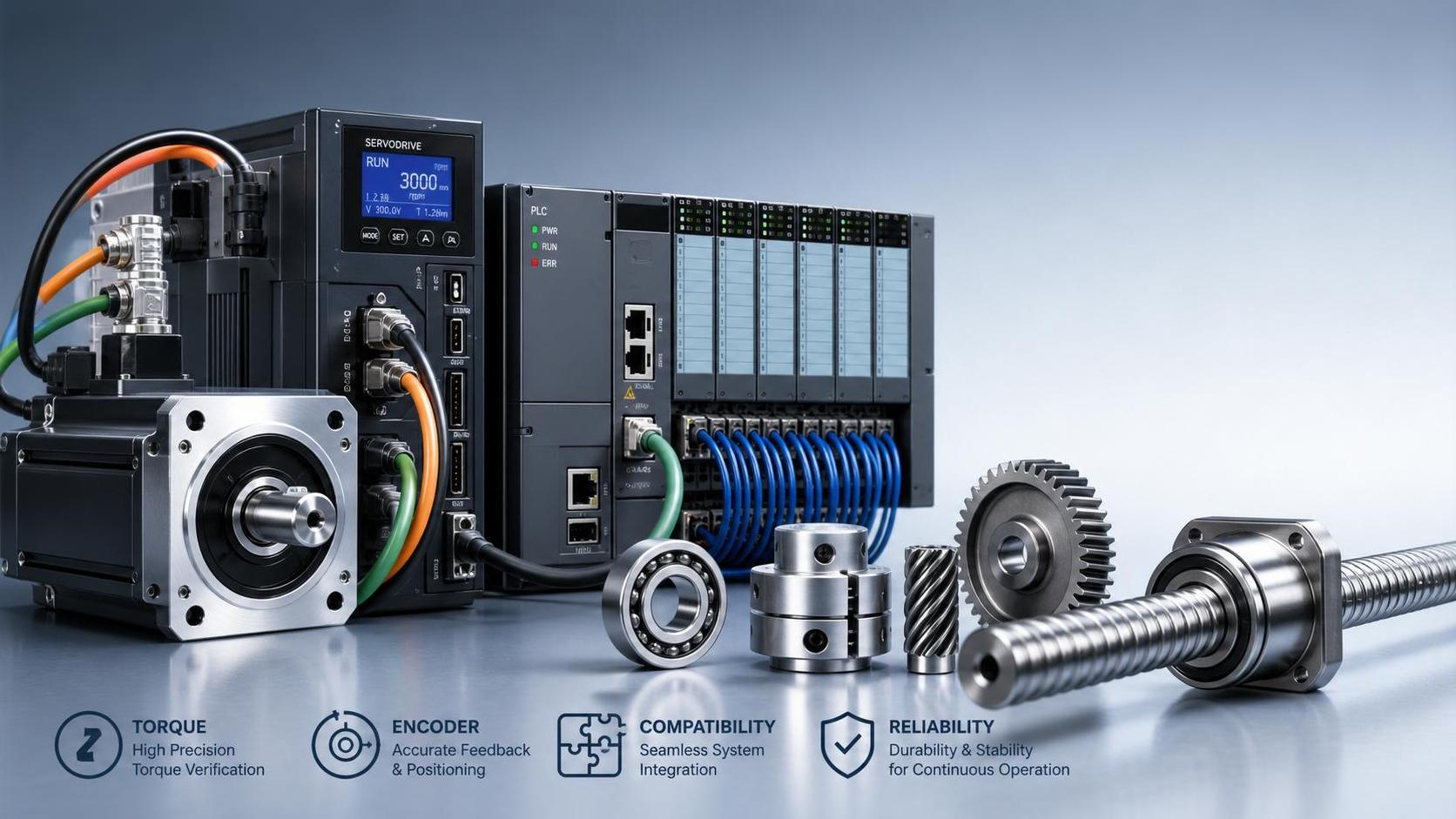
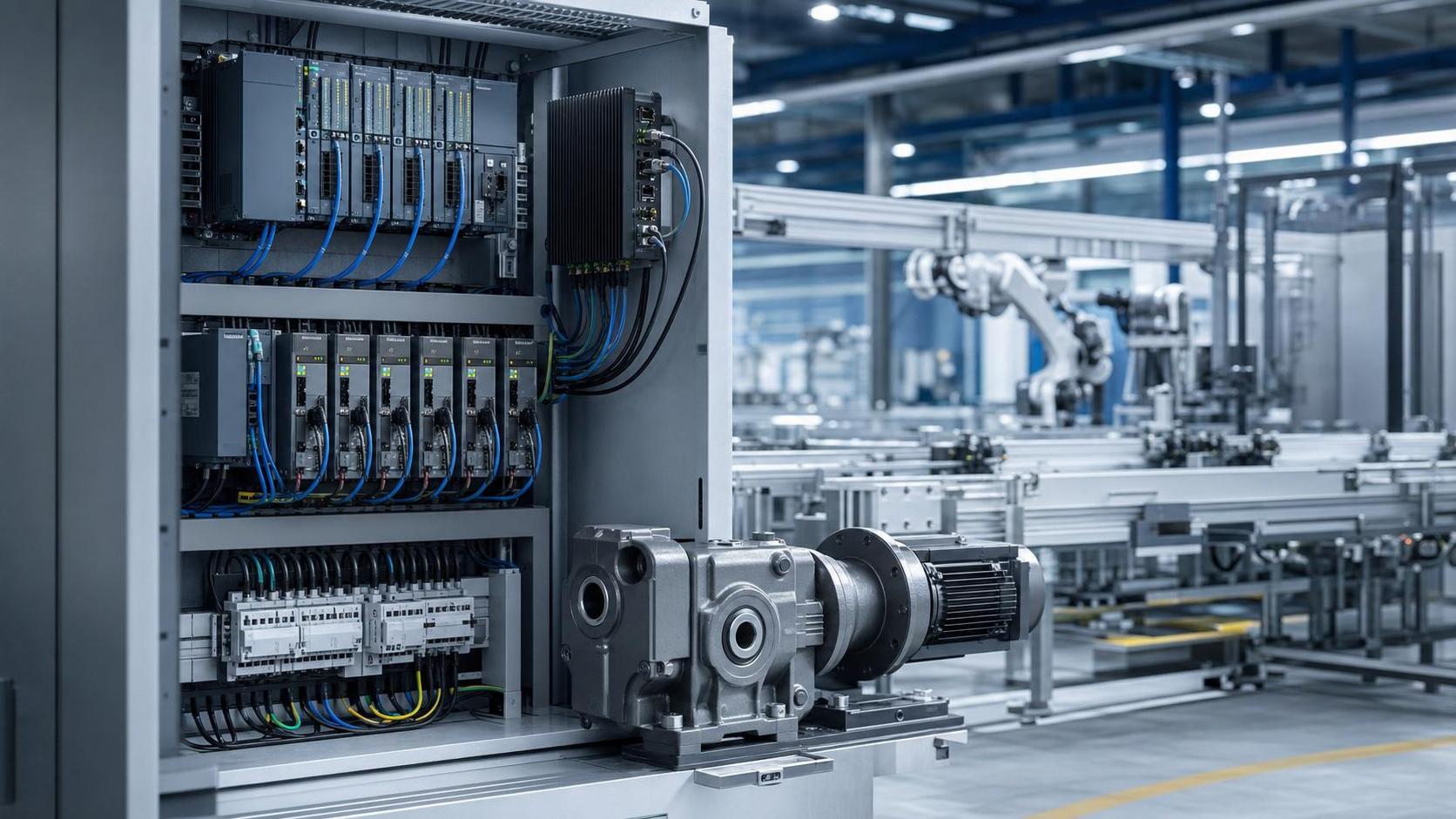
That is why servo systems, PLC/DCS control, precision transmission, and industrial computing need to be judged as one execution stack. IAMC’s focus on motion control and edge intelligence reflects this reality: the line changes fastest when control logic, mechanical response, and data handling are tuned together rather than optimized in isolation.
In practice, faster changeovers are not achieved by pushing one parameter harder. They come from removing rework, shortening verification steps, and keeping motion repeatable when product size, load, or process route changes.
Why different lines need different flexibility
A packaging line, an assembly cell, and a precision machining station may all claim to need flexibility, but the bottlenecks are not the same. One may be limited by servo tuning and recipe download time. Another may be constrained by changeover handling and axis synchronization. A third may lose time in validation because data must be checked across multiple stations.
This is where flexible manufacturing solutions become a decision framework rather than a slogan. The key question is not whether the line can switch. It is how much change can happen before motion accuracy, communication stability, or maintenance effort starts to rise.
High-mix packaging and consumer goods
These lines usually change product format often, so speed of recipe execution matters more than extreme mechanical complexity. Servo motors with fast current-loop response help keep acceleration and positioning stable across repeated switches, while PLC/DCS logic should make parameter loading predictable and easy to verify.
The common mistake is focusing only on cycle time. If the system needs manual recalibration after every format change, the line is not truly flexible. A better fit is a control architecture that stores validated motion profiles, limits operator steps, and confirms readiness through clear interlocks.
Robotics and coordinated assembly
Here, precision reducers, servo axes, and synchronization logic shape the changeover result. When tooling or part geometry changes, the system must preserve repeatability even under different payloads and reach angles. RV and harmonic reducers are often selected for compact torque delivery, but backlash, thermal drift, and fatigue behavior still need attention.
In these cases, flexible manufacturing solutions should include motion profiles that can be adjusted without disturbing the robot’s kinematic baseline. IAMC-style intelligence is useful here because the real issue is not just mechanics. It is knowing how algorithms, load paths, and wear patterns interact over long production runs.
CNC, forming, and precision motion stations
When the line depends on linear guides, ball screws, and precise feed motion, the main challenge is not recipe switching alone. It is maintaining accuracy after tool or fixture changes. A small mismatch in guide preload or screw compensation can turn a fast changeover into a slow correction cycle.
This is why the mechanical layer matters as much as the controller. The most practical flexible manufacturing solutions use repeatable reference points, stable transmission structures, and clear maintenance intervals so that each switch remains predictable instead of becoming a new tuning event.
What to compare before choosing the control path
A useful comparison is not “which system is advanced,” but “which system reduces the number of uncertain steps during changeover.” The table below shows how the same flexibility goal can require different technical emphasis.
The point of this comparison is simple. Flexible manufacturing solutions should reduce uncertainty at the exact moment the line changes state. If a platform is powerful but slow to validate, it may be less useful than a simpler one with cleaner handoff logic and stronger recovery behavior.
Where IAMC-linked intelligence changes the decision
IAMC’s perspective is valuable because line changeovers are increasingly limited by detail-level issues. Notch filter tuning can suppress resonance after a tool swap. SoftPLC jitter can affect synchronization when scan conditions shift. Harmonic reducer fatigue models help estimate how often precision will hold under repeated movement cycles.
Industrial edge computing also matters more than many teams expect. When inspection data, motion feedback, and fault logs are processed locally, the line can confirm state faster and avoid unnecessary stoppages. That becomes especially important in high-mix production, where a slow verification loop can erase the time saved by automation.
The useful lesson is that flexible manufacturing solutions should be measured by how well they stitch together control precision, transmission stability, and real-time computing under changing load conditions.
Common misjudgments during implementation
- Treating all changeovers as the same and ignoring product-specific motion differences.
- Checking servo specs but overlooking reducers, guides, and mechanical wear.
- Counting software flexibility while ignoring operator steps and validation time.
- Underestimating the effect of dust, vibration, heat, and EMI on control stability.
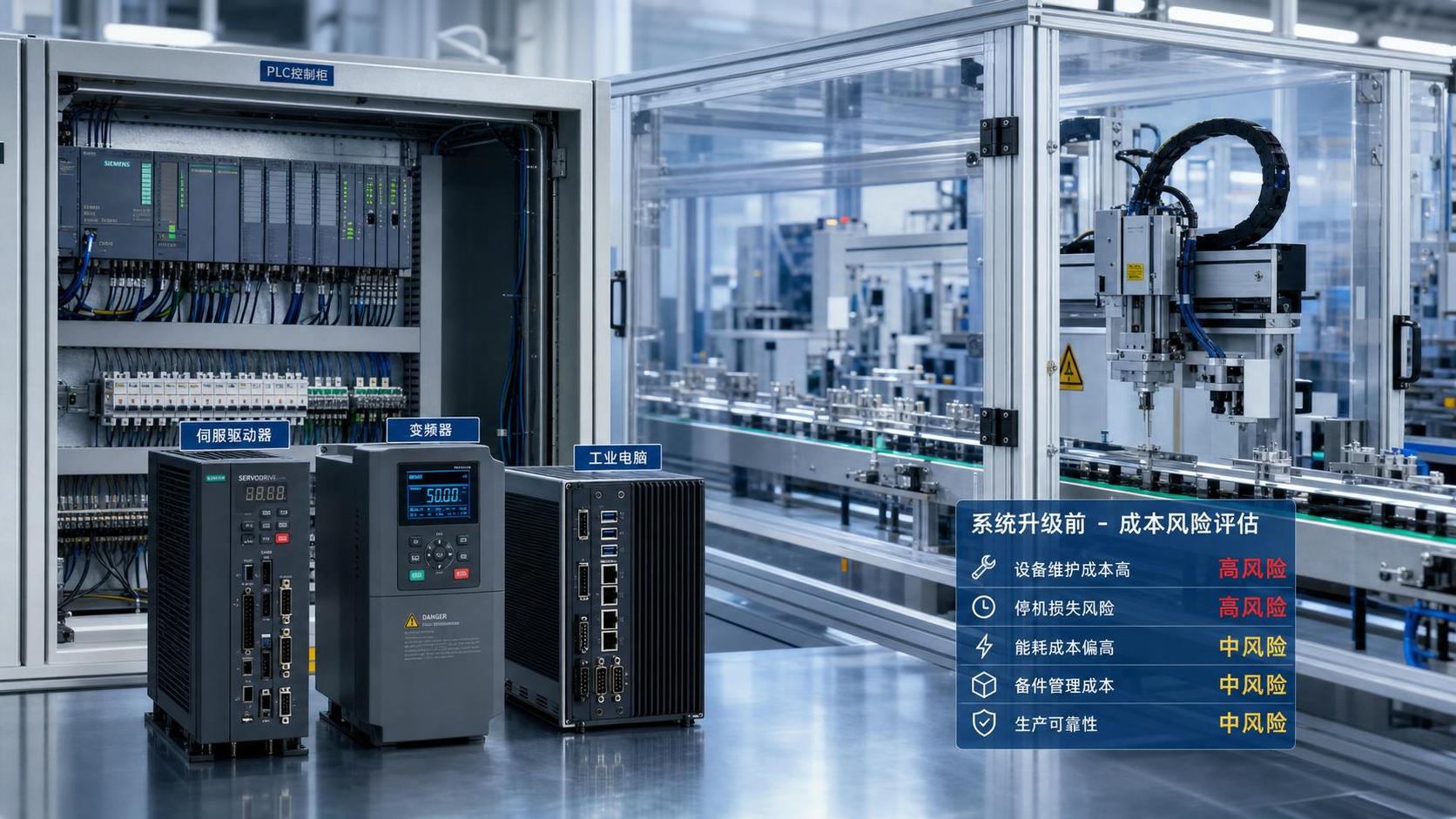
- Optimizing initial cost without planning for maintenance, spares, and update cycles.
These issues often appear after the first few product switches, not during commissioning. That is why flexible manufacturing solutions need to be reviewed against actual runtime patterns, not only commissioning targets.
A practical way to move forward
A strong next step is to map the changeover sequence in detail: what changes, who confirms it, which axis must resettle, and where data is checked. Then compare the control, motion, and compute layers against that sequence. This usually reveals whether the bottleneck is logic, mechanics, or verification.
From there, build a short adaptation list for flexible manufacturing solutions: confirm servo response and tuning margin, verify PLC/DCS recovery logic, review reducer and guide durability, and make sure IPC or edge nodes can process local data without delay. When those pieces align, faster line changeovers become a repeatable operating capability rather than a one-time gain.
The best result is not maximum automation on paper. It is a line that changes quickly, stays accurate, and keeps working when product mix, demand pattern, or process complexity shifts.
Related Recommendations
 Servo Motor Selection Mistakes That Raise Downtime RiskTime : Jun 26, 2026
- Flexible Manufacturing Solutions for Faster Line ChangeoversTime : Jun 26, 2026
- Servo Motor Selection: 7 Key Checks Before BuyingTime : Jun 26, 2026
- Industrial Automation Solutions: Hidden Integration Costs to Check FirstTime : Jun 25, 2026
- Industrial Control Electronics: Cost Risks Before System UpgradeTime : Jun 23, 2026
- Precision Engineering Solutions: When Higher Tolerance Pays OffTime : Jun 22, 2026