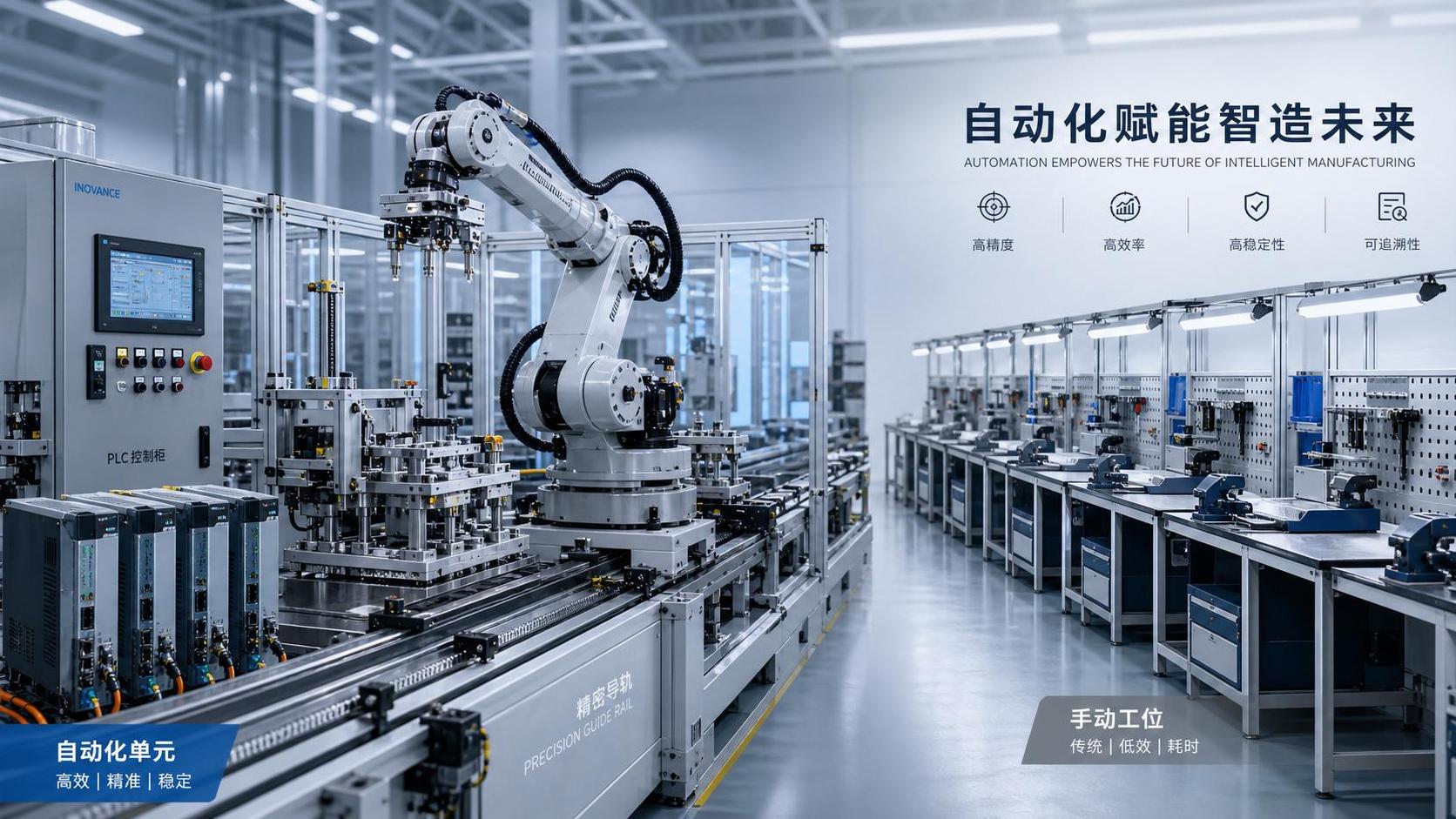
Industrial Automation Solutions: Hidden Integration Costs to Check First

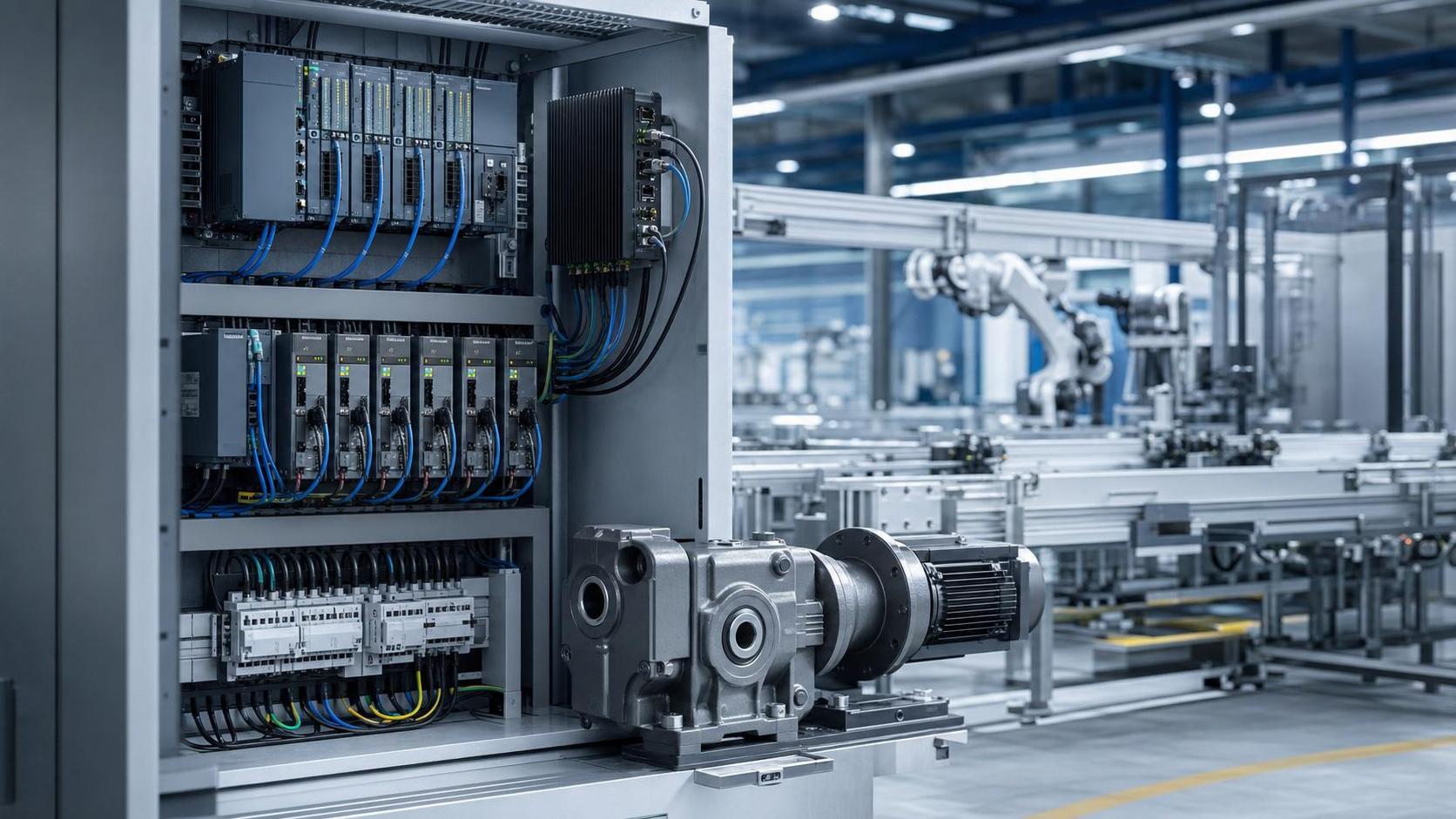
Industrial Automation Solutions: Hidden Integration Costs to Check First
Before approving Industrial Automation solutions, the quoted price is only the visible layer.
In many projects, the real cost appears during integration, testing, retraining, and support.
That gap matters because even a technically strong system can miss its return targets.
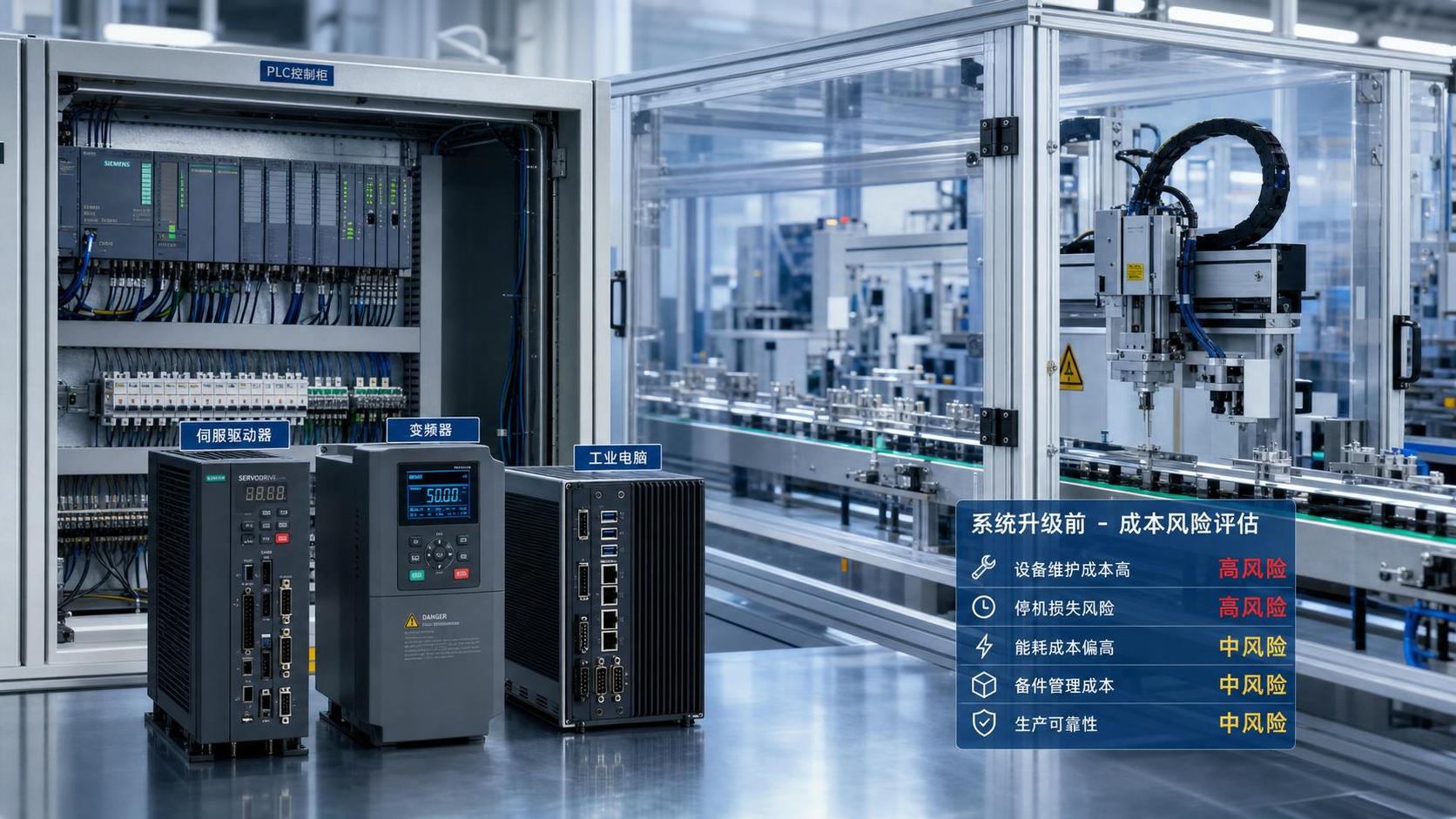
This is especially true when servo systems, PLC platforms, reducers, inverters, and edge computing must work together without delay.
For cost-focused approvals, the first question is not, “What does the package cost?”
A better question is, “What will it take to make these Industrial Automation solutions perform in our plant, at our speed, with our people?”
Why Hidden Integration Costs Distort ROI
Integration costs often arrive in small pieces.
Individually, they look manageable. Together, they can materially change payback timing.
A lower bid for Industrial Automation solutions may require custom middleware, additional drives, network redesign, or longer commissioning support.
That means the cheapest proposal on paper can become the most expensive after deployment.
From a financial view, the risk shows up in four places.
- Capex rises through add-on hardware, engineering hours, and interface licenses.
- Go-live slips, delaying throughput gains and planned labor savings.
- Opex increases through specialist maintenance, software subscriptions, and cybersecurity controls.
- Scalability weakens when one line works, but expansion requires repeating the same custom work.
This is why evaluating Industrial Automation solutions should start with integration assumptions, not just unit pricing.
1. Check PLC, Servo, and Motion Compatibility First
Compatibility is usually the first hidden cost driver.
If a new servo platform does not communicate cleanly with an installed PLC or DCS, extra engineering follows quickly.
That may include protocol gateways, custom drivers, I/O expansion, or even controller replacement.
In high-precision lines, compatibility is not only about signal exchange.
It also affects positioning accuracy, synchronization, scan cycle stability, and fault recovery behavior.
When reviewing Industrial Automation solutions, verify these items early:
- Native support for fieldbus standards already used in the facility.
- Confirmed interoperability between PLC, HMI, servo drives, and inverter families.
- Encoder feedback requirements for precision control and closed-loop performance.
- Real commissioning examples in similar machine speeds or load conditions.
If any answer is vague, budget risk is already present.
2. Audit Mechanical Fit, Not Just Electrical Integration
A common approval mistake is focusing only on controls.
Yet many Industrial Automation solutions fail budgets because mechanical changes were underestimated.
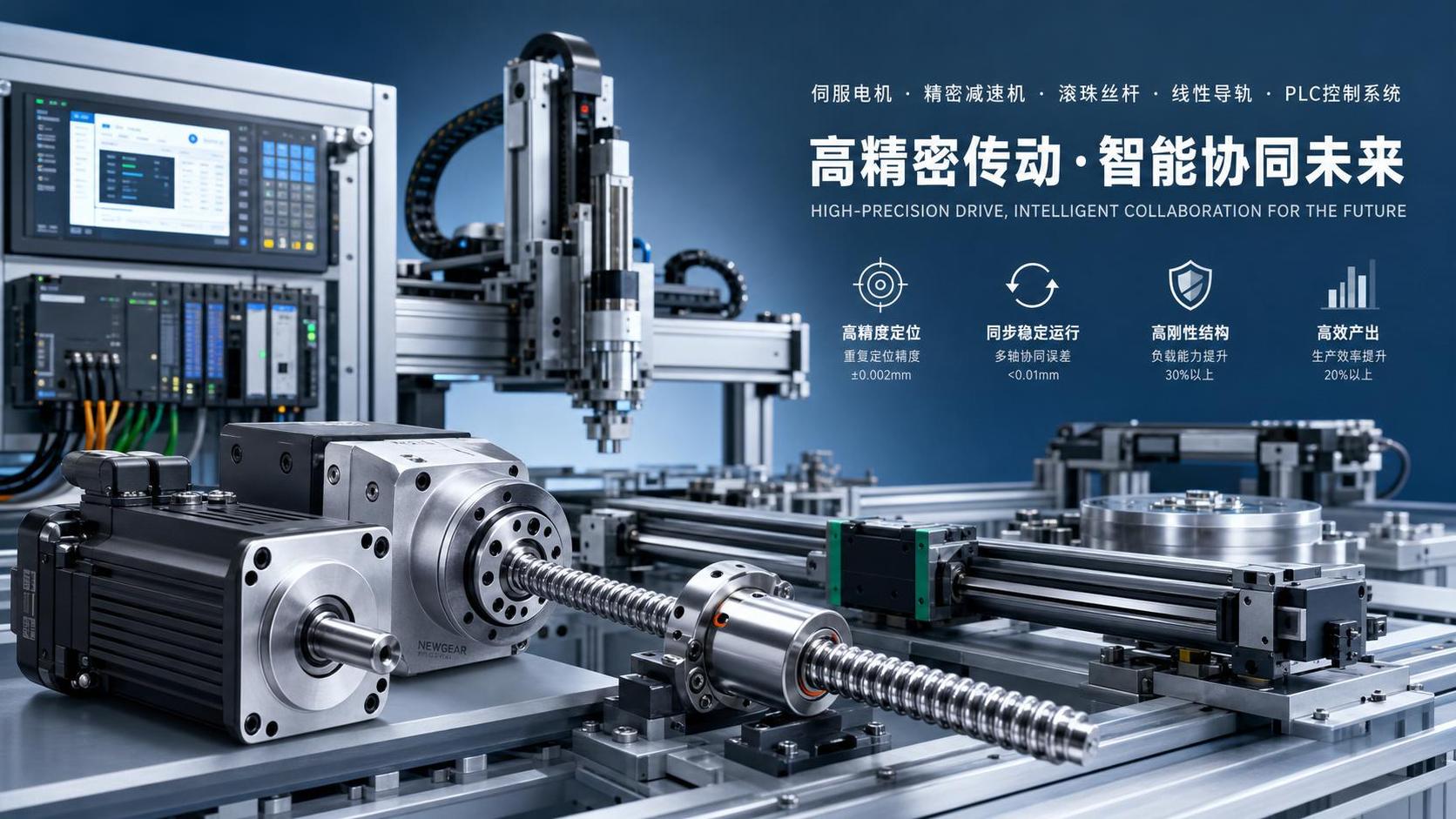
A new motor may require a different mounting pattern, coupling, reducer ratio, shaft alignment, or cooling arrangement.
Linear guides or ball screws may also need tolerance adjustments to maintain expected cycle accuracy.
These modifications create hidden expenses in machining, downtime, spare parts, and contractor labor.
More importantly, mechanical mismatch can reduce the value of even premium Industrial Automation solutions.
If the transmission chain introduces backlash, vibration, or thermal drift, software tuning alone will not recover the expected ROI.
3. Price the Commissioning Window Realistically
Commissioning delays are one of the most underestimated costs in Industrial Automation solutions.
The vendor quote may include startup support, but not the real disruption inside production.
If tuning takes longer, lines stay idle, operators wait, and output targets shift.
That cost rarely appears clearly in automation proposals, yet it directly affects cash flow.
Ask for a line-by-line breakdown of the commissioning plan.
- Pre-install engineering review and risk check.
- Mechanical installation and electrical wiring.
- PLC logic adaptation and motion tuning.
- Trial runs under full production load.
- Final acceptance based on measurable output.
If Industrial Automation solutions are approved without this schedule, time risk becomes budget risk very quickly.
4. Include Training, Change Management, and Support Depth
Technology adoption costs do not stop at installation.
When teams cannot diagnose alarms, adjust recipes, or handle minor faults, service dependence grows.
That creates recurring costs that reduce the long-term value of Industrial Automation solutions.
Training should cover more than basic operation.
- Operators need fault-response confidence.
- Maintenance teams need parts and diagnostics knowledge.
- Engineers need access control, logic backup, and parameter recovery procedures.
- Procurement teams need clarity on spare lead times and support SLAs.
The strongest Industrial Automation solutions usually combine robust hardware with practical knowledge transfer.
5. Don’t Ignore Cybersecurity and Industrial Network Upgrades
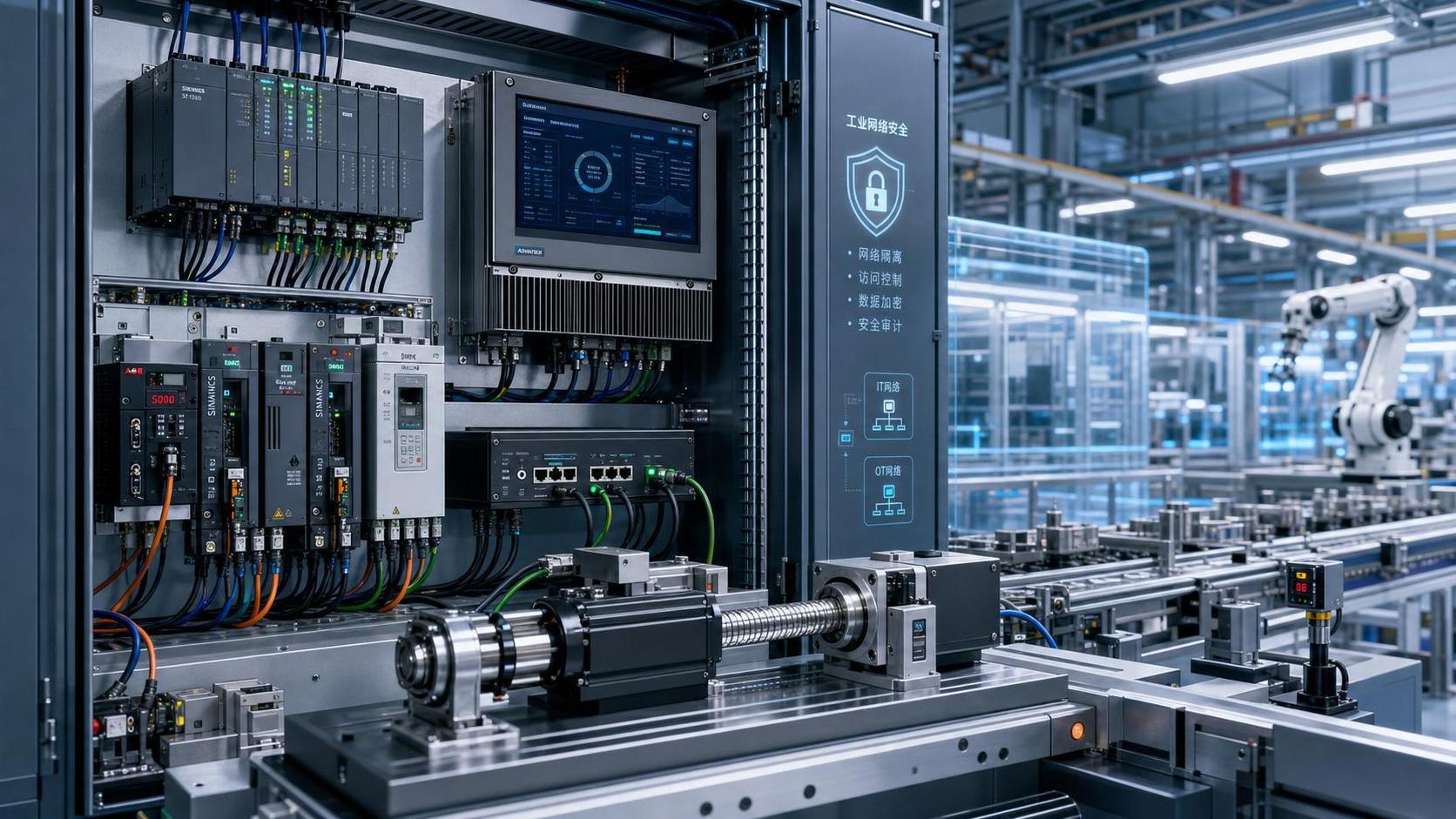
As more automation assets connect to plant networks, cybersecurity costs move closer to the core investment case.
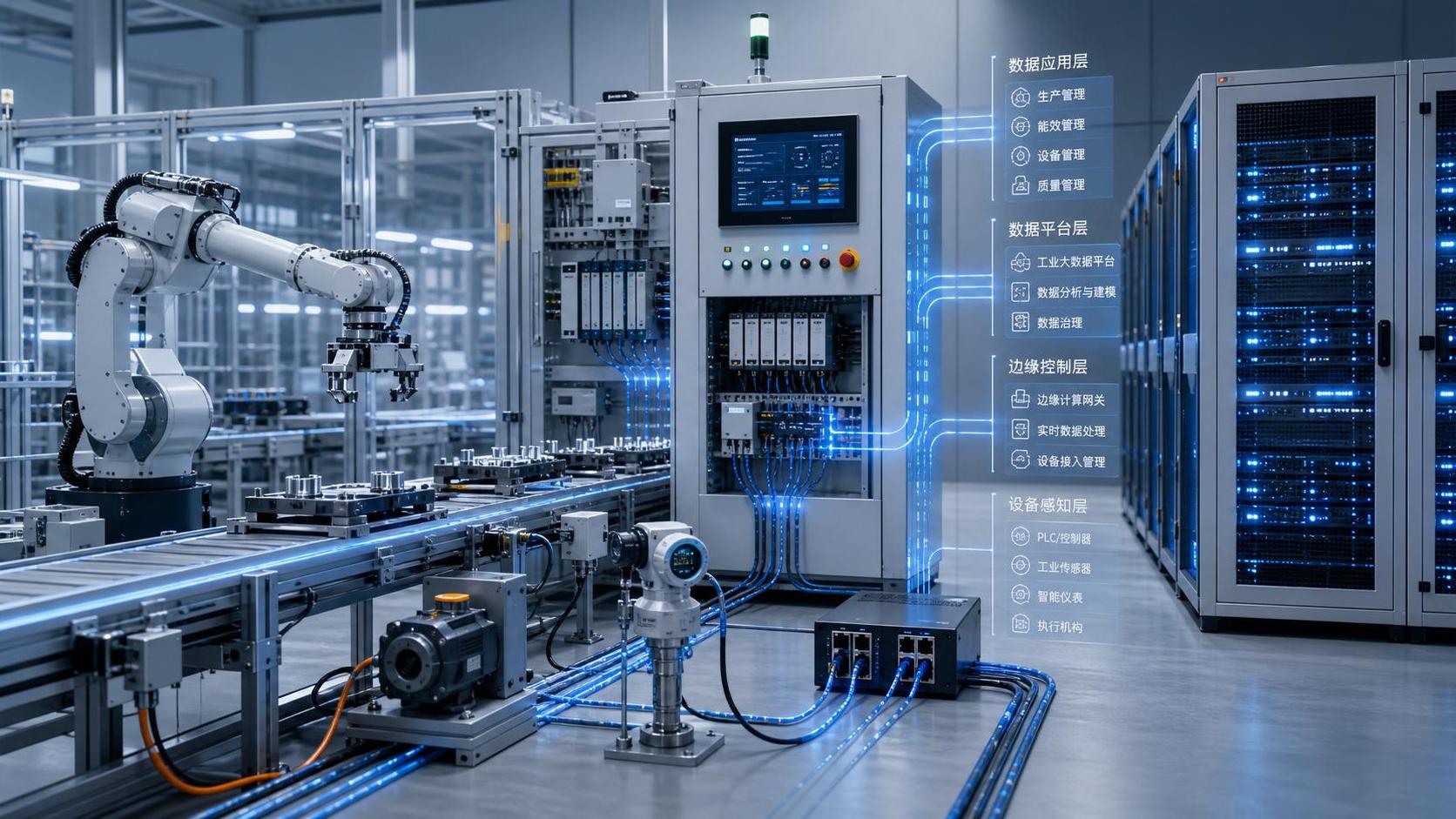
This is especially relevant when Industrial Automation solutions include IPCs, remote access, data collection, or cloud-linked analytics.
A system may require managed switches, segmentation, endpoint hardening, patch management, and authentication upgrades.
Those items are not optional if reliability and compliance matter.
In practical terms, unsecured Industrial Automation solutions can create larger losses than the initial savings they promised.
6. Review Lifecycle Costs, Not Just Purchase Costs
Strong purchasing decisions compare total lifecycle cost across competing Industrial Automation solutions.
That includes spare parts, firmware support, software renewals, field service rates, and product obsolescence risk.
This point matters even more in precision applications.
A low-cost reducer, guide, or drive may increase vibration, wear, or calibration frequency over time.
In that case, maintenance absorbs the savings and operations lose predictability.
This is where market intelligence becomes useful.
Suppliers with proven motion control depth, stable component roadmaps, and realistic support structures usually deliver lower lifetime risk.
A Practical Approval Checklist for Industrial Automation Solutions
Before signing off, use a short approval screen to stress-test each proposal.
- Does the quote list every required interface, license, and accessory?
- Has the vendor proven compatibility with existing PLC and servo architecture?
- Are mechanical retrofit costs fully included?
- Is commissioning time tied to measurable acceptance milestones?
- Are training, cybersecurity, and spare support defined in writing?
- Does the five-year cost model still work if startup slips by several weeks?
That final question is often the most revealing.
If a project only works under perfect timing, the financial case is probably too fragile.
Final Takeaway
The best Industrial Automation solutions are not simply the most advanced or the lowest priced.
They are the ones that integrate cleanly, scale with less rework, and stay reliable across years of production.
For any approval process, start by testing the hidden cost layer first.
Check compatibility, retrofit demands, commissioning exposure, team readiness, cybersecurity, and lifecycle support.
That approach protects ROI and leads to smarter Industrial Automation solutions decisions.
If a supplier can answer those questions clearly, the investment case becomes much stronger and much easier to defend.
Related Recommendations
 Industrial Automation Solutions: Hidden Integration Costs to Check FirstTime : Jun 25, 2026
- Industrial Control Electronics: Cost Risks Before System UpgradeTime : Jun 23, 2026
- Precision Engineering Solutions: When Higher Tolerance Pays OffTime : Jun 22, 2026
- Industrial Digital Transformation: 7 Costly Missteps to AvoidTime : Jun 22, 2026
- Industrial Cyber-Physical Systems: Key Risks, Standards, and ControlsTime : Jun 21, 2026
- Industrial Robotics vs Manual Cells: When Does Automation Pay Off?Time : Jun 21, 2026