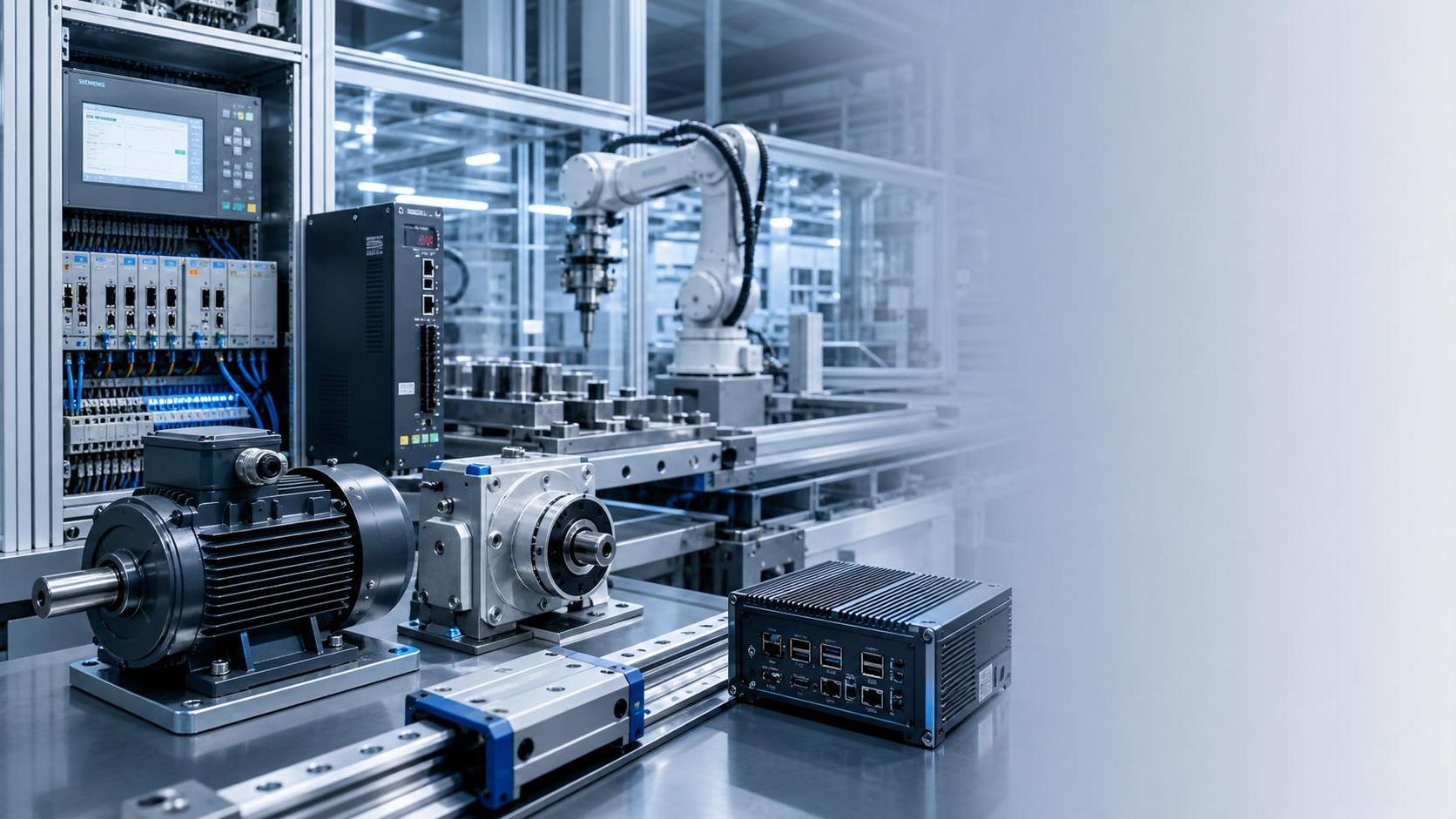
Industrial Control Components: Avoid Spec Mismatch Early

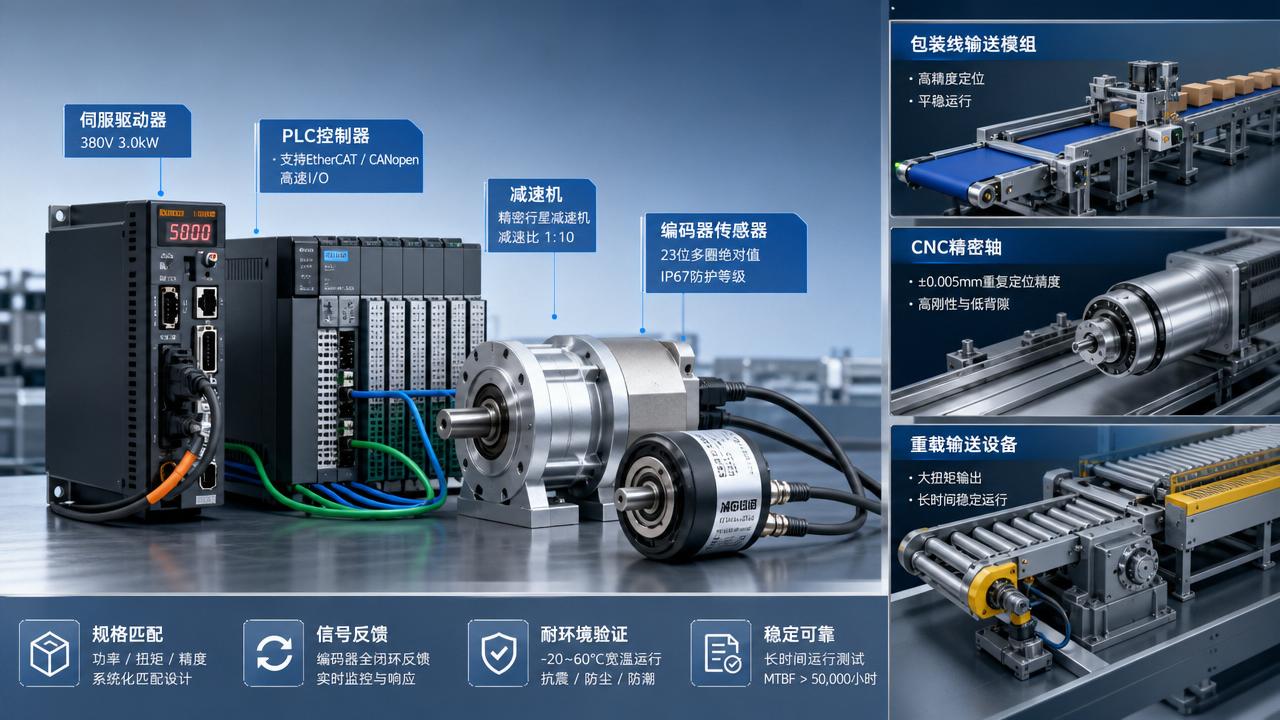
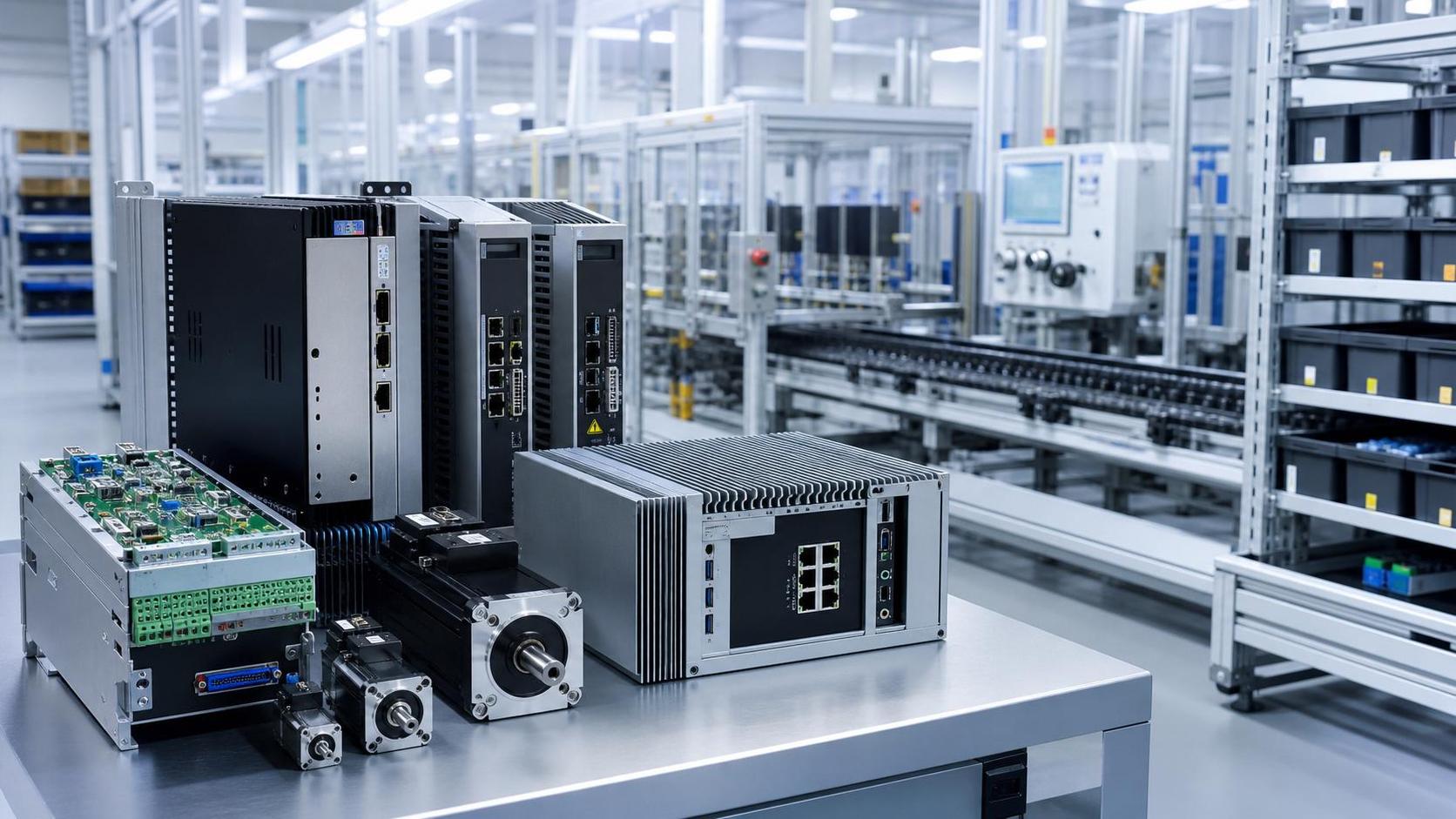
Choosing Industrial Control Components without checking fit at the beginning often creates hidden problems before startup begins.
Voltage mismatch, wrong torque margins, unsupported feedback types, and incompatible protocols can slow installation and weaken system stability.
In broad industrial environments, early comparison matters because each machine scene places different demands on motion, control, durability, and safety.
This guide explains how to evaluate Industrial Control Components by scenario, so specification mismatches are found before procurement, wiring, and commissioning.
Why scenario-based matching matters before selecting Industrial Control Components
A packaging line, a CNC axis, and a dusty conveyor may all use drives, PLCs, reducers, and sensors.
Yet their speed profiles, stopping accuracy, communication demands, and environmental exposure are completely different.
That is why Industrial Control Components should never be compared by part number alone.
The practical question is not whether a component works in theory.
The real question is whether it works in the target scene, under the real load, power quality, feedback method, and control architecture.
Early scene validation also reduces rework in panel design, cable routing, software mapping, thermal planning, and safety verification.
Scene 1: Fast packaging and assembly lines need timing accuracy first
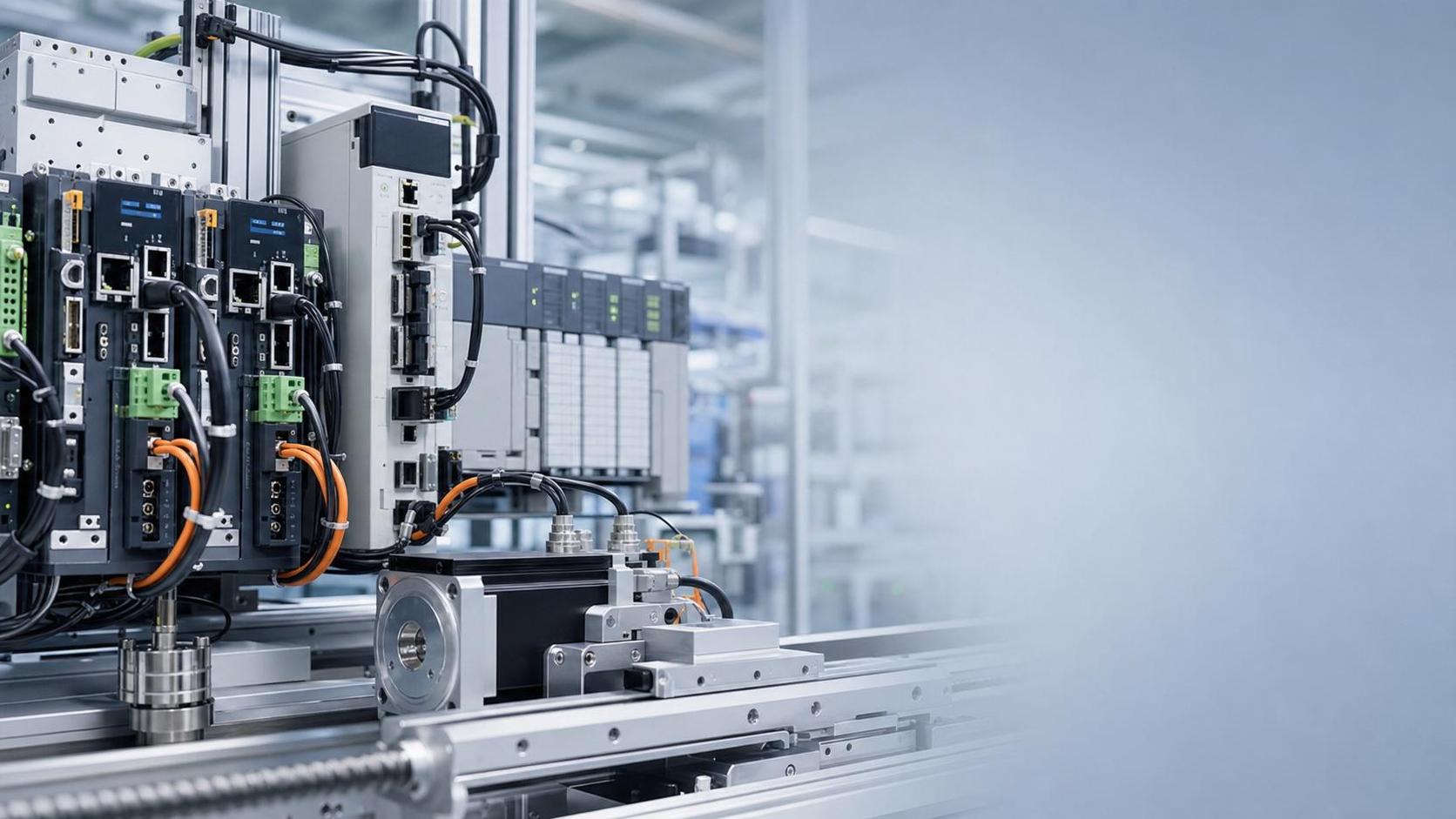
High-speed packaging and light assembly systems usually prioritize cycle time, repeatability, and stable synchronization between axes.
In this scene, Industrial Control Components should be checked for acceleration response, encoder resolution, network latency, and camming support.
A motor may meet rated speed, but fail during repeated short bursts.
A PLC may support logic control, but not deterministic motion coordination at the required scan performance.
Key checks for this scene
- Peak torque versus actual acceleration demand
- Feedback resolution for registration accuracy
- Motion bus compatibility with controller architecture
- Drive response under frequent start-stop cycles
- I/O refresh behavior for sensors and actuators
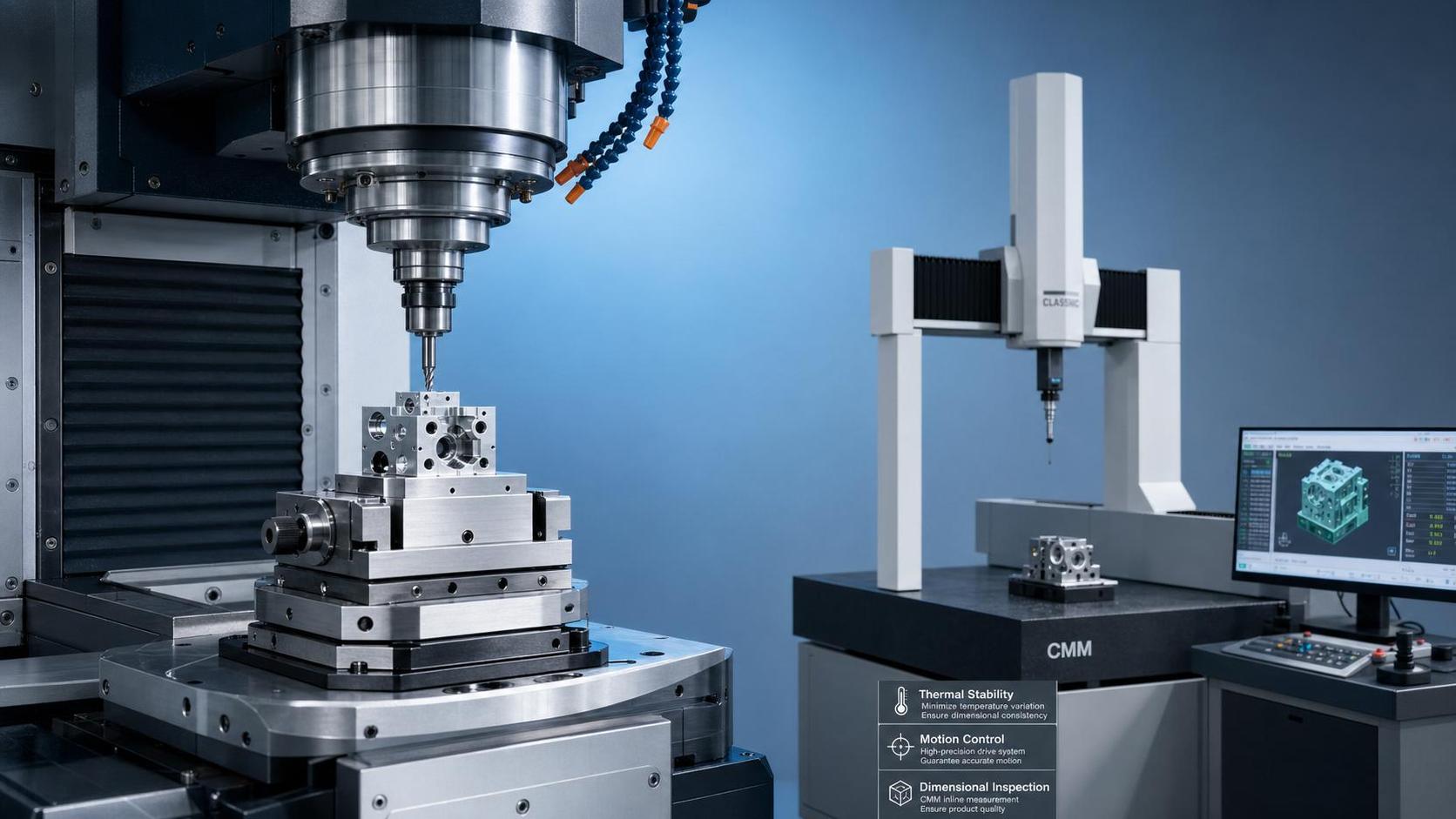
Scene 2: CNC and precision handling systems need stiffness and feedback alignment
Precision machines require more than motor rotation.
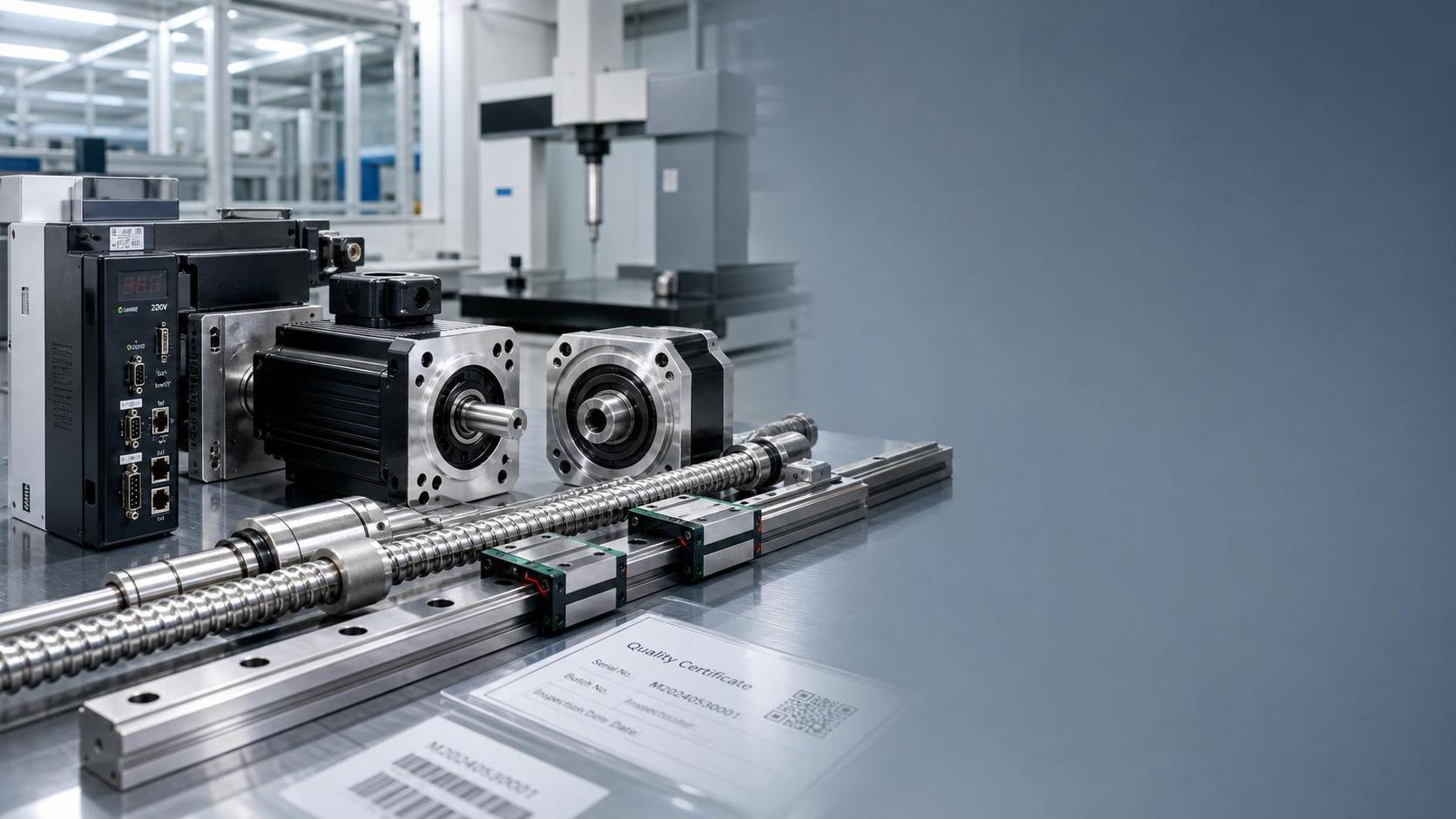
They depend on tightly matched servo control, reducers, ball screws, guides, and structural rigidity.
Here, Industrial Control Components must be assessed as a chain, not as isolated items.
Wrong reducer backlash, poor encoder matching, or weak resonance suppression can erase theoretical positioning accuracy.
Even a suitable drive may perform poorly if inertia ratio and mechanical compliance are ignored.
Core judgment points
- Backlash tolerance across reducer and transmission path
- Encoder type, single-turn or multi-turn requirements
- Inertia matching between motor and driven mechanism
- Vibration behavior at target speed bands
- Controller support for notch filtering and tuning tools
Scene 3: Heavy conveyors and process equipment need durability under harsh conditions
Conveying, pumping, mixing, and continuous process systems often run in heat, dust, humidity, shock, or unstable power environments.
For these scenes, Industrial Control Components must be checked for enclosure level, thermal derating, overload profile, and maintenance access.
An inverter that matches motor power on paper may still fail if ambient temperature raises internal stress.
A compact IPC may fit the cabinet, yet suffer from vibration, fan contamination, or storage instability.
What deserves attention
- Actual duty cycle, not only rated capacity
- Ingress protection and cooling path design
- Power fluctuation tolerance and EMC resistance
- Bearing life and lubrication intervals
- Spare part availability for long operation windows
How Industrial Control Components differ across common application scenes
Practical fit checks before finalizing Industrial Control Components
A useful review process should compare electrical, mechanical, software, and environmental data together.
This prevents a situation where each item is valid alone, but the system fails as a whole.
Recommended checklist
- Confirm supply voltage, phase type, grounding method, and power quality.
- Match rated torque, peak torque, speed range, and overload duration.
- Verify encoder protocol, resolution, connector type, and cable length limits.
- Check PLC, drive, HMI, IPC, and fieldbus interoperability.
- Review cabinet temperature, dust level, vibration, and humidity exposure.
- Validate safety functions, stop categories, and compliance requirements.
- Simulate the real load cycle instead of using nameplate assumptions.
Common misjudgments when comparing Industrial Control Components
Many early mistakes happen because one visible parameter receives too much attention.
A higher power motor, for example, does not automatically improve control quality.
- Selecting by rated power while ignoring acceleration and inertia
- Assuming all communication protocols offer equal determinism
- Ignoring brake requirements for vertical or suspended loads
- Using laboratory temperature data for hot production spaces
- Overlooking connector standards and field wiring constraints
- Treating feedback devices as interchangeable across control platforms
These errors can affect startup time, tuning quality, spare inventory, and long-term equipment reliability.
A smarter next step for avoiding spec mismatch early
The best approach is to build a scene-based comparison sheet before selecting Industrial Control Components.
List the actual motion profile, electrical conditions, control architecture, and environmental constraints for each machine section.
Then compare candidate components against those real conditions, not just catalog values.
This method supports better decisions for servo motors, PLC or DCS platforms, reducers, linear motion parts, inverters, and IPC integration.
When Industrial Control Components are aligned early, commissioning becomes smoother, machine behavior becomes more predictable, and production risk drops significantly.
For technical planning, use this article as a starting framework and turn every requirement into a measurable checkpoint before purchase approval.
Related Recommendations
 How to Evaluate an Industrial Control Electronics ManufacturerTime : Jul 04, 2026
- Micron-Tolerance Components: What Really Affects CNC AccuracyTime : Jul 03, 2026
- How ISO-Certified CNC Motion Components Reduce Supply RiskTime : Jul 03, 2026
- When Motion Control Solutions Fail: Common Integration Gaps to FixTime : Jul 02, 2026
- Manufacturing Automation ROI: Where Operating Costs Drop FirstTime : Jul 01, 2026
- Industrial Equipment Solutions Provider: What to Check Before You CommitTime : Jul 01, 2026