Automation Component Suppliers: How to Compare Total Cost

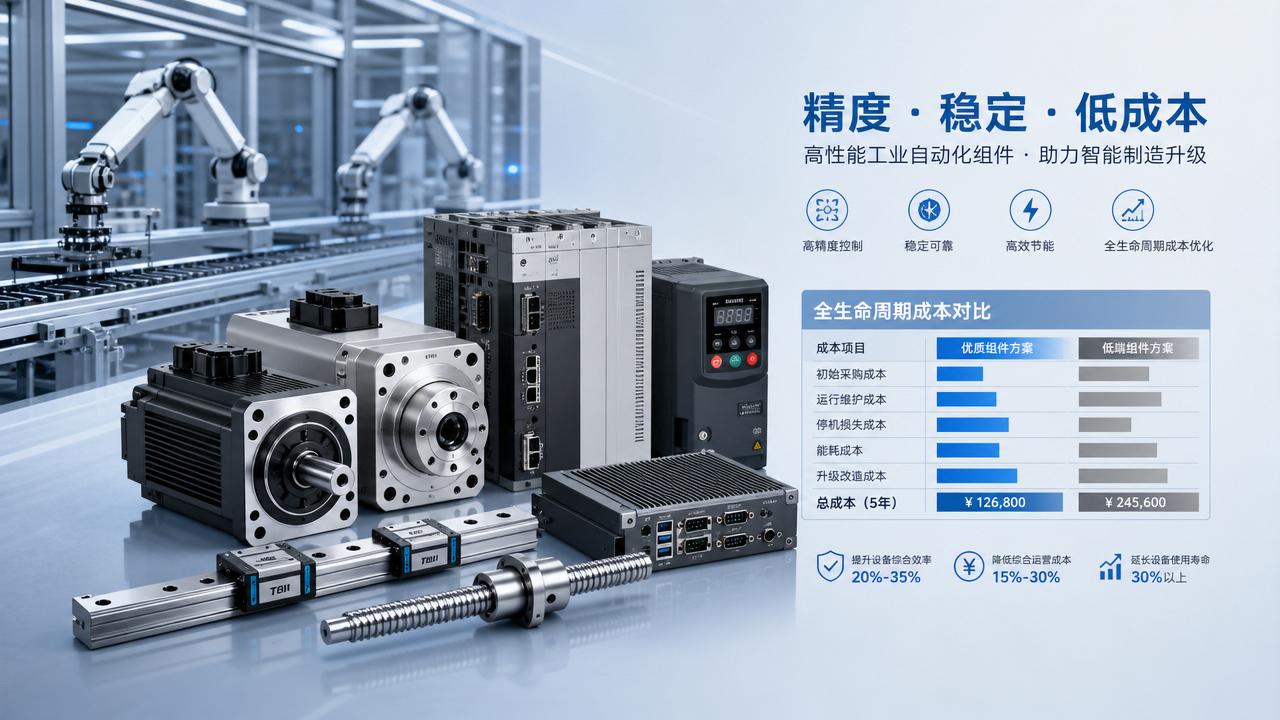
Choosing among Automation Component Suppliers is not only a price exercise. It affects uptime, motion accuracy, maintenance burden, spare availability, and expansion flexibility across the full equipment lifecycle.
A lower quote can become a higher cost decision when failures, tuning delays, software limits, or long replenishment cycles interrupt production. A structured total cost comparison helps prevent those hidden losses.
For industrial automation projects, the smartest sourcing decision starts with the real application scenario. Different operating environments place very different demands on Automation Component Suppliers.
Why scenario context changes the real cost comparison
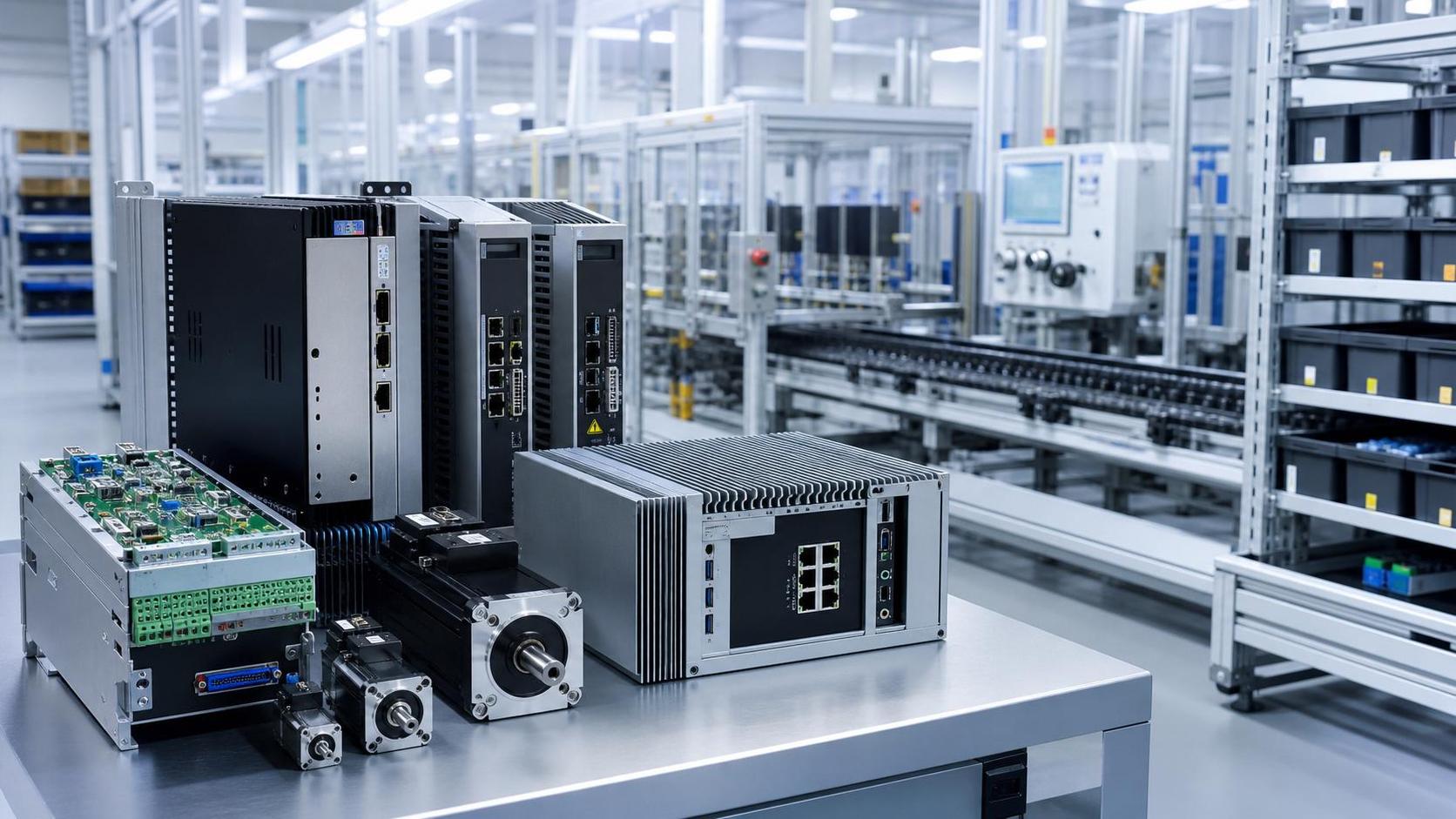
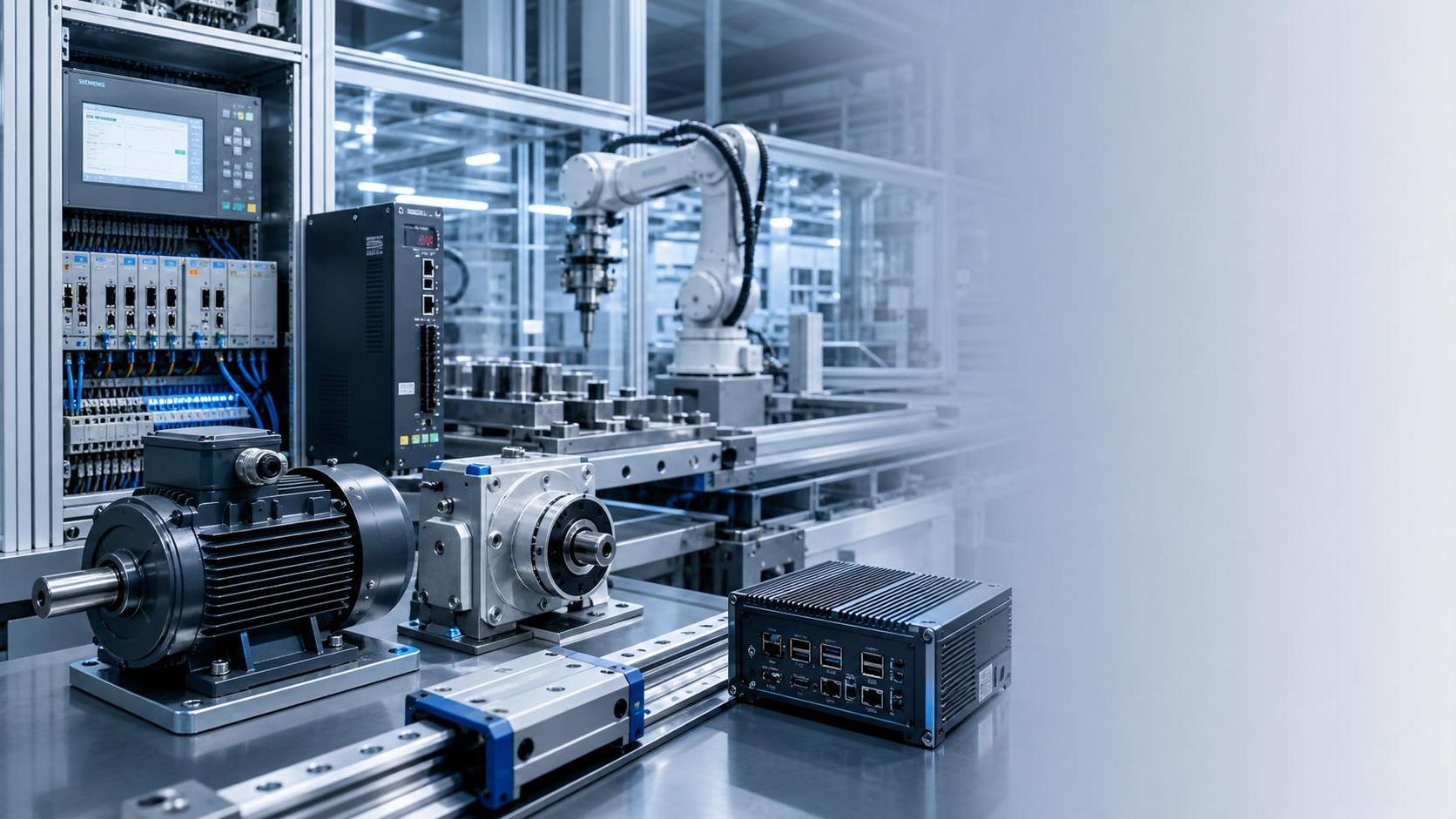
Total cost varies because components do not perform in isolation. Servo motors, PLCs, reducers, inverters, linear guides, and IPCs interact with load profiles, temperature, vibration, and software logic.
That means the best Automation Component Suppliers for one plant may not be the best choice for another. Cost performance depends on duty cycle, precision targets, and service conditions.
A food packaging line may prioritize washdown resistance and easy changeover. A CNC cell may value micron-level repeatability. A robot integrator may care most about backlash stability and delivery continuity.
The five cost layers behind every supplier quote
- Initial purchase price and integration accessories
- Installation, commissioning, and tuning time
- Operating efficiency, energy use, and scrap impact
- Maintenance, spare parts, and downtime risk
- Upgrade compatibility and long-term technical support
When comparing Automation Component Suppliers, all five layers should be scored. Ignoring even one layer often distorts the business case.
Scenario 1: High-precision motion systems require stability over low sticker price
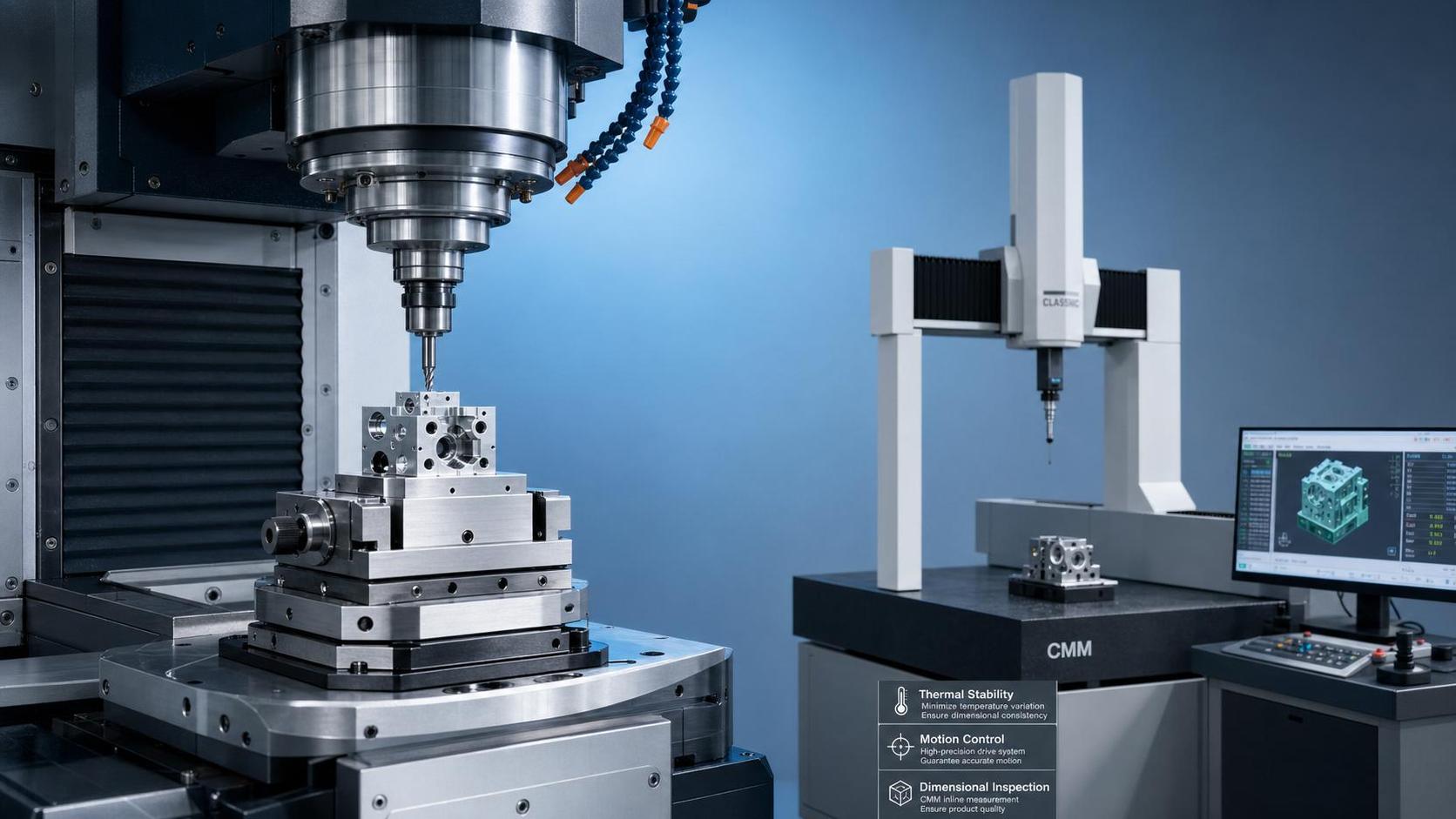
In precision assembly, CNC positioning, semiconductor handling, and metrology equipment, tiny deviations create oversized losses. Here, component quality directly affects output consistency and calibration intervals.
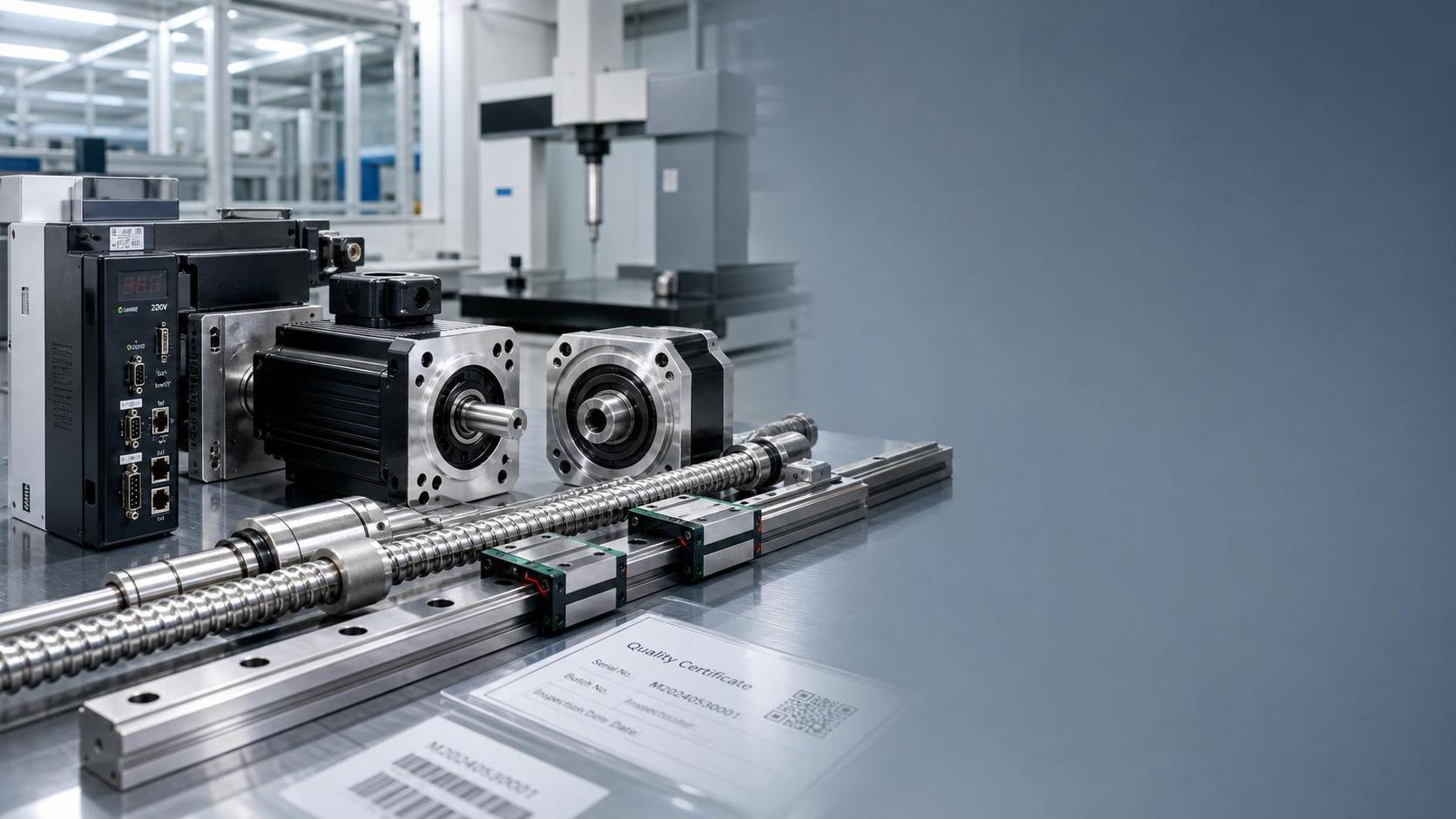
The strongest Automation Component Suppliers in this scenario prove encoder resolution, backlash control, servo response, thermal drift, and repeatability under real loads, not only under catalog conditions.
Key judgment points
- Positioning repeatability across full duty cycles
- Mechanical resonance suppression and tuning tools
- Reducer fatigue life and backlash retention
- Guide rail preload stability and lubrication demands
- Controller scan consistency and motion synchronization
A lower-cost supplier can become expensive if repeated tuning extends commissioning by weeks. Lost engineering time is a real total cost line item.
Scenario 2: High-volume production lines need uptime and fast replacement
In packaging, material handling, automotive subassembly, and logistics conveyors, the largest hidden cost is unplanned stoppage. Here, support responsiveness often matters more than premium specifications.
Reliable Automation Component Suppliers for these lines provide stable stock, local service, standardization options, and straightforward part interchangeability across multiple machines.
Key judgment points
- Mean time to replacement and spare stock coverage
- Failure rate consistency across batches
- Remote diagnostics, alarm history, and troubleshooting tools
- Firmware stability and update discipline
- Training quality for maintenance teams
If a line loses thousands per hour, a shorter lead time from Automation Component Suppliers may outweigh a modest purchase discount from a slower source.
Scenario 3: Harsh industrial environments reward durability and protection design
Mining, metals, marine, outdoor handling, and dusty process industries create stress that quickly exposes weak design choices. Environmental fit becomes a major total cost driver.
In these cases, strong Automation Component Suppliers should demonstrate sealing, corrosion resistance, thermal management, shock tolerance, and stable operation under voltage fluctuation.
Key judgment points
- IP rating relevance to actual contamination
- Bearing, cable, and connector life in vibration
- Temperature derating under continuous operation
- EMC resilience for controls and drives
- Preventive maintenance interval under site conditions
A component that passes laboratory tests but fails in contaminated air creates replacement labor, collateral damage, and restart costs far above the original quote difference.
Scenario 4: Flexible manufacturing values compatibility and scaling potential
Lines designed for product variation, recipe switching, and modular expansion need more than reliable hardware. They need ecosystems that support change without heavy redesign.
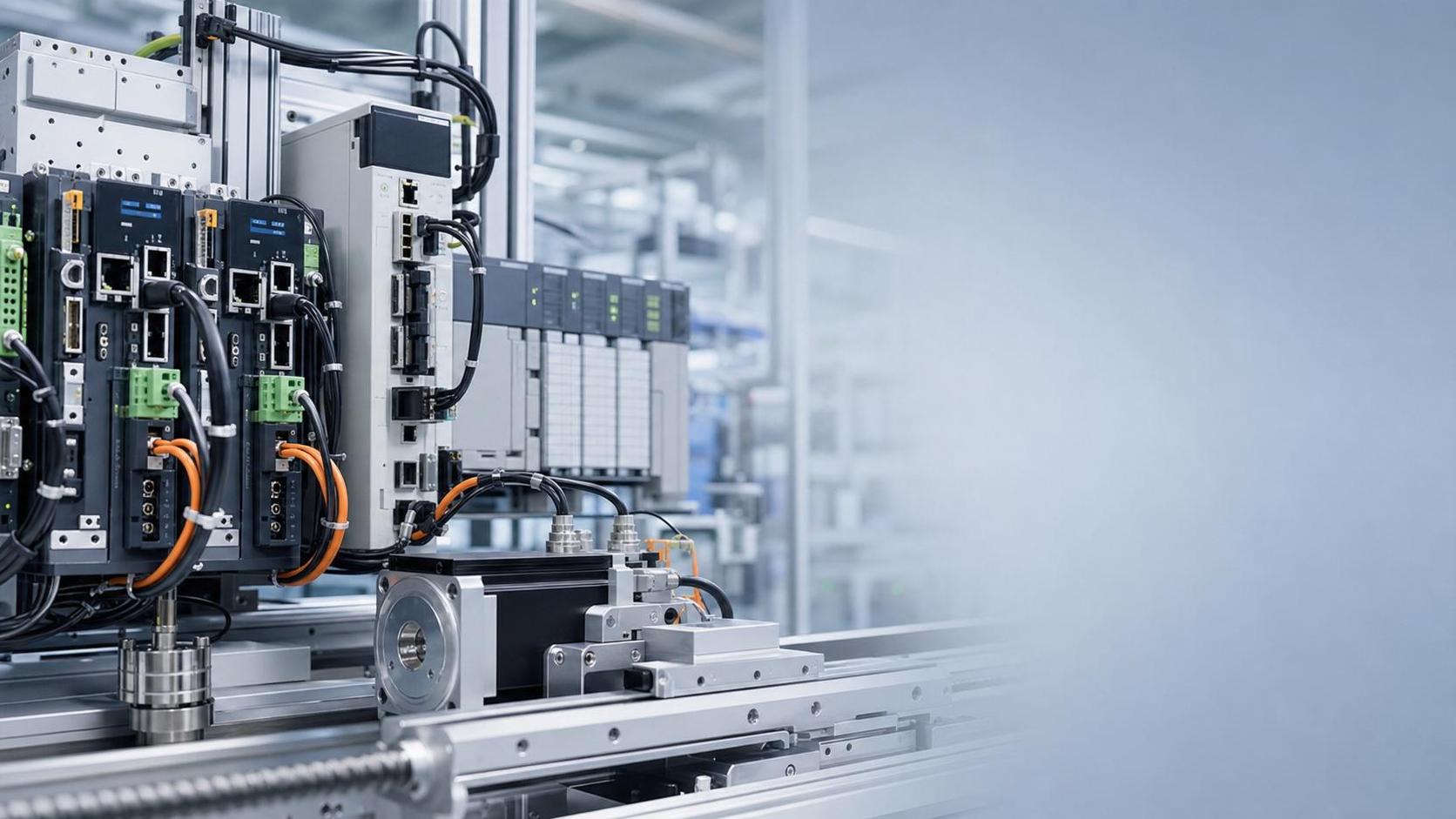
The right Automation Component Suppliers reduce future cost by offering open communication, software continuity, expandable I/O, and backward-compatible product families.
Key judgment points
- Protocol support for mixed-vendor systems
- Program migration complexity between generations
- Licensing costs for software and advanced functions
- Modular hardware for future axis or sensor additions
- Cybersecurity maintenance and patch support
A closed platform may seem economical at first. Later, expansion, retraining, and integration work can make that decision much more expensive.
How different scenarios change supplier evaluation priorities
A practical framework to compare Automation Component Suppliers
A decision-ready comparison becomes clearer when each supplier is measured through the same scenario-based scorecard. This keeps attractive pricing from hiding expensive operational tradeoffs.
- Define the operating scenario and critical failure consequences.
- List performance thresholds, not just preferred features.
- Estimate downtime cost per hour or per batch.
- Compare lifecycle energy, maintenance, and consumables.
- Check software, protocol, and spare part continuity.
- Request proof from field cases similar to your environment.
- Score support quality, response time, and local capability.
Using this method, Automation Component Suppliers are evaluated by business impact, not by catalog impressions alone.
Common comparison mistakes that inflate total cost
Several sourcing errors repeatedly weaken automation investments. Most happen when the application scenario is oversimplified during supplier selection.
- Comparing only unit price, not commissioning effort
- Ignoring spare logistics and regional service coverage
- Assuming protocol compatibility without verification
- Using lab performance instead of application performance
- Underestimating software licensing and upgrade restrictions
- Missing environmental stress factors during specification
The best Automation Component Suppliers usually welcome deep technical comparison. Weak suppliers often rely on broad claims and incomplete lifecycle visibility.
Next steps for a more confident supplier decision
Start by grouping automation projects into precision, throughput, harsh-environment, or flexible-manufacturing scenarios. Then build a weighted scorecard around the cost drivers that matter most.
When reviewing Automation Component Suppliers, request lifecycle data, service commitments, compatibility details, and evidence from similar applications. A careful scenario-based review usually reveals the true lowest total cost.
For organizations tracking motion control, PLC systems, precision transmission, inverters, and industrial computing, better sourcing starts with better intelligence. That is how cost comparison becomes a strategic reliability decision.
Related Recommendations
 How to Evaluate an Industrial Control Electronics ManufacturerTime : Jul 04, 2026
- Micron-Tolerance Components: What Really Affects CNC AccuracyTime : Jul 03, 2026
- How ISO-Certified CNC Motion Components Reduce Supply RiskTime : Jul 03, 2026
- When Motion Control Solutions Fail: Common Integration Gaps to FixTime : Jul 02, 2026
- Manufacturing Automation ROI: Where Operating Costs Drop FirstTime : Jul 01, 2026
- Industrial Equipment Solutions Provider: What to Check Before You CommitTime : Jul 01, 2026