Precision Manufacturing Technology for Tighter Tolerance Control

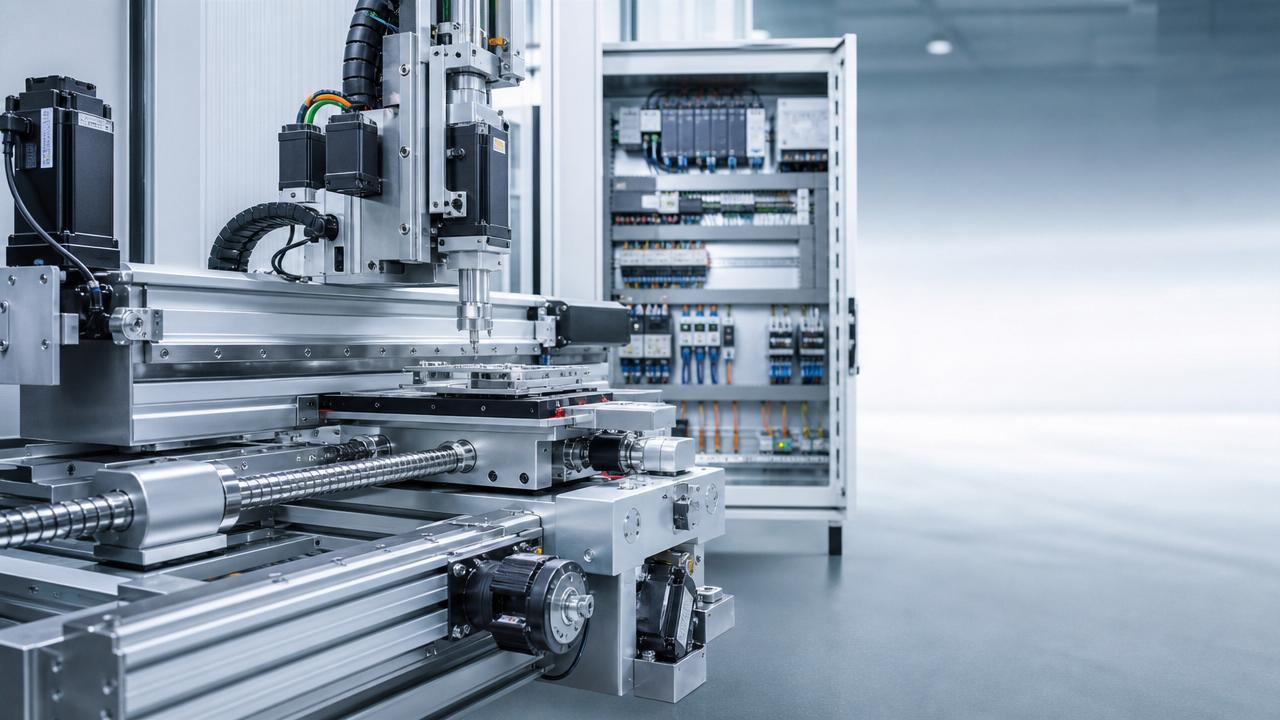
Precision Manufacturing Technology is reshaping tighter tolerance control across modern industrial systems. In servo motion, PLC coordination, reducers, guides, screws, and industrial computing, tiny deviations can trigger measurable losses.
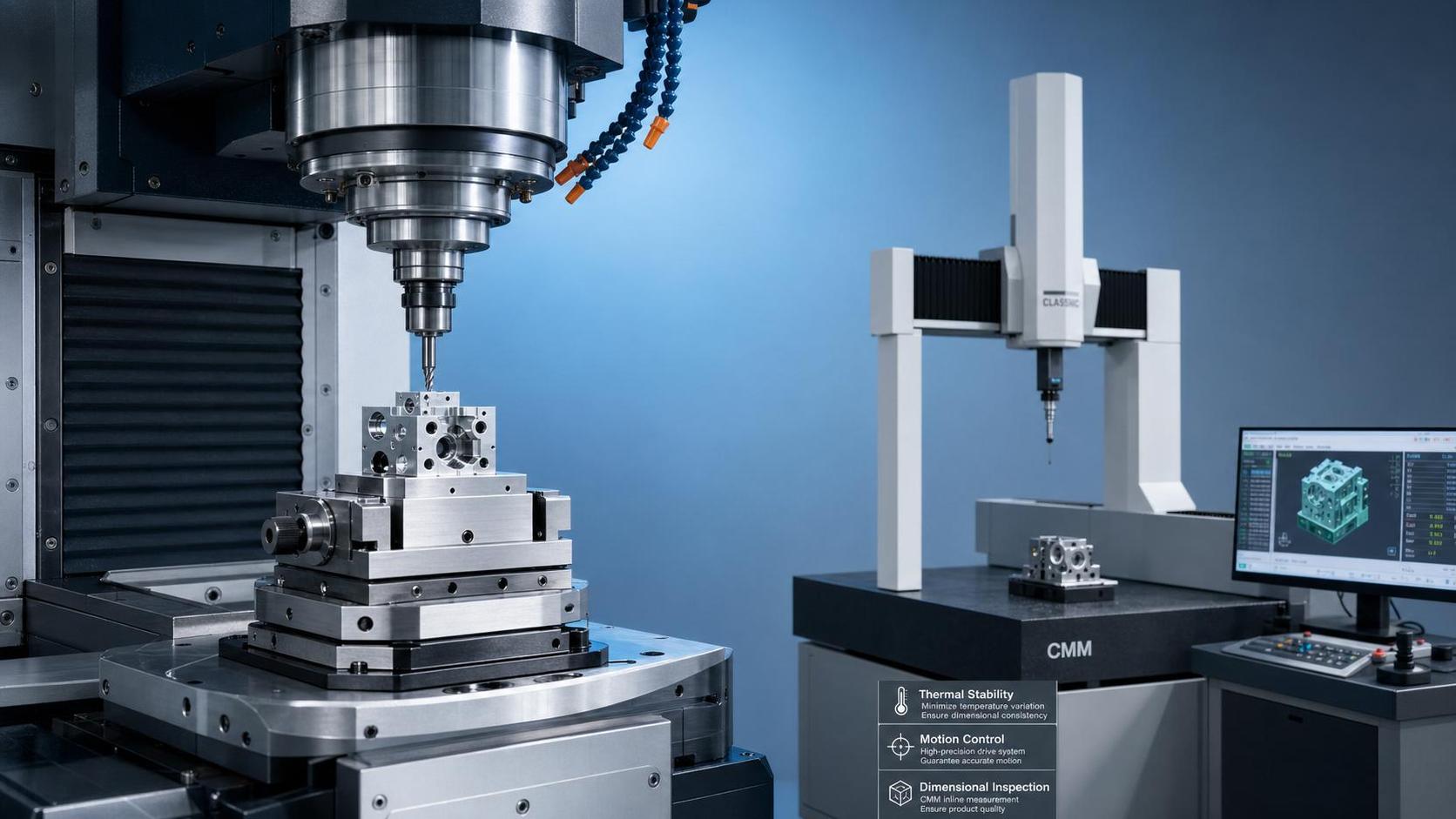
For integrated industry applications, precision is no longer limited to machining accuracy alone. It now includes electrical response speed, structural rigidity, thermal stability, signal integrity, and repeatable motion behavior.
This makes Precision Manufacturing Technology a strategic foundation for stable automation, flexible production, reduced scrap, and predictable product quality. It also supports the broader shift toward Industry 4.0 intelligence.
Understanding Precision Manufacturing Technology in Tolerance Control
Precision Manufacturing Technology refers to methods that control dimensional, positional, and motion-related variation within tightly defined limits. Its purpose is not only accuracy, but also consistency over time and load.
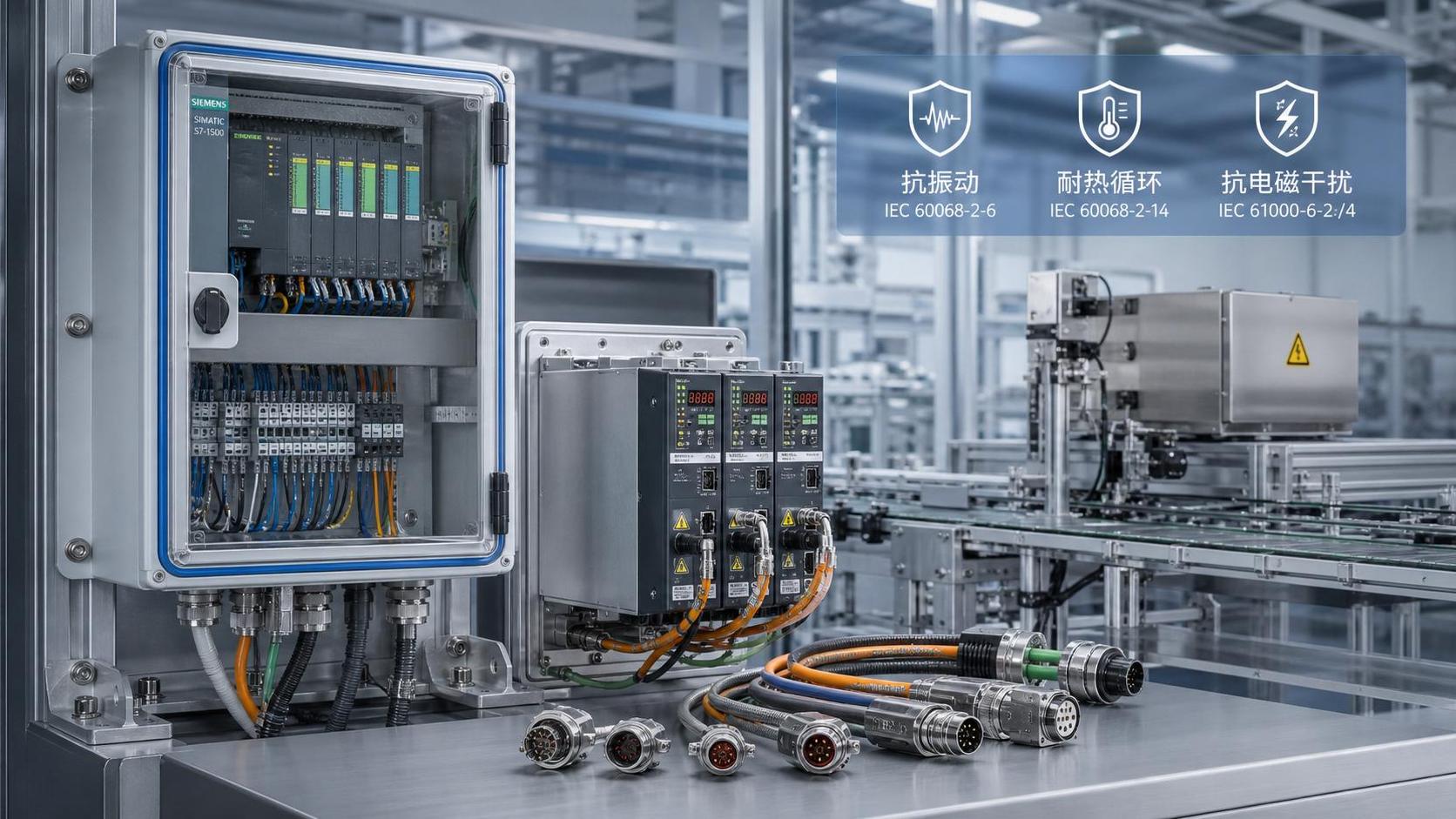
In industrial automation, tolerance control spans several interacting layers. Mechanical parts must fit correctly. Control systems must react precisely. Data processing must remain stable under vibration, heat, and electromagnetic noise.
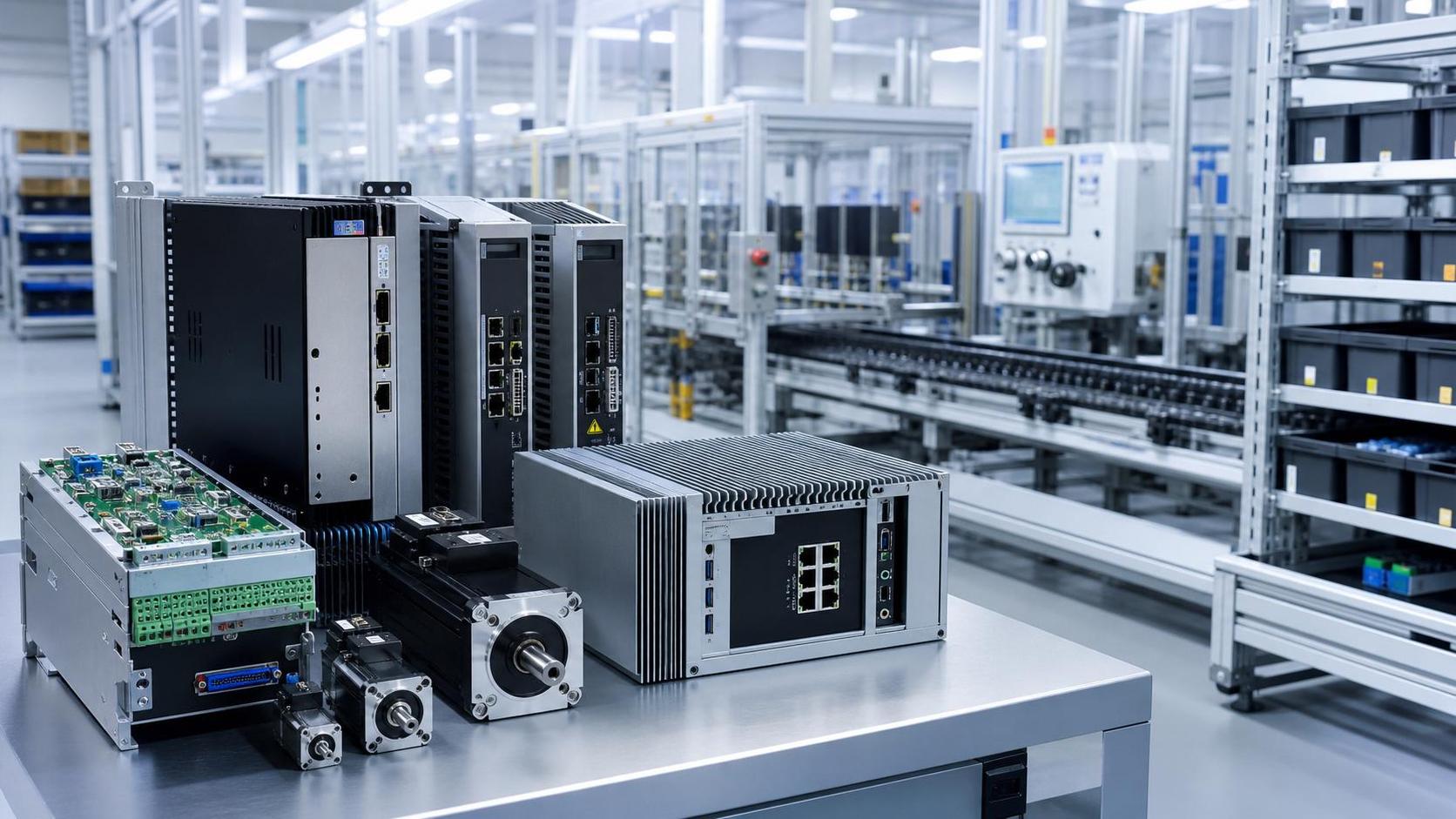
A precision result comes from coordinated subsystems, including:
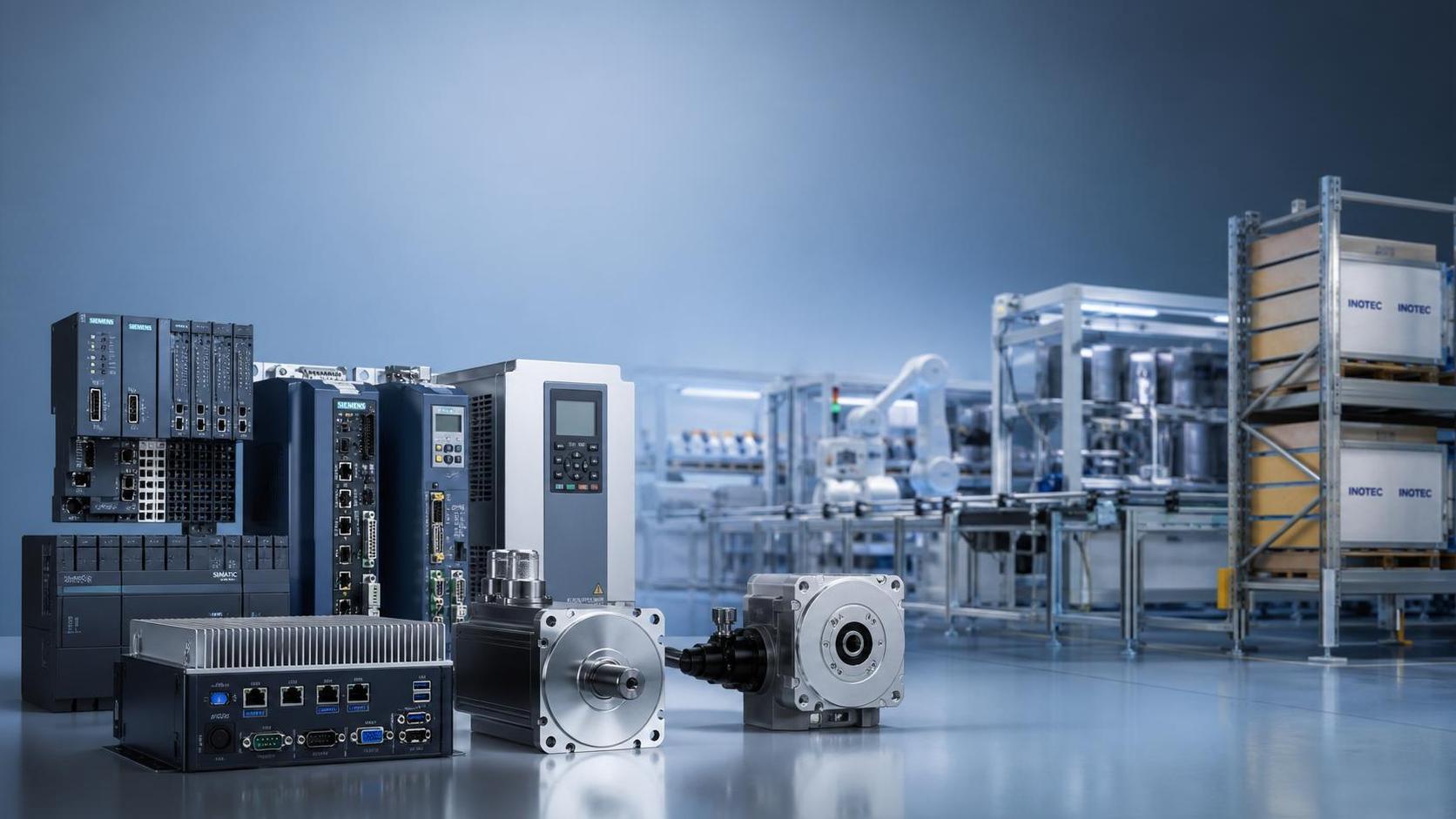
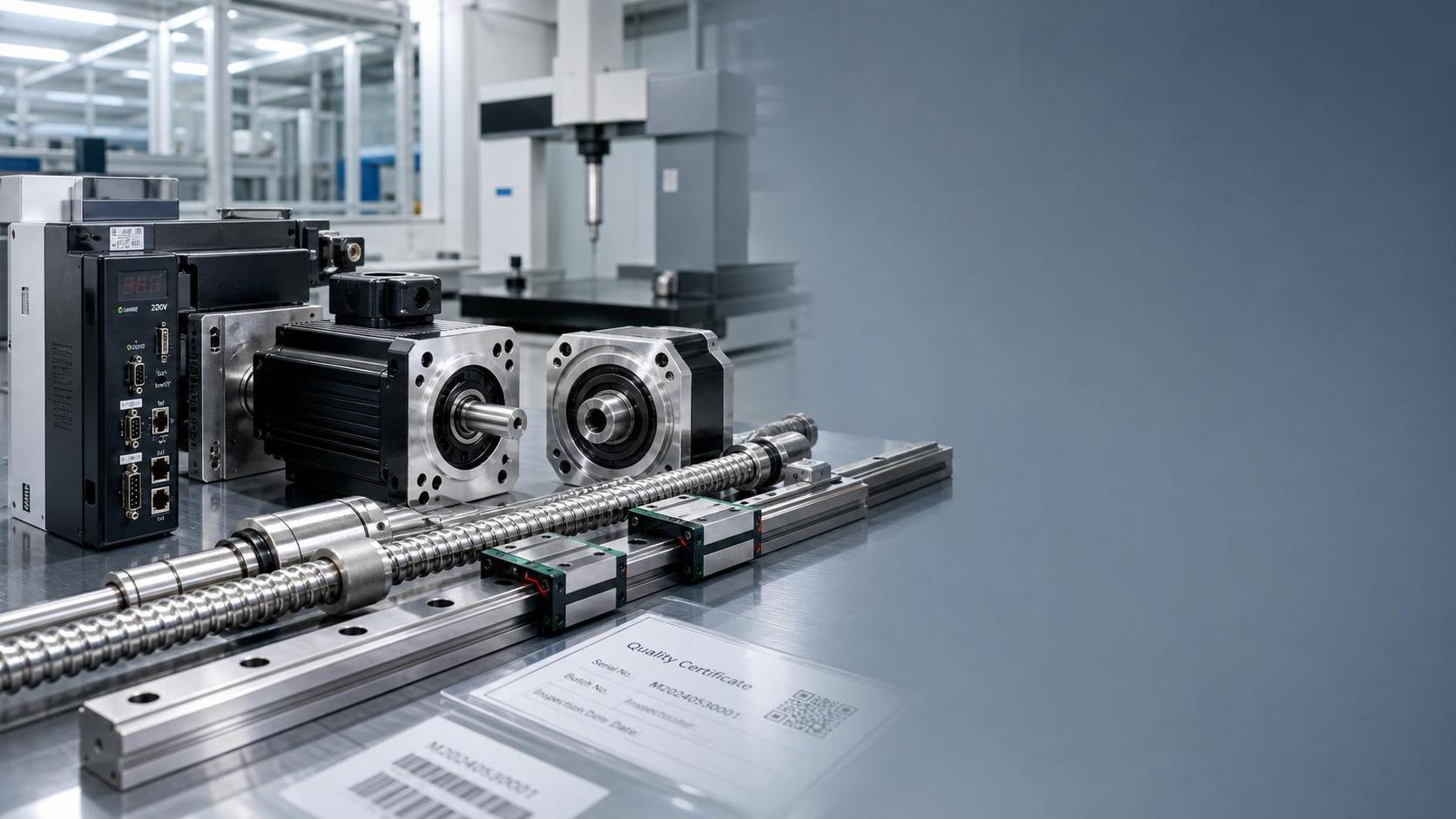
- Servo motors with fast current and position loops
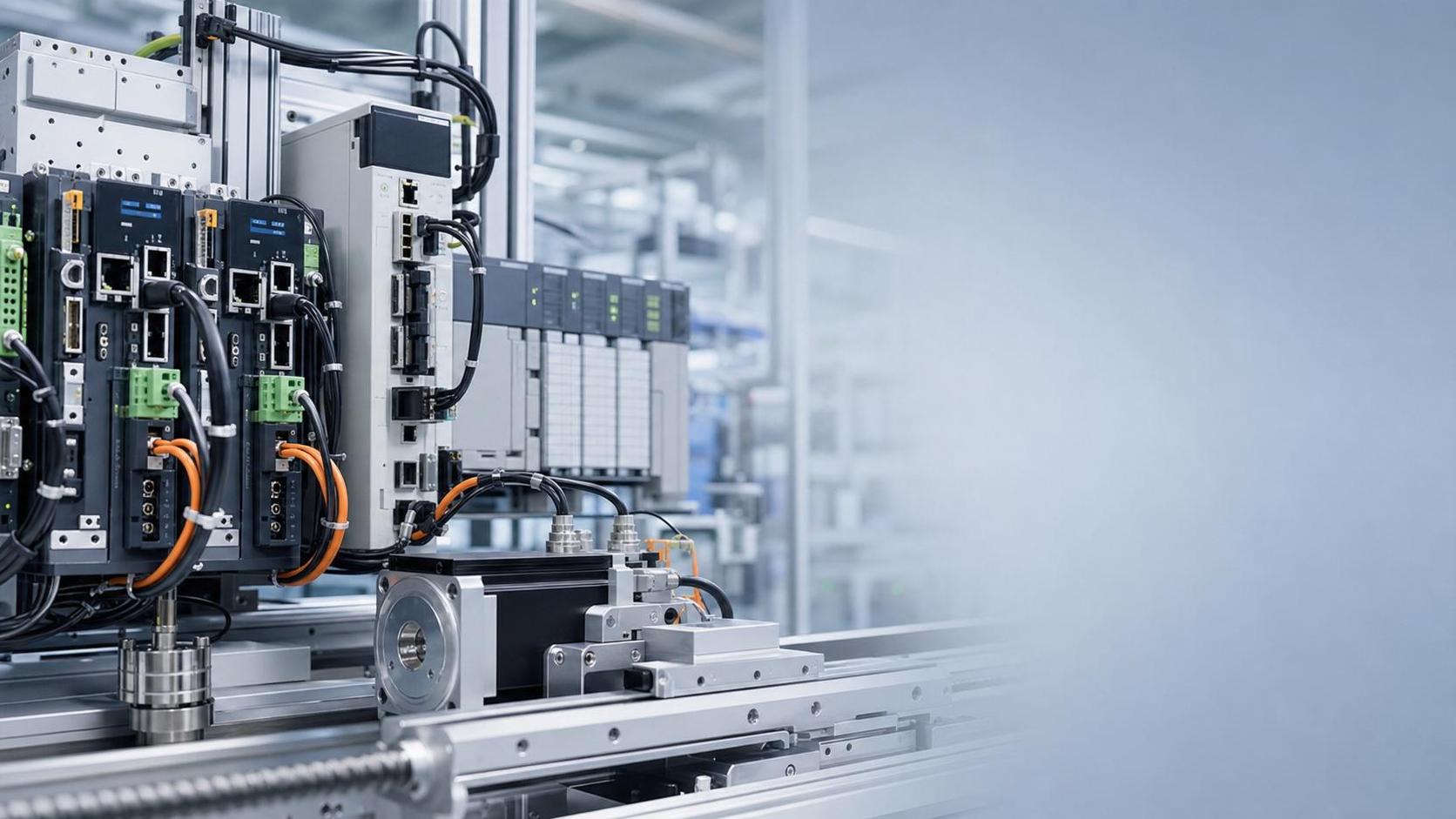
- PLC or DCS platforms with deterministic scan performance
- Precision reducers with low backlash and stable torque transfer
- Linear guides and ball screws with controlled friction and preload
- Inverters and IPCs supporting energy control and edge analytics
When these layers are aligned, Precision Manufacturing Technology enables tighter tolerance control at both component and system levels. This is essential for repeatable throughput and long-term machine reliability.
Current Industry Focus and Technical Pressure Points
Global smart manufacturing is raising expectations for micron-level motion, low jitter logic execution, and robust mechanical transmission. Precision Manufacturing Technology is therefore moving from specialist capability to baseline requirement.
Several pressure points now define tighter tolerance control:
These issues are interconnected. A well-ground screw cannot compensate for unstable control logic. Likewise, advanced algorithms cannot fully offset poor transmission rigidity or thermal drift.
How Precision Manufacturing Technology Creates Business Value
Precision Manufacturing Technology delivers value by reducing variation at the source. Tighter tolerance control lowers scrap, improves first-pass yield, and stabilizes output across long production runs.
Its value is especially visible in systems requiring synchronized motion and exact positioning. Examples include CNC equipment, robot joints, packaging lines, semiconductor handling, and new energy equipment assembly.
Practical benefits often include:
- More consistent dimensional quality
- Lower rework rates and fewer unplanned corrections
- Higher machine uptime through reduced wear and vibration
- Better energy efficiency through optimized motion control
- Stronger traceability using edge data and control feedback
For intelligence platforms like IAMC, this topic also has strategic relevance. Precision Manufacturing Technology links microsecond electrical control with nanometer-level mechanical behavior, forming the basis of trustworthy industrial automation.
Why tolerance control now affects competitiveness
Markets increasingly reward repeatability, not occasional peak performance. Precision Manufacturing Technology helps maintain quality under real operating conditions, including load shifts, temperature changes, and long duty cycles.
That consistency supports flexible manufacturing, where equipment changes tasks more often and cannot rely on wide process margins. Tighter tolerance control becomes the enabler of faster changeovers and reliable output.
Typical Applications and Precision-Critical Object Categories
Precision Manufacturing Technology appears across many integrated industry environments. The most common categories are defined by motion sensitivity, structural loading, and control response requirements.
Across these scenarios, Precision Manufacturing Technology works best when design, machining, assembly, sensing, and control are engineered as one tolerance system rather than isolated disciplines.
Implementation Priorities for Tighter Tolerance Control
Effective implementation begins with identifying the dominant source of error. That source may be geometric, thermal, dynamic, algorithmic, or environmental. Precision Manufacturing Technology succeeds when root causes are ranked correctly.
Recommended practice steps
- Map the full motion chain from command signal to final displacement.
- Measure backlash, thermal growth, vibration, and timing jitter separately.
- Match servo bandwidth to mechanical stiffness and resonance limits.
- Use precision reducers, guides, and screws with verified consistency data.
- Validate PLC or SoftPLC timing under actual electromagnetic conditions.
- Deploy edge monitoring to capture drift before tolerance failure appears.
A common mistake is optimizing one subsystem in isolation. For example, raising servo gain without addressing structural resonance can worsen tracking. Precision Manufacturing Technology requires balanced tuning across mechanics, electronics, and software.
Key caution points
- Do not treat nominal accuracy as sustained accuracy.
- Do not ignore preload changes after long operating cycles.
- Do not separate control tuning from transmission fatigue analysis.
- Do not rely on static inspection alone for dynamic tolerance control.
The strongest results come from closed-loop improvement. Motion data, wear patterns, and process deviations should feed back into parameter tuning, component selection, and preventive maintenance strategy.
Next-Step Direction for Precision Manufacturing Technology
Precision Manufacturing Technology will continue advancing through stronger integration of servo intelligence, deterministic control, high-rigidity transmission, and industrial edge computing. These elements are becoming inseparable in tighter tolerance environments.
A practical next step is to evaluate one production chain by tolerance sensitivity rather than by department. Review motion accuracy, logic timing, reducer behavior, guide friction, and thermal response together.
That approach creates a clearer roadmap for upgrades and helps convert Precision Manufacturing Technology from a technical concept into measurable process stability. In modern automation, tighter tolerance control is not optional. It is operational infrastructure.
Related Recommendations
 Rugged Automation Components: When IP Ratings Fail to Predict Field ReliabilityTime : Jul 05, 2026
- Automation Spare Parts Planning: How to Reduce Downtime Without OverstockingTime : Jul 05, 2026
- How to Evaluate an Industrial Control Electronics ManufacturerTime : Jul 04, 2026
- Micron-Tolerance Components: What Really Affects CNC AccuracyTime : Jul 03, 2026
- How ISO-Certified CNC Motion Components Reduce Supply RiskTime : Jul 03, 2026
- When Motion Control Solutions Fail: Common Integration Gaps to FixTime : Jul 02, 2026