Industrial Robotics Components: Key Failure Risks

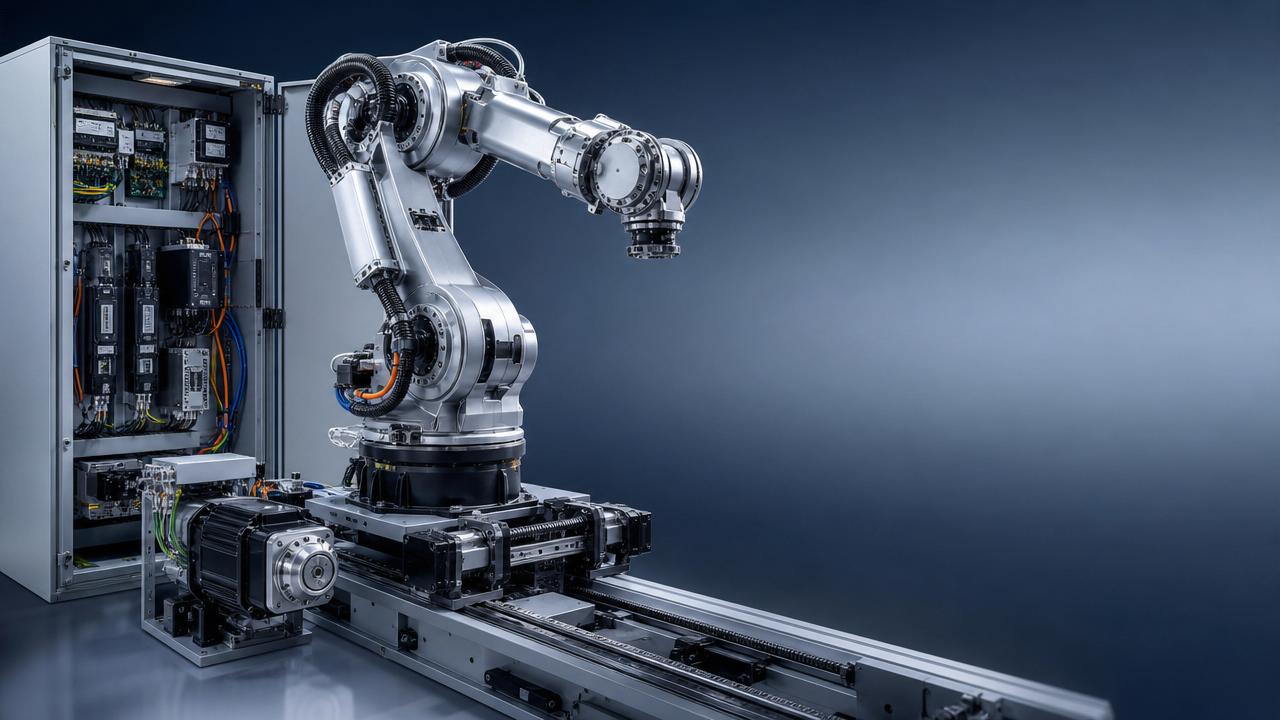
Industrial Robotics Components are the backbone of uptime, accuracy, and safe operation on modern production lines. For after-sales maintenance work, failure risk is never isolated. A servo alarm may start in the motor, reducer, drive, cable, or controller. This guide explains the most critical failure points, how to detect them early, and where inspection effort creates the fastest reliability gains.
What are the highest-risk Industrial Robotics Components in daily operation?
Not all Industrial Robotics Components fail at the same rate or with the same impact. The highest-risk parts are usually the ones under combined electrical, thermal, and mechanical stress.
In most robotic cells, five component groups deserve priority:
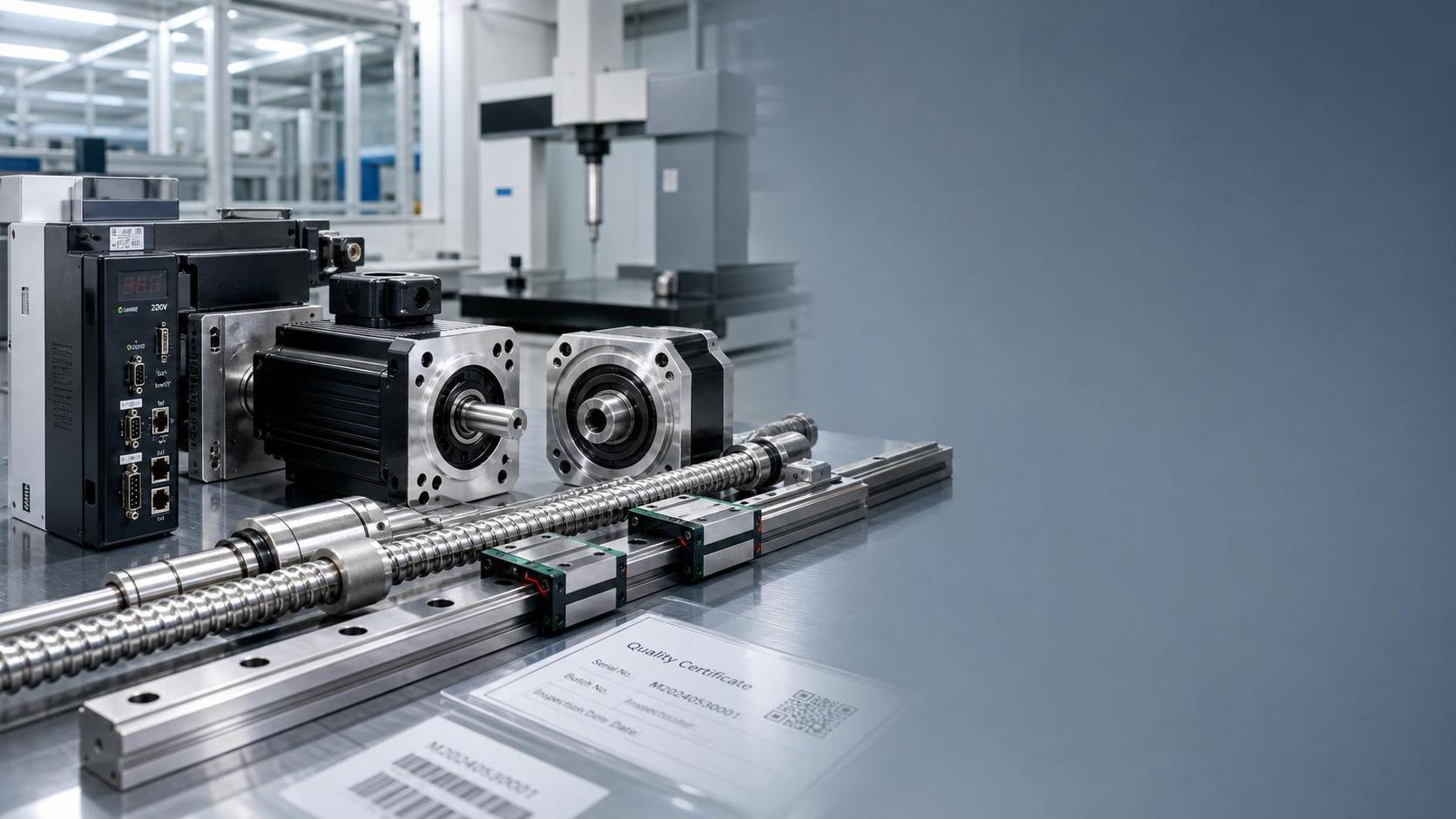
- AC servo motors and encoder systems
- Precision reducers, including RV and harmonic units
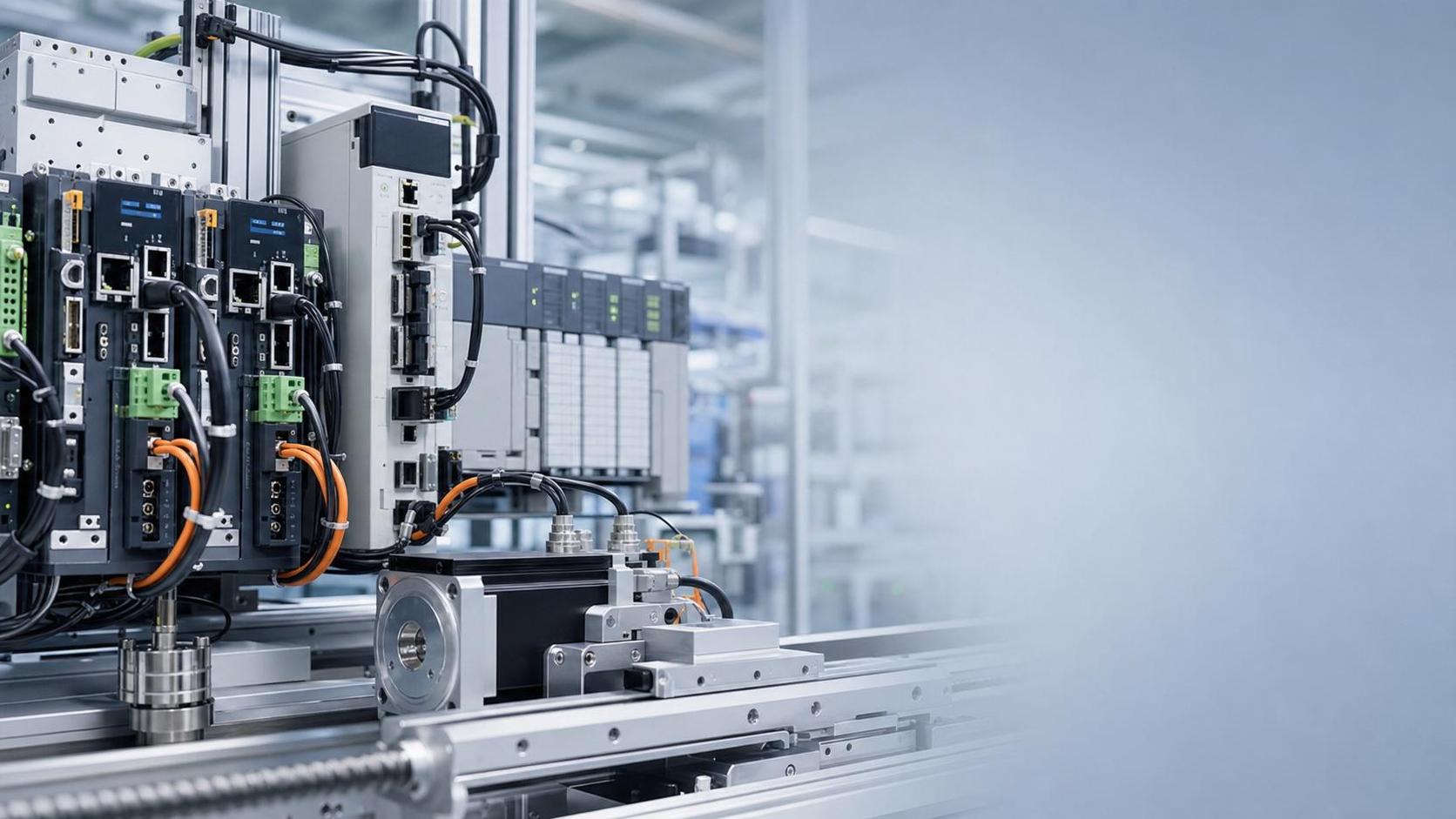
- PLC, DCS, and I/O communication modules
- Linear guides, ball screws, and support bearings
- Servo drives, inverters, power modules, and cooling assemblies
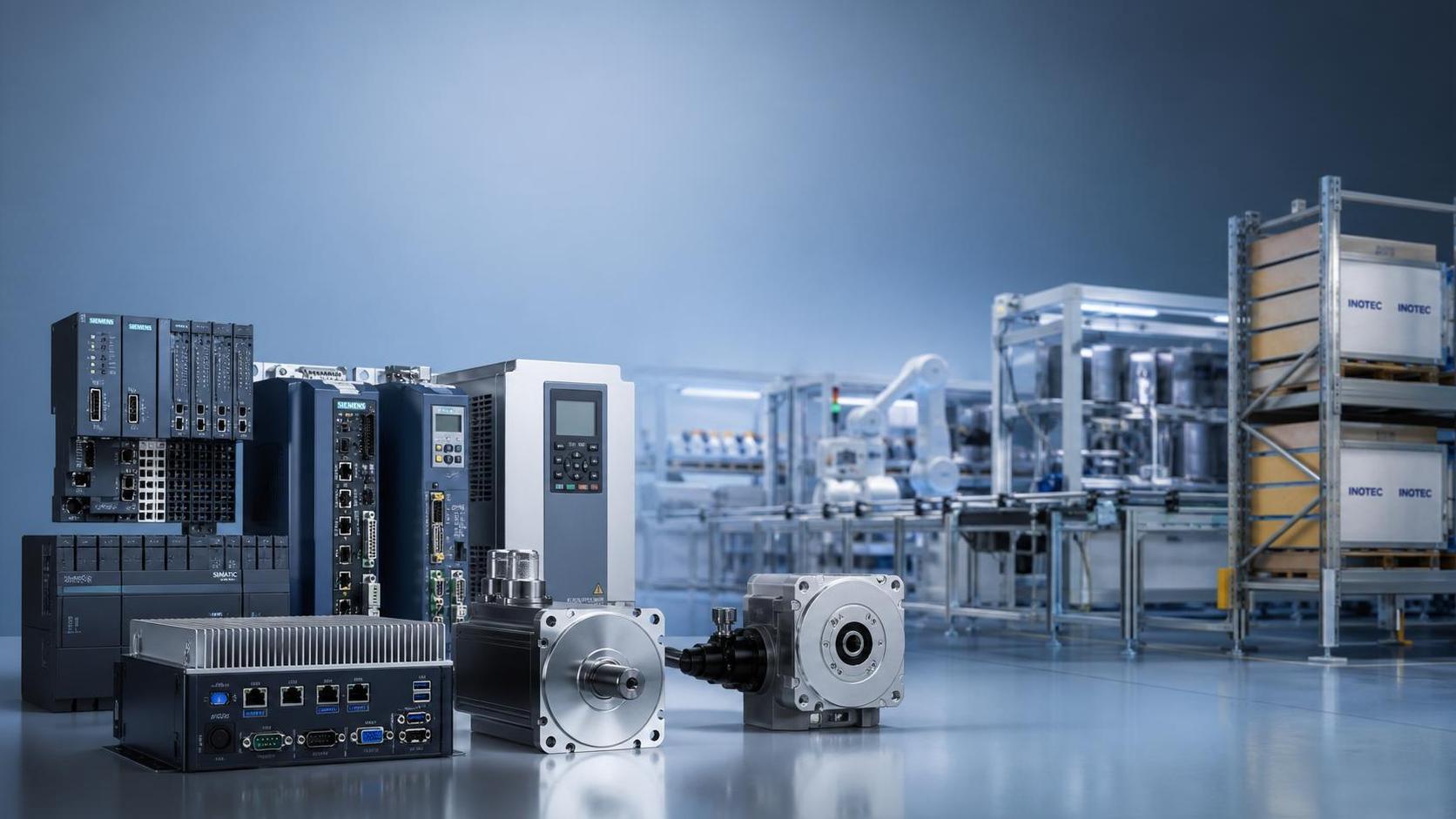
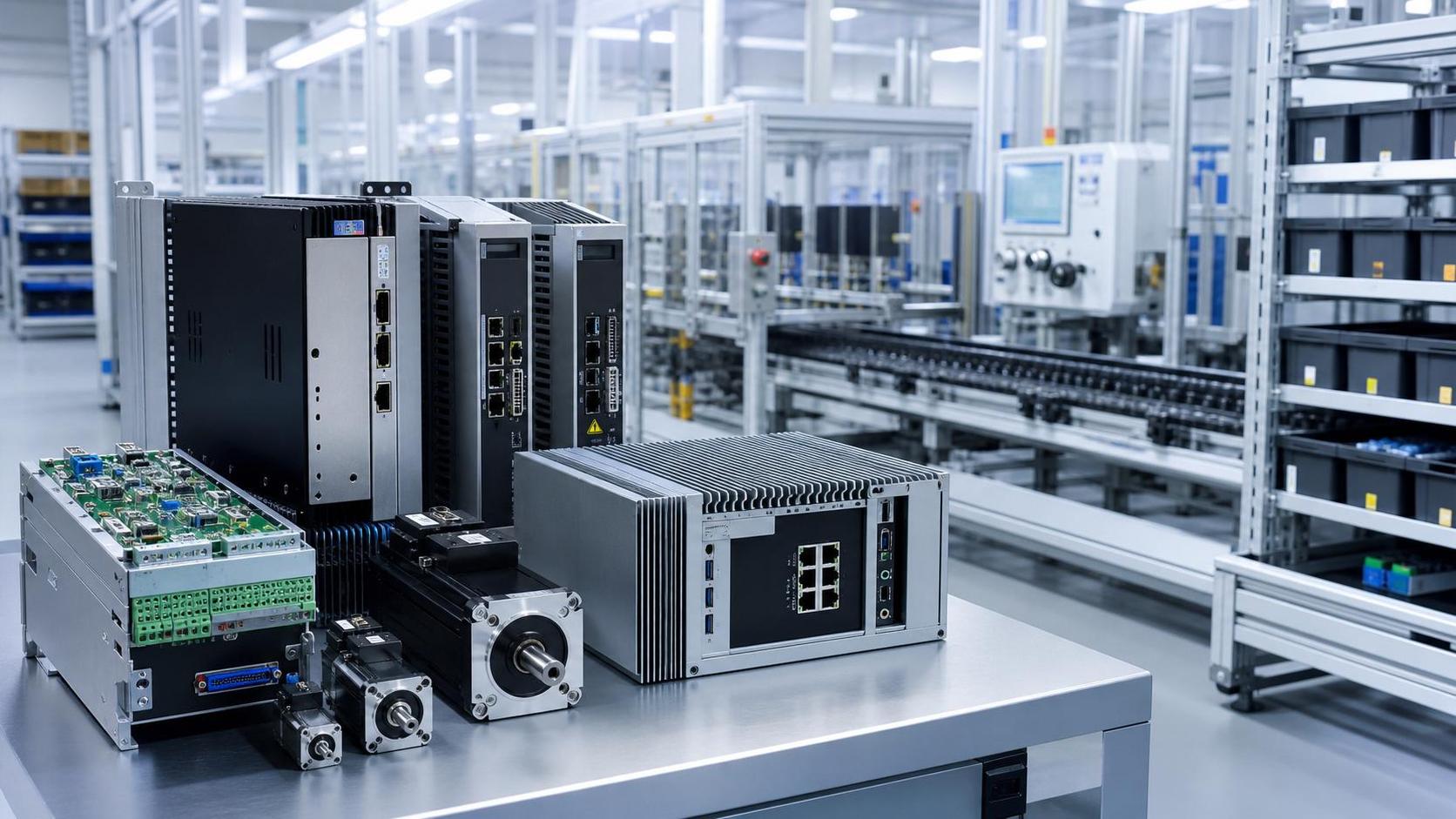
These Industrial Robotics Components often sit at the intersection of motion precision and system availability. Small wear can quickly become a major stoppage when cycle times are tight.
A practical rule helps. Components that store energy, convert motion, or close feedback loops should be inspected first. Their faults usually spread across the whole machine.
Why do these parts fail more often?
They face repetitive loads, vibration, contamination, unstable power quality, and thermal cycling. Industrial Robotics Components also age faster when installation alignment is poor or software tuning is unstable.
In flexible manufacturing, frequent acceleration changes raise stress even more. Shorter product runs often mean more starts, more stops, and more hidden fatigue.
How can servo motors and encoders become hidden downtime triggers?
Servo motors look robust, yet they are among the most sensitive Industrial Robotics Components. Their health depends on winding insulation, bearing condition, encoder feedback, and thermal stability.
Common failure risks in servo assemblies
- Bearing wear from overloading, poor lubrication, or shaft misalignment
- Encoder contamination, signal drift, or cable shielding damage
- Winding insulation breakdown caused by heat and voltage stress
- Brake failure in vertical axes
- Connector looseness caused by vibration
Encoder problems are especially deceptive. A robot may still move, but path repeatability worsens, homing shifts, and intermittent overcurrent alarms begin to appear.
For Industrial Robotics Components in high-speed axes, thermal history matters. Repeated overheating can weaken insulation long before a visible electrical fault occurs.
What should inspection teams check first?
- Trend motor temperature under comparable production loads.
- Listen for bearing noise during acceleration and deceleration.
- Check encoder cable routing near power cables and moving chains.
- Review alarm history for overcurrent, overspeed, and position deviation.
- Confirm brake release timing and holding torque on vertical axes.
Why are reducers and transmission parts critical Industrial Robotics Components?
Reducers are the torque backbone of many Industrial Robotics Components. RV and harmonic reducers deliver compact, precise motion, but they are vulnerable to shock loads and lubrication issues.
When a reducer starts degrading, symptoms often appear slowly. Backlash grows, vibration rises, cycle accuracy drops, and servo tuning becomes harder to stabilize.
Main reducer failure modes
- Lubricant contamination from particles or water ingress
- Flexspline fatigue in harmonic reducers
- Surface pitting on gear contact areas
- Shock damage from collision events or bad deceleration settings
- Mounting looseness that changes alignment and load distribution
These Industrial Robotics Components should never be judged by noise alone. Some worn reducers remain quiet while torque ripple and positional error increase in the background.
How can risk be reduced?
Record backlash trends, inspect grease condition, and review collision logs after every abnormal stop. Also verify payload data, because incorrect payload settings overload transmission components.
For repeated short-stroke applications, monitor reducer temperature and vibration spectra. This helps identify fatigue risk before catastrophic wear damages adjacent Industrial Robotics Components.
How do PLC, drives, and industrial control electronics fail in real environments?
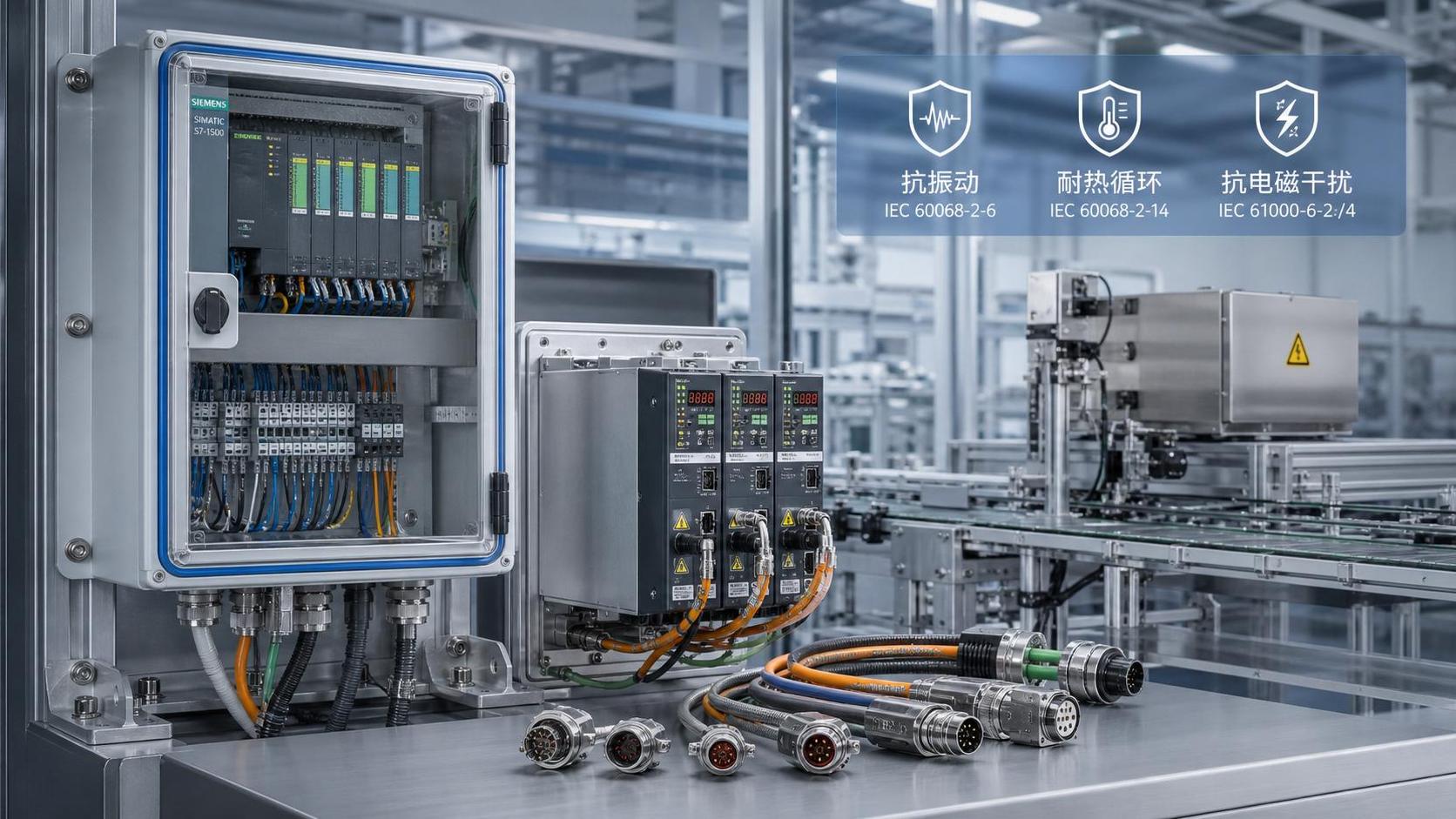
Control electronics are the nerve center among Industrial Robotics Components. They may fail less visibly than mechanical parts, but their faults can stop the entire line instantly.
Most overlooked control-side risks
- Cabinet overheating from blocked airflow or fan degradation
- DC bus capacitor aging in servo drives and inverters
- Grounding defects and electromagnetic interference
- Loose I/O terminals and oxidized connectors
- Firmware mismatch after replacement or update
- Network latency or packet loss in fieldbus communication
Industrial Robotics Components connected by EtherCAT, PROFINET, or other real-time networks depend on clean timing. Small jitter may create intermittent positioning faults that look mechanical at first.
Capacitor aging is another hidden issue. Drives may still run normally until peak load arrives, then sudden undervoltage or regeneration alarms begin.
What is the right control inspection sequence?
- Check cabinet temperature, fan status, and filter cleanliness.
- Inspect grounding, shielding continuity, and cable separation.
- Review drive diagnostics and bus communication logs.
- Verify firmware version consistency after service replacement.
- Measure supply stability during heavy load transitions.
What warning signs appear in guides, ball screws, and linear motion systems?
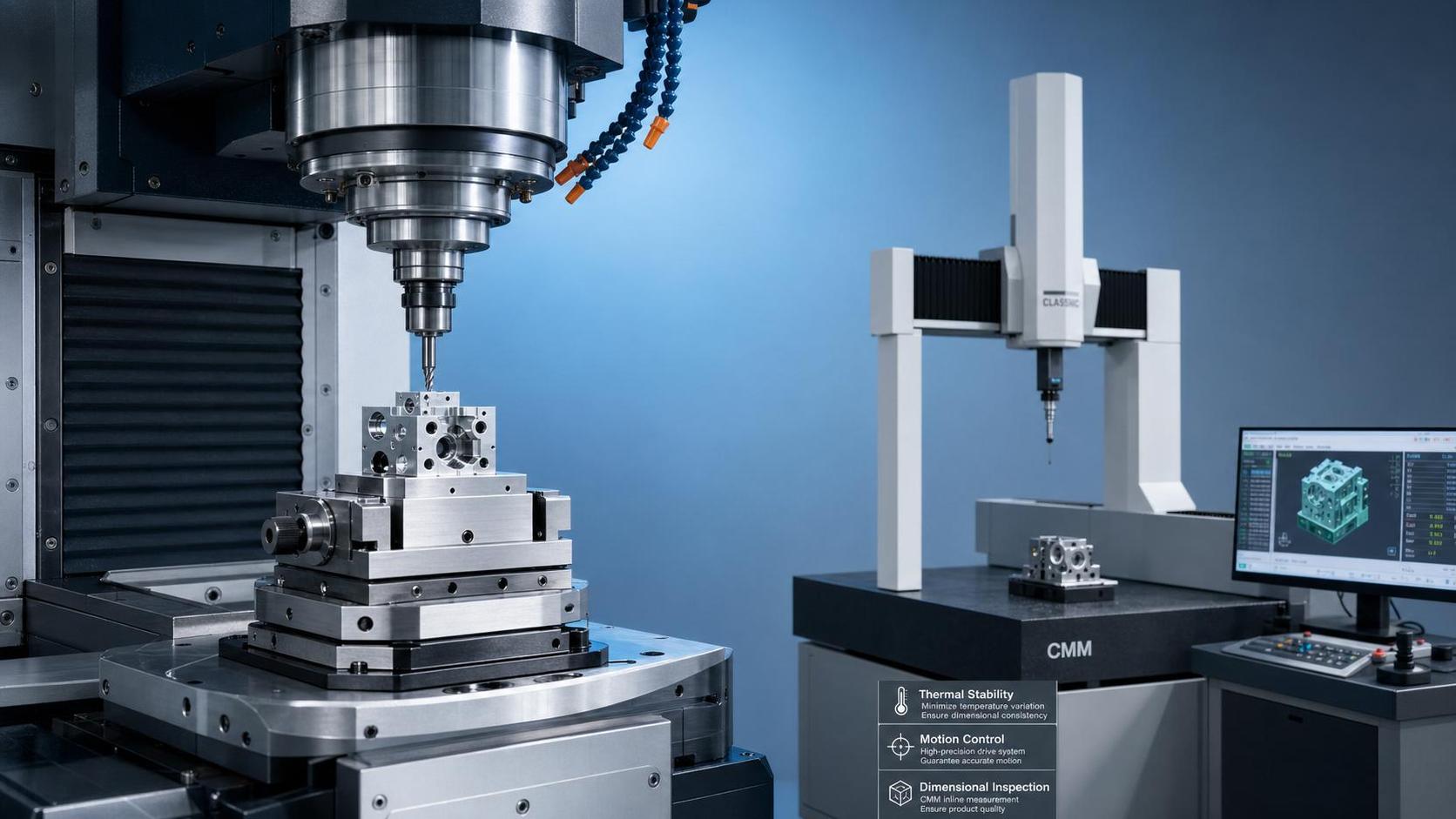
Linear motion parts are often underestimated Industrial Robotics Components. Yet even small contamination or preload loss can destroy path accuracy and surface finish.
In robot transfer units, CNC-assisted cells, and gantry systems, guide and screw defects often show up as vibration, servo following error, or uneven cycle time.
Typical mechanical warning signs
- Lubrication starvation at rail blocks or screw nuts
- Dust, coolant, or chips entering sealing areas
- Increasing backlash or lost preload
- Local wear marks caused by repeated travel zones
- Parallelism errors after impact or poor assembly
When these Industrial Robotics Components degrade, the drive often compensates first. Current rises, heat increases, and eventually the control system reaches its correction limit.
How should failure risks be prioritized for faster maintenance decisions?
The best approach combines severity, probability, detectability, and downtime effect. Not every alarm deserves the same urgency, even among critical Industrial Robotics Components.
Which mistakes create repeat failures?
The most common mistake is replacing only the failed part. Industrial Robotics Components work as linked systems, so root cause must include load, tuning, contamination, and installation quality.
Another mistake is skipping trend data. Single measurements rarely reveal fatigue, thermal drift, or network instability. Historical comparison often shows the true failure path.
Industrial Robotics Components demand a maintenance strategy that links mechanics, electronics, and control logic. Focusing on servo health, reducer wear, cabinet conditions, and linear motion integrity prevents many repeat stoppages.
Start with a risk-ranked checklist. Track temperature, vibration, backlash, alarms, and communication stability on the most stressed axes first. That simple step turns maintenance from reactive repair into controlled reliability improvement.
Related Recommendations
 Rugged Automation Components: When IP Ratings Fail to Predict Field ReliabilityTime : Jul 05, 2026
- Automation Spare Parts Planning: How to Reduce Downtime Without OverstockingTime : Jul 05, 2026
- How to Evaluate an Industrial Control Electronics ManufacturerTime : Jul 04, 2026
- Micron-Tolerance Components: What Really Affects CNC AccuracyTime : Jul 03, 2026
- How ISO-Certified CNC Motion Components Reduce Supply RiskTime : Jul 03, 2026
- When Motion Control Solutions Fail: Common Integration Gaps to FixTime : Jul 02, 2026