Manufacturing Automation ROI in 2026 Projects

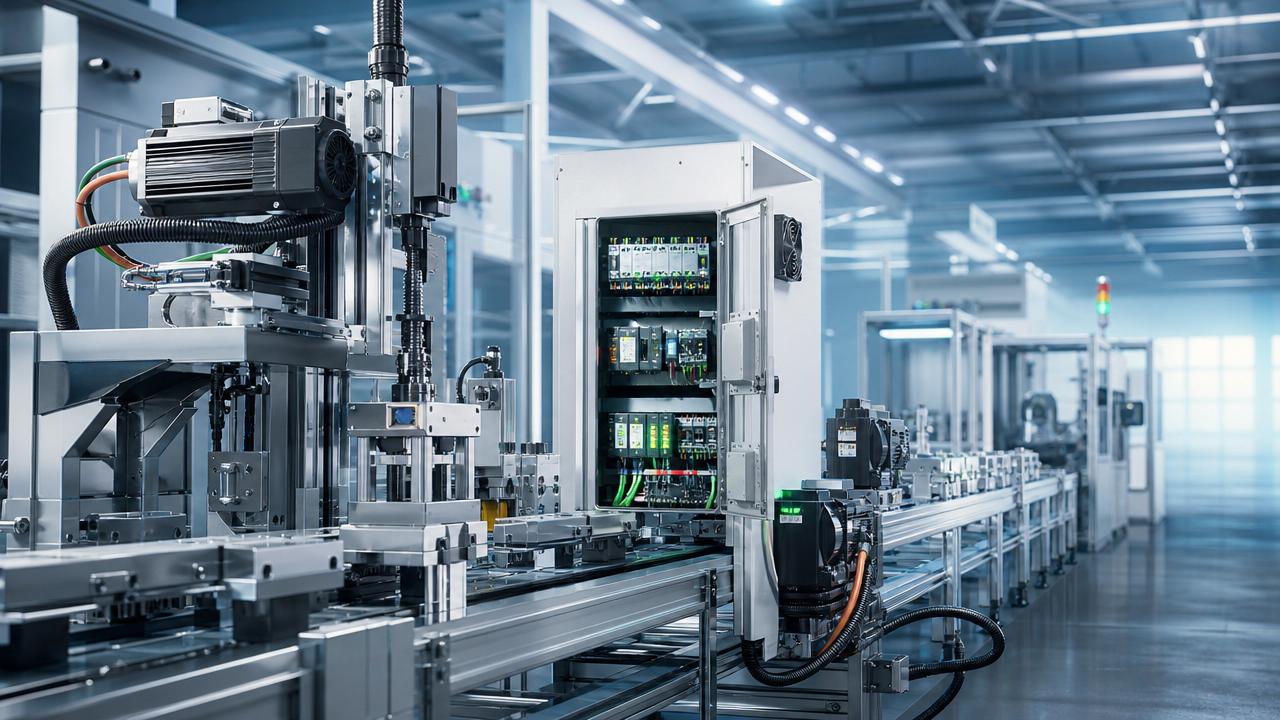
Manufacturing Automation is entering a stricter investment era in 2026. Ambition alone no longer secures budget approval. ROI, payback speed, uptime impact, and implementation risk now define project value.
Across the broader industrial landscape, Manufacturing Automation connects production efficiency with measurable financial outcomes. Servo control, PLC/DCS logic, precision transmission, inverters, and industrial edge computing all shape returns differently.
The strongest cases are built on evidence. Better cycle time, lower scrap, reduced energy use, and stronger resilience create a clearer path from technical upgrade to financial performance.
Why Manufacturing Automation ROI looks different in 2026
The 2026 environment is more demanding than earlier automation cycles. Capital is tighter, labor volatility remains high, and supply chain disruptions still influence production planning.
At the same time, Manufacturing Automation projects are becoming more modular. Companies no longer need fully greenfield transformations to unlock returns.
Incremental upgrades now compete well for funding. A servo retrofit, PLC modernization, or inverter deployment can deliver visible gains without major plant redesign.
This shift matters because approval logic has changed. Projects must show how technical precision translates into throughput, cost reduction, quality stability, and operational resilience.
The market signals behind Manufacturing Automation investment acceleration
Several signals explain why Manufacturing Automation remains a priority, even under tighter financial controls. These signals are practical, not theoretical.
- Higher labor uncertainty is increasing interest in repeatable, automated process control.
- Energy costs are keeping inverter-based efficiency projects near the top of capital plans.
- Quality traceability requirements are pushing PLC/DCS and IPC upgrades.
- Demand volatility favors flexible manufacturing cells over fixed, labor-heavy workflows.
- Equipment availability pressures are raising the value of predictive maintenance and edge analytics.
In 2026, Manufacturing Automation is less about replacing people in a broad sense. It is more about reducing instability across production, maintenance, and energy consumption.
Where Manufacturing Automation ROI is actually created
Returns rarely come from one source. Most successful Manufacturing Automation projects combine multiple value drivers that reinforce each other.
This is why Manufacturing Automation ROI should not be measured only by labor savings. In many projects, quality, uptime, and throughput create larger long-term gains.
Component-level returns often decide project success
Servo systems improve positional accuracy and response speed. That supports better takt consistency, smoother motion, and fewer process deviations in demanding applications.
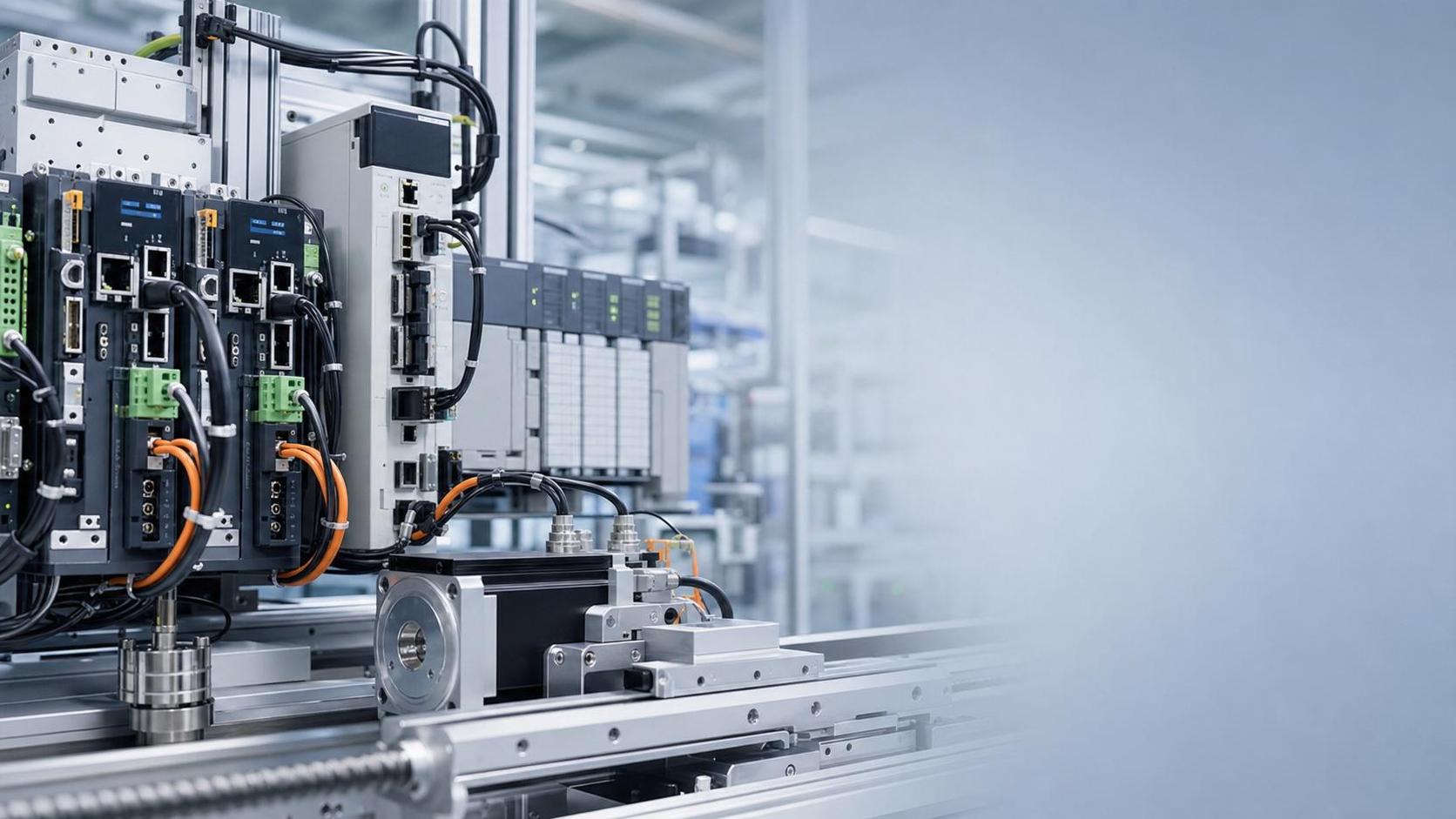
PLC/DCS platforms deliver value through deterministic control. Modernized logic architectures reduce interruptions, simplify troubleshooting, and improve line synchronization under real production conditions.
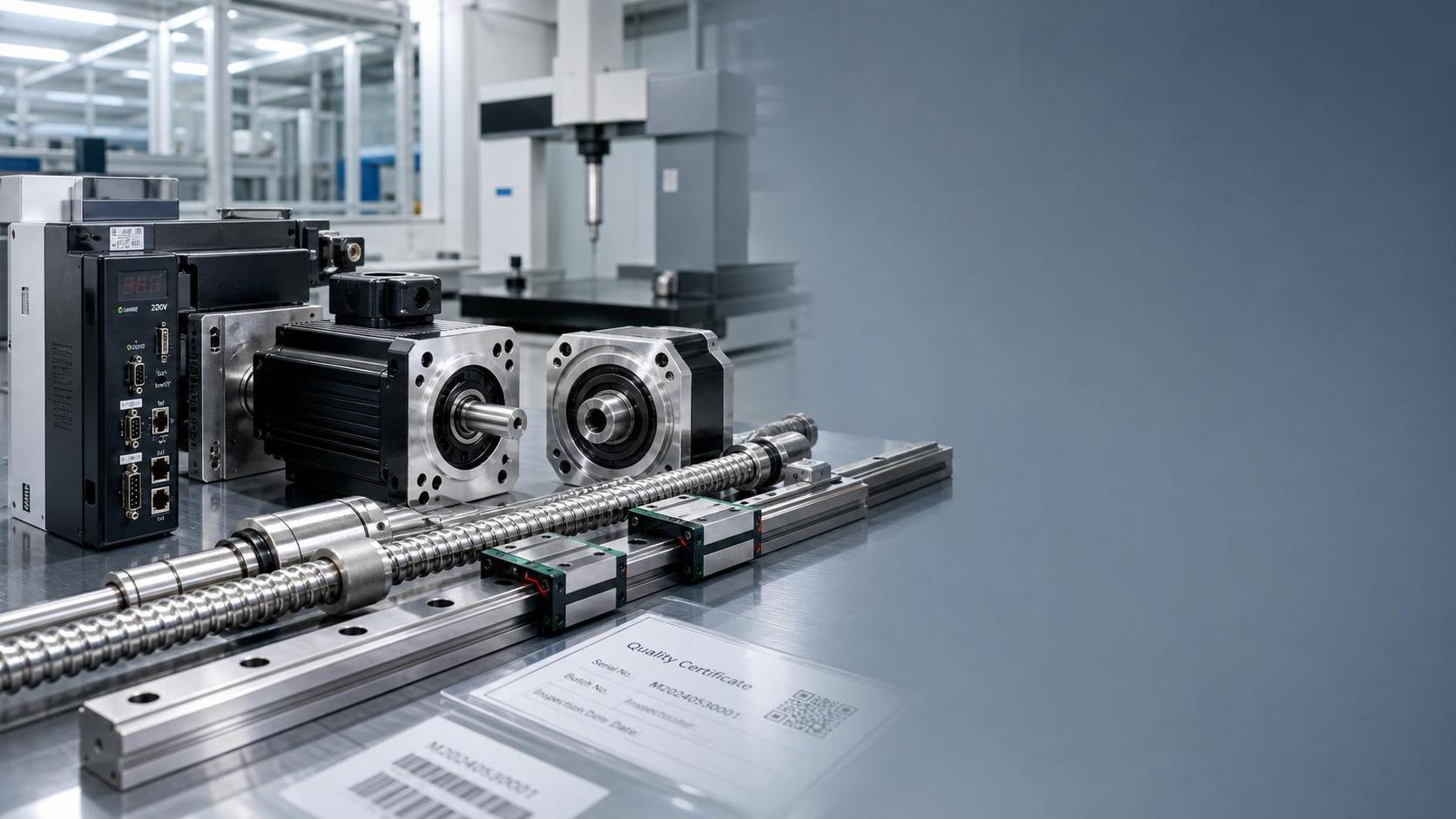
Precision reducers, linear guides, and ball screws matter because mechanical losses and backlash directly erode automation performance. Hardware precision protects the financial return of software-driven control.
Industrial PCs and edge computing extend Manufacturing Automation ROI by turning machine data into action. Faster diagnosis and local decision support reduce both delay and waste.
What is pushing stronger payback expectations
The pressure for faster returns is being shaped by several connected forces. Together, they are changing how Manufacturing Automation projects are evaluated.
- Rising financing caution is shortening acceptable payback windows.
- Volatile demand is rewarding scalable automation instead of oversized fixed investment.
- Data visibility is making underperformance easier to detect and harder to justify.
- Maintenance complexity is increasing the value of standardization and remote diagnostics.
- High-precision production is exposing the cost of mechanical and control instability.
As a result, Manufacturing Automation proposals must connect engineering detail with financial certainty. Technical excellence alone is no longer enough.
How these changes affect operations, maintenance, and capital planning
Operationally, Manufacturing Automation is shifting attention from isolated machines to system-level performance. A faster motor means little if controls, mechanics, and data layers do not align.
Maintenance strategies are also changing. Edge-enabled diagnostics and condition signals support earlier intervention, which reduces secondary failures and preserves line availability.
Capital planning now favors phased execution. Smaller, high-confidence automation projects often win approval faster than broad programs with delayed return visibility.
- Operations gain from better output stability and shorter changeovers.
- Maintenance gains from reduced troubleshooting time and improved fault localization.
- Finance gains from clearer milestones, staged spending, and measurable benefits.
The Manufacturing Automation metrics that deserve the most attention
Not every KPI belongs in an ROI case. The most credible Manufacturing Automation evaluations focus on metrics that translate directly into business outcomes.
A strong Manufacturing Automation case uses baseline data, realistic assumptions, and post-implementation verification. This avoids inflated savings claims and weak internal confidence.
What deserves priority before approving 2026 Manufacturing Automation projects
Before approval, several checks can sharply improve the quality of investment decisions. These are often more valuable than adding another presentation layer.
- Confirm whether the process bottleneck is mechanical, control-related, or data-related.
- Separate must-have uptime benefits from optional feature upgrades.
- Check compatibility with existing PLC/DCS, drives, and field devices.
- Assess implementation risk, including commissioning time and operator disruption.
- Verify spare parts access and long-term support for critical components.
- Use phased milestones to test ROI assumptions early.
For many facilities, the best Manufacturing Automation decision is not the largest project. It is the one with the clearest constraint removal and fastest evidence of value.
A practical response framework for stronger Manufacturing Automation outcomes
A useful response framework starts with line-level diagnosis. Identify where precision loss, downtime, energy waste, or slow changeovers are eroding performance.
Next, match the issue to the right automation layer. Servo tuning, PLC modernization, precision transmission upgrades, inverter deployment, or IPC analytics solve different problems.
Then define ROI in stages. Early wins may come from downtime reduction, while later gains emerge through throughput, quality consistency, and flexible manufacturing expansion.
This is where deep industrial intelligence becomes valuable. Understanding control algorithms, transmission fatigue, supply risks, and motion architecture helps avoid expensive misalignment between promise and reality.
The next move: evaluate Manufacturing Automation with sharper financial discipline
Manufacturing Automation in 2026 is a precision investment story. The projects that move forward successfully will be those that link technical design with verified commercial impact.
Start with measurable constraints, prioritize high-confidence upgrades, and validate each assumption against plant data. That approach strengthens both ROI and implementation confidence.
For organizations tracking servo systems, PLC/DCS evolution, precision mechanical transmission, inverters, and industrial edge computing, sharper insight creates better capital decisions. In Manufacturing Automation, better intelligence often becomes the first return.
Related Recommendations
 Rugged Automation Components: When IP Ratings Fail to Predict Field ReliabilityTime : Jul 05, 2026
- Automation Spare Parts Planning: How to Reduce Downtime Without OverstockingTime : Jul 05, 2026
- How to Evaluate an Industrial Control Electronics ManufacturerTime : Jul 04, 2026
- Micron-Tolerance Components: What Really Affects CNC AccuracyTime : Jul 03, 2026
- How ISO-Certified CNC Motion Components Reduce Supply RiskTime : Jul 03, 2026
- When Motion Control Solutions Fail: Common Integration Gaps to FixTime : Jul 02, 2026