Smart Industrial Automation: Where ROI Shows Up First

Smart Industrial Automation is often justified by long-term transformation, but finance leaders want to know where returns appear first. From servo systems and PLC/DCS control to precision transmission and industrial edge computing, the earliest ROI usually comes from lower energy use, reduced downtime, higher throughput, and tighter quality control—making investment decisions easier to defend and faster to scale.
Where Smart Industrial Automation Delivers ROI First
For financial approvers, the case for Smart Industrial Automation is rarely won by vision alone. It is won by measurable gains that appear within operating budgets, maintenance records, scrap reports, and line utilization figures.
In mixed manufacturing environments, early returns usually do not come from the most ambitious factory-wide overhaul. They come from specific bottlenecks: unstable motion, excessive motor energy use, recurring stoppages, variable quality, and slow troubleshooting.
This is why finance teams increasingly look beyond headline automation spending and focus on which subsystem changes create the fastest payback under real plant conditions.
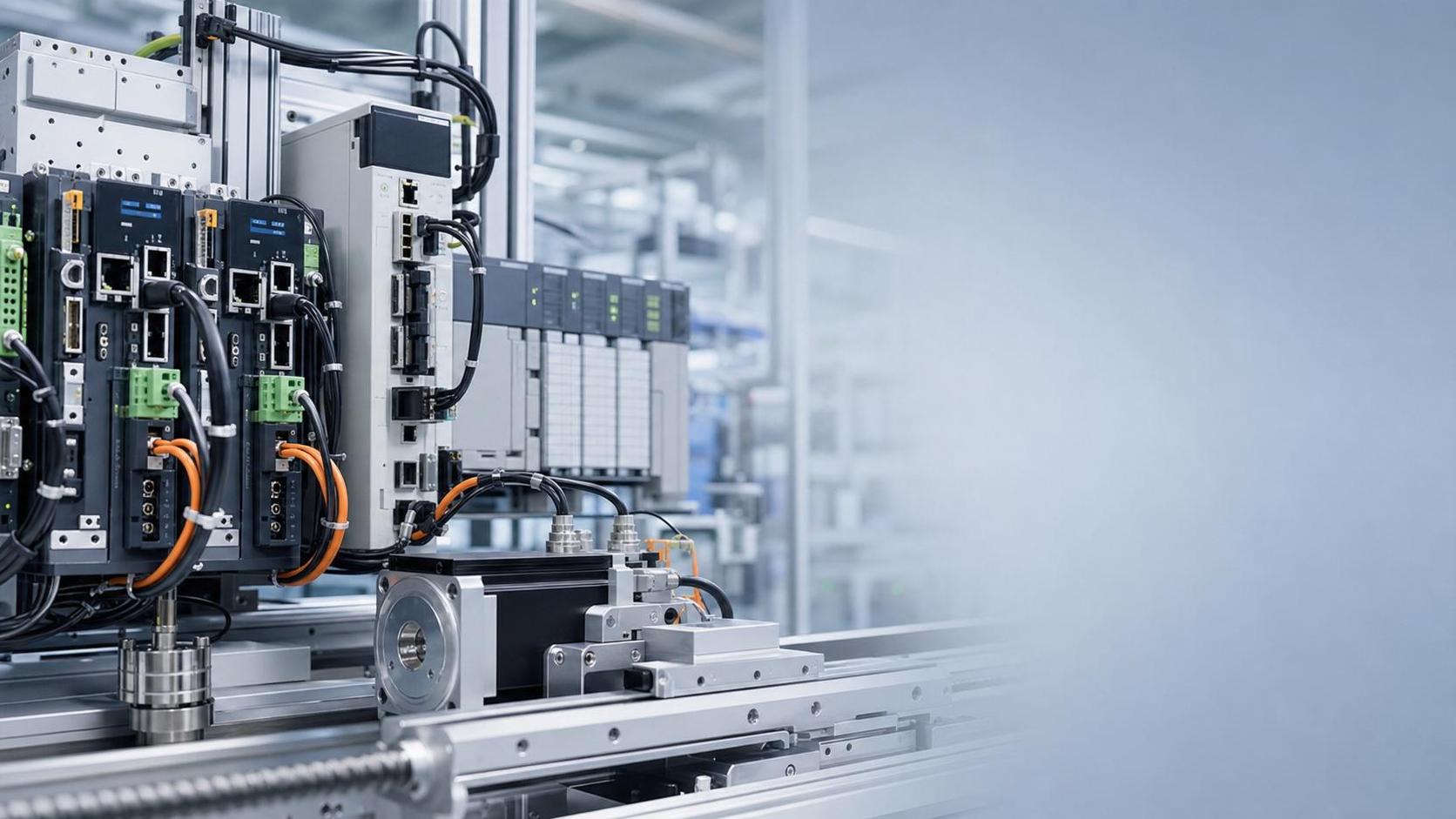
- Servo and inverter upgrades often reduce energy draw and improve motion precision at the same time.
- PLC/DCS optimization can remove hidden downtime caused by poor logic flow, slow scan cycles, or weak fault visibility.
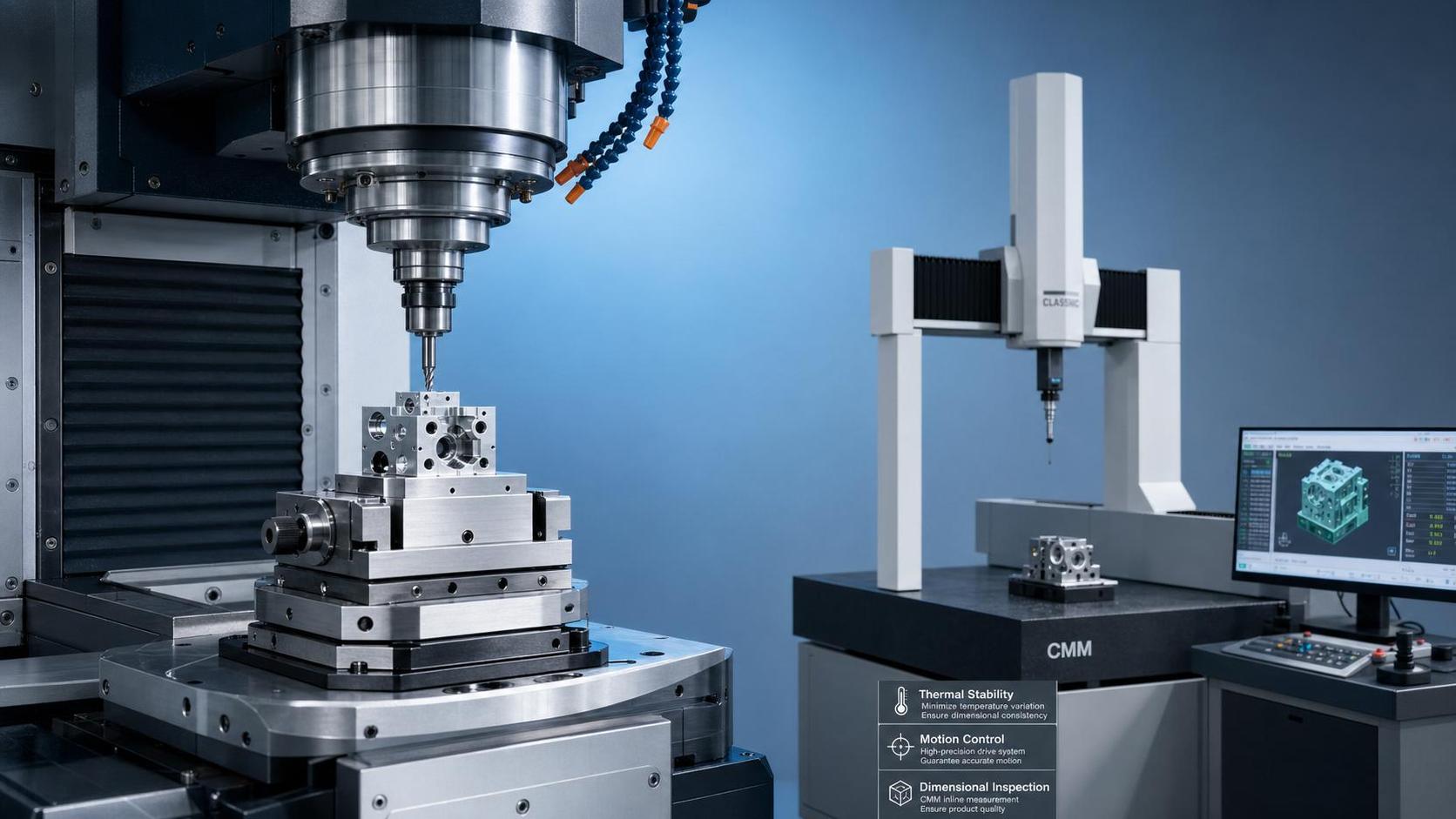
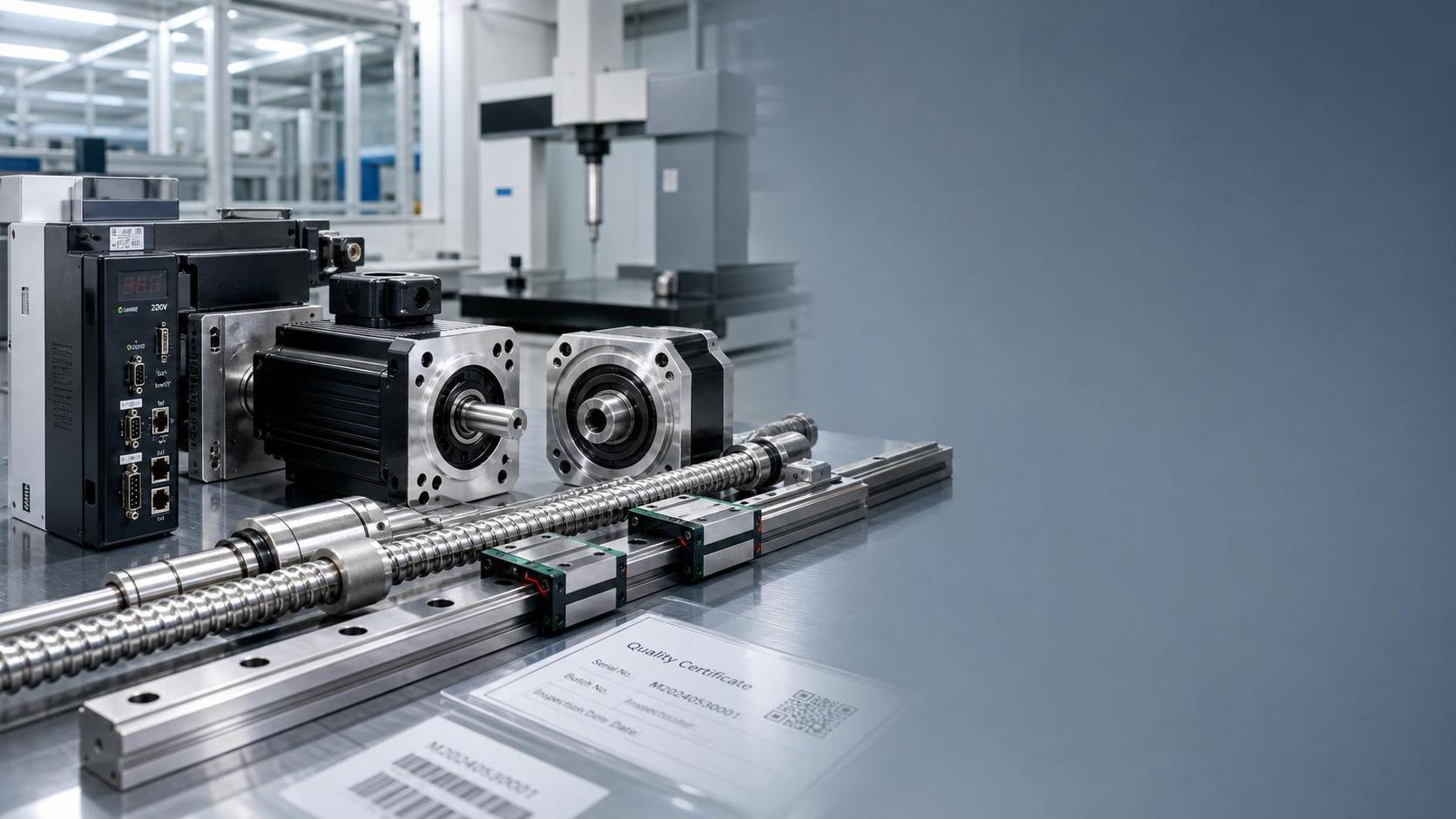
- Precision reducers, ball screws, and linear guides improve repeatability, lowering scrap and rework costs.
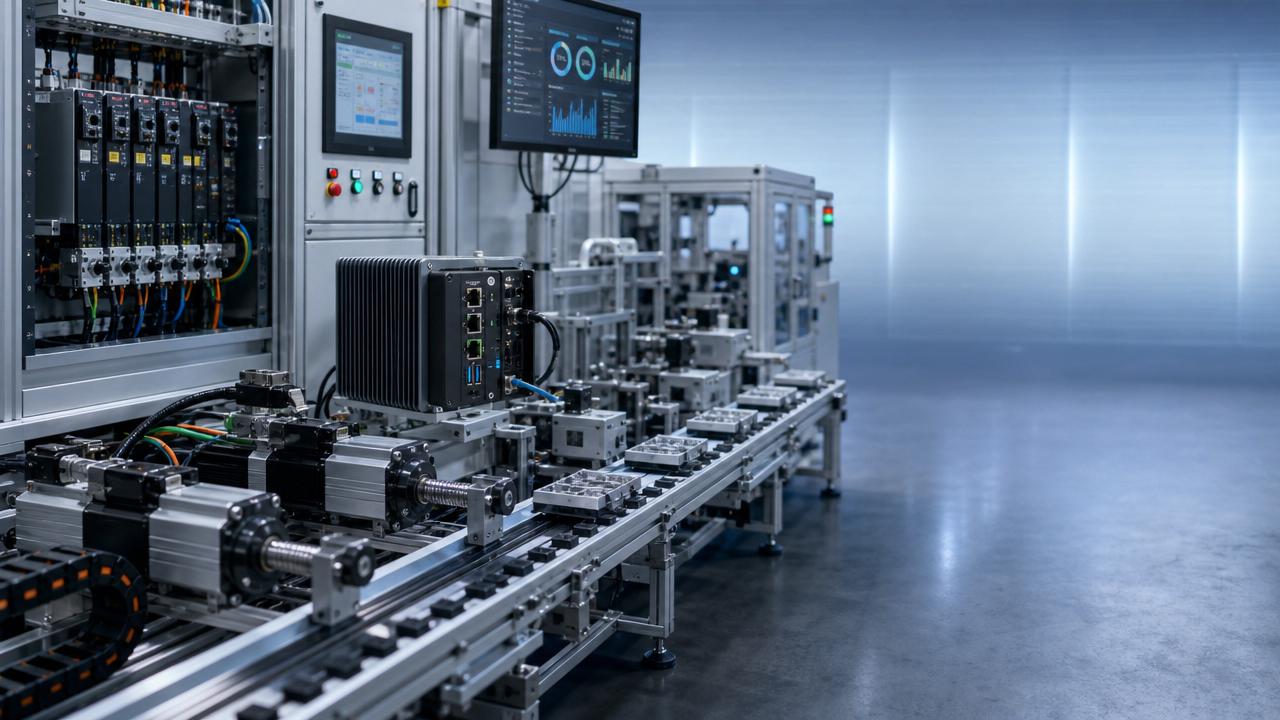
- Industrial PCs and edge computing shorten diagnosis time by turning machine data into immediate operating decisions.
For decision-makers comparing proposals, Smart Industrial Automation should be evaluated not as a generic upgrade, but as a staged return engine tied to production economics.
Why finance leaders approve some automation projects faster than others
The difference is not technical complexity alone. It is financial clarity. Projects move faster when the benefit appears in categories already monitored by finance: electricity cost, maintenance cost, labor utilization, output per shift, and nonconformance expense.
The four ROI signals that show up earliest
The table below highlights where Smart Industrial Automation typically creates first-stage gains and why these gains are easier for finance teams to validate.
The key takeaway is simple: finance does not need to wait for a complete smart factory milestone to see value. Smart Industrial Automation often proves itself first through operational leak reduction.
Which automation components usually create the fastest business case?
Not every component produces the same approval logic. Some improve cost stability immediately. Others build strategic flexibility but need longer evaluation cycles.
Fast-payback components versus strategic-build components
For Smart Industrial Automation investments, financial approvers benefit from separating quick-return upgrades from architecture-level upgrades.
This comparison helps prevent a common budgeting mistake: treating all automation spending as equally urgent. Smart Industrial Automation should be sequenced by where cash impact becomes visible first.
How IAMC supports better investment judgment
Many approval bottlenecks come from poor translation between engineering language and capital discipline. IAMC is valuable because it focuses on the exact layers where industrial performance and business outcomes meet.
From motion physics to financial relevance
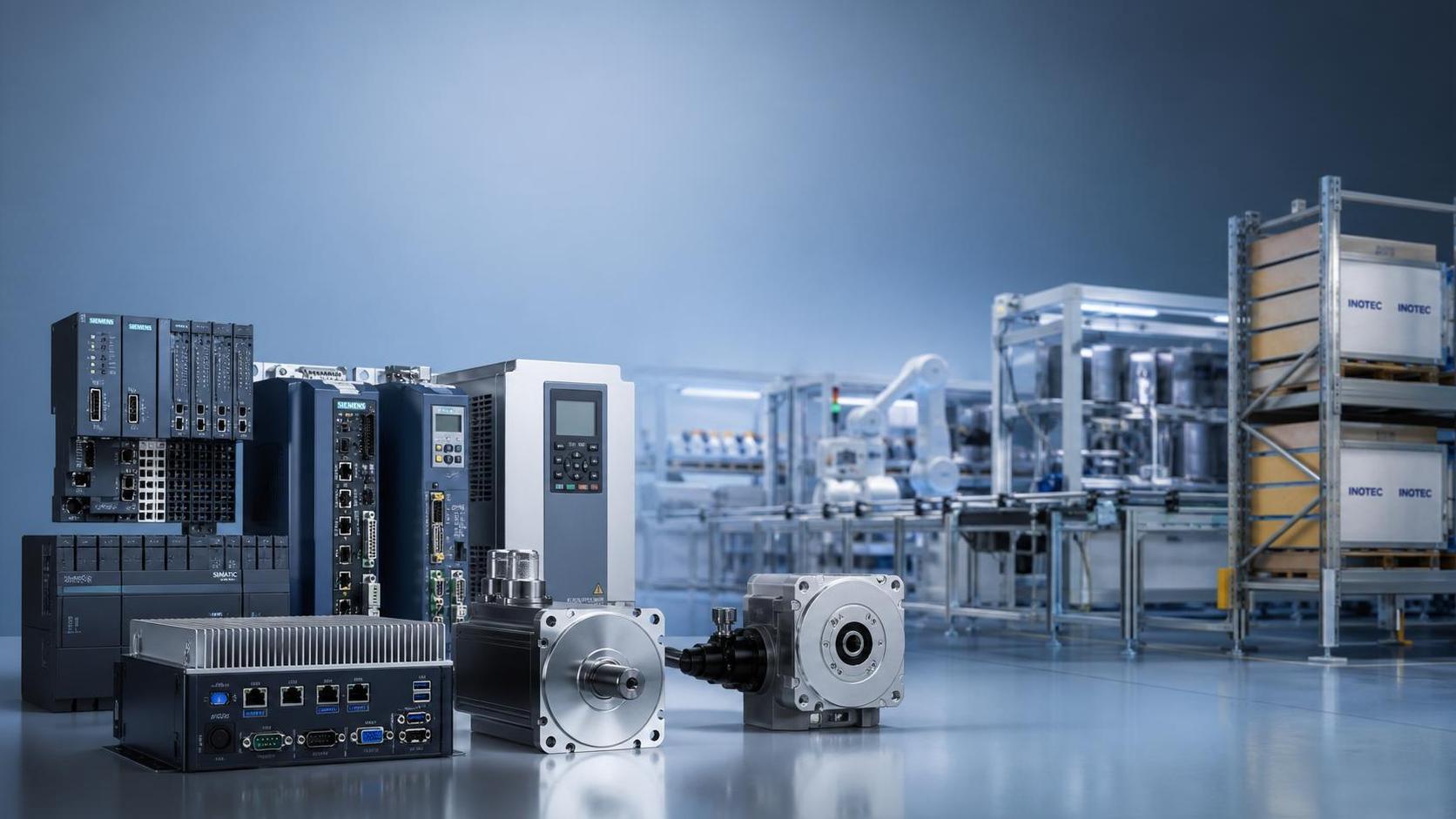
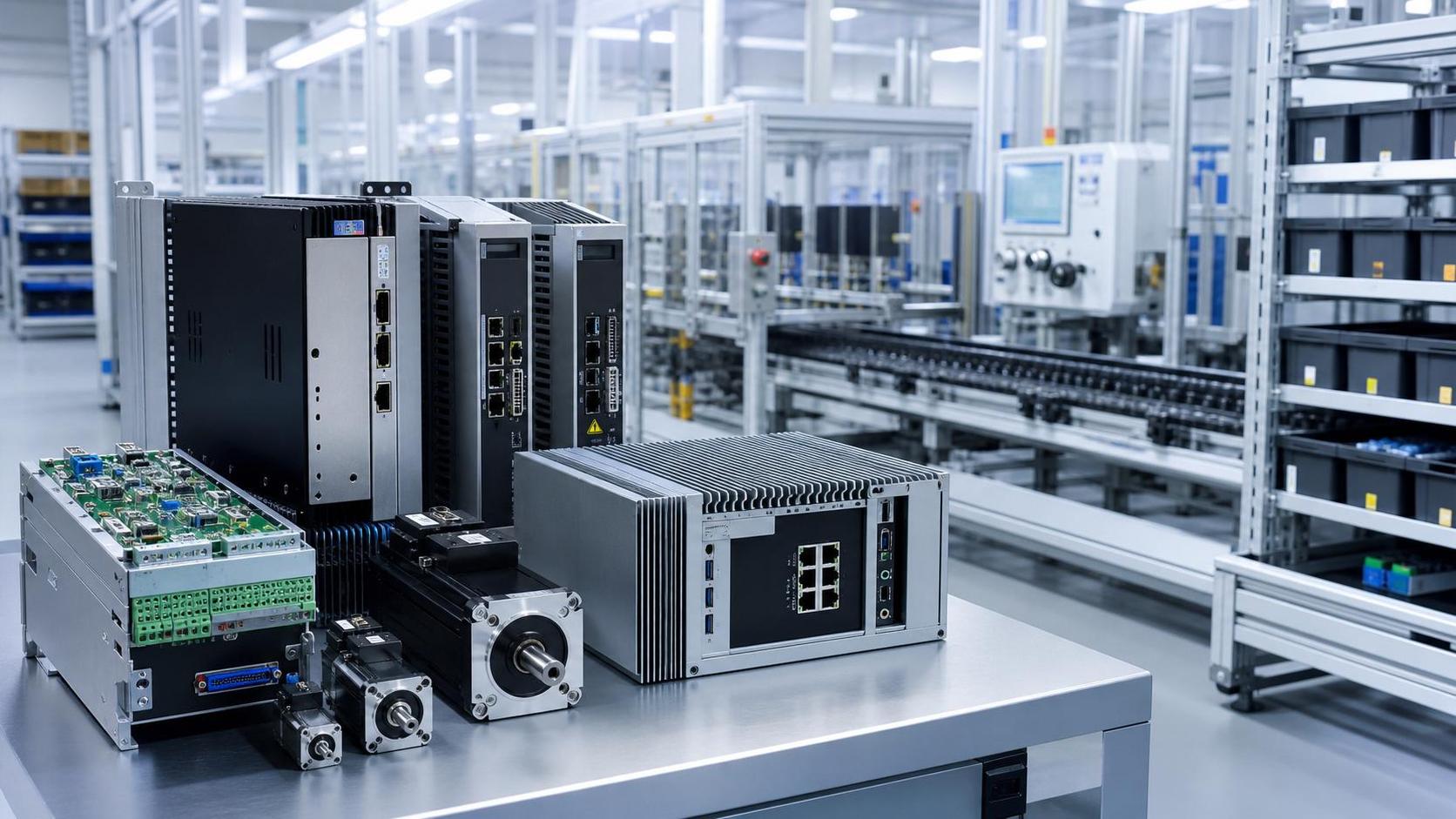
IAMC follows the five pillars that directly shape machine precision and productive power: industrial AC servo motors, PLC/DCS systems, precision reducers, linear guides and ball screws, plus inverters and industrial PCs.
That coverage matters for Smart Industrial Automation because ROI is rarely created by software alone. It depends on how electrical control, mechanical transmission, and edge intelligence perform together under load, speed, vibration, and tolerance pressure.
IAMC’s Strategic Intelligence Center adds another layer of value. It looks at trade barriers, chip cycles, motion control evolution, resonance suppression, harmonic fatigue behavior, and real-time control jitter. For finance, that means fewer blind spots around supply risk, lifecycle risk, and upgrade timing.
- It helps buyers compare not only performance, but also deployment risk and replacement complexity.
- It supports capital planning by showing where a precision gain is likely to reduce total operating cost.
- It gives global manufacturers context on component shortages, substitution pressure, and technology migration paths.
What finance should check before approving Smart Industrial Automation
A strong proposal is not the one with the most advanced terminology. It is the one that links technical scope to a measurable business baseline.
Practical approval checklist
- Confirm the operating loss being targeted. Is the main issue energy consumption, scrap, downtime, throughput, or labor exposure?
- Ask whether the bottleneck is electrical, logical, mechanical, or data-related. Misdiagnosis leads to expensive underperformance.
- Check compatibility with existing PLC/DCS architecture, field devices, motion interfaces, and maintenance skill levels.
- Review expected service life, spare parts availability, and sensitivity to chip supply or high-precision component lead times.
- Require a phased benefit model. First-stage returns should be separated from longer-term digital transformation gains.
This discipline is especially important in cross-industry environments where equipment types differ, but approval logic remains the same: fund what reduces recurring loss, protects continuity, and scales with manageable risk.
Common mistakes that delay or weaken returns
Even well-funded automation projects can miss their targets when the scope is too broad, the baseline is too vague, or the mechanical layer is ignored.
Frequent decision errors
- Approving software visibility tools without fixing the unstable servo, reducer, or guide system generating the problem.
- Assuming Smart Industrial Automation ROI comes only from labor reduction, while ignoring energy and scrap savings that appear sooner.
- Choosing low-cost transmission components in precision applications, then paying later through rework, drift, and maintenance interventions.
- Ignoring electromagnetic interference, real-time control constraints, or environmental conditions when upgrading PLC/DCS or IPC systems.
- Requesting one payback figure for a multi-layer project instead of separating fast-return modules from strategic infrastructure.
A disciplined approval process improves outcome quality. It also strengthens the credibility of future Smart Industrial Automation proposals because results can be traced to clear assumptions.
How to phase implementation for faster financial confidence
For many organizations, the most defensible strategy is staged deployment. It protects cash, limits disruption, and creates evidence before scale-up.
A practical three-step model
The table below outlines a common rollout pattern for Smart Industrial Automation when finance wants visible results before broader commitment.
This structure aligns with how finance teams release capital. Early proof from one line often makes the second-stage budget far easier to approve.
Standards, risk, and compliance questions worth asking
In Smart Industrial Automation, technical performance is only part of the decision. The other part is whether the solution can be integrated and maintained within expected safety, reliability, and documentation practices.
Key review topics
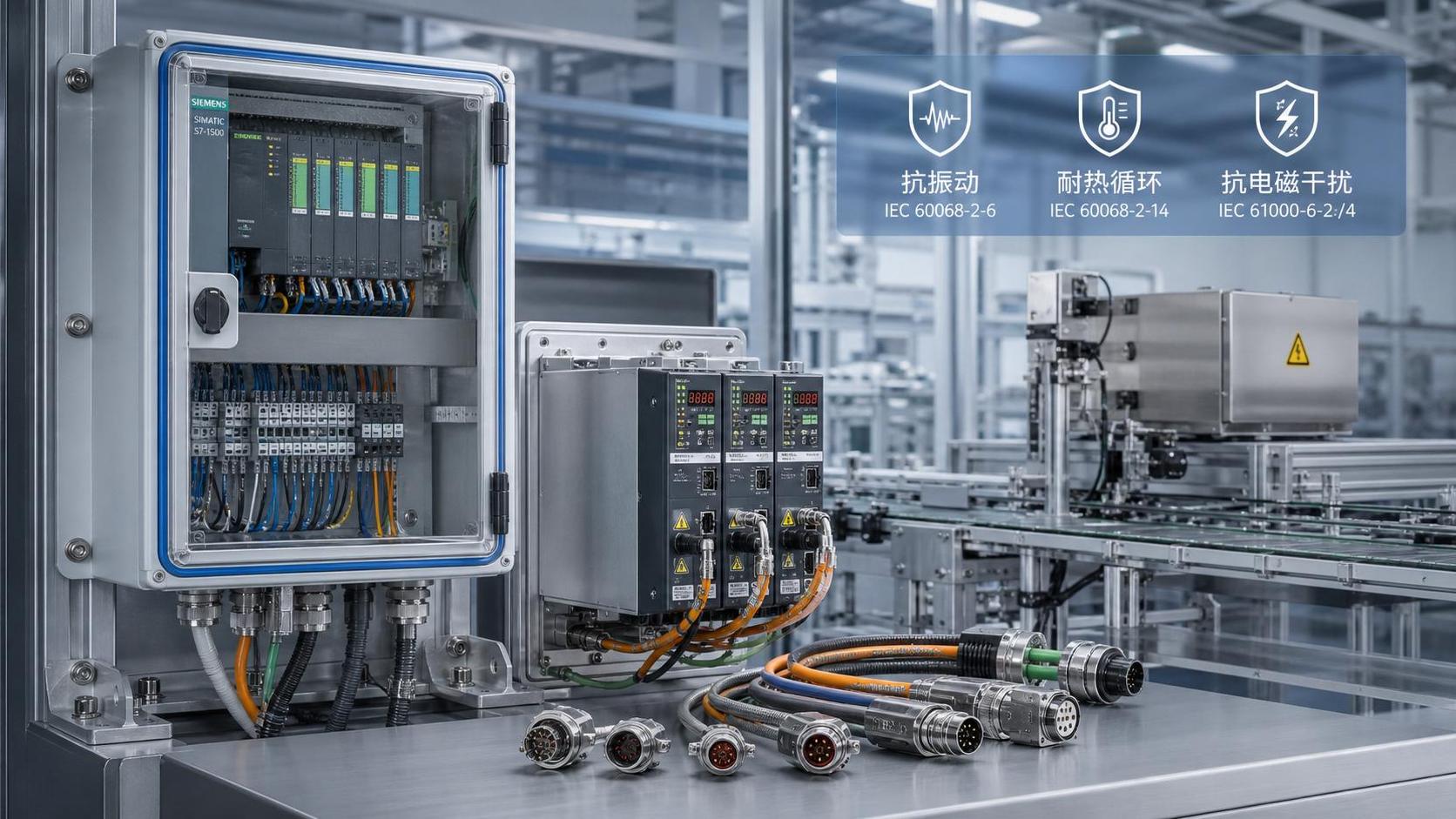
- Electrical compatibility and EMC resilience for control cabinets and line environments with heavy interference.
- Functional suitability of PLC/DCS logic for the process criticality involved.
- Mechanical tolerance, backlash control, fatigue life, lubrication planning, and maintenance access for transmission components.
- Data handling and edge computing requirements where real-time decisions depend on robust IPC performance.
- Supplier transparency regarding lead times, substitution policy, and lifecycle support.
These issues matter because a financially attractive project can still underperform if integration friction, spare shortages, or maintenance complexity were underestimated at approval stage.
FAQ: the questions financial approvers ask most often
How fast can Smart Industrial Automation show measurable ROI?
It depends on the loss being corrected. If the project targets energy waste, repeated downtime, or visible scrap, the first measurable gains often appear sooner than broader digital transformation benefits. The best candidates are lines with stable demand and clearly recorded losses.
What should finance ask engineering before approving a proposal?
Ask for the baseline KPI, the exact source of loss, the affected subsystem, the expected first-stage benefit, integration constraints, and the fallback plan if one component family faces long lead times. That prevents vague business cases.
Is Smart Industrial Automation only suitable for large factories?
No. Smaller and mid-sized operations often benefit from targeted upgrades because they feel downtime and quality losses more sharply. A focused servo, inverter, PLC, or transmission improvement can produce a stronger percentage impact than a broad but shallow digital program.
What is the most common reason returns disappoint?
The most common reason is solving the wrong layer of the problem. Many plants try to improve visibility while the real issue is mechanical instability, poor motion tuning, logic delays, or uncontrolled process variation.
Why choose us for Smart Industrial Automation insight and decision support
IAMC is built for companies that need more than product headlines. We connect servo control, PLC/DCS logic, precision mechanical transmission, inverters, and industrial edge computing into a usable investment picture.
That matters to financial approvers because strong decisions depend on understanding how micron-level motion, millisecond control, mechanical fatigue behavior, and component supply realities affect cost, uptime, and expansion timing.
What you can discuss with us
- Parameter confirmation for servo, PLC/DCS, transmission, inverter, and IPC-related applications.
- Selection guidance based on energy targets, precision requirements, duty cycle, and maintenance constraints.
- Lead time and supply risk discussion for high-precision components and architecture planning.
- Custom solution direction for flexible manufacturing, retrofit sequencing, and phased rollout strategy.
- Compliance and documentation topics relevant to industrial deployment and cross-border procurement.
- Quotation communication support tied to technical scope, replacement options, and implementation priorities.
If your team is evaluating Smart Industrial Automation and needs clearer ROI logic before budget release, contact us with your current bottleneck, target KPI, expected delivery window, and required technical scope. That makes it easier to move from generic automation interest to a defensible investment decision.
Related Recommendations
 Rugged Automation Components: When IP Ratings Fail to Predict Field ReliabilityTime : Jul 05, 2026
- Automation Spare Parts Planning: How to Reduce Downtime Without OverstockingTime : Jul 05, 2026
- How to Evaluate an Industrial Control Electronics ManufacturerTime : Jul 04, 2026
- Micron-Tolerance Components: What Really Affects CNC AccuracyTime : Jul 03, 2026
- How ISO-Certified CNC Motion Components Reduce Supply RiskTime : Jul 03, 2026
- When Motion Control Solutions Fail: Common Integration Gaps to FixTime : Jul 02, 2026