What Delays ROI in Automation Control Technology Upgrades

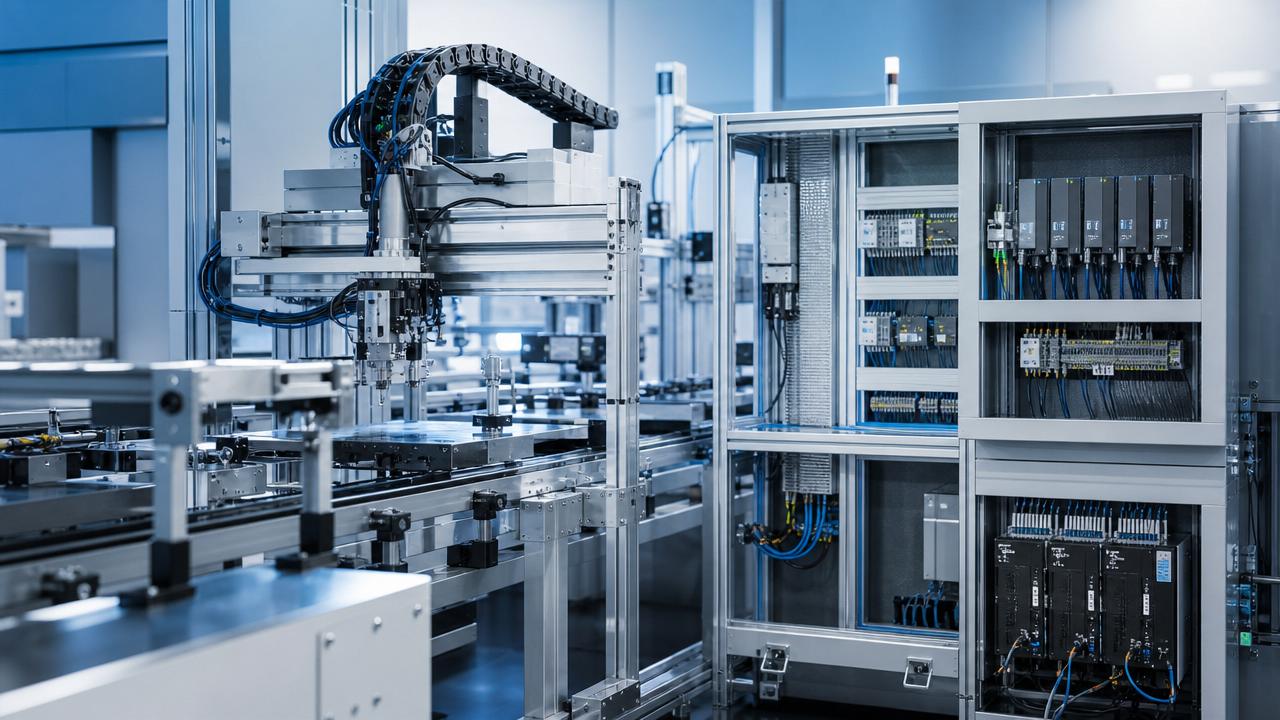
Why do so many Automation Control Technology upgrades take longer than expected to produce measurable returns? In real industrial settings, the delay rarely comes from equipment price alone. The bigger obstacles usually appear after approval: legacy PLC/DCS integration, servo tuning complexity, unplanned downtime during cutover, weak data baselines, and a shortage of people who can connect control logic with production economics. In a comprehensive industry environment where factories, utilities, logistics sites, and process operations all pursue efficiency, understanding these barriers is essential to shorten payback periods and turn automation investments into durable business value.
When does an Automation Control Technology upgrade face the highest ROI delay risk?
The same Automation Control Technology investment can produce very different results depending on the operating scenario. A packaging line seeking faster changeovers has different success criteria than a chemical process line focused on safety and stability. A CNC cell may care most about motion precision, while a warehouse conveyor project may prioritize uptime and energy savings. ROI slows down when the upgrade scope is defined without matching the true production scenario.
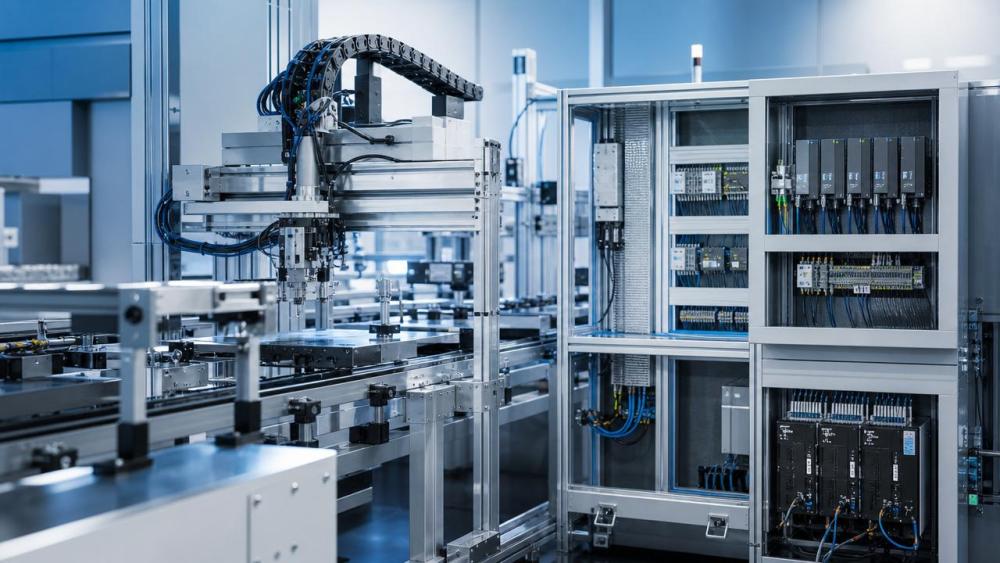
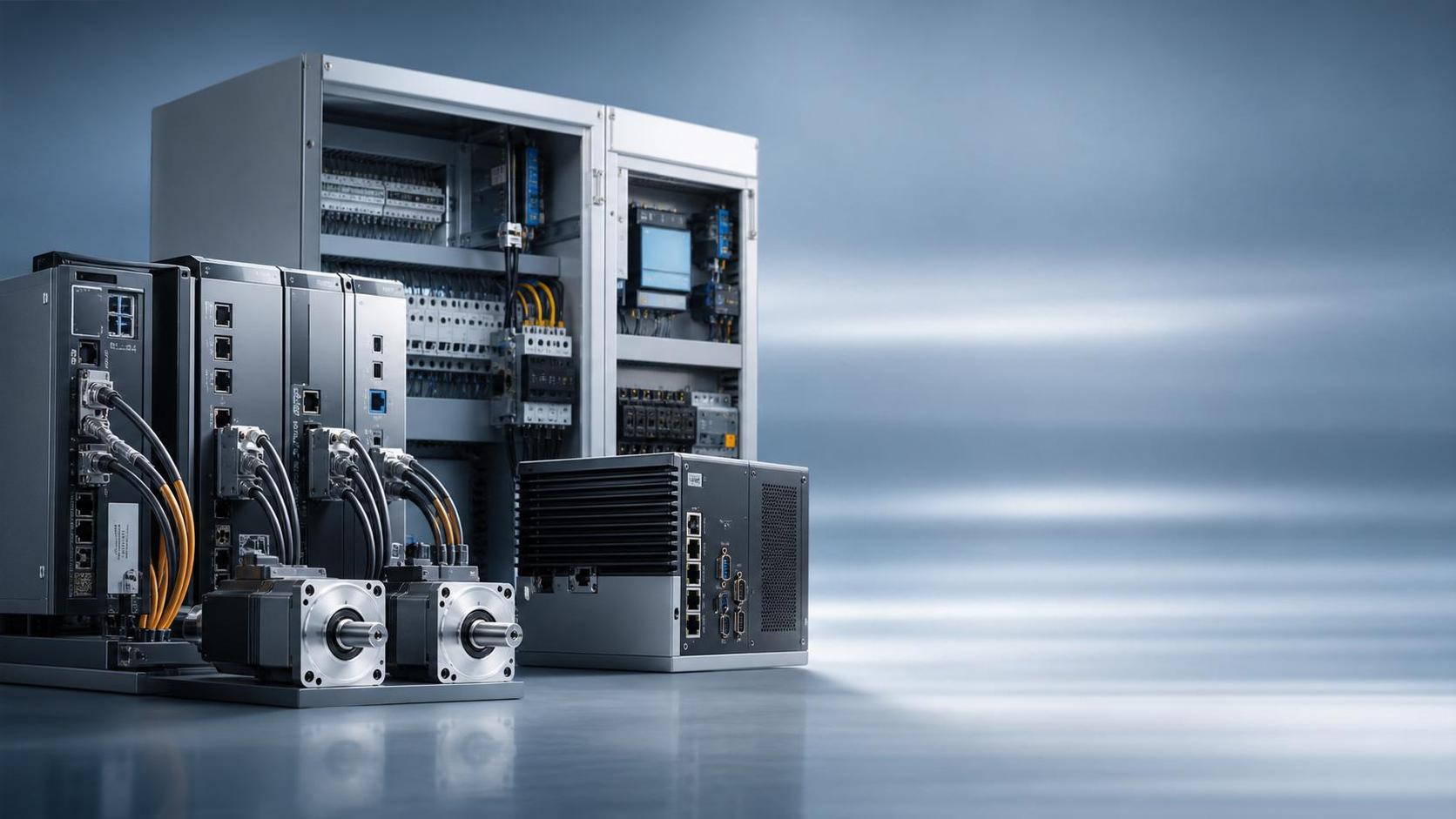
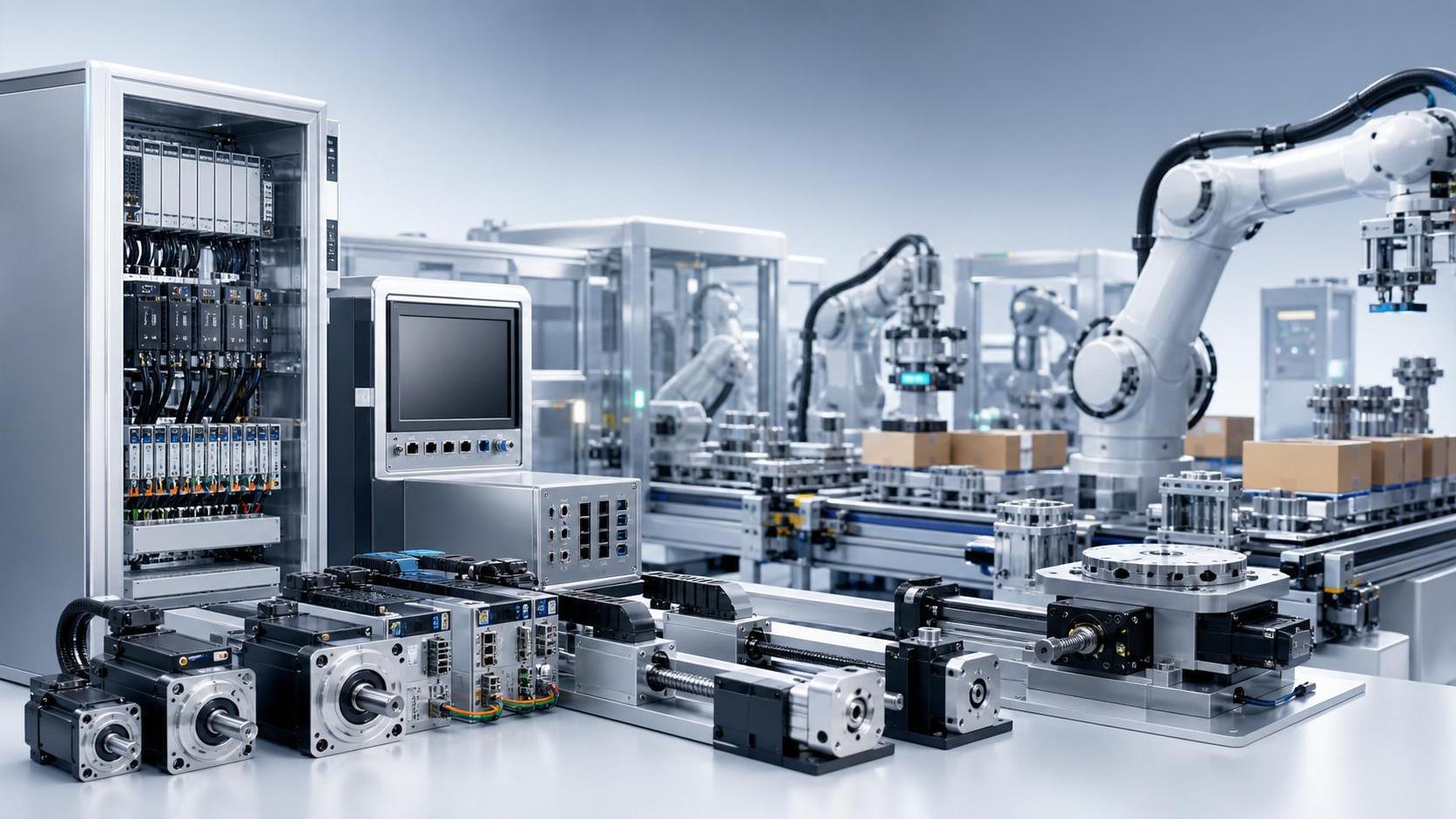
This is why scenario judgment matters. Before evaluating a new servo system, inverter, industrial PC, edge controller, or PLC modernization plan, it is necessary to ask what outcome is expected first: cycle time reduction, scrap control, labor optimization, energy efficiency, predictive maintenance, or flexible manufacturing. Without that clarity, even technically advanced Automation Control Technology may underperform financially because the benchmark for success was never practical or measurable.
Scenario 1: Legacy production lines often hide the biggest integration delays
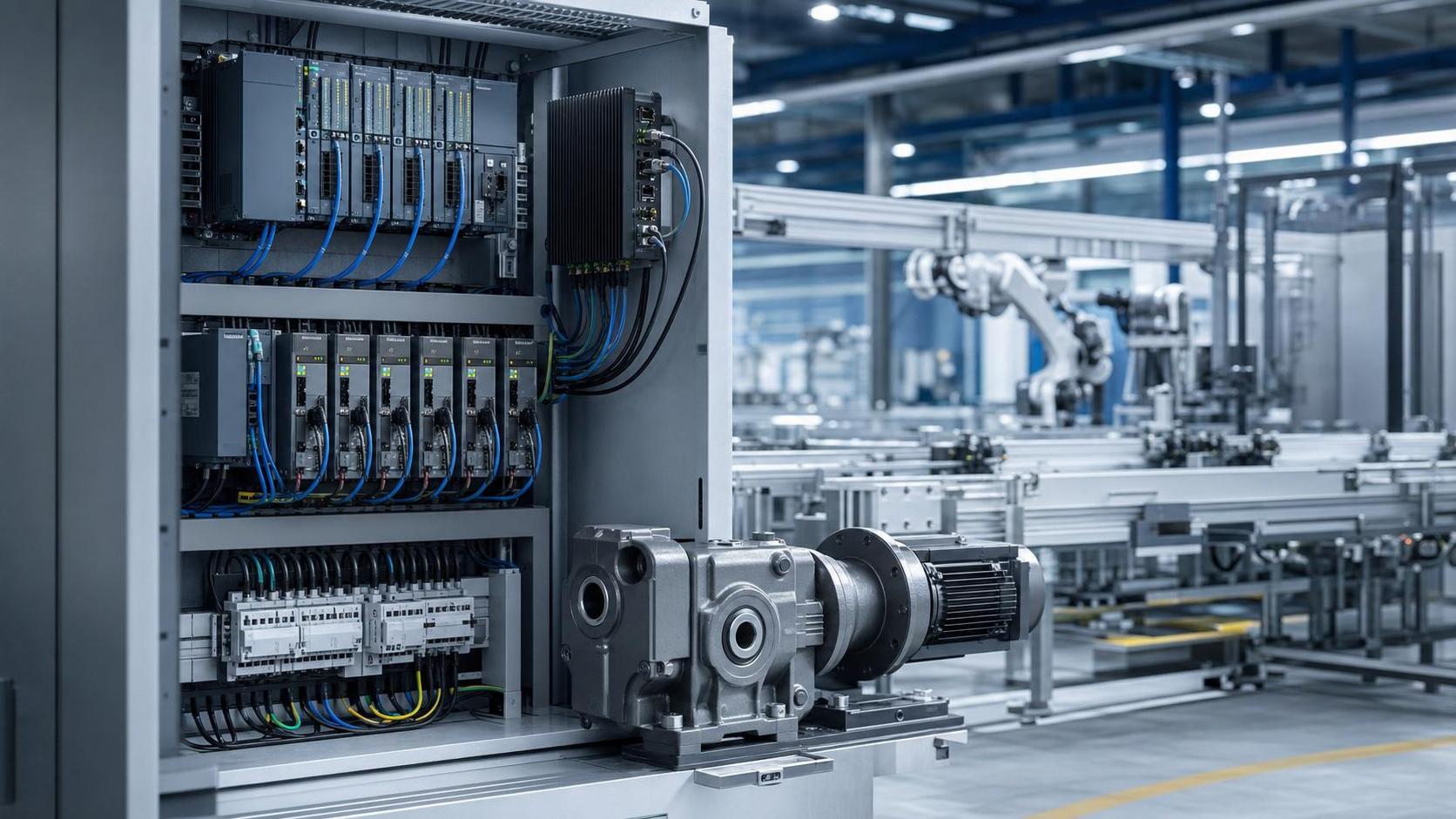
In brownfield environments, ROI is often delayed by what existing systems do not reveal on paper. Old PLCs may still run critical sequences, field devices may use mixed communication protocols, and undocumented ladder logic may control safety-sensitive steps. Once a modernization project begins, engineers discover that replacing one drive or controller affects upstream sensors, HMI screens, SCADA tags, historian links, and maintenance workflows.
The key judgment point in this scenario is not whether the new Automation Control Technology is better, but how much hidden interface work must be completed before production can restart. ROI is delayed when retrofit plans ignore electrical cabinet redesign, signal remapping, network segmentation, EMC issues, or machine revalidation. In many cases, the project budget supports hardware, but not the engineering hours needed to stabilize the new control architecture under full load.
Scenario 2: High-precision motion applications delay returns when tuning is underestimated
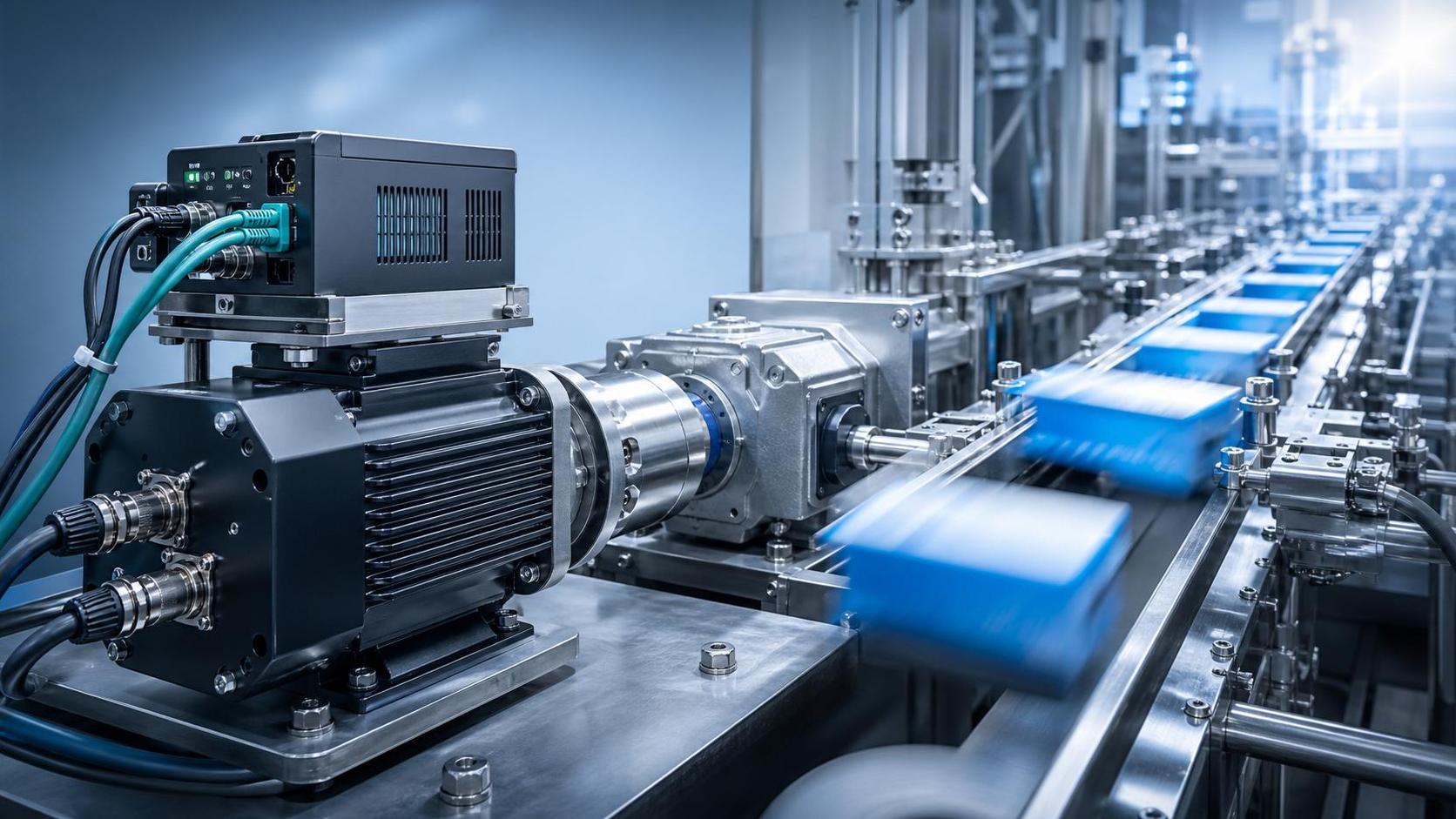
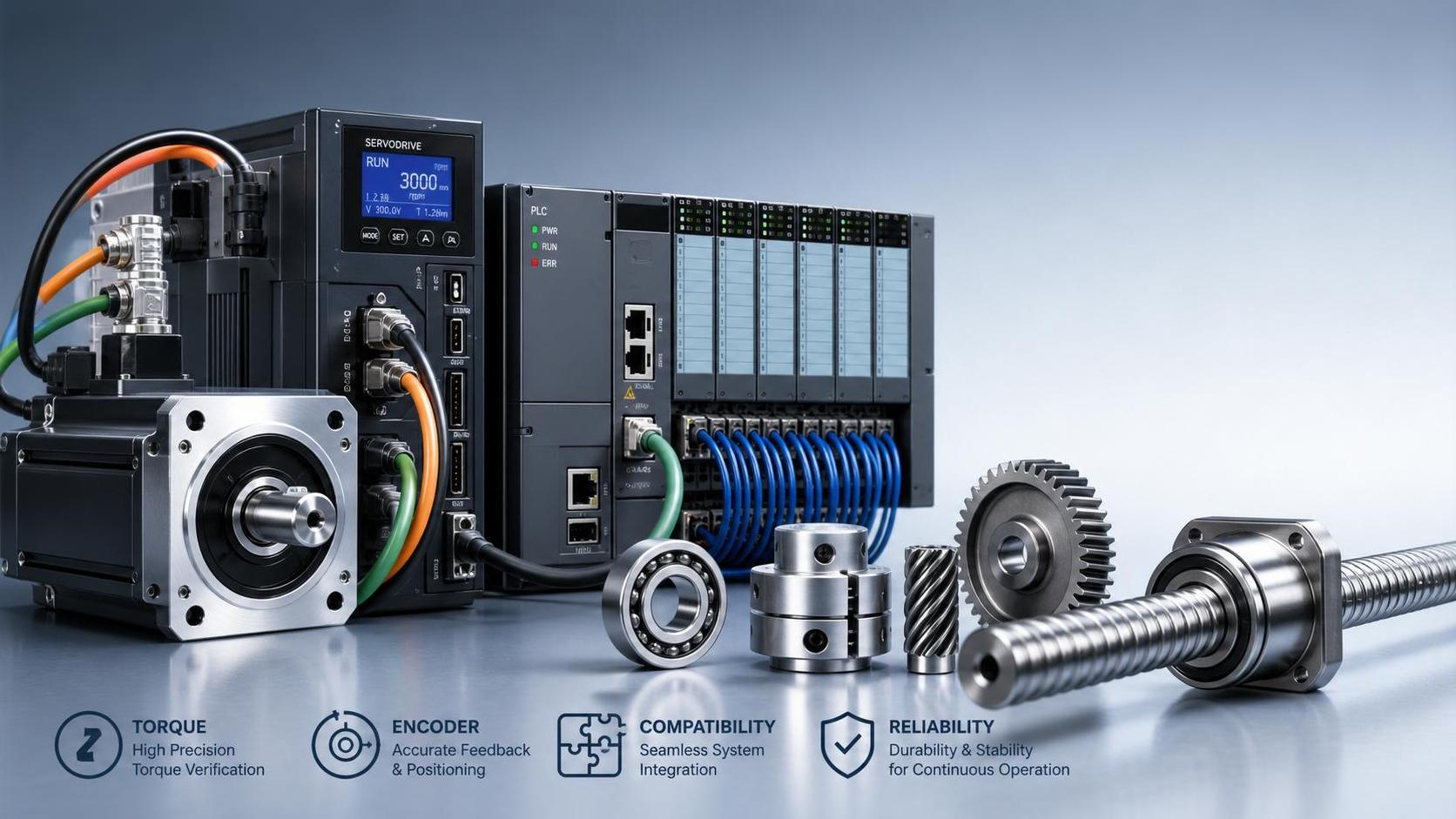
Applications involving servo motors, reducers, linear guides, ball screws, and synchronized multi-axis control often promise strong gains from Automation Control Technology. However, precision systems do not create ROI the moment they are installed. They require tuning, resonance suppression, feedback calibration, mechanical alignment, and stable control loop performance across changing loads.
In this scenario, the core judgment point is whether the mechanical and control layers were evaluated together. A faster servo amplifier cannot deliver expected output if backlash, vibration, poor bearing condition, or frame rigidity limit machine performance. Financial returns are postponed when decision models assume nameplate capability equals real production capability. For high-precision equipment, commissioning quality often determines ROI more than purchase price.
Scenario 3: Process industries face ROI delays when uptime risk outweighs upgrade speed
In process-heavy environments such as chemicals, food processing, water treatment, and energy systems, Automation Control Technology upgrades are judged differently. Here, stability, traceability, and safety interlocks matter as much as efficiency. A short shutdown window may force phased migration, temporary bypass strategies, and parallel validation between old and new DCS or PLC layers.
The main judgment point is whether operational continuity has been fully priced into the ROI model. If every hour of downtime carries large production loss or compliance risk, the “return” from modernization may start later than expected. This does not mean the project is weak. It means the business case must account for staged deployment, operator retraining, alarm rationalization, and cybersecurity hardening before benefits become visible.
Scenario 4: Data-driven upgrades stall when performance baselines are unclear
Many modernization plans now combine controllers, IPCs, edge computing, and analytics under the banner of smart manufacturing. Yet Automation Control Technology only proves ROI when the “before” and “after” states can be compared. If OEE, fault frequency, energy use, throughput variability, and scrap rates were never measured consistently, the project team may improve operations without being able to prove financial impact.
The critical judgment point in this scenario is data readiness. Returns are delayed when tags are inconsistent, sensors are uncalibrated, or historian systems cannot capture high-resolution events. Even advanced edge architectures cannot solve a weak baseline by themselves. Measurable ROI requires a measurement framework before the first cabinet door is opened.
How do scenario needs differ across Automation Control Technology projects?
The table below shows why one evaluation model does not fit every Automation Control Technology upgrade. Different scenarios create different delay mechanisms, success criteria, and mitigation priorities.
Which actions shorten payback in each Automation Control Technology scenario?
A faster return usually comes from better preparation rather than more aggressive spending. The following actions improve ROI timing across different Automation Control Technology use cases:
- Map dependencies before specification. Audit drives, I/O, networks, safety circuits, software versions, and mechanical limits before approving the final solution.
- Define one primary financial objective. Select the first measurable target such as reduced scrap, lower energy use, better OEE, or shorter changeover time.
- Budget commissioning as a value phase. For servo, PLC, IPC, and inverter upgrades, startup optimization should be treated as part of ROI creation, not a minor closing step.
- Collect baseline data early. Measure downtime categories, throughput variation, reject trends, and maintenance frequency before implementation.
- Plan skills transfer. A modern Automation Control Technology stack produces slower returns if local teams cannot diagnose alarms, modify code safely, or tune motion behavior.
- Use phased validation. Pilot one cell, one axis group, or one process area before rolling changes across an entire site.
What common misjudgments keep Automation Control Technology ROI out of reach?
Several avoidable mistakes repeatedly delay returns. One is treating hardware replacement as transformation by itself. Another is assuming all efficiency gains will appear immediately after installation. In reality, Automation Control Technology creates value through stable operation, trained usage, and disciplined performance measurement over time.
Another common error is underestimating the relationship between control systems and mechanical conditions. A poor reducer, worn guideway, or unstable load path can erase the expected gains from an advanced servo platform. Equally damaging is overestimating software intelligence while ignoring signal quality, network latency, or grounding issues that reduce control reliability.
Finally, ROI often slips because decision teams compare technology options without comparing implementation scenarios. The better question is not simply “Which platform is more advanced?” but “Which Automation Control Technology path fits current assets, downtime limits, internal skills, and measurable business priorities with the least hidden execution risk?”
A practical next step for evaluating Automation Control Technology upgrades
A strong next step is to build a scenario-based evaluation sheet before selecting vendors or architectures. List the production context, baseline KPIs, shutdown tolerance, integration points, control complexity, and operator readiness. Then rank each factor by its impact on ROI timing. This approach makes Automation Control Technology decisions more realistic, easier to defend, and more likely to deliver visible results on schedule.
For organizations tracking industrial motion control, PLC/DCS evolution, precision transmission, industrial IPC deployment, and edge intelligence, the most valuable insight is often not the newest feature but the clearest fit between scenario and system design. When Automation Control Technology is matched to the right operating environment, supported by measurable baselines, and implemented with disciplined commissioning, ROI stops being a delayed promise and becomes a controlled outcome.
Related Recommendations
 Reducer Selection in Europe: Cost, Compliance, and Lead Time Factors to CompareTime : Jun 29, 2026
- How to Evaluate an Industrial Control Systems Supplier Beyond Unit PriceTime : Jun 27, 2026
- Servo Motor Selection Mistakes That Raise Downtime RiskTime : Jun 26, 2026
- Flexible Manufacturing Solutions for Faster Line ChangeoversTime : Jun 26, 2026
- Servo Motor Selection: 7 Key Checks Before BuyingTime : Jun 26, 2026
- Industrial Automation Solutions: Hidden Integration Costs to Check FirstTime : Jun 25, 2026